

Polyergus breviceps
- Scientific Name
- Polyergus breviceps
- Tribe
- Formicini
- Subfamily
- Formicinae
- Author
- Emery, 1893
- Common Name
- Broad-headed Amazon Ant
- Distribution
- Found in 2 countries
Polyergus breviceps Overview
Polyergus breviceps (commonly known as the Broad-headed Amazon Ant) is an ant species of the genus Polyergus. It is primarily documented in 2 countries , including Canada, United States of America. Detailed taxonomic data and occurrence records can be further explored via authoritative databases such as AntWeb or the Global Biodiversity Information Facility (GBIF).
Polyergus breviceps - "Broad-headed Amazon Ant"
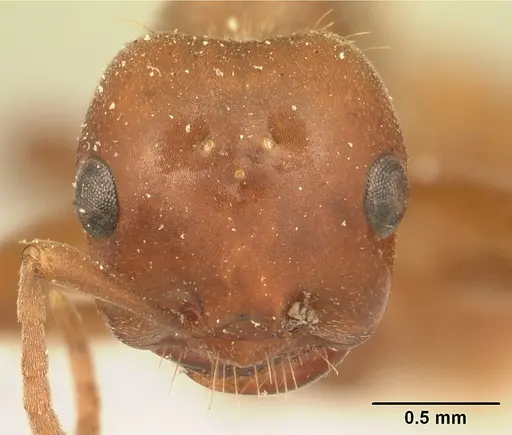
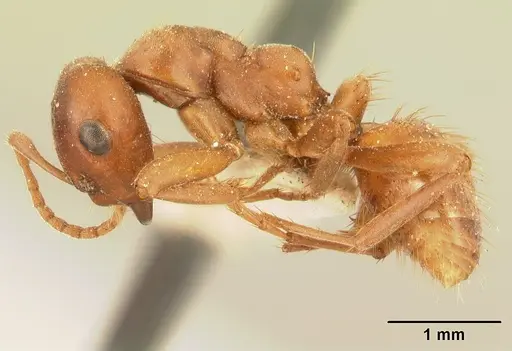
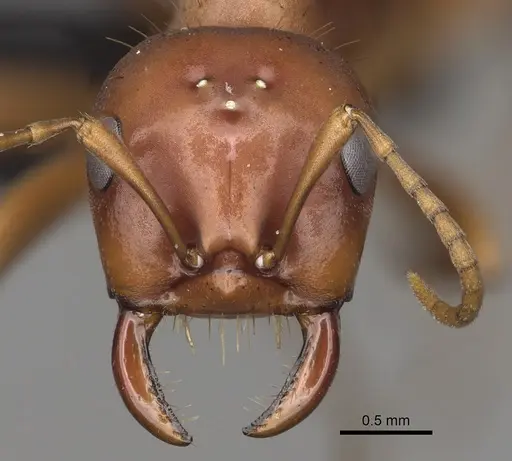
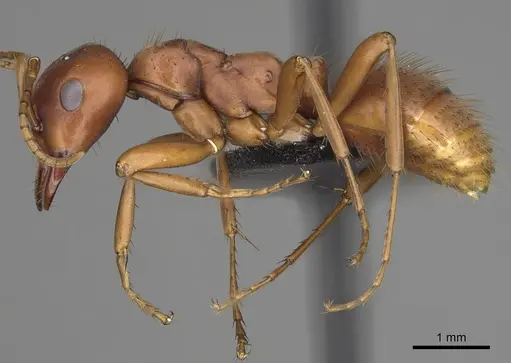
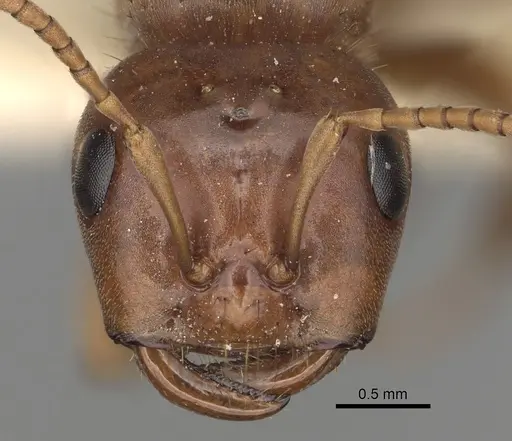
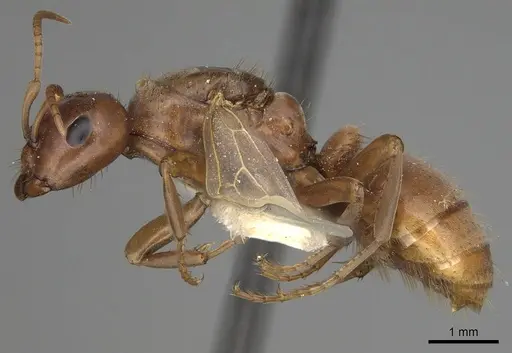
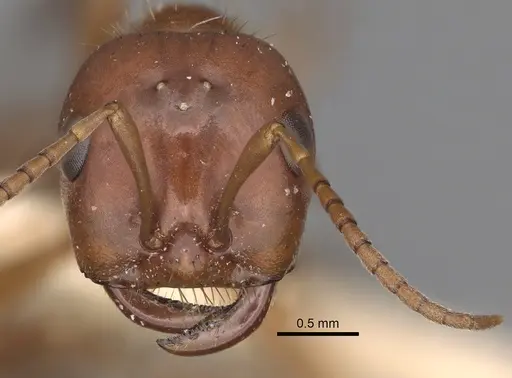
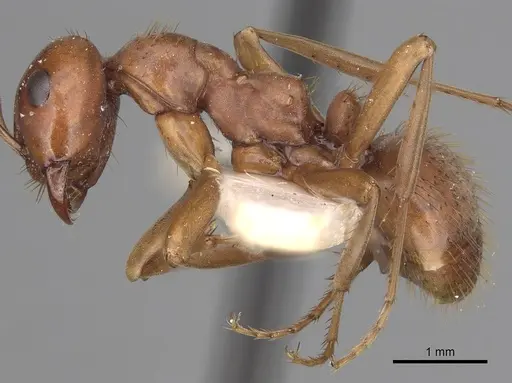
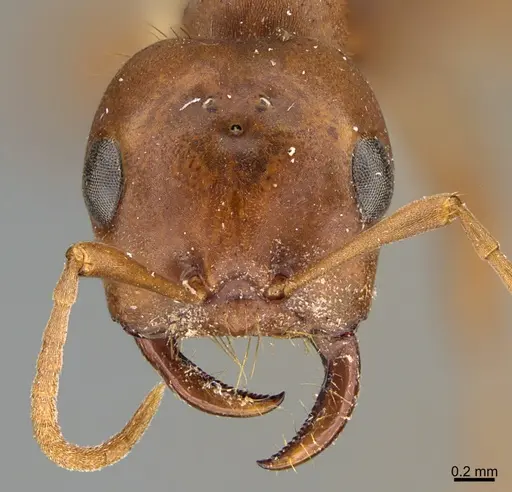
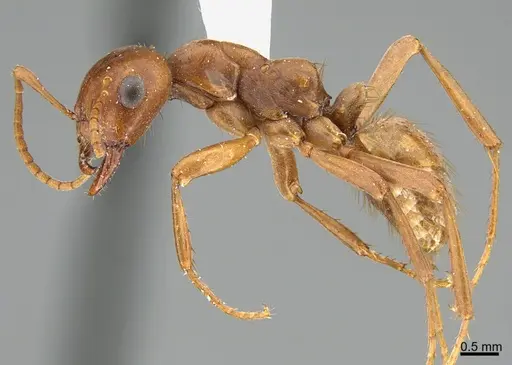
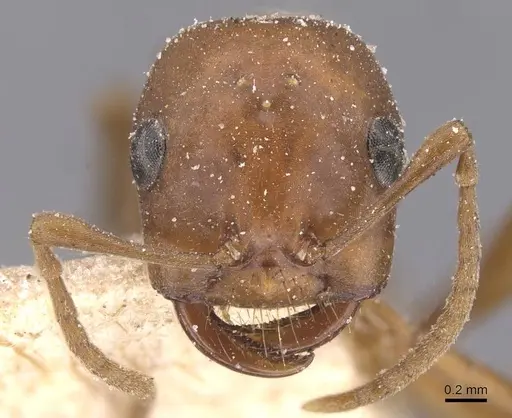
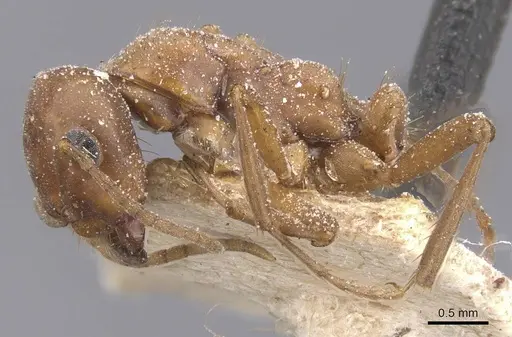
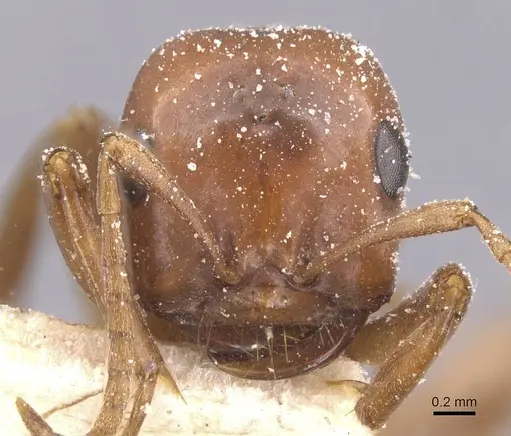
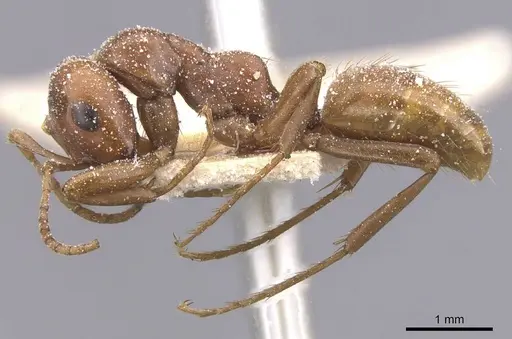
Polyergus breviceps is a small to medium-sized slave-maker ant native to western and midwestern North America. Workers measure 4.96-6.52 mm and have a distinctive broad, rounded head with abundant long hairs covering the body, especially on the pronotum and vertex. Their color is a dull red with darker infuscation on the posterior portions of the gaster. This species is one of the smaller Nearctic Polyergus species and is most easily distinguished by its abundant pilosity and short, thickened antennae [1]. They inhabit wet to mesic prairies and mesic or wetter old fields, ranging from British Columbia south to California and Mexico, and east to the Rocky Mountains [2]. What makes this species remarkable is its obligate parasitic lifestyle, it cannot survive without enslaved host workers from the genus Formica, making it one of the most challenging ants to keep in captivity.
Quick Summary
- Difficulty: Expert
- Origin & Habitat: Western and midwestern North America, wet to mesic prairies and mesic or wetter old fields, ranging from British Columbia to California, east to North Dakota and Kansas, and south to the White Mountains of northeastern Arizona [1][2].
- Colony Type: Obligate social parasite, queen must invade and take over a colony of Formica host species, killing the resident queen to establish her own colony. Workers are incapable of surviving without enslaved host workers [3][4].
- Colony: Monogyne
- Queen: Socially parasitic
- Special: Slave-making
- Size & Growth:
- Queen: Estimated 7-9 mm based on genus patterns, direct measurements not available in provided data
- Worker: 4.96-6.52 mm total length [1]
- Colony: Colony size depends on host colony, enslaved Formica colonies show higher genetic diversity than free-living colonies [5]
- Growth: Moderate, development timeline unconfirmed for this species
- Development: Unconfirmed, no direct development studies available (Development occurs within the host colony using host workers to rear the brood. Related Polyergus species suggest 6-10 weeks at optimal temperatures, but this requires host colony support.)
- Antkeeping:
- Temperature: Keep nest area at 20-24°C. This species is found in temperate prairie habitats with seasonal temperature variation. Provide a thermal gradient allowing ants to self-regulate [6].
- Humidity: Moderate to high humidity, their prairie and meadow habitats experience seasonal moisture. Keep substrate moderately moist but not waterlogged. Ensure adequate ventilation to prevent mold while maintaining humidity [6].
- Diapause: Yes, based on seasonal raiding patterns. Colonies begin slave-raiding in May, daily by June, with alates appearing late June and abundant during monsoon season (July). Winter rest period is likely required [7].
- Nesting: This species cannot be kept in a standard nest setup. They require an active host Formica colony to survive. In nature, they take over existing Formica nests rather than building their own. Captive keeping would require establishing a host Formica colony first, then introducing a P. breviceps queen to usurp it [8][4].
- Behavior: Polyergus breviceps is an obligate slave-maker that conducts organized raids on Formica colonies. Workers are morphologically specialized for raiding, they have sickle-shaped mandibles without teeth, designed for carrying host pupae rather than for foraging or defense [9]. They cannot feed themselves and rely entirely on enslaved host workers to tend the brood, forage for food, and maintain the nest. Queens use sophisticated chemical deception, they produce Dufour's gland secretions that appease host workers during invasion, then acquire the cuticular hydrocarbon profile of the killed host queen to gain acceptance [8][10]. Raids occur daily during summer months, typically in the mid- to late afternoon. This species is not aggressive toward humans and poses no sting threat, but escape prevention is irrelevant since the colony cannot survive without its host.
- Common Issues: This species cannot be kept in captivity without a living host Formica colony, this is the fundamental challenge and why it is rated Expert difficulty, Queens frequently fail to establish colonies, without killing the host queen, workers typically kill the invading queen (79% adoption with kill vs. 12% without kill) [7], Host workers may reject parasite eggs, only 1-2% of P. breviceps eggs are reared to adulthood when presented to host workers, and only after 5-6 months of living with the parasite queen [7][11], Colonies are vulnerable during the usurpation period, queens without host workers die within 10-15 days after collection [8], Legal concerns, this species has IUCN status VU D2 (Vulnerable) and should not be collected from the wild [12][13]
Understanding the Slave-Maker Lifestyle
Polyergus breviceps is an obligate dulotic ant, this means it cannot survive without enslaved host workers from the genus Formica. Unlike typical ants where workers forage, tend brood, and maintain the nest, P. breviceps workers are specialized raiders whose sole purpose is to raid neighboring Formica colonies and steal their pupae. These stolen pupae emerge as adult workers that become the enslaved labor force of the colony [3][4]. The queen's role is equally specialized. A newly mated queen cannot found a colony independently like claustral ants. Instead, she must locate a suitable Formica host nest, invade it, and kill the resident queen. She uses her Dufour's gland secretions to repel attacking workers during this dangerous process. After killing the host queen, something remarkable happens, her cuticular hydrocarbon profile changes to match that of the killed queen, effectively giving her a chemical disguise that allows her to be accepted by the host workers [8][10]. This chemical mimicry is so effective that the enslaved workers raise the parasite brood as their own.
Host Species and Raid Behavior
Polyergus breviceps parasitizes several species within the Formica cinerea complex. In the Great Lakes and northern Plains states, the primary host is Formica montana. In western mountain meadows, they use Formica canadensis as a host. Other documented hosts include Formica altipetens, Formica neoclara, and Formica occulta [1][2]. The raiding behavior follows a predictable pattern. Each day during summer months, typically between 15:00 and 19:00 hours, raiding columns emerge from the nest. These raids are highly organized, workers march in columns to target nests, steal pupae, and return. Research shows that raids can involve dozens to hundreds of workers per minute during peak activity. The raids begin in May, become daily by June, and continue throughout the summer [7]. Interestingly, colonies show host specificity, genetic studies reveal that P. breviceps colonies form distinct populations that specialize on only one host species, even when multiple host species are available in the same area [11][5].
Why This Species Is Not Recommended for Most Antkeepers
I must be direct: Polyergus breviceps is one of the most difficult ants to keep in captivity and is not suitable for most antkeepers, including many experienced hobbyists. The fundamental challenge is that this species cannot survive without a host Formica colony. Unlike typical ants where you establish a queen and she raises her first workers alone, P. breviceps requires three things simultaneously: a fertilized queen, an established host Formica colony, and successful colony takeover. Research shows that even in optimal conditions, queen adoption rates are low, only 79% of queens that kill the host queen are adopted, compared to just 12% that fail to kill [7]. Additionally, host workers often reject parasite eggs. Studies show only 1-2% of P. breviceps eggs reach adulthood when presented to host workers, and eggs only begin being accepted after approximately 5-6 months of living with the parasite queen [7][11]. Beyond the biological challenges, there are ethical and legal considerations. This species has an IUCN status of VU D2 (Vulnerable), meaning populations are considered at risk [12][13]. Collecting from the wild is not recommended, and captive breeding has not been reliably achieved in the antkeeping hobby.
The Remarkable Chemistry of Colony Usurpation
The chemical warfare employed by P. breviceps queens represents one of the most sophisticated deceptive strategies in the ant world. When a newly mated queen approaches a Formica nest during a raid, she releases secretions from her Dufour's gland that function as an appeasement allomone, a chemical that reduces aggression from host workers [8][14]. This gives her time to locate and attack the host queen. The attack itself is swift and efficient, research documents that once engagement begins, the host queen is killed within an average of 19 minutes [8]. But the most remarkable part is what happens after the kill. The queen's cuticular hydrocarbon profile changes dramatically within hours, acquiring chemicals from the dying host queen that make her smell identical to the host species. Gas chromatography studies show that after killing a Formica gnava queen, the P. breviceps queen's cuticular hydrocarbons match those of F. gnava queens almost exactly [10]. This chemical mimicry is so complete that the enslaved workers accept her as their true queen and tend her eggs. Interestingly, the Dufour's gland itself shrinks significantly after successful integration, it was large and full during the invasion, but one week later it has decreased substantially [8].
Reproduction and Nuptial Flights
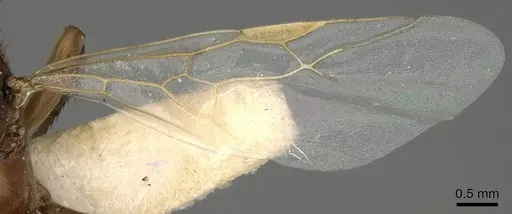
The reproductive biology of P. breviceps is tightly synchronized with seasonal rains. Alates (winged reproductives) appear in late June and become abundant during the monsoon season in July [7]. The species is protandric, meaning males emerge earlier in the season than female reproductives. Nuptial flights occur in the mid- to late afternoon, with winged males and virgin queens emerging from the nest alongside raiding columns. Mating takes place both in the air and on the ground near active raids, researchers have observed males flying in swarms attracted to virgin queens releasing sex pheromones from their mandibular glands [4][15]. The sex pheromone blend consists of methyl 6-methylsalicylate and 3-ethyl-4-methylpentanol in a specific ratio. Studies show that blends with 50-80% methyl 6-methylsalicylate are most attractive to males, and both compounds are essential for biological activity, neither compound alone attracts males [4]. After mating, newly fertilized queens are collected as they approach Formica nests being raided by their nestmates, allowing them to infiltrate during the confusion of the raid.
Frequently Asked Questions
Can I keep Polyergus breviceps in a test tube like other ants?
No. Polyergus breviceps cannot be kept in standard test tube setups because they are obligate social parasites. They require a living host Formica colony to survive. Without enslaved host workers, the colony will die. This is not a species for captive keeping, it is one of the most difficult ants to maintain in captivity and is not recommended for any but the most specialized researchers.
How do I establish a Polyergus breviceps colony?
You cannot establish a P. breviceps colony through conventional means. The queen must invade and take over an existing Formica host colony, killing the resident queen. Even in the wild, this process has a low success rate, only about 79% of queens that kill the host queen are adopted by the colony. Queens that fail to kill the host queen are killed by workers 88% of the time. Given the biological complexity, ethical concerns about collecting vulnerable wild populations, and the specialized requirements, this species should not be attempted by hobbyist antkeepers.
What do Polyergus breviceps eat?
P. breviceps does not forage for food. The enslaved Formica workers handle all foraging, brood care, and nest maintenance. In captivity, you would need to feed the host Formica colony a standard diet of sugar sources (honey water, sugar water) and protein (insects). The slave-maker workers cannot feed themselves and depend entirely on their enslaved hosts.
Are Polyergus breviceps good for beginners?
Absolutely not. This species is rated Expert difficulty and is not recommended for any antkeeper, including experienced ones. The challenges are not about temperature or humidity, they are biological. This is an obligate social parasite that cannot survive without a host colony, making conventional antkeeping impossible. Additionally, the species has IUCN Vulnerable status, so wild collection is not appropriate.
Do Polyergus breviceps need hibernation?
Based on their seasonal biology, yes. Colonies begin raiding in May, are most active during summer months (June-July), and the colony likely enters a dormant period during winter. However, since this species cannot be kept in captivity, hibernation requirements are academic rather than practical.
Why are my Polyergus breviceps dying?
If you somehow obtained P. breviceps and they are dying, the most likely cause is lack of host workers. This species cannot survive without enslaved Formica workers. Without a host colony to tend them, feed them, and maintain the nest, they will die. Queens without host workers typically die within 10-15 days [8]. Additionally, host workers often reject parasite eggs and brood, with only 1-2% surviving to adulthood even under the best conditions [11].
How long does it take for Polyergus breviceps to go from egg to worker?
This has not been directly studied for P. breviceps. However, development occurs within the host colony using host workers to rear the brood. Related Polyergus species suggest development takes 6-10 weeks at optimal temperatures, but this is an estimate based on genus-level patterns, not species-specific data. The more important point is that without host worker acceptance, no eggs will develop to adulthood regardless of time, studies show only 1-2% of eggs survive when presented to host workers [11].
What makes Polyergus breviceps different from other ants?
P. breviceps is one of the few obligate slave-maker ants in North America. Unlike typical ants where workers perform all colony tasks, P. breviceps workers are specialized raiders that cannot feed themselves, tend brood, or maintain their nest, they depend entirely on enslaved host workers. The queen uses sophisticated chemical deception to invade host colonies, acquiring the chemical signature of the killed host queen to gain acceptance. This combination of obligate parasitism, chemical mimicry, and raiding behavior makes them biologically unique but unsuitable for captive keeping.
References

This caresheet is licensed under CC BY-SA 4.0 .
CASENT0100665
View on AntWeb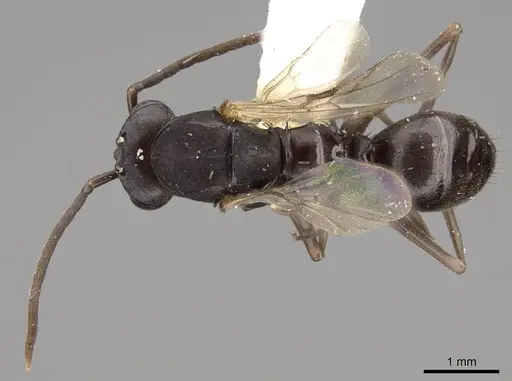
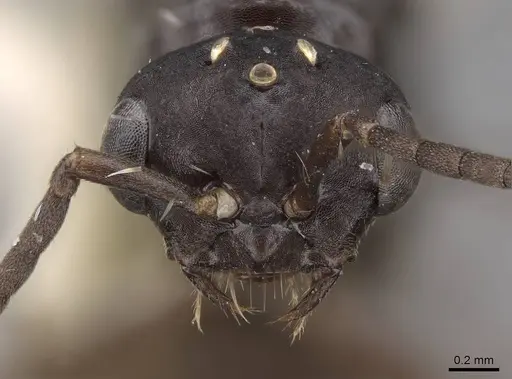
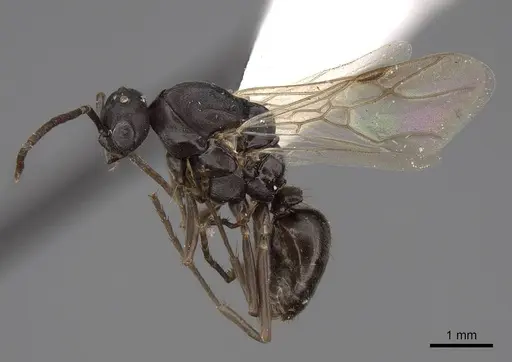
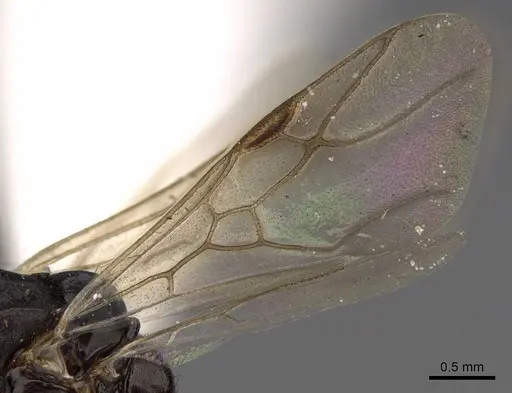
CASENT0179559
View on AntWeb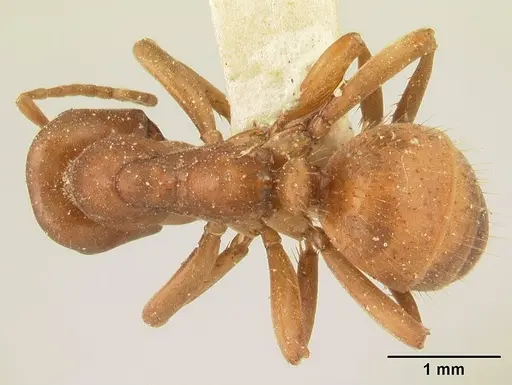
CASENT0281063
View on AntWeb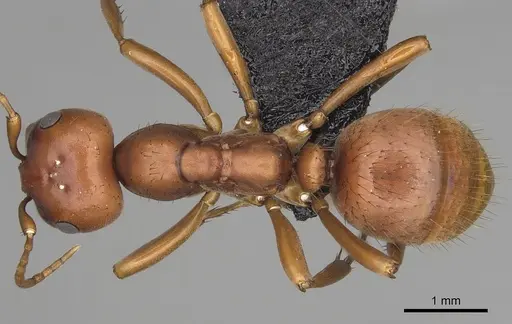
CASENT0281064
View on AntWeb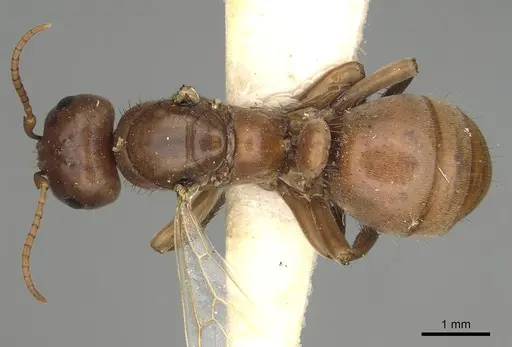
CASENT0281065
View on AntWeb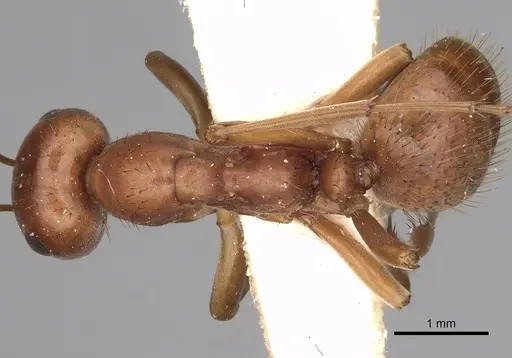
CASENT0898023
View on AntWeb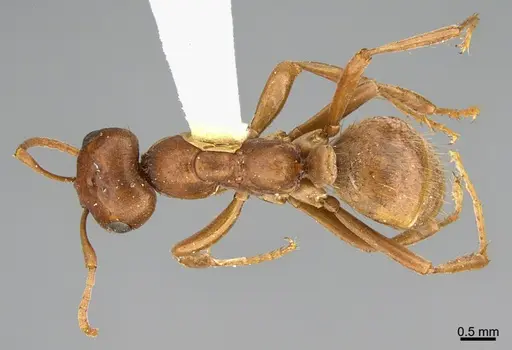
CASENT0912265
View on AntWeb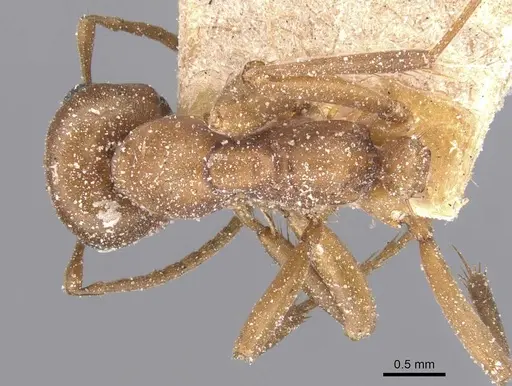
CASENT0912266
View on AntWeb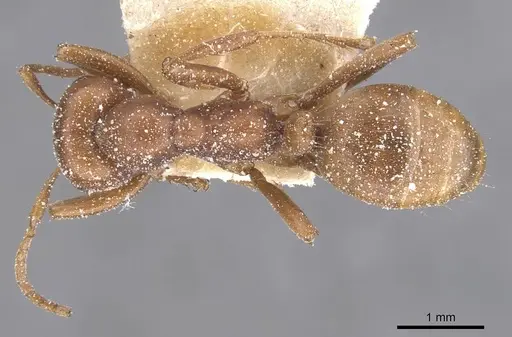
Literature
Loading...Loading products...