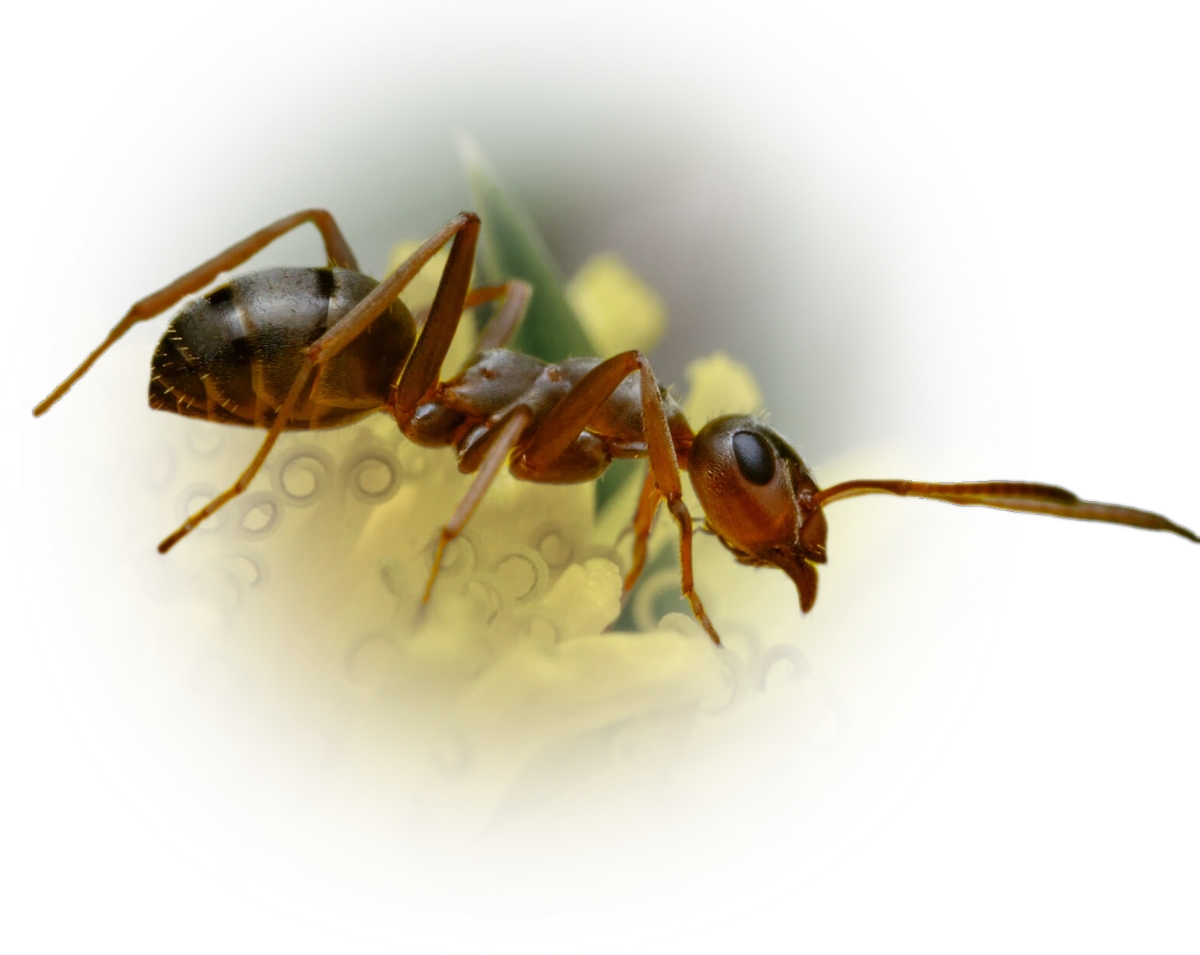

Formica montana
- Scientific Name
- Formica montana
- Tribe
- Formicini
- Subfamily
- Formicinae
- Author
- Wheeler, 1910
- Common Name
- Prairie Mound Ant
- Distribution
- Found in 2 countries
Formica montana Overview
Formica montana (commonly known as the Prairie Mound Ant) is an ant species of the genus Formica. It is primarily documented in 2 countries , including Canada, United States of America. Detailed taxonomic data and occurrence records can be further explored via authoritative databases such as AntWeb or the Global Biodiversity Information Facility (GBIF).
Formica montana - "Prairie Mound Ant"
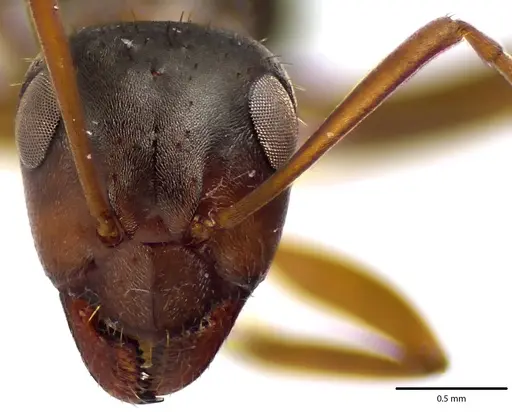
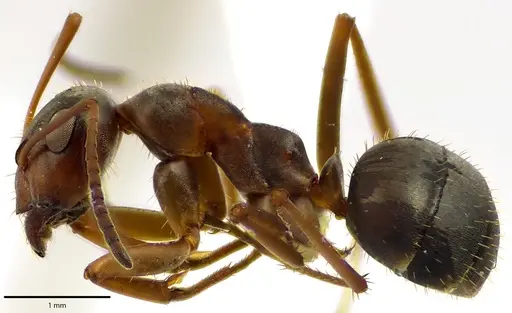
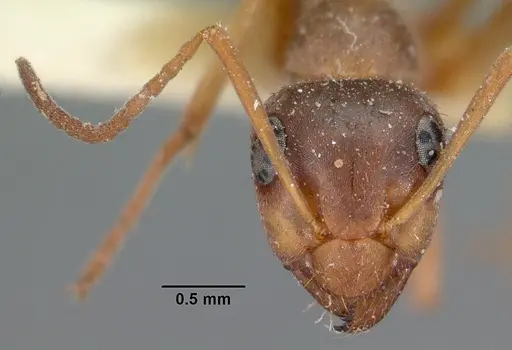
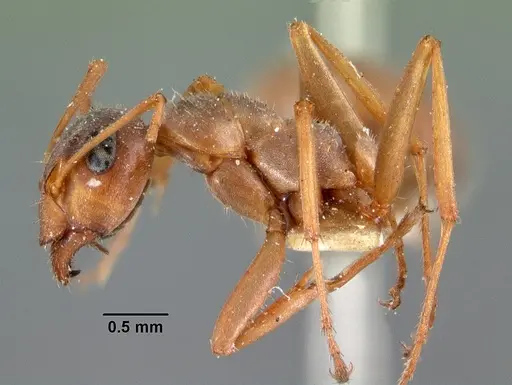
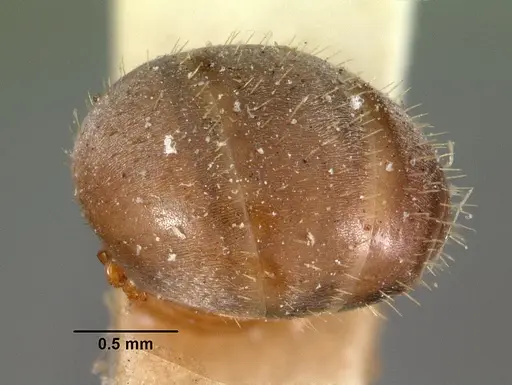
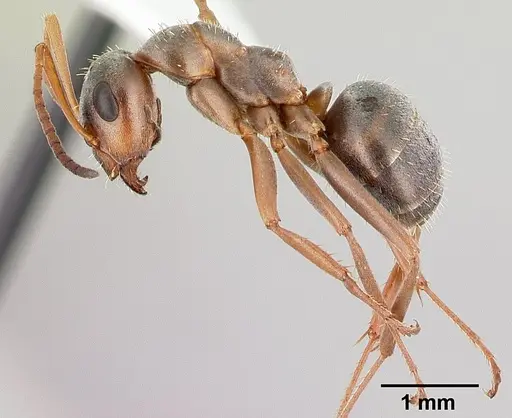
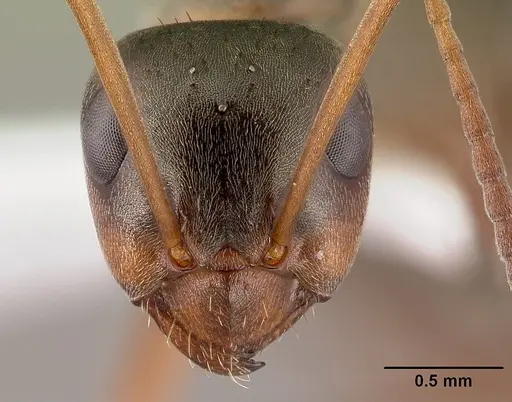
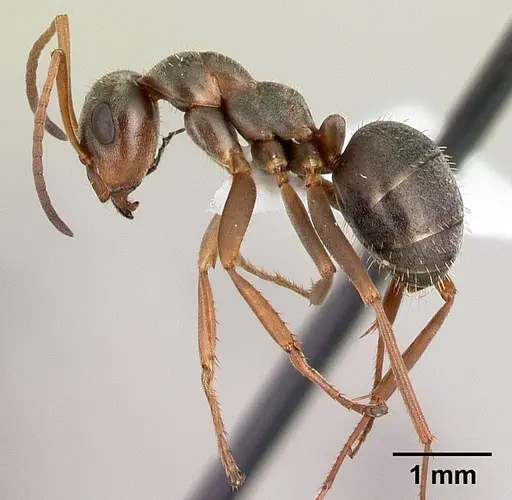
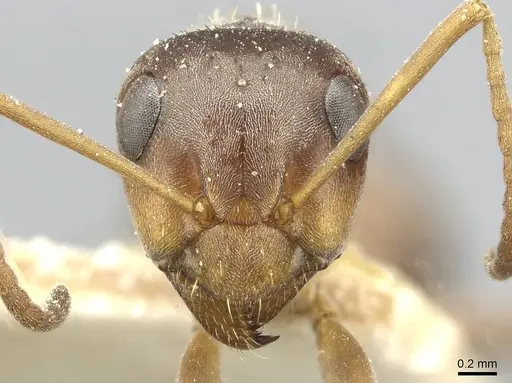
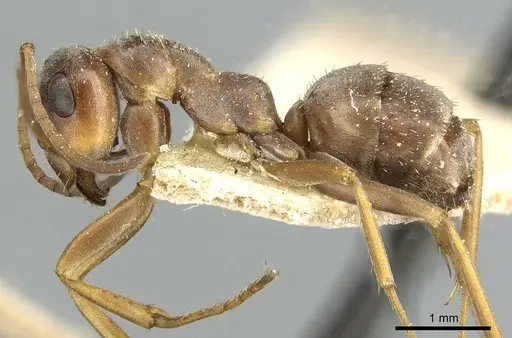
Formica montana is a medium-sized ant native to central and western North America, ranging from Canada down to Mexico. Workers measure 3.8-6.1mm and have a distinctive yellowish-brown to dark brown coloration, often with a paler lower head and front of the body. This species is easily recognized by its dense covering of silvery pubescence and the numerous erect hairs on its body, particularly on the underside of the head, the thorax, and the petiole. F. montana is best known for building prominent soil mounds in prairies and meadows, sometimes reaching nearly a meter across. These mounds help regulate colony temperature through solar heating of the bare soil surface. The species is polygynous, meaning colonies can have multiple queens, and they form complex networks of interconnected nests called polydomy. This ant plays a crucial role in grassland ecosystems, improving soil quality and serving as a host for several slave-making ant species.
Quick Summary
- Difficulty: Easy
- Origin & Habitat: Native to central and western North America, from southern Canada through the United States to Mexico. Found in prairies, meadows, and open fields from Manitoba and North Dakota south to Nebraska, Kansas, and Texas, with isolated populations in Ohio, Indiana, and the northeastern US. Prefers sunny, open areas with damp soil and builds characteristic mound nests [1][2].
- Colony Type: Polygynous (multiple-queen) colonies with polydomous structure, colonies can have multiple queens and maintain several connected nests. Workers aggressively defend territories from neighboring colonies. Colonies can persist for decades, with some mounds remaining active for over 33 years [3][4].
- Colony: Polygyne
- Founding: Claustral
- Size & Growth:
- Queen: Estimated 6-8mm based on genus patterns (Formica queens typically 5-9mm)
- Worker: 3.8-6.1mm [1]
- Colony: Large colonies with mound volumes correlating to worker numbers. Mounds can reach nearly 1m across. Food-source mounds may contain only ~2 dozen workers while main colonies contain thousands [3]
- Growth: Moderate, colonies can persist 30+ years with gradual growth phases followed by decline periods
- Development: Estimated 6-8 weeks based on typical Formica development at warm temperatures (Development likely temperature-dependent, similar to other Formica species. Brood development benefits from solar heating of mound surfaces [3])
- Antkeeping:
- Temperature: Keep at room temperature around 20-24°C. This species naturally benefits from mound solar heating, provide a heat gradient with one side of the nest slightly warmer to mimic natural conditions [3].
- Humidity: Prefers damp soil conditions, keep nest substrate consistently moist but not waterlogged. Their natural habitat includes prairies with damp soil, and mounds are often built in areas that retain moisture [3][1].
- Diapause: Yes, as a temperate species, colonies benefit from a winter rest period. In the wild, colonies become active early in the season (recorded foraging at 45-50°F in late February), suggesting they can tolerate cool temperatures. Provide a mild diapause around 5-10°C for 3-4 months during winter [1].
- Nesting: Y-tong (AAC) or plaster nests work well. Provide a water reservoir to maintain humidity. These ants naturally build soil mounds, so a naturalistic setup with a soil chamber can mimic their natural nesting behavior. Ensure the nest has good drainage to prevent waterlogging [1][3].
- Behavior: Generally non-aggressive toward keepers but colonies are territorial toward unrelated conspecifics. Workers forage on the ground in open areas, primarily collecting honeydew from aphids and tending membracids. They are active foragers and can become active early in spring when temperatures rise. Workers are medium-sized (3.8-6.1mm) with good escape prevention needed, standard formicarium barriers are adequate. They are not known for biting or stinging humans. This species is multicolonial, workers recognize and aggressively defend against non-nestmates while accepting colony members [3][5].
- Common Issues: colonies are polygynous, multiple queens may cause initial tension when establishing, but these ants naturally tolerate multiple queens, mound-building behavior can clog formicarium tubes, provide proper drainage and avoid overly moist conditions that cause substrate to collapse, slow to establish compared to some ants, colonies may take longer to grow initially, patience is key, wild-caught colonies may harbor the parasitic fungus Laboulbenia formicarum which can infect workers [10][11], as a host species for slave-making ants (Polyergus breviceps, Formica subintegra, etc.), wild colonies may already be compromised if parasitized [1]
Nest Preferences and Mound Building
In the wild, Formica montana builds distinctive soil mounds that can reach nearly a meter across and 30cm or more in height. These mounds are typically conical or dome-shaped, often with a covering of thatched grass and plant debris on top. The bare soil surface of the mound absorbs solar heat, helping regulate internal temperatures for optimal brood development. Mounds are typically built in sunny locations with damp soil, the species prefers moist conditions but avoids waterlogged areas. Colonies can be polydomous, meaning they maintain multiple connected nests that may serve different purposes. Some mounds are large permanent structures housing thousands of workers, while smaller 'food-source mounds' near aphid colonies may contain only a few dozen workers and often disappear by late season [3][1].
For captive care, a Y-tong (AAC) or plaster nest with good humidity control works well. Provide a water reservoir to maintain substrate moisture. A naturalistic setup with a soil chamber can allow for some mound-building behavior, though captive mounds won't reach wild sizes. Ensure proper drainage to prevent waterlogging, as overly wet conditions can cause substrate collapse and mold issues. Room temperature around 20-24°C is suitable, with a slight heat gradient if possible to mimic the solar warming they receive in their natural mounds.
Feeding and Diet
Formica montana is primarily a honeydew feeder and tends a wide variety of aphids and membracids in the wild. They collect honeydew from at least 10 different aphid species including Aphis asclepiadis, Aphis oregonensis, Chaitophorus populicola, and several Cinara species. Workers also forage for floral nectar and attend Extrafloral Nectaries (EFNs). They are known to tend membracids on sunflower plants and aphids on apple trees. While primarily honeydew collectors, they will also scavenge and likely accept small insects [1][6][7].
In captivity, offer sugar water or honey water as a constant food source, this is their primary dietary need. Supplement with small insects like fruit flies or small mealworms 1-2 times per week. They are not aggressive predators like some ant species, so focus on sugar sources and provide protein supplements. Avoid overfeeding as uneaten prey can mold and cause health issues. Fresh water should always be available.
Temperature and Seasonal Care
As a temperate species native to prairie habitats, Formica montana experiences seasonal temperature variations and requires a winter rest period. In the wild, colonies can become active quite early in spring, they've been observed foraging on mound surfaces when temperatures reach just 7-10°C (45-50°F) as early as late February. This early activity is enabled by solar heating of the mound surface. The species prefers sunny locations and benefits from the warming effect of bare soil mounds [1].
For captive colonies, maintain room temperature around 20-24°C. A heat gradient with one side slightly warmer (around 25-26°C) allows workers to self-regulate. During winter, provide a diapause period of 3-4 months at 5-10°C, similar to their natural cycle in northern latitudes. This winter rest supports colony health and may trigger reproductive development in spring. Avoid keeping them too warm year-round as this can disrupt their natural cycles.
Colony Structure and Social Organization
Formica montana is one of the few truly polygynous Formica species, colonies naturally contain multiple reproductive queens. Unlike many ants where multiple queens leads to fighting, these queens coexist cooperatively. The species is also polydomous, meaning colonies maintain multiple connected nests that may be separated by some distance. Workers can distinguish between nestmates and unrelated conspecifics, and they aggressively defend their territories and food resources from neighboring colonies [3][4][5].
Colonies can persist for remarkable lengths of time, one study documented colonies remaining active for 33 years. Mound growth follows patterns of rapid initial expansion followed by either leveling off or decline. Some colonies showed continuous growth over decades while others went through distinct growth and decline phases. Colony decline is often linked to environmental changes like woody plant invasion reducing sunlight [3].
For antkeepers, this means polygynous colonies are the natural state, you don't need to separate queens. However, when combining colonies or introducing new queens, exercise caution as established colonies will aggressively reject unrelated individuals.
Ecological Role and Interactions
This ant plays a significant role in grassland ecosystems. Their mounds can occupy up to 1.7% of prairie surface area and dramatically alter soil conditions, mound soil has 60% lower bulk density than surrounding soil and significantly higher nitrogen content. This improves soil fertility and affects plant growth, with more luxuriant grass typically growing around active mounds. The species is considered a subdominant or even true ecological dominant in prairie habitats [3][8][9].
Unfortunately, F. montana serves as a host for several slave-making ant species. Polyergus breviceps (the Amazon ant) and various Formica species including F. dakotensis, F. aserva, F. rubicunda, and F. subintegra conduct raids to steal their brood. These parasites use F. montana workers as slaves or auxiliaries. Additionally, workers can be parasitized by the fungus Laboulbenia formicarum, which grows on the cuticle but doesn't appear to significantly impair foraging [1][10][11].
For keepers, this means wild-caught colonies may already be compromised by parasitism. Watch for signs of slave-making activity or unusual worker behavior that might indicate colony stress.
Frequently Asked Questions
How long does it take for Formica montana to produce first workers?
Based on typical Formica development, expect first workers (nanitics) approximately 6-8 weeks after the queen lays eggs, assuming temperatures around 24°C. Development is temperature-dependent, so cooler conditions will slow growth. Be patient, this species grows moderately compared to some faster Formica species.
Can I keep multiple Formica montana queens together?
Yes, this is natural for the species. Formica montana is polygynous, meaning colonies naturally have multiple queens that coexist cooperatively. Unlike many ant species, you don't need to separate queens, they will typically live together peacefully. However, avoid combining unrelated established colonies as workers will fight [3][4].
What do Formica montana ants eat?
They are primarily honeydew feeders. In captivity, provide constant access to sugar water or honey water. Supplement with small insects like fruit flies or small mealworms 1-2 times weekly. They are not aggressive predators, so sugar sources should form the bulk of their diet [1][6].
Do Formica montana ants need hibernation?
Yes, as a temperate species they benefit from a winter rest period. Provide 3-4 months at 5-10°C during winter (roughly November through February, depending on your location). This supports colony health and may trigger spring reproduction. They can tolerate cool temperatures, in the wild they become active as early as February when temperatures reach 7-10°C [1].
Are Formica montana good for beginners?
Yes, this is a good beginner species. They are relatively docile, easy to house in standard formicariums, and not prone to aggressive biting or stinging. They tolerate some variation in care conditions and are polygynous so you don't need to worry about queen separation. The main challenges are providing adequate humidity and patience during the slower establishment phase.
How big do Formica montana colonies get?
Colonies can become very large, with mound volumes correlating to worker numbers. In the wild, mounds can reach nearly a meter across. Some colonies have persisted for over 33 years. Expect thousands of workers in mature colonies. Growth is moderate, they invest in long-term colony structure rather than rapid expansion [3].
What type of nest is best for Formica montana?
Y-tong (AAC) or plaster nests work well. They need good humidity control since they prefer damp soil conditions. A naturalistic setup with a soil chamber can mimic their natural mound-building behavior. Ensure proper drainage to prevent waterlogging, and provide a water reservoir to maintain consistent moisture [1][3].
Why are my Formica montana dying?
Common causes include: too dry conditions (they prefer damp soil), poor drainage causing waterlogging and mold, lack of sugar food (they need constant honey/sugar water), or wild-caught colonies already compromised by parasites. Check humidity levels, ensure fresh water and sugar water are available, and inspect workers for signs of fungal infection like Laboulbenia. Colonies may also decline if they receive too little light or warmth [10][11][3].
When do Formica montana alates (reproductives) appear?
In the wild, reproductives are found in nests from May to July, with males appearing around August. Alates in North Dakota mature between July 3 and August 8. Nuptial flights typically occur during July-August. If you have a mature colony, expect alates to appear during summer months [1].
References

This caresheet is licensed under CC BY-SA 4.0 .
ANTWEB1041656
View on AntWeb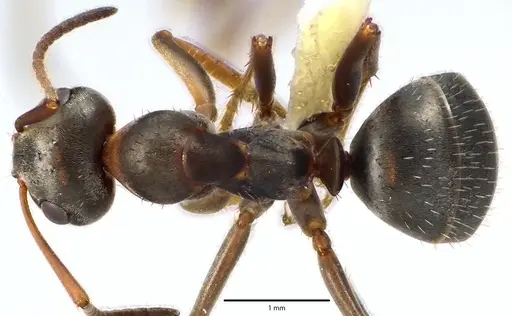
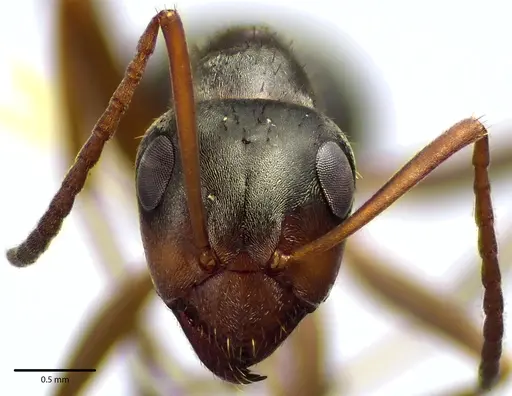
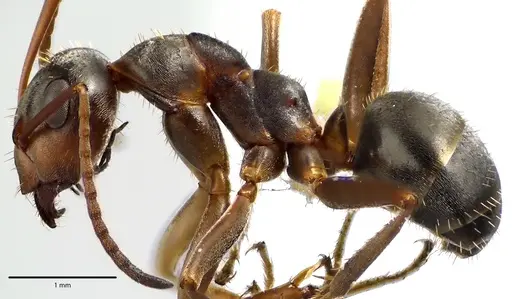
ANTWEB1041657
View on AntWeb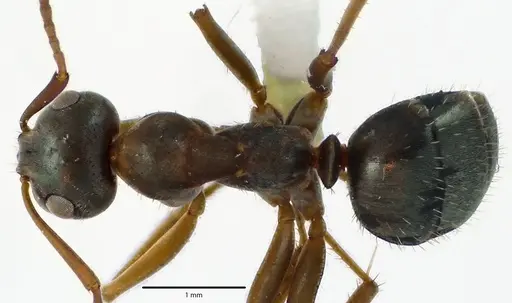
CASENT0102154
View on AntWeb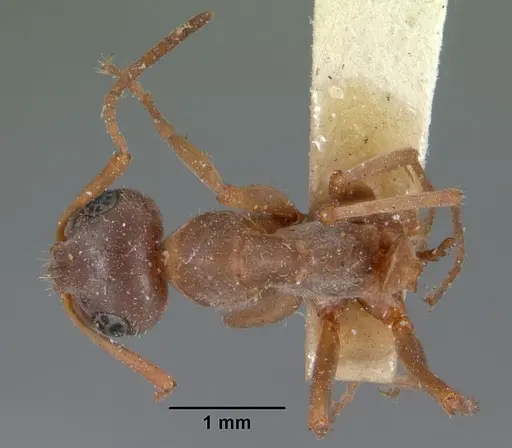
CASENT0102155
View on AntWeb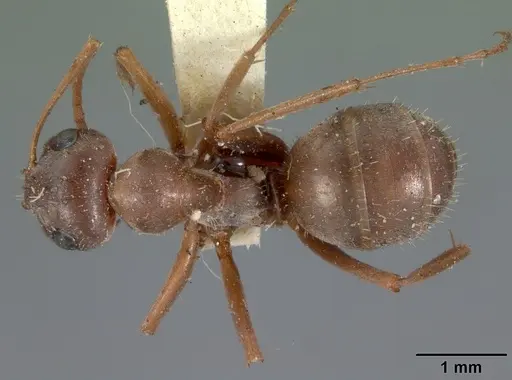
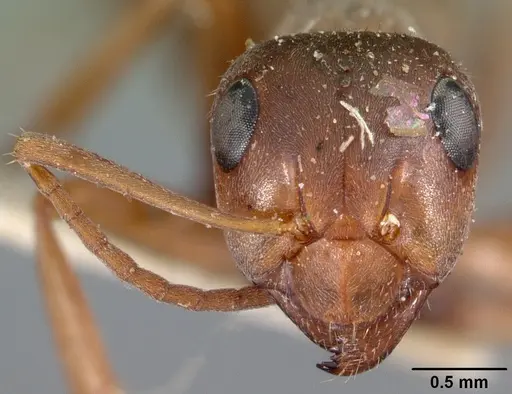
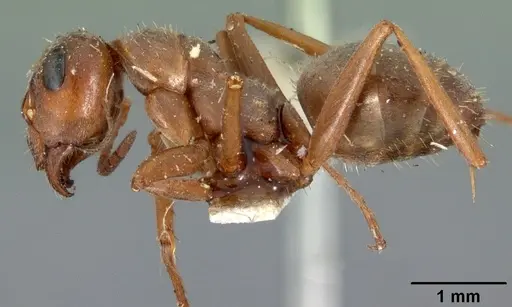
CASENT0179613
View on AntWeb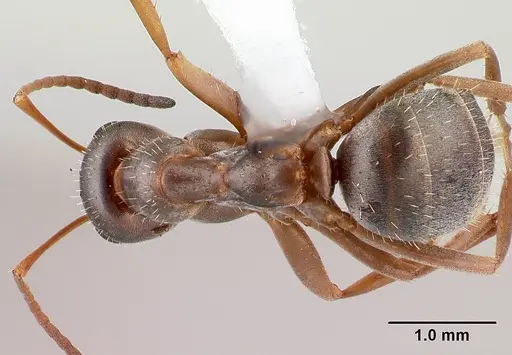
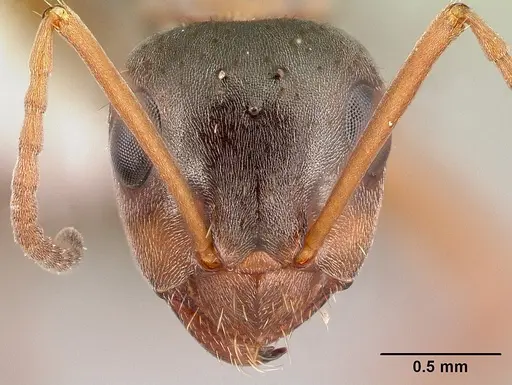
CASENT0179848
View on AntWeb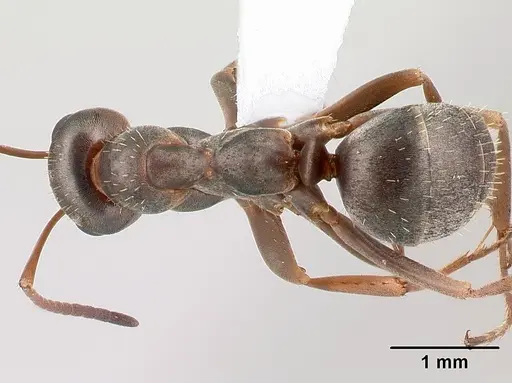
CASENT0912250
View on AntWeb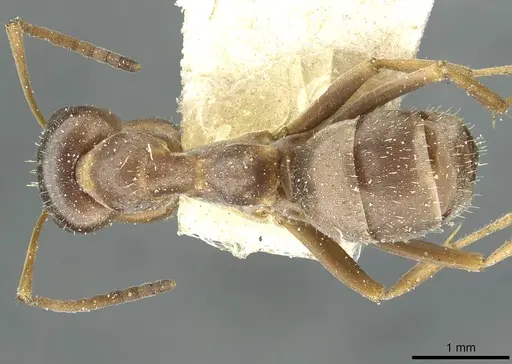
Literature
Loading...Loading products...