

Formica subintegra
- Scientific Name
- Formica subintegra
- Tribe
- Formicini
- Subfamily
- Formicinae
- Author
- Wheeler, 1908
- Distribution
- Found in 2 countries
Formica subintegra Overview
Formica subintegra is an ant species of the genus Formica. It is primarily documented in 2 countries , including Canada, United States of America. Detailed taxonomic data and occurrence records can be further explored via authoritative databases such as AntWeb or the Global Biodiversity Information Facility (GBIF).
Formica subintegra
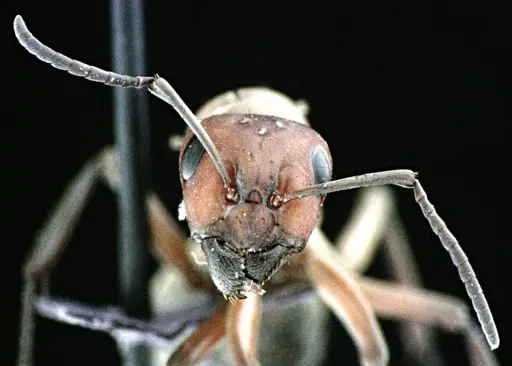
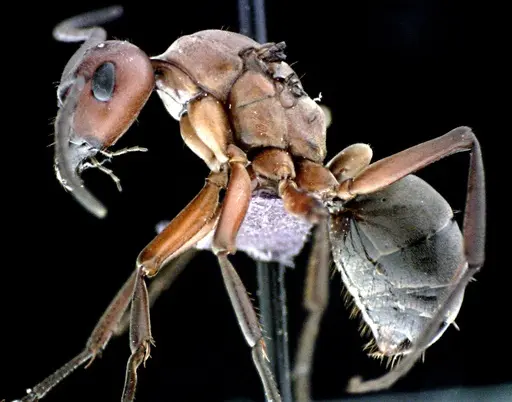
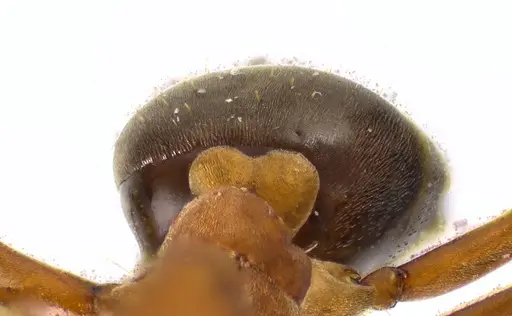
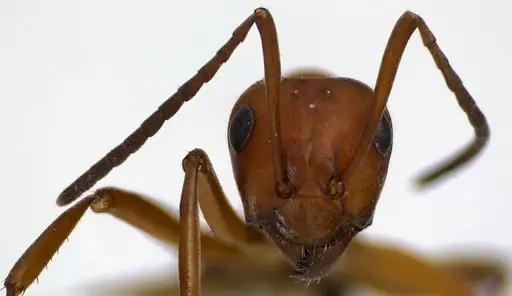
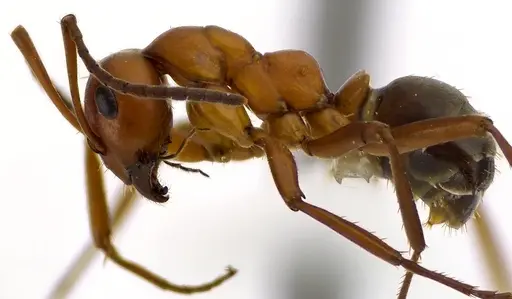
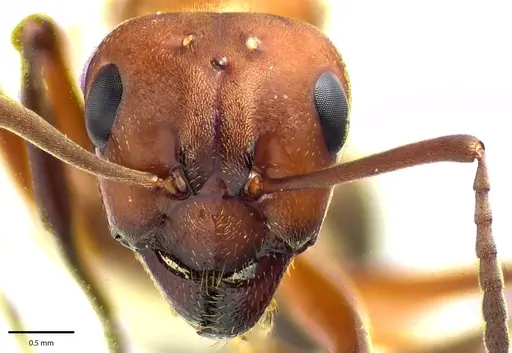
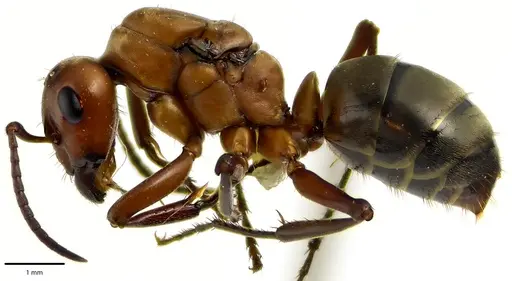
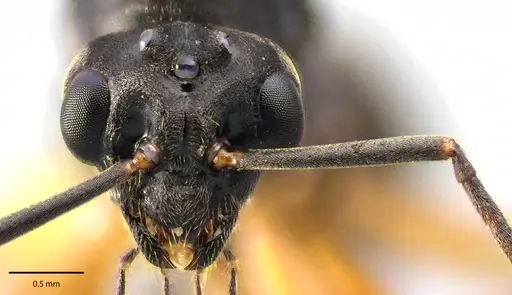
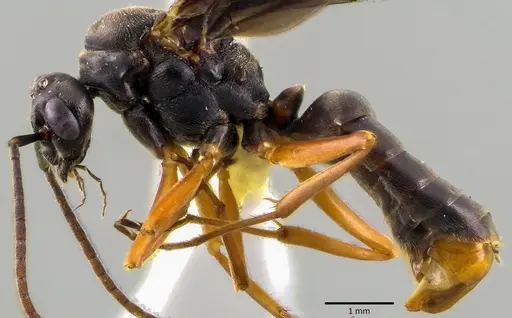
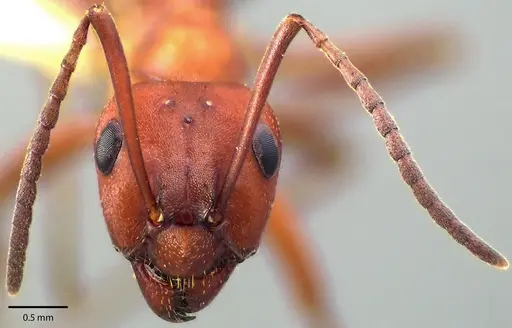
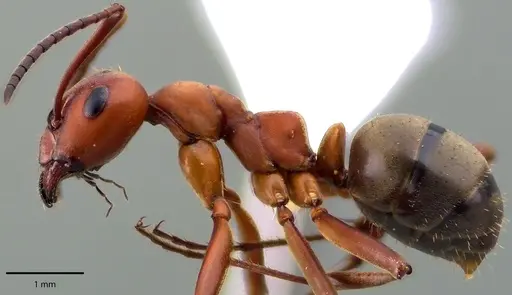
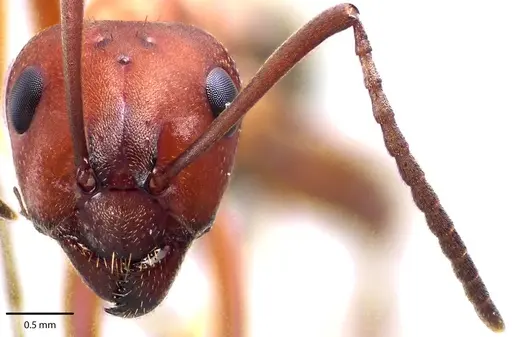
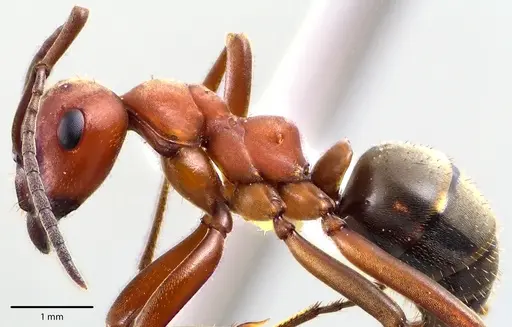
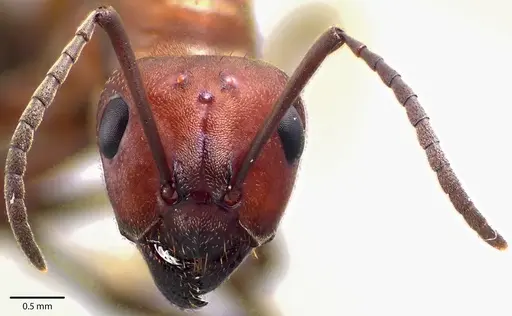
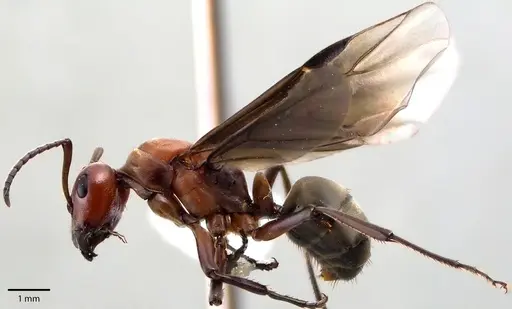
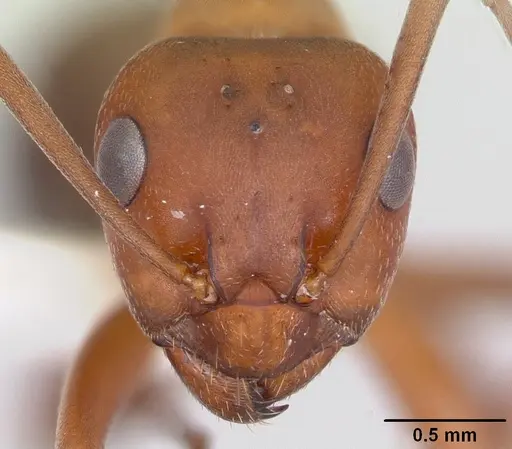
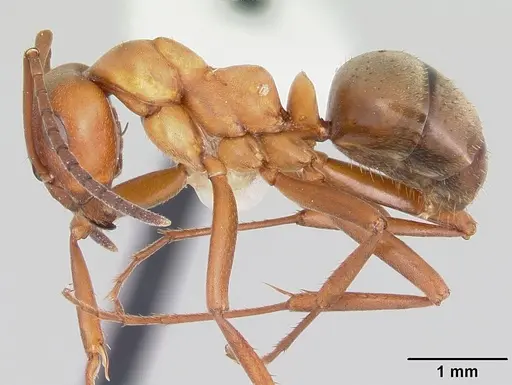
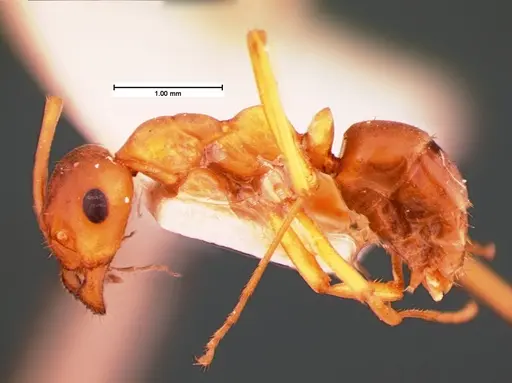
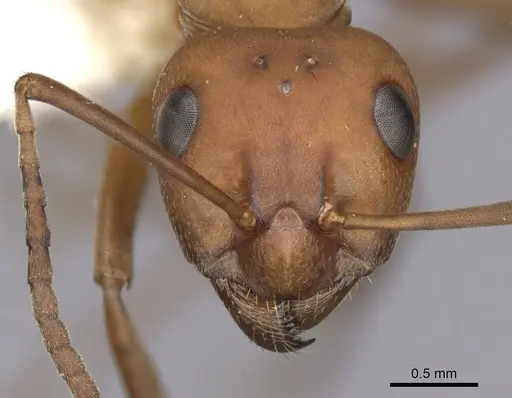
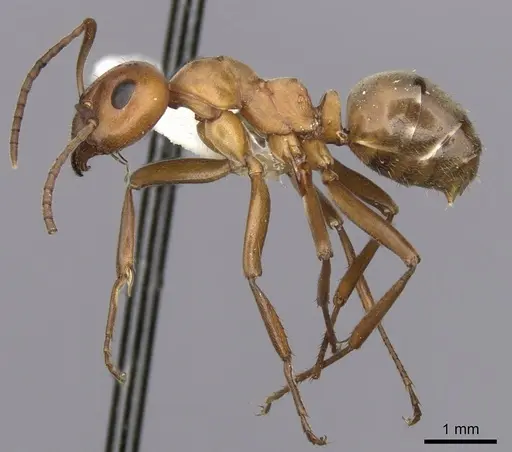
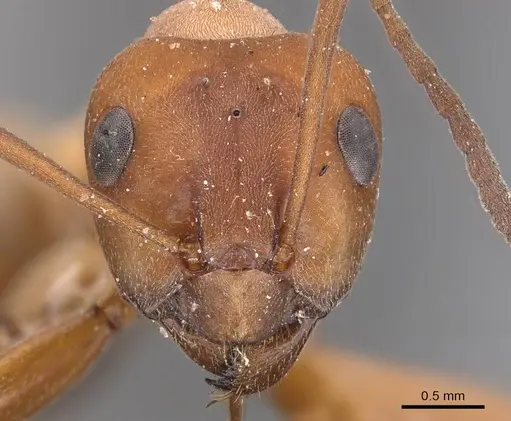
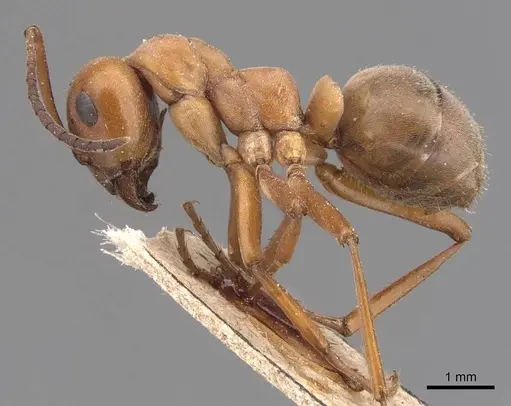
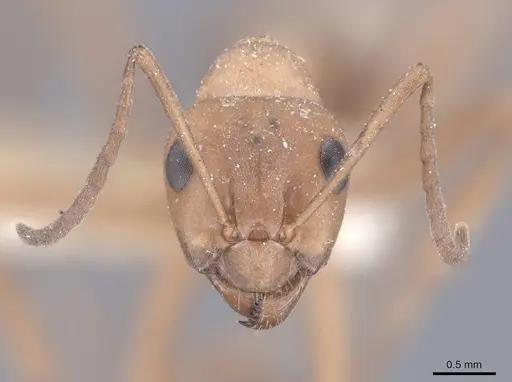
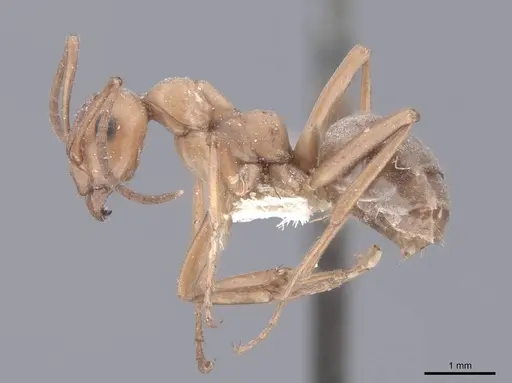
Formica subintegra is a medium-sized ant measuring 4.5-7.0mm, with a distinctive bicolored appearance, the head and alitrunk are yellowish-red while the gaster is brown to black [1]. This species belongs to the Formica sanguinea group and is an obligate slave-maker, meaning it cannot survive without a workforce of enslaved host ants. Workers make up only 10-30% of the colony, with slaves (primarily Formica subsericea and related species) comprising the remaining 70-90% [2][3]. The species is found across eastern North America, from New York to Florida and west to Michigan, Illinois, Missouri, and Texas [1].
What makes F. subintegra remarkable is its specialized raiding behavior. Unlike most ants that forage for food, these ants stay inside their nests until July or August when slave raids begin [2]. During raids, workers spray chemical secretions from their enlarged Dufour's gland, about 700 µg of acetate compounds that act as 'propaganda substances, ' causing panic in defending colonies while attracting more raiders [4][5]. This chemical warfare allows them to steal pupae from host colonies and raise them as enslaved workers.
Quick Summary
- Difficulty: Expert
- Origin & Habitat: Eastern North America, from southern Canada through the eastern United States. Found in wooded areas, field-wood borders, and occasionally open woods or prairie edges [6][7]. Prefers areas with some cover but will nest under logs or in soil with leaf litter protection.
- Colony Type: Single-queen colonies (monogyne) with polyandrous queens, queens mate with multiple males [8][9]. Colonies contain a small proportion of F. subintegra workers (10-30%) and a large proportion of enslaved host workers (70-90%) [2].
- Colony: Monogyne
- Queen: Socially parasitic
- Special: Slave-making
- Size & Growth:
- Queen: Estimated 7-9mm based on genus patterns
- Worker: 4.5-7.0mm [1]
- Colony: Likely several hundred workers total based on related species, estimated 200-500
- Growth: Moderate, growth depends on successful slave raids
- Development: Unknown for this specific species, likely 6-8 weeks based on typical Formica development at warm temperatures (Direct development data not available. Related Formica species suggest several months from egg to adult worker.)
- Antkeeping:
- Temperature: Keep nest around 20-24°C. Raids observed at 21-30°C [2]. Room temperature is likely adequate.
- Humidity: Standard Formica humidity needs, moderate moisture in nest substrate. Avoid both drying out and waterlogging.
- Diapause: Yes, requires hibernation given northern range. Provide 4-6 weeks at 5-10°C during winter.
- Nesting: Y-tong (AAC) nests or plaster nests work well. Provide soil chambers for potential slave integration. Escape prevention is moderate, workers are not tiny but can squeeze through small gaps.
- Behavior: F. subintegra is a specialized slave-maker that rarely ventures outside except during raids. Workers are not aggressive toward humans and do not sting significantly. The main concern is colony maintenance, without successful slave raids or careful keeper intervention, colonies can fail. Workers are somewhat inactive compared to typical foragers, as they rely entirely on slaves for nest maintenance and foraging [2]. Escape risk is moderate.
- Common Issues: Obligate slave-maker requires host species, colonies cannot survive without enslaved workers, Colonies often fail if slaves die out and no replacement host workers are available, Not active until July-August, beginners may think colony is dead during spring, Requires hibernation in winter, improper diapause can kill colonies, Very specific about host species, not all Formica will be accepted as slaves, Cannot found new colonies independently, must obtain established colony with slaves
Understanding the Obligate Slave-Maker
Formica subintegra is what researchers call an 'obligate' slave-maker, this means the species cannot survive without a workforce of enslaved host ants [2]. Unlike facultative slave-makers that can occasionally survive without slaves, F. subintegra workers are so specialized for raiding that they cannot perform basic nest tasks like building, foraging, or caring for brood. Their slaves do everything: gather food, maintain the nest, care for the brood, and even feed the F. subintegra workers [2].
This has major implications for antkeepers. You cannot start a colony from a single queen, she needs to invade an established host colony to found her nest. Even if you obtain a colony, it will only thrive if it has a healthy population of host workers. The slaves typically come from Formica subsericea, Formica podzolica, or related Formica species in the fusca group [4][7]. Expect 70-90% of your colony population to be these enslaved host workers [2][3].
The Slave Raid Behavior
The most fascinating aspect of F. subintegra is its raiding behavior. Unlike most ants that forage constantly, these ants stay inactive inside the nest until July or August [2]. Research shows workers were almost never seen outside in May-June (only 6 out of 75 observations), but became highly active in July-September (44 out of 88 observations) [2].
During raids, F. subintegra workers use chemical warfare. Each worker has an enlarged Dufour's gland containing about 700 µg of acetate compounds, roughly 10% of their body weight [10]. They spray these substances on defending colonies, which causes panic and disperses the defenders while attracting more raiders [4][5]. Raids can involve dozens of workers and sometimes continue into the night [3].
In captivity, you may observe this raiding behavior if you provide host pupae. However, actual raids are rare in captivity and the colony will rely on its existing slave population.
Housing and Nest Setup
F. subintegra can be kept in standard formicarium setups, but with some important considerations. Y-tong (AAC) nests or plaster nests work well, provide soil chambers or a soil area where slaves can behave naturally. The nest should have both humid and drier areas so the colony can self-regulate.
Temperature should be kept around 20-24°C. Research observed raids at temperatures between 21-30°C, with peak activity around 26-30°C [2]. Room temperature is typically adequate, but you can use a heating cable on one side of the nest if your room is cool.
Escape prevention is important but not as critical as with tiny ants. Workers are 4.5-7mm, so standard barriers work well. However, they can squeeze through small gaps, use fluon on edges and ensure lids fit tightly.
Most importantly, you need to maintain a population of host workers. If your slave population declines, you may need to carefully introduce new host pupae from compatible Formica species.
Feeding and Nutrition
In nature, F. subintegra relies entirely on its slaves for foraging, the slaves gather food, tend aphids, and feed the entire colony including the slave-makers [2]. In captivity, you should feed the colony as you would a typical Formica colony: sugar water or honey as an energy source, and protein sources like mealworms, crickets, or other insects.
The key is that your enslaved host workers will do the foraging. Place food in the outworld and watch the host workers discover and retrieve it. F. subintegra workers will typically ignore the food directly, they wait to be fed by their slaves, a behavior called trophallaxis.
Provide a constant sugar source (honey water or cotton balls with honey) and protein every few days. Remove uneaten protein after 24-48 hours to prevent mold.
Seasonal Care and Hibernation
F. subintegra has a distinct seasonal activity pattern. In the wild, colonies are inactive outside the nest through May and June, becoming active only during July and August for slave raids [2]. This means you should not be concerned if your colony seems quiet during spring, this is normal behavior.
Like most North American Formica species, F. subintegra requires hibernation. Provide 4-6 weeks at 5-10°C during winter, typically from late November through March depending on your location. Reduce feeding during this period and keep the nest slightly cooler.
Nuptial flights occur from early July through early August, with alates (reproductives) appearing from July 1 to August 14 [6]. If you have a mature colony, you might observe mating flights during this period.
Obtaining Your Colony
Because F. subintegra is an obligate slave-maker, you cannot start a colony from a single queen. You must obtain an established colony that already contains both F. subintegra workers and their enslaved host workers. This makes this species unsuitable for beginners.
When obtaining a colony, ensure you have a healthy population of both the red F. subintegra workers and the darker host workers (typically F. subsericea). The host workers should be actively moving around, foraging, and caring for brood. A colony that appears sluggish or has very few host workers may struggle to survive.
Never release this species in areas where it is not native, it is a specialized parasite that could disrupt local ant communities. Also avoid combining unrelated ant species in the same setup. [2][3]
Frequently Asked Questions
Can I keep Formica subintegra as a beginner antkeeper?
No. Formica subintegra is an expert-level species because it is an obligate slave-maker. You cannot start a colony from a queen, you need an established colony with enslaved host workers. The colony requires specific host species to survive and careful management to maintain the slave population.
How do I start a Formica subintegra colony?
You cannot start from a single queen like most ants. You must obtain an already-established colony containing both F. subintegra workers and enslaved host workers (typically Formica subsericea). The colony will not survive without these slaves performing all nest maintenance and foraging.
What do Formica subintegra eat?
Feed them like normal Formica ants: sugar water or honey constantly, and protein (mealworms, crickets, other insects) every few days. The key is that enslaved host workers will do the foraging, place food in the outworld and the host workers will retrieve it and feed the entire colony.
Why is my colony so inactive in spring?
This is normal behavior. F. subintegra does not become active outside the nest until July and August when slave raids begin [2]. During May-June, workers rarely leave the nest, this is documented natural behavior, not a problem.
Do Formica subintegra need hibernation?
Yes. As a species found across the northern United States and southern Canada, they require hibernation. Provide 4-6 weeks at 5-10°C during winter, typically from late November through March.
How long until first workers appear?
Direct development data is not available for F. subintegra. Based on related Formica species, expect several months (6-8 weeks minimum) from egg to worker at warm temperatures. However, established colonies with existing workers are what you should obtain, starting from scratch is not feasible.
Can I keep multiple queens together?
F. subintegra is monogyne, colonies have a single queen. However, the more critical question is that this species cannot found colonies independently. Combining unrelated queens has not been documented and would not help, the species requires parasitic founding into an existing host colony.
What happens if all my slave workers die?
The colony will likely fail. F. subintegra workers cannot perform basic nest tasks, they cannot build, forage, or properly care for brood without slaves [2]. If your slave population declines, you may need to carefully introduce new host pupae from compatible Formica species.
References

This caresheet is licensed under CC BY-SA 4.0 .
ANTWEB1041485
View on AntWeb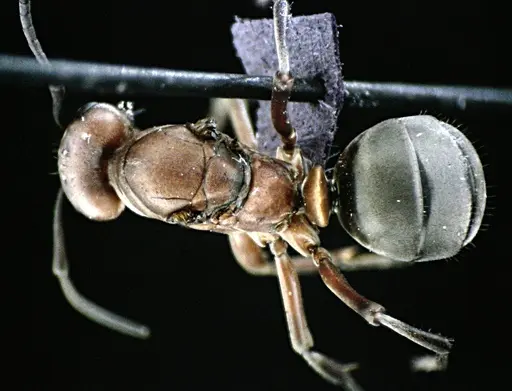
ANTWEB1041600
View on AntWeb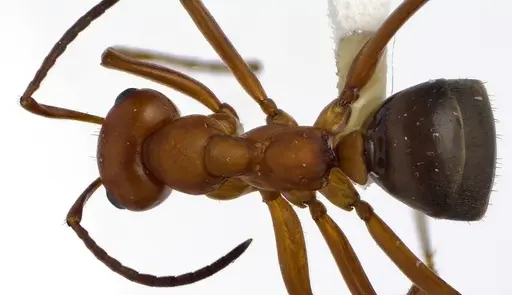
ANTWEB1041683
View on AntWeb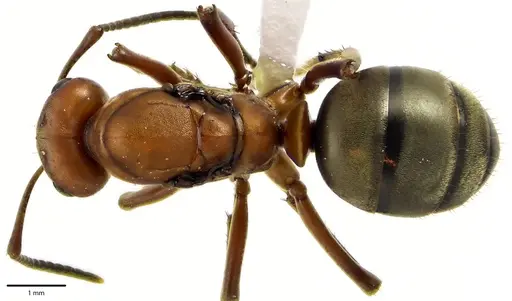
ANTWEB1041699
View on AntWeb
ANTWEB1041700
View on AntWeb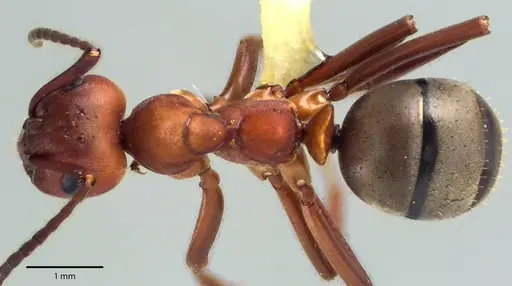
ANTWEB1041701
View on AntWeb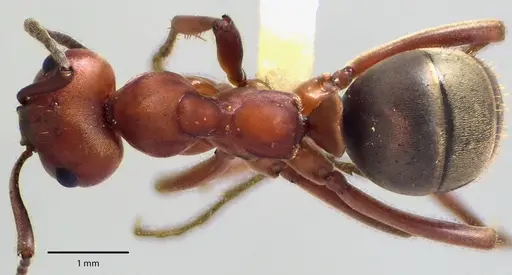
ANTWEB1041702
View on AntWeb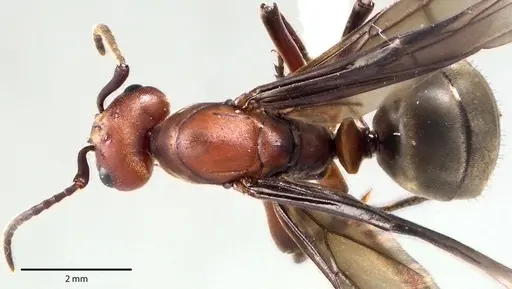
CASENT0104771
View on AntWeb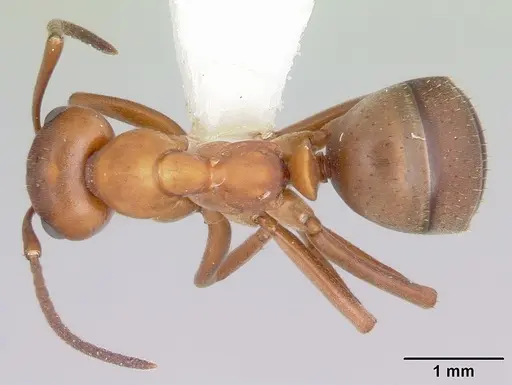
CASENT0105555
View on AntWeb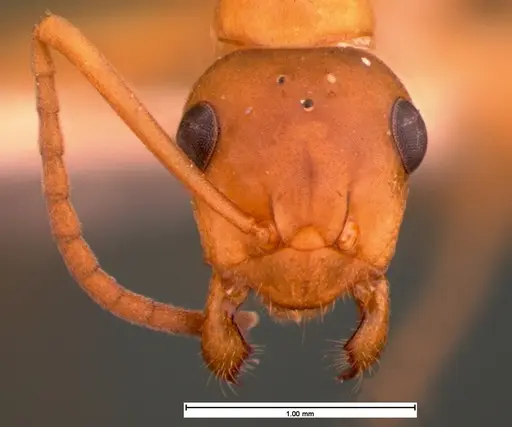
CASENT0280425
View on AntWeb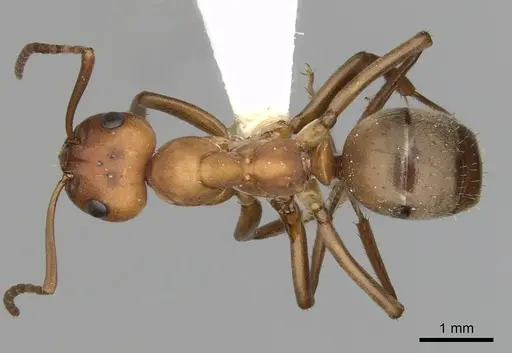
CASENT0905694
View on AntWeb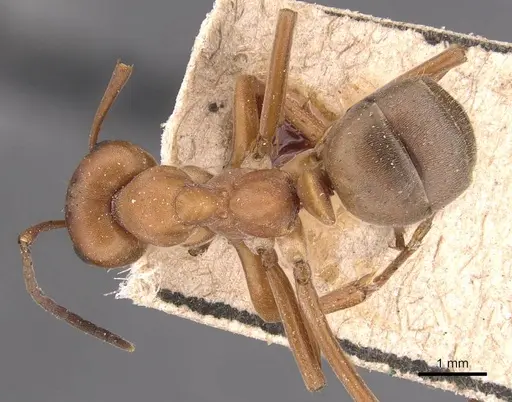
FMNHINS0000046519
View on AntWeb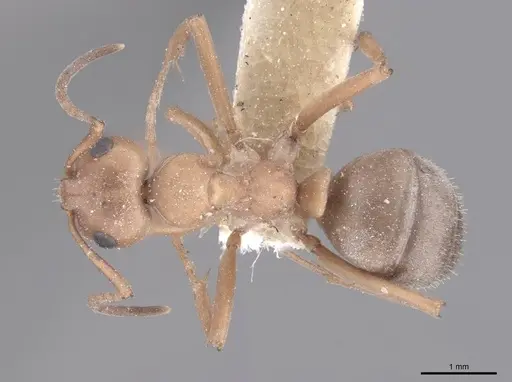
Literature
Loading...Loading products...