
Formica sanguinea exhibits a clear seasonal flight window. Peak flight activity is concentrated in July, with the overall period spanning June to August.
Formica sanguinea
- Scientific Name
- Formica sanguinea
- Tribe
- Formicini
- Subfamily
- Formicinae
- Author
- Latreille, 1798
- Common Name
- Slave-making Ant
- Distribution
- Found in 18 countries
- Nuptial Flight
- from June to August, peaking in July
AI Identifiable
try →
Formica sanguinea Overview
Formica sanguinea (commonly known as the Slave-making Ant) is an ant species of the genus Formica. It is primarily documented in 18 countries , including Austria, Belgium, Canada. Detailed taxonomic data and occurrence records can be further explored via authoritative databases such as AntWeb or the Global Biodiversity Information Facility (GBIF).
The nuptial flight of Formica sanguinea is a significant biological event, typically occurring from June to August, peaking in July. During this time, winged queens and males leave the nest to mate and establish new colonies.
Formica sanguinea - "Slave-making Ant"
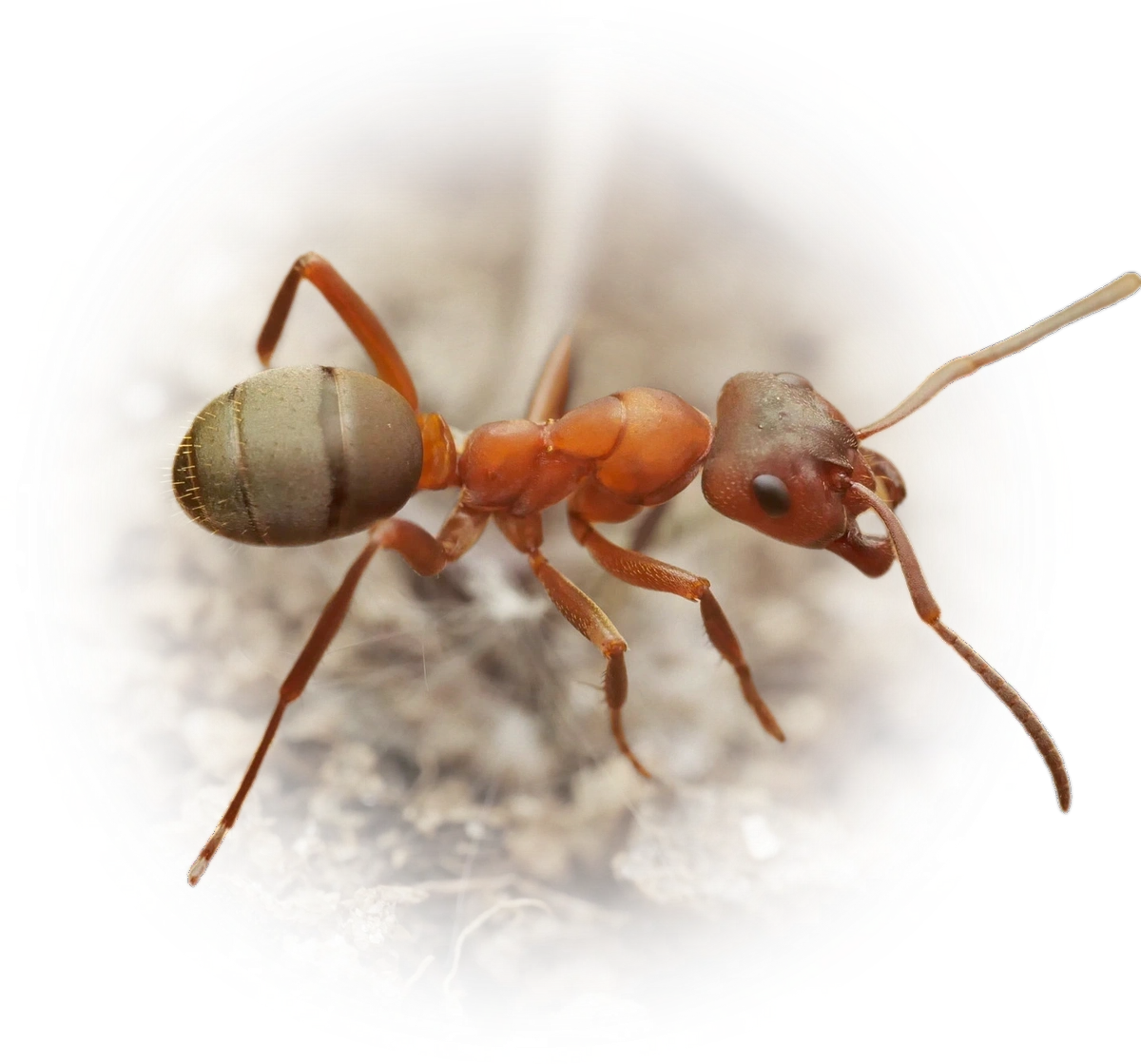
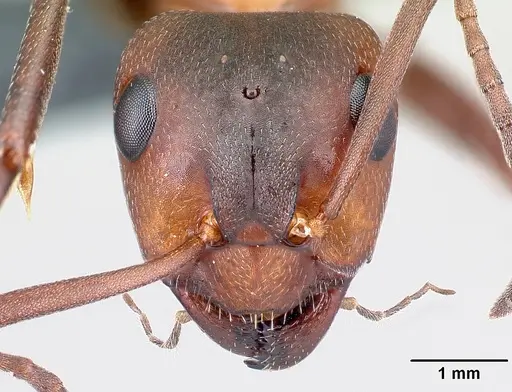
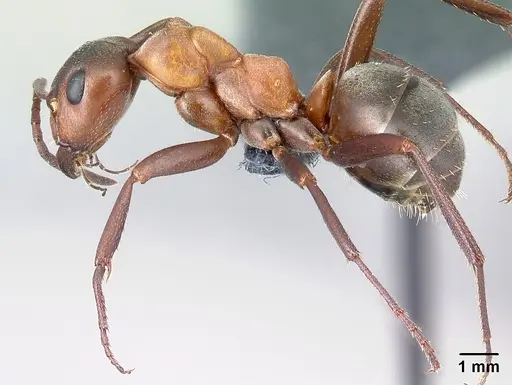
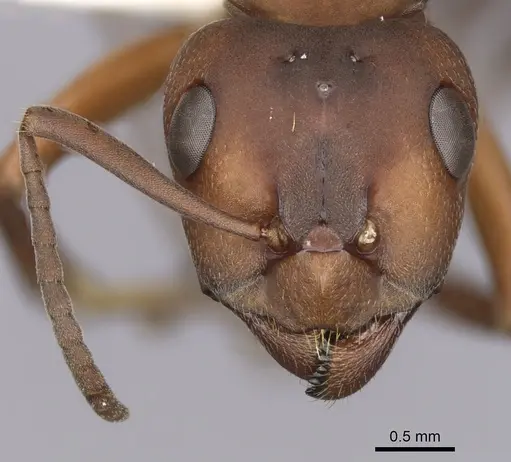
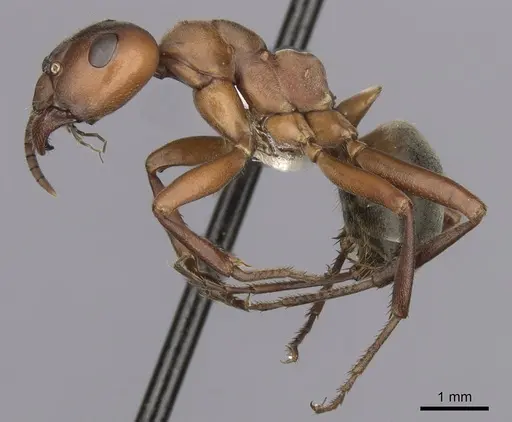
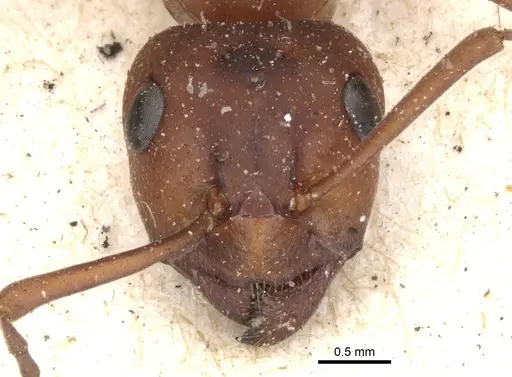
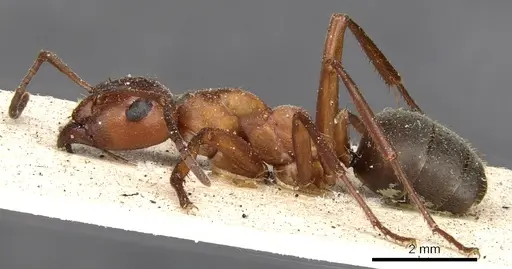
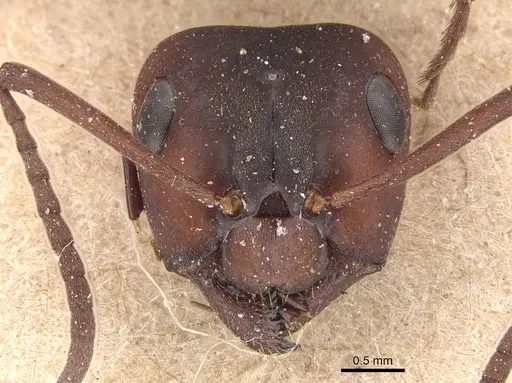
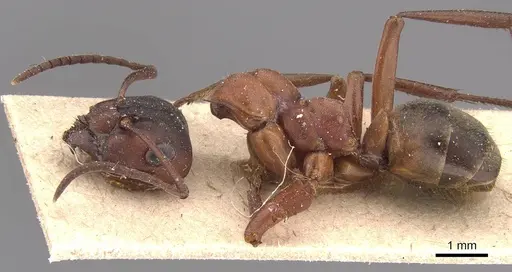
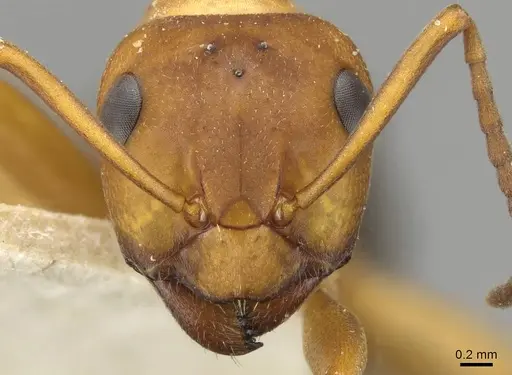
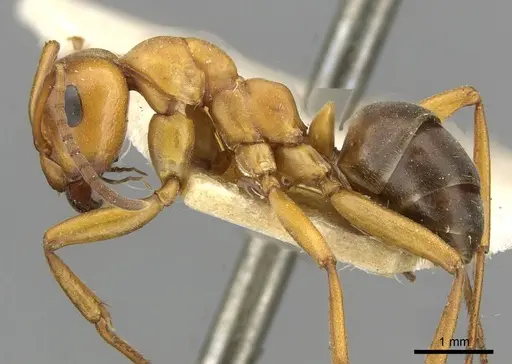
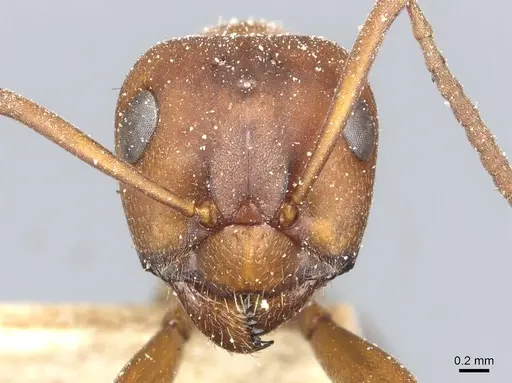
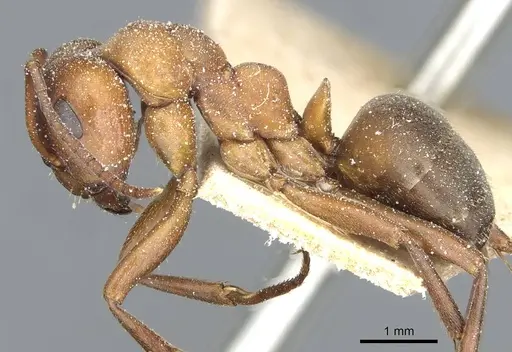
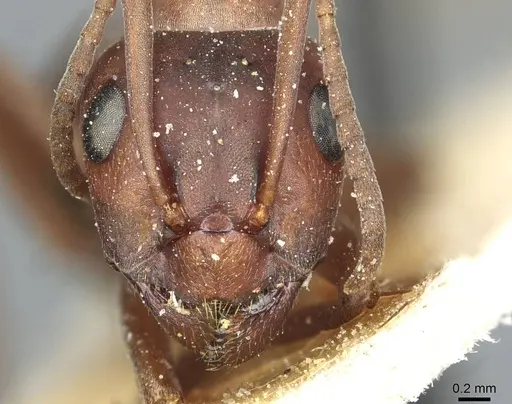
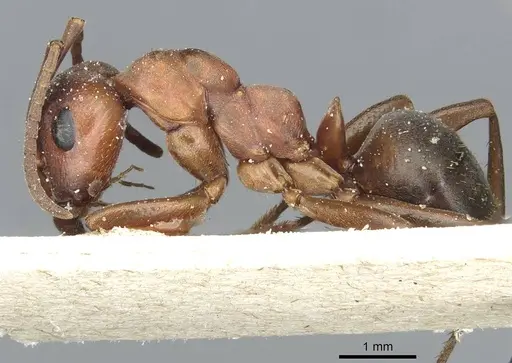
Formica sanguinea is a large ant species native to the Palearctic region, from Portugal to Japan [1][2]. Workers are 6.0-9.0 mm long with a bicolored appearance: head and mesosoma red to reddish-brown, gaster dark brown to black [3]. Queens are 9-11 mm long and darker [4]. This species belongs to the subgenus Raptiformica and is recognized by a notch in the clypeus [5]. It prefers warm, sunny habitats like forest edges and clearings [5][2]. Formica sanguinea is a facultative slave-maker, raiding nests of Serviformica species like Formica fusca to steal pupae [6][5].
Quick Summary
- Difficulty: Medium
- Origin & Habitat: Palearctic species found throughout Europe and Asia, from Portugal to Japan and from Iran to Arctic Norway. Inhabits dry pine forests, forest margins, mountain coniferous forests, and sunny clearings. Nests are built in soil, under stones, or in rotting tree stumps, often with small mounds of plant material [1][2][5].
- Colony Type: Usually functionally monogynous with one egg-laying queen, but can be polygynous. New colonies founded through temporary social parasitism in Serviformica nests or through colony fission [5][1].
- Size & Growth:
- Queen:{.size-link} 9-11 mm [4]
- Worker:{.size-link} 6.0-9.0 mm [3]
- Colony: Up to tens of thousands of workers [5][1]
- Growth: Moderate
- Development: Based on Formica genus patterns, approximately 6-8 weeks at 22-25°C (Development time is typical for Formica species, exact timeline for F. sanguinea not directly studied but colonies grow steadily after founding)
- Antkeeping:
- Temperature: 20-25°C. This species is thermophilic and prefers warm conditions [5][7].
- Humidity: Moderate. Prefers dry, well-drained substrates [5].
- Diapause: Yes, requires winter rest at 5-10°C for 3-4 months.
- Nesting: Use Y-tong, plaster, or natural nests in decaying wood. Provide humid and drier areas [5][8].
- Behavior: Aggressive and territorial, especially during raiding periods. Workers show rescue behavior toward nestmates caught by predators [9][10].
- Common Issues: colonies may raid and kill nearby ant colonies if housed too close, keep separate from other ant colonies [10], queens require host ant adoption for colony founding, cannot found colonies independently [1], aggressive behavior makes them difficult to combine with other ant species [10], winter diapause is essential, colonies that are not hibernated may fail to produce reproductives, large colony size requires spacious housing as they grow [5]
Nuptial Flight Activity Analysis 449 observations
Flight Activity by Hour 449 observations
Formica sanguinea nuptial flight activity peaks around 14:00 during the afternoon. Activity is spread across a 12-hour window (09:00–20:00). A secondary activity peak occurs around 16:00. Times may be influenced by human observation patterns.
Understanding the Slave-Making Lifestyle
Formica sanguinea is a facultative slave-maker, meaning it can live without slaves but benefits from having them. In the wild, they raid nearby colonies of Serviformica species like Formica fusca to steal worker pupae. The emerged slaves perform nest maintenance and brood care tasks, allowing more F. sanguinea workers to focus on foraging and defense. However, many wild colonies exist without slaves, especially where host species are rare. In captivity, you do not need to provide slaves, the colony will function perfectly well as a single-species colony. The raiding behavior is fascinating to observe but should not be attempted with other captive ant colonies [5][10][6].
Housing and Nest Setup
These large ants need spacious housing. A naturalistic setup with a nesting chamber in a piece of decaying wood or a Y-tong/plaster formicarium works well. They prefer nests that mimic their natural habitat, rotting tree stumps, under stones, or in soil. Provide a deep substrate layer if using soil nests. They will build small mounds of plant material at nest entrances. Outworld should be large enough for their active foragers, these ants are aggressive predators and need space to hunt and forage. Use standard escape prevention as workers are large but determined [5][8].
Feeding and Diet
F. sanguinea is primarily predatory and will readily accept small insects like fruit flies, crickets, and mealworms. They also collect honeydew from aphids and will drink sugar water. Feed protein-rich foods 2-3 times per week and provide constant access to sugar water or honey. Workers are active hunters and will aggressively pursue prey. In mixed colonies with slaves, both species will forage together. Remove uneaten prey after 24 hours to prevent mold [5][11].
Seasonal Care and Hibernation
A winter rest period is essential for this species. From approximately October to March (depending on your climate), keep the colony at 5-10°C. Reduce feeding significantly during this time, the ants will be mostly inactive. Return to normal temperatures gradually in spring. Nuptial flights occur from June to August in the wild, so expect reproductive activity during warm summer months. Colonies that are not properly hibernated may fail to produce healthy reproductives or may have reduced longevity [1][12].
Colony Dynamics and Behavior
This species exhibits fascinating social dynamics. Colonies are usually functionally monogynous with one dominant queen, but multiple queens can coexist. Workers show clear division of labor, larger workers tend to defend the nest while smaller workers handle brood care. During summer raiding periods (typically July-August), workers organize coordinated attacks on nearby Serviformica nests, sometimes traveling 50-100m from the nest. Workers also display rescue behavior, actively working to free nestmates caught by predators like antlions. Their aggression toward intruders is notable, they will attack threats much larger than themselves [9][10][13].
Frequently Asked Questions
Can I keep Formica sanguinea with other ants?
No, this is an aggressive species that will raid and kill nearby ant colonies. Keep them completely isolated from other ant species. Even if they don't have slaves, they may attack other ants for food.
Do I need to provide slave ants for Formica sanguinea?
No, F. sanguinea is a facultative slave-maker and can live perfectly well without slaves. In captivity, keeping them as a single-species colony is standard and recommended. Providing slaves would require maintaining another ant species, which adds complexity.
How long does it take for Formica sanguinea to go from egg to worker?
Based on typical Formica development, expect approximately 6-8 weeks from egg to first worker at room temperature (around 22-25°C). Development is faster in warmer conditions and slower during cooler periods.
Does Formica sanguinea need hibernation?
Yes, a winter rest period of 3-4 months at 5-10°C is essential for colony health. This species is adapted to temperate climates and requires the seasonal temperature cycle. Without proper hibernation, colonies may fail to produce reproductives or have reduced lifespan.
Are Formica sanguinea good for beginners?
This species is rated as medium difficulty. While not as challenging as some exotic species, they require more experience than beginner-friendly ants due to their aggressive behavior, space requirements, and need for hibernation. They are fascinating to keep but not recommended as a first ant.
How big do Formica sanguinea colonies get?
Mature colonies can reach tens of thousands of workers. They grow steadily over several years. This is a large, long-lived species, queens can live 15-20 years, and colonies can persist for decades.
When will my colony produce alates (reproductives)?
Colonies typically produce alates (males and new queens) in their second or third year, depending on colony size and health. Nuptial flights occur from June to August in the wild. Proper hibernation is essential for reproductive development.
Why is my Formica sanguinea attacking other ants in the outworld?
This is normal raiding behavior. F. sanguinea is a predatory species that naturally attacks other ant colonies. If you have other ant colonies nearby in a shared space, this aggressive behavior will occur. Keep them completely isolated from other ant species.
Report an Issue
The current care sheet is based fully on literature. See inconsistencies, or something that's incorrect? Please , it will be resolved after review from an admin. Contributing to the blogs tab also helps providing information, to make us be able to further improve the caresheets. Thank you for your support!
References

This caresheet is licensed under CC BY-SA 4.0 .
CASENT0173153
View on AntWeb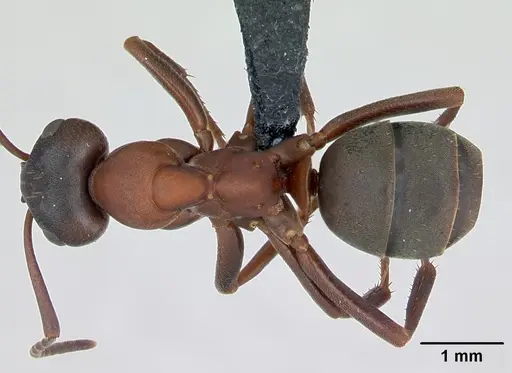


CASENT0173154
View on AntWeb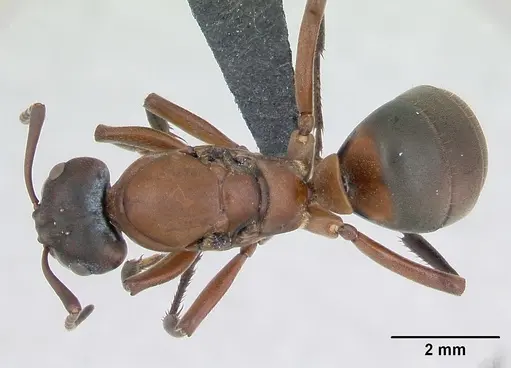
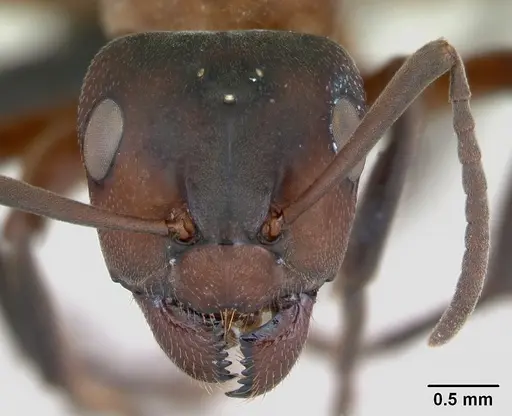
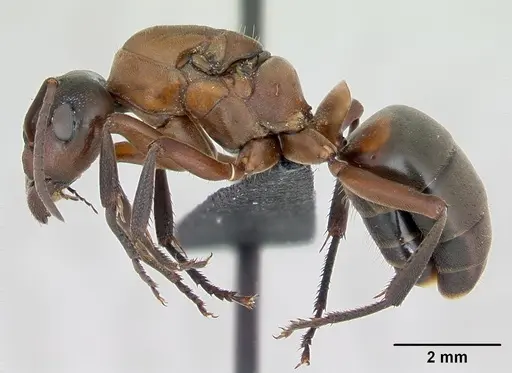
CASENT0179940
View on AntWeb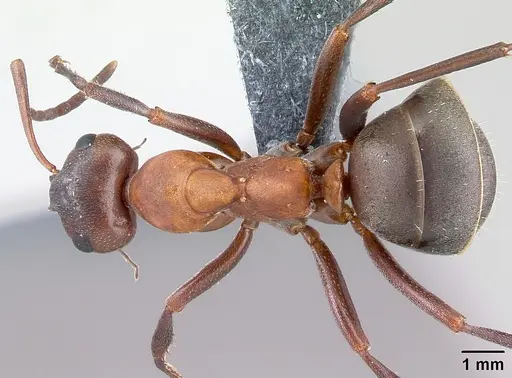
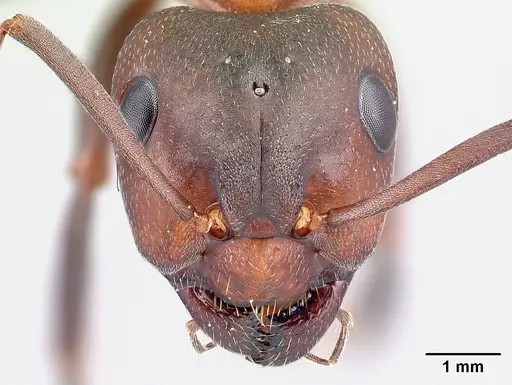
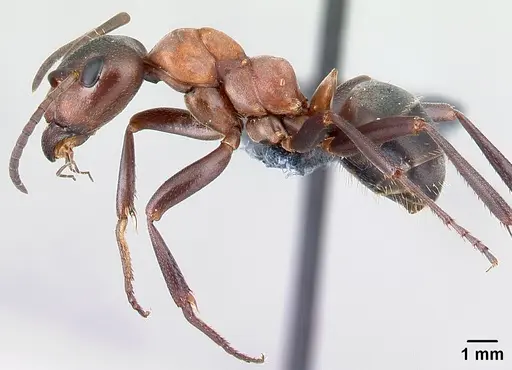
CASENT0179941
View on AntWeb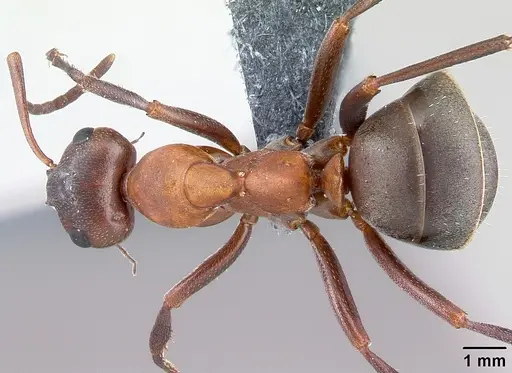
CASENT0280424
View on AntWeb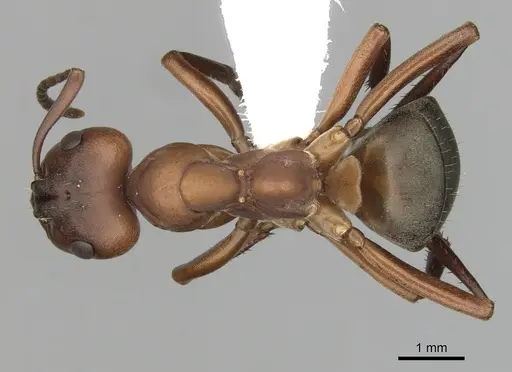
CASENT0903273
View on AntWeb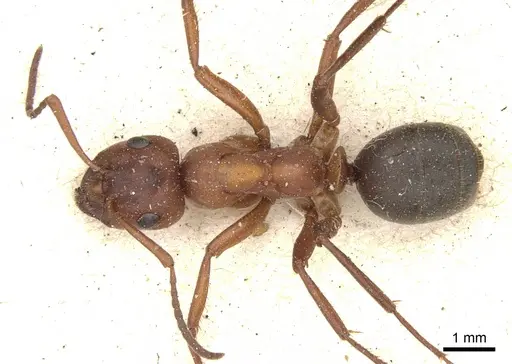
CASENT0905692
View on AntWeb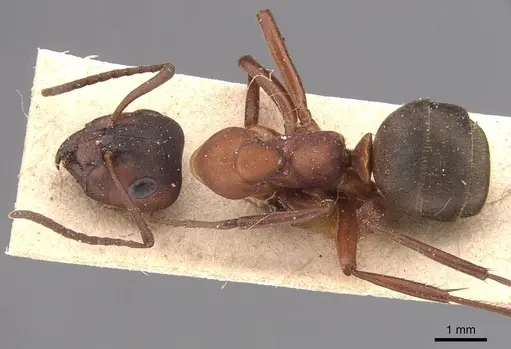
CASENT0911095
View on AntWeb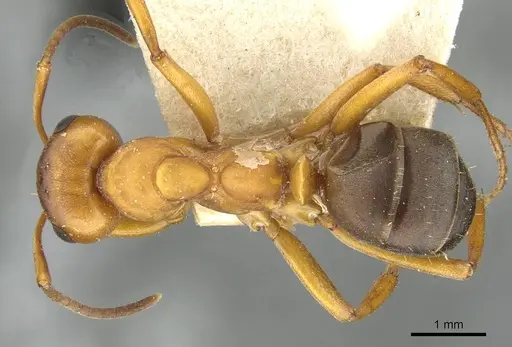
CASENT0912254
View on AntWeb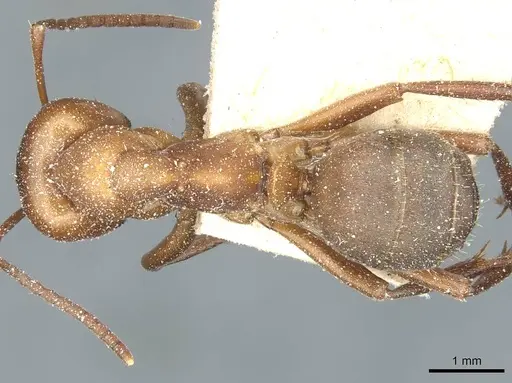
CASENT0912255
View on AntWeb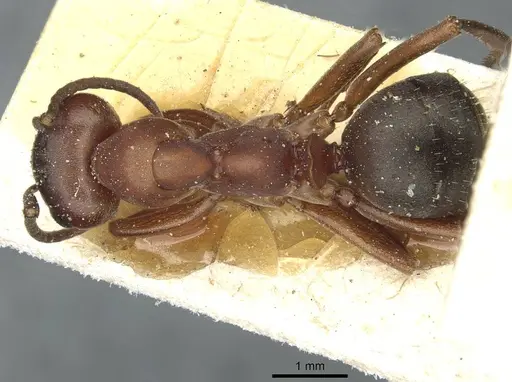
Literature
Loading...Loading products...