
Formica fusca follows a consistent seasonal pattern with peak activity in July. The flight window runs from June to August, providing several months of opportunity for observations.
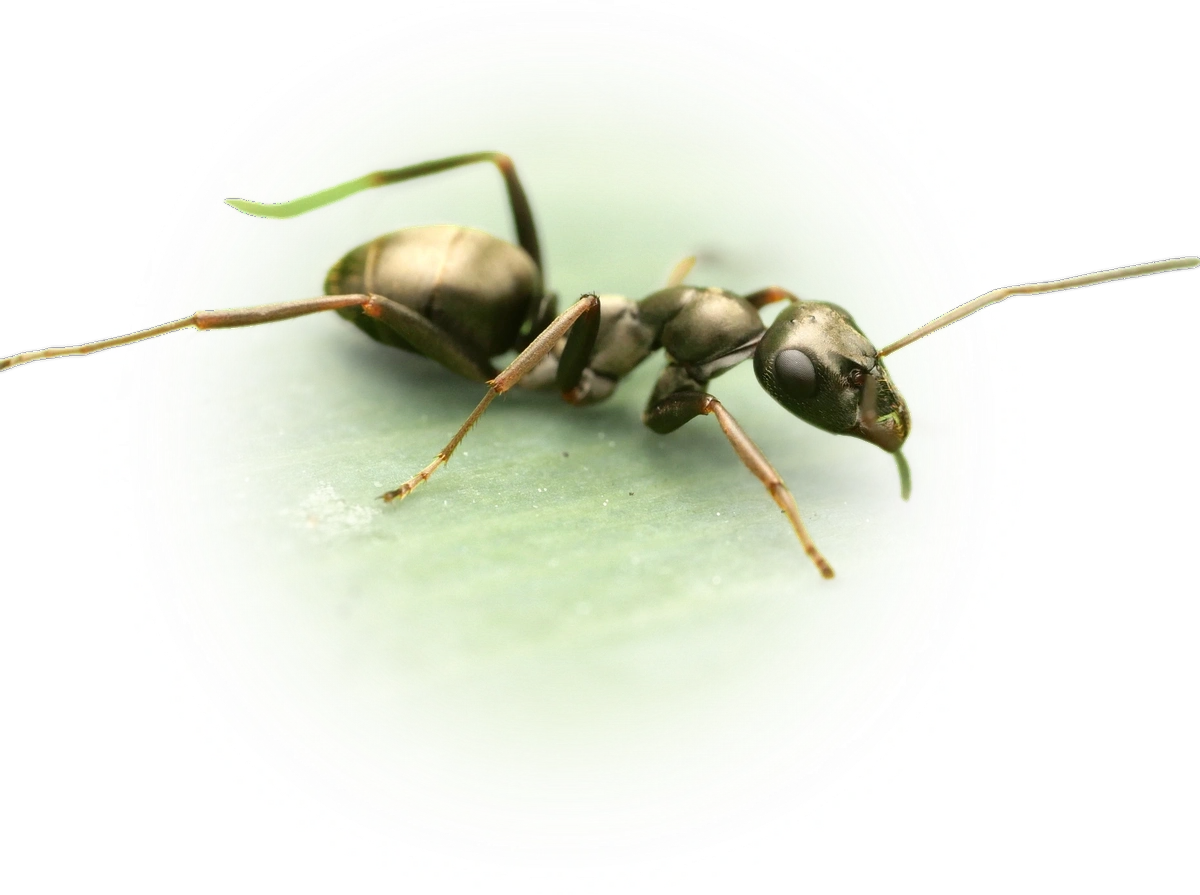
Formica fusca
- Scientific Name
- Formica fusca
- Tribe
- Formicini
- Subfamily
- Formicinae
- Author
- Linnaeus, 1758
- Common Name
- Silky ant
- Distribution
- Found in 16 countries
- Nuptial Flight
- from June to August, peaking in July
AI Identifiable
try →
Formica fusca Overview
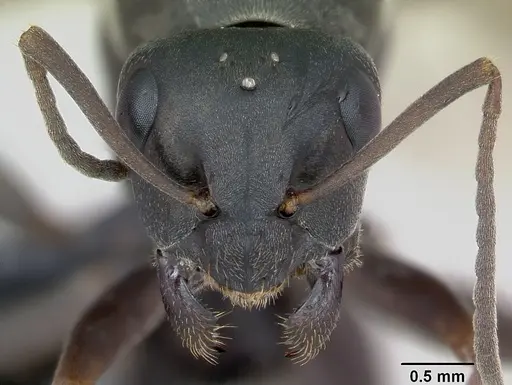
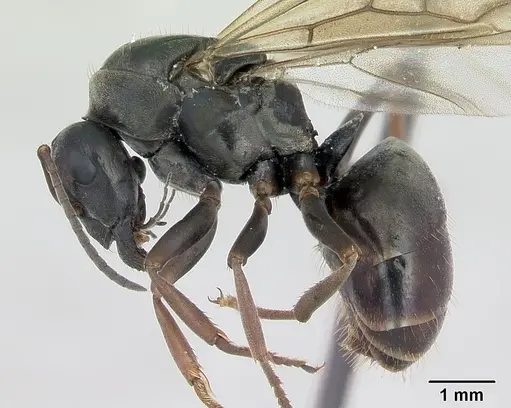
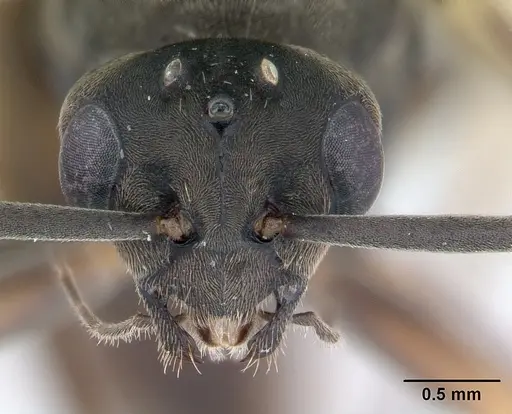
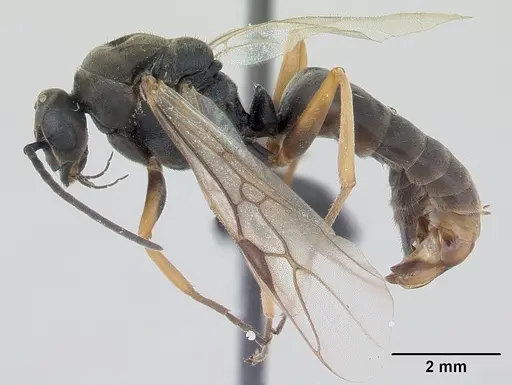
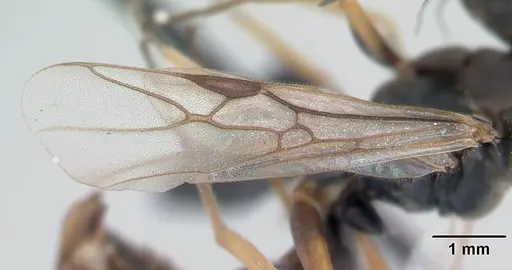
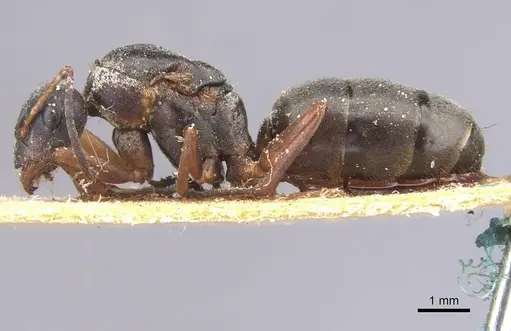
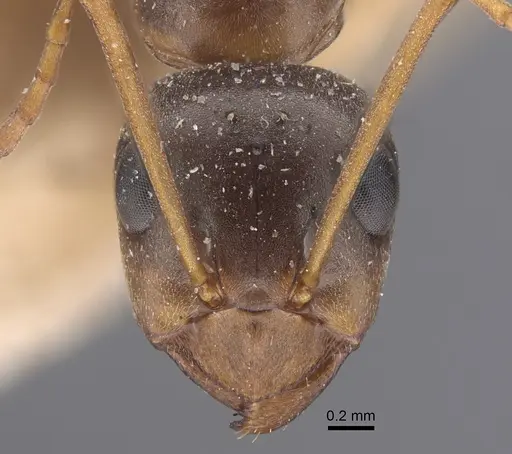
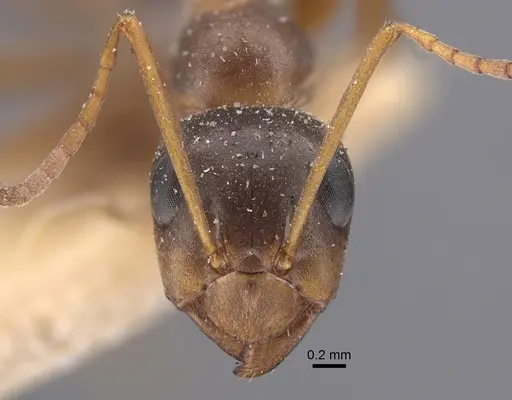
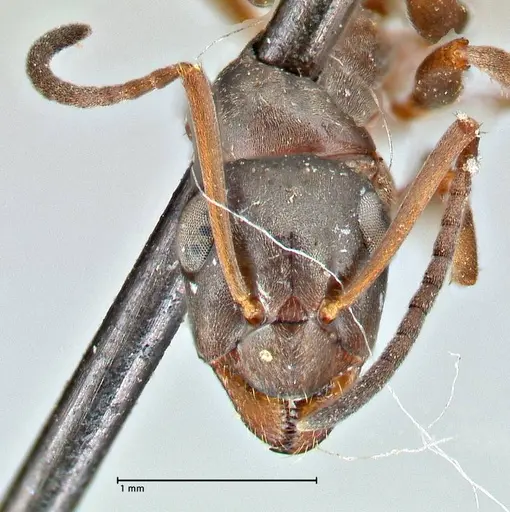
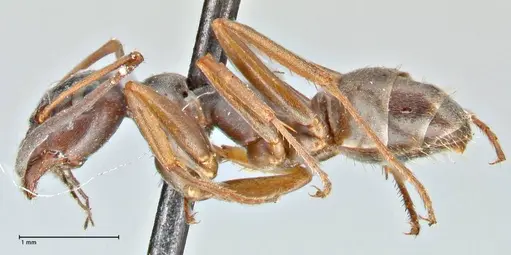
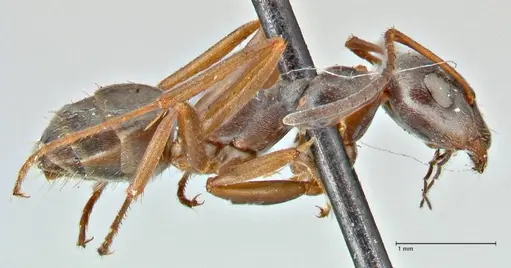
Formica fusca (commonly known as the Silky ant) is an ant species of the genus Formica. It is primarily documented in 16 countries , including Austria, Belgium, Canada. Detailed taxonomic data and occurrence records can be further explored via authoritative databases such as AntWeb or the Global Biodiversity Information Facility (GBIF).
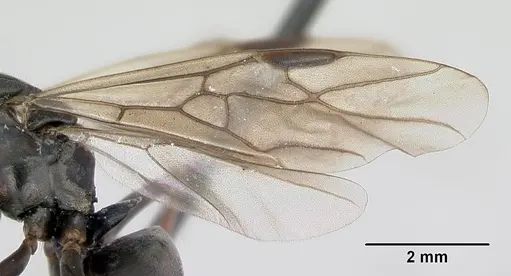
The nuptial flight of Formica fusca is a significant biological event, typically occurring from June to August, peaking in July. During this time, winged queens and males leave the nest to mate and establish new colonies.
Formica fusca - "Silky ant"
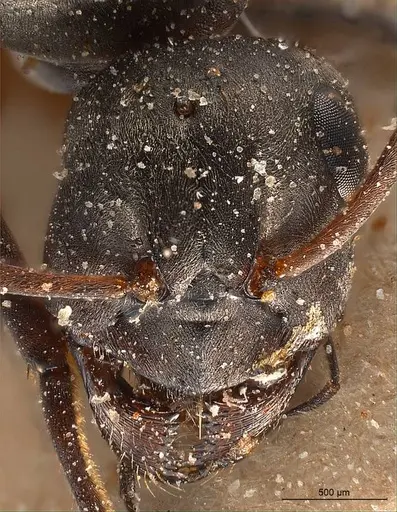
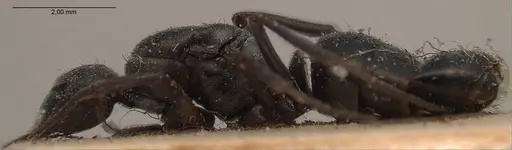
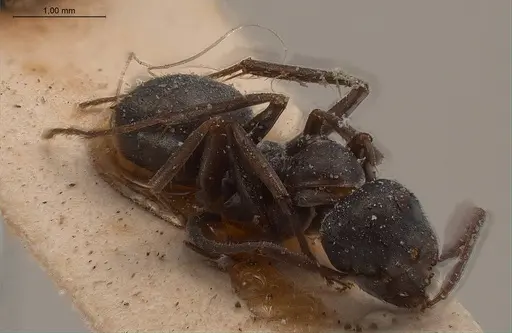
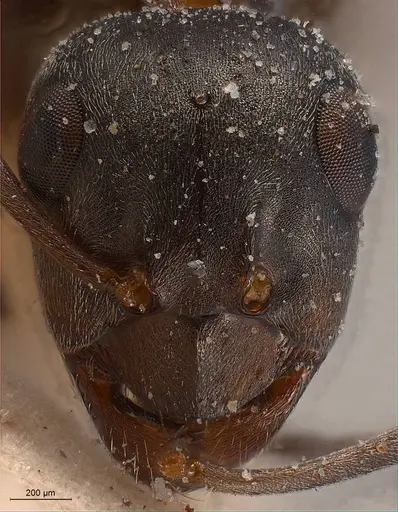
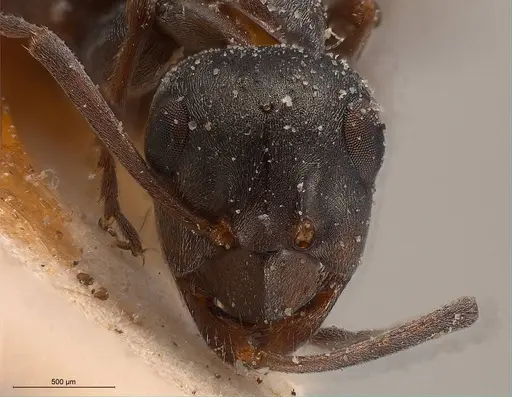
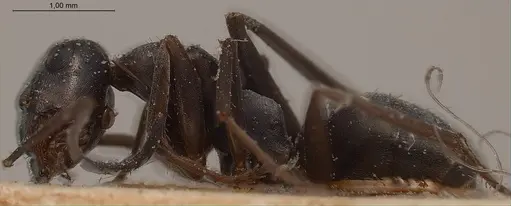
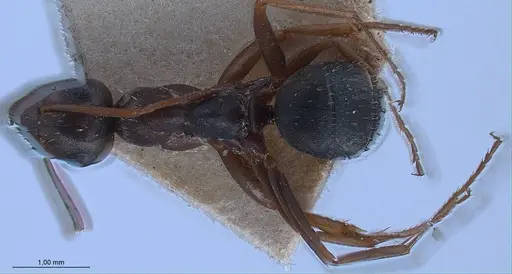
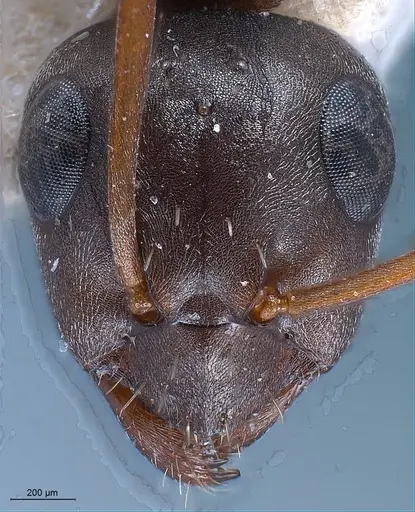
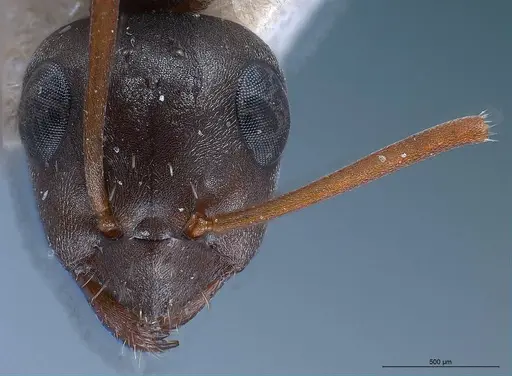
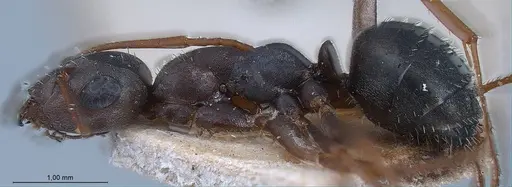
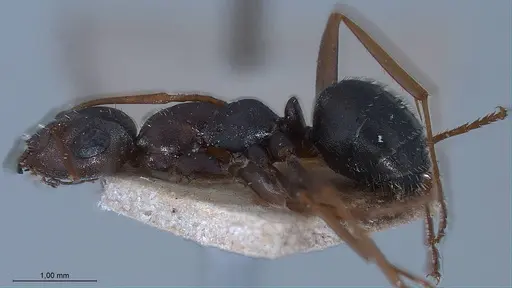
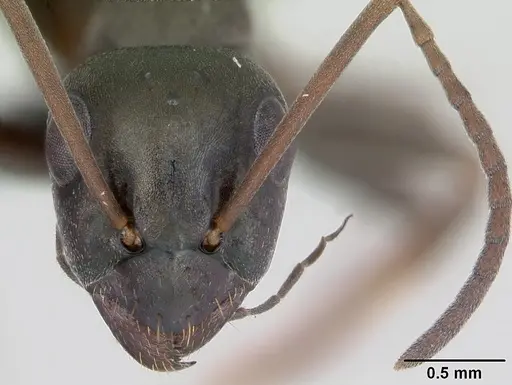
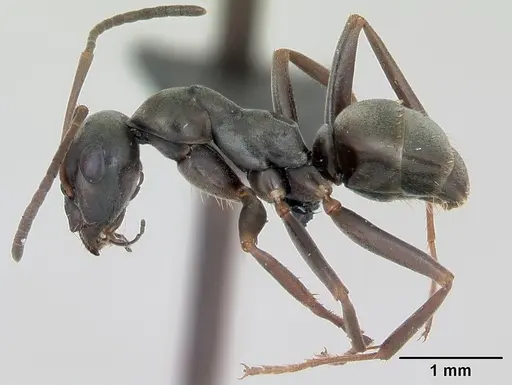
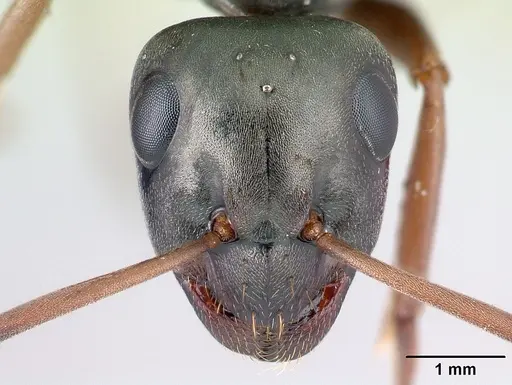
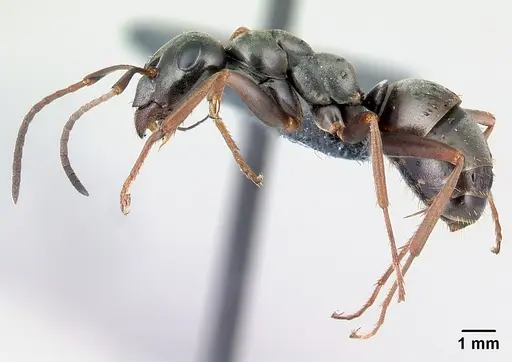
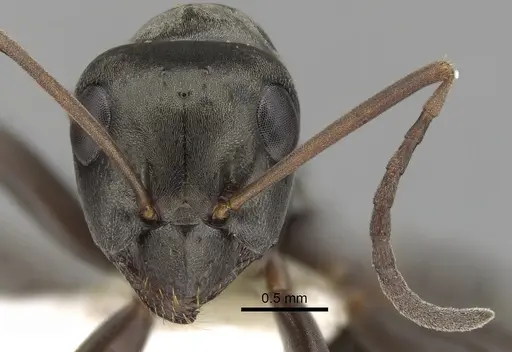
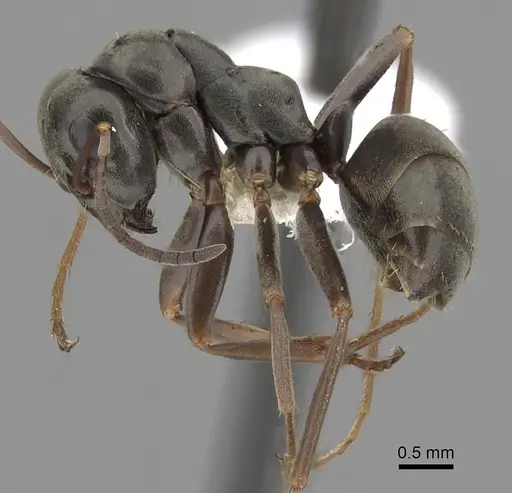
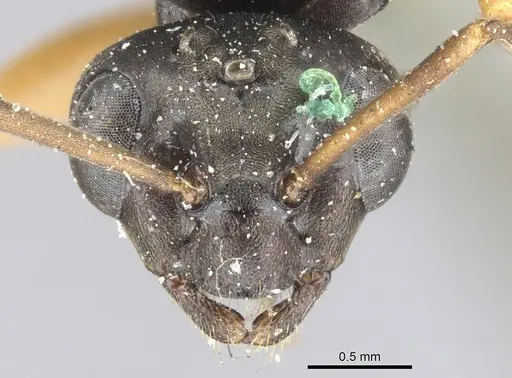
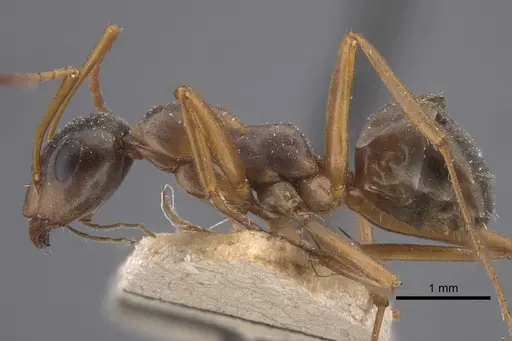
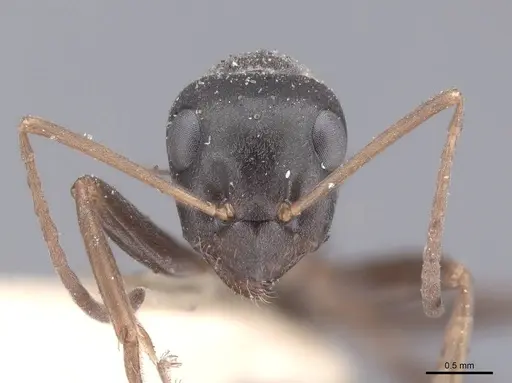
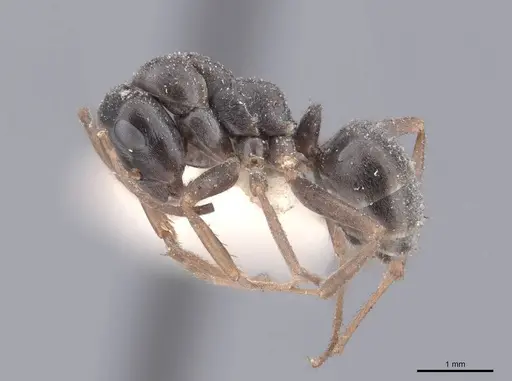
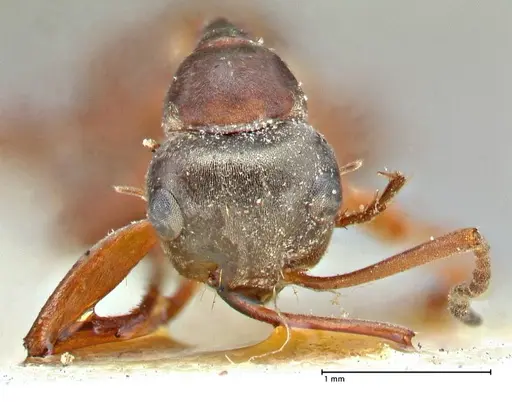
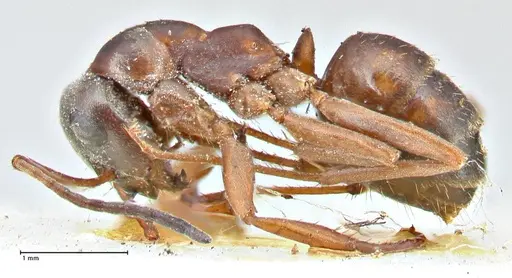
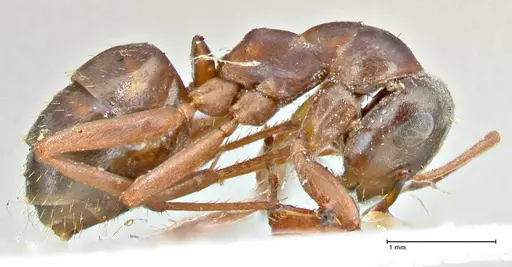
Formica fusca is a medium-sized ant native to the Palearctic region, ranging from Europe through Asia to Japan. Workers measure 4.5-7.5mm with a distinctive grey-black to brownish-black coloration and relatively sparse erect hairs. The species is highly adaptable and inhabits diverse environments including forests, meadows, heathlands, and urban areas. Colonies are typically polygynous (multiple queens) and can contain several hundred to a few thousand workers. This ant is best known as a host species for socially parasitic ants including the slave-makers Polyergus rufescens and Formica sanguinea, as well as temporary social parasites like Formica rufa group species.
Quick Summary
- Difficulty: Easy
- Origin & Habitat: Palearctic region, Europe, Asia, Japan. Found in various habitats from dunes and dry sunny slopes through meadows and forest edges to peat bogs and dense humid forests with thick undergrowth. Avoids completely arid habitats and dense forest interiors [1][2].
- Colony Type: Facultatively polygynous, colonies can have single queen (monogyne) or multiple queens (polygynous), typically 2-10 queens, occasionally up to 100. Workers are fertile and can lay male eggs, especially in queenless colonies [3][4][5].
- Colony: Optionally polygyne, Oligogyne
- Founding: Claustral, Pleometrosis
- Size & Growth:
- Antkeeping:
- Temperature: Room temperature (18-24°C) is suitable. In captivity,20-25°C is optimal. Naturally found in temperate regions with distinct seasons [7].
- Humidity: Moderate, nests in soil, under stones, and in decaying wood. Keep nest substrate moist but not waterlogged. Avoid both very dry and very wet conditions [1].
- Diapause: Yes, requires winter hibernation period. Workers and queens overwinter, no brood present during this time. Keep at cool temperatures (5-10°C) for 2-3 months during winter [8].
- Nesting: Nests in soil, under stones, in rotten tree stumps, and decaying wood. Accepts various nest types including test tubes with dirt, wooden nests, and formicaria with soil chambers. Provide a humid nest environment with some dry areas for foraging [1].
- Behavior: Timid and non-aggressive by nature. Workers are fast-moving foragers that actively search for food individually. They avoid conflicts with other ant species and typically flee when threatened. Despite their timid reputation, they can show surprising boldness when defending their nest or when enslaved by slave-maker species. Not territorial, does not defend foraging territories. Workers readily climb grass and vegetation to escape predators and navigate through territories of more aggressive species [1][9].
- Common Issues: As a subordinate species, may be bullied by more aggressive ants if housed together, Queens can be killed during colony foundation attempts, adoption by established colonies is more successful, Wild-caught colonies may carry parasites that can cause issues in captivity, Colonies are sensitive to disturbance and may abandon broods if stressed, Multiple queens may fight initially until hierarchy is established
Nuptial Flight Activity Analysis 1482 observations
Flight Activity by Hour 1482 observations
Formica fusca nuptial flight activity peaks around 14:00 during the afternoon. Activity is spread across a 12-hour window (09:00–20:00). Times may be influenced by human observation patterns.
Housing and Nest Setup
Formica fusca is not demanding when it comes to housing. They accept most standard ant nest setups including test tubes with soil, acrylic formicaria with dirt chambers, and wooden nests. The key requirement is maintaining appropriate humidity, the nest material should be moist but not soggy. A gradient from humid nest chambers to a drier foraging area works well. Since they naturally nest in soil and decaying wood, adding some soil or peat to the nest chamber helps them feel at home. Escape prevention is straightforward as they are medium-sized ants, standard barrier methods work adequately. Room temperature (18-24°C) is ideal, with slight warming encouraging activity during the active season. [1][2]
Feeding and Diet
These ants are omnivorous with a preference for protein foods and honeydew. In captivity, they readily accept sugar water, honey, or diluted maple syrup as carbohydrate sources. For protein, offer small insects like fruit flies, small crickets, mealworms, or other appropriately sized invertebrates. They will also collect honeydew from aphids if available. Workers forage individually and can cover significant distances searching for food. Unlike some ants, they do not defend food sources aggressively and will typically retreat when confronted by other species. Feed them a few times per week, removing any uneaten protein after 24 hours. Sugar water should always be available. [1][2]
Seasonal Care and Hibernation
Like all temperate ant species, Formica fusca requires a winter rest period. During autumn (typically October-November), reduce feeding and gradually lower temperatures to simulate winter. Provide a hibernation period of 2-3 months at temperatures between 5-10°C, a refrigerator or cold basement works well. Place the colony in a dark location and minimize disturbance during this time. Do not feed during hibernation. In spring (March-April), gradually warm the colony back to room temperature and resume normal feeding. Queens will begin laying eggs after hibernation, and the colony cycle begins anew. Without proper hibernation, colony health will decline over time. [8][2]
Colony Dynamics and Social Structure
Formica fusca colonies can start with a single queen but often become polygynous (multiple queens) as they mature. Multiple related queens may coexist peacefully, with workers tending all queens. If a queen dies, workers can sometimes adopt a new queen, though this is not always successful. Workers are fertile and can lay male eggs, particularly in queenless situations. The colony produces sexuals (new queens and males) during summer, typically July-August in most regions. Nuptial flights occur during this period when winged reproductives leave the nest to mate. [3][4][5]
Host Species for Parasitic Ants
One of the most notable aspects of Formica fusca is its role as a host species for socially parasitic ants. This includes temporary social parasites like Formica rufa group queens (which invade fusca nests, kill the host queen, and use the workers to raise their own brood), slave-making ants like Polyergus rufescens and Formica sanguinea (which raid fusca nests to steal pupae and raise enslaved workers), and various myrmecophilous beetles that live in their nests. If you keep this species, you may observe unusual behaviors if they are invaded by parasitic species, enslaved workers will perform tasks for their captors. In captivity, this is primarily of academic interest rather than a care concern. [1][2]
Frequently Asked Questions
How long does it take for Formica fusca to raise first workers?
At room temperature (20-25°C), expect first workers (nanitics) to emerge in about 6-7 weeks after the queen lays eggs. The claustral queen seals herself in and uses stored energy to raise the first brood without foraging.
Can I keep multiple Formica fusca queens together?
Yes, this species is facultatively polygynous, colonies naturally can have multiple queens. However, when introducing multiple unrelated queens, monitor for aggression initially. Related queens (from the same colony) typically coexist peacefully.
What do Formica fusca eat?
They are omnivorous. Offer sugar water, honey, or maple syrup for carbohydrates. For protein, provide small insects like fruit flies, small crickets, or mealworms. They also collect honeydew from aphids in the wild.
Do they need hibernation?
Yes, they require a winter rest period of 2-3 months at cool temperatures (5-10°C). Without proper hibernation, colony health will deteriorate over time.
Are Formica fusca good for beginners?
Yes, they are considered one of the easier Formica species to keep. They are adaptable, tolerant of various conditions, and not aggressive. Their main requirements are proper hibernation and appropriate feeding.
How big do Formica fusca colonies get?
Colonies typically reach 500-2000 workers, though well-established colonies can grow to several thousand. Growth rate is moderate, expect a few years to reach large colony size.
Why are they called slave ants?
Formica fusca is commonly used as a host by slave-making ants like Polyergus rufescens (the Amazon ant) and Formica sanguinea. These parasites raid fusca nests, steal pupae, and raise enslaved workers that perform all colony tasks. The enslaved fusca workers are not harmed and integrate into the parasite colony.
References

This caresheet is licensed under CC BY-SA 4.0 .
ANTWEB1008409
View on AntWeb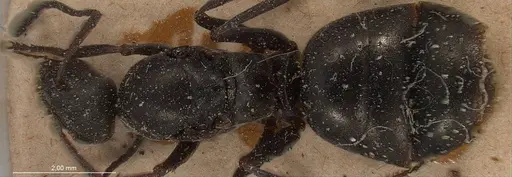
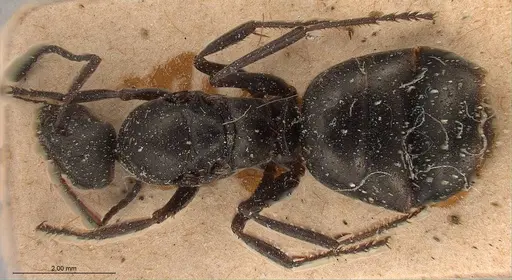
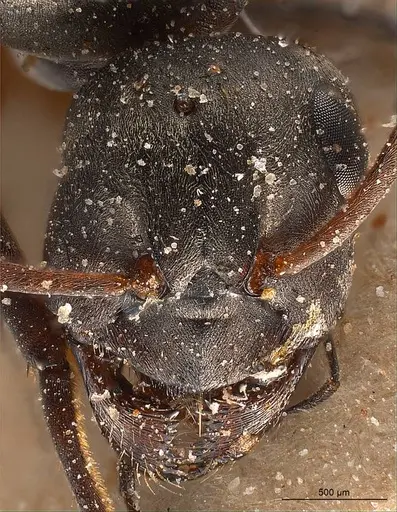
ANTWEB1008410
View on AntWeb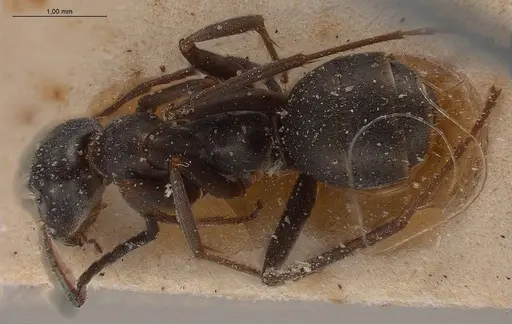
ANTWEB1008425
View on AntWeb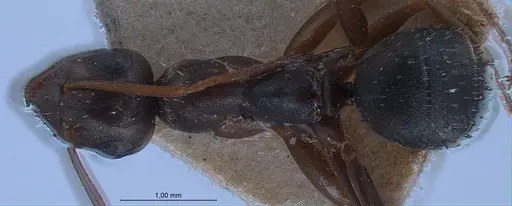
CASENT0173170
View on AntWeb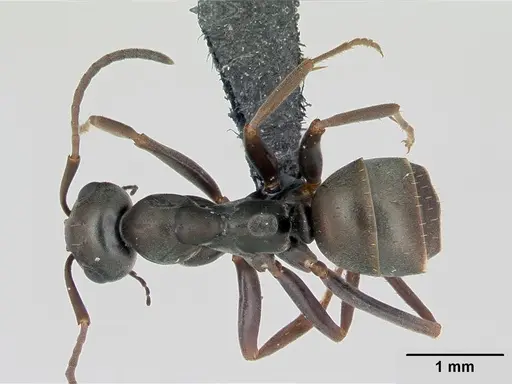
CASENT0173171
View on AntWeb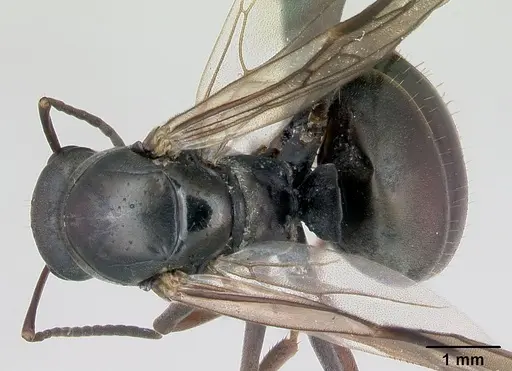
CASENT0178770
View on AntWeb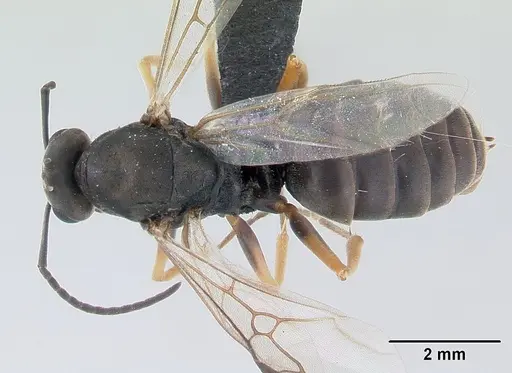
CASENT0179924
View on AntWeb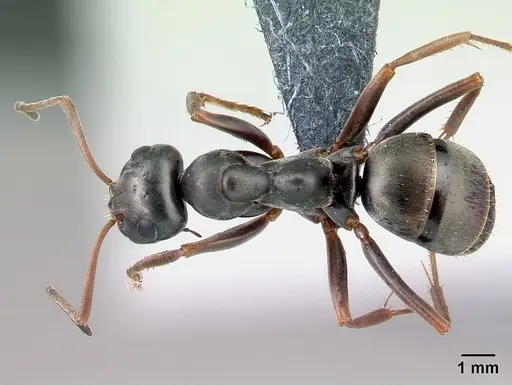
CASENT0280385
View on AntWeb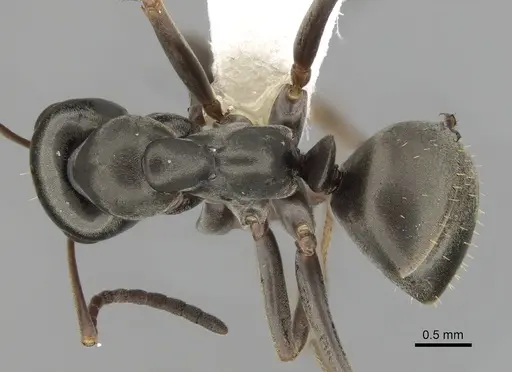
CASENT0903269
View on AntWeb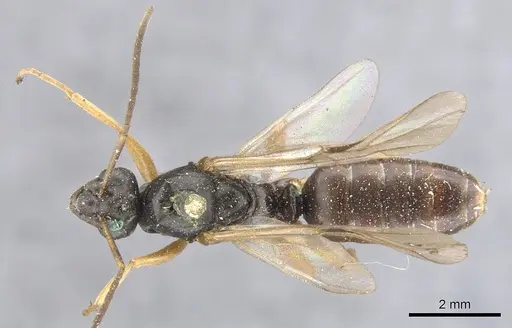
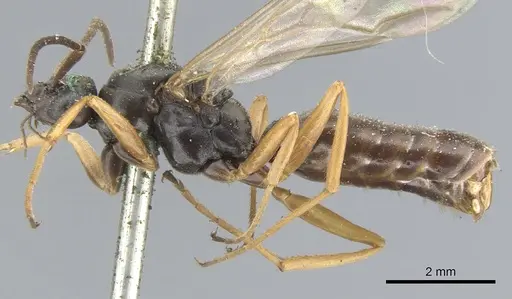
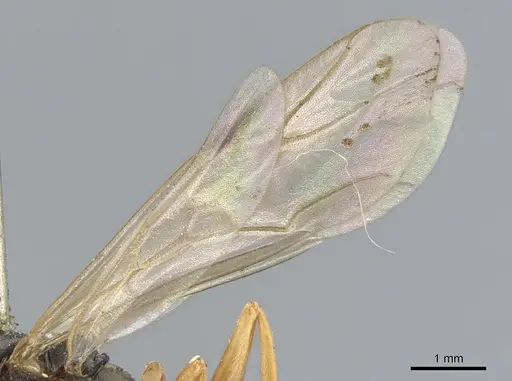
CASENT0912259
View on AntWeb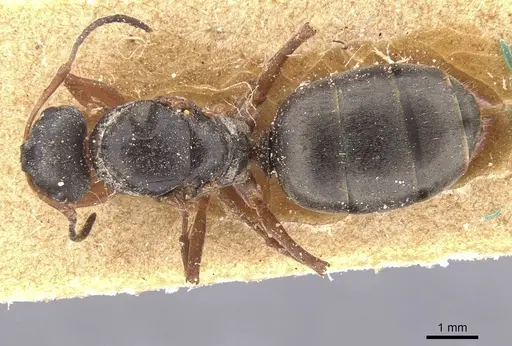
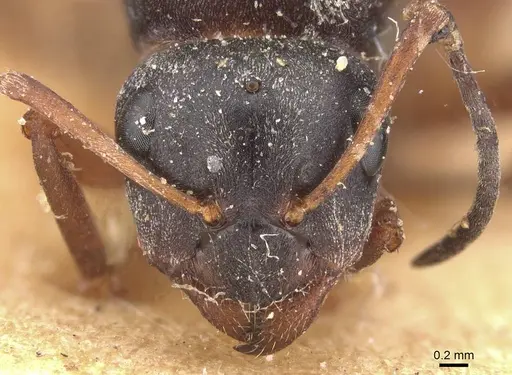
CASENT0917337
View on AntWeb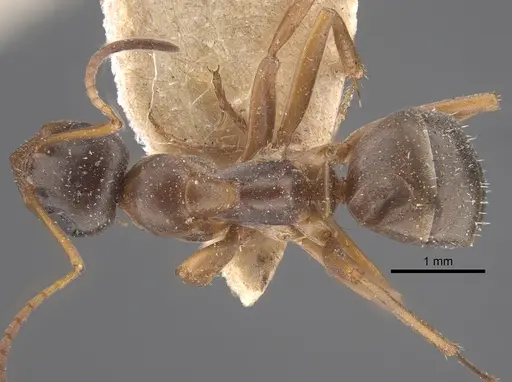
FMNHINS0000046280
View on AntWeb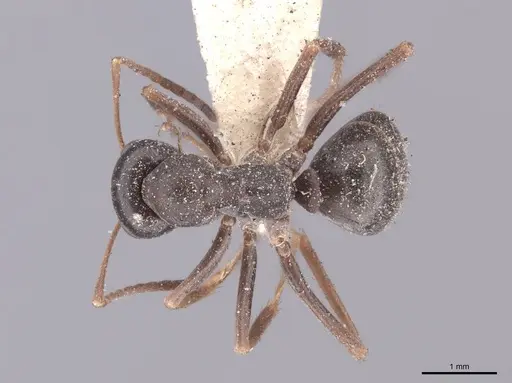
FOCOL2746
View on AntWeb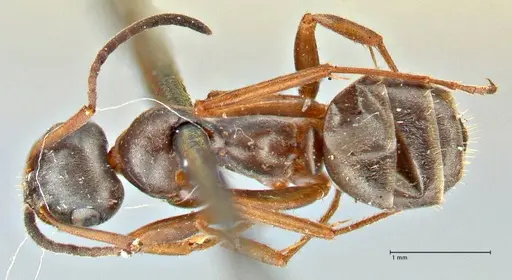
FOCOL2747
View on AntWeb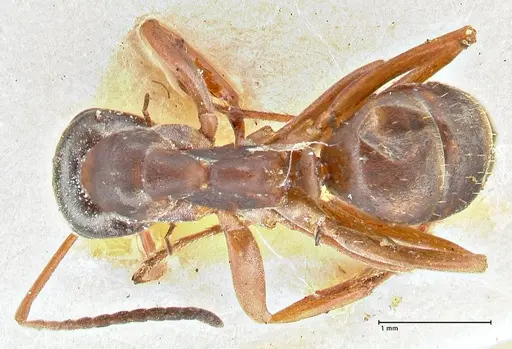
Literature
Loading...Loading products...