
Polyergus rufescens shows a July to August flight window. Peak activity occurs in July, with nuptial flights distributed across 2 months. The concentrated timeframe makes peak months critical for sightings.
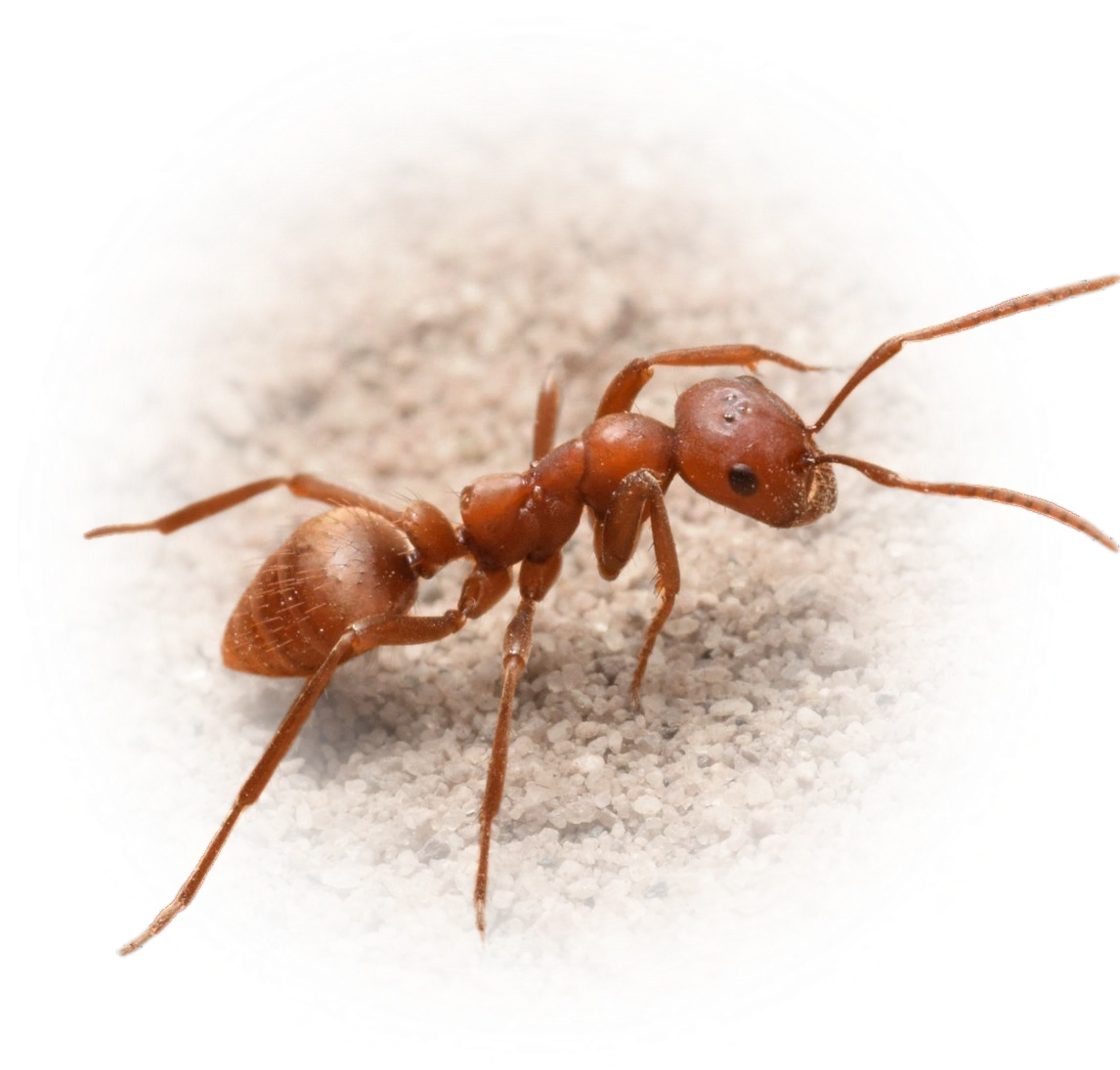
Polyergus rufescens
- Scientific Name
- Polyergus rufescens
- Tribe
- Formicini
- Subfamily
- Formicinae
- Author
- Latreille, 1798
- Common Name
- European Amazon Ant
- Distribution
- Found in 18 countries
- Nuptial Flight
- from July to August, peaking in July
AI Identifiable
try →
Polyergus rufescens Overview
Polyergus rufescens (commonly known as the European Amazon Ant) is an ant species of the genus Polyergus. It is primarily documented in 18 countries , including Austria, Belgium, Bulgaria. Detailed taxonomic data and occurrence records can be further explored via authoritative databases such as AntWeb or the Global Biodiversity Information Facility (GBIF).
The nuptial flight of Polyergus rufescens is a significant biological event, typically occurring from July to August, peaking in July. During this time, winged queens and males leave the nest to mate and establish new colonies.
Polyergus rufescens - "European Amazon Ant"
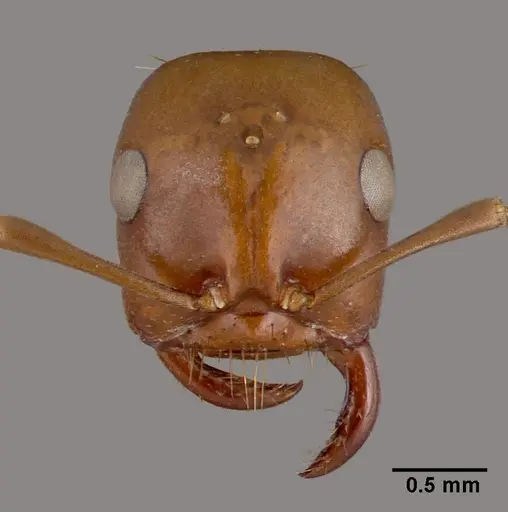
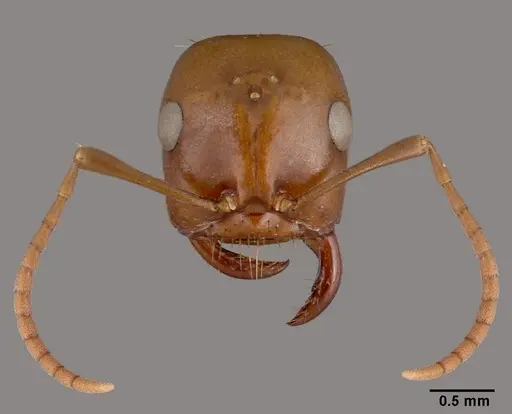
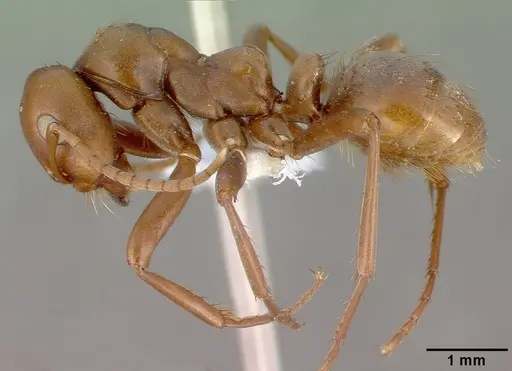
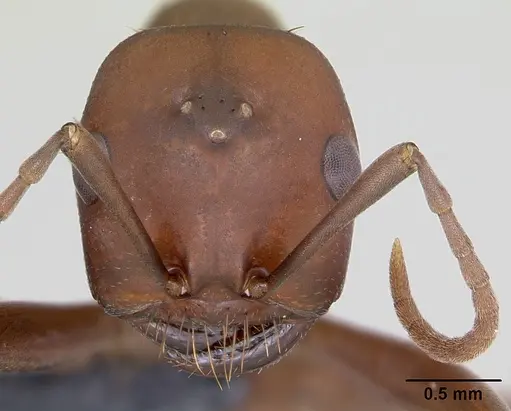
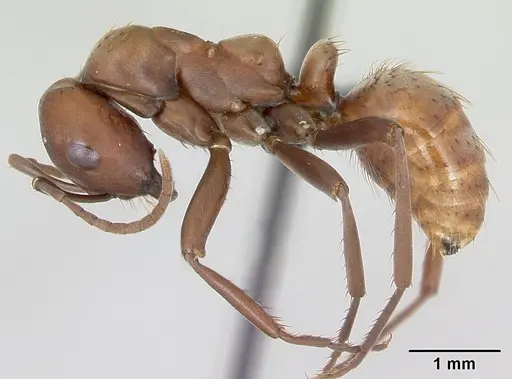
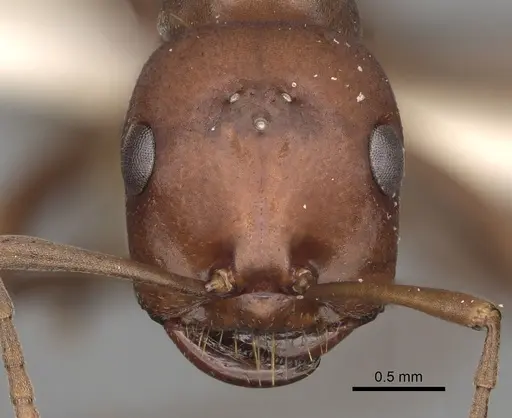
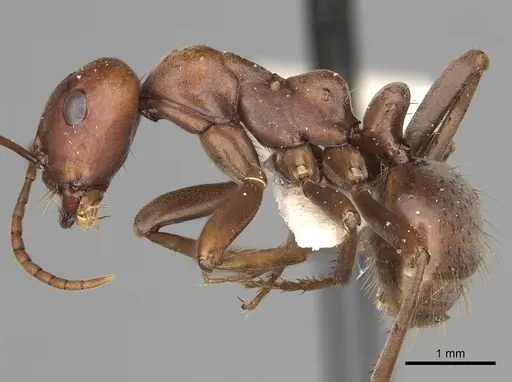
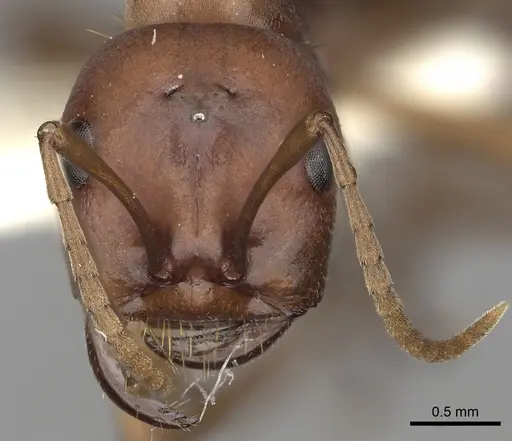
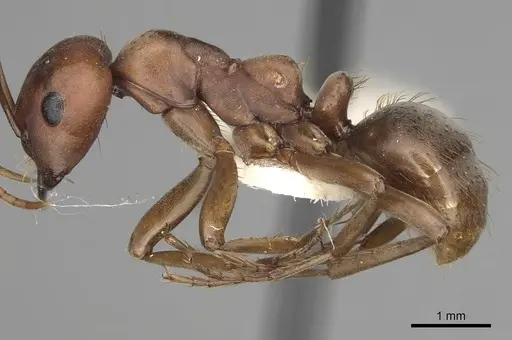
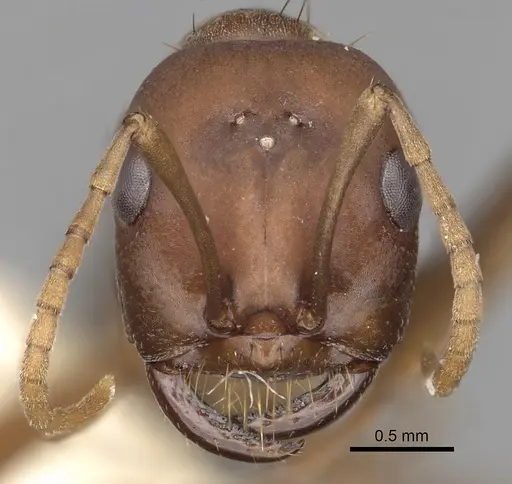
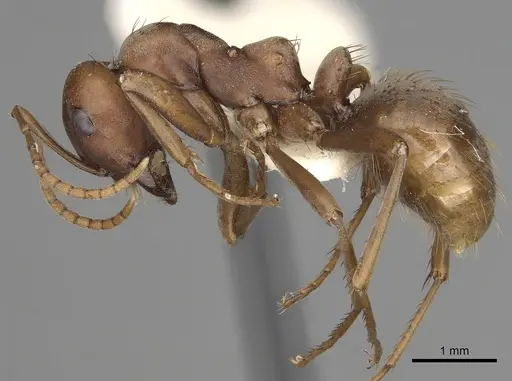
The Amazon ant is a specialized social parasite with medium-sized workers up to 7 mm long and queens up to 9.5 mm long [1][2]. They have a bright reddish-orange coloration and sickle-shaped mandibles without teeth, which are used only for fighting [3][4]. This species ranges across Central and Southern Europe, the Caucasus, and east to Western Siberia and Central Asia [2][5]. Colonies are always mixed, containing Polyergus workers and enslaved Serviformica workers (such as Formica fusca, F. rufibarbis, or F. cunicularia) that perform all nest tasks [6].
Quick Summary
- Difficulty: Expert
- Origin & Habitat: Native to Europe and temperate Asia, found in warm, dry, sunny open habitats like grasslands and vineyard edges. Requires presence of Serviformica host species for colony survival [6][7].
- Colony Type: Monogynous with single queen per colony, occasionally with ergatoid (wingless) replacement females. Always in mixed colonies with Serviformica slaves making up 70-90% of the workforce [6][8].
- Size & Growth:
- Queen:{.size-link} Up to 9.5 mm [1]
- Worker:{.size-link} Up to 7 mm [2]
- Colony: Up to 3000 Polyergus workers and up to 18000 enslaved workers [9]
- Growth: Moderate
- Development: Unknown, occurs within host colony under slave care (First workers emerge from stolen host pupae raised by enslaved workers.)
- Antkeeping:
- Temperature: Keep at room temperature (18-24°C) with access to warm areas. Raids occur at 25-35°C in the wild [10].
- Humidity: Provide a mostly dry nest chamber with a small moist area, as this species is xerothermic and adapted to dry habitats.
- Diapause: Yes, requires winter hibernation for 8-12 weeks at 5-10°C [6].
- Nesting: Y-tong (AAC) or plaster nests work well. Essential to maintain a healthy colony of host Serviformica species alongside the Amazon ants.
- Behavior: Extremely aggressive during raids but generally non-aggressive toward keepers. Workers are rarely seen outside except during nuptial flights (July-August) or slave raids (late June through August, afternoons). They use Dufour gland secretions for recruitment and appeasement, and mandibular gland secretions as propaganda pheromones [11][12]. Workers cannot feed themselves and must be tended by slaves. Escape risk is moderate due to size.
- Common Issues: absolute dependence on host species, colony will die without enslaved Formica workers, slave raids require significant space and host colony maintenance, complex to keep long-term, queenless colonies cease raids and workers become non-functional, intraspecific aggression between Amazon ant colonies can destroy weaker nests [10], cold sensitivity, requires proper hibernation
Nuptial Flight Activity Analysis 105 observations
Flight Activity by Hour 105 observations
Polyergus rufescens nuptial flight activity peaks around 17:00 during the afternoon. Activity is spread across a 12-hour window (09:00–20:00). Times may be influenced by human observation patterns.
The Slave-Making Lifestyle
Polyergus rufescens is an extreme social parasite. Workers have sickle-shaped mandibles without teeth, useless for work but effective for fighting [4][3]. All colony tasks, nest building, foraging, brood care, are performed by enslaved Serviformica workers. Slaves are raised from stolen pupae and instinctively serve the colony [3]. Raids replenish slave numbers, with colonies conducting dozens of raids per summer, stealing tens of thousands of host pupae [9].
Slave Raids: The Amazon Military Machine
Raids occur on hot summer afternoons. Scouts locate target nests, then recruit 2000-3000 workers for a raid column [9][11]. The column moves rapidly, often traveling 10-30 meters [13]. Amazon ants release propaganda pheromones that panic defenders, allowing them to steal worker pupae [12][14]. A strong colony may conduct multiple raids per day, stealing 150,000-200,000 brood items over a summer [15].
Colony Foundation
New colonies are founded through temporary social parasitism. A mated queen invades a Serviformica host nest, using Dufour gland secretions to appease workers [16][17]. She kills the host queen and is adopted, with host workers raising her eggs [6]. Chemical mimicry helps integration, as Amazon workers develop host-like cuticular hydrocarbons [16][18]. Ergatoid females may serve as replacement reproductives [8].
Nuptial Flights and Reproduction
Nuptial flights occur July through mid-August on hot, sunny days, requiring temperatures of at least 25.8°C [10]. Males appear first, followed by females releasing pheromones to attract mates [19]. After mating, females shed wings and seek host colonies. Males are produced primarily by Amazon workers [8]. Sexual production varies yearly [10].
Host Species Requirements
Amazon ants absolutely require Serviformica hosts like Formica fusca, F. rufibarbis, or F. cunicularia [6][2]. Hosts perform all tasks: foraging, feeding, brood care, and nest maintenance [1]. Without slaves, Amazon workers starve even with food available. Maintain a healthy host colony alongside the Amazon ants.
Keeping Amazon Ants in Captivity
This is an expert-level challenge requiring two interdependent colonies. Use Y-tong or plaster nests, with the host colony in a separate setup connected by tubing for raids. Feed the host colony standard ant food, they will feed the Amazon workers. Keep at room temperature with a warm area, and provide winter hibernation at 5-10°C for 8-12 weeks. Escape prevention is important but not critical due to size. The main challenge is sustaining both colonies long-term. [1]
Frequently Asked Questions
Can I keep Polyergus rufescens without host ants?
No. Amazon ants are obligate social parasites that cannot survive without enslaved Serviformica workers. They cannot feed themselves or care for brood. You must maintain a colony of Formica fusca, F. rufibarbis, or F. cunicularia alongside them.
How do Amazon ants feed if they cannot feed themselves?
Enslaved Serviformica workers forage and regurgitate food to feed Amazon workers. In captivity, you feed the host colony, and they distribute food to everyone.
Will Polyergus rufescens attack my other ant colonies?
Yes, they will raid any Serviformica colony in range. Keep them completely separated from other ant colonies except for their designated host species.
How often do raids occur?
Raids occur during summer on warm, sunny afternoons, typically between 2-5 PM. A strong colony may conduct multiple raids per day during peak season.
Do Amazon ants need hibernation?
Yes, as a temperate species they require winter hibernation for 8-12 weeks at 5-10°C.
Are Amazon ants dangerous to humans?
They can bite with their mandibles, but are not aggressive toward humans and bites are mild.
How long do colonies live?
Colonies can live for many years if properly maintained, with queens potentially living decades.
Can I start a colony from a queen?
Extremely difficult. The queen must invade a host colony, which requires both a mated queen and an established host colony. Most keepers obtain established mixed colonies.
What happens if the host colony dies?
The Amazon colony will quickly die. Without slaves to feed them, Amazon workers starve within days.
Why are they called Amazon ants?
Named after legendary female warriors, reflecting their aggressive raiding behavior and military operations.
Report an Issue
The current care sheet is based fully on literature. See inconsistencies, or something that's incorrect? Please , it will be resolved after review from an admin. Contributing to the blogs tab also helps providing information, to make us be able to further improve the caresheets. Thank you for your support!
References

This caresheet is licensed under CC BY-SA 4.0 .
CASENT0010688
View on AntWeb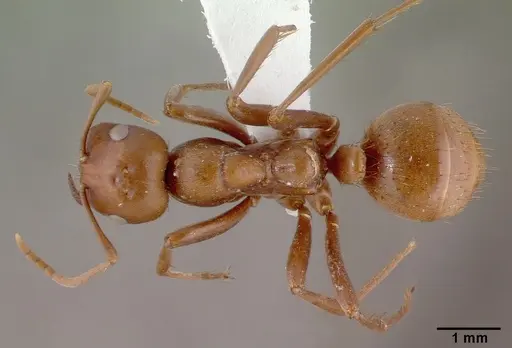
CASENT0173859
View on AntWeb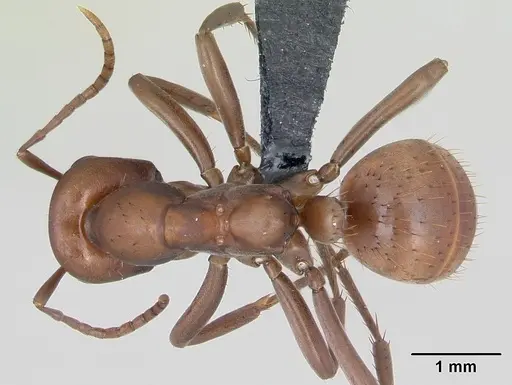
CASENT0281060
View on AntWeb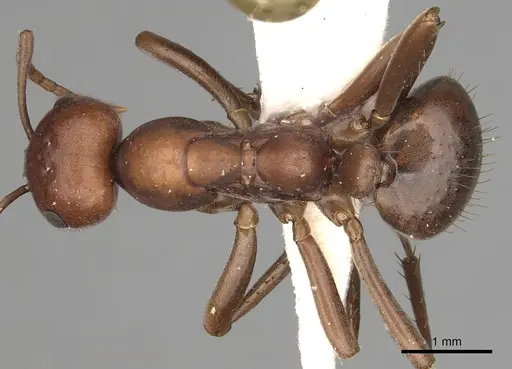
CASENT0281061
View on AntWeb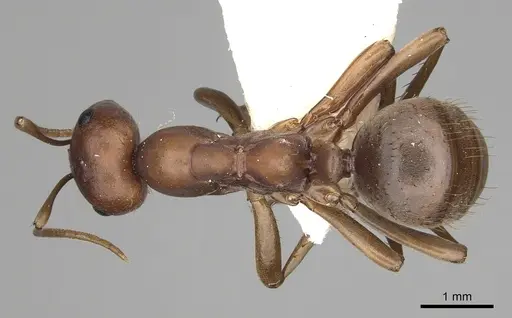
CASENT0281062
View on AntWeb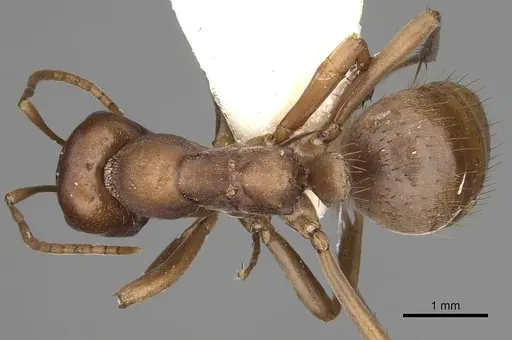
Literature
Loading...Loading products...