
Formica rufa follows a consistent seasonal pattern with peak activity in May. The flight window runs from April to June, providing several months of opportunity for observations.
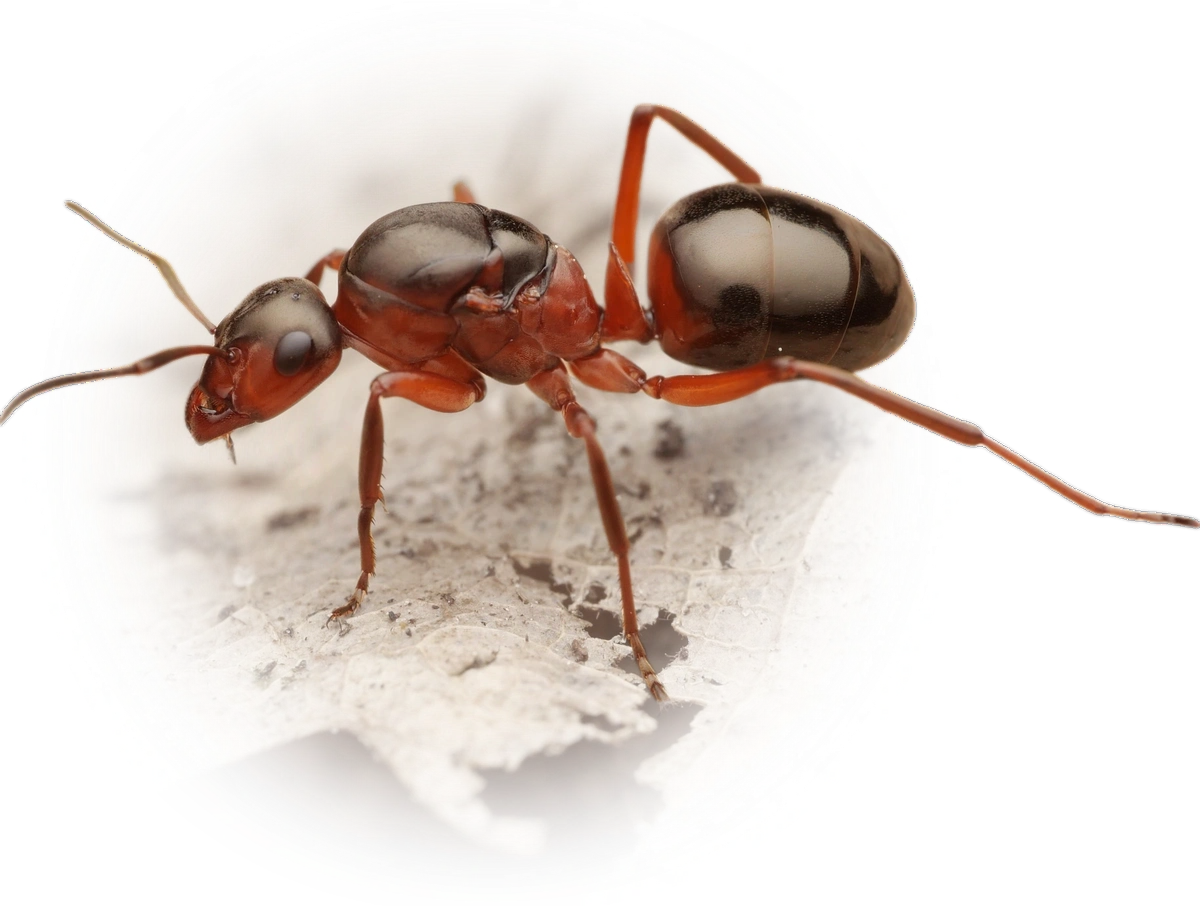
Formica rufa
- Scientific Name
- Formica rufa
- Tribe
- Formicini
- Subfamily
- Formicinae
- Author
- Linnaeus, 1761
- Common Name
- Wood Ant
- Distribution
- Found in 17 countries
- Nuptial Flight
- from April to June, peaking in May
AI Identifiable
try →
Formica rufa Overview
Formica rufa (commonly known as the Wood Ant) is an ant species of the genus Formica. It is primarily documented in 17 countries , including Austria, Belgium, Switzerland. Detailed taxonomic data and occurrence records can be further explored via authoritative databases such as AntWeb or the Global Biodiversity Information Facility (GBIF).
The nuptial flight of Formica rufa is a significant biological event, typically occurring from April to June, peaking in May. During this time, winged queens and males leave the nest to mate and establish new colonies.
Formica rufa - "Red Wood Ant"
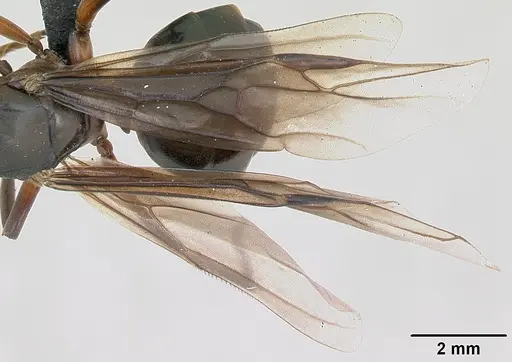
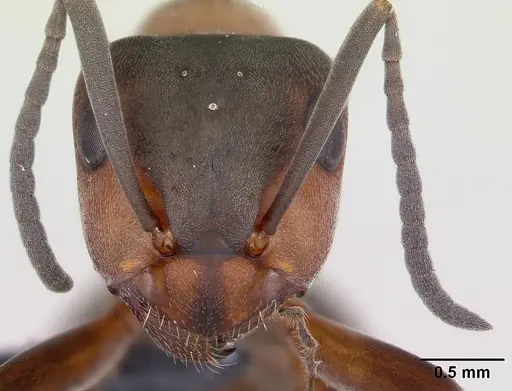
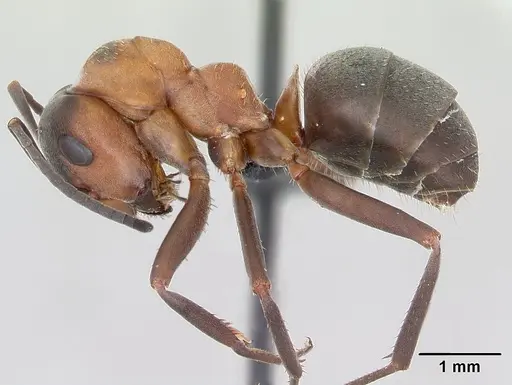
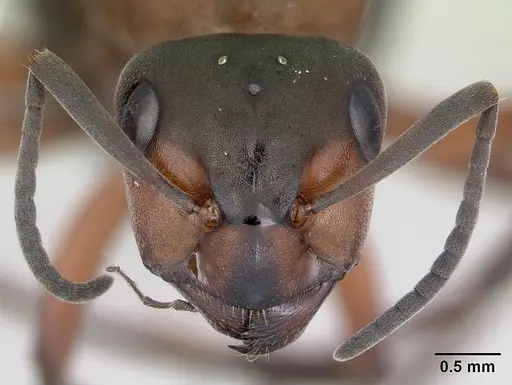
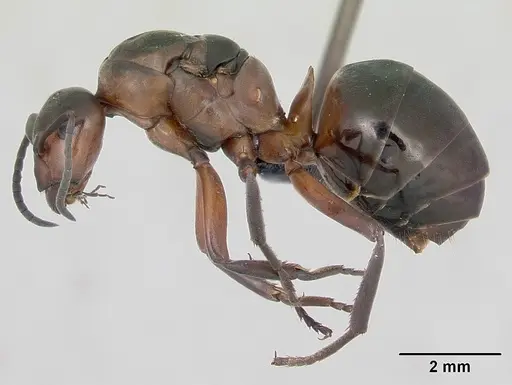
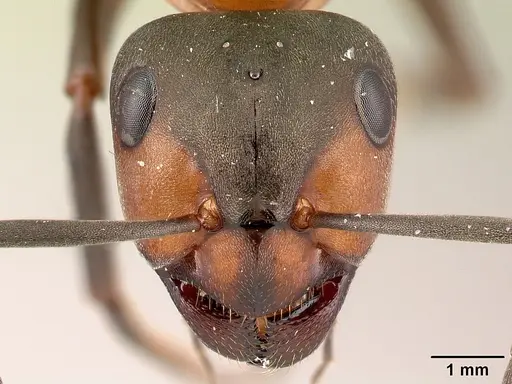
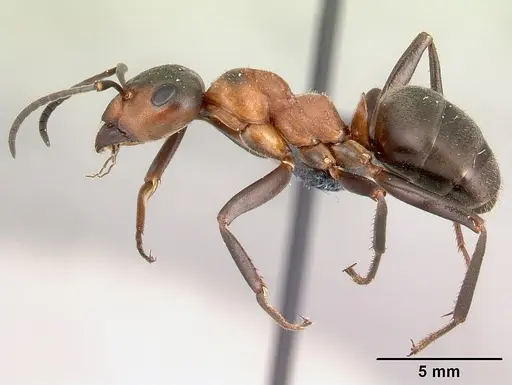
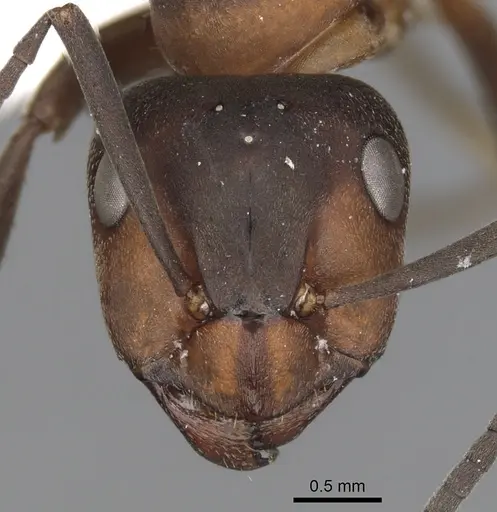
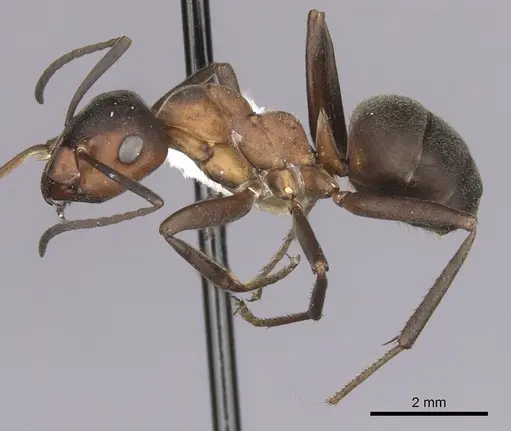
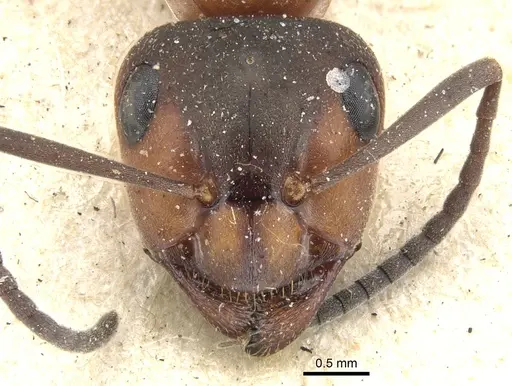
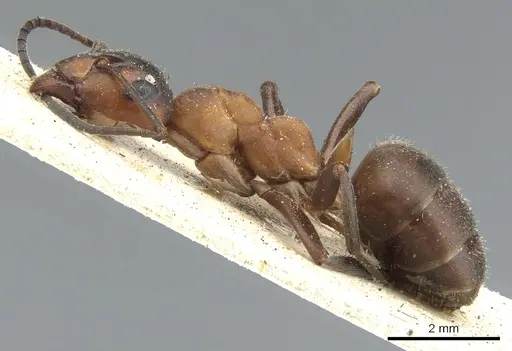
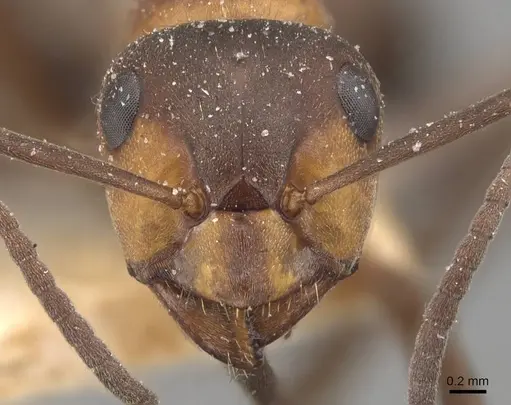
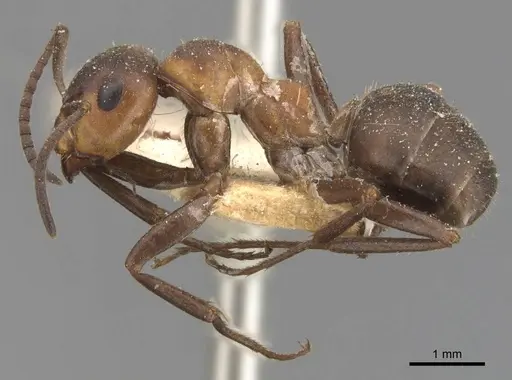
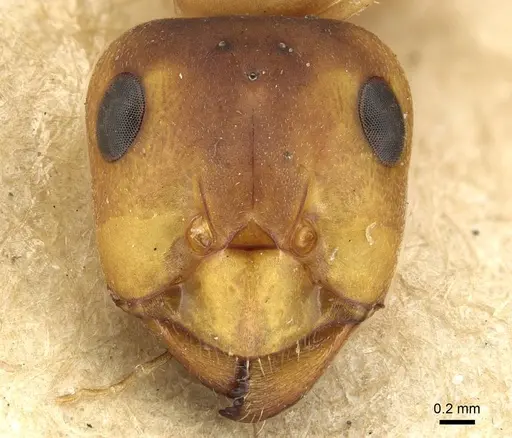
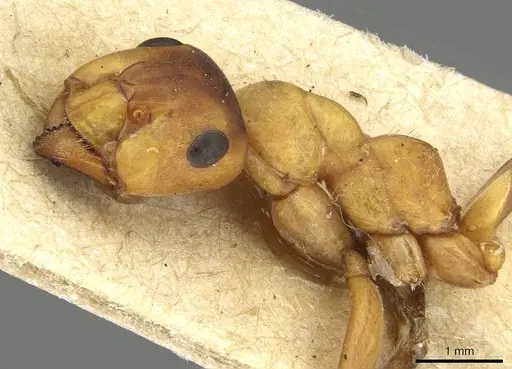
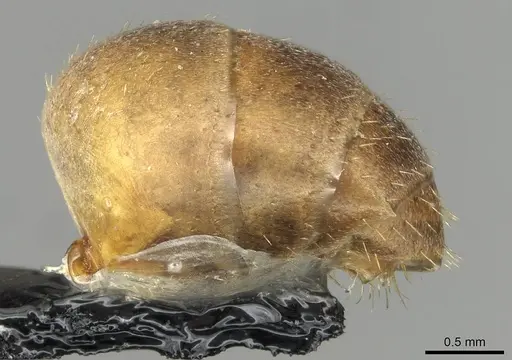
Formica rufa, commonly known as the Red Wood Ant, Southern Wood Ant, or Horse Ant, is a striking species recognized by its reddish-brown head and thorax, contrasting with a brownish-black abdomen, often with dark patches. These ants are famous for building large, conspicuous, dome-shaped mounds of twigs, conifer needles, and grass, which can sometimes reach several meters in height and diameter. Workers are polymorphic, meaning they vary in size, typically ranging from 4.5 to 9 mm, with some major workers reaching up to 10 mm. Queens are larger, measuring 7-12 mm. They are highly territorial and aggressive, known for their ability to spray formic acid from their abdomens as a defense mechanism, which can travel up to 12 cm. Red Wood Ants are also known for their complex social structures, including their ability to form large federations of interconnected nests.
- Difficulty: Expert
- Origin & Habitat: Europe, Asia (from Scandinavia to Lake Baikal, including Great Britain, Iberia, and Anatolia). Claims of presence in North America are unconfirmed. in Deciduous woodlands, mixed forests, dense pine forests, forest clearings, moorland, and urban parkland. They often build nests against rotting stumps..
- Colony Type: Polygynous (multiple queens), often polydomous (multiple interconnected nests). Some groups can be monogynous (single queen)., temporary parasitic (queen invades a host species' nest, typically formica fusca group) or budding (colony fission from existing nests). founding.
- Size & Growth:
- Queen: 7-12mm
- Worker: 4.5-10mm
- Colony: Large (tens of thousands), Supercolony (hundreds of thousands/millions) – up to 100,000 to 400,000 workers and 100+ queens, with some reports of up to 500,000 workers. Supercolonies can consist of hundreds or thousands of nests.. Fast (can produce 4-5 generations of workers per year in ideal conditions). growth.
- Antkeeping:
- Temperature: Nest area: 22-25°C. Outworld: 18-28°C. Brood rearing requires 20-30°C. Nest temperature can be higher than ambient, between 25-30°C in summer..
- Humidity: Nest: 50-65%. Outworld: 30-60%. Maintain steady humidity around 50-60% to avoid mold..
- Diapause: Required. 5-6 months at 5-10°C.
- Nesting: Natural setup with ample space for mound building, requiring depth for tunnels and chambers. Often built upon tree stumps..
- Behavior: Not specified aggressiveness.
- Common Issues: None specified.
Nuptial Flight Activity Analysis 1853 observations
Flight Activity by Hour 1853 observations
Formica rufa nuptial flight activity peaks around 14:00 during the afternoon. Activity is spread across a 10-hour window (09:00–18:00). Times may be influenced by human observation patterns.
Keeping Formica rufa presents a significant challenge for ant keepers due to their complex needs and aggressive nature. Queens often establish new colonies through temporary social parasitism, meaning they need a few 'adopted' host workers (typically from the Formica fusca group) to survive and raise their first brood. This makes finding a founding queen in the wild and establishing a colony more complicated than with many other species. Successfully starting a Formica rufa colony requires an understanding of this unique founding method and providing the necessary support.
These ants are highly defensive and will readily spray formic acid from their abdomens, which can be irritating and even harmful in enclosed spaces. It's crucial to provide a very well-ventilated formicarium and outworld to prevent the buildup of formic acid fumes, which can be toxic to the ants themselves. Their aggressive nature extends to intraspecific competition, as they are known to engage in fierce battles with rival colonies, even those of their own species, over territory and resources.
Formica rufa are voracious foragers and omnivores, primarily feeding on honeydew from aphids, which they 'farm' and protect, but also preying on a wide variety of insects and arachnids. They can consume a substantial amount of insect protein annually, sometimes up to 30 kg for a large colony. In captivity, a balanced diet of sugars (like honey water or sugar water) and insect proteins (such as fruit flies or other feeder insects) is essential.
Their impressive mound nests are not just for show; they play a vital role in regulating the colony's temperature. Ants move their brood (eggs, larvae, and pupae) within the nest to different chambers based on the required temperature for optimal development. This natural thermoregulation is difficult to replicate perfectly in an artificial setup, emphasizing the need for a spacious formicarium that allows for thermal gradients.
Formica rufa colonies are known for their rapid growth and can reach enormous sizes, potentially housing hundreds of thousands of workers and numerous queens. This means they require exceptionally large formicaria to accommodate their expansion. Their tendency to form multi-nest, interconnected colonies (polydomy) in the wild further highlights the space and complexity needed for successful long-term captivity.
A unique behavior observed in Formica rufa is their use of coniferous tree resin as an antiseptic and antifungal agent for their nests and themselves. Providing a piece of organic resin in their setup can allow them to continue this natural behavior, which contributes to colony health. Given their 'Near Threatened' conservation status in some regions, responsible ant keeping and understanding their complex needs is paramount.

This caresheet is licensed under CC BY-SA 4.0 .
CASENT0173133
View on AntWeb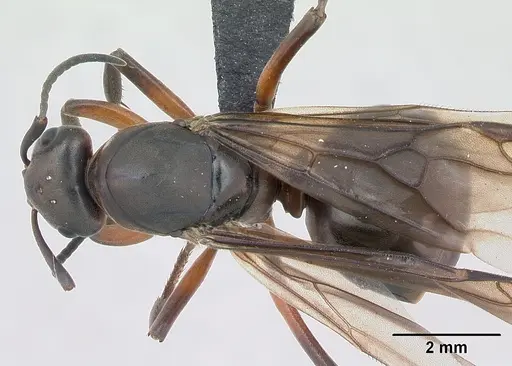
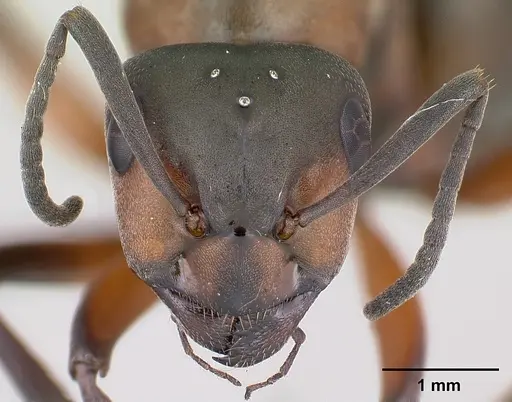
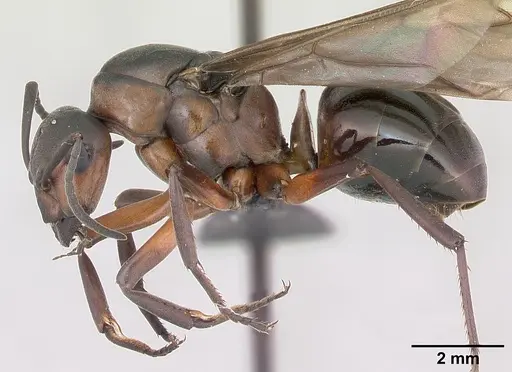
CASENT0173862
View on AntWeb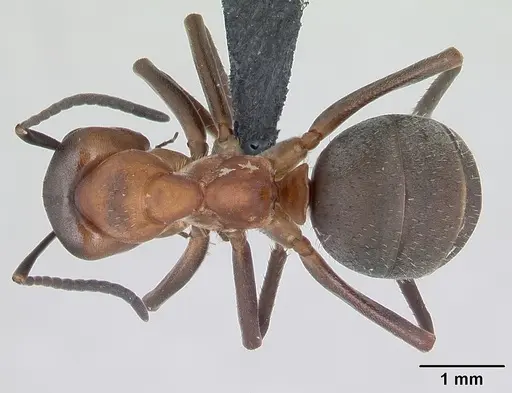
CASENT0173863
View on AntWeb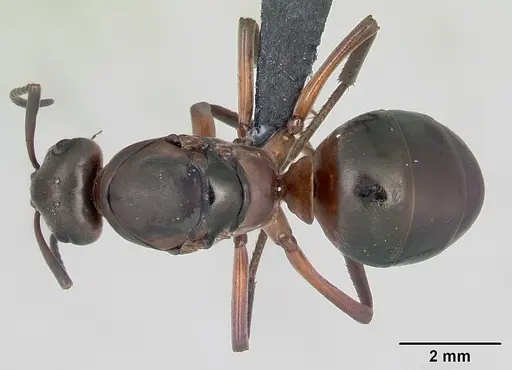
CASENT0179909
View on AntWeb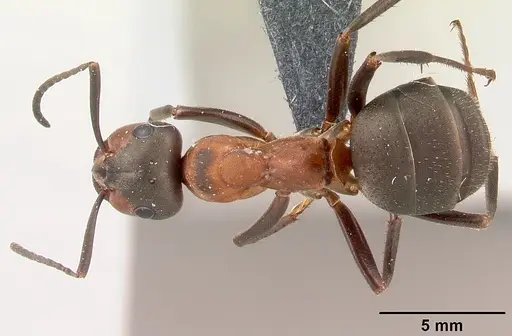
CASENT0280410
View on AntWeb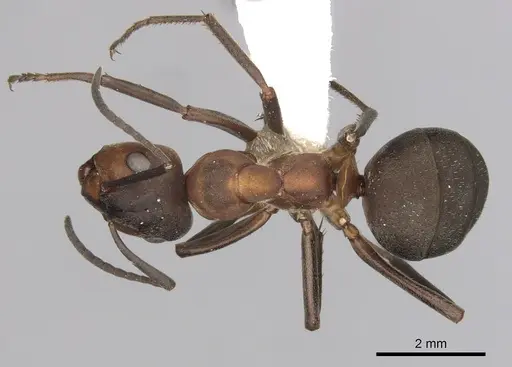
CASENT0903276
View on AntWeb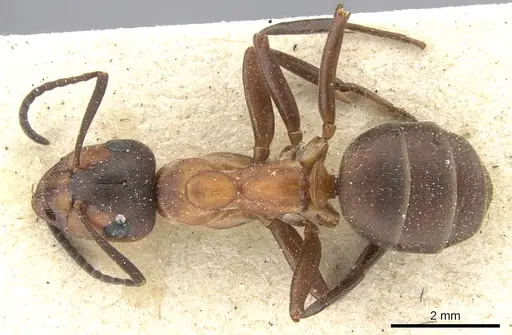
CASENT0907599
View on AntWeb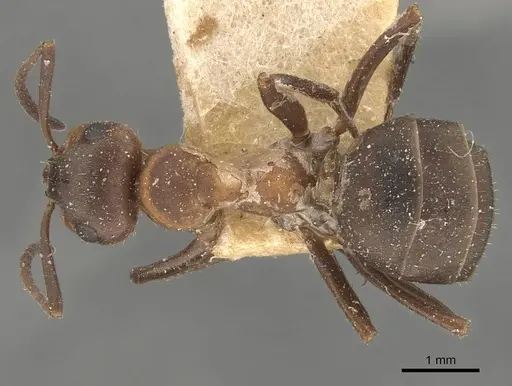
CASENT0911080
View on AntWeb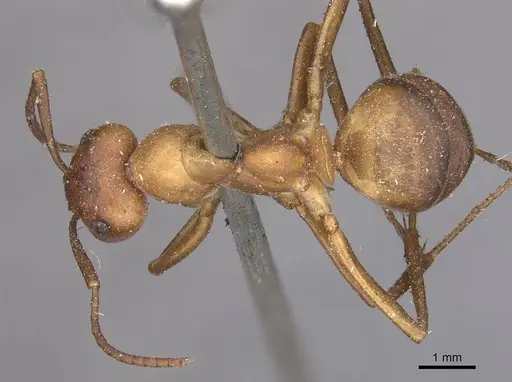
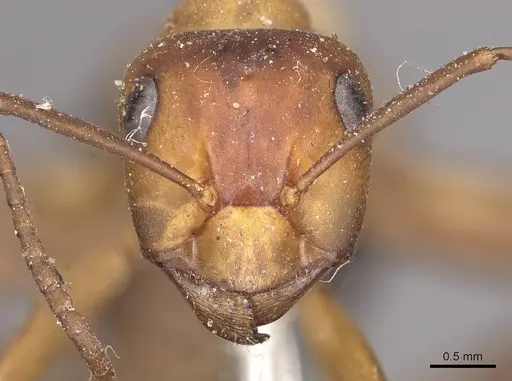
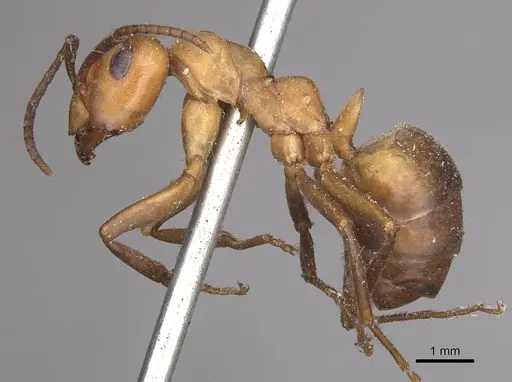
CASENT0911084
View on AntWeb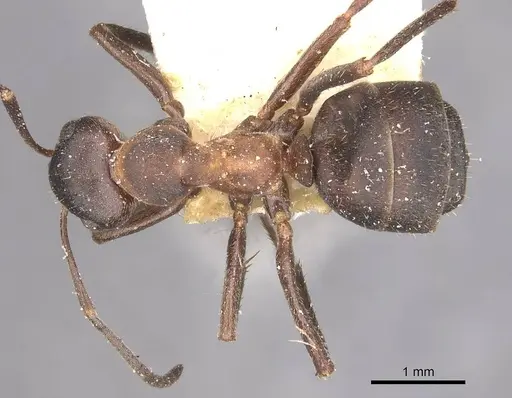
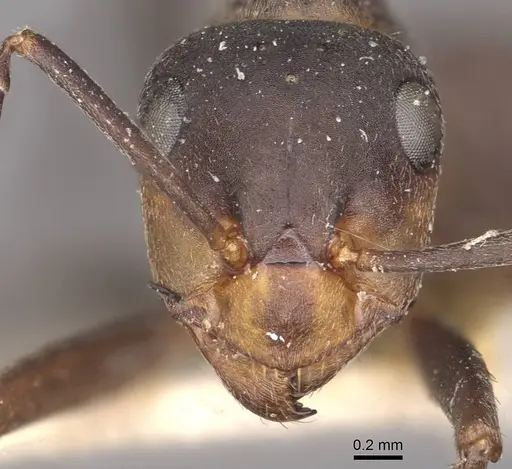
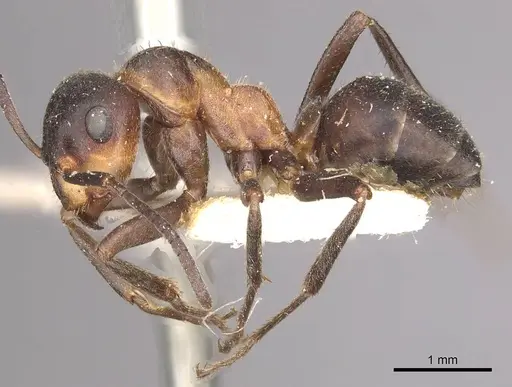
CASENT0911085
View on AntWeb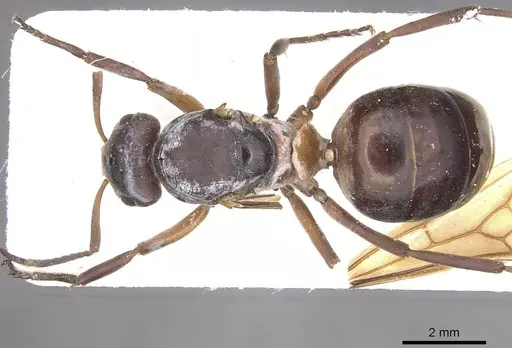
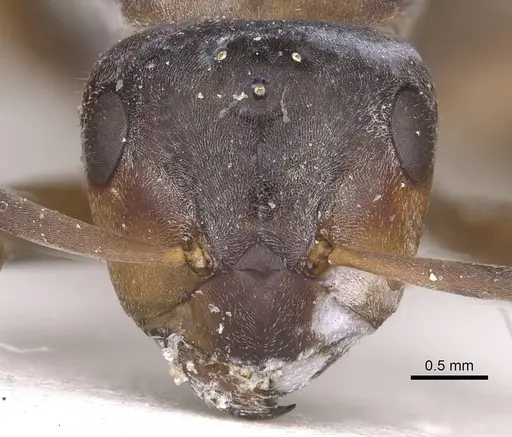
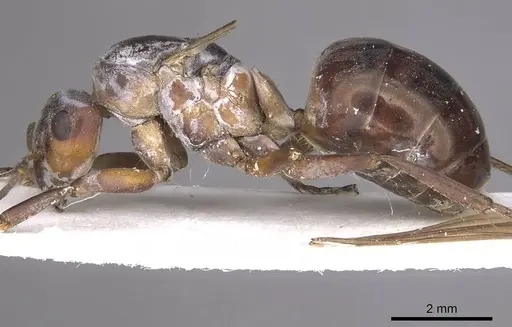
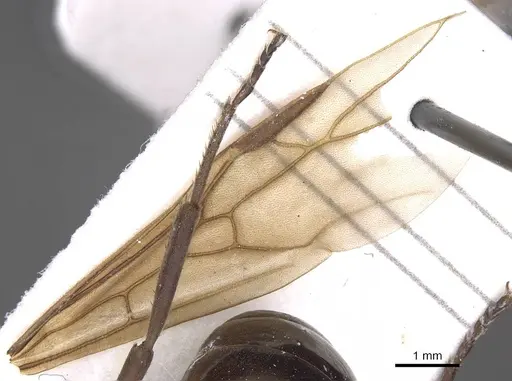
CASENT0912252
View on AntWeb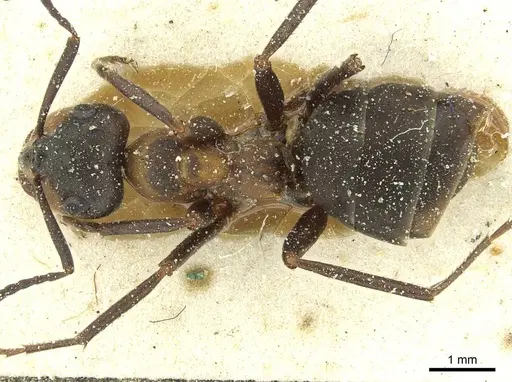
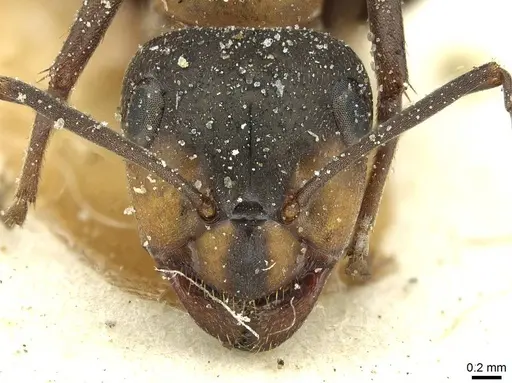
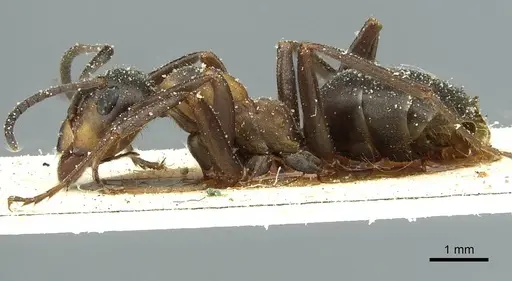
CASENT0915378
View on AntWeb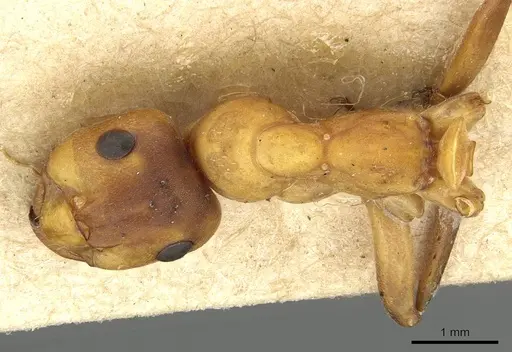
Literature
Loading...Loading products...