Formica cinerea shows a June to July flight window. Peak activity occurs in July, with nuptial flights distributed across 2 months.
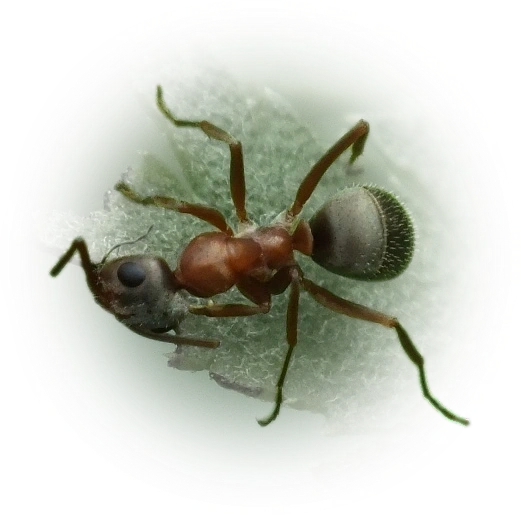
Formica cinerea
- Scientific Name
- Formica cinerea
- Tribe
- Formicini
- Subfamily
- Formicinae
- Author
- Mayr, 1853
- Distribution
- Found in 15 countries
- Nuptial Flight
- from June to July, peaking in July
AI Identifiable
try →
Formica cinerea Overview
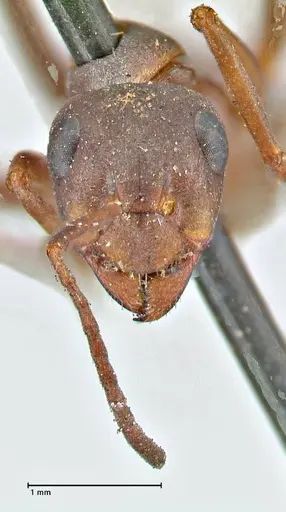
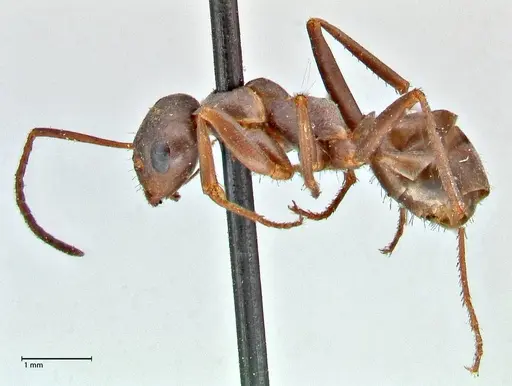
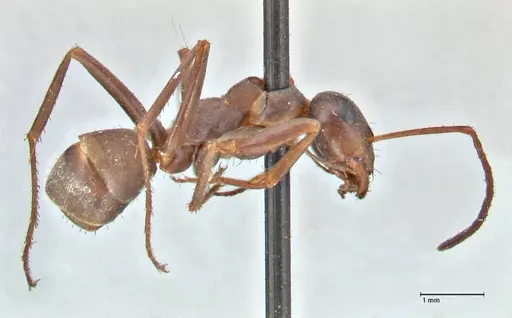
Formica cinerea is an ant species of the genus Formica. It is primarily documented in 15 countries , including Bulgaria, Switzerland, Germany. Detailed taxonomic data and occurrence records can be further explored via authoritative databases such as AntWeb or the Global Biodiversity Information Facility (GBIF).
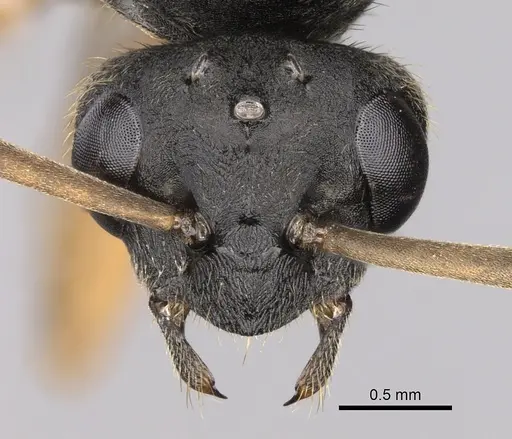
The nuptial flight of Formica cinerea is a significant biological event, typically occurring from June to July, peaking in July. During this time, winged queens and males leave the nest to mate and establish new colonies.
Formica cinerea
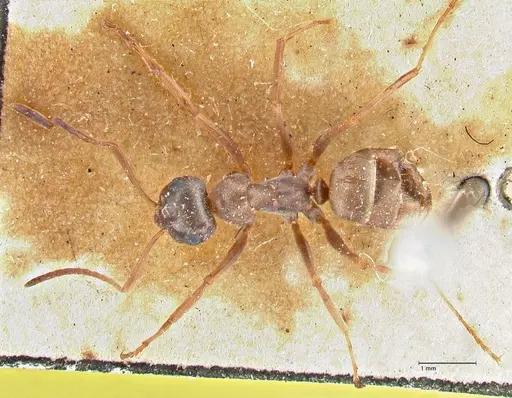
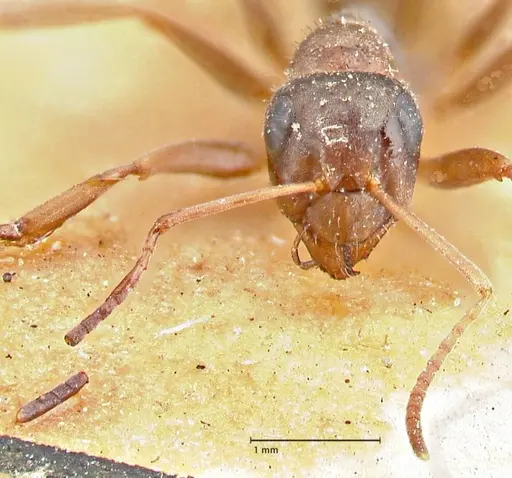
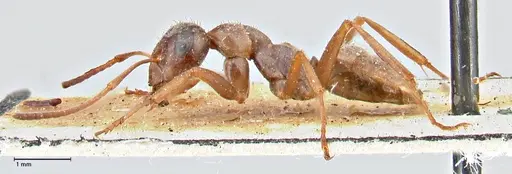
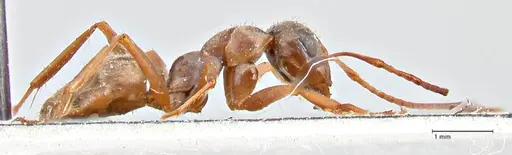
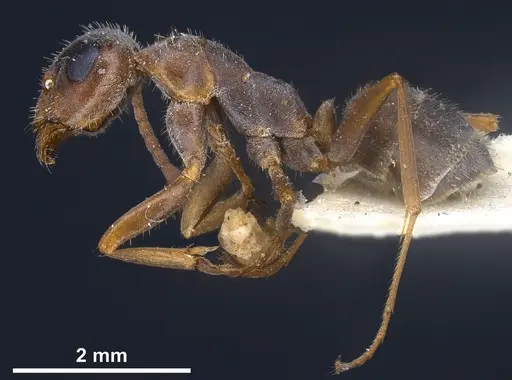
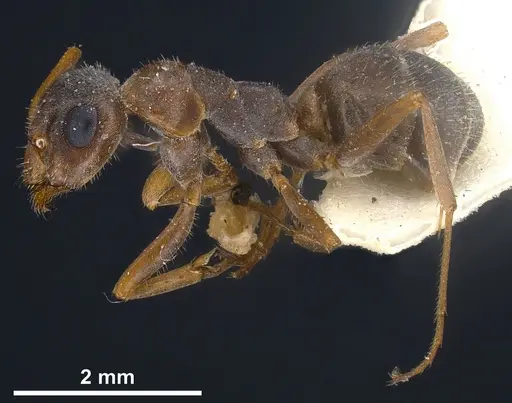
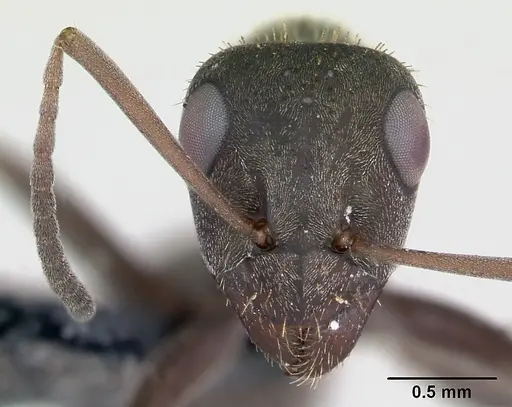
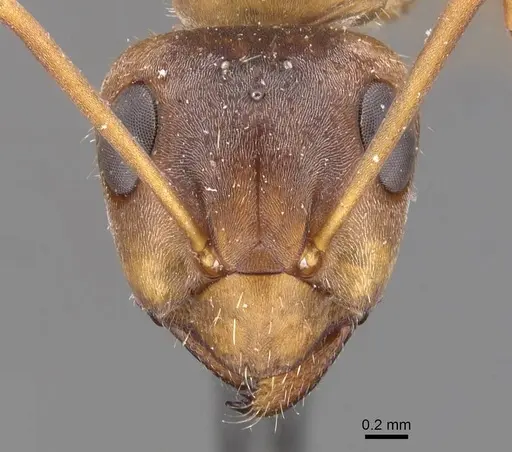
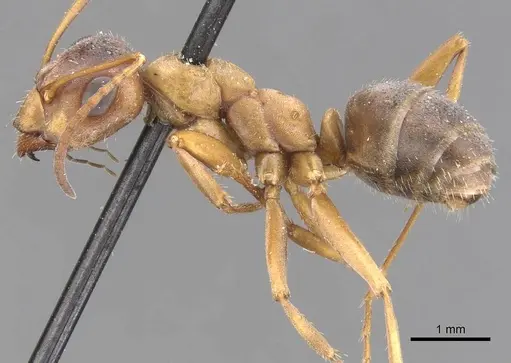
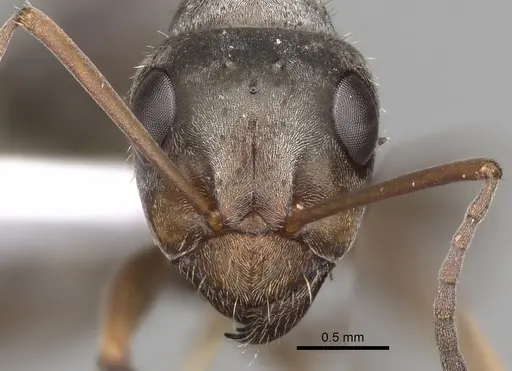
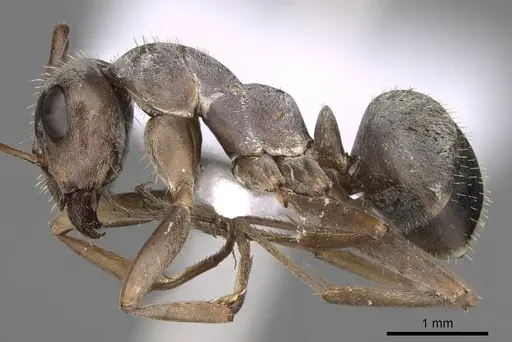
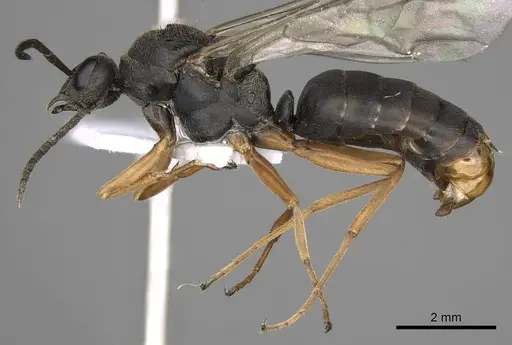
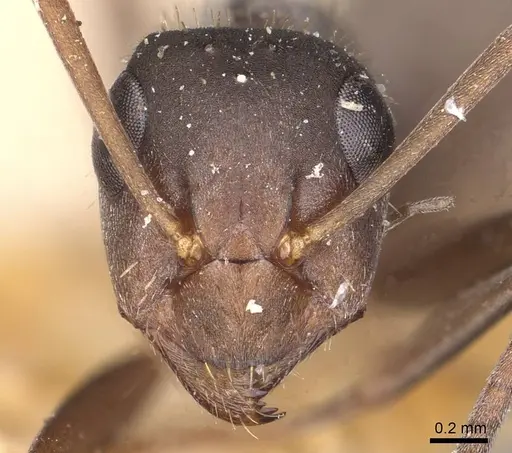
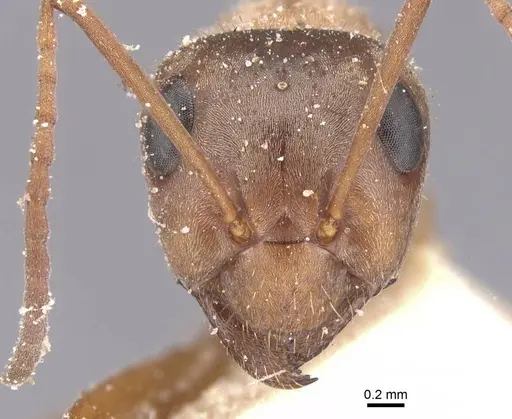
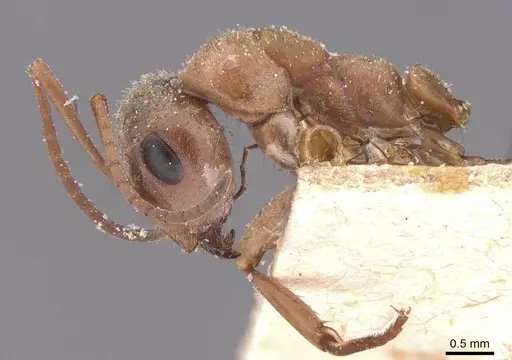
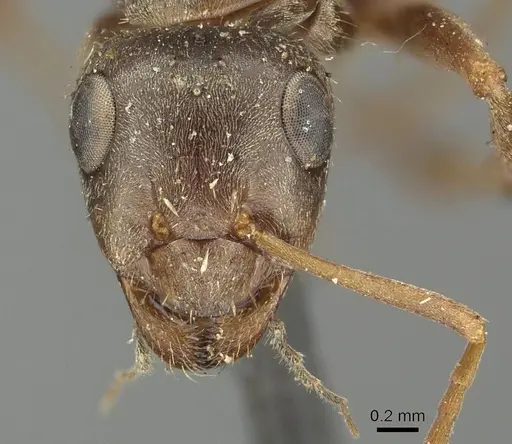
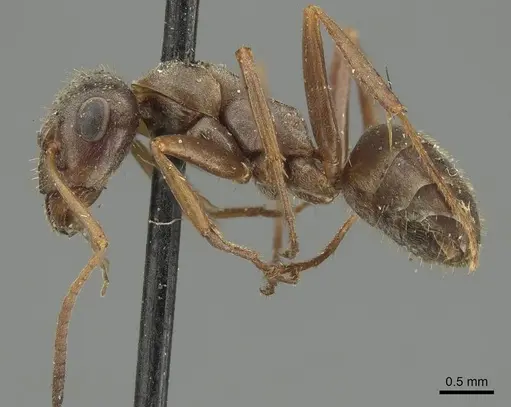
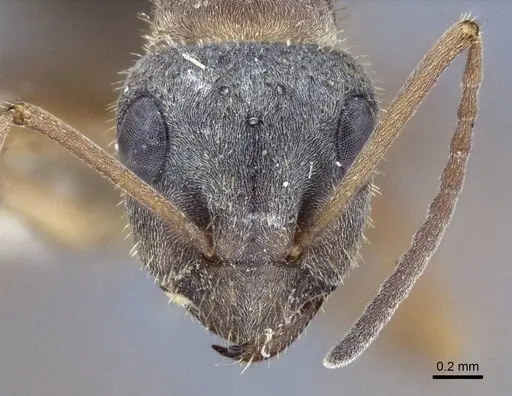
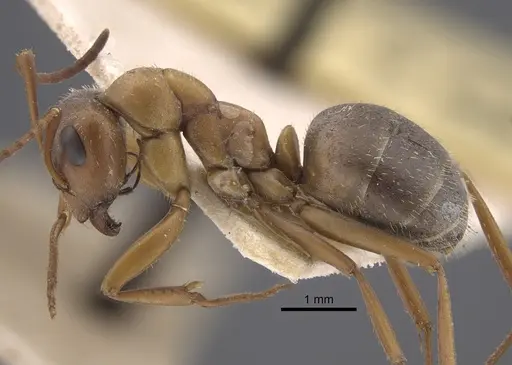
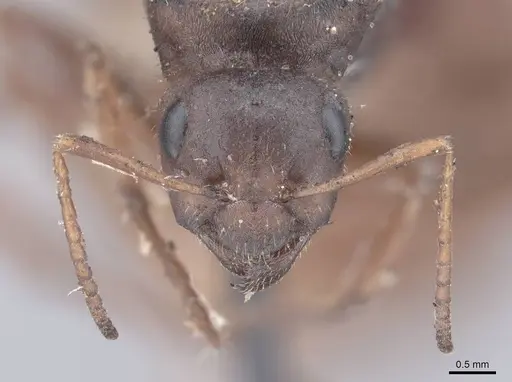
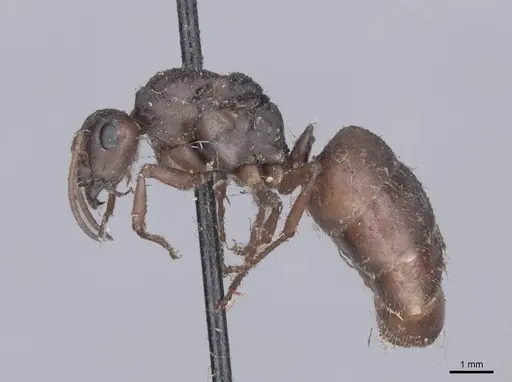
Formica cinerea is a medium-sized ant native to the Palaearctic region, ranging from Spain and Greece in the south to Finland at 65°N in the north, and eastwards to West Siberia. Workers measure approximately 4.5-6.5mm and have a distinctive dark brown to black body covered in dense silvery pubescence that gives them a silky shimmer. They inhabit open sandy areas including coastal dunes, riverbanks, and sparse pine forests, where they build extensive underground nests reaching 1-1.2m deep. This species is notably aggressive and territorial, living largely by predation but also tending aphids for honeydew. Colonies can form large polydomous systems with multiple interconnected nests covering several hectares.
Quick Summary
- Difficulty: Medium
- Origin & Habitat: Palaearctic region, coastal dunes and sandy soils across Europe to West Siberia [AntWiki]. Prefers open, sunny, dry sandy habitats from sea dunes to sparse pine forests [1].
- Colony Type: Facultatively polygynous, colonies can have a single queen (monogyne) or multiple queens (polygyne), forming extensive polydomous networks of interconnected nests [2][1].
- Size & Growth:
- Antkeeping:
- Temperature: Keep at 24-29°C with a warm area around 28°C. This species naturally forages on hot sand up to 50°C+ in the wild, but colony activity decreases during peak heat [6]. Avoid temperatures above 45°C for extended periods.
- Humidity: Keep nest substrate slightly moist but not waterlogged. They prefer well-drained sandy conditions rather than constantly wet substrate.
- Diapause: Yes, requires winter hibernation at 5-10°C for 3-4 months (November-February). Colonies in northern Europe naturally experience cold winters [5].
- Nesting: Y-tong (AAC) or plaster nests work well. Provide a sandy area in the outworld for foraging. They need depth for their extensive tunnel systems, at least 15-20cm of substrate.
- Behavior: Highly aggressive and territorial. Workers defend nests vigorously and engage in large-scale battles with other colonies [7]. They are active predators but also consume honeydew and attend aphids. Known for remarkable rescue behavior, workers will dig to free nestmates caught in antlion traps or other entrapments [8]. Escape prevention should be standard, medium-sized workers are not extreme escape artists.
- Common Issues: colonies can become very large, ensure you have space for a growing colony before starting, aggressive nature means they may attack and kill other ant colonies if housed nearby, polydomous colonies can spread through multiple connected nests, monitor for colony fragmentation, deep nesting requirement means they need proper formicarium depth, can be enslaved by Formica sanguinea, keep separate from slave-making species
Nuptial Flight Activity Analysis 66 observations
Flight Activity by Hour 66 observations
Formica cinerea nuptial flight activity peaks around 16:00 during the afternoon. Activity is spread across a 12-hour window (10:00–21:00). A secondary activity peak occurs around 14:00. Times may be influenced by human observation patterns.
Housing and Nest Setup
Formica cinerea needs more space than smaller ants due to their large colony size and deep nesting habits. A Y-tong (AAC) nest with multiple chambers works well, or you can use a plaster nest with good humidity control. Provide a deep soil area or sand chamber in the outworld, they naturally build tunnels reaching 1-1.2m deep in the wild [9]. Use a test tube setup for the founding queen, then transition to a formicarium as the colony grows. Escape prevention is important but not as critical as for tiny ants, standard barriers work fine for 4-6mm workers.
Feeding and Diet
These ants are primarily predatory but also consume honeydew. Feed them a mixed diet of protein (small insects like fruit flies, mealworms, crickets) and carbohydrates (sugar water, honey, or honeydew). They actively hunt prey and are efficient predators in the wild, helping control pest populations. In captivity, offer protein prey 2-3 times per week and keep sugar water available constantly. They will also attend aphids if present in the setup, so you can optionally include aphid-infested plants. [1]
Temperature and Seasonal Care
Keep the nest area at 24-29°C, with a warm spot around 28°C being ideal for brood development [6]. This species naturally encounters extreme temperatures in the wild, they forage on sand that can reach 50°C+ and have adaptations to handle heat stress. However, they reduce activity during the hottest part of the day in natural habitats. In winter, provide a proper hibernation period of 3-4 months at 5-10°C. This is essential for colony health and triggering reproductive behavior the following season. Place the formicarium in a cool area (basement, garage) during winter dormancy.
Behavior and Defense
Formica cinerea is one of the more aggressive Formica species. Workers are highly territorial and will defend their nest aggressively against intruders, both other ant colonies and potential predators. They engage in large-scale battles with rival colonies and have been observed fighting off raids from slave-making ants like Formica sanguinea [10]. Perhaps most remarkably, they exhibit sophisticated rescue behavior, when a nestmate is caught by an antlion or trapped, workers will dig to free them, pull at their body parts, and even bite through entangling materials [8]. This makes them fascinating to observe but means they should be housed separately from other ant colonies.
Colony Structure and Growth
This species is socially polymorphic, colonies can be either monogyne (single queen) or polygyne (multiple queens). Polygynous colonies form extensive polydomous systems where multiple nests are connected by tunnels, sometimes covering areas of several hectares in the wild [2]. Each section of a large colony can contain around 8,000 workers [9]. A single colony can eventually grow to 100,000 workers or more under ideal conditions. Growth is moderate, expect several months for the first workers (nanitics) to emerge, then steady growth over 2-3 years to reach significant numbers. The colony will produce alates (winged reproductives) in summer, typically July-August.
Frequently Asked Questions
How long does it take for Formica cinerea to raise first workers?
Expect 6-8 weeks from egg to first worker at optimal temperature (around 28°C). The claustral queen seals herself in and uses stored energy to raise the initial brood without foraging.
Can I keep multiple Formica cinerea queens together?
Yes, this species is facultatively polygynous, multiple queens can coexist in the same colony. However, starting with a single queen is simpler for beginners. If you capture a wild colony, it may already be polygynous.
What do Formica cinerea eat?
They need a mixed diet: protein from small insects (fruit flies, mealworms, small crickets) and carbohydrates from sugar water, honey, or honeydew. They are predatory but also tend aphids for honeydew.
Do Formica cinerea need hibernation?
Yes, they require a winter dormancy period of 3-4 months at 5-10°C. This is essential for colony health and triggering reproduction the following year. Skip hibernation only if you plan to keep the colony active year-round, but this may reduce colony longevity.
Are Formica cinerea good for beginners?
They are intermediate in difficulty. While harder to start than Lasius or smaller species, they are not as challenging as tropical ants. Their aggressive defense and large colony size require more space than beginners might expect. They are rewarding for those who can meet their space and hibernation requirements.
How big do Formica cinerea colonies get?
Mature colonies can reach 10,000 to 100,000 workers. Polygynous colonies with multiple connected nests can become massive. Plan for significant space requirements before starting.
Why do my Formica cinerea workers dig so much?
This is normal behavior, they are building extensive tunnel systems. In the wild, their nests can reach 1-1.2m deep. Provide deep substrate or a spacious nest to accommodate this natural digging instinct.
Can I house Formica cinerea with other ant species?
Not recommended. They are highly aggressive and territorial, and will attack other ant colonies. Keep them in a separate enclosure away from other ant species.
What makes Formica cinerea special compared to other ants?
They exhibit remarkable rescue behavior, workers will actively dig to free trapped nestmates and pull them to safety. This altruistic behavior is well-documented in scientific studies and makes them fascinating to watch.
Report an Issue
The current care sheet is based fully on literature. See inconsistencies, or something that's incorrect? Please , it will be resolved after review from an admin. Contributing to the blogs tab also helps providing information, to make us be able to further improve the caresheets. Thank you for your support!
References

This caresheet is licensed under CC BY-SA 4.0 .
ANTWEB1041257
View on AntWeb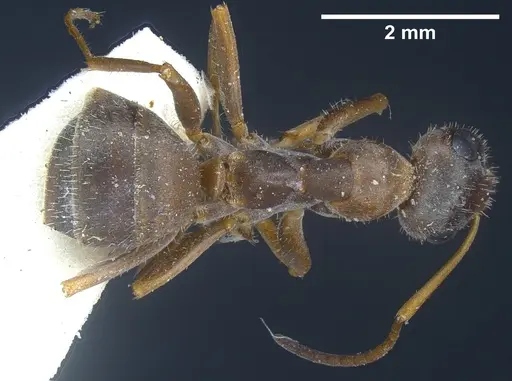

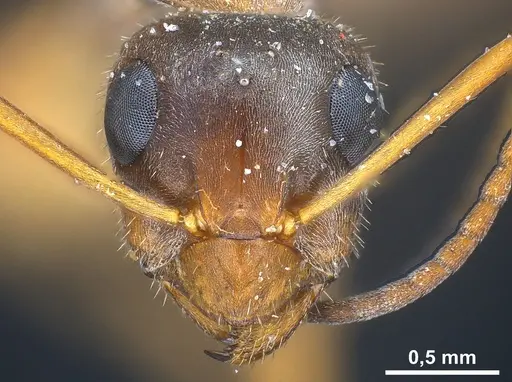
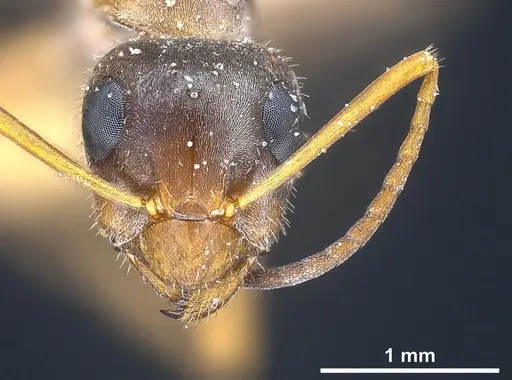
CASENT0173156
View on AntWeb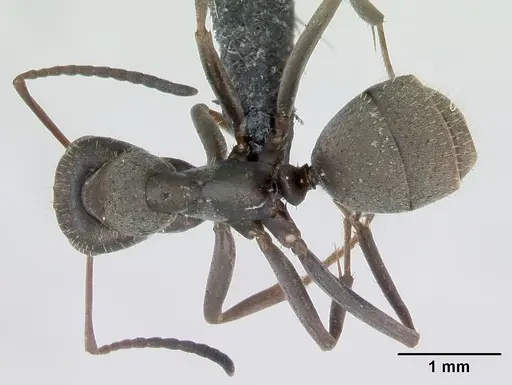
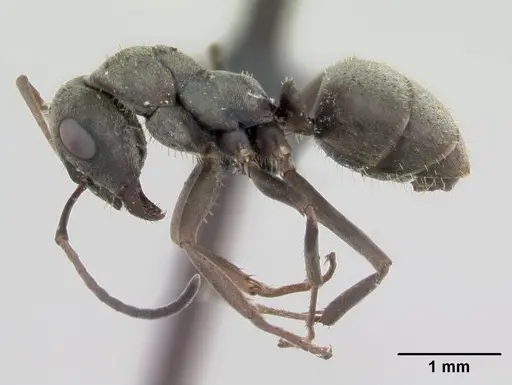
CASENT0280382
View on AntWeb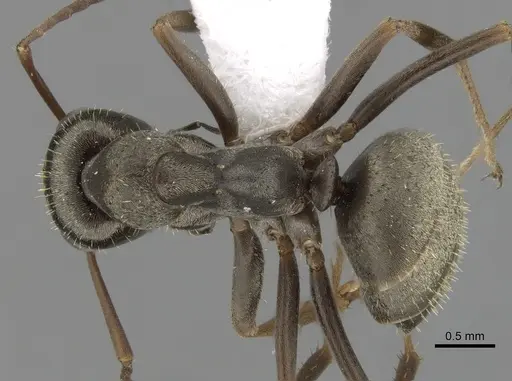
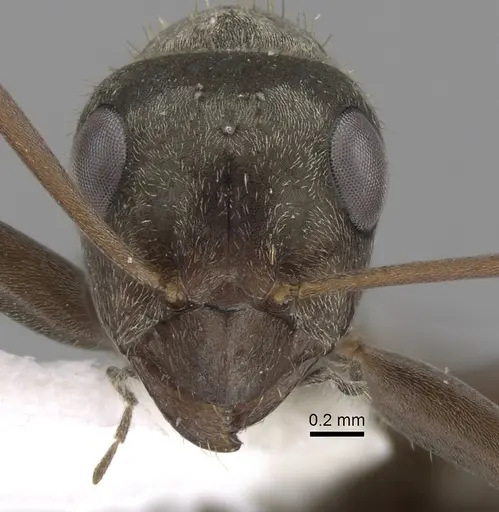
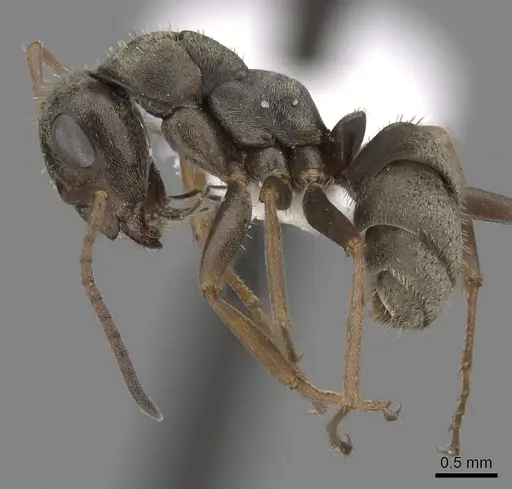
CASENT0905706
View on AntWeb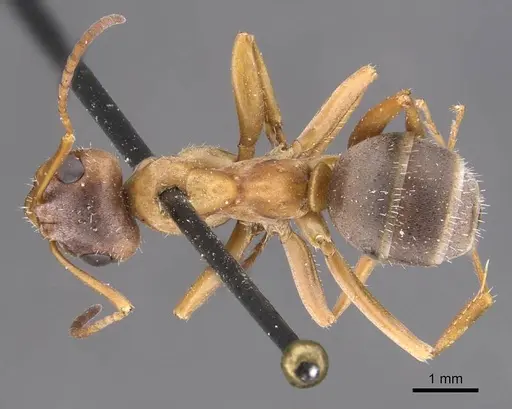
CASENT0906070
View on AntWeb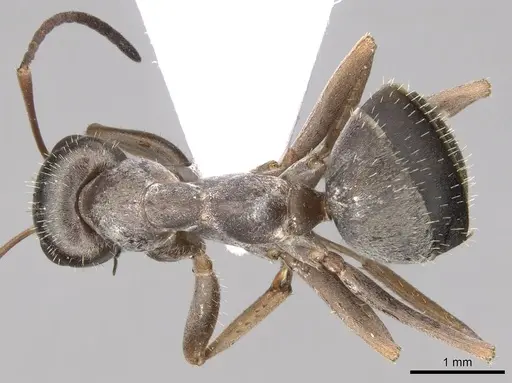
CASENT0906071
View on AntWeb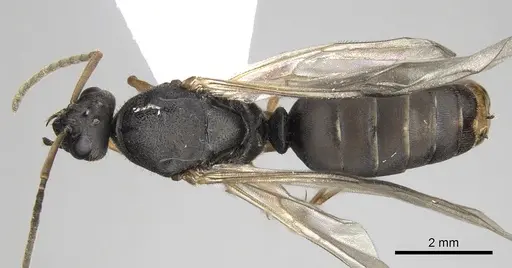
CASENT0911069
View on AntWeb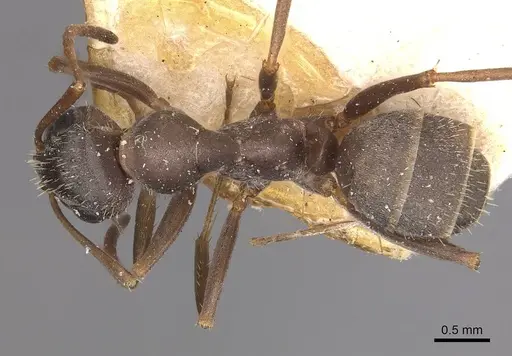
CASENT0912262
View on AntWeb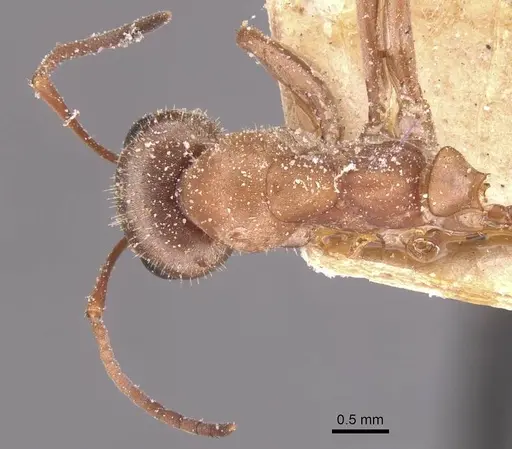
CASENT0915631
View on AntWeb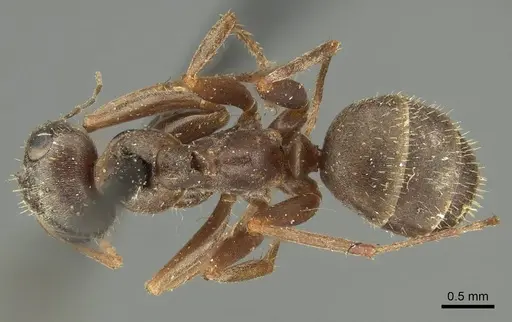
CASENT0916650
View on AntWeb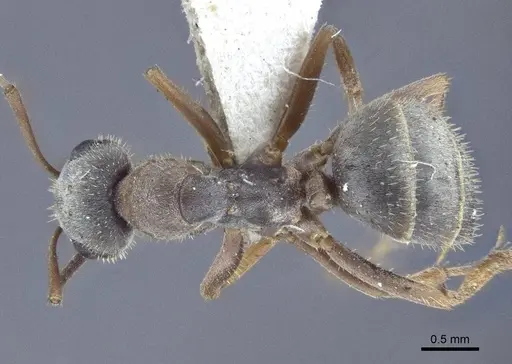
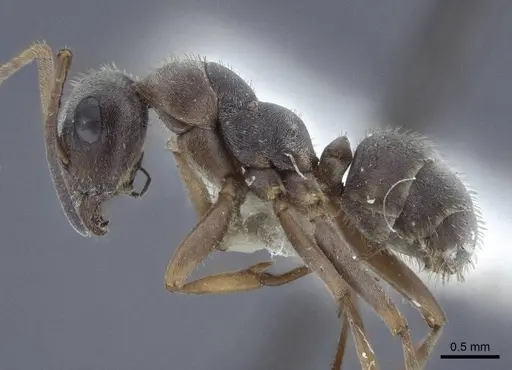
CASENT0917333
View on AntWeb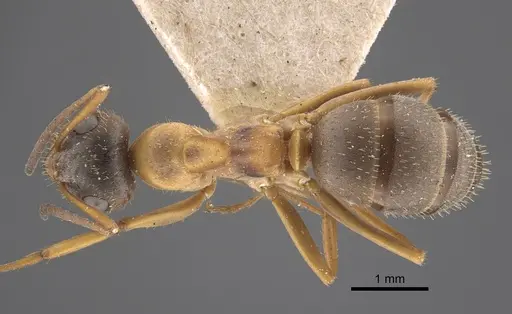
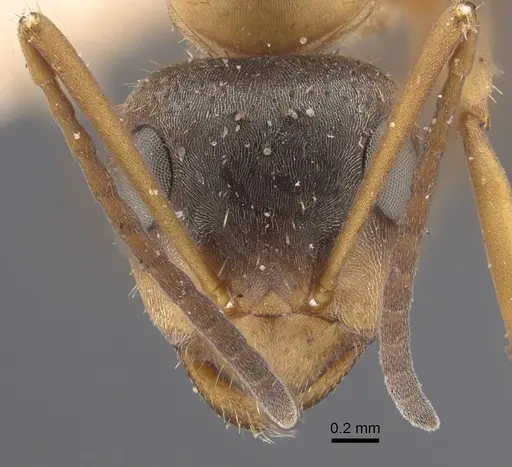
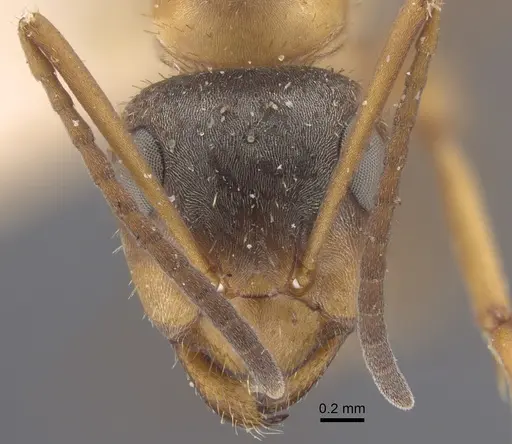
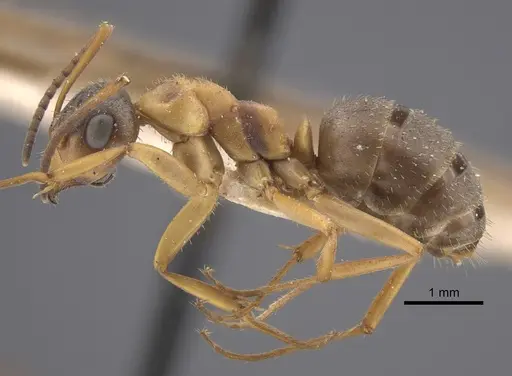
CASENT0917334
View on AntWeb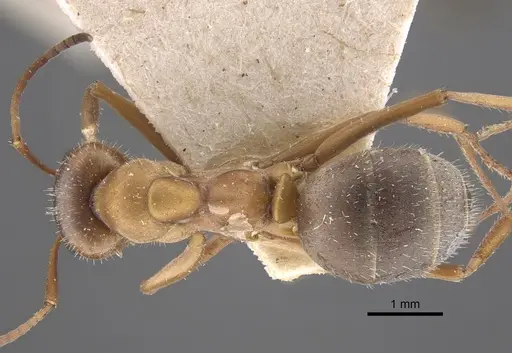
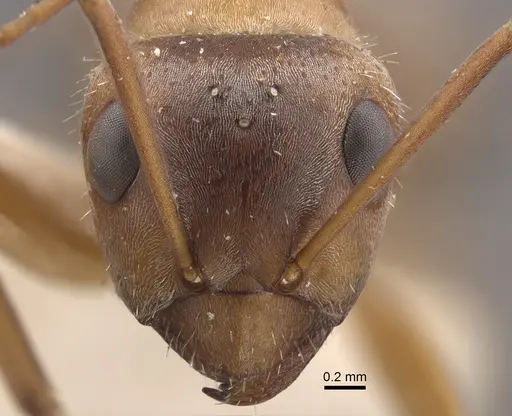
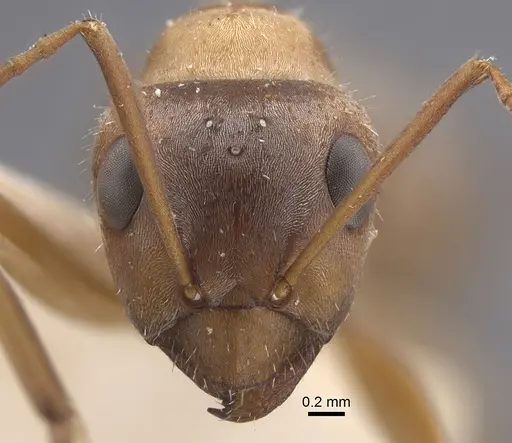
FMNHINS0000045741
View on AntWeb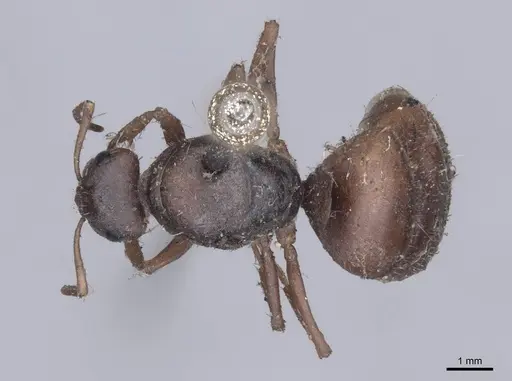
FOCOL2750
View on AntWeb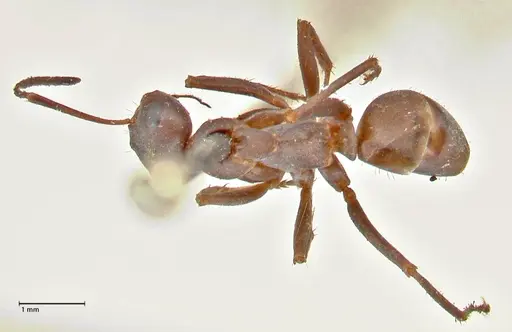
FOCOL2751
View on AntWeb