

Formica canadensis
- Scientific Name
- Formica canadensis
- Tribe
- Formicini
- Subfamily
- Formicinae
- Author
- Santschi, 1914
- Common Name
- Canadian Mound Ant
- Distribution
- Found in 2 countries
Formica canadensis Overview
Formica canadensis (commonly known as the Canadian Mound Ant) is an ant species of the genus Formica. It is primarily documented in 2 countries , including Canada, United States of America. Detailed taxonomic data and occurrence records can be further explored via authoritative databases such as AntWeb or the Global Biodiversity Information Facility (GBIF).
Formica canadensis - "Canadian Mound Ant"
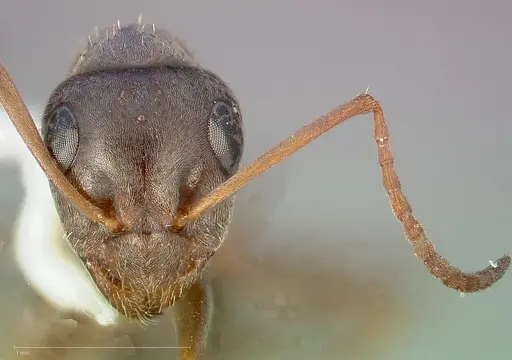
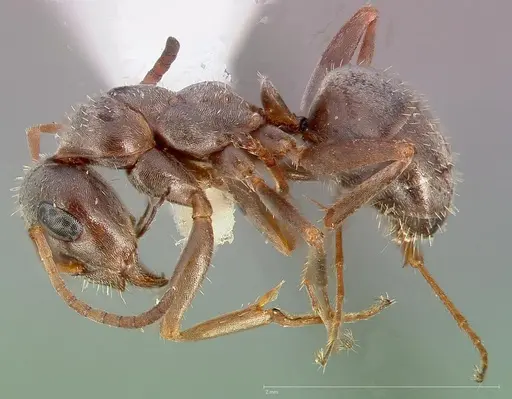
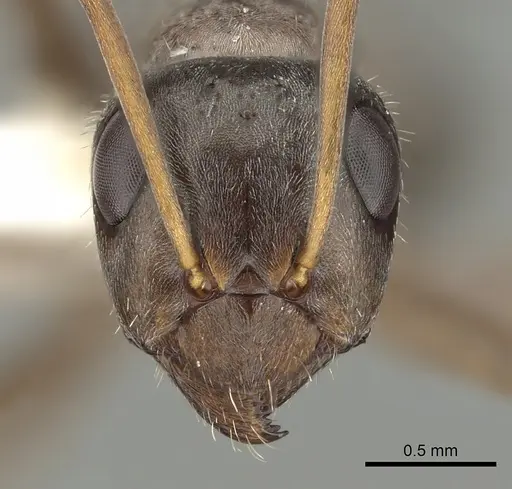
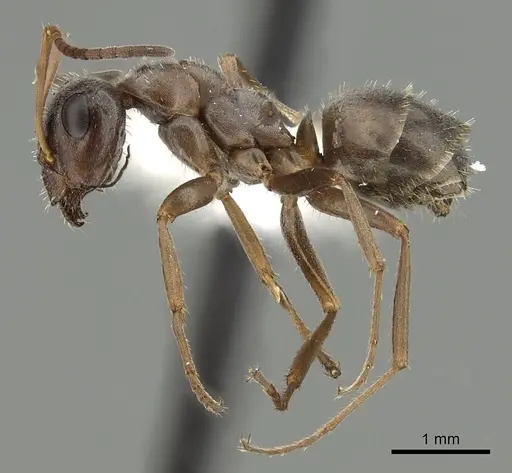
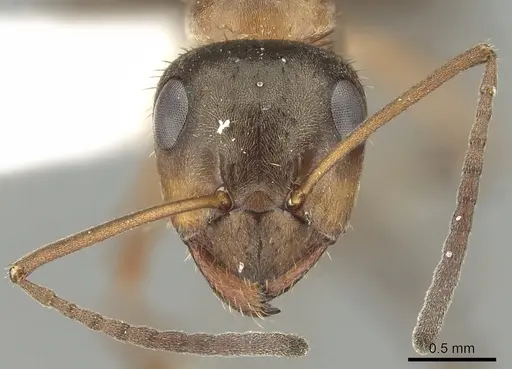
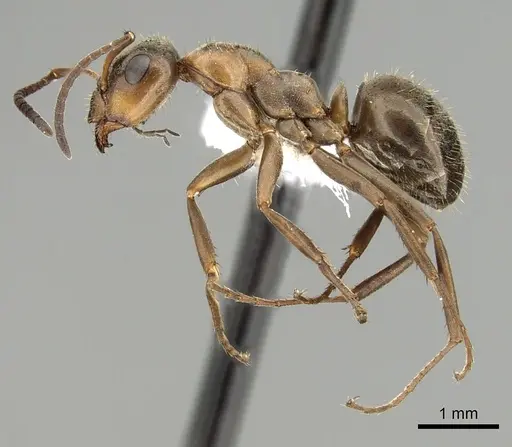
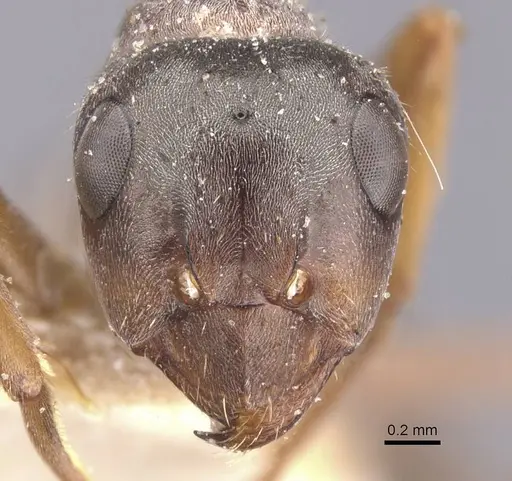
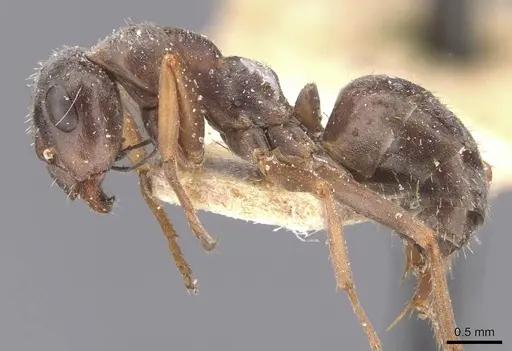
Formica canadensis is a medium-sized ant belonging to the fusca group, native to western North America. Workers measure around 4-7mm and have a distinctive appearance: they're shinier than most fusca group members, with medium brown coloration and a black gaster (abdomen). The body is covered in short bristly hairs, and the sides of the head have several erect hairs standing out from the surface. Queens are larger at 7-9mm and have the same dark abdomens with brownish middle body sections. These ants nest in soil, typically building small mounds of excavated soil around their nest entrances. They thrive in forested areas with ponderosa pine and Gamble oak, as well as surrounding prairies and meadows with clover and milkweed [1].
What makes F. canadensis particularly interesting is their strong mutualistic relationship with aphids. This species is one of the most aphid-associated ants in North America, tending at least 13 different aphid species including Aphis pomi, Aphis medicaginis, and Cinara pseudotsugae [2]. They protect aphids and harvest their honeydew, making them an important part of the ecosystem in grasslands and forests across their range. This aphid-tending behavior also makes them a rewarding species to watch in captivity.
Quick Summary
- Difficulty: Easy
- Origin & Habitat: Western North America, found across Canada (Saskatchewan, Alberta) and the United States. Inhabits forested areas (ponderosa pine, Gamble oak) and surrounding open prairies, meadows with clover and milkweed [1][3][4].
- Colony Type: Single-queen colonies (monogyne). Queens establish nests in soil, building characteristic soil mounds around entrances.
- Colony: Monogyne
- Founding: Claustral
- Size & Growth:
- Queen: 7-9 mm [1]
- Worker: 4-7 mm [1]
- Colony: Colony size estimates vary, fusca group colonies typically reach several thousand workers
- Growth: Moderate, size increases with temperature according to research [5]
- Development: 6-8 weeks (estimated based on typical Formica development at room temperature) (Development is temperature-dependent, warmer conditions accelerate growth [5])
- Antkeeping:
- Temperature: Keep at room temperature, roughly 20-24°C. They tolerate cooler conditions and are absent from high-elevation warming sites, suggesting they prefer moderate temperatures over extreme heat [6]. A slight gradient is beneficial.
- Humidity: Moderate humidity. These ants nest in soil and tolerate the variable conditions of prairie and forest edge habitats. Keep the nest substrate moist but not waterlogged, with some drier areas available.
- Diapause: Yes, as a northern species from Canada and the western US, they require a winter hibernation period. Reduce temperature to around 5-10°C for 3-4 months during winter.
- Nesting: Soil-nesting species. In captivity, they do well in naturalistic setups with soil or sand substrate, or in formicariums with dirt chambers. They build tunnels and create small mounds, so provide deep substrate (at least 10-15cm) for tunneling.
- Behavior: Generally calm and non-aggressive for a Formica species. Workers are active foragers that search for honeydew from aphids and small insects. They are not particularly territorial and typically avoid conflict. Escape risk is moderate, use standard barrier methods. They are daytime active (diurnal) and can be quite bold when foraging. Workers have the ability to spray formic acid as a defense, though this is rarely problematic in captivity.
- Common Issues: colonies may decline if kept too warm, they prefer moderate temperatures and are absent from heated sites [6], overfeeding aphids can lead to mold problems in the nest, keep sugar sources limited and clean up excess honeydew, hibernation failure is common, ensure proper cooling period of 3-4 months at 5-10°C, soil nests can dry out quickly, monitor moisture levels regularly, wild-caught colonies may have parasites, quarantine and observe new colonies carefully
Nest Preferences and Setup
Formica canadensis is a soil-nesting species that naturally builds nests in the ground, often with small mounds of excavated soil around the entrance. In captivity, they do best in naturalistic setups with a deep soil or sand-and-soil mixture (at least 10-15cm deep) that allows them to dig tunnels and create chambers. You can also use formicariums with dirt-filled chambers, which mimic their natural nesting conditions well.
The nest should have a moisture gradient, some areas kept moist and others slightly drier so the ants can choose their preferred conditions. A water reservoir or moisture wicking system works well to maintain consistent humidity without over-saturating the substrate. Place the nest in a low-light area or provide hiding spots, as these ants prefer darker nesting sites. The outworld (foraging area) should be simple and easy to clean, with space for foraging and aphid-tending activities. [1]
Feeding and Diet
These ants are opportunistic feeders with a strong preference for honeydew and sugar sources. In the wild, they maintain mutualistic relationships with at least 13 different aphid species [2], tending aphids on plants and harvesting their sweet honeydew excretions. In captivity, you should provide a constant sugar source like sugar water, honey, or diluted honey-water mixture.
For protein, offer small insects like fruit flies, small crickets, mealworms, or other appropriately-sized prey. Feed protein 2-3 times per week, adjusting based on colony size and consumption. Remove any uneaten prey after 24-48 hours to prevent mold. The sugar water should always be available, you can use a small test tube with a cotton ball soaked in sugar water, replaced every few days. Because they naturally tend aphids, they may ignore sugar water at first if not hungry, but will readily accept it once established.
Temperature and Seasonal Care
Formica canadensis prefers moderate temperatures around 20-24°C. Research shows they are sensitive to warming, they were present at mid-elevation sites but absent from high-elevation warming experimental sites [6]. This suggests they thrive in cooler conditions and may struggle in overly warm setups. Room temperature is ideal for this species.
During winter, they require a proper hibernation period of 3-4 months. Reduce temperatures gradually to around 5-10°C and keep them in a cool basement, garage, or refrigerator during this time. Do not feed them during hibernation. This winter rest is essential for their health and triggers reproductive behavior in the spring. In spring after hibernation, queens may attempt nuptial flights, if you have a mature colony, you might see winged reproductives emerge. After hibernation, gradually warm them back to room temperature over 1-2 weeks before offering food.
Behavior and Colony Dynamics
This is a relatively calm Formica species that doesn't exhibit aggressive swarming behavior. Workers are active foragers, patrolling the outworld searching for food and tending any aphids they encounter. They have the typical Formica defense mechanism of spraying formic acid when threatened, but this is mild and rarely causes issues in captivity.
Colonies grow moderately, a healthy queen can produce workers steadily over several years, eventually reaching several thousand workers. The first workers (nanitics) are typically smaller but grow in size as the colony expands. Workers have good navigation abilities and will establish regular foraging routes. You may notice them carrying small insects back to the nest or tending to sugar sources systematically. They are diurnal, with most activity during daylight hours. [1]
Frequently Asked Questions
Can I keep Formica canadensis in a test tube?
Test tubes work for founding colonies, but you'll need to move them to a proper nest (naturalistic or formicarium with soil) once the colony reaches 20-30 workers. They need soil to dig tunnels and create their natural nest structure.
How long does it take for Formica canadensis to produce first workers?
Expect 6-8 weeks from egg to first worker at room temperature (around 20-24°C). This is typical for Formica species, with development being faster in warmer conditions.
What do Formica canadensis eat?
They need constant access to sugar (sugar water, honey) and regular protein in the form of small insects like fruit flies, pinhead crickets, or mealworms. They have a strong natural affinity for honeydew, so sugar sources are especially important.
Do Formica canadensis need hibernation?
Yes, they require a winter dormancy period of 3-4 months at 5-10°C. This is essential for their health and triggers spring reproductive behavior. Skip hibernation only if you're keeping them in a constantly cool environment year-round.
Are Formica canadensis good for beginners?
Yes, they are considered an easy species to keep. They are forgiving of minor care mistakes, don't require extreme temperatures, and are not aggressive. Their interesting aphid-tending behavior makes them engaging to watch.
How big do Formica canadensis colonies get?
Mature colonies can reach several thousand workers. They grow moderately, not as fast as some tropical species, but steady over several years with proper care.
Can I keep multiple Formica canadensis queens together?
No, this is a monogyne (single-queen) species. Multiple unrelated queens will fight. Only keep one queen per colony.
When should I move Formica canadensis to a formicarium?
Move them once the colony reaches 20-30 workers or when the test tube setup becomes cramped. They do well in naturalistic setups with soil or in formicariums with dirt chambers.
Why are my Formica canadensis dying?
Common causes include: temperatures too high (they prefer moderate warmth), improper hibernation, dry nest conditions, or mold from overfeeding. Check that temperatures are in the 20-24°C range and the nest substrate is appropriately moist.
References

This caresheet is licensed under CC BY-SA 4.0 .
CASENT0005362
View on AntWeb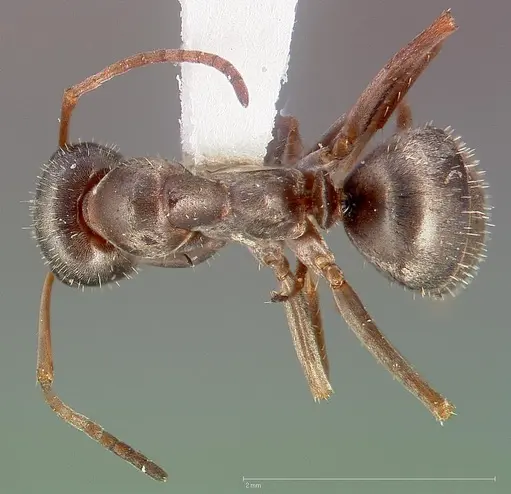
CASENT0280348
View on AntWeb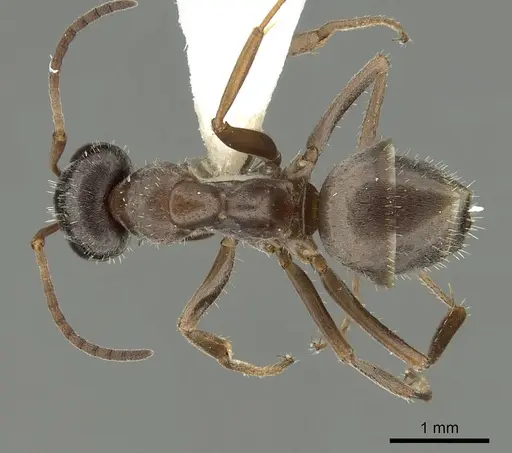
CASENT0280349
View on AntWeb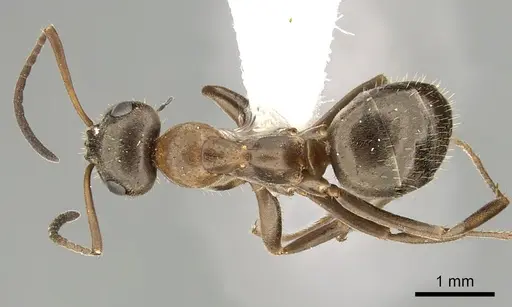
CASENT0912256
View on AntWeb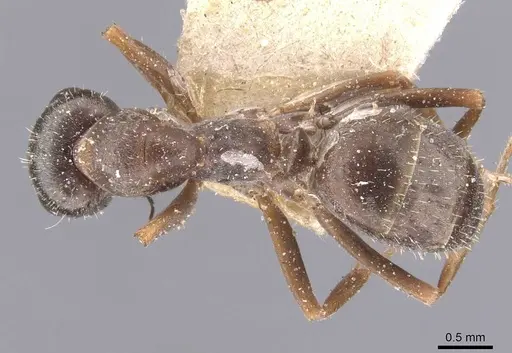
Literature
Loading...Loading products...