

Formica occulta
- Scientific Name
- Formica occulta
- Tribe
- Formicini
- Subfamily
- Formicinae
- Author
- Francoeur, 1973
- Distribution
- Found in 1 countries
Formica occulta Overview
Formica occulta is an ant species of the genus Formica. It is primarily documented in 1 countries , including United States of America. Detailed taxonomic data and occurrence records can be further explored via authoritative databases such as AntWeb or the Global Biodiversity Information Facility (GBIF).
Formica occulta
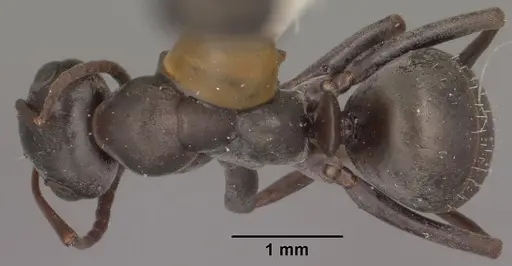
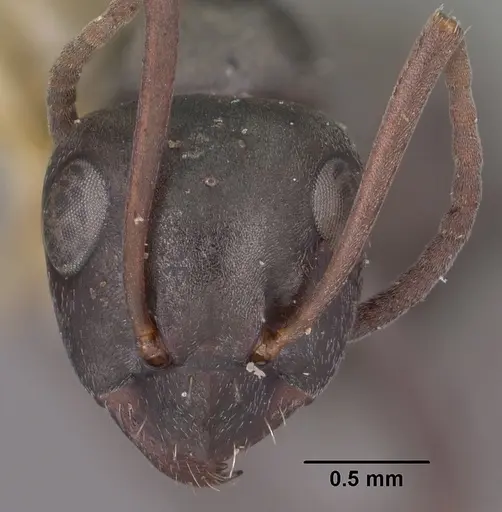
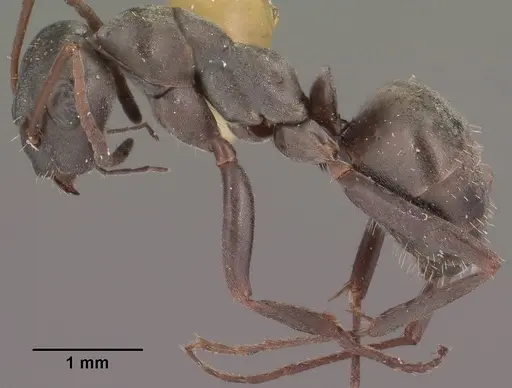
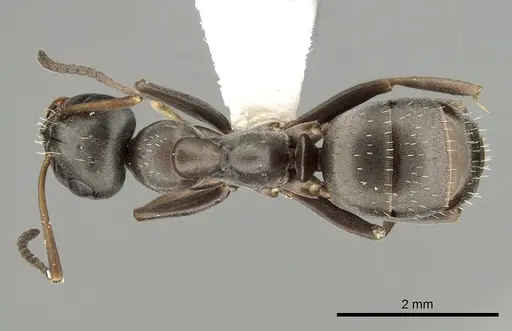
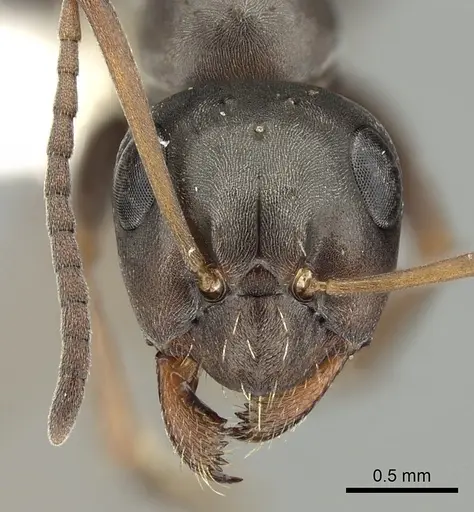
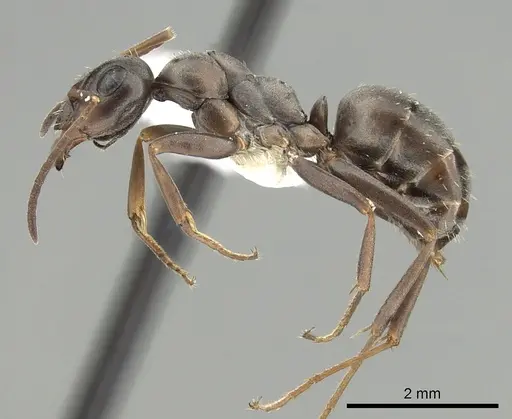
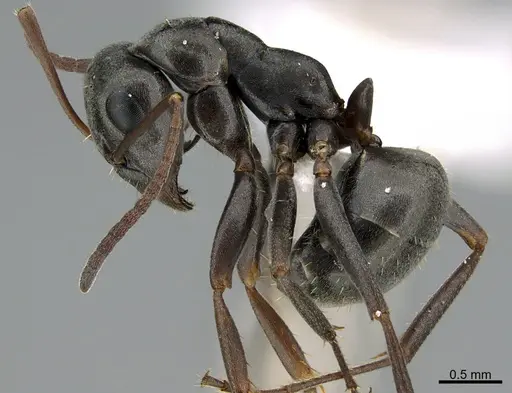
Formica occulta is a medium-sized black ant native to the western United States and northern Mexico. Workers are black or nearly black with abundant short flattened hairs (appressed pilosity) covering their bodies, and they have distinctive hairy lobes on the metasternum (the lower part of the middle body section). Workers are fast-moving and very alert, when you disturb their nest, they immediately rush to rescue and carry the brood to safety. This species nests under stones, logs, or directly in soil, preferring fine sand, loam, or rocky loam soils. Colonies are typically single-queen (monogyne), though some colonies have been found with multiple queens. Formica occulta is notable as a primary host species for the slave-making ant Polyergus breviceps, which raids their colonies to steal brood.
Quick Summary
- Difficulty: Medium
- Origin & Habitat: Western United States (Oregon, Wyoming, Utah, Colorado, Arizona, New Mexico) and northern Mexico (Chihuahua). Found in pinyon-juniper, sagebrush communities, oak forests, ponderosa pine-riparian areas, aspen, fir, and spruce habitats [1].
- Colony Type: Single-queen colonies (monogyne) in most cases, though colonies with multiple queens have been observed. Some colonies may contain ergatoid (wingless) replacement reproductives.
- Colony: Optionally polygyne
- Founding: Claustral
- Size & Growth:
- Queen: Estimated 9-11mm based on genus Formica typical size
- Worker: Estimated 4-7mm based on Formica worker range
- Colony: Colony size data not specifically documented, likely several hundred workers based on related Formica species
- Growth: Moderate, brood development occurs June to August in the wild [1]
- Development: Estimated 6-8 weeks based on related Formica species (Brood is found in nests from June to August in the wild. Development is likely temperature-dependent like other Formica species.)
- Antkeeping:
- Temperature: Keep nest area around 20-24°C. This species is found at elevations up to 2,750m in ponderosa pine forest, so they tolerate cooler conditions than tropical ants. Provide a gentle temperature gradient so ants can choose their preferred spot.
- Humidity: Moderate humidity. They nest in soil that ranges from fine sand to loam, so keep the substrate moist but not waterlogged. Allow some areas to dry slightly between waterings.
- Diapause: Yes, this species experiences seasonal dormancy. In their native range (high elevations in western US), they likely enter a winter rest period during colder months. Reduce temperature to around 10-15°C for 2-3 months during winter.
- Nesting: They naturally nest under stones, logs, or in soil. In captivity, a naturalistic setup with soil substrate and flat stones or a formicarium with soil chambers works well. They prefer darker nest areas and will often nest under cover.
- Behavior: Workers are very fast and alert. When the nest is disturbed, they immediately rescue brood, this 'brood rescue' behavior is a key characteristic. Workers from larger colonies show moderate aggression when threatened. They are not particularly large ants but are quick and can be skittish. Escape prevention is important since they're fast and small enough to slip through standard barrier gaps if not careful.
- Common Issues: fast movement makes them prone to escapes, use excellent barrier prevention, being a host species for slave-making ants means you may encounter raids from Polyergus in areas where both species exist, colonies may be stressed if kept too warm, they naturally experience cool mountain climates, test tube setups can dry out quickly if not monitored, check water reservoirs regularly, wild-caught colonies may have parasites or diseases that can affect captive colonies
Housing and Nest Preferences
Formica occulta naturally nests under stones, logs, or directly in soil. They prefer fine sand to loam soils, sometimes in rocky areas. In captivity, a naturalistic setup with a soil-filled formicarium works well, use a substrate that holds moisture but drains well. Place flat stones or other cover over parts of the nest to give them dark, sheltered chambers. They avoid light, so cover the nest partially or keep it in a shaded area. Test tubes can work for founding colonies but transfer to a larger setup once the colony reaches 20-30 workers. A formicarium with multiple connected chambers mimics their natural soil nest structure. [1]
Feeding and Diet
Like other Formica species, these ants are omnivorous. They readily accept sugar sources (honey water, sugar water) and protein (insects like fruit flies, mealworms, crickets). In the wild, they forage for honeydew from aphids and tendlescale insects, plus small prey. Feed them a few drops of sugar water twice a week and offer protein prey 2-3 times per week. Remove uneaten prey after 24 hours to prevent mold. They are active foragers and will quickly discover food, place it in the outworld where they can access it easily. [1]
Temperature and Seasonal Care
Keep the nest area at 20-24°C. This species comes from high-elevation habitats in the western US (up to 2,750m in ponderosa pine areas), so they tolerate and prefer cooler conditions than many ants. Avoid overheating, if workers cluster away from heat sources, the setup is too warm. During winter (roughly November-February in the northern hemisphere), reduce temperature to 10-15°C to allow dormancy. This mimics their natural seasonal cycle. Do not feed during deep dormancy but provide a small water source. Return to normal temperatures gradually in spring. [1]
Behavior and Colony Dynamics
These ants are notably fast and alert. One of their most interesting behaviors is brood rescue, when you disturb the nest, workers immediately grab the brood (eggs, larvae, pupae) and carry them to safety. This makes them entertaining to watch but also means they're quick to escape when the nest is opened. Workers from larger colonies show moderate aggression if threatened, but they're not particularly aggressive toward keepers. Colonies grow moderately, expect a founding queen to produce her first workers (nanitics) within 6-8 weeks, then growth accelerates. The colony will likely reach several hundred workers over a couple of years with good care. [1]
Host Species Considerations
Formica occulta is a documented host for the slave-making ant Polyergus breviceps. This means in areas where both species exist, wild colonies may experience raids from Polyergus workers who steal their pupae to raise as slaves. If you're keeping this species in an area where Polyergus breviceps is also found, be aware that your colony could be targeted. The good news is that research shows F. occulta workers can distinguish their own brood from other species and will rescue their own pupae preferentially while ignoring or even consuming foreign pupae. This gives them some natural defense against parasitism.
Frequently Asked Questions
Is Formica occulta a good species for beginners?
Formica occulta is moderately difficulty. They're not the easiest starter species, but they're not difficult either. They're faster and more skittish than some Formica species, so they require attentive escape prevention. Their moderate temperature needs and straightforward diet make them manageable for intermediate antkeepers.
How long does it take for Formica occulta to produce first workers?
Expect first workers (nanitics) around 6-8 weeks after the queen lays her first eggs, assuming temperatures around 20-24°C. This is typical for Formica species. The queen will stay sealed in her founding chamber until the first workers emerge, then she'll resume egg-laying.
Can I keep multiple Formica occulta queens together?
While most colonies have a single queen, colonies with multiple queens have been documented in the wild. However, combining unrelated foundress queens in captivity is risky, they may fight. If you want to try, introduce them at the founding stage before they've established territories, but success is not guaranteed. It's generally safer to keep one queen per colony.
What do Formica occulta eat?
They accept sugar sources (honey water, sugar water) and protein (small insects like fruit flies, pinhead crickets, mealworms). Feed sugar water constantly and protein 2-3 times per week. Remove uneaten food after 24 hours.
Do Formica occulta need hibernation?
Yes, they need a winter dormancy period. In their native high-elevation habitats, they experience cold winters. Reduce temperatures to 10-15°C for 2-3 months during winter (roughly November-February). Keep them slightly moist during this period but don't feed them.
Why do my Formica occulta keep escaping?
They're very fast and alert, this is just their nature. Use excellent escape prevention: apply Fluon or similar barriers to the rim of the outworld, use tight-fitting lids, and work over a white tray so you can spot any escapees quickly. Close the nest entrance whenever you're not actively working with them.
When should I move my Formica occulta to a formicarium?
Move them from a test tube to a formicarium once the colony reaches 20-30 workers or when the test tube's water reservoir runs low. A naturalistic setup with soil substrate works well for this species. They prefer darker nest areas, so cover part of the formicarium.
Are Formica occulta aggressive?
Workers from larger colonies show moderate aggression when the nest is directly threatened, but they're not particularly aggressive toward humans or other colonies. Their primary defense is speed and brood rescue behavior rather than attacking.
What's the ideal temperature for Formica occulta?
Keep them at 20-24°C. They're from high-elevation cool habitats and don't tolerate heat well. If workers avoid a heated area, the setup is too warm. Room temperature (around 20-22°C) is often ideal without additional heating.
References

This caresheet is licensed under CC BY-SA 4.0 .
Literature
Loading...Loading products...