

Formica altipetens
- Scientific Name
- Formica altipetens
- Tribe
- Formicini
- Subfamily
- Formicinae
- Author
- Wheeler, 1913
- Distribution
- Found in 2 countries
Formica altipetens Overview
Formica altipetens is an ant species of the genus Formica. It is primarily documented in 2 countries , including Canada, United States of America. Detailed taxonomic data and occurrence records can be further explored via authoritative databases such as AntWeb or the Global Biodiversity Information Facility (GBIF).
Formica altipetens
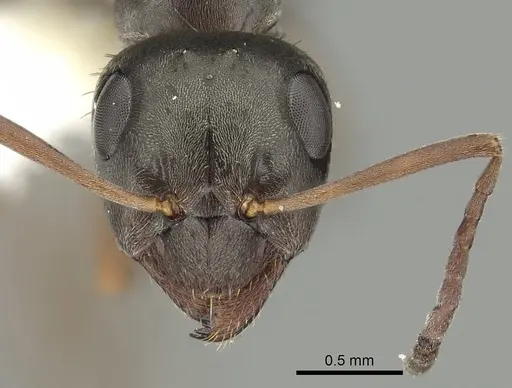
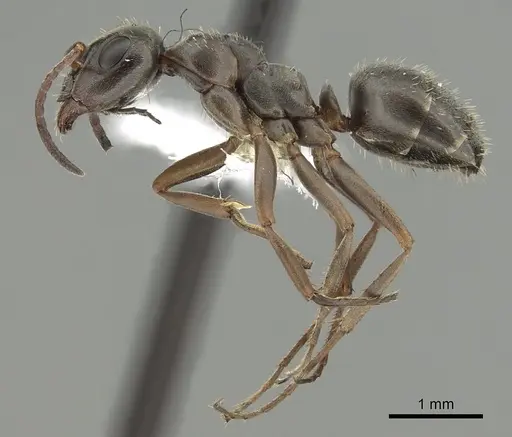
Formica altipetens is a medium-sized ant belonging to the Formica fusca group, native to western North America from Canada (Alberta) south through the United States (Montana to Arizona and New Mexico, west to California) into Mexico. Workers are typically dark with the characteristic Formica appearance, large eyes and a well-developed metasternal process surrounded by hairs. They have sparse erect hairs on the back of the head and a few blunt-tipped hairs on the propodeum. This is a mound-building species that creates distinctive low, earthen mounds in meadows and forested areas, or nests under stones and logs covered with debris [1][2].
These ants are known for their aggressive defense of the nest, when disturbed, they respond vigorously with swarming and biting. They are a host species for the slave-making ant Polyergus breviceps, which raids their colonies to steal brood. In the wild, they form large, populous colonies that can dominate their local area. They are highly associated with aphids and maintain mutualistic relationships with various aphid species for honeydew [3][1].
Quick Summary
- Difficulty: Medium
- Origin & Habitat: Western North America, Canada (Alberta) south through the United States (Montana to Arizona and New Mexico, west to California) into Mexico. Found in forested and open areas including meadows, pinyon-juniper, ponderosa pine, Gamble oak forests, and spruce forests. Typically inhabits higher elevations in the Rocky Mountains, ranging from montane to subalpine zones [1][4].
- Colony Type: Monodomous (single-nest) colonies with a single queen. Large mound-building colonies that can be quite populous. This species is a known host for the slave-making ant Polyergus breviceps [5].
- Size & Growth:
- Queen:{.size-link} Size data unavailable, inferred from Formica genus patterns (~9-11mm)
- Worker:{.size-link} Size data unavailable, inferred from Formica genus patterns (~4-7mm)
- Colony: Large colonies, mounds can reach 2-3 feet in diameter and 6-10 inches high in optimal habitats [2]
- Growth: Moderate
- Development: Development time is unconfirmed for this species (Research shows size increases with warmer temperatures in this genus, and queens/males show stronger temperature-size relationships than workers [6])
- Antkeeping:
- Temperature: Keep at room temperature around 20-24°C. They can tolerate cooler conditions given their high-altitude natural habitat, but growth is faster in warmer conditions. A gentle gradient allowing them to choose their preferred temperature works best.
- Humidity: Moderate humidity is acceptable. They prefer well-drained soil in natural habitat. Keep the nest substrate slightly moist but not waterlogged. Provide a water source.
- Diapause: Yes, as a temperate species from high elevations, they require a winter dormancy period. Reduce temperature to around 10-15°C for 3-4 months during winter, mimicking their natural cold season.
- Nesting: Large, naturalistic setups work best for this mound-building species. They do well in formicariums with spacious chambers or naturalistic setups with soil. They will construct mound structures if given substrate depth. Test tubes can work for founding colonies but will need upgrading as the colony grows.
- Behavior: Very aggressive when their nest is disturbed, expect defensive swarming and biting. They are active foragers that tend aphids for honeydew and hunt for small invertebrates. Workers are medium-sized and can climb well, but are not particularly known for escape artistry compared to smaller ants. However, standard escape prevention (fluon on edges, tight-fitting lids) should still be used. They are day-active and maintain busy foraging schedules. Colonies are monodomous (single-nested) with strong intraspecific competition, they will defend their territory aggressively [5][1].
- Common Issues: aggressive defense means colony disturbances can result in lots of biting ants, work with caution, large colony size requires significant space and resources as they grow, they are a host species for slave-making ants, wild colonies may have been raided and stressed, cold-hardy but need proper hibernation, skipping diapause can weaken colonies, competition with other Formica species in captivity can be intense
Housing and Nest Setup
Formica altipetens needs space, these are large mound-building ants that do best in spacious formicariums or naturalistic setups. For founding colonies, a test tube setup works fine, but plan to upgrade to a larger formicarium within 6-12 months as the colony grows. They prefer nesting in soil or soil-like substrates and will construct their characteristic mound structures if given enough depth. A naturalistic setup with a deep soil chamber allows them to exhibit natural building behavior. Ensure the nest has good drainage as they prefer well-drained substrates over waterlogged soil. Provide a water tube or small dish as a hydration source. [1][2]
Feeding and Diet
Like most Formica species, F. altipetens is omnivorous with a strong preference for protein. They readily accept sugar water, honey, or diluted syrup as an energy source. For protein, offer small insects like fruit flies, small crickets, mealworms, or other appropriately-sized invertebrates. In the wild, they are significant aphid farmers and collectors of honeydew, you can offer sugar water to simulate this. Feed protein 2-3 times per week and keep sugar water available constantly. Remove uneaten prey after 24-48 hours to prevent mold. [3]
Temperature and Seasonal Care
Keep your colony at room temperature (20-24°C) with a slight gradient if possible. This species naturally inhabits high-altitude areas and can tolerate cooler temperatures, but growth is optimal in warmer conditions. Research shows that worker size increases with temperature, and queens and males show an even stronger response to warmth [6]. During the active season (spring through fall), maintain warm conditions. In winter, they require a diapause period, reduce temperatures to 10-15°C for 3-4 months. This mimics their natural cycle in the Rocky Mountains and is essential for colony health. Do not skip hibernation as it can weaken the colony and reduce queen longevity.
Behavior and Colony Dynamics
These ants are famously aggressive when their nest is threatened. Expect defensive behavior, workers will swarm out and attempt to bite. This makes them fascinating to observe but requires careful handling. They are monodomous, meaning each colony has a single nest, and they show strong intraspecific competition, they will defend their territory against other Formica colonies [5]. Colonies can become quite large, with natural mound nests reaching 2-3 feet in diameter. The queen is long-lived and can produce workers for many years.
Dealing with Parasitism
In the wild, Formica altipetens is a known host for the slave-making ant Polyergus breviceps. This parasitic ant raids Formica colonies, steals pupae, and raises the emerged workers as slaves. Research shows enslaved colonies are more genetically and chemically diverse than free-living colonies, and enslaved workers are less aggressive toward non-nestmates [5]. If you collect a colony from the wild, check for signs of previous raids or parasitic ants. Captive colonies are not typically parasitized unless exposed to Polyergus.
Report an Issue
The current care sheet is based fully on literature. See inconsistencies, or something that's incorrect? Please , it will be resolved after review from an admin. Contributing to the blogs tab also helps providing information, to make us be able to further improve the caresheets. Thank you for your support!
References

This caresheet is licensed under CC BY-SA 4.0 .
CASENT0005360
View on AntWeb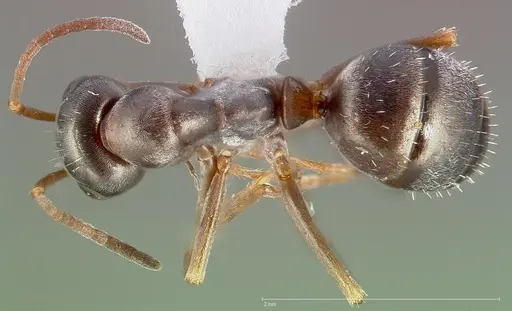


CASENT0280347
View on AntWeb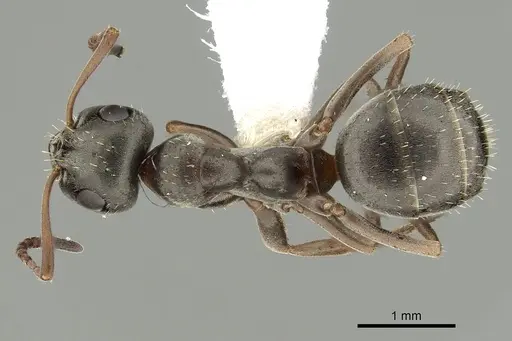
Literature
Loading...Loading products...