

Formica gnava
- Scientific Name
- Formica gnava
- Tribe
- Formicini
- Subfamily
- Formicinae
- Author
- Buckley, 1866
- Distribution
- Found in 2 countries
Formica gnava Overview
Formica gnava is an ant species of the genus Formica. It is primarily documented in 2 countries , including Mexico, United States of America. Detailed taxonomic data and occurrence records can be further explored via authoritative databases such as AntWeb or the Global Biodiversity Information Facility (GBIF).
Formica gnava
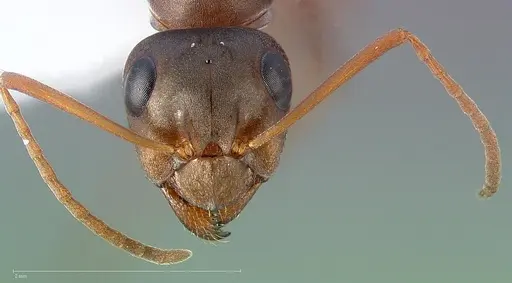
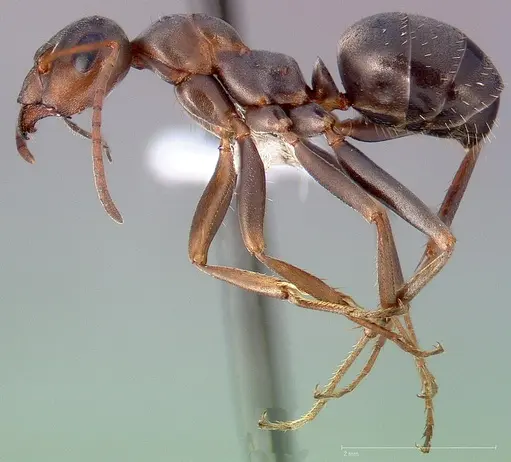
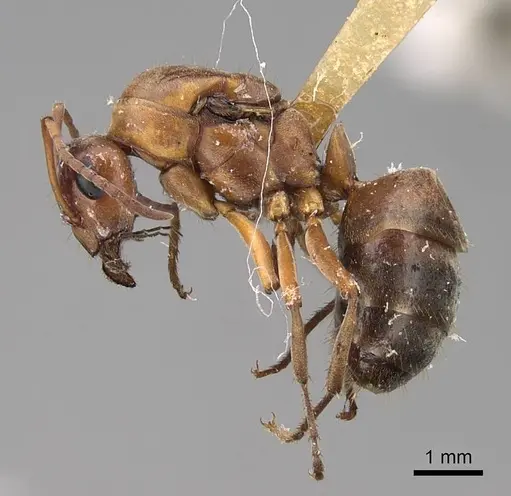
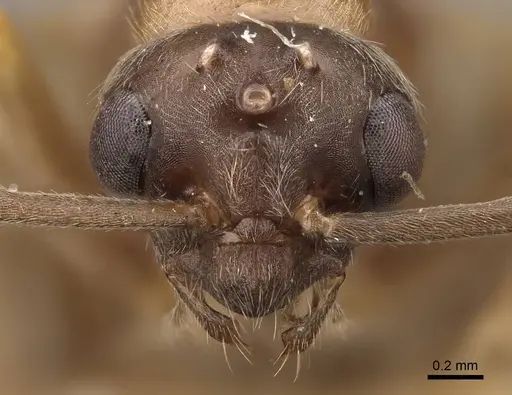
Formica gnava is a medium-sized ant native to the southwestern United States and northern Mexico. Workers are bicolored with a dull surface, and queens are slightly larger. This species nests under stones and in soil without building mounds, making it well-suited to semi-desert habitats and shady canyon environments. They are known for their aggressive defense, when disturbed, they spray formic acid at intruders. These ants feed from extrafloral nectaries of cholla cactus and forage into cottonwood trees, tending hemiptera (aphids and similar insects) for honeydew. A notable trait is their ability to recognize and reject the eggs of their social parasite, the slave-making ant Polyergus breviceps, even after the parasite adapts its chemical signature.
Quick Summary
- Difficulty: Medium
- Origin & Habitat: Southwestern United States (Arizona, New Mexico, Texas, California) and northern Mexico (Baja California, Sonora, Chihuahua, Hidalgo). Found in semi-deserts, shady canyons, oak forests, pinyon-juniper woodlands from sea level to around 7200 ft elevation [1][2][3][4].
- Colony Type: Facultatively polygynous, colonies can have a single queen (monogyne) or multiple queens (polygyne) [5]. Queens can produce workers within about 29 weeks (204 days) of mating [5][6].
- Colony: Optionally polygyne
- Founding: Claustral
- Size & Growth:
- Queen: Estimated 7-9mm based on genus Formica patterns
- Worker: Estimated 4-6mm based on genus Formica patterns
- Colony: Likely several hundred workers based on related Formica species
- Growth: Moderate, queens produce first workers around 204 days post-mating under natural conditions [5][6]
- Development: Estimated 6-10 weeks at optimal temperature based on genus Formica development patterns (Development has not been directly studied, but related Formica species suggest 6-10 weeks from egg to first worker at warm temperatures. Queens produce first workers approximately 29 weeks (204 days) after mating in natural host-parasite contexts [5][6].)
- Antkeeping:
- Temperature: Keep at 20-26°C. They tolerate a range from cooler canyon temperatures to warmer desert conditions. A heating cable on one side of the nest creates a suitable gradient [7].
- Humidity: Moderate humidity around 50-70%. They nest in soil and under stones in both dry and semi-shaded areas, so provide a moist substrate area with some drier zones available.
- Diapause: Likely requires winter rest period (diapause) given their temperate distribution and presence in pinyon-juniper habitats. Reduce temperature to around 10-15°C for 2-3 months during winter.
- Nesting: Y-tong (AAC) nests or plaster nests work well. They naturally nest under stones and in soil, so provide a naturalistic setup with a dirt chamber or test tube setup with soil substrate. Avoid tall chambers, they prefer tight, enclosed spaces.
- Behavior: Very aggressive when their nest is disturbed, they will spray formic acid as a defense. Workers are solitary foragers with a high discovery rate (0.00177 discoveries per ant per minute) [8]. They efficiently find small food sources and can dominate small baits. They tend hemiptera and feed from extrafloral nectaries. Escape prevention is important, use standard barriers as workers are moderate-sized. They are known to discriminate against heterospecific Formica eggs and can reject Polyergus parasite eggs, showing sophisticated chemical recognition abilities [9][10].
- Common Issues: aggressive defense, formic acid spray can irritate skin and eyes, handle with care, colonies may be slow to establish, first workers take months to appear, as a host species for Polyergus slave-makers, wild colonies may carry parasites that could affect captive colonies, moderate size means escapes are possible without proper barriers, winter diapause is likely required, improper overwintering can kill colonies
Nest Preferences and Housing
In the wild, Formica gnava nests under stones and in soil without building the large mounds characteristic of some Formica species. They prefer well-drained soil in semi-desert to shaded canyon habitats. For captive care, a Y-tong (acrylic) nest or plaster nest works well. Provide a dirt chamber or test tube setup with moist soil substrate. They do best with tight, enclosed chambers rather than tall open spaces. A small outworld for foraging completes the setup. Ensure the nest has both moist areas (for brood) and slightly drier areas so ants can self-regulate humidity. [3][11]
Feeding and Diet
These ants are opportunistic feeders with a varied diet. In nature, they feed from extrafloral nectaries of cholla cactus (Opuntia spp) and forage into cottonwood trees where they tend hemiptera (aphids and similar insects) for honeydew [11]. They also forage for small insects and other protein sources. In captivity, offer sugar water or honey as a constant energy source. For protein, provide small insects like fruit flies, small crickets, or mealworms. Their high discovery rate (0.00177 per ant per minute) means they efficiently locate food sources [8]. Feed protein 2-3 times per week and keep sugar water available at all times.
Temperature and Seasonal Care
Keep Formica gnava at temperatures between 20-26°C. They naturally occur in environments ranging from semi-deserts to cooler canyon and pine forest habitats, so they can adapt to a range within this band. A heating cable on one side of the nest creates a temperature gradient. Given their southwestern US and Mexican distribution, they likely require a winter diapause period. During winter (roughly November-February in the Northern Hemisphere), reduce temperatures to 10-15°C and reduce feeding. This rest period is important for colony health and may trigger reproductive behavior in spring. [7][11]
Defense and Handling
This species is notably aggressive when its nest is disturbed, workers will spray formic acid at the intruder [11]. Formic acid is the chemical weapon common to all Formica ants, and it can irritate skin and eyes. When working with these ants, use caution and avoid disturbing the nest unnecessarily. Move slowly and use gentle techniques when checking on the colony. If you need to transfer them, consider using smoke or gentle air currents rather than direct handling. This defensive behavior also means escape prevention is important, agitated ants are more likely to bolt.
Host Species for Slave-Making Ants
Formica gnava is a known host species for the obligate slave-making ant Polyergus breviceps (now P. topoffi) [5][12][10]. In the wild, Polyergus queens invade Formica nests, kill the host queen, and use the host workers to raise their own brood. Interestingly, F. gnava workers can discriminate between conspecific and heterospecific eggs, and they can reject the eggs of the social parasite Polyergus even after the parasite adapts its chemical signature [10]. If you collect a wild colony, be aware it may have been parasitized. Watch for unusual worker behavior or brood that doesn't match the species. Established F. gnava queens trigger immediate attacks from Polyergus queens, but newly mated queens don't elicit aggression until about 204 days after mating [5][6].
Behavior and Foraging
Formica gnava workers are solitary foragers with an efficient discovery rate, they find small food sources quickly and can dominate small baits [8]. They tend hemiptera (aphids and similar insects) for honeydew, which is a common behavior in the Formica genus. Workers can distinguish conspecific pupae from those of other Formica species, showing sophisticated chemical recognition [9]. They almost exclusively retrieve and adopt conspecific pupae while ignoring or consuming heterospecific ones. This discrimination ability extends to rejecting social parasite eggs, making them relatively resistant hosts compared to some other Formica species.
Frequently Asked Questions
Is Formica gnava a good ant for beginners?
Formica gnava is rated as medium difficulty. They are more aggressive than beginner-friendly species like Lasius and require more specific housing. They also likely need a winter diapause period. However, they are not as challenging as tropical or highly specialized species. If you're comfortable with basic antkeeping and can provide a winter rest period, they can be a rewarding species.
How long does it take for Formica gnava to produce first workers?
Queens produce their first workers approximately 29 weeks (about 7 months) after mating under natural conditions [5][6]. This is based on research in host-parasite contexts where attacks begin around 204 days post-mating when colonies have produced 17-19 workers. In captivity with optimal temperatures, this timeline may be shorter.
Can I keep multiple Formica gnava queens together?
Yes, Formica gnava is facultatively polygynous, meaning colonies can have either a single queen or multiple queens [5]. However, if you're starting a colony from a newly mated queen, it's best to house her alone until she establishes her first workers. Combining unrelated foundress queens has not been specifically studied and is not recommended.
What do Formica gnava ants eat?
They are opportunistic feeders. In nature they feed from extrafloral nectaries of cholla cactus and tend aphids for honeydew. In captivity, provide constant sugar water or honey, and offer protein sources like small insects (fruit flies, small crickets, mealworms) 2-3 times per week.
Do Formica gnava need hibernation?
Yes, given their temperate distribution in the southwestern US and Mexico, they likely require a winter diapause. Reduce temperatures to 10-15°C for 2-3 months during winter (roughly November-February). This rest period is important for colony health.
When should I move Formica gnava to a formicarium?
Keep newly founded colonies in a test tube setup until they have 20-30 workers. Once the colony outgrows the test tube or has established workers that are actively foraging, you can move them to a Y-tong or plaster nest. They prefer tight chambers and soil-based substrates.
Are Formica gnava aggressive?
Yes, they are notably aggressive when their nest is disturbed and will spray formic acid at threats [11]. Workers are solitary foragers and efficient at discovering food. They are not aggressive toward keepers outside the nest, but will defend vigorously if their colony is threatened.
How big do Formica gnava colonies get?
Colony size is not directly documented, but based on related Formica species, colonies likely reach several hundred workers. They are facultatively polygynous, so multi-queen colonies may grow larger. Growth is moderate, first workers appear around 7 months after queen mating.
References

This caresheet is licensed under CC BY-SA 4.0 .
CASENT0005365
View on AntWeb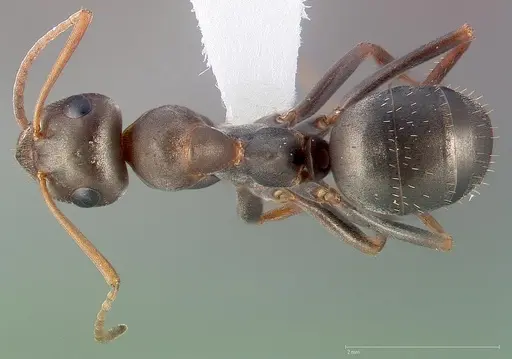
CASENT0280369
View on AntWeb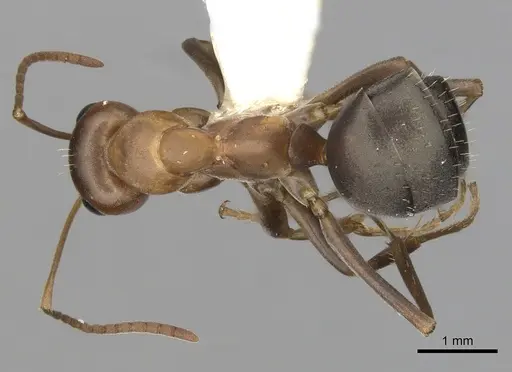
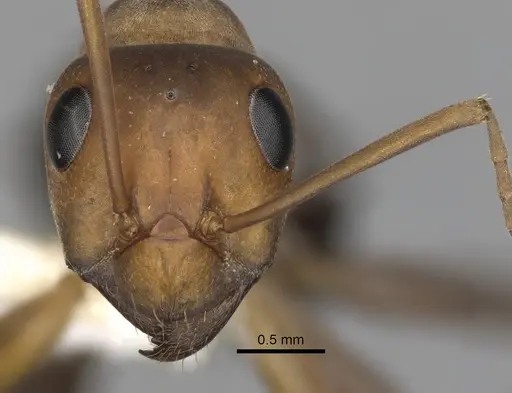
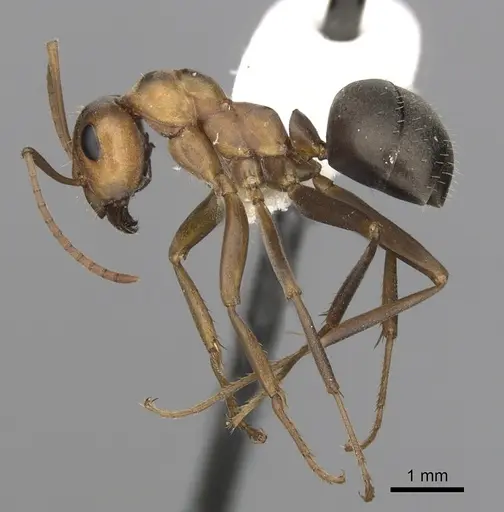
CASENT0280376
View on AntWeb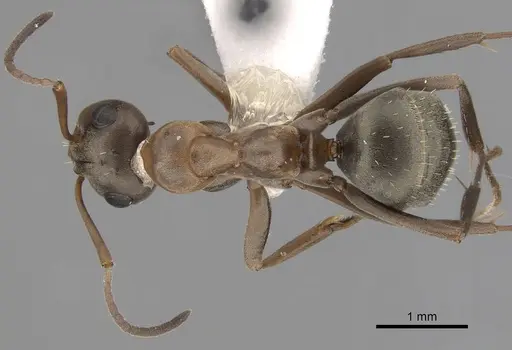
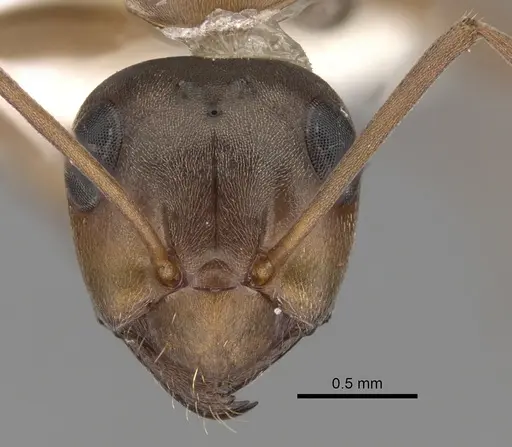
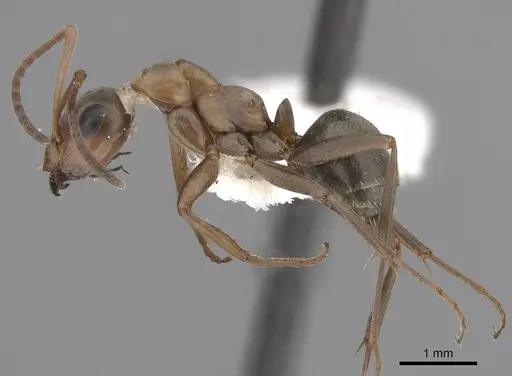
CASENT0349062
View on AntWeb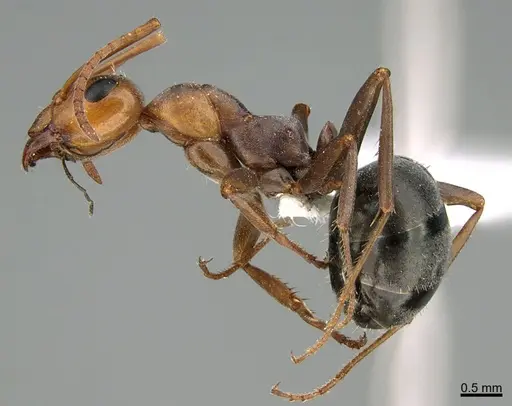
CASENT0923043
View on AntWeb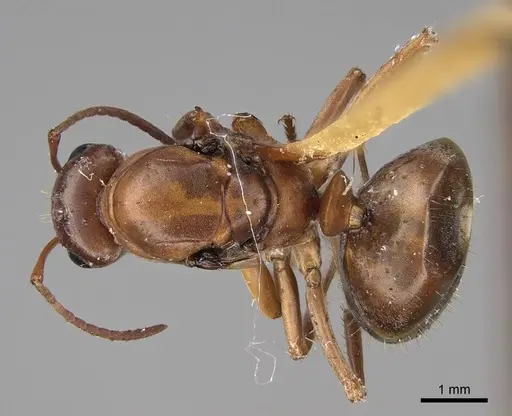
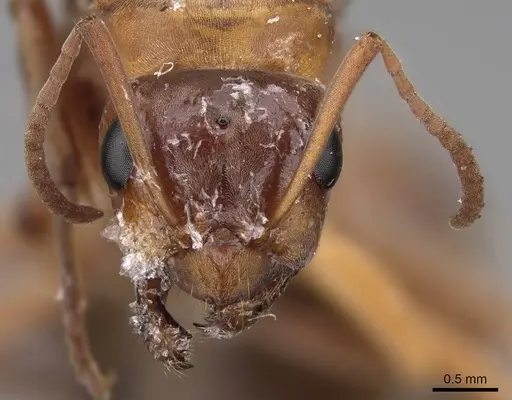
CASENT0923044
View on AntWeb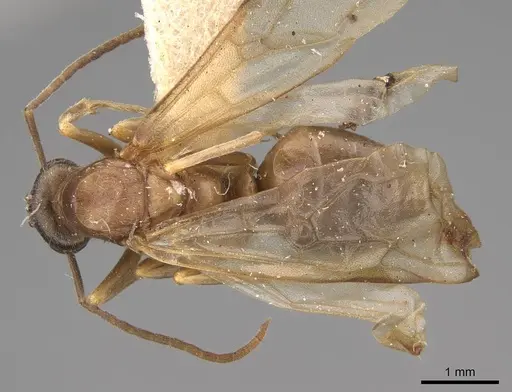
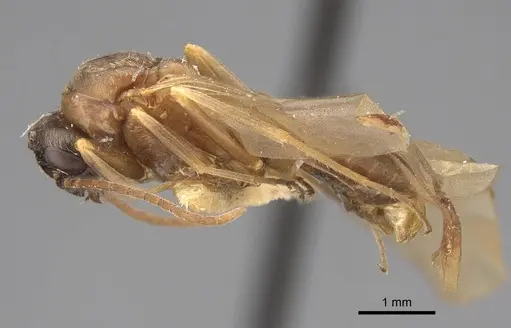
Literature
Loading...Loading products...