

Formica neoclara
- Scientific Name
- Formica neoclara
- Tribe
- Formicini
- Subfamily
- Formicinae
- Author
- Emery, 1893
- Common Name
- Bright Mound Ant
- Distribution
- Found in 2 countries
Formica neoclara Overview
Formica neoclara (commonly known as the Bright Mound Ant) is an ant species of the genus Formica. It is primarily documented in 2 countries , including Canada, United States of America. Detailed taxonomic data and occurrence records can be further explored via authoritative databases such as AntWeb or the Global Biodiversity Information Facility (GBIF).
Formica neoclara - "Bright Mound Ant"
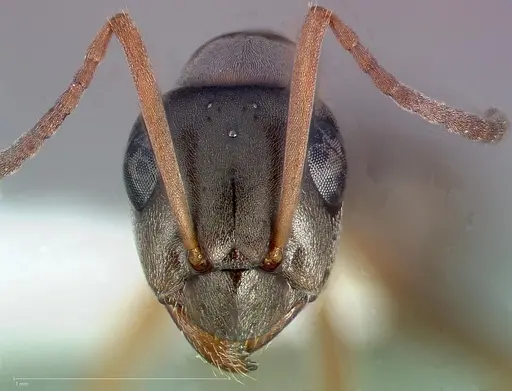
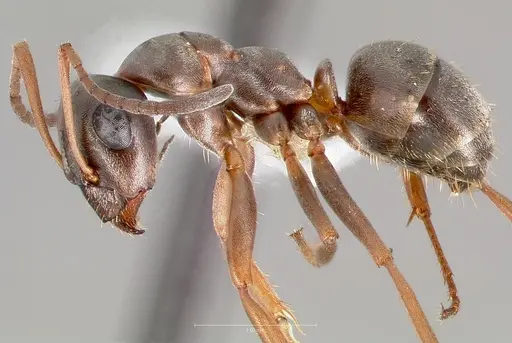
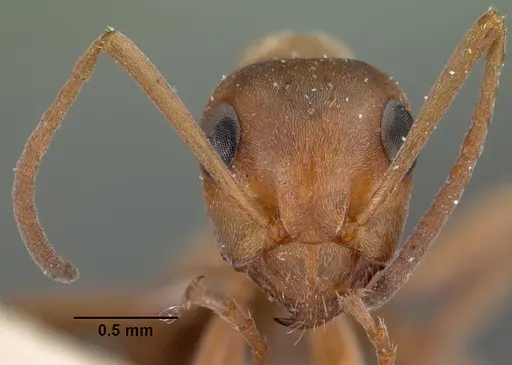
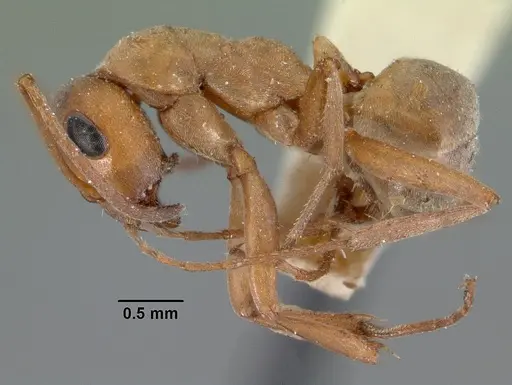
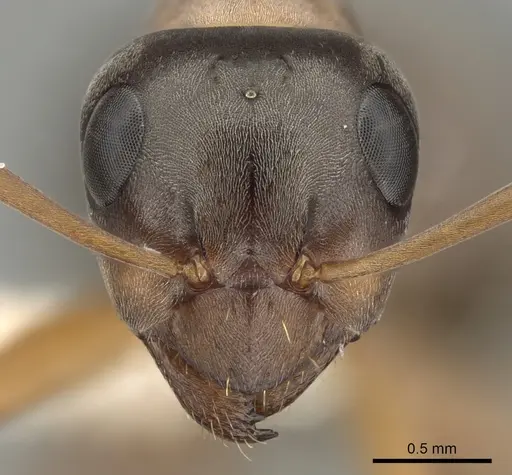
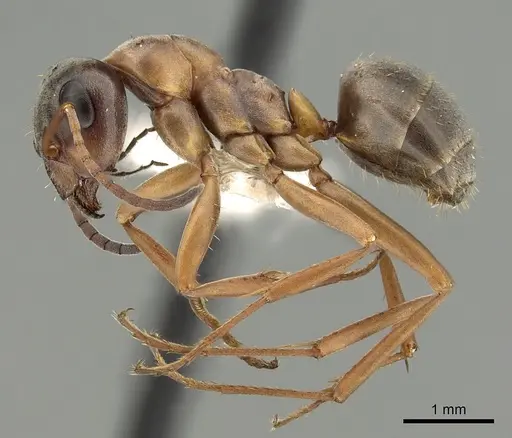
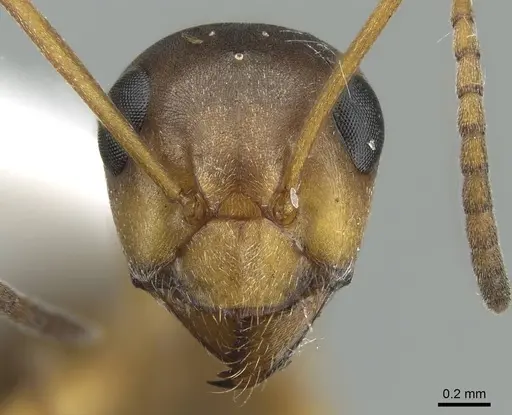
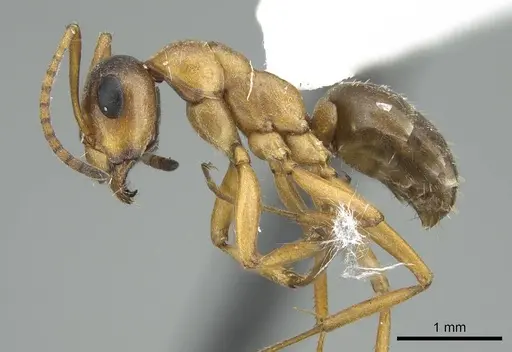
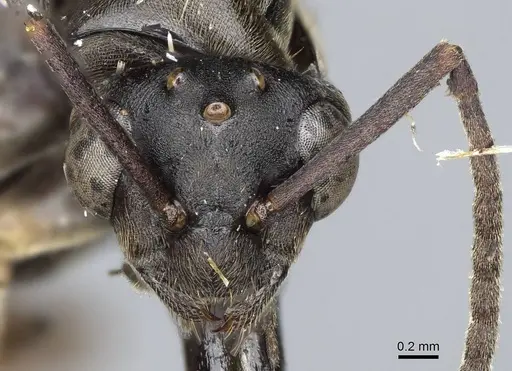
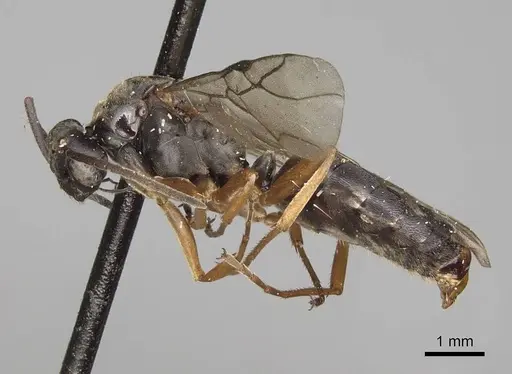
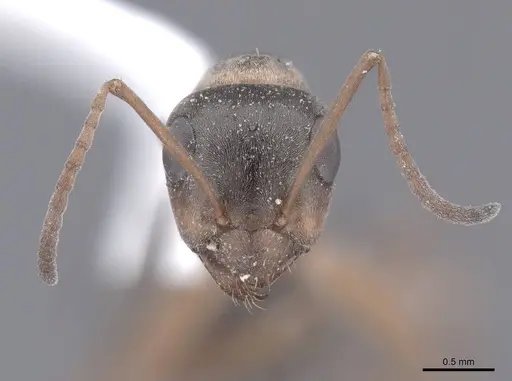
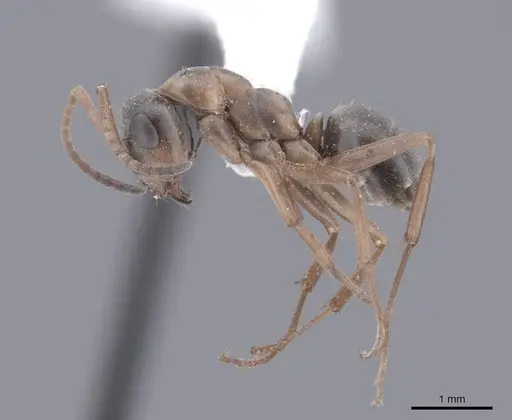
Formica neoclara is a medium-sized Formica ant native to western North America, ranging from the Yukon south to northern Mexico. Workers are typically light yellowish-brown with a slightly darker abdomen, though color variations include reddish workers with black abdomens or nearly black specimens with yellowish-brown markings. They have distinctive golden erect hairs on the rear edge of their body. This species builds large soil mound nests that can exceed 9 meters in diameter with over 125 entrance holes, often found in grasslands, open woods, and disturbed areas. They are prolific aphid farmers and play an important role in pest management by preying on insects like pear psylla.
Quick Summary
- Difficulty: Medium
- Origin & Habitat: Western North America from Yukon Territory, Canada south to northern Mexico. Found in grasslands, residential areas, open deciduous woods, oak forests, and pine-fir forests. Prefers sandy soils in open habitats [1][2].
- Colony Type: Likely polygynous (multiple queens), three dealate females have been found in a single nest [1]. Forms large populous colonies with multiple queens working together.
- Colony: Polygyne
- Founding: Claustral
- Size & Growth:
- Queen: Approximately 9-11mm (estimated based on genus Formica patterns)
- Worker: 4-7mm [1]
- Colony: Very large, colonies can have over 125 entrance holes and extend 9+ meters in diameter [1]
- Growth: Moderate to fast, large colonies develop quickly once established
- Development: 6-8 weeks (estimated based on related Formica species at optimal temperature) (Development timing inferred from genus-level data for Formica. Brood observed in wild colonies from June to August.)
- Antkeeping:
- Temperature: Keep at room temperature (20-24°C). This is a temperate species adapted to variable conditions, they tolerate cooler temperatures and can handle low-to-mid 20s°C. A slight gradient is beneficial [3].
- Humidity: Moderate humidity. They nest in soil and need substrate that holds moisture but drains well. Sandy soil mix works well. Keep nest substrate slightly moist, not waterlogged.
- Diapause: Yes, this is a temperate species requiring winter hibernation. In their native range (Yukon to Mexico), they experience cold winters. Provide 3-4 months of cold storage at 5-10°C during winter [1].
- Nesting: Soil mound builders. In captivity, they do well in naturalistic setups with deep soil (at least 10-15cm), or in formicariums with soil chambers. They need space for their large colonies and prefer sandy, well-draining substrate. Y-tong nests with soil chambers or custom acrylic nests with deep soil areas work well.
- Behavior: Workers are aggressive when their nest is disturbed but usually flee rather than attack. They are prolific aphid farmers and will tend honeydew-producing insects. Foragers travel in visible trails and are active throughout the day. They are common hosts for social parasites including Polyergus breviceps (slave-making ants). Escape risk is moderate, use standard barrier methods. Workers are medium-sized (4-7mm) and can climb smooth surfaces but are not particularly adept at escaping like tiny ants.
- Common Issues: Large colony size requires significant space, be prepared for rapid expansion, They are a host species for slave-making ants (Polyergus), keep isolated from other Formica colonies, Nests can produce many queens, colony structure may become polygynous over time, Winter diapause is essential for long-term colony health, plan for 3-4 months of cold storage, Aphid-tending behavior means they may ignore other food if honeydew sources are available
Nest Preferences and Housing
Formica neoclara is a soil-nesting species that naturally builds large mound nests. In captivity, they need deep soil chambers (at least 10-15cm) to accommodate their large colony sizes. A naturalistic setup with a sandy soil mix works best, combine play sand with organic soil or coco fiber for structure. They prefer well-draining substrate that holds some moisture without becoming waterlogged. These ants are subterranean, meaning they spend most of their time underground, so providing dark nest chambers encourages them to settle in. Outworld space should be proportional to colony size, these ants produce prolific foragers and need room for trails. Test tubes are only suitable for founding queens, established colonies need formicariums with soil chambers or custom acrylic nests designed for large colonies. [2][6][1]
Feeding and Diet
In the wild, Formica neoclara is highly associated with aphids and farms honeydew-producing insects [4]. They also prey on small insects and are known predators of pear psylla (Cacopsylla pyricola), making them beneficial for pest management [5]. In captivity, offer a varied diet: sugar water or honey as an energy source, and protein sources like mealworms, crickets, or other small insects. They will readily accept honeydew if available, but standard ant foods work well. Feed protein 2-3 times per week and keep sugar water available constantly. Their aphid-tending behavior means they may focus on honeydew sources and ignore other food, this is normal. Remove uneaten prey after 24 hours to prevent mold.
Temperature and Seasonal Care
As a temperate species, Formica neoclara adapts to variable conditions across their wide range (Yukon to Mexico). Keep them at room temperature (20-24°C) with a slight gradient if possible. They can tolerate cooler temperatures and handle low-to-mid 20s°C comfortably. Research shows worker size increases with temperature [3], so warmer conditions may produce larger workers but faster aging. Winter diapause is essential, provide 3-4 months at 5-10°C during winter months. This mimics their natural cycle and is crucial for long-term colony health. Reduce feeding during diapause and keep the nest slightly cooler but not frozen.
Colony Structure and Growth
This is a polygynous species, multiple queens live and reproduce together in the same nest [1]. Three dealate (wingless) females have been found in a single wild nest, confirming polygyny. They form populous colonies that can grow extremely large, with natural nests reaching over 9 meters in diameter and 125+ entrance holes. They are common hosts for social parasites including the slave-making ant Polyergus breviceps [1]. Keep them isolated from other Formica species to prevent parasitic interactions. Colony growth is moderate to fast once established, with workers living several years. The colony will produce new reproductives (alates) in summer months, wild colonies show reproductives in July and August.
Behavior and Temperament
Workers are fast-moving and create visible foraging trails. When disturbed, they become aggressive but typically flee rather than engage in prolonged combat, they escape by running away [1]. They are diurnal foragers, active during daylight hours. Their task partitioning is well-documented: smaller workers tend aphids and collect honeydew, while larger workers handle nest building and protein foraging [6]. This species shows remarkable task fidelity, over 98% of workers maintain their assigned task over multiple days. They are not particularly aggressive toward keepers but will defend their nest if directly threatened. Escape risk is moderate due to their medium size (4-7mm), standard barriers work well.
Frequently Asked Questions
How long does it take for Formica neoclara to produce first workers?
Expect first workers (nanitics) approximately 6-8 weeks after the queen lays eggs, based on typical Formica development at room temperature. This is an estimate from related species since specific development timing for F. neoclara hasn't been directly studied.
Can I keep multiple Formica neoclara queens together?
Yes, this is a polygynous species. Multiple queens naturally coexist in wild colonies, and three dealate females have been found in a single nest. You can keep multiple founding queens together, though some may be eliminated as the colony establishes.
What do Formica neoclara eat?
They are generalist feeders. Offer sugar water or honey constantly for energy, and protein sources like mealworms, crickets, or small insects 2-3 times weekly. They are prolific aphid farmers and will readily tend honeydew sources if available.
Do Formica neoclara need hibernation?
Yes, this temperate species requires winter diapause. Provide 3-4 months of cold storage at 5-10°C during winter. This is essential for their natural cycle and long-term colony health. Reduce feeding during this period.
How big do Formica neoclara colonies get?
Very large. Wild colonies can exceed 9 meters in diameter with over 125 entrance holes. In captivity, expect colonies to reach thousands of workers with proper care. They need significant space as they grow.
Are Formica neoclara good for beginners?
Medium difficulty. They are harder than simple species like Lasius but easier than exotic tropical ants. Their large colony size and specific space requirements, plus the need for winter diapause, make them better suited for keepers with some experience.
When should I move my colony to a formicarium?
Move from test tube to formicarium once the colony reaches 50-100 workers and the test tube becomes cramped. They need deep soil chambers (10-15cm) to accommodate their large colony size. A naturalistic setup with sandy soil works best.
Why are my Formica neoclara dying?
Common causes include: improper humidity (too dry or waterlogged), lack of winter diapause, insufficient space for growing colonies, or isolation from other ant colonies. They are also hosts for social parasites, ensure your colony is not contaminated with Polyergus or other parasitic ants.
References

This caresheet is licensed under CC BY-SA 4.0 .
CASENT0005370
View on AntWeb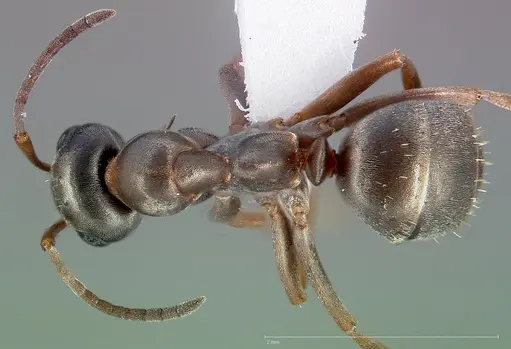
CASENT0102157
View on AntWeb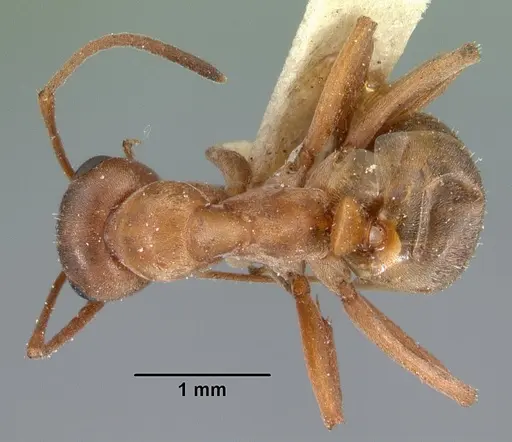
CASENT0280351
View on AntWeb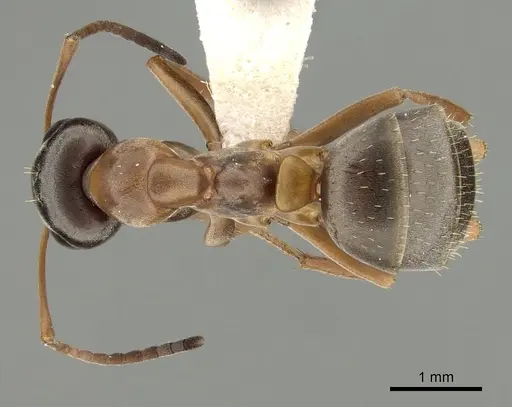
CASENT0914450
View on AntWeb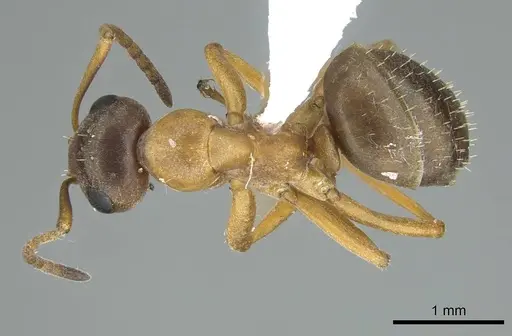
CASENT0923048
View on AntWeb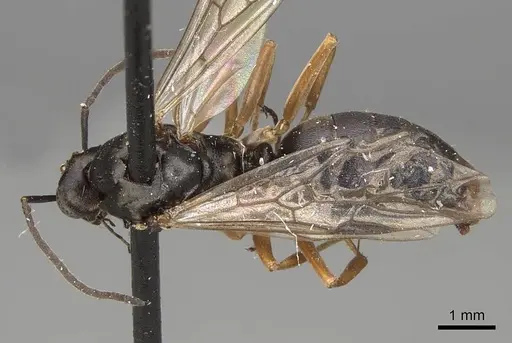
FMNHINS0000062918
View on AntWeb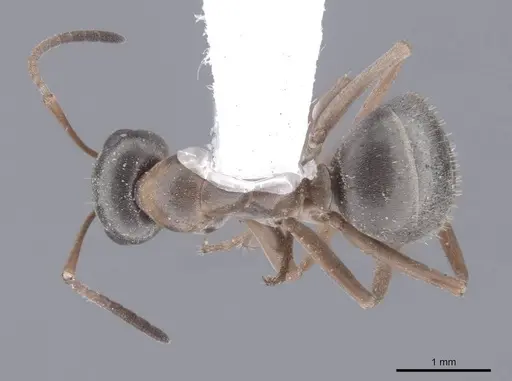
Literature
Loading...Loading products...