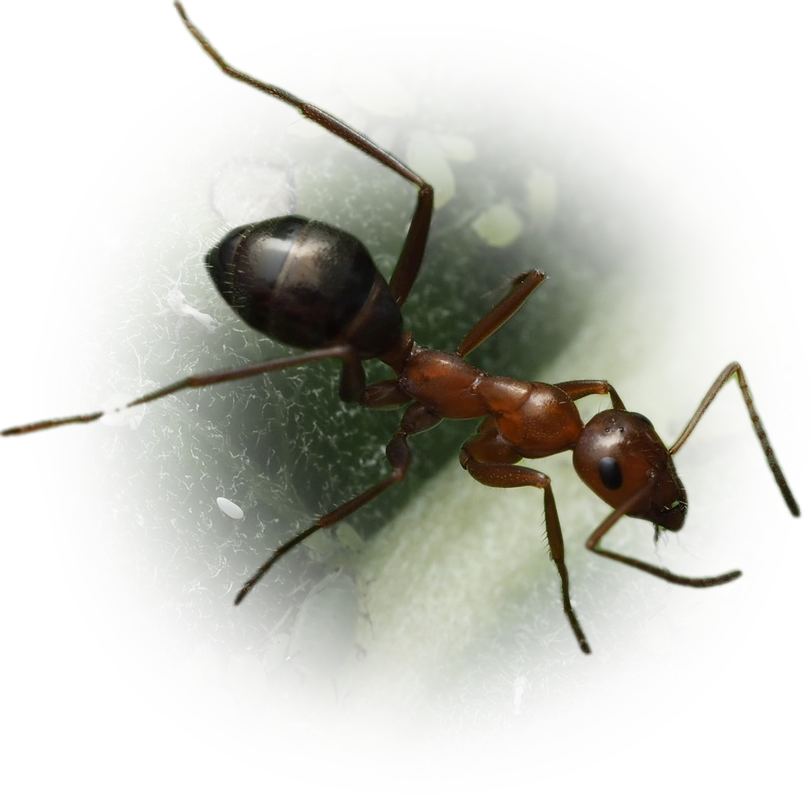

Formica incerta
- Scientific Name
- Formica incerta
- Tribe
- Formicini
- Subfamily
- Formicinae
- Author
- Buren, 1944
- Common Name
- Uncertain Field Ant
- Distribution
- Found in 2 countries
Formica incerta Overview
Formica incerta (commonly known as the Uncertain Field Ant) is an ant species of the genus Formica. It is primarily documented in 2 countries , including Canada, United States of America. Detailed taxonomic data and occurrence records can be further explored via authoritative databases such as AntWeb or the Global Biodiversity Information Facility (GBIF).
Formica incerta - "Uncertain Field Ant"
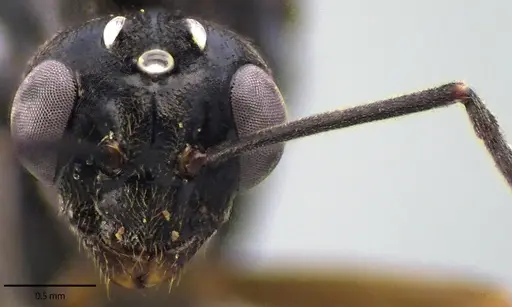
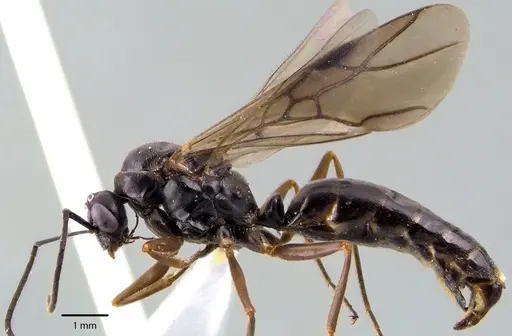
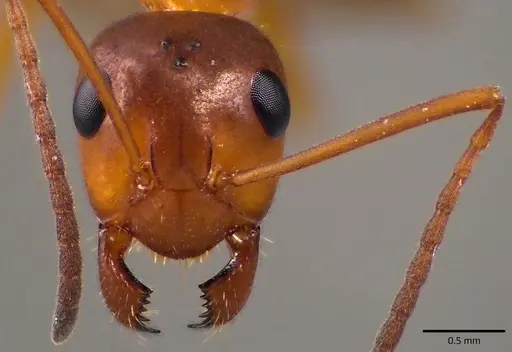
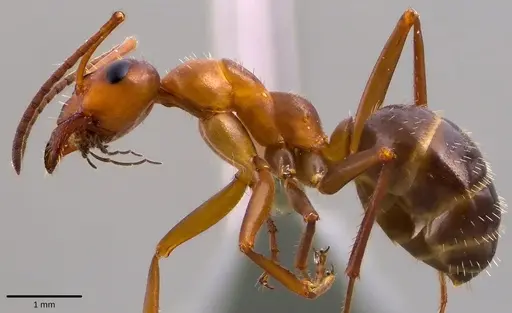
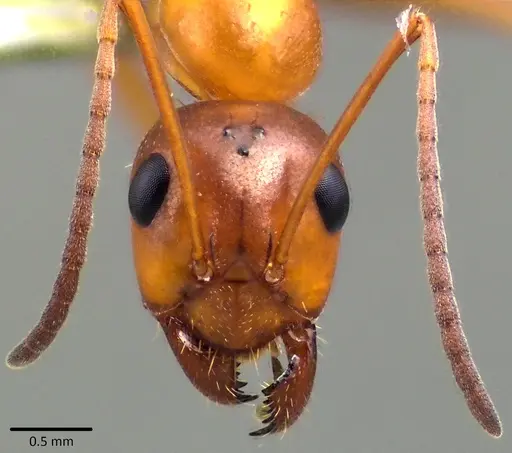
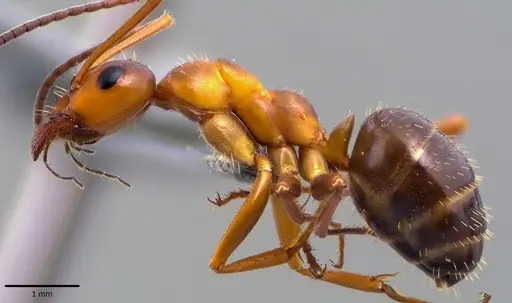
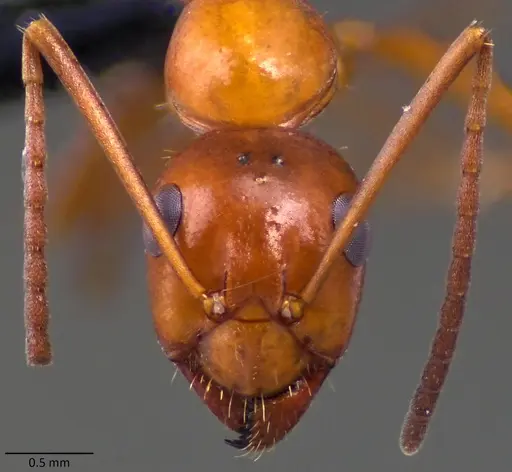
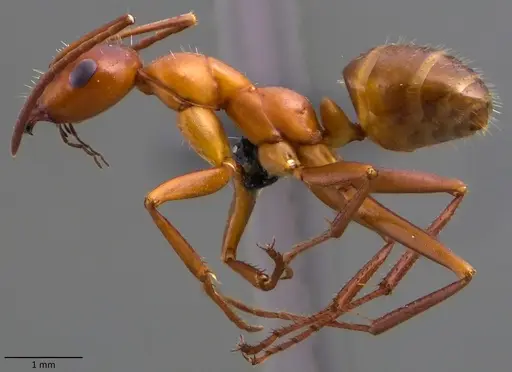
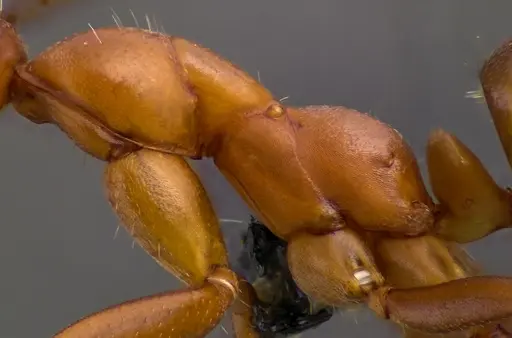
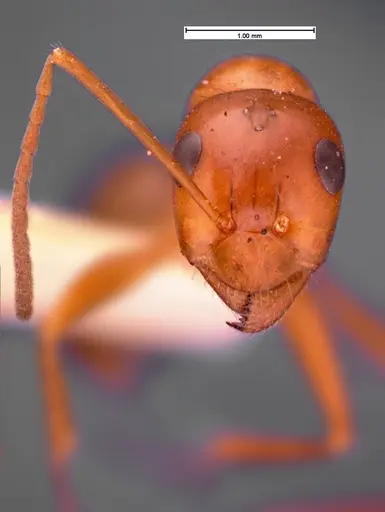
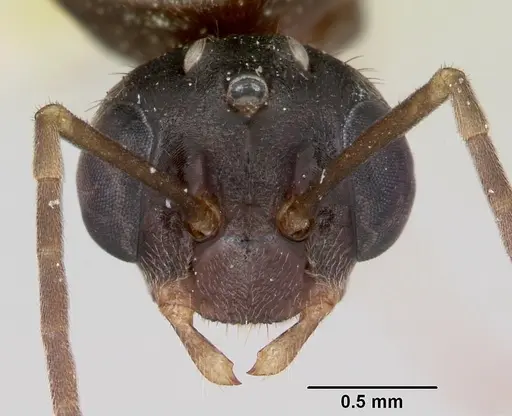
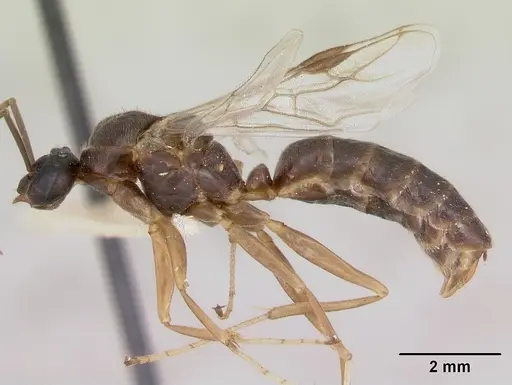
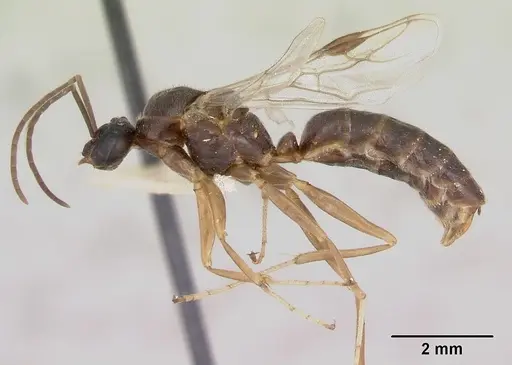
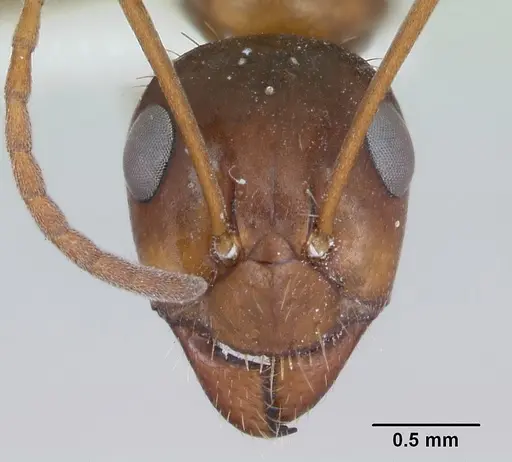
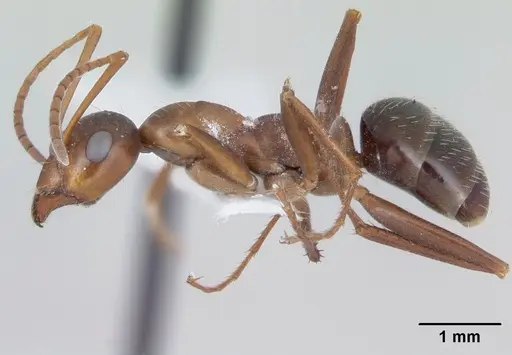
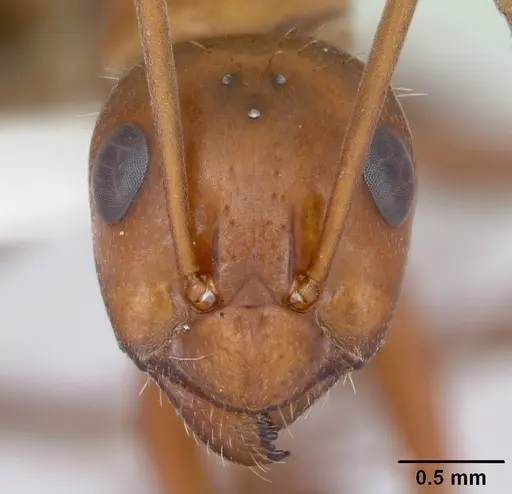
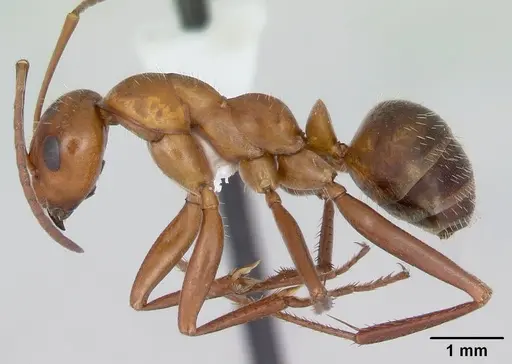
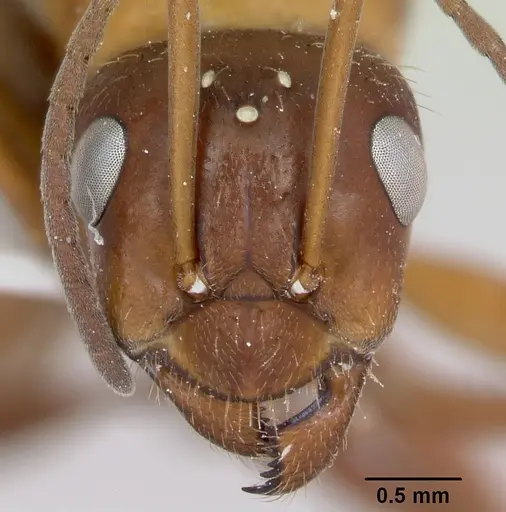
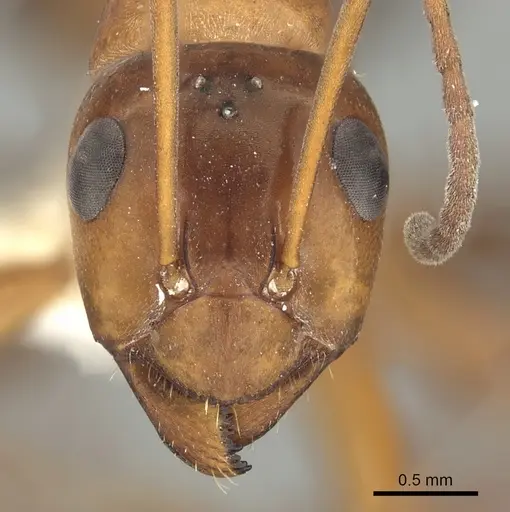
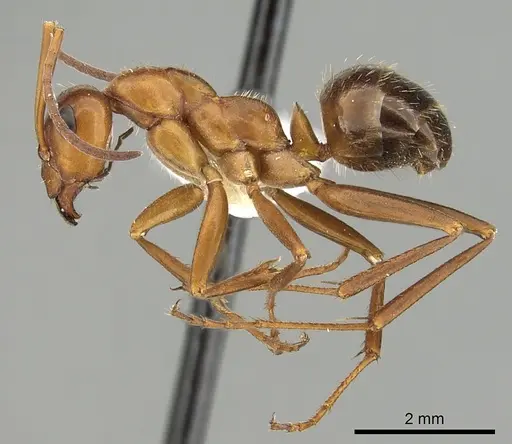
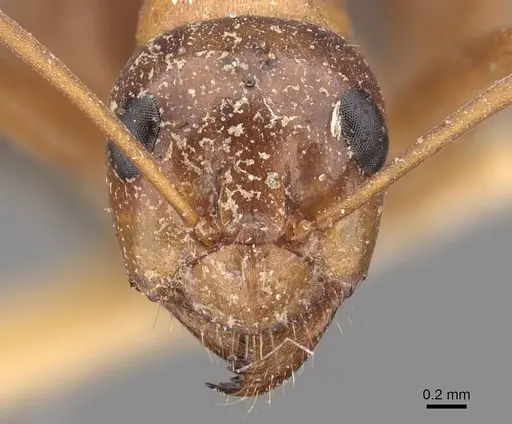
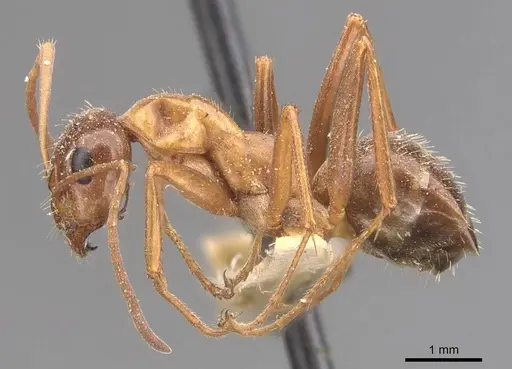
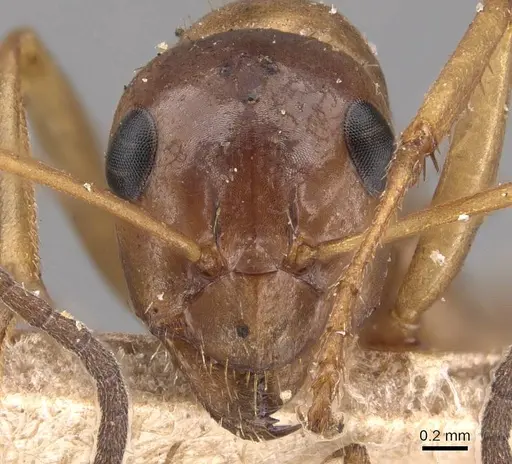
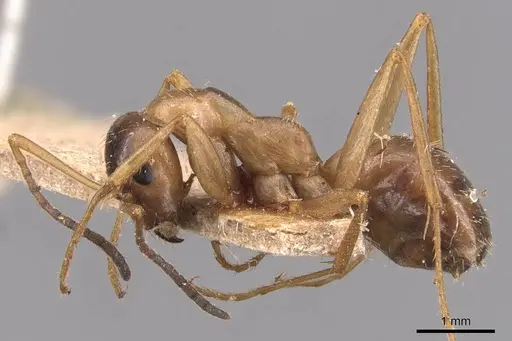
Formica incerta is a medium-sized, relatively shiny grassland ant native to eastern North America. Workers have a distinctive broad head and short scapes, with coloration varying from dark brown in the northeast to brownish-yellow in prairie regions. The mesosoma and legs are typically yellowish-brown. This species belongs to the Formica pallidefulva group and is especially abundant in native mesic and dry-mesic grasslands, prairie remnants, and old fields [1]. What makes F. incerta particularly interesting is its role as the primary host for multiple social parasites, it is the only known host for Polyergus lucidus lucidus and serves as the main host for Formica difficilis and Formica pergandei, which use temporary social parasitism to establish their colonies [1][2]. This species also tends aphids and visits extrafloral nectaries on prairie plants like sunflowers and partridge peas.
Quick Summary
- Difficulty: Medium
- Origin & Habitat: Eastern North America from New England and Great Lakes states west to Minnesota, Nebraska, and Colorado, extending south to the southern Appalachians. Found in native mesic and dry-mesic grasslands, prairie remnants, old fields, parks, campuses, lawns, and forest clear-cuts. In the Northeast it occurs in heathland and sand barrens, in the Midwest it is characteristic of prairie remnants and botanically diverse old fields [1][3].
- Colony Type: Likely single-queen colonies (monogyne) based on typical Formica genus patterns, though colony structure is not explicitly documented in scientific literature for this species.
- Colony: Monogyne
- Founding: Claustral
- Size & Growth:
- Queen: Approximately 7-9mm, typical for Formica genus queens (estimated from genus patterns)
- Worker: Approximately 3.5-4mm total body length based on morphometric data (WL mean 2.34mm + head) [1]
- Colony: Moderate colony size typical for grassland Formica, likely several thousand workers at maturity (estimated from related species)
- Growth: Moderate, development timeline not specifically studied but typical for Formica genus
- Development: Approximately 6-8 weeks at optimal temperature (estimated from related Formica species) (Worker pupae are enclosed in light tan cocoons, unlike the frequently naked worker pupae of related F. pallidefulva [1])
- Antkeeping:
- Temperature: Keep at room temperature around 20-24°C. This species is common in temperate grasslands and can tolerate typical indoor temperatures. Avoid temperatures above 30°C based on thermal tolerance studies showing CTmax around 35-40°C for similar Formica species [4].
- Humidity: Moderate humidity is acceptable. In the wild, they nest in bare soil or beneath grass clumps, often in areas with well-drained soils. Provide a moisture gradient allowing workers to choose their preferred humidity level.
- Diapause: Yes, this is a temperate species that experiences winter dormancy. In their natural range, alates develop in July-August and colonies survive winter through hibernation. Provide a cold period around 5-10°C for 3-4 months during winter [1].
- Nesting: Prefers naturalistic setups with soil or sandy substrate. In the wild, they nest in bare soil or beneath grass clumps, often building small conical mounds (5-15cm wide,10-20cm tall). A formicarium with a soil chamber or Y-tong nest with dirt fill works well. They also nest under rocks in sandy soils in the Great Lakes region and New England [1][3].
- Behavior: Workers are active foragers that tend aphids and collect honeydew. They are not particularly aggressive but will defend sugar sources from intruders. Foraging strategy and recruitment have been well studied in this species. Workers are medium-sized and can escape, use standard escape prevention. They are known to be more furtive and opportunistic in areas with aggressive mound-building Formica species [1]. The species has a moderate escape risk, not as small as some Formica but still capable of climbing smooth surfaces.
- Common Issues: queen founding difficulty, recently mated queens are often 'nervous' in captivity and frequently fail to rear their first workers, making this species challenging to establish from a wild-caught queen [1], parasite susceptibility, this species is a primary host for multiple social parasites (Polyergus lucidus, Formica difficilis, F. pergandei), so wild-caught colonies may already be parasitized [1][2], fungal parasitism, can be infected by Laboulbenia formicarum fungus, which though not fatal can affect workers [6], hibernation failure, colonies often fail if not given proper cold period or if kept too wet during winter dormancy, slow establishment, even successful founding colonies grow slowly compared to some other Formica species
Nest Preferences and Housing
Formica incerta naturally nests in bare soil or beneath grass clumps, often with a small irregular conical mound of soil and plant fragments (5-15cm wide,10-20cm tall). In the Northeast and Great Lakes regions, they frequently nest under rocks in sandy soils and pastureland. For captive care, a naturalistic setup with a soil chamber works best, this allows them to create their own tunnels and chambers similar to their natural behavior. A formicarium with dirt fill or a Y-tong nest with a soil section provides the appropriate substrate conditions. They prefer well-drained soils and will avoid waterlogged areas. In the wild, they are often found in the fibrous root-zone of grasses like Schizachyrium scoparium, so including some grass roots or similar material can make them feel more at home [1][3].
Feeding and Diet
Like other Formica species, F. incerta is omnivorous with a strong preference for sugar sources. Workers tend aphids and membracids on a variety of plants, collecting honeydew as a primary food source. They also visit extrafloral nectaries of sunflowers, partridge peas, and other prairie plants. In captivity, offer sugar water or honey constantly, along with protein sources like mealworms, crickets, or other insects. They are mutualistic with aphids including Rhopalosiphum nymphaeae, so providing small amounts of honeydew or sugar solutions is beneficial [5][1]. Feed protein 2-3 times per week and keep sugar water available at all times. Workers will defend these food sources aggressively against intruders.
Temperature and Seasonal Care
Keep colonies at room temperature, ideally around 20-24°C. This species is common in temperate grasslands across a wide geographic range, so they adapt well to typical indoor temperatures. They can tolerate temperatures from roughly 15°C up to about 30°C, but prolonged exposure to high heat should be avoided. A heating cable on one side of the nest can create a temperature gradient if your room runs cool. During winter, this species requires a diapause period, provide 3-4 months of cold temperatures around 5-10°C to simulate natural winter conditions. This is essential for colony health and alate production. Reduce feeding during the cold period and ensure the nest substrate stays slightly moist but not wet [1].
Colony Founding Challenges
One of the most important considerations for keeping F. incerta is that colony founding can be difficult. Scientific literature notes that recently mated queens captured in the wild are often 'nervous' in captivity and frequently fail to rear their first workers, this is in contrast to the related F. pallidefulva, whose queens adapt readily to captive conditions [1]. If you find a mated queen, provide her with a simple test tube setup with a small dirt chamber and minimal disturbance. Keep her in darkness and avoid checking on her frequently. The claustral founding period may take several weeks to months before eggs appear, and then several more weeks until workers emerge. Success rates are lower than many other Formica species, so obtaining an established colony from a breeder may be more reliable than catching a wild queen.
Behavior and Defense
Workers are active foragers with well-developed recruitment behavior, foraging strategy has been studied extensively in this species. They are not particularly aggressive toward humans but will defend their nest and food sources vigorously against other ants. When threatened, they can bite and spray formic acid, like other Formica species. Workers are medium-sized and capable climbers, so standard escape prevention (fluon on edges) is recommended. In areas with aggressive mound-building prairie Formica species like Formica montana and F. obscuripes, F. incerta becomes more furtive and opportunistic in its foraging, avoiding direct competition, this behavioral flexibility is notable [1]. The species is also vulnerable to predation by northern flickers, especially in recently burned grasslands where these birds prey heavily on Formica colonies [1].
Frequently Asked Questions
Is Formica incerta a good species for beginners?
No, this species is not ideal for beginners. While the workers are relatively hardy once established, the main challenge is colony founding, recently mated queens are often 'nervous' in captivity and frequently fail to rear their first workers. This makes it difficult to start a colony from a wild-caught queen. If you're new to ant keeping, consider starting with species like Lasius niger or Formica pallidefulva that establish more reliably [1].
How long does it take for Formica incerta to produce first workers?
The exact timeline is not documented, but based on typical Formica development, expect 6-8 weeks from egg to first worker at room temperature (around 20-24°C). The claustral founding period before eggs appear can take several weeks after the queen is captured. Remember that this species has higher founding failure rates than many other ants, so patience is especially important [1].
What do Formica incerta eat?
They are omnivorous with a strong preference for sugar. Offer sugar water or honey constantly, along with protein sources like mealworms, crickets, or other insects 2-3 times per week. In the wild, they collect honeydew from aphids and visit extrafloral nectaries, so they do well with sweet liquids. They are also known to be mutualistic with aphids including Rhopalosiphum nymphaeae [5][1].
Do Formica incerta need hibernation?
Yes, this is a temperate species that requires a winter dormancy period. Provide 3-4 months of cold temperatures around 5-10°C during winter. This is essential for colony health and for the development of reproductive alates, which naturally occur in the nest during July-August in the wild [1].
Can I keep multiple Formica incerta queens together?
This is not recommended and likely unnecessary. While colony structure is not explicitly documented, Formica incerta is not known to be polygynous (multi-queen). Additionally, combining unrelated queens has not been studied and could result in fighting. The species serves as a host for social parasites, so wild colonies may already contain parasitic queens, it's best to keep a single queen per setup [1].
Why are my Formica incerta dying in captivity?
Several issues could be at play. First, this species has naturally high founding failure rates, if your queen died before producing workers, this is normal for the species. Second, check for parasites, F. incerta is a host for Laboulbenia fungal parasites and social parasites like Polyergus and Formica difficilis. Third, ensure proper hibernation conditions if the colony is established. Finally, verify humidity is appropriate, they prefer well-drained soils, not waterlogged conditions [1][6].
What is the best nest type for Formica incerta?
A naturalistic setup with soil or sandy substrate works best, as they naturally nest in bare soil or beneath grass clumps. A formicarium with a dirt chamber or a Y-tong nest with soil fill allows them to behave naturally. They also nest under rocks in sandy soils, so including a flat stone on top of the substrate can provide a natural feel. Avoid entirely artificial nests without soil [1][3].
How big do Formica incerta colonies get?
Colony size is not explicitly documented, but based on related species and their abundance in grassland habitats, mature colonies likely reach several thousand workers. They are often the most abundant Formica species in tallgrass prairies, suggesting large, thriving colonies in suitable habitat [1].
References

This caresheet is licensed under CC BY-SA 4.0 .
ANTWEB1041640
View on AntWeb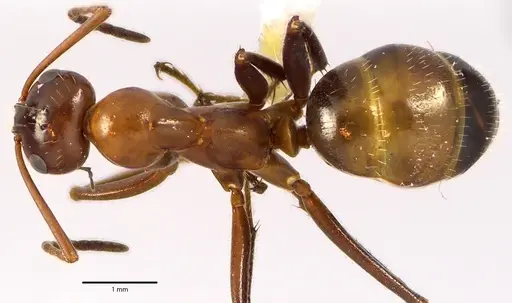
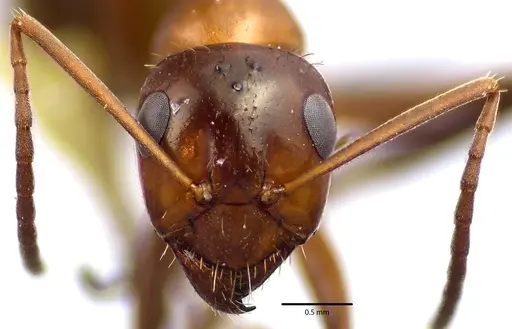
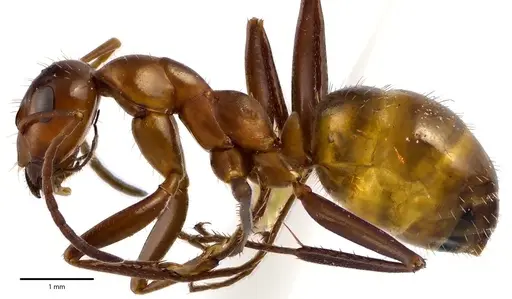
ANTWEB1041704
View on AntWeb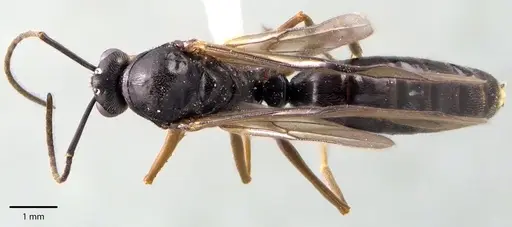
ANTWEB1041774
View on AntWeb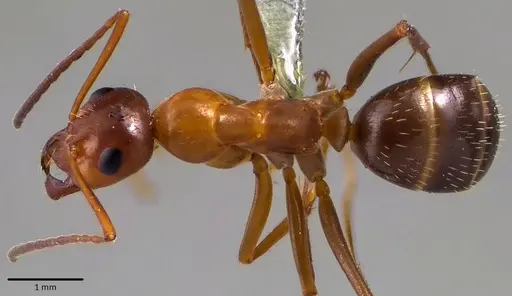
ANTWEB1041775
View on AntWeb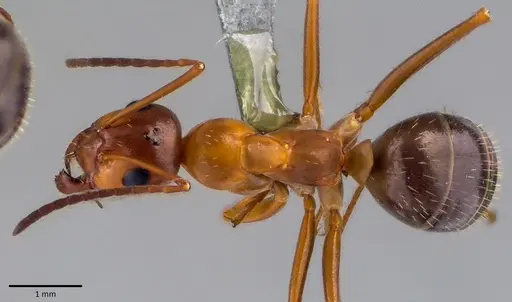
ANTWEB1060084
View on AntWeb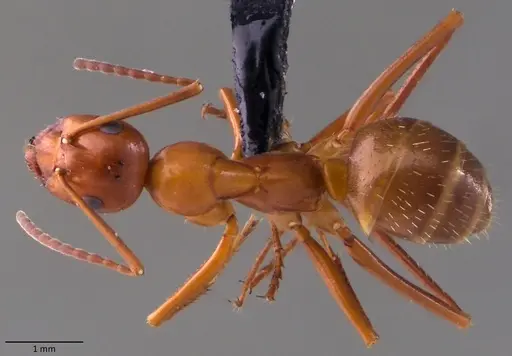
CASENT0105553
View on AntWeb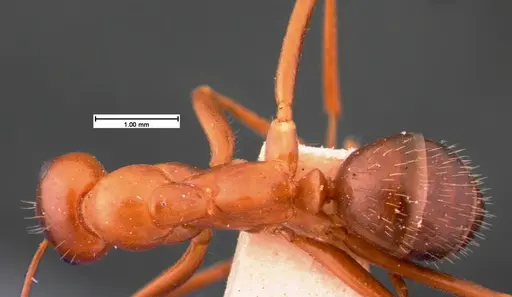
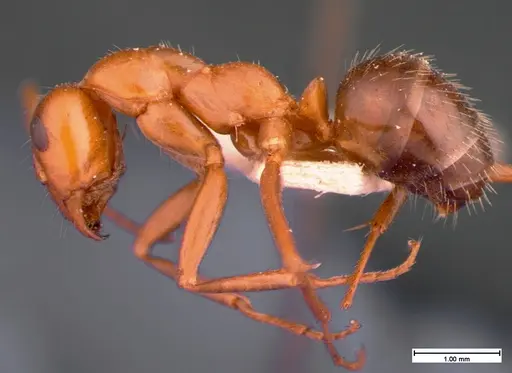
CASENT0172881
View on AntWeb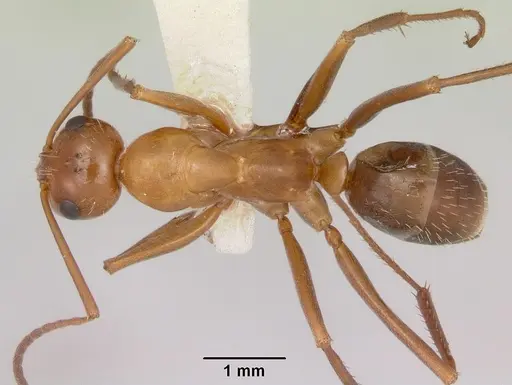
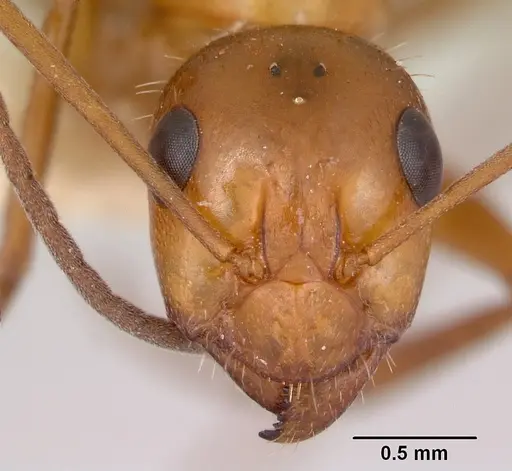
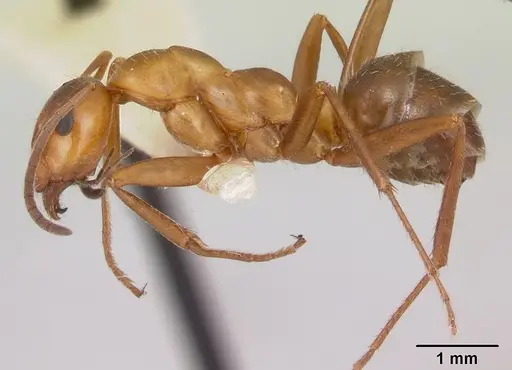
CASENT0172882
View on AntWeb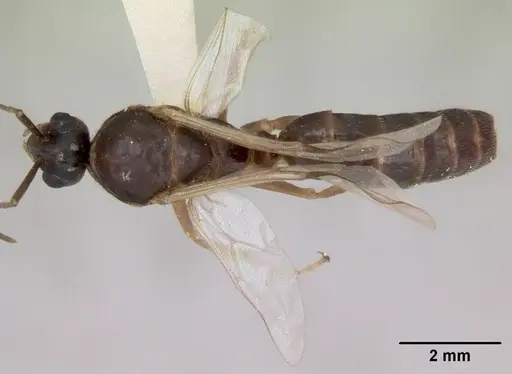
CASENT0172883
View on AntWeb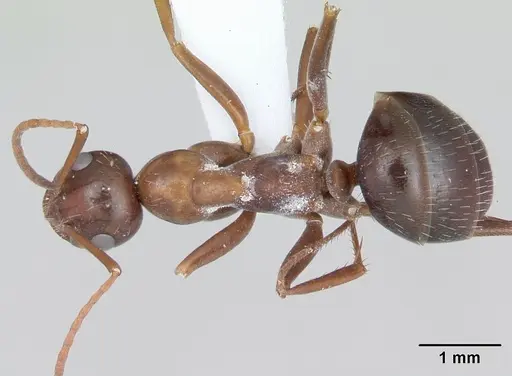
CASENT0172884
View on AntWeb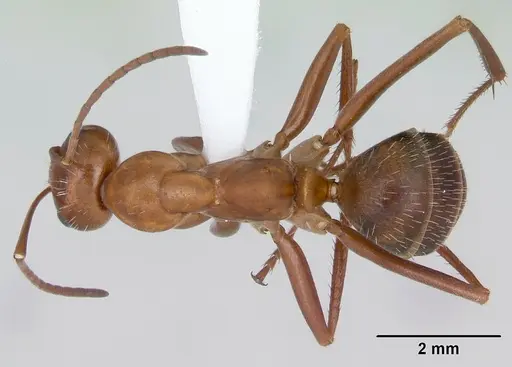
CASENT0172885
View on AntWeb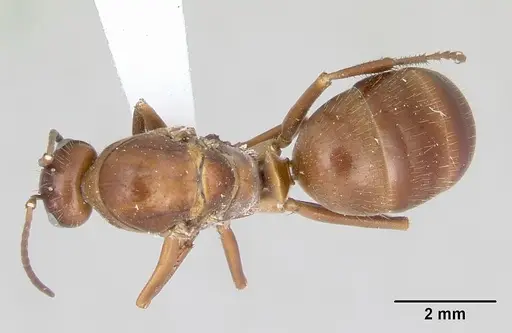
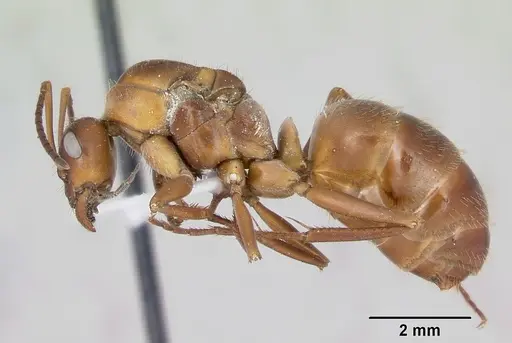
CASENT0280344
View on AntWeb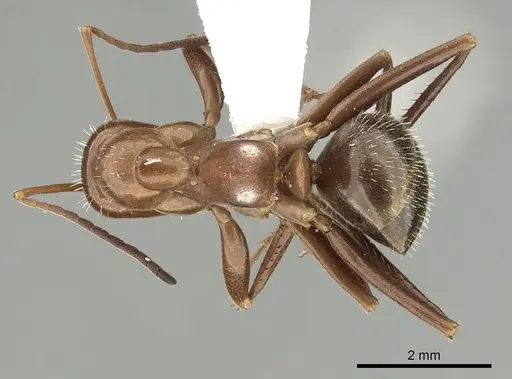
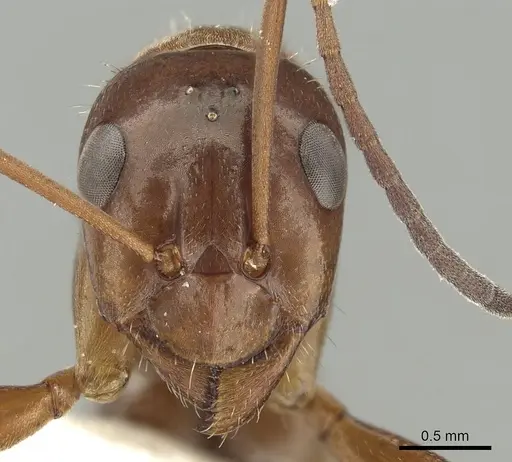
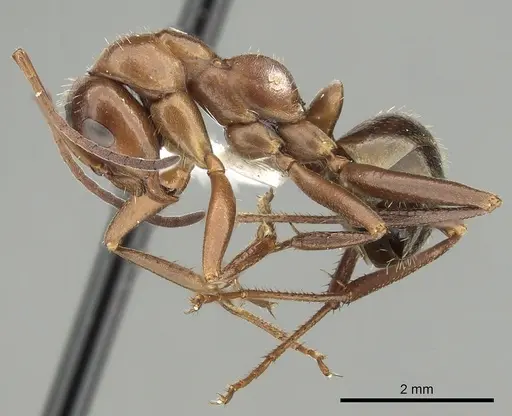
CASENT0280346
View on AntWeb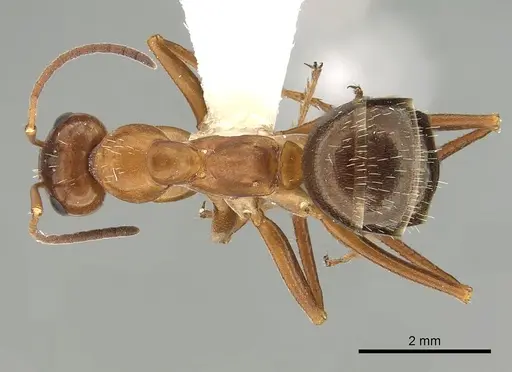
CASENT0905708
View on AntWeb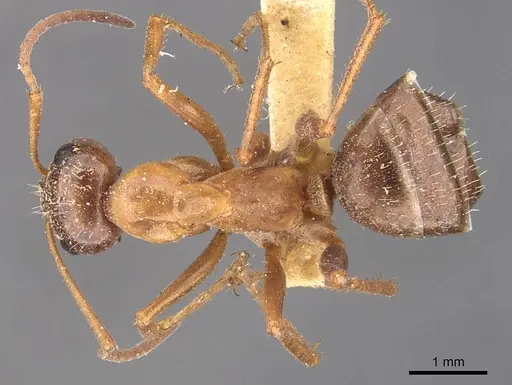
CASENT0905710
View on AntWeb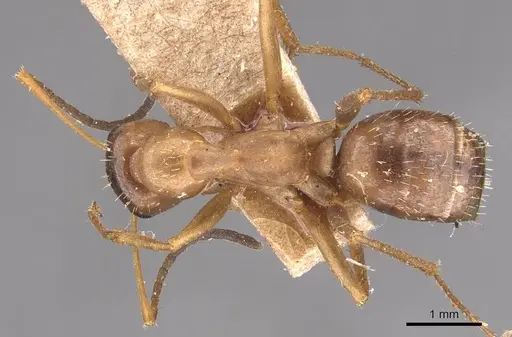
CASENT0923618
View on AntWeb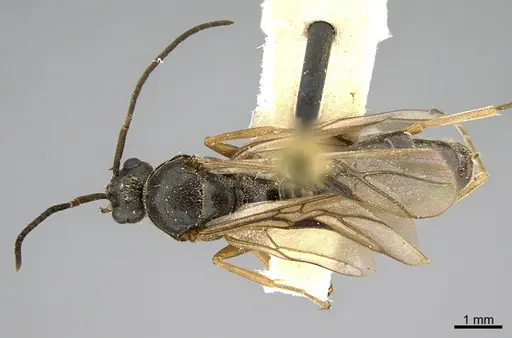
Literature
Loading...Loading products...