
Lasius niger follows a consistent seasonal pattern with peak activity in July. The flight window runs from July to August, providing several months of opportunity for observations.
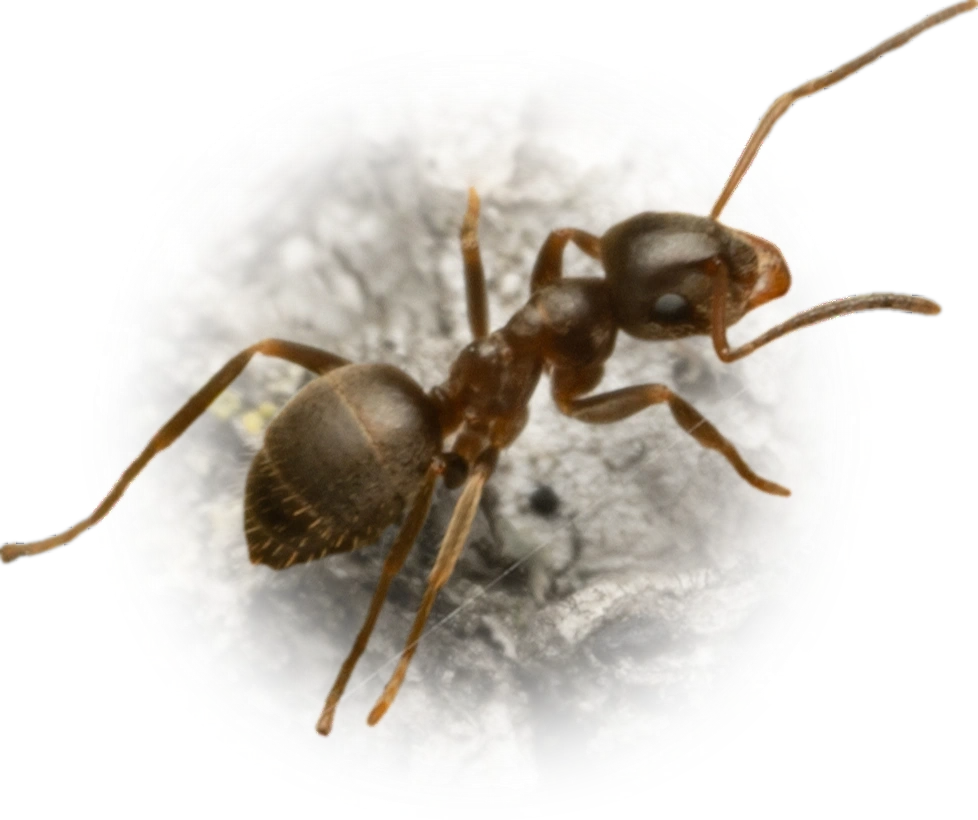
Lasius niger
- Scientific Name
- Lasius niger
- Tribe
- Lasiini
- Subfamily
- Formicinae
- Author
- Linnaeus, 1758
- Common Name
- Small Black Ant
- Distribution
- Found in 17 countries
- Nuptial Flight
- from June to August, peaking in July
Lasius niger Overview
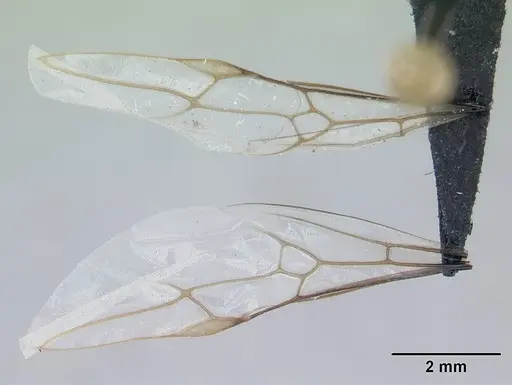
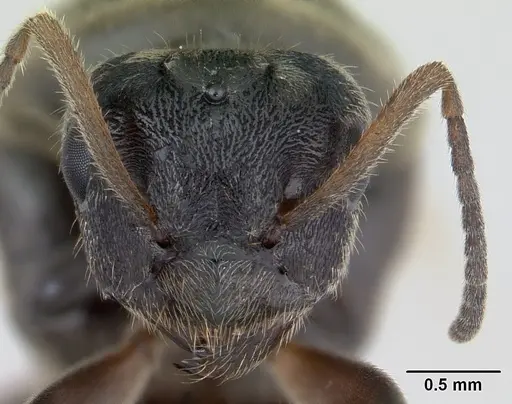
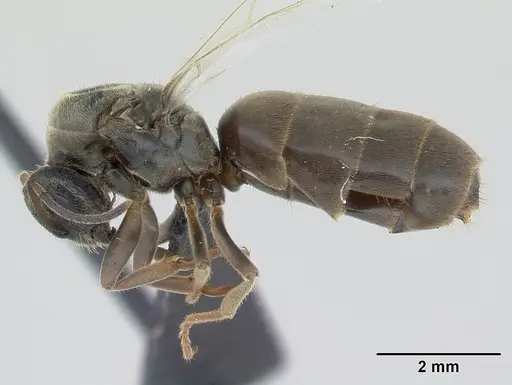
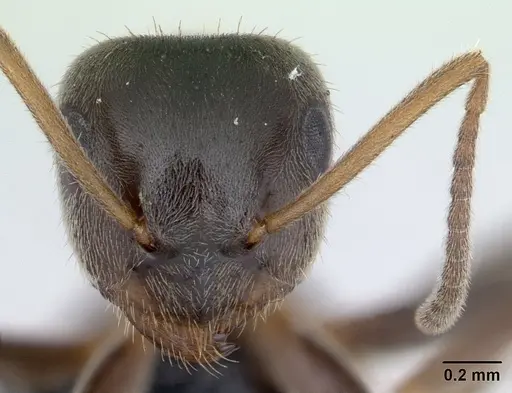
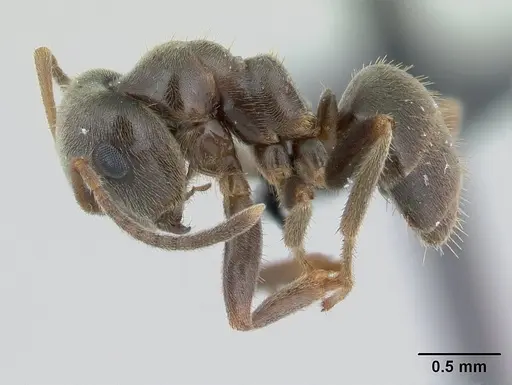
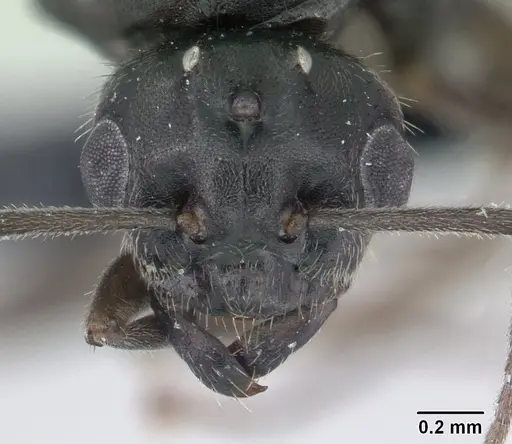
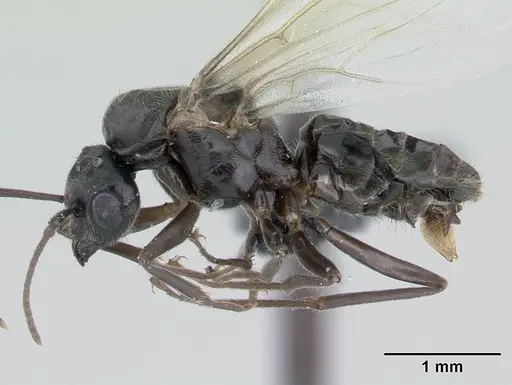
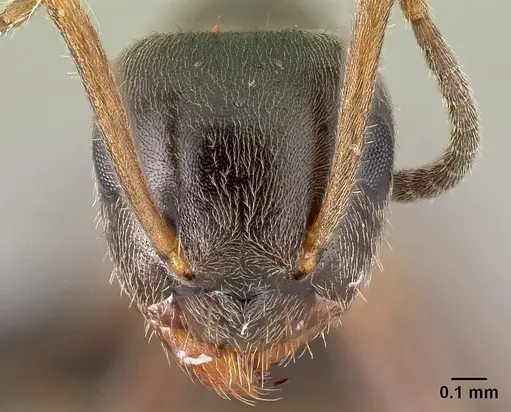
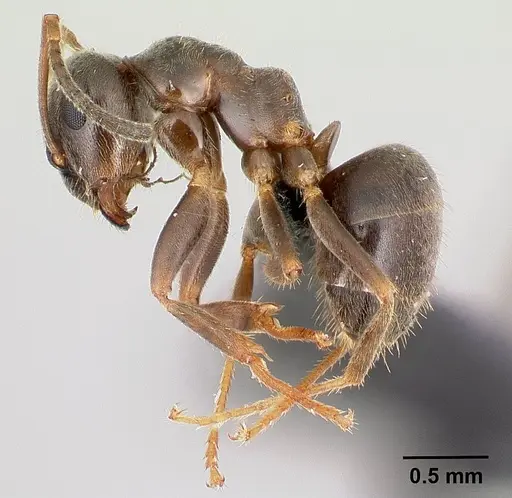
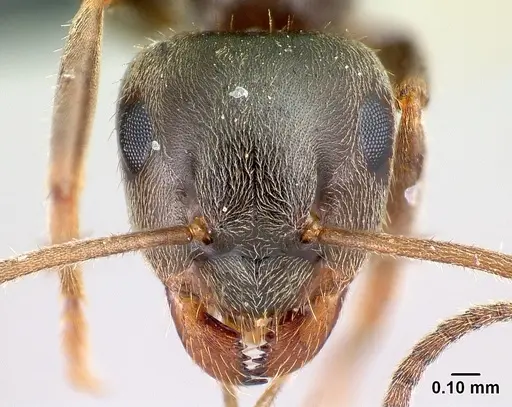
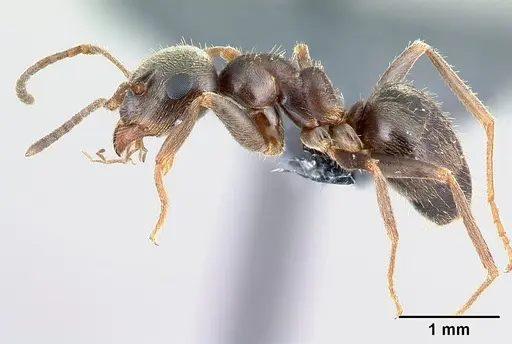
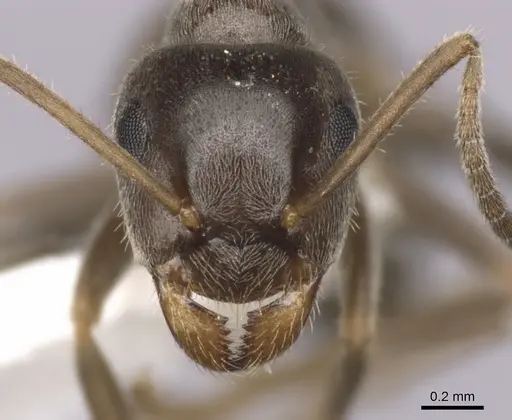
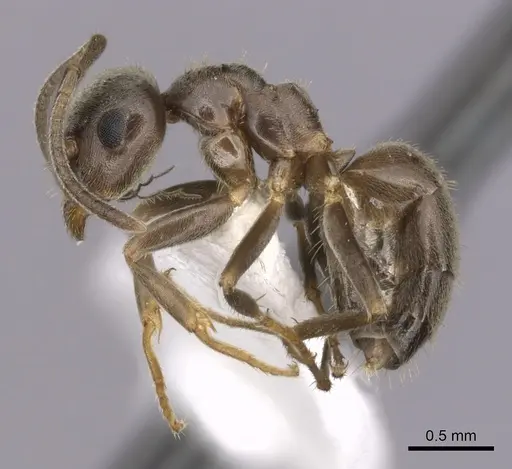
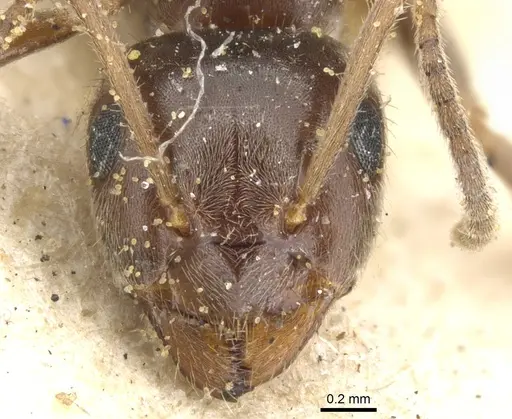
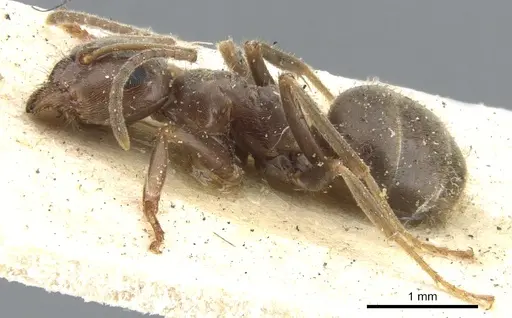
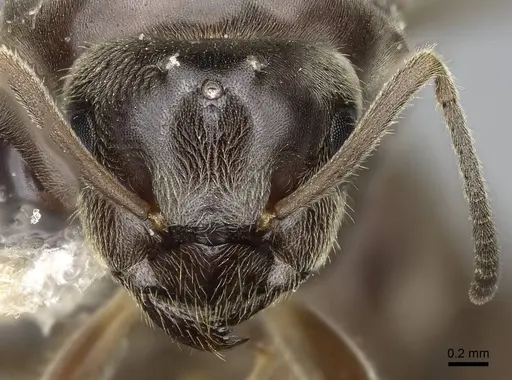
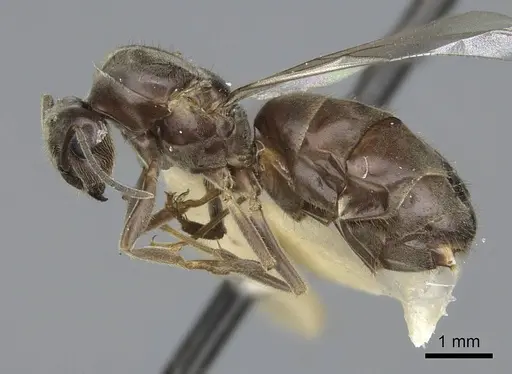
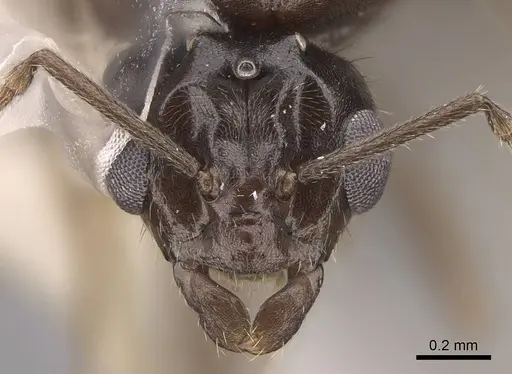
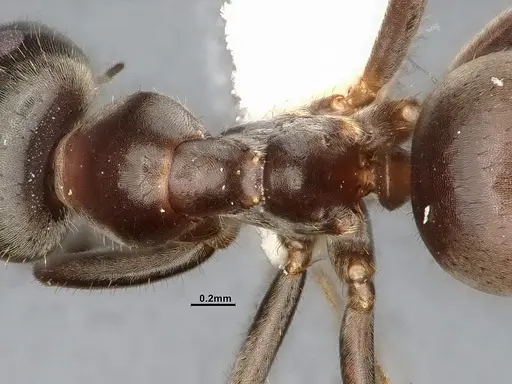
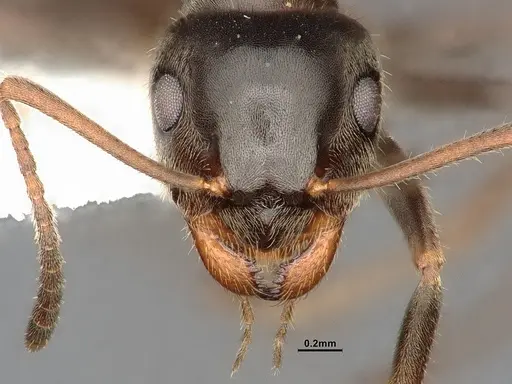
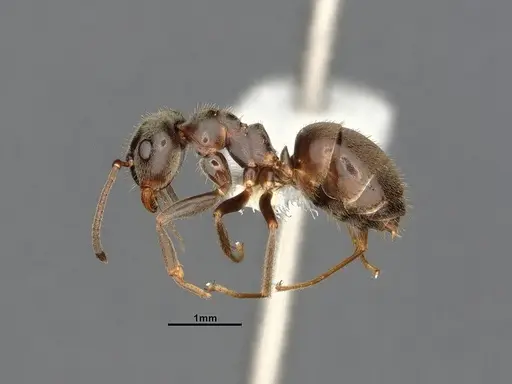
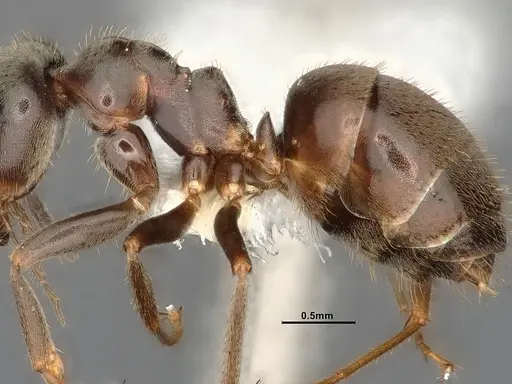
Lasius niger (commonly known as the Small Black Ant) is an ant species of the genus Lasius. It is primarily documented in 17 countries , including Belgium, Switzerland, Germany. Detailed taxonomic data and occurrence records can be further explored via authoritative databases such as AntWeb or the Global Biodiversity Information Facility (GBIF).
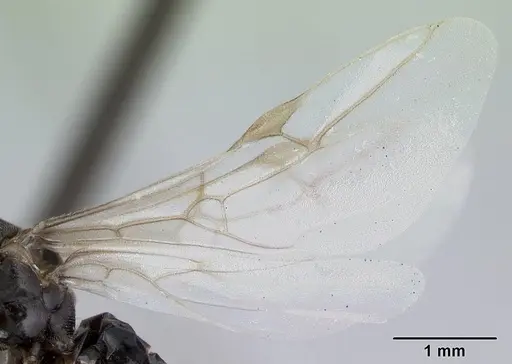
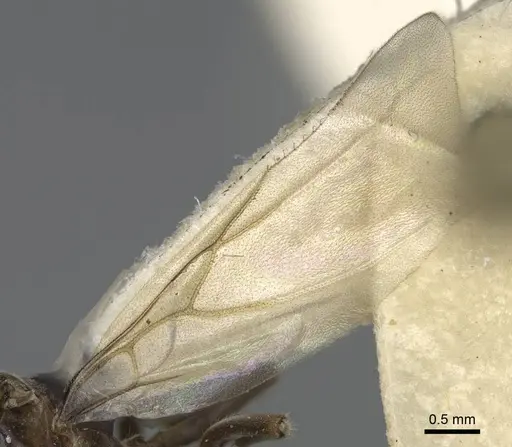
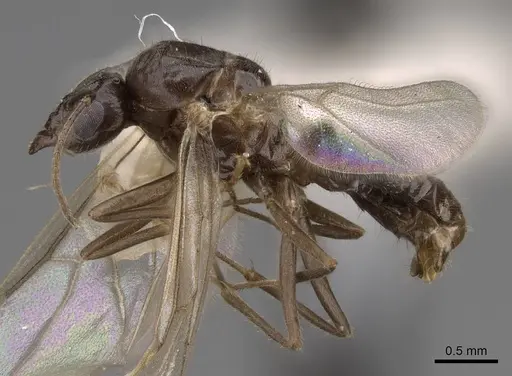
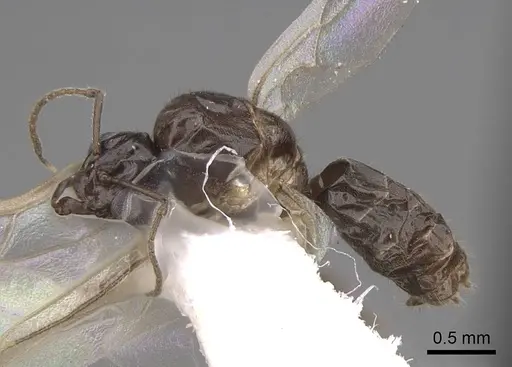
The nuptial flight of Lasius niger is a significant biological event, typically occurring from June to August, peaking in July. During this time, winged queens and males leave the nest to mate and establish new colonies.
Lasius niger - "Small Black Ant"
Lasius niger is the most common and widespread ant species in Europe, easily recognized by its dark brown to black coloration and relatively small workers (3-5mm). Queens are larger at 8-11mm and can live remarkably long, up to 28 years in laboratory conditions, making them the longest-lived ant queens known. This species thrives in virtually any habitat from gardens and parks to meadows and urban areas, making it a true cultural follower that has expanded alongside human development. Colonies are monogyne (single queen) and can grow to 10,000 workers. What makes this species particularly interesting is its sophisticated foraging behavior, it uses a combination of trail pheromones and route memory to efficiently locate food sources, and will even choose to ignore pheromone trails if its own memory suggests a better route.
Quick Summary
- Difficulty: Easy
- Origin & Habitat: Holarctic distribution spanning Europe, temperate Asia, and introduced to parts of North America. Found in gardens, meadows, parks, urban areas, agricultural land, and forest edges, essentially any open to semi-shaded habitat [1][2].
- Colony Type: Monogyne (single queen colonies). Queens mate once or twice (monandrous to slightly polyandrous) and colonies are strictly single-queen [3].
- Colony: Monogyne
- Founding: Claustral, Pleometrosis
- Size & Growth:
- Antkeeping:
- Temperature: Room temperature (18-24°C) is ideal. Keep between 18-25°C. Colonies can tolerate a range from 15°C to 30°C but grow best at moderate temperatures [8].
- Humidity: Moderate humidity preferred. Keep nest substrate moist but not waterlogged. They nest in soil and under stones, avoiding both very wet and very dry conditions [9].
- Diapause: Yes. Colonies require winter hibernation at 5-10°C for several months (November-March in temperate regions). Reduce feeding and keep cool during this period [10].
- Nesting: Flexible nesting preferences. In captivity, test tubes, Y-tong nests, or plaster nests work well. Provide moist substrate. In the wild they nest in soil (often with earthen mounds), under stones, in dead wood, and even in building foundations [9].
- Behavior: Lasius niger is an aggressive, territorial species that defends food sources vigorously. Workers forage individually and use mass recruitment through trail pheromones when quality food is discovered. They primarily feed on honeydew from aphids but also collect nectar, small insects, and will readily accept sugar water and protein in captivity. Escape prevention is straightforward as they're moderate-sized ants, standard barriers work well. They are diurnal and most active during warm daylight hours.
- Common Issues: queen mortality during hibernation if conditions are too wet or unstable, colonies may abandon test tube nests if too dry, aphid-tending can lead to secondary infestations if aphids escape, workers may escape if foraging area is not properly contained, slow initial colony growth during claustral founding phase can worry beginners
Nuptial Flight Activity Analysis 4664 observations
Flight Activity by Hour 4664 observations
Lasius niger nuptial flight activity peaks around 17:00 during the afternoon. Activity is spread across a 11-hour window (10:00–20:00). Times may be influenced by human observation patterns.
Housing and Setup
Lasius niger is remarkably adaptable when it comes to housing. Test tube setups work perfectly for founding colonies, simply fill one end with water trapped by a cotton ball, place the queen and eggs/workers in the dry portion, and wrap the tube in dark material for the first few weeks. For established colonies, Y-tong (AAC) nests, plaster nests, or naturalistic setups all work well. The key is providing a moisture gradient so ants can choose their preferred humidity zone. A foraging area should be connected to the nest with tubing, and you can use a simple outworld (plastic container) for feeding. Escape prevention is straightforward, a barrier of fluon or petroleum jelly around the rim of the foraging area is sufficient for these moderate-sized ants. [9]
Feeding and Diet
In the wild, Lasius niger gets most of its nutrition from honeydew secreted by aphids, but they're opportunistic omnivores. In captivity, offer a few drops of sugar water (25% concentration) or honey diluted with water 2-3 times per week as a carbohydrate source. For protein, small pieces of dead insects (fruit flies, mealworms, crickets) are readily accepted. They can be fed small amounts of fruit occasionally. Remove uneaten food after 24 hours to prevent mold. During hibernation, reduce feeding to almost nothing, then gradually increase as the colony breaks dormancy in spring. [13]
Temperature and Seasonal Care
Room temperature (18-24°C) suits Lasius niger perfectly. They can tolerate temperatures from 15-30°C but growth is optimal around 22°C. In winter (roughly November to March in the Northern Hemisphere), colonies need a true hibernation period. Move the nest to a cool location (5-10°C) like an unheated garage or basement. Do not feed during hibernation. In spring, gradually warm the colony and resume normal feeding. Nuptial flights occur from July to August, winged queens and males will emerge from established colonies. [10]
Colony Development
A newly mated queen will seal herself into a claustral chamber and lay eggs without eating, she metabolizes her fat reserves and wing muscles to feed the first brood. The first workers (nanitics) emerge 6-8 weeks later and begin foraging. Initial colony growth is slow, expect only a dozen or so workers by the end of the first year. Once the colony reaches 50-100 workers, growth accelerates significantly. A mature colony can reach 5,000-10,000 workers over several years. Queens can live for decades, making this a long-term commitment. [6]
Behavior and Foraging
Lasius niger uses sophisticated recruitment communication. When a forager discovers a good food source, it lays a pheromone trail back to the nest. Returning foragers deposit more pheromone for higher-quality food sources, and other workers follow the trail. Interestingly, experienced foragers will often ignore pheromone trails if their own memory indicates a better route, they prioritize private information over social information when confident. Workers are aggressive defenders of food sources and will readily attack intruders. They also tend aphids for honeydew and will protect aphid colonies from predators.
Frequently Asked Questions
How long does it take for Lasius niger to lay first eggs after mating?
Queens typically begin laying eggs 1-3 days after settling in their claustral chamber [11]. The first eggs appear within the first week after the nuptial flight.
When will my Lasius niger colony produce alates (winged ants)?
Colonies usually need to be at least 2-3 years old before producing sexuals (queens and males). Alates typically appear in the nest from late June and conduct nuptial flights from July through August [12].
Do Lasius niger ants need hibernation?
Yes, they require a winter dormancy period. Keep colonies at 5-10°C from November to March without feeding. This rest period is essential for colony health and triggers the reproductive cycle [10].
Can I keep multiple Lasius niger queens together?
No. While pleometrosis (multiple queens founding a colony together) occurs in the wild, only one queen survives after workers emerge. In captivity, keeping multiple unrelated queens will result in fighting. Only keep one queen per colony [11].
What do Lasius niger eat?
They primarily need carbohydrates (sugar water, honey) and protein (dead insects). Offer sugar water 2-3 times weekly and small insects once or twice weekly. Remove uneaten food after 24 hours [13].
How big do Lasius niger colonies get?
Mature colonies can reach 5,000-10,000 workers over several years. With a long-lived queen (up to 28 years), colonies can become massive if well cared for [5].
Are Lasius niger good for beginners?
Yes, they're excellent for beginners. They're hardy, tolerate a range of conditions, and aren't picky about food. The main challenges are providing proper hibernation and being patient during the slow first year of colony growth [1].
References

This caresheet is licensed under CC BY-SA 4.0 .
CASENT0005404
View on AntWeb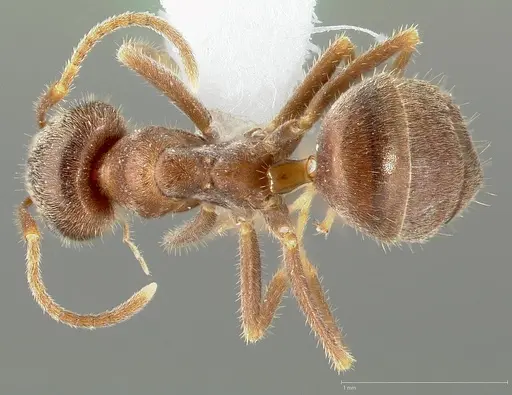
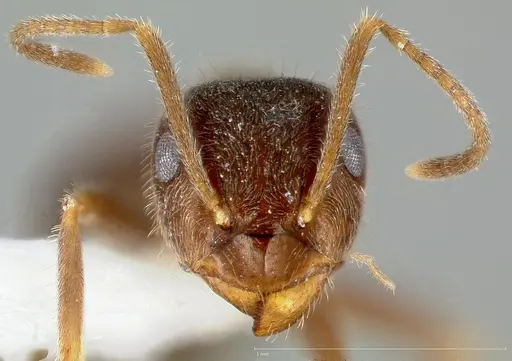
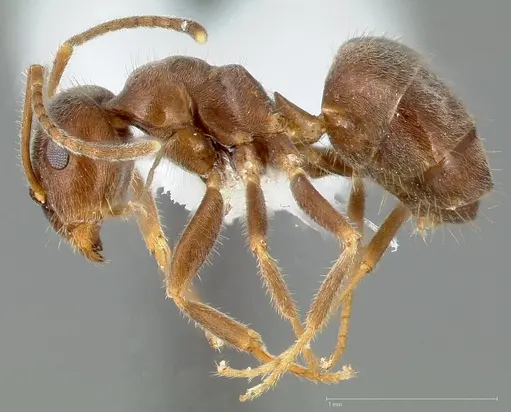
CASENT0178773
View on AntWeb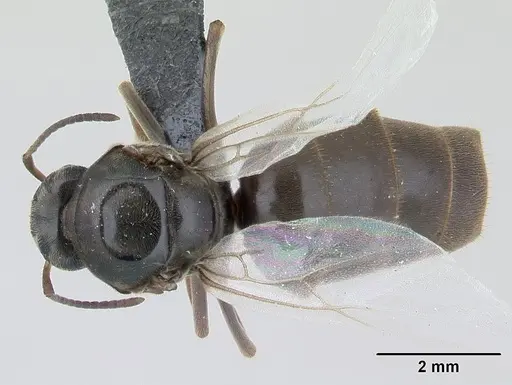
CASENT0178774
View on AntWeb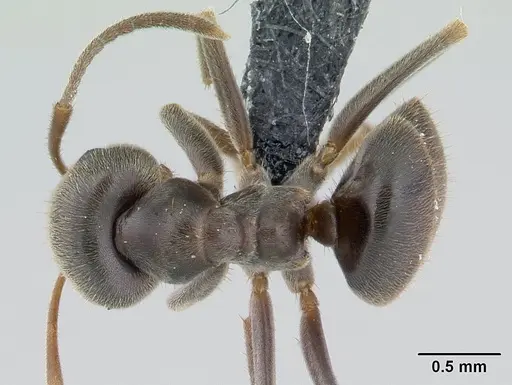
CASENT0178775
View on AntWeb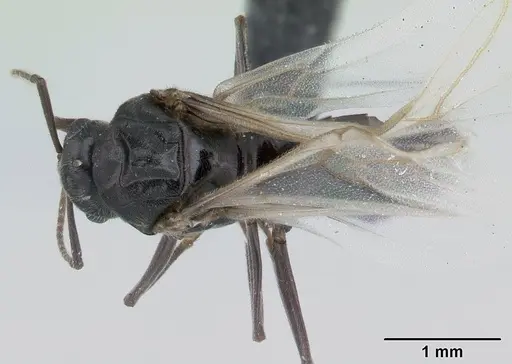
CASENT0179897
View on AntWeb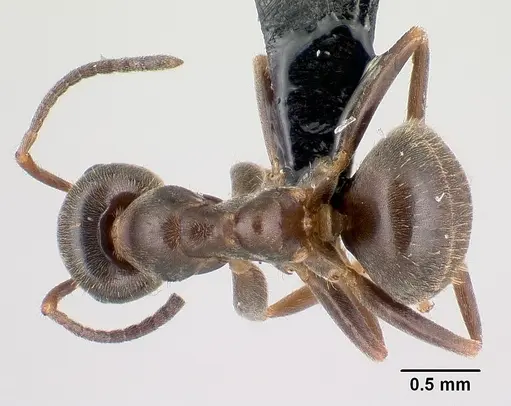
CASENT0179929
View on AntWeb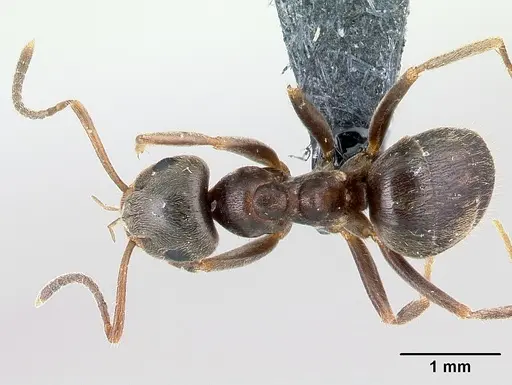
CASENT0280452
View on AntWeb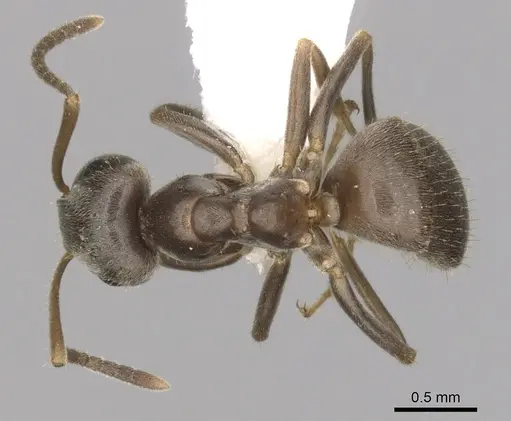
CASENT0903221
View on AntWeb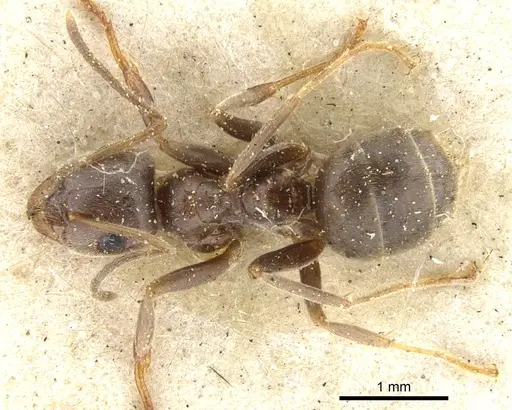
CASENT0923060
View on AntWeb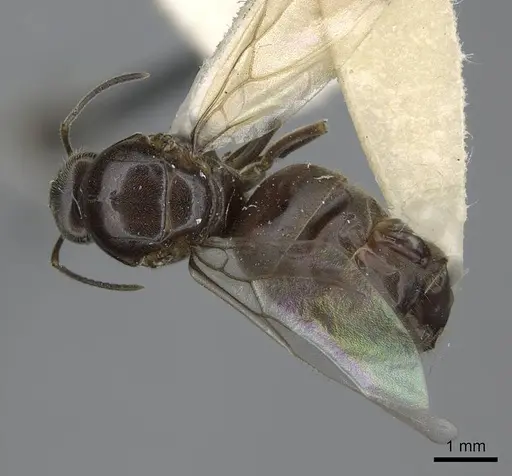
CASENT0923061
View on AntWeb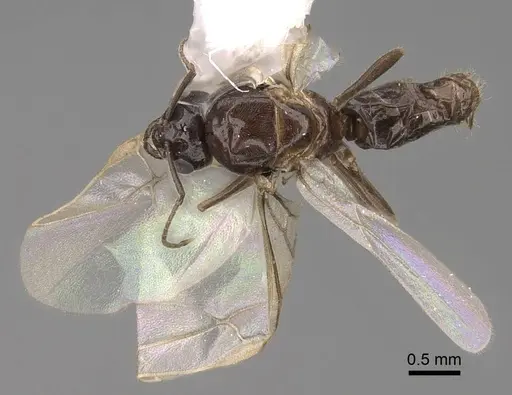
CASENT4031895
View on AntWeb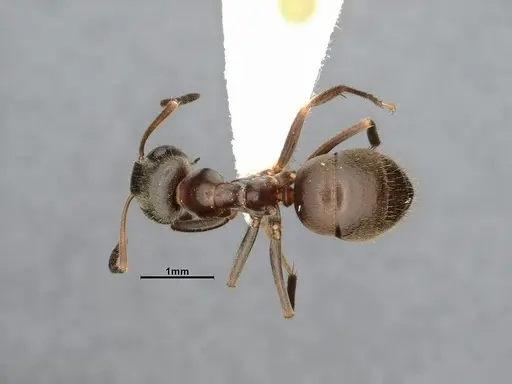
Literature
Loading...Loading products...