

Formica pergandei
- Scientific Name
- Formica pergandei
- Tribe
- Formicini
- Subfamily
- Formicinae
- Author
- Emery, 1893
- Common Name
- Pergande's Mound Ant
- Distribution
- Found in 2 countries
Formica pergandei Overview
Formica pergandei (commonly known as the Pergande's Mound Ant) is an ant species of the genus Formica. It is primarily documented in 2 countries , including Canada, United States of America. Detailed taxonomic data and occurrence records can be further explored via authoritative databases such as AntWeb or the Global Biodiversity Information Facility (GBIF).
Formica pergandei - "Pergande's Mound Ant"
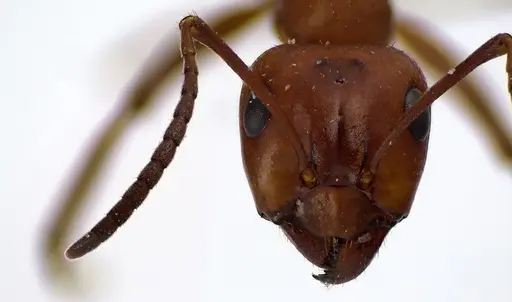
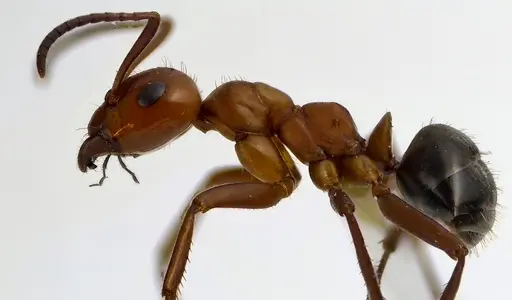
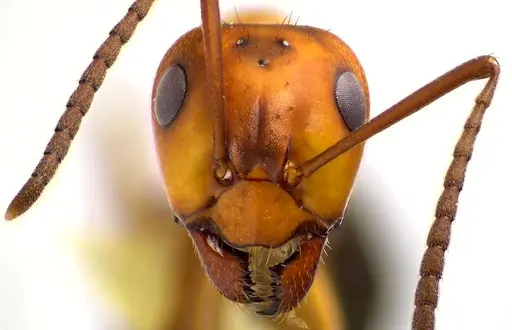
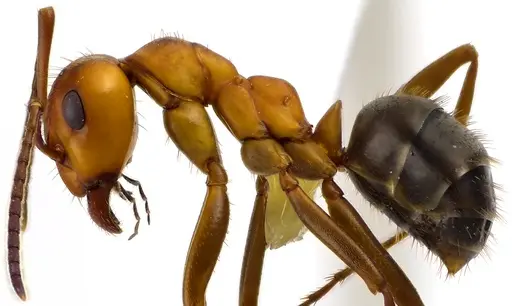
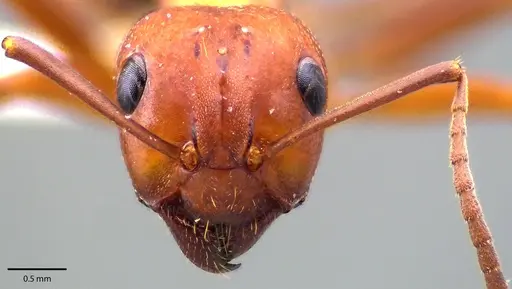
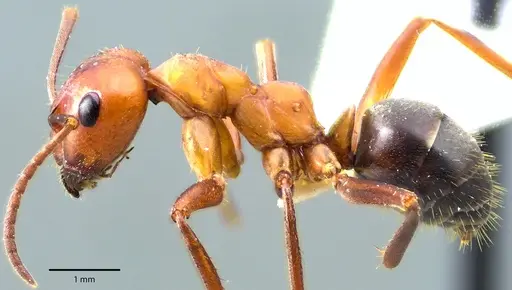
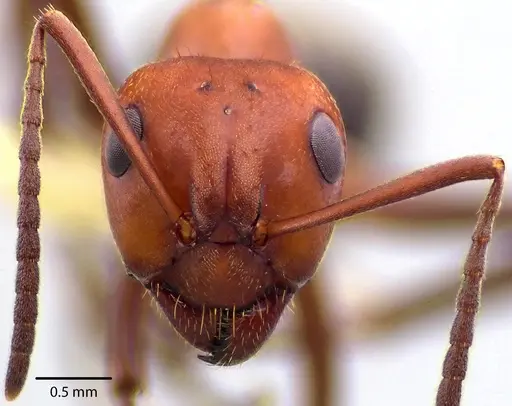
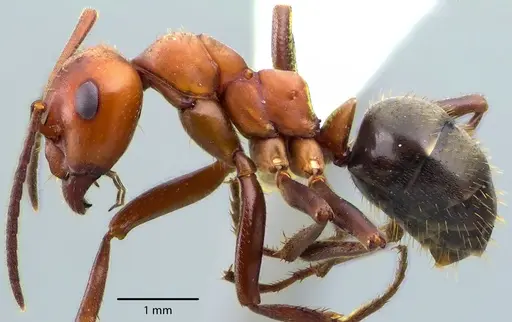
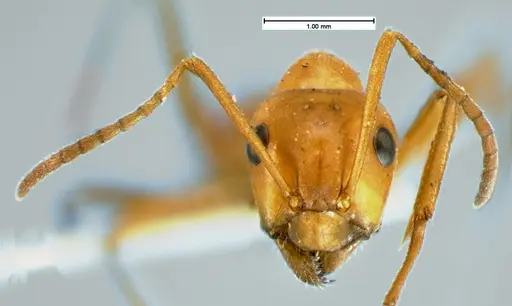
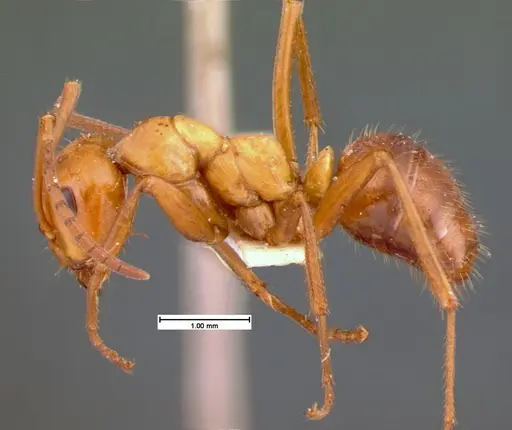
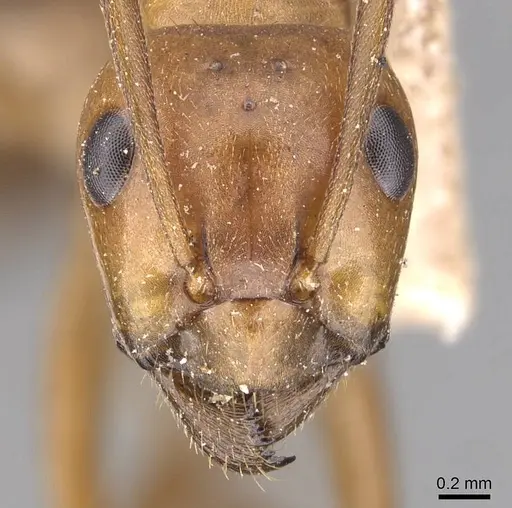
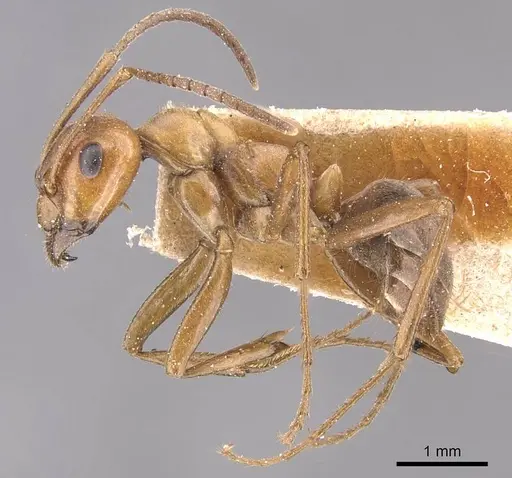
Formica pergandei is a medium-sized reddish-brown ant native to eastern North America. Workers measure around 4-7mm with a distinctive dark gaster and relatively shiny head and pronotum. This species is a facultative slave-maker, it can form colonies without slaves but strongly prefers to raid nearby ant colonies and enslave their workers. The colony founding queen invades a host colony, kills or displaces the existing queen, and raises her brood using the host workers who accept her as their own. Once established, the colony conducts raids on neighboring ant nests to capture more slaves. F. pergandei is one of the most widespread slave-maker ants in North America, found from Quebec south to North Carolina and west to the Great Plains [1][2].
Quick Summary
- Difficulty: Expert
- Origin & Habitat: Woodlands, woodland edges, semi-open areas near forests, and prairies across eastern North America (Quebec to North Carolina, west to North Dakota) [1]. Nests under rotten logs, large branches, or in soil [1].
- Colony Type: Facultative slave-maker (dulotic). Colonies typically have a single queen but can be polygynous (multiple queens). Queens can found colonies by invading host ant nests. Workers are produced from enslaved host species [3][1].
- Colony: Optionally polygyne
- Queen: Socially parasitic
- Special: Slave-making
- Size & Growth:
- Queen: Approximately 7-9mm (estimated based on related Formica species)
- Worker: 4-7mm [4]
- Colony: Mixed colonies can reach several thousand workers, though F. pergandei workers are typically outnumbered by their slaves [5]
- Growth: Moderate
- Development: Approximately 6-8 weeks at optimal temperature (estimated from related Formica species) (Development occurs during warm summer months when raids take place)
- Antkeeping:
- Temperature: Keep at room temperature (20-24°C). Colonies are active during summer raids when temperatures are warm but not extreme [5].
- Humidity: Moderate humidity preferred. Nest in soil or under logs suggests tolerance for varying moisture levels.
- Diapause: Yes, colonies enter winter dormancy. Alates produced June-August, with nuptial flights in July [5].
- Nesting: Soil nests or under rotting logs/branches. In captivity, a naturalistic setup with soil substrate and hiding spots works well. Colonies relocate when raiding distances become too great [6].
- Behavior: This is an aggressive slave-maker species. Workers conduct raids on neighboring ant colonies, primarily targeting species in the F. fusca, F. pallidefulva, and F. neogagates groups. They produce propaganda pheromones (acetate esters) that confuse host colonies during raids [7]. Workers are not particularly large but can be aggressive when defending the nest. Escape risk is moderate, use standard formicarium barriers.
- Common Issues: Obtaining initial colony is difficult, you cannot simply collect a queen, you need a colony with host species, Keeping host species alive alongside the slave-maker requires careful planning, Slave-maker colonies may decline if they cannot raid and acquire new slaves, Mixed colonies require more space and attention than standard ant colonies, Legal restrictions may apply, check local regulations before collecting
Understanding Slave-Maker Biology
Formica pergandei belongs to a group of ants called facultative slave-makers. Unlike obligate slave-makers that cannot survive without enslaved workers, F. pergandei can technically found colonies without slaves, but they thrive when they have access to host colonies. The colony founding process is remarkable: a newly mated queen seeks out a small colony of a host species (typically Formica pallidefulva, F. fusca, F. neogagates, or related species). She infiltrates the nest, kills or displaces the host queen, and uses the existing workers to raise her first brood. These workers, despite being from a different species, accept her as their queen because she acquires the colony's chemical signature. Once her workers emerge, the colony becomes capable of conducting raids on other ant nests to capture more slaves [1][2]. This parasitic lifestyle makes them challenging to keep, you cannot simply collect a single queen and expect a colony to develop normally.
Housing and Nest Setup
Keeping F. pergandei requires a mixed-species setup. You will need to maintain both the slave-maker colony AND appropriate host species. A naturalistic setup with a soil chamber works best, as this mimics their natural nesting under logs and in soil. The enclosure should include multiple sections: one for the F. pergandei colony, and separate sections for host colonies. This allows you to observe the raiding behavior. Use a standard formicarium with a dirt chamber, but ensure you can separate host colonies. Provide constant access to protein foods (insects) for both the slave-makers and their hosts. Because colonies may relocate when raiding distances increase [6], provide enough space for the colony to move closer to potential host colonies. Escape prevention is important, while not tiny ants, they are active and determined.
Feeding and Nutrition
Both the slave-makers and their enslaved workers need proper nutrition. F. pergandei workers are omnivorous and will consume protein (insects), sugar sources, and honeydew. The enslaved host workers also need to be fed, they will forage for food just like normal ants. Offer a varied diet: small insects (fruit flies, small crickets, mealworms), sugar water or honey, and occasionally seeds. In a mixed colony, you may observe the slave-makers directing their enslaved workers to food sources, which is fascinating behavior to watch. Feed both colonies protein 2-3 times per week, and keep sugar water available at all times. Uneaten prey should be removed within 24-48 hours to prevent mold.
Raiding Behavior and Colony Dynamics
The most fascinating aspect of keeping F. pergandei is observing their raiding behavior. Raids typically occur between June and August in North America [5]. During a raid, a group of F. pergandei workers approaches a host colony, using propaganda pheromones (acetate esters from their Dufour's gland) to confuse and disorient the defenders [7]. They capture pupae and larvae from the host colony and bring them back to their own nest. These captured brood emerge as workers of the host species, but they accept the slave-maker queen as their own due to chemical imprinting. In mixed colonies, there are typically more enslaved workers than slave-makers [5]. The colony may relocate to shorten raiding distances when host colonies become too far away [6]. This dynamic behavior makes them fascinating but challenging to keep.
Seasonal Care and Overwintering
F. pergandei follows a typical temperate ant seasonal cycle. Alate (reproductive) brood develops from June to July, with nuptial flights occurring in July [5]. After mating, new queens must find host colonies to invade, this is how new colonies form in the wild. In captivity, you would need to provide this opportunity or collect an already-established mixed colony. As autumn approaches, the colony becomes less active and prepares for winter. Like most Formica species in temperate regions, they require a winter dormancy period (diapause). Keep the colony at cool temperatures (5-10°C) during winter, similar to other North American Formica species. Reduce feeding significantly during this period and allow the colony to rest.
Is This Ant Right for You?
Formica pergandei is NOT a beginner species. The primary challenge is that you cannot simply collect a queen and raise a colony from scratch, you need an established mixed colony with host species, or you must successfully introduce a queen into a host colony (which has low success rates). Even if you obtain a mixed colony, maintaining both the slave-maker and host species requires extra space, attention, and resources. Additionally, slave-maker colonies can be unstable, if they cannot raid and acquire new slaves periodically, the colony may decline. Only experienced antkeepers who have successfully kept other Formica species and understand parasitic ant biology should attempt this species. The reward is observing one of nature's most complex social behaviors, raiding, enslavement, and mixed-colony dynamics, but the difficulty is substantial.
Frequently Asked Questions
Can I keep Formica pergandei like a normal ant colony?
No. F. pergandei is a slave-maker ant that requires host species to function properly. You cannot simply collect a queen and raise a colony, you need an established mixed colony containing both the slave-maker and enslaved host workers.
How do I get a Formica pergandei colony?
The only practical way to start is to collect an already-established mixed colony from the wild. This means finding a nest that contains both F. pergandei workers and their enslaved host species (typically Formica pallidefulva, F. fusca, or related species). Collecting a lone queen will not work because she cannot found a colony alone, she must invade a host colony.
What host species do I need to keep with Formica pergandei?
F. pergandei enslaves species in the Formica fusca, F. pallidefulva, F. neogagates, F. microgyna, and F. rufa species groups. In practice, the most common hosts are F. pallidefulva, F. subsericea, F. dolosa, F. incerta, and F. neogagates. You will need at least one of these host species living alongside your slave-maker colony.
How long do Formica pergandei colonies live?
Colonies can persist for many years in the wild, one Michigan study documented a colony remaining in the same location for 10 years [5]. With proper care, established mixed colonies can potentially live for decades, similar to other long-lived Formica species.
Are Formica pergandei good for beginners?
No. This is an expert-level species due to the complexity of maintaining a mixed-species colony. You need experience with antkeeping first, particularly with other Formica species. Start with easier species like Lasius niger or Formica rufa before attempting slave-makers.
Do I need to hibernate Formica pergandei?
Yes. As a temperate North American species, they require a winter dormancy period. Reduce temperatures to 5-10°C for 3-4 months during winter, similar to other Formica species in your collection.
How fast do Formica pergandei colonies grow?
Growth is moderate. The colony depends on raids to increase its slave population, which can fluctuate based on the availability of nearby host colonies. The slave-maker workers themselves are produced from the queen's eggs and develop at a typical Formica rate of 6-8 weeks from egg to adult.
References

This caresheet is licensed under CC BY-SA 4.0 .
ANTWEB1041602
View on AntWeb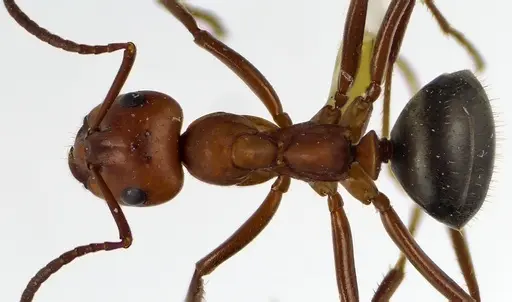
ANTWEB1041630
View on AntWeb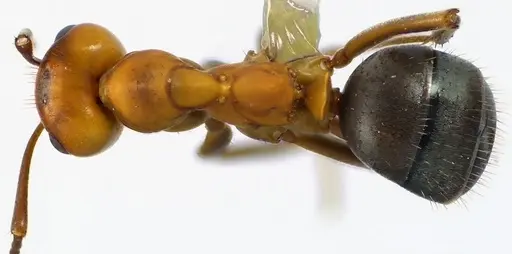
ANTWEB1041694
View on AntWeb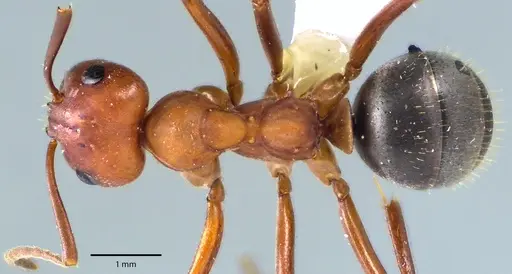
ANTWEB1041709
View on AntWeb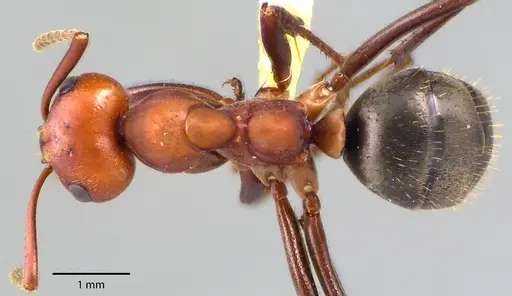
CASENT0104871
View on AntWeb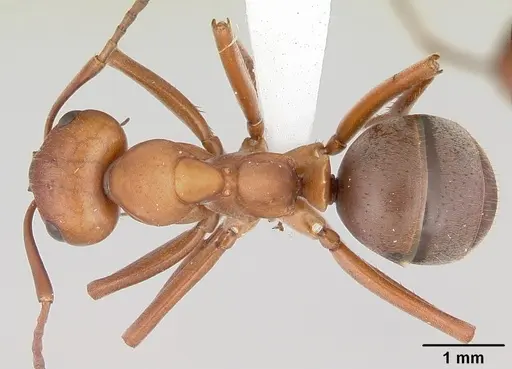
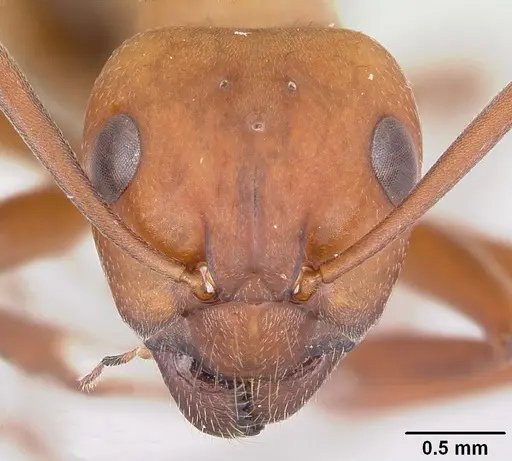
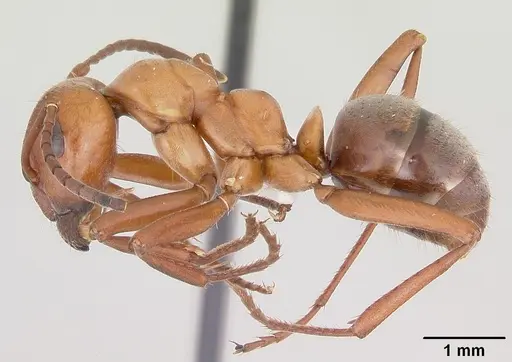
CASENT0105542
View on AntWeb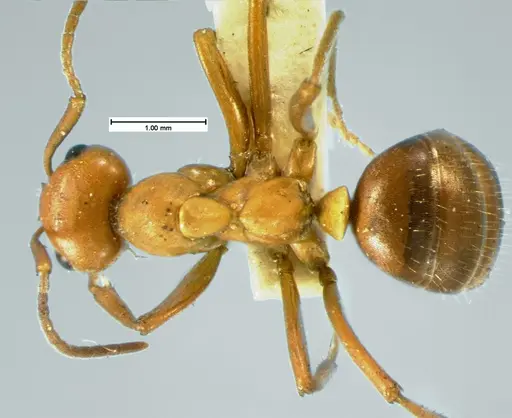
CASENT0905697
View on AntWeb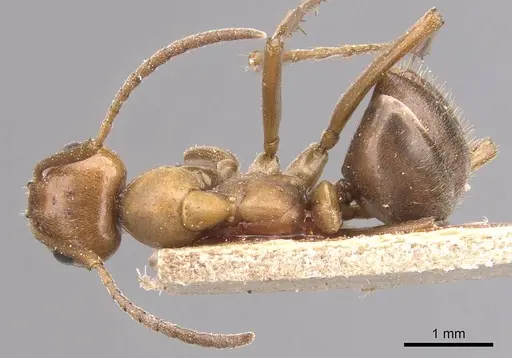
Literature
Loading...Loading products...