Formica pallidefulva exhibits a clear seasonal flight window. Peak flight activity is concentrated in July, with the overall period spanning June to July. The concentrated timeframe makes peak months critical for sightings.
Formica pallidefulva
- Scientific Name
- Formica pallidefulva
- Tribe
- Formicini
- Subfamily
- Formicinae
- Author
- Latreille, 1802
- Common Name
- Variable Field Ant
- Distribution
- Found in 2 countries
- Nuptial Flight
- from June to July, peaking in July
AI Identifiable
try →
Formica pallidefulva Overview
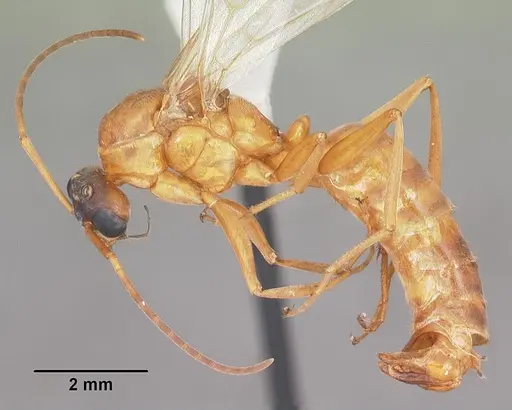
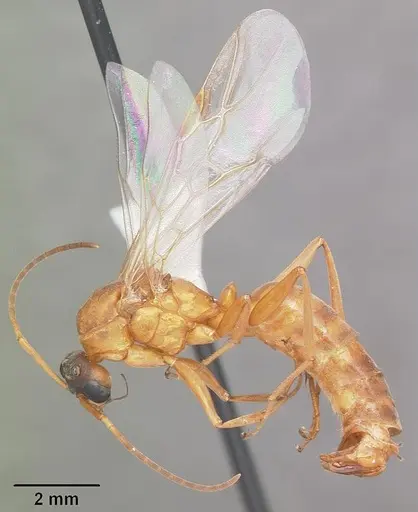
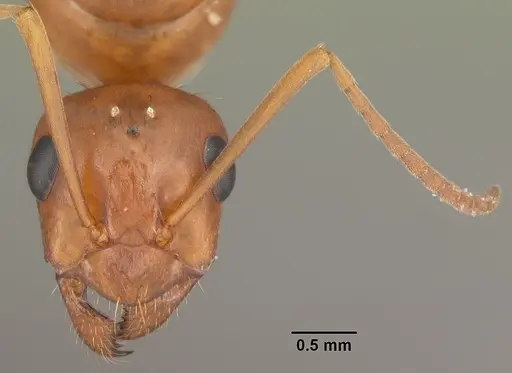
Formica pallidefulva (commonly known as the Variable Field Ant) is an ant species of the genus Formica. It is primarily documented in 2 countries , including Canada, United States of America. Detailed taxonomic data and occurrence records can be further explored via authoritative databases such as AntWeb or the Global Biodiversity Information Facility (GBIF).
The nuptial flight of Formica pallidefulva is a significant biological event, typically occurring from June to July, peaking in July. During this time, winged queens and males leave the nest to mate and establish new colonies.
Formica pallidefulva - "Variable Field Ant"
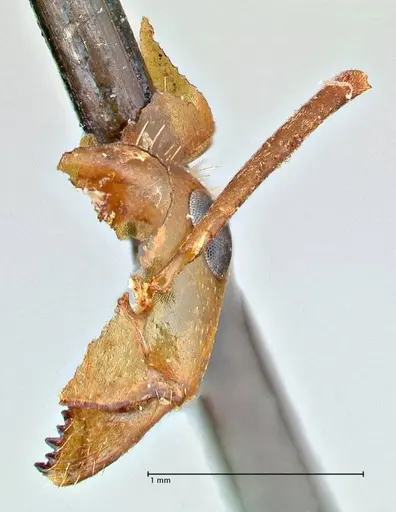
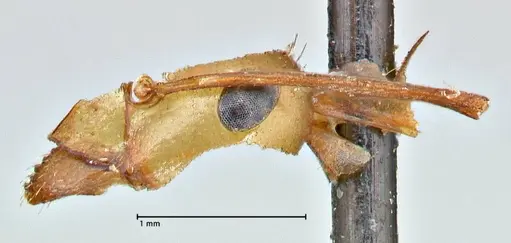
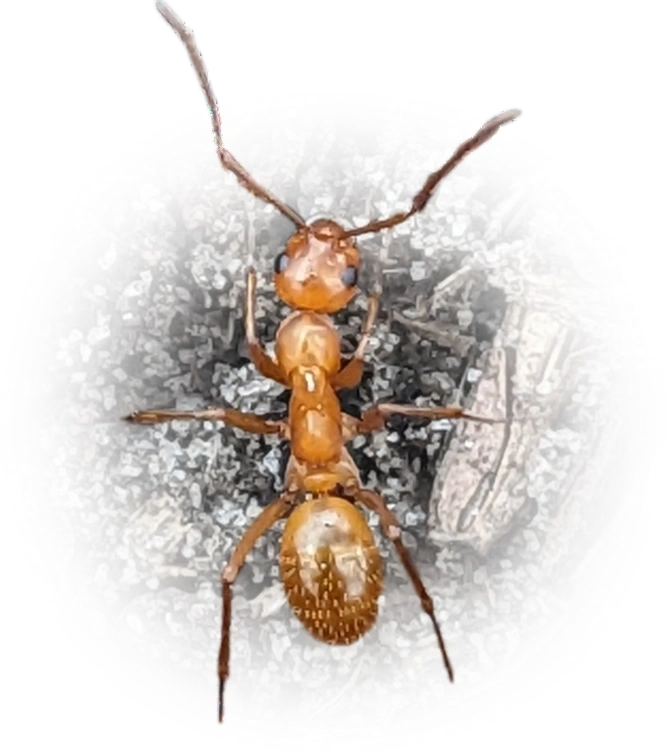
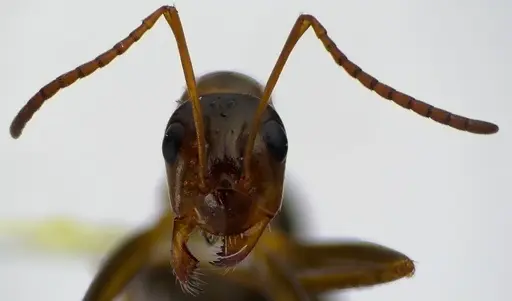
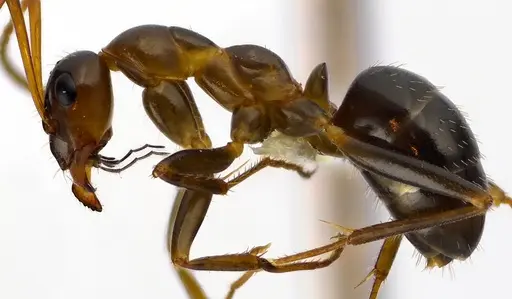
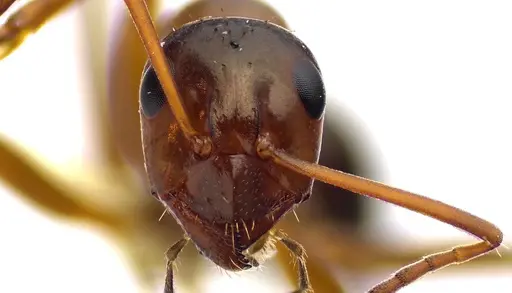
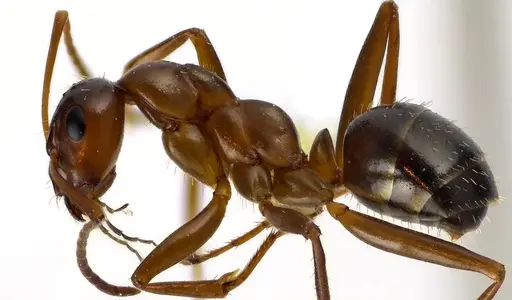
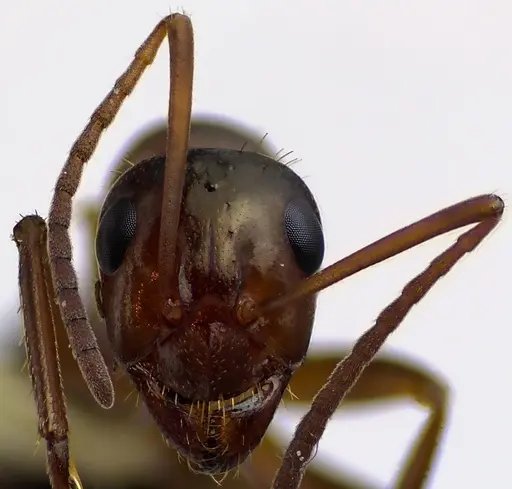
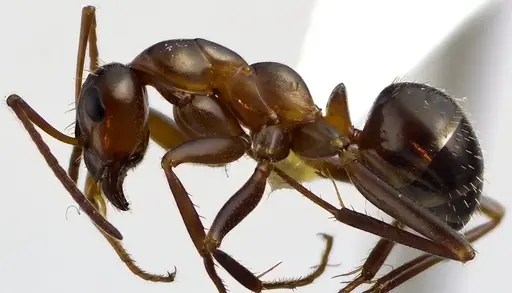
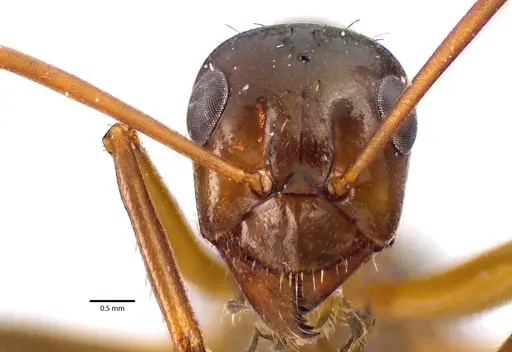
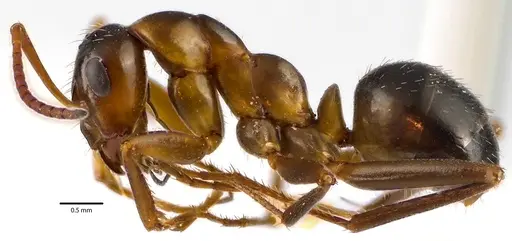
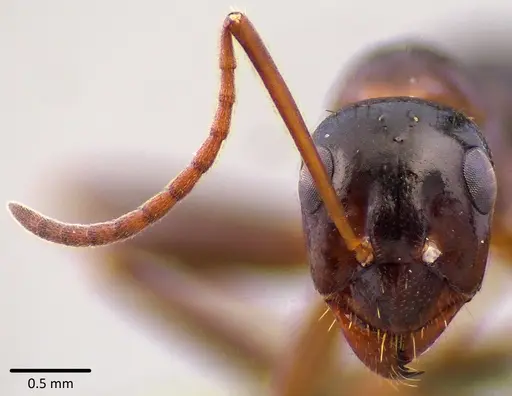
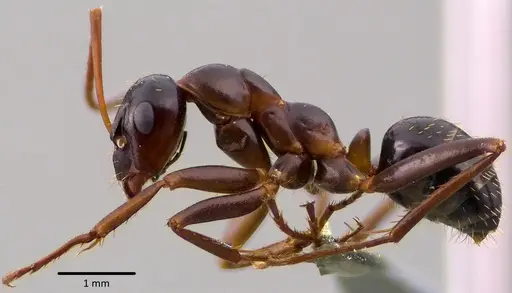
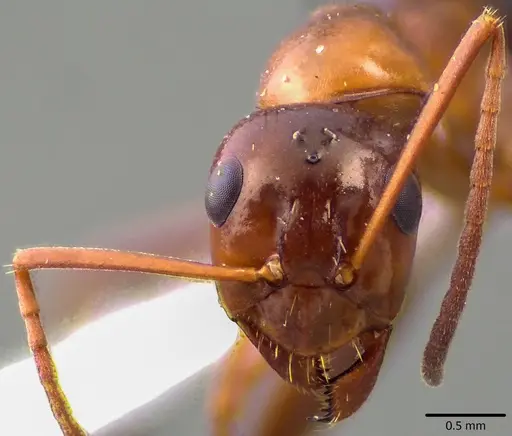
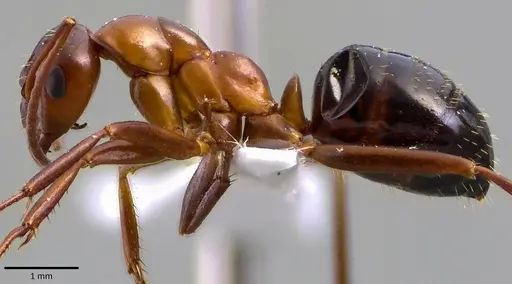
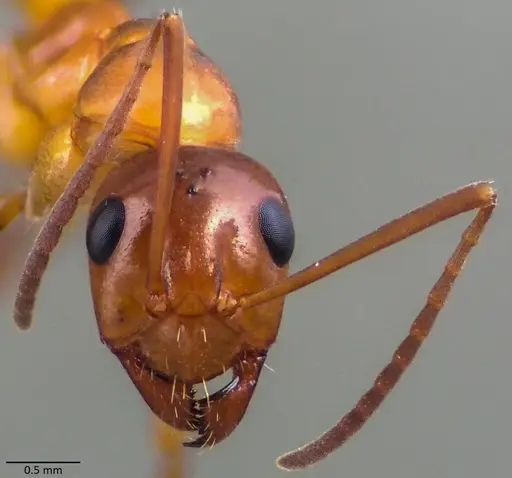
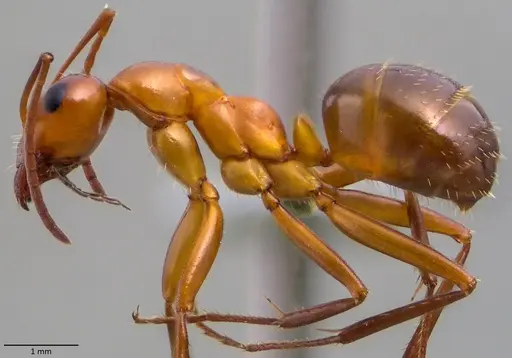
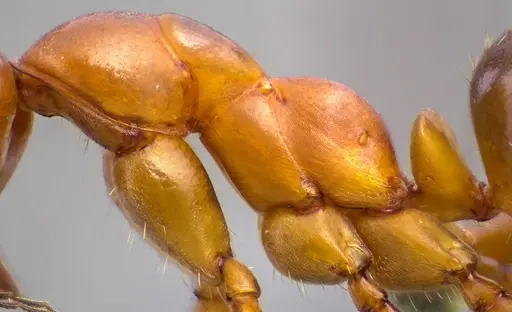
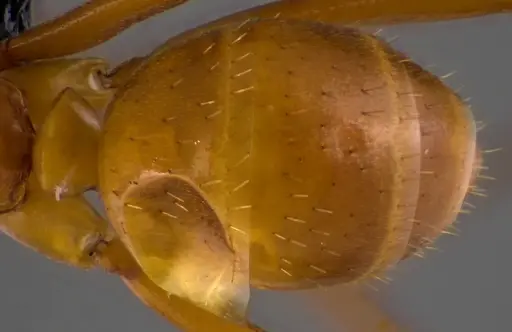
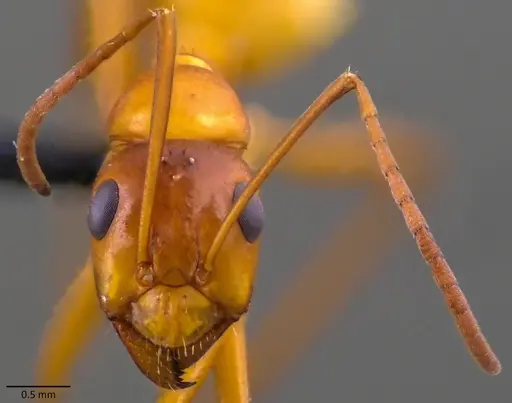
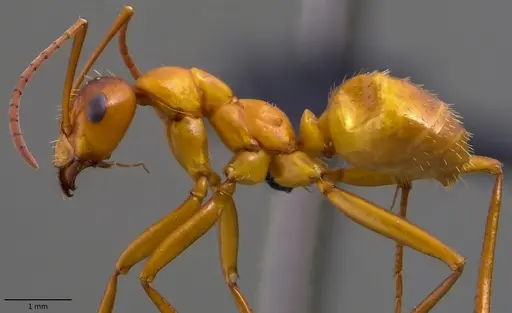
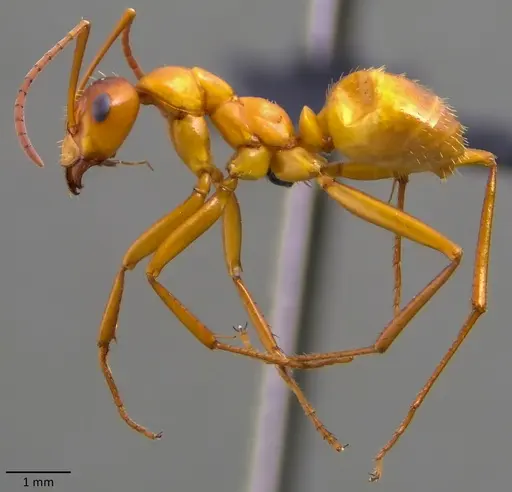
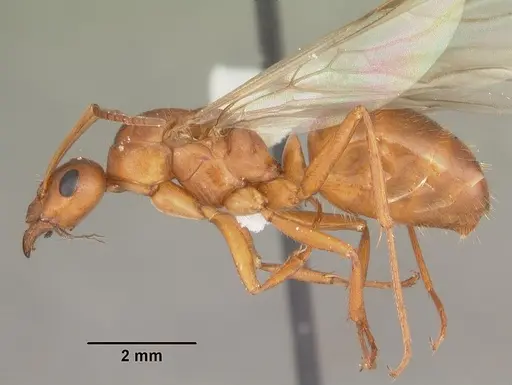
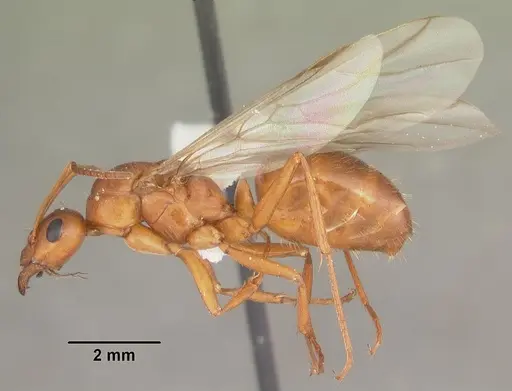
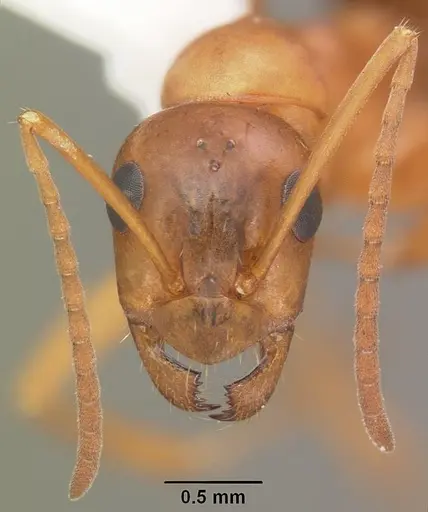
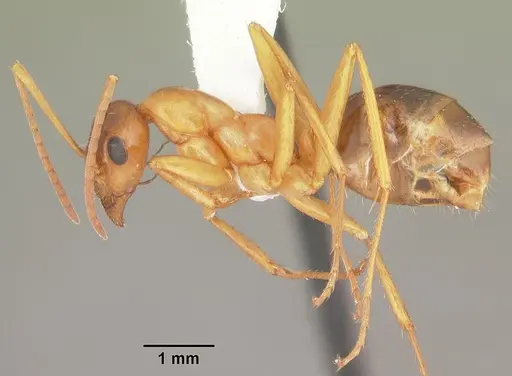
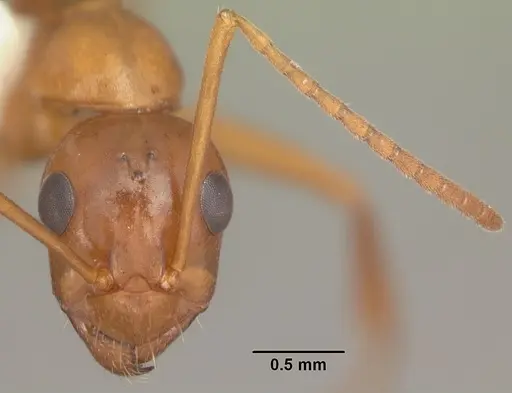
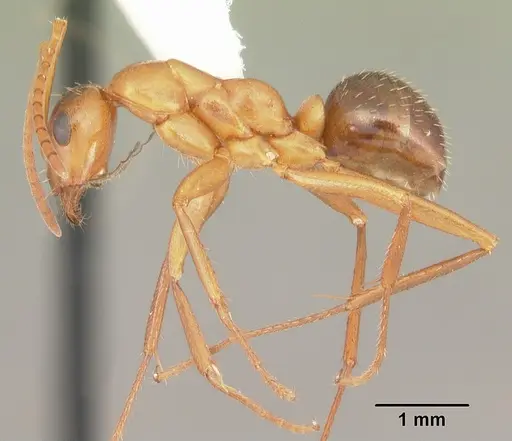
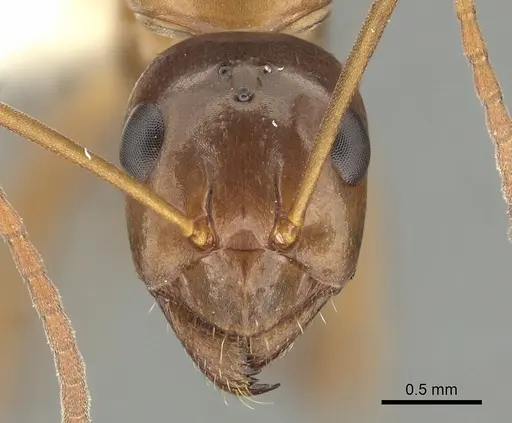
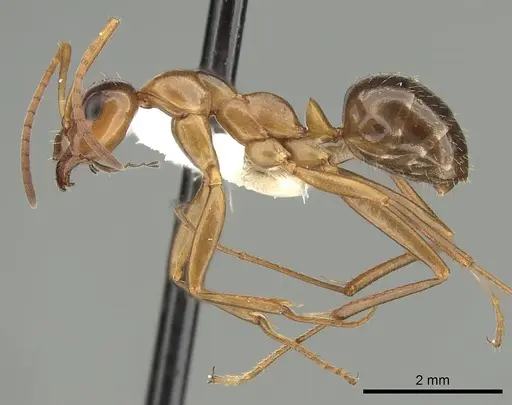
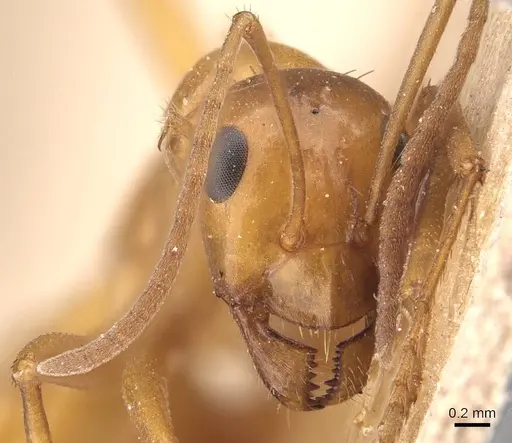
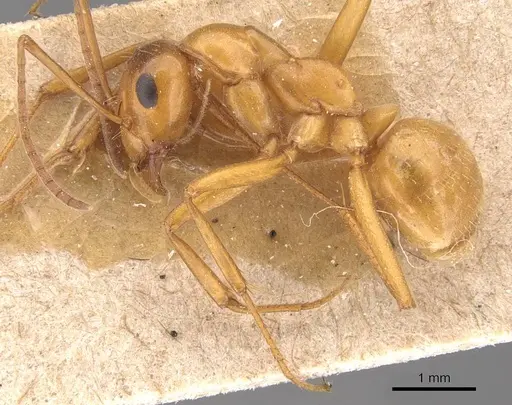
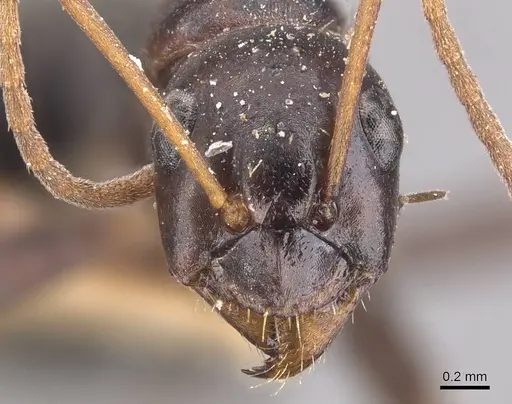
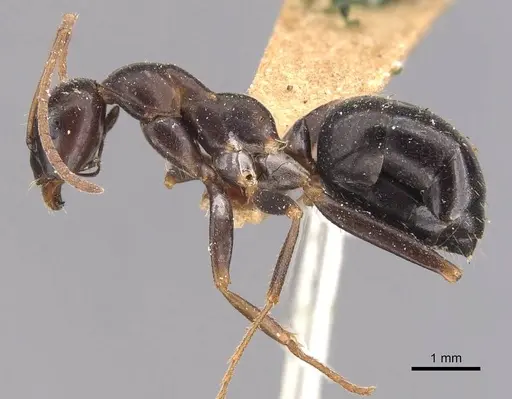
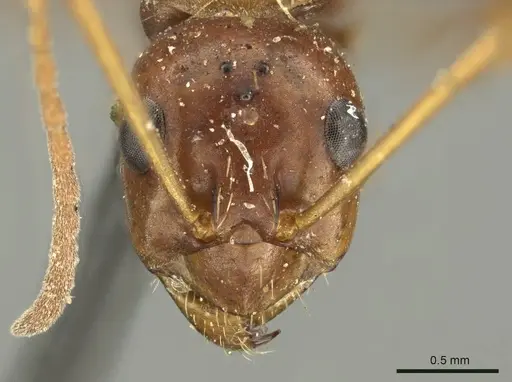
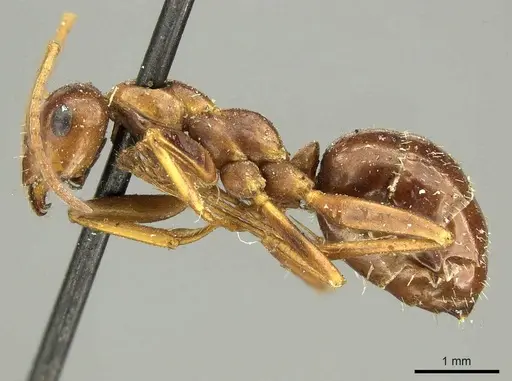
Formica pallidefulva is a medium-sized ant native to eastern North America, known for its remarkably shiny appearance and highly variable coloration ranging from coppery yellow in the South to dark brown in northern regions [1]. Workers measure 4.0-6.0 mm and feature a distinctive voluminous, glossy gaster with short, sparse pubescence that sets them apart from other Formica species in their group [1][2]. This species occupies an extraordinary geographic range, spanning from southeastern Canada south to Florida and west to New Mexico and Wyoming, making it the most widely distributed member of its group [1]. What makes F. pallidefulva particularly interesting is its ecological flexibility, it thrives in everything from city parks and lawns to closed-canopy forests, and it's the only species in its group that commonly nests in rotting wood [1].
Quick Summary
- Difficulty: Easy
- Origin & Habitat: Eastern United States and southeastern Canada, west to New Mexico and Wyoming. Most abundant in mesic, wooded or partially wooded areas including city parks, closed-canopy forests, grasslands, and suburban lawns [1].
- Colony Type: Monogyne (single-queen) colonies with documented queenless worker reproduction. Colonies can reach up to 2,000 workers in optimal conditions [2][3][4].
- Size & Growth:
- Queen: ~8-9 mm, inferred from genus patterns (queens much larger than workers) [3]
- Worker: 4.0-6.0 mm [2][5]
- Colony: Up to 2,000 workers, with natural nest counts ranging from 92 to 2,946 (median 401) [2][6]
- Growth: Moderate
- Development: Approximately 6-8 weeks at room temperature (estimated based on typical Formica development) (Brood production begins in March under laboratory conditions, incipient colonies with minim workers collected in April [3])
- Antkeeping:
- Temperature: Keep at 20-24°C (room temperature works well). This species tolerates high temperatures well and is often the only ant foraging at midday during summer [3].
- Humidity: Moderate humidity preferred. Keep nest substrate moist but not waterlogged. Naturally nests in soil under leaf litter and rotting wood, so provide some damp areas in the nest [1].
- Diapause: Yes, colonies become nearly inactive during winter (November-February) without brood. In captivity, provide a cool period around 10-15°C for 3-4 months [3].
- Nesting: Flexible nesting preferences. Accepts test tubes, Y-tong nests, or naturalistic setups with soil/rotting wood. Provide a moisture source. Can tolerate various substrates from bare soil to decaying wood [1][6].
- Behavior: Generally peaceful and non-aggressive toward humans. Workers are fast-moving and diurnal, with peak foraging activity in morning (7-10 am) and evening (4-6 pm) during warmer months [3]. They forage solitarily for small prey but recruit nestmates for larger food items. Workers can run swiftly and are known to be tolerant of high temperatures [2]. They produce formic acid as a defense. Escape risk is moderate, use standard barrier methods. Notably, they gather honeydew but make little effort to defend hemipteran honeydew sources compared to other Formica species [1].
- Common Issues: colonies may fail during hibernation if kept too warm or too wet, queenless colonies do not produce brood, ensure your colony has a healthy queen, mites (Oplitis sp.) can occasionally infest colonies and reduce energy levels, colonies are sensitive to disturbance and may relocate if stressed, invasive ants like Tetramorium tsushimae can outcompete them in urban areas
Nuptial Flight Activity Analysis 445 observations
Flight Activity by Hour 445 observations
Formica pallidefulva nuptial flight activity peaks around 11:00 during the late morning to early afternoon. Activity is spread across a 16-hour window (07:00–22:00). A secondary activity peak occurs around 13:00. Times may be influenced by human observation patterns.
Housing and Nest Setup
Formica pallidefulva is remarkably adaptable when it comes to nesting. In captivity, they readily accept test tube setups, Y-tong nests, or naturalistic formicaria with soil and rotting wood. The key is providing consistent moisture, they naturally nest in damp soil under leaf litter or in decaying wood, so a water reservoir or moist substrate works well [1]. For test tube setups, use a standard water tube with a cotton ball providing humidity. For larger colonies, a naturalistic setup with a soil chamber allows them to exhibit their natural excavation behavior. Nest depth in the wild ranges from 30-45 cm with vertical shafts bearing chambers, but captive colonies do fine in shallower setups [6]. They tolerate room temperature well and don't require additional heating, making them excellent for beginners.
Feeding and Diet
These ants are opportunistic omnivores that primarily scavenge dead insects and small food items in nature [6]. In captivity, they readily accept protein sources like mealworms, crickets, and other small insects. They also consume sugar water, honey, or maple syrup for carbohydrates. Notably, they gather honeydew from hemipterans (aphids, scales, membracids) in the wild but don't actively defend these honeydew sources like some other Formica species do [1]. Workers forage individually but will recruit nestmates when they find larger prey items, this group retrieval behavior is well-documented in related species [7][8]. Feed protein 2-3 times per week and provide a constant sugar source. Remove uneaten prey after 24 hours to prevent mold.
Seasonal Care and Diapause
In their natural range, colonies are active from approximately mid-April through mid-November, about eight months of the year [6]. They become nearly inactive during winter (November-February) without any brood present [3]. For captive colonies, you should simulate this seasonal cycle. Provide a cool period (10-15°C) for 3-4 months during winter, reducing feeding to once every few weeks. This diapause period is essential for colony health and reproductive success. During active season, peak foraging occurs in morning and evening hours, with workers being most active midday, they're notably heat-tolerant and often the only ant species foraging during the hottest summer afternoons [3].
Colony Dynamics and Behavior
F. pallidefulva colonies exhibit interesting social organization. Workers are monomorphic (all the same size) but show polyethism, some individuals are fat-laden 'corpulents' that stay in the nest caring for brood, while leaner foragers handle outside tasks [6]. This division of labor means you won't see all workers equally active outside the nest. Colonies can reach substantial sizes (up to 2,000 workers) and may relocate after disturbance [3]. They tolerate disturbance well in most of their range, though they're sensitive to subterranean invasion by invasive ants like Tetramorium tsushimae in some areas [1]. Queens are much larger than workers, and queenless colonies do not produce brood, always ensure your colony has a healthy, laying queen.
Unique Biological Traits
This species has several distinctive features that set it apart from other Formica ants. Most notably, worker pupae typically lack cocoons, a trait shared with no other species in their group [1]. They're also the shiniest Formica in their group, with a distinctive voluminous gaster that appears almost globose [1]. Their color is highly variable: northern populations are dark brown while southern populations are coppery yellow, with a 300-mile transition zone across the Mason-Dixon Line [1]. Additionally, workers incorporate conifer resins into their nests as an antimicrobial defense, a behavior common to Formicinae ants [9]. They also host several parasitic species including the slave-making ant Polyergus montivagus and are the most frequent host for Formica pergandei in the Midwest [1].
Frequently Asked Questions
How long does it take for Formica pallidefulva to go from egg to worker?
Based on typical Formica development, expect approximately 6-8 weeks from egg to first worker at room temperature (20-24°C). Brood production begins in March under laboratory conditions, and incipient colonies with minim workers have been collected in April [3].
Can I keep multiple Formica pallidefulva queens together?
No, this species is monogyne, meaning colonies have a single queen. Multiple queens will fight. Queenless worker reproduction has been documented, but colonies without a queen won't produce new workers long-term [4][3].
What do Formica pallidefulva eat?
They eat protein (dead insects, mealworms, crickets) and sugar sources (honey, sugar water, maple syrup). In the wild, they primarily scavenge dead insects and gather honeydew from aphids and scales [6][3].
Do Formica pallidefulva need hibernation?
Yes, they require a winter rest period. In nature, colonies are nearly inactive from November through February. In captivity, provide 3-4 months at 10-15°C with minimal feeding [3].
Are Formica pallidefulva good for beginners?
Yes, they're considered an easy species to keep. They tolerate room temperature, accept various nest types, and are not aggressive. Their main requirements are a seasonal cool period and standard antkeeping setup [1].
How big do Formica pallidefulva colonies get?
Colonies can reach up to 2,000 workers. Natural nest counts range from 92 to nearly 3,000 workers, with a median around 400 [2][6].
When do Formica pallidefulva alates fly?
Nuptial flights occur in summer, typically late June through early July in northern areas. Males and females fly in the morning, with recently mated females often found walking in late morning or early afternoon [1][2].
Why are my Formica pallidefulva dying?
Common causes include: improper hibernation (too warm or too wet), queenless colonies not producing brood, mite infestations, or disturbance stress. Colonies may also relocate if stressed. Ensure proper cool-period diapause and a healthy queen [3][1].
What makes Formica pallidefulva different from other Formica?
They're the shiniest member of their group, have worker pupae that lack cocoons (unique in their group), commonly nest in rotting wood (unlike others in the group), and show extreme color variation from coppery yellow (South) to dark brown (North) [1].
Report an Issue
The current care sheet is based fully on literature. See inconsistencies, or something that's incorrect? Please , it will be resolved after review from an admin. Contributing to the blogs tab also helps providing information, to make us be able to further improve the caresheets. Thank you for your support!
References

This caresheet is licensed under CC BY-SA 4.0 .
ANTWEB1041595
View on AntWeb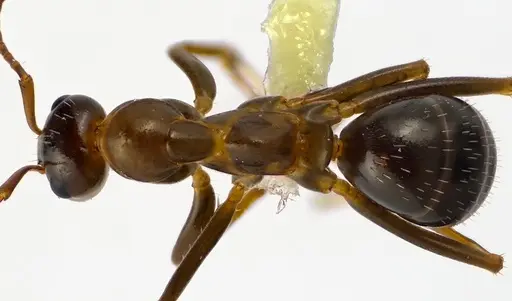
ANTWEB1041596
View on AntWeb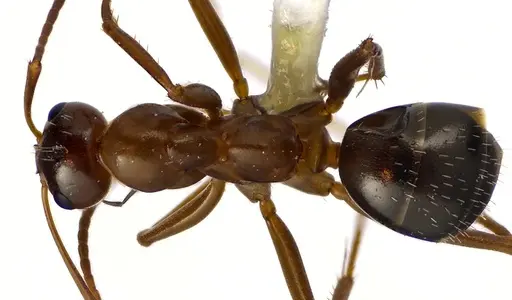
ANTWEB1041622
View on AntWeb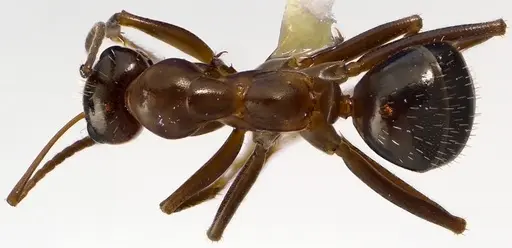
ANTWEB1041635
View on AntWeb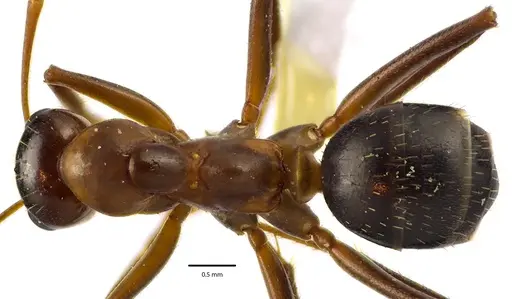
ANTWEB1041751
View on AntWeb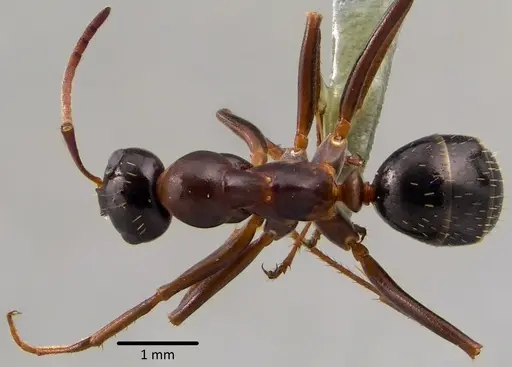
ANTWEB1041802
View on AntWeb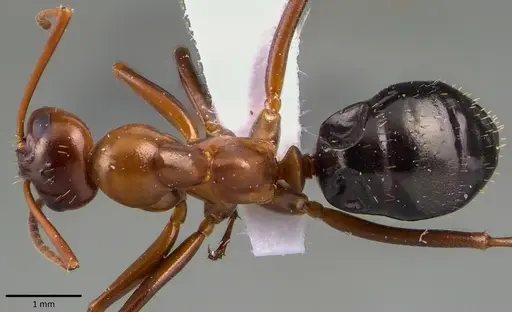
ANTWEB1060058
View on AntWeb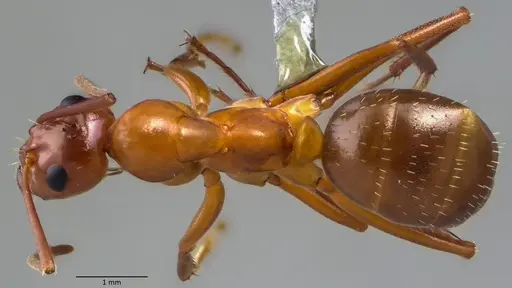
ANTWEB1060102
View on AntWeb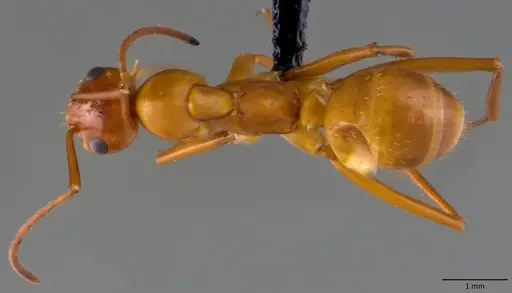
CASENT0103929
View on AntWeb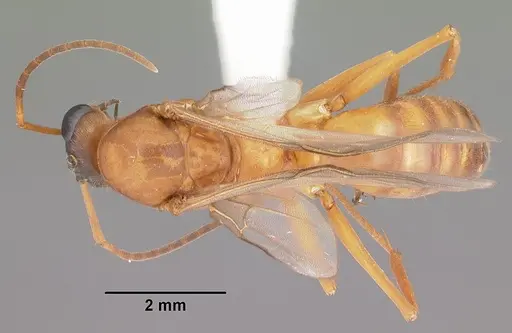
CASENT0103930
View on AntWeb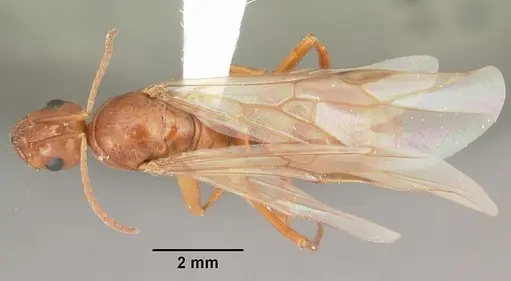
CASENT0103931
View on AntWeb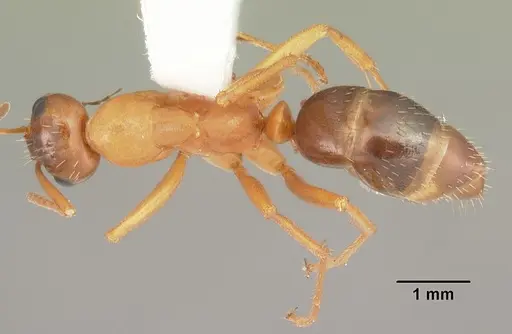
CASENT0103932
View on AntWeb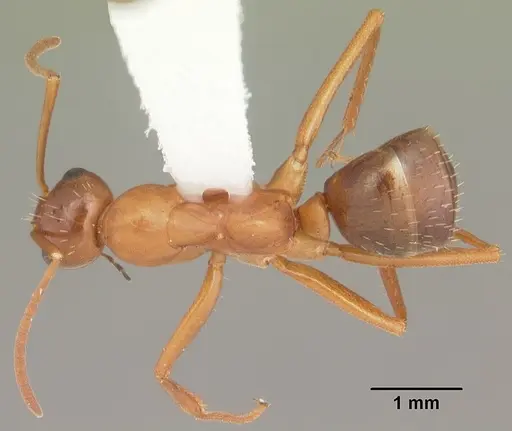
CASENT0280345
View on AntWeb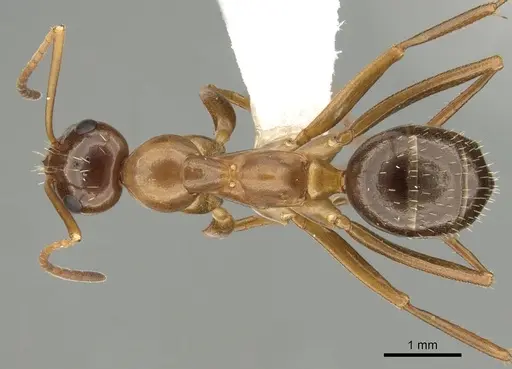
CASENT0905707
View on AntWeb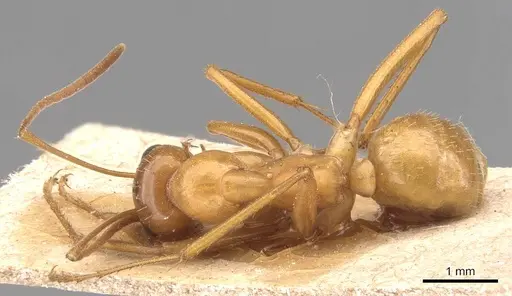
CASENT0905709
View on AntWeb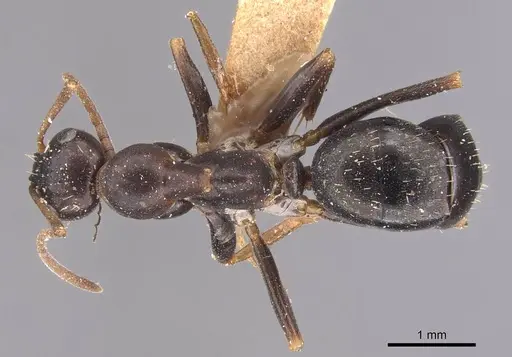
CASENT0915638
View on AntWeb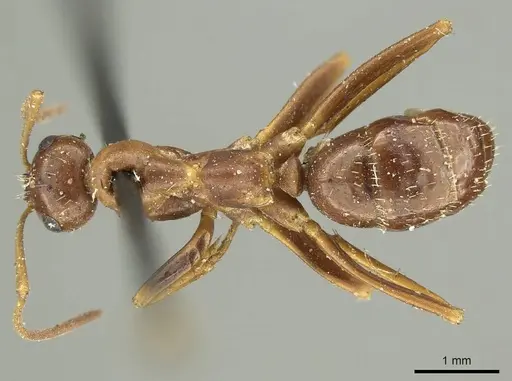
FOCOL2743
View on AntWeb