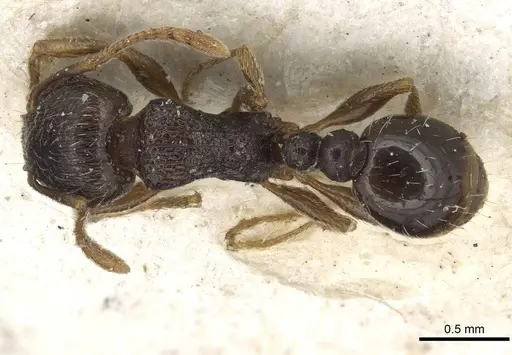
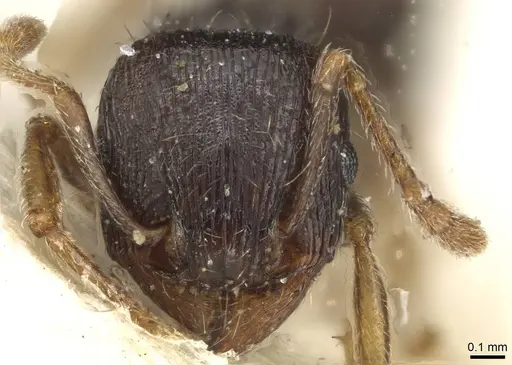
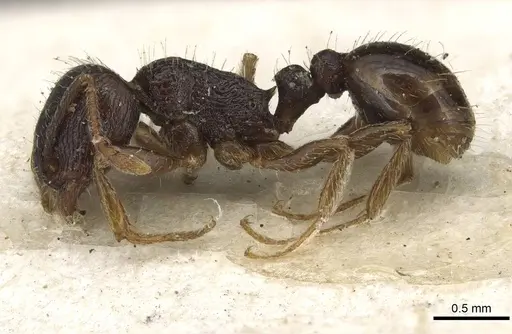
Tetramorium tsushimae shows a April to July flight window. Peak activity occurs in June, with nuptial flights distributed across 3 months.
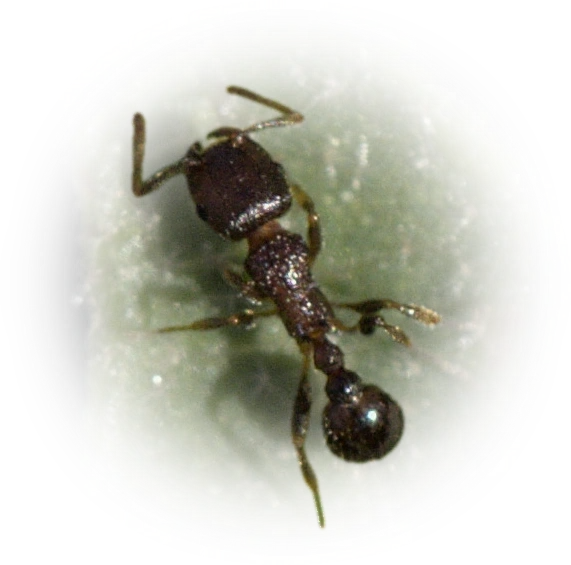
Tetramorium tsushimae
- Scientific Name
- Tetramorium tsushimae
- Tribe
- Crematogastrini
- Subfamily
- Myrmicinae
- Author
- Emery, 1925
- Common Name
- Ant
- Distribution
- Found in 4 countries
- Nuptial Flight
- from April to July, peaking in June
AI Identifiable
try →
Tetramorium tsushimae Overview
Tetramorium tsushimae (commonly known as the Ant) is an ant species of the genus Tetramorium. It is primarily documented in 4 countries , including China, Japan, Korea. Detailed taxonomic data and occurrence records can be further explored via authoritative databases such as AntWeb or the Global Biodiversity Information Facility (GBIF).
The nuptial flight of Tetramorium tsushimae is a significant biological event, typically occurring from April to July, peaking in June. During this time, winged queens and males leave the nest to mate and establish new colonies.
Tetramorium tsushimae - "Ant"
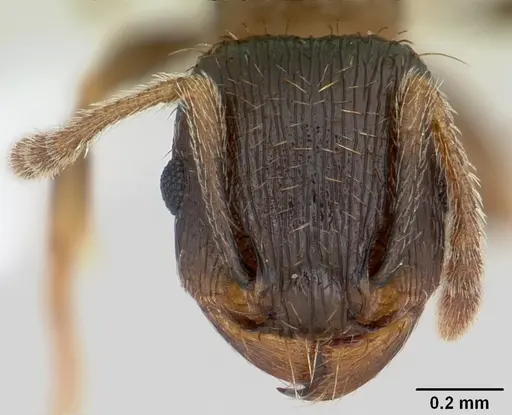
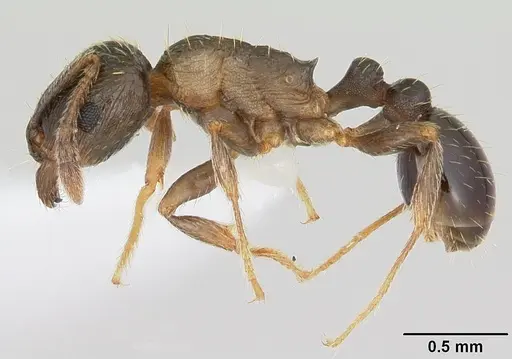
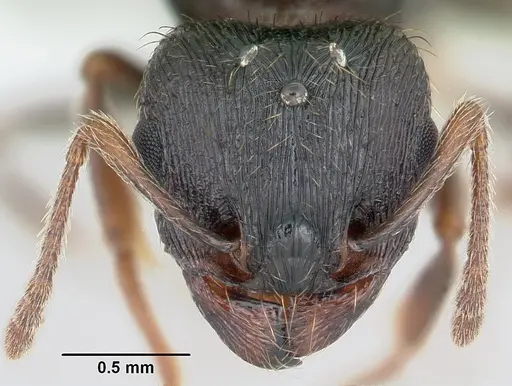
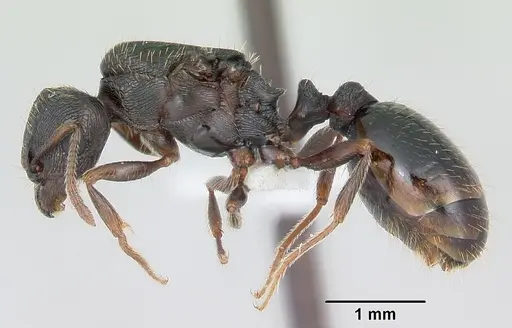
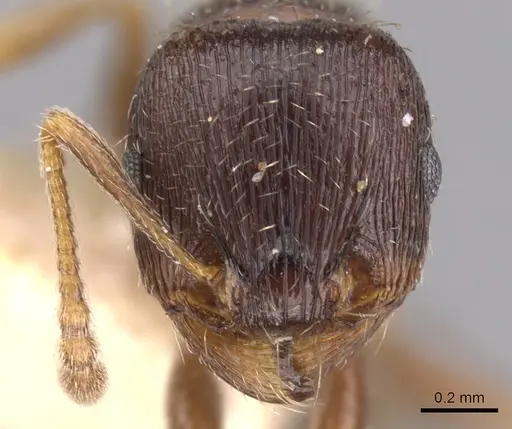
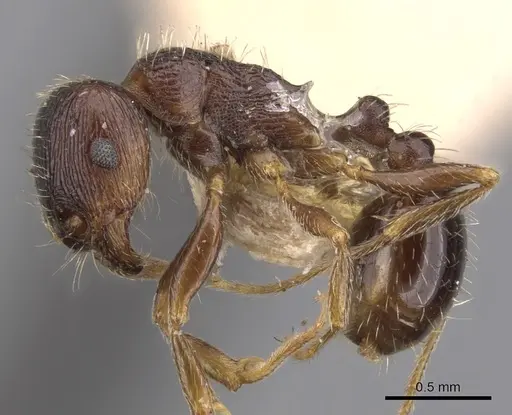
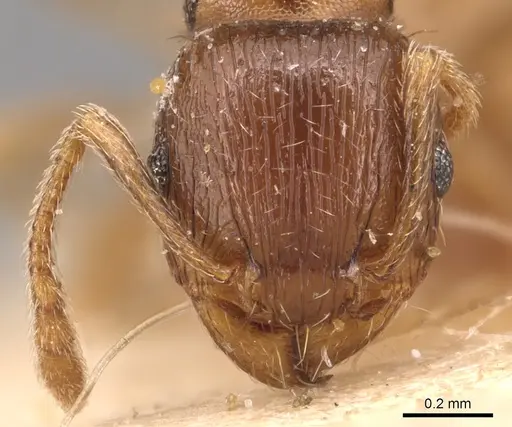
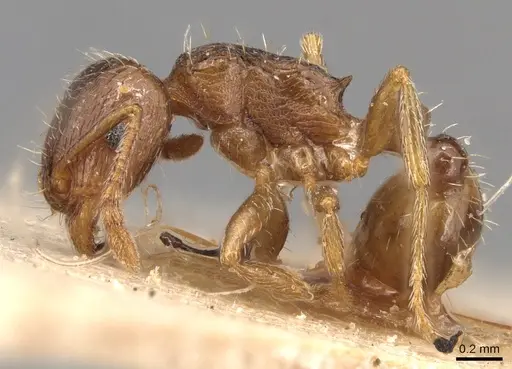
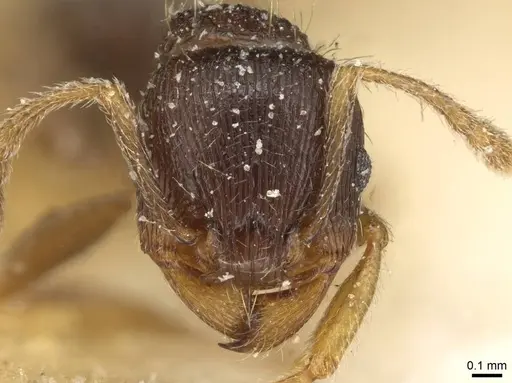
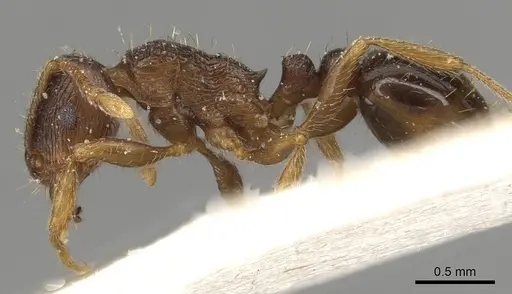
Tetramorium tsushimae is a small, dark brown ant native to Japan, Korea, China, and Mongolia. Workers measure 2.5-2.8 mm and have the typical Tetramorium appearance with 12-segmented antennae and small propodeal spines [1]. This species is one of the most common ants in southern and central Japan, where it inhabits open land and nests under stones [2]. It forms polygynous-polycalic colonies with multiple queens and interconnected nests, allowing colonies to reach massive sizes with several hundred queens and potentially millions of workers [3]. The species has become invasive in parts of the United States, especially around St. Louis, Missouri, where it was likely introduced with plants from the 1904 World's Fair [4].
Quick Summary
- Difficulty: Expert
- Origin & Habitat: Native to Japan, Korean Peninsula, China, and Mongolia. Found in open land, grasslands, and urban areas. Nests under stones and in soil [2]. Introduced populations exist in Missouri, Illinois, and eastern Kansas in the USA [3].
- Colony Type: Polygynous-polycalic, colonies contain multiple queens (several hundred in large colonies) and multiple interconnected nest sites. Forms supercolonies in introduced ranges, with very low aggression between distant nests [3][5].
- Size & Growth:
- Queen: 5.9-7.0 mm total length [6]
- Worker: 2.5-2.8 mm total length [1]
- Colony: Can reach several hundred queens and millions of workers in large colonies [3]
- Growth: Fast
- Development: Estimated 6-8 weeks at optimal temperature (based on typical Tetramorium development) (Development is temperature-dependent, research shows reproductive brood development is highest at 30-35°C [4])
- Antkeeping:
- Temperature: Keep nest area at 27-30°C, this species strongly prefers warm conditions. Research shows they actively seek nesting sites at 27.5-30°C and reproductive brood development is optimal at 30°C [7][4]. A heating cable on one side of the nest can create the warm gradient they prefer.
- Humidity: Moderate humidity, they nest in soil and under stones in open areas. Keep substrate moist but not waterlogged. They tolerate drier conditions than many Myrmicinae, matching their preference for warm, well-drained soils [4].
- Diapause: Yes, based on its temperate origin, a winter rest period at 5-10°C for 3-4 months is recommended to maintain colony health.
- Nesting: Y-tong (AAC) nests work well, or a naturalistic setup with stones over moist substrate. They prefer tight chambers and will readily nest in soil-filled setups. Provide access to a water tube.
- Behavior: Generally peaceful within colonies but highly territorial toward other ant colonies, in the wild, neighboring colonies engage in large battles [2]. They form extensive trail systems for foraging and recruitment. Workers are small but persistent foragers, escape prevention should be good since they can squeeze through small gaps. They are omnivorous and will accept a wide variety of foods including seeds, sugar sources, and protein. Colonies grow quickly due to multiple queens.
- Common Issues: colonies can become extremely populous, be prepared for rapid growth and eventual need for larger housing, escape prevention is important despite small size, they can fit through standard barrier gaps, invasive species in parts of North America, never release outside native range (Japan, Korea, China, Mongolia) and take extreme precautions to prevent escapes [3][4], large colonies may become aggressive toward other ant colonies if housed nearby
Nuptial Flight Activity Analysis 52 observations
Flight Activity by Hour 52 observations
Tetramorium tsushimae nuptial flight activity peaks around 15:00 during the afternoon. Activity is spread across a 22-hour window (02:00–23:00). A secondary activity peak occurs around 10:00. Times may be influenced by human observation patterns.
Housing and Nest Setup
Tetramorium tsushimae does well in Y-tong (AAC) nests or naturalistic setups. They prefer warm, dry to moderately humid conditions, think open grassland habitat. They naturally nest under stones and in soil in open areas [2]. Use a test tube setup for founding colonies, then move to a formicarium as the colony grows. A water tube should always be available. Because they are polygynous, you can keep multiple queens together from the start, which leads to faster colony establishment. They do best with a temperature gradient of 24-30°C across the nest, allowing workers to choose their preferred warmth. Avoid overly damp conditions, they originate from open, sunny areas with well-drained soils [7][4].
Feeding and Diet
These ants are omnivorous and accept a wide variety of foods. In nature, their main food sources are grass seeds and honeydew from root aphids, especially Aphis craccivora [2][8]. They also forage for small insects and use extrafloral nectaries [8]. In captivity, offer a mixed diet: sugar water or honey regularly, protein sources like mealworms or crickets weekly, and seeds (they readily collect and store seeds). They form foraging trails and will recruit heavily to good food sources. This species shows seasonal variation in feeding preferences, they may focus more on protein in summer and seeds in autumn [9].
Temperature and Seasonal Care
Tetramorium tsushimae strongly prefers warm conditions. Research shows they actively select nesting sites at 27.5-30°C, and reproductive brood development peaks at 30-35°C [7][4]. In captivity, maintain nest temperatures around 27-30°C for optimal growth. A small heating cable or heat mat on one side of the nest creates the gradient they naturally seek. During winter in temperate regions, they require a diapause period, reduce temperature to 5-10°C for 3-4 months to simulate winter conditions. This rest period is important for colony health and triggers reproductive behavior in spring.
Colony Structure and Behavior
Tetramorium tsushimae is polygynous-polycalic, meaning colonies have multiple queens and multiple interconnected nest sites [3]. In introduced ranges, it forms supercolonies with very low intraspecific aggression, workers from different nests generally ignore each other [5][4]. Large colonies can contain several hundred queens and potentially millions of workers. Queens measure 5.9-7.0 mm and are dark reddish-brown to blackish-brown [6]. Workers are 2.5-2.8 mm and brown to dark brown [1]. They are highly territorial toward other ant species and will engage in battles with neighboring colonies [2]. They use chemical trails to recruit nestmates to food sources, and the trail pheromone is methyl 2-hydroxy-6-methylbenzoate from the poison gland [10].
Growth and Development
Colony growth is relatively fast compared to many Myrmicinae due to multiple queens contributing eggs. Development from egg to worker takes approximately 6-8 weeks at optimal temperature (based on typical Tetramorium patterns). The first workers (nanitics) are smaller but will quickly be replaced by normal-sized workers as the colony grows. Because colonies are polygynous, you can expect rapid initial growth with multiple queens laying. The colony can reach several hundred workers within the first year under good conditions. Mature colonies can become massive, in Japan, some colonies have millions of workers [3].
Legal and Ethical Considerations
This species is invasive in the United States (Missouri, Illinois, eastern Kansas) [3]. If you live in these areas, take extreme precautions to prevent escapes, it can displace native ant species and disrupt local ecosystems [4]. In its native range (Japan, Korea, China, Mongolia), it plays important ecological roles including seed dispersal of plants like Lamium amplexicaule [11] and aphid tending. Always source your colony from reputable suppliers who propagate ants rather than collecting from the wild, especially in regions where the species is invasive.
Frequently Asked Questions
Can I keep multiple Tetramorium tsushimae queens together?
Yes, this species is polygynous, meaning colonies naturally have multiple queens. You can keep several queens together from the start, which leads to faster colony establishment. Queens may sometimes compete, but polygynous colonies are the natural form for this species [3].
How long does it take for Tetramorium tsushimae to raise first workers?
At optimal temperature (around 28-30°C), expect first workers in approximately 6-8 weeks from when the queen lays eggs. This is based on typical Tetramorium development patterns. Lower temperatures will slow development significantly [4].
What temperature do Tetramorium tsushimae ants need?
Keep them warm, around 27-30°C in the nest area. Research shows they actively select nesting sites at 27.5-30°C and reproductive brood develops best at 30°C [7][4]. A gentle heat gradient allows them to regulate their own temperature.
Do Tetramorium tsushimae ants sting?
This species is in the subfamily Myrmicinae, tribe Crematogastrini. It has a modified, flattened spatulate stinger used to smear venom onto enemies rather than piercing flesh. The venom is mild and not considered a serious threat to humans, though they may try to smear it if threatened.
Are Tetramorium tsushimae good for beginners?
Not recommended for beginners. Although they are hardy and accept varied foods, this species is invasive in North America and requires expert-level containment. In regions where it is not invasive, it can still be challenging due to massive colony sizes and polygynous dynamics. Only experienced keepers should attempt to keep them, and only with strict escape prevention [3][4].
What do Tetramorium tsushimae eat?
They are omnivorous. Offer sugar water or honey regularly, protein (mealworms, crickets) weekly, and seeds. In nature, they primarily eat grass seeds and honeydew from aphids such as Aphis craccivora [2][8]. They will readily form trails to food sources and recruit many workers.
Do Tetramorium tsushimae need hibernation?
Yes, as a temperate species, they benefit from a winter rest period. Reduce temperatures to 5-10°C for 3-4 months during winter. This diapause period helps maintain colony health and can trigger reproductive behavior in spring.
How big do Tetramorium tsushimae colonies get?
Very large. In their native range, colonies can have several hundred queens and millions of workers [3]. In captivity, expect colonies of several thousand workers within a few years with proper care. Be prepared to upgrade to larger housing as the colony grows.
When do Tetramorium tsushimae have nuptial flights?
Nuptial flights occur from June to July in their native range [7]. In captivity, you can simulate seasonal conditions to trigger mating flights. Alates (reproductives) are produced annually in established colonies.
Report an Issue
The current care sheet is based fully on literature. See inconsistencies, or something that's incorrect? Please , it will be resolved after review from an admin. Contributing to the blogs tab also helps providing information, to make us be able to further improve the caresheets. Thank you for your support!
References

This caresheet is licensed under CC BY-SA 4.0 .
CASENT0103102
View on AntWeb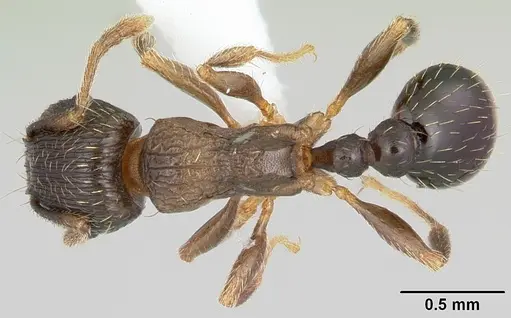
CASENT0103103
View on AntWeb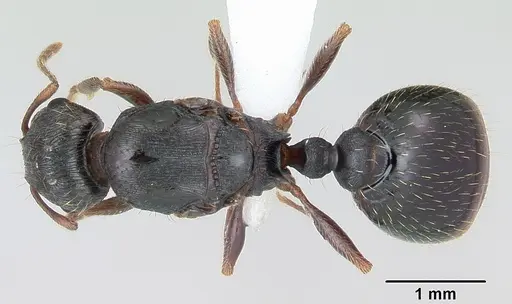
CASENT0901253
View on AntWeb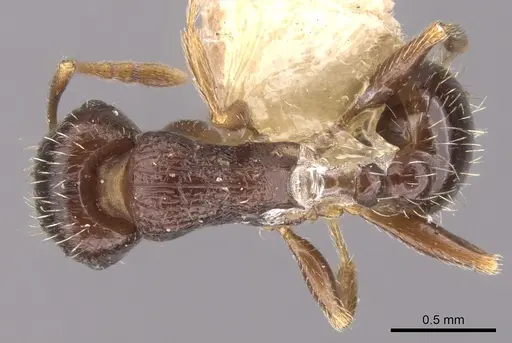
CASENT0904809
View on AntWeb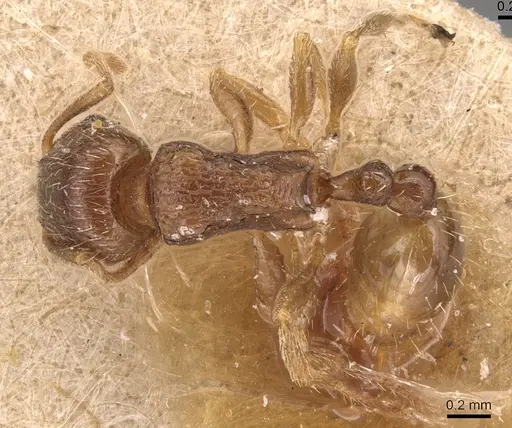
CASENT0915089
View on AntWeb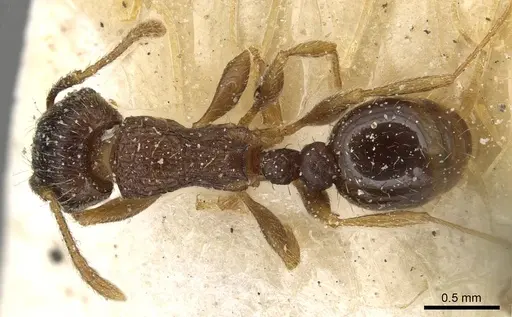
CASENT0915090
View on AntWeb