

Polyergus montivagus
- Scientific Name
- Polyergus montivagus
- Tribe
- Formicini
- Subfamily
- Formicinae
- Author
- Wheeler, 1915
- Common Name
- Foothills Amazon Ant
- Distribution
- Found in 1 countries
Polyergus montivagus Overview
Polyergus montivagus (commonly known as the Foothills Amazon Ant) is an ant species of the genus Polyergus. It is primarily documented in 1 countries , including United States of America. Detailed taxonomic data and occurrence records can be further explored via authoritative databases such as AntWeb or the Global Biodiversity Information Facility (GBIF).
Polyergus montivagus - "Foothills Amazon Ant"
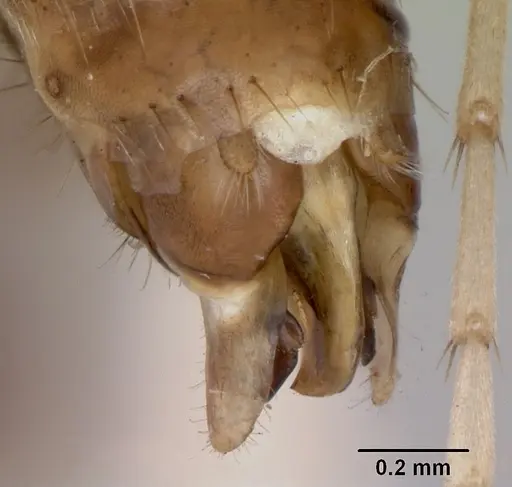
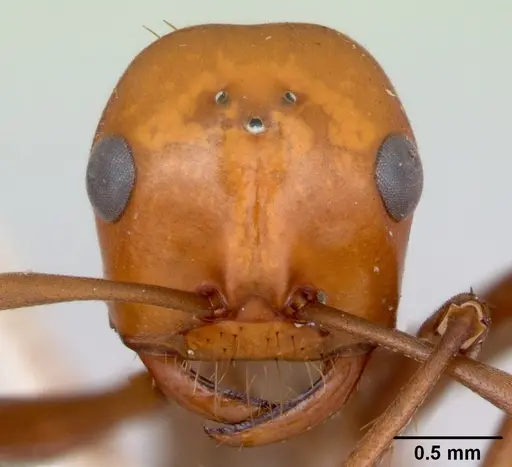
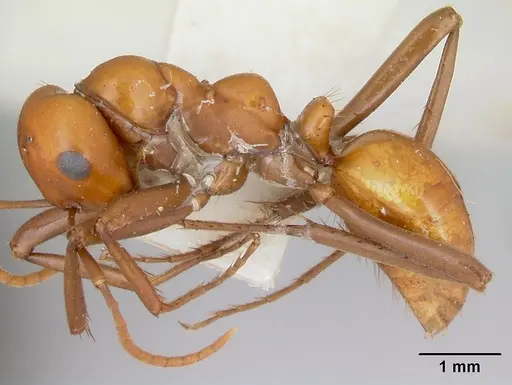
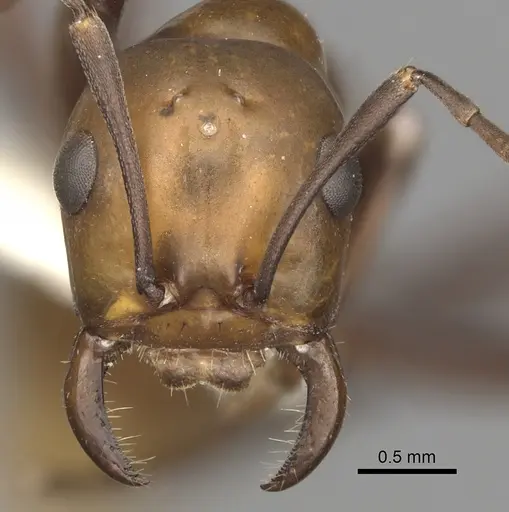
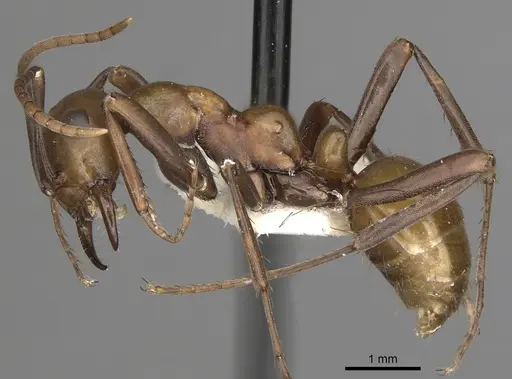
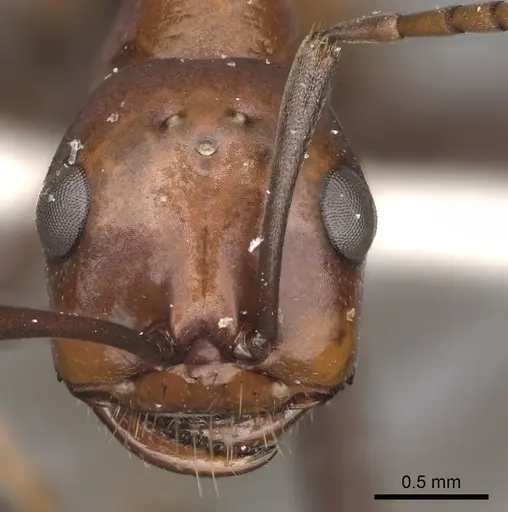
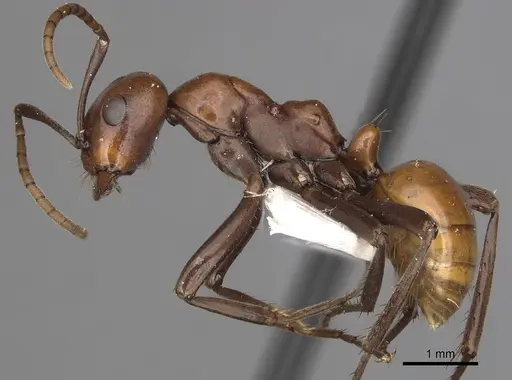
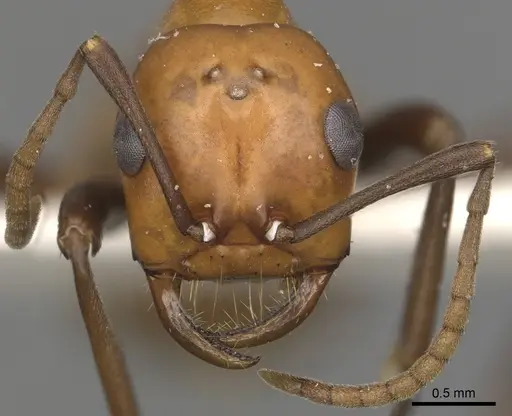
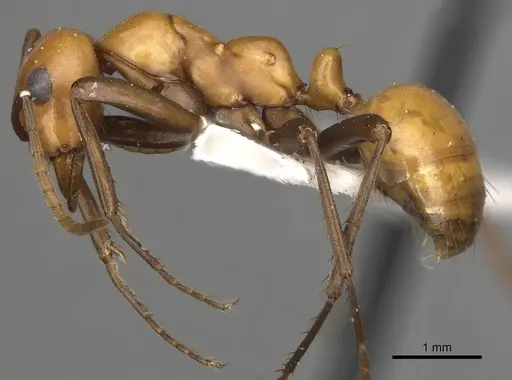
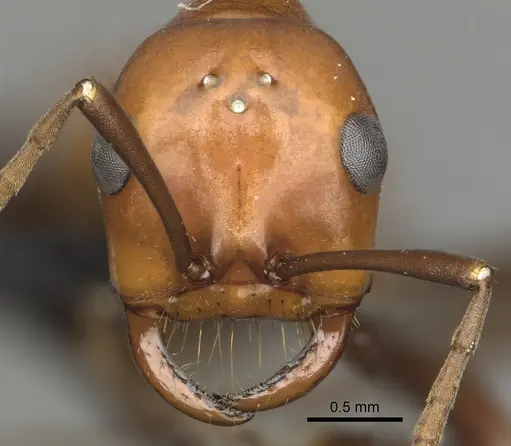
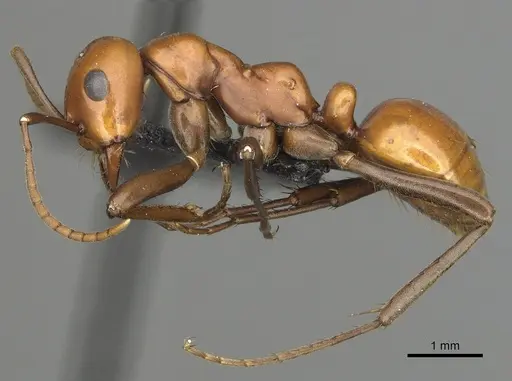
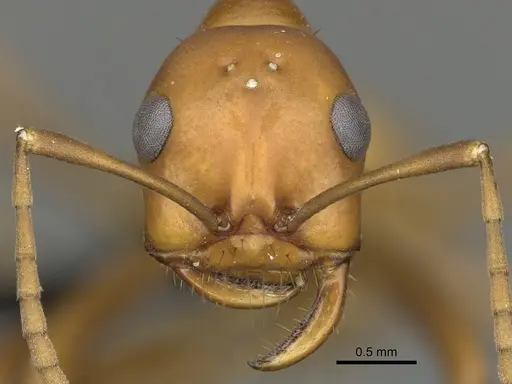
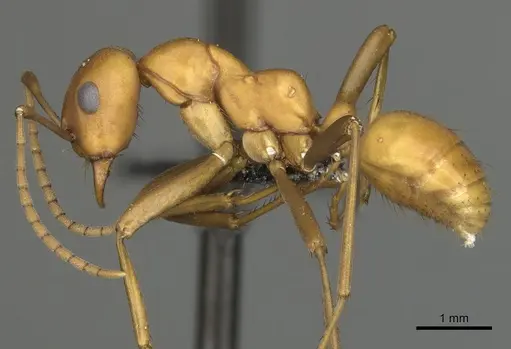
Polyergus montivagus is a dulotic (slave-making) ant native to North America, ranging from Canada through the eastern and central United States. Workers are small to medium at 5.7-7.2mm total length, with a distinctive red coloration and notably darker legs and scapes. They are easily identified by their shining (glossy) abdomen and near lack of body hairs, which sets them apart from related species like P. lucidus. This species is an obligate social parasite, it cannot survive without its host, Formica pallidefulva, and relies entirely on stolen host brood to maintain its colony [1].
Quick Summary
- Difficulty: Expert
- Origin & Habitat: Native to North America, found from the eastern US through the Midwest to Colorado. Inhabits meadows surrounded by woods, grassy areas with partial shade, sandy or loessic open woodlands, park-like habitats, and lawns where the host species Formica pallidefulva is abundant. Prefers sites with sandy or well-drained soil [1].
- Colony Type: Dulotic (slave-making) species. Colonies consist of Polyergus workers and a host Formica pallidefulva colony. Mixed colonies typically contain 70-291 Polyergus workers with 500-4500+ host workers. Polyergus workers make up only 12-20% of the total worker population [2][1].
- Colony: Monogyne
- Queen: Socially parasitic
- Special: Slave-making
- Size & Growth:
- Queen: Weber's length ~2.98 mm [2]. Queens are notably larger than host queens [2].
- Worker: 5.7-7.2mm total length. HL 1.40-1.70mm, WL 2.28-2.76mm [1].
- Colony: Typically 70-291 Polyergus workers in established colonies, supported by 500-4500+ host workers [1].
- Growth: Moderate, colonies grow as host brood is integrated. First male brood emerged in May from colonies collected in February [2].
- Development: Unconfirmed, no specific development timeline documented. Based on related Polyergus species, expect several months from egg to adult worker. (Temporal worker caste system operates: younger workers stay near queen and brood, older workers patrol at colony periphery [2].)
- Antkeeping:
- Temperature: Keep at room temperature (20-24°C). This species does well in typical indoor conditions, matching its temperate North American range.
- Humidity: Standard ant keeping humidity. Provide a water tube for drinking and maintain moderate substrate moisture in the outworld.
- Diapause: Yes, requires winter hibernation. Based on temperate range and raid timing from June-September, colonies should be cooled to 5-10°C for 3-4 months during winter.
- Nesting: Requires a setup that allows keeping both the Polyergus colony AND a functioning Formica pallidefulva host colony. A dual-chamber setup or formicarium with connected sections works best. The host colony must be maintained for the Polyergus to survive.
- Behavior: Polyergus montivagus is a specialized slave-maker. Workers do not forage for food themselves, instead, they raid colonies of Formica pallidefulva to steal pupae, which emerge as workers that then perform all colony tasks (foraging, nursing, cleaning). Raids occur late afternoon through dusk, typically from June to September when host pupae are most available. Workers number 87-130 per raid in observed colonies [1]. Polyergus workers are dominant over host workers and show aggression toward them, though host workers may eventually kill the Polyergus queen if conditions allow [2]. Escape prevention is important, they are active and will explore, though not extremely small.
- Common Issues: This is an obligate social parasite, it CANNOT survive without a host Formica colony. Keeping P. montivagus requires maintaining TWO colonies simultaneously., Host colony maintenance is complex, Formica pallidefulva must be healthy and producing brood for raids to succeed., Colony collapse risk is high if host colony dies or becomes too weak to support raids., Formica workers may eventually kill the Polyergus queen, as observed in laboratory colonies [2]., Specialized legal concerns, check local regulations before acquiring, as this species has specific collection requirements.
Understanding Dulotic Ants
Polyergus montivagus is a dulotic ant, meaning it is a 'slave-maker.' This is one of the most complex ant keeping challenges available. Unlike typical ants where workers care for their own brood, Polyergus workers cannot perform basic colony tasks. They raid colonies of their host species, Formica pallidefulva, and steal pupae. These stolen pupae emerge as adult workers that do all the heavy lifting, foraging for food, caring for brood, cleaning the nest, and feeding the Polyergus queen. Your Polyergus workers become raiders and defenders, while the host workers become the labor force [1]. This specialized relationship means you cannot keep Polyergus montivagus alone, you must maintain a healthy host colony simultaneously.
Housing the Colony
Keeping Polyergus montivagus requires a dual setup. You need space for both the Polyergus colony and the Formica pallidefulva host colony, with a connection between them that allows raids to occur. Many keepers use a formicarium with multiple chambers or two connected setups. The host colony needs standard Formica care: moist substrate, protein foods, and sugar water. The Polyergus side should have dry areas for their brood. Both sections need separate outworlds for foraging. This setup allows you to observe the natural raid behavior where Polyergus workers venture into the host chamber to steal pupae [2]. Escape prevention is important, use fluon on all edges and ensure connections are secure.
Feeding and Diet
The host Formica workers do all the foraging, so you feed the host colony rather than the Polyergus directly. Offer the host colony standard ant foods: protein sources like mealworms, crickets, and other insects, plus sugar water or honey for energy. The host workers will consume these and share food through trophallaxis (mouth-to-mouth sharing) with the entire mixed colony. Polyergus workers may occasionally sample offerings but are primarily focused on raid activities. Ensure the host colony always has access to fresh protein and sugar water, if the host weakens, the entire mixed colony suffers [2].
Raid Behavior
The most fascinating aspect of keeping Polyergus is observing raids. Workers conduct raids late afternoon through dusk, typically from June to September in the wild when host pupae are most available [1]. In captivity, you may observe raid-like behavior where Polyergus workers enter the host chamber and attempt to steal pupae. A typical raid involves 87-130 workers in the wild [1]. The Polyergus workers use their mandibles to grab host pupae and carry them back to their own chamber. These pupae develop into Formica workers that integrate into the colony and perform all labor duties. Watching this process is incredible but requires a well-established host colony producing surplus pupae.
Seasonal Care and Hibernation
As a temperate species, Polyergus montivagus requires winter hibernation. Reduce temperatures to 5-10°C for 3-4 months, typically from late autumn through early spring. During this time, both the Polyergus and host colonies will slow down significantly. Ensure the host colony is healthy before hibernation, a weak host colony may not survive the winter, which would doom the Polyergus colony as well. In spring, both colonies should resume activity as temperatures warm. The raid season typically begins in June when host pupae become available [1].
Legal and Ethical Considerations
Polyergus montivagus is not a common species in the ant keeping hobby and requires wild collection of both the parasite and its host. Before acquiring this species, check your local regulations, some areas may have restrictions on collecting native ants. Additionally, consider whether you can commit to maintaining two colonies long-term. This is not a species for beginners or those wanting a simple ant setup. If you decide to keep this species, source your colonies ethically and avoid disturbing wild populations excessively. Never release captive colonies into the wild, they could establish and impact local ecosystems.
Frequently Asked Questions
Can I keep Polyergus montivagus without a host colony?
No. Polyergus montivagus is an obligate social parasite, it cannot survive without its host Formica pallidefulva. The species is completely dependent on host workers for basic colony functions like foraging, nursing, and cleaning. Keeping this species requires maintaining both the Polyergus colony and a healthy Formica pallidefulva colony simultaneously [2].
What do I feed Polyergus montivagus?
You feed the host Formica pallidefulva colony, not the Polyergus directly. Offer the host standard ant foods: protein sources like mealworms, crickets, and other insects, plus sugar water or honey. The host workers will consume these and share food with the entire mixed colony through trophallaxis. Always ensure the host colony has access to fresh protein and sugar [2].
How long do raids take place?
In the wild, raids occur from mid-June to early September in Michigan and early June through mid-September in Illinois. This corresponds to periods when host worker pupae are most available. Raids happen late afternoon through dusk [1]. In captivity, you may observe raid-like behavior year-round if the host colony is producing pupae.
Is Polyergus montivagus good for beginners?
No. This is an expert-level species requiring simultaneous maintenance of two colonies (the Polyergus and its Formica host). The complex dulotic relationship, potential for host workers to kill the Polyergus queen, and the need to synchronize both colonies' health makes this species unsuitable for beginners. Only experienced antkeepers should attempt this species.
Will Formica pallidefulva workers kill the Polyergus queen?
Yes, this can happen. In laboratory colonies, Formica worker aggression toward the Polyergus queen was observed and escalated over several months until the queen was killed [2]. This is a risk you must accept when keeping this species. Maintaining a balanced, healthy host colony and minimizing disturbances may help reduce this risk.
How big do colonies get?
Mixed colonies typically contain 70-291 Polyergus workers supported by 500-4500+ host workers. Polyergus workers make up only 12-20% of the total worker population [1][2]. Southern and western populations tend toward smaller colony sizes.
Do I need to hibernate Polyergus montivagus?
Yes. As a temperate species native to North America, it requires winter hibernation. Cool the colonies to 5-10°C for 3-4 months during winter. Both the Polyergus and host colonies will slow down during this period. Ensure the host colony is healthy going into hibernation, if the host dies, the Polyergus colony will not survive [1].
How do I start a Polyergus montivagus colony?
You need to collect both a Polyergus colony and a Formica pallidefulva colony from the same area. The most reliable method is finding an existing mixed colony in the wild, look for Polyergus workers with Formica pallidefulva in late summer during raid season. You will need both colonies to establish a captive setup. This species cannot be founded like normal ants, the queen cannot start a colony alone [1].
References

This caresheet is licensed under CC BY-SA 4.0 .
ANTWEB1041697
View on AntWeb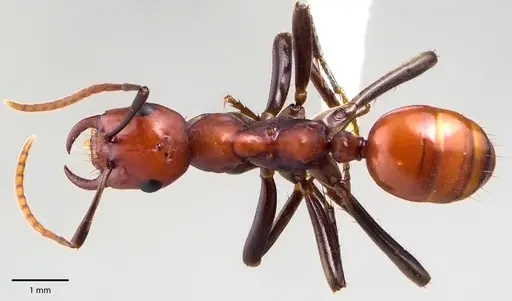
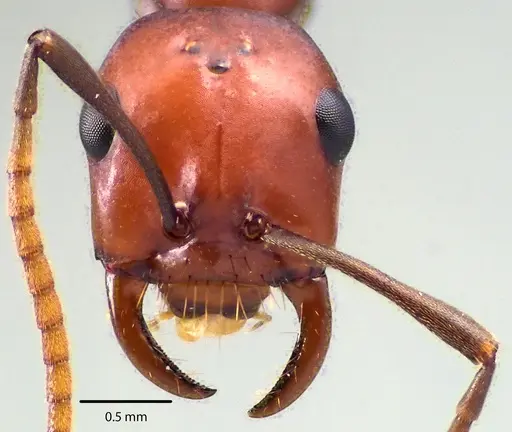
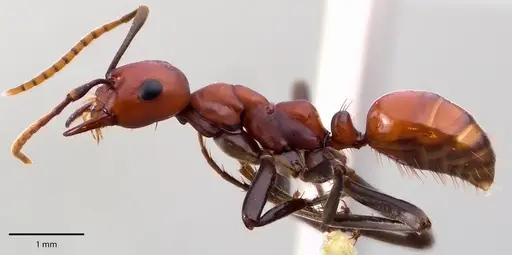
CASENT0105563
View on AntWeb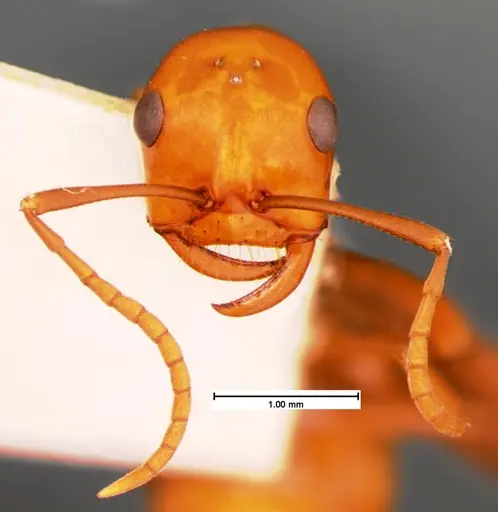
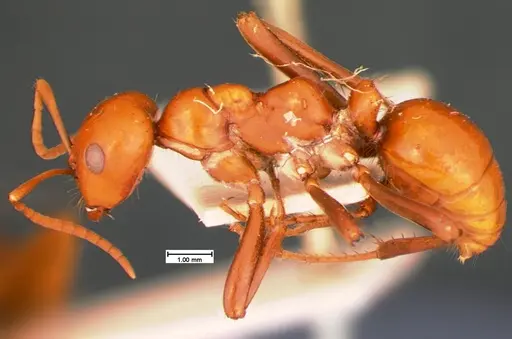
CASENT0172893
View on AntWeb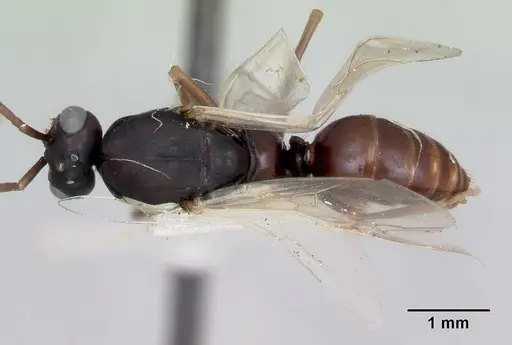
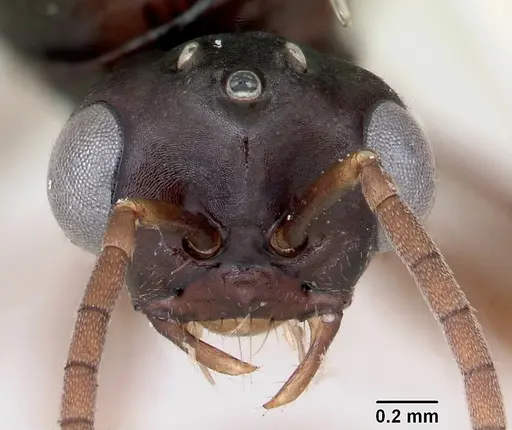
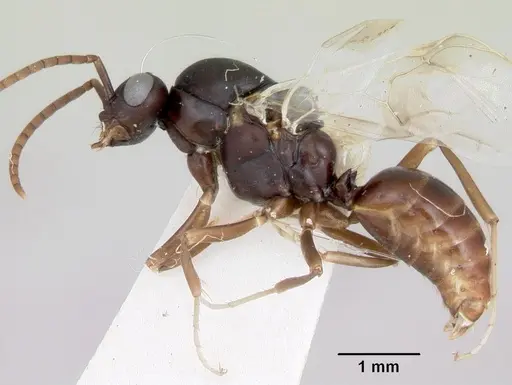
CASENT0172894
View on AntWeb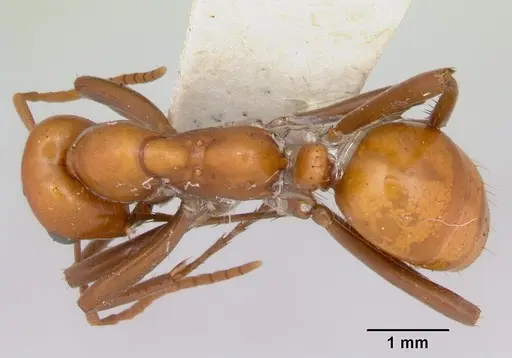
CASENT0281045
View on AntWeb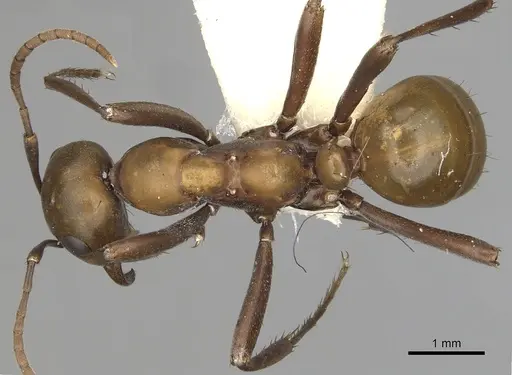
CASENT0281046
View on AntWeb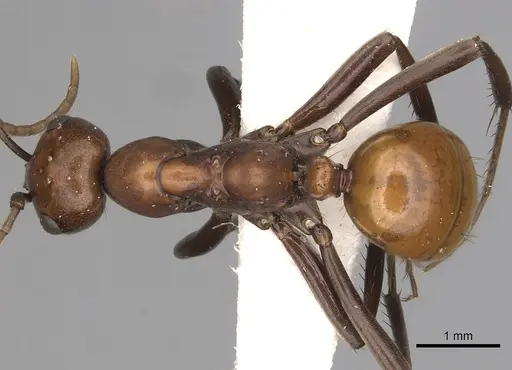
CASENT0281047
View on AntWeb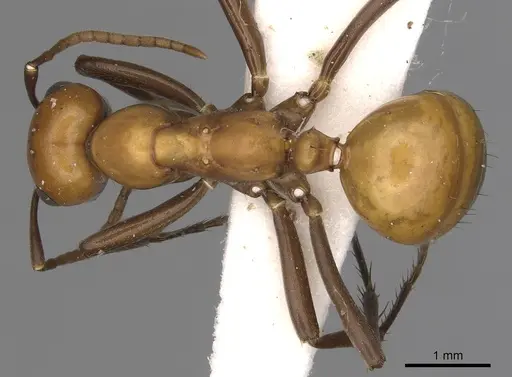
CASENT0281048
View on AntWeb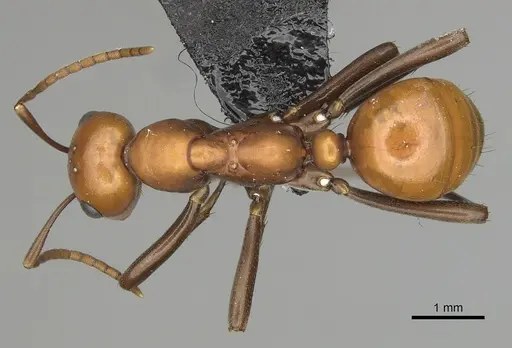
CASENT0281049
View on AntWeb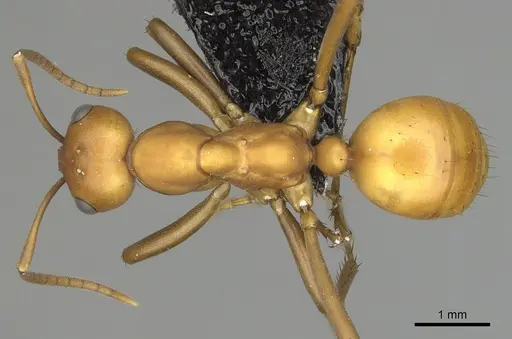
Literature
Loading...Loading products...