

Formica difficilis
- Scientific Name
- Formica difficilis
- Tribe
- Formicini
- Subfamily
- Formicinae
- Author
- Emery, 1893
- Distribution
- Found in 2 countries
Formica difficilis Overview
Formica difficilis is an ant species of the genus Formica. It is primarily documented in 2 countries , including Canada, United States of America. Detailed taxonomic data and occurrence records can be further explored via authoritative databases such as AntWeb or the Global Biodiversity Information Facility (GBIF).
Formica difficilis
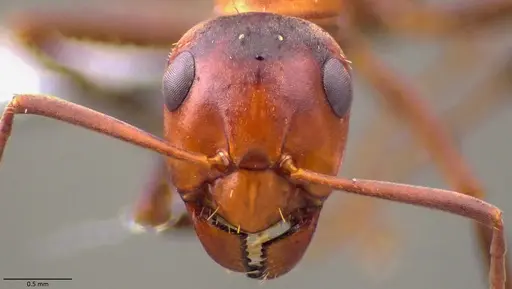
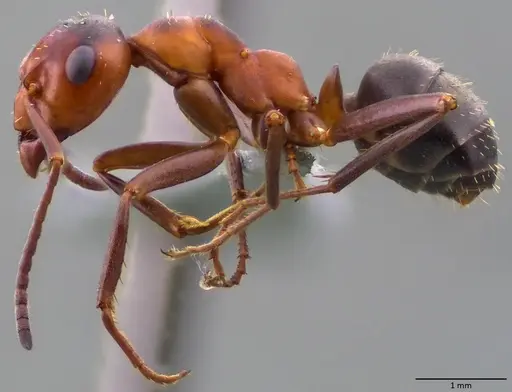
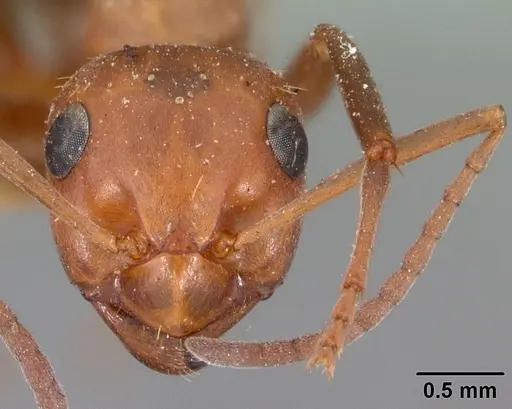
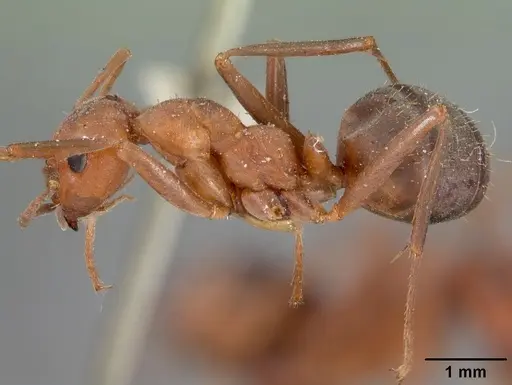
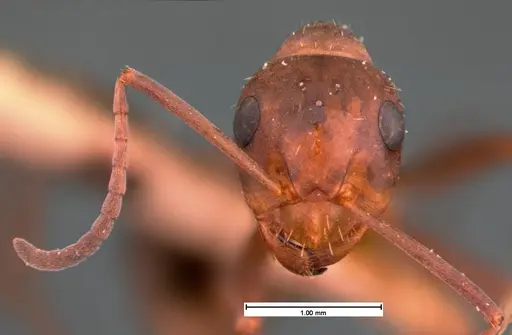
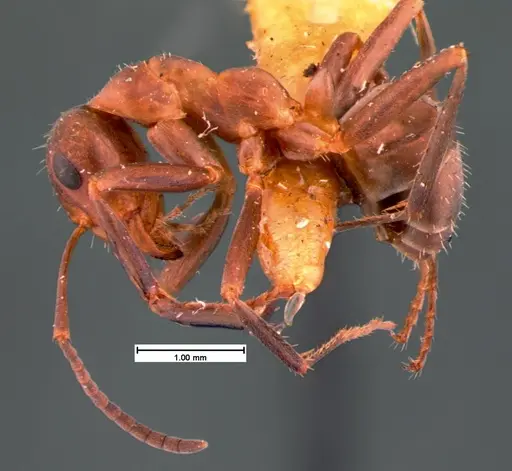
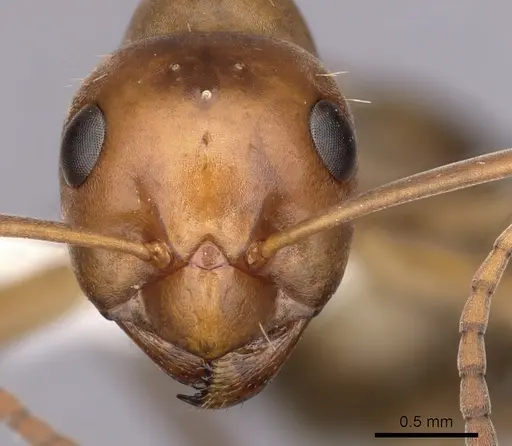
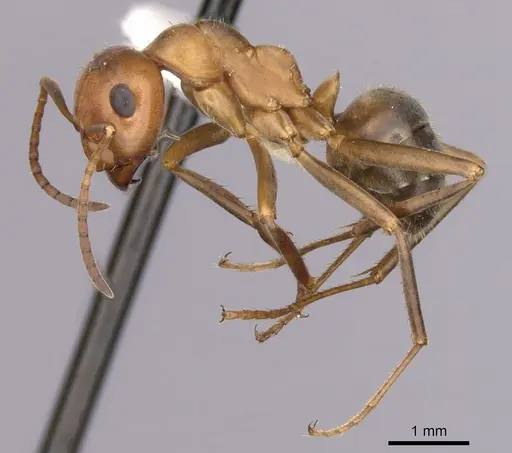
Formica difficilis is a small, yellowish ant native to the eastern United States, belonging to the F. microgyna species group. Workers measure roughly 4-6mm and are characterized by their relatively shiny head, sparse short hairs on the pronotum and mesonotum, and a few erect hairs on the petiole apex. Queens are notably tiny, among the smallest in the genus Formica, and are only slightly smaller than the largest workers, a trait called queen miniaturization that evolved as an adaptation to their parasitic lifestyle [1]. This species was once common in prairies and natural meadows but is now rare due to habitat destruction.
What makes F. difficilis truly unique is its temporary social parasitic lifestyle. Unlike most ants where a queen founds a new colony alone, F. difficilis queens are too small to establish colonies independently [2]. Instead, the tiny queen must invade queenless colonies of its host species, Formica incerta, where the host workers raise her first brood [2]. As the mixed colony grows, the F. difficilis workers gradually take over until the colony becomes fully independent. This species is also one of the more heat-tolerant members of the microgyna group, making it somewhat unusual among its relatives that typically prefer cooler conditions.
Quick Summary
- Difficulty: Expert
- Origin & Habitat: Eastern United States, found in native loamy or sandy grasslands, old fields, lightly grazed pasture, and barrens. Historically common in prairies and natural meadows but now rare and sporadic due to habitat destruction [3].
- Colony Type: Temporary social parasite, single queen invades queenless colonies of Formica incerta host species. Queens are miniature (not larger than largest workers) as an adaptation to parasitic founding [1][2].
- Colony: Monogyne
- Queen: Socially parasitic, Temporary parasitic
- Size & Growth:
- Queen: 5-7mm estimated (queens are tiny, slightly smaller than largest workers) [1][4]
- Worker: 4-6mm estimated based on genus [3]
- Colony: Unknown, likely moderate colonies typical of Formica species
- Growth: Moderate, growth depends on successful host colony integration
- Development: 6-10 weeks estimated based on typical Formica development at warm temperatures (Development timeline is not directly documented, estimate based on genus-level data for Formica species. Queens are miniature and may have accelerated development compared to larger Formica.)
- Antkeeping:
- Temperature: Keep warm at 24-28°C, this is one of the more heat-tolerant species within the microgyna group [3]. A heating cable on one side of the nest creates a gradient allowing workers to regulate their temperature.
- Humidity: Moderate humidity around 50-60%. These are grassland ants adapted to drier conditions than forest-dwelling Formica. Keep nest substrate slightly moist but allow it to dry between water additions.
- Diapause: Yes, as a temperate species, colonies require a winter rest period. Reduce temperature to 10-15°C for 3-4 months during winter months (roughly November-February in the Northern Hemisphere).
- Nesting: Naturalistic setups with sandy-loam substrate work well. In captivity, they can be kept in formicariums with compact nest chambers. They originally nested in small nests of woody materials in grasslands [5].
- Behavior: Workers are active foragers that tend aphids and membracids for honeydew, visit extrafloral nectaries on plants, and prey on small soft-bodied invertebrates [3]. They are attracted to both sweet and protein baits. Workers are not particularly aggressive but will defend the colony if threatened. Escape prevention should be good, these are moderately sized ants but not known escape artists. The biggest behavioral consideration is their parasitic nature, which makes colony founding extremely difficult in captivity.
- Common Issues: colony founding is extremely difficult, queens require a host Formica incerta colony to establish, making captive breeding nearly impossible, wild populations are rare and declining, ethical concerns about removing colonies from already threatened habitats, temperature management is critical, while more heat-tolerant than relatives, they still need specific warm conditions, hibernation failure can kill colonies, proper winter rest period is essential for long-term health, obtaining host species (Formica incerta) is challenging for most keepers
Understanding the Temporary Social Parasitic Lifestyle
Formica difficilis represents one of the most fascinating and challenging ant-keeping experiences available, but it's not for beginners. Unlike most ant species where a queen seals herself in a chamber and raises her first workers alone, F. difficilis queens are too small to survive this process [2]. Their queen miniaturization is an evolutionary adaptation that allows them to infiltrate host colonies, but it means they cannot found colonies independently.
In the wild, a newly mated F. difficilis queen seeks out queenless colonies of Formica incerta, the host species [2]. She enters the nest and the host workers, confused by her chemical signature, raise her brood alongside their own. As F. difficilis workers hatch, they gradually replace the host workers until the colony is entirely F. difficilis. This is 'temporary' social parasitism, the queen only needs host help during founding, not permanently like true cuckoo ants.
For antkeepers, this means establishing F. difficilis requires either: finding a queenless Formica incerta colony for her to invade, or purchasing an already-established mixed colony. Neither is easy, and established colonies remain dependent on proper host integration during the founding phase.
Housing and Nest Setup
For established colonies, use a naturalistic setup with a sandy-loam substrate that mimics their grassland habitat. These ants originally nested in small nests made of woody materials [5]. A formicarium with compact nest chambers works well in captivity, with a water reservoir to maintain moderate humidity.
Because they are heat-tolerant within their group, provide a temperature gradient using a heating cable on one side of the nest, keeping the warm end around 26-28°C while allowing workers to move to cooler areas if needed. This mimics the warm conditions they experience in their preferred grassland habitats.
Humidity should be moderate, think grassland conditions rather than the damp forests some Formica species prefer. Keep the substrate slightly moist but allow it to dry between water additions. Good ventilation is important to prevent mold while maintaining these conditions.
Feeding and Diet
Like most Formica species, F. difficilis workers are omnivorous and will accept both sweet and protein foods. In nature, they avidly tend aphids and membracids for honeydew and visit extrafloral nectaries on prairie plants [3]. They also prey on small, soft-bodied invertebrates.
In captivity, offer sugar water or honey as a constant energy source. For protein, provide small insects like fruit flies, small crickets, or mealworms. They are not picky eaters but prefer soft-bodied prey over hard-shelled insects. A varied diet helps maintain colony health.
Feed protein 2-3 times per week, removing any uneaten prey after 24 hours. Keep sugar water available at all times, replacing it every few days to prevent fermentation.
Seasonal Care and Overwintering
As a temperate species native to the eastern United States, F. difficilis requires a proper winter dormancy period. Reduce temperatures gradually in late autumn to around 10-15°C and maintain this for 3-4 months, typically from November through February in the Northern Hemisphere.
During hibernation, reduce feeding to almost nothing, the colony will be largely inactive and consume minimal resources. Keep the nest slightly moist but not wet, as completely dry conditions can be fatal during dormancy. Do not feed during the hibernation period.
In spring, gradually warm the colony back to normal temperatures over a week or two. Resume normal feeding as workers become active. This seasonal cycle is essential for long-term colony health and reproduction. [3]
Frequently Asked Questions
Can I start a Formica difficilis colony from a single queen?
No, this is the fundamental challenge with F. difficilis. Queens are too small to found colonies independently (they lack the fat reserves to survive claustral founding) [2]. They must invade queenless colonies of their host species, Formica incerta, to establish. This makes captive breeding extremely difficult. Your best option is to obtain an already-established colony.
What do I feed my Formica difficilis colony?
They are omnivorous, offer sugar water or honey constantly for energy, and protein (small insects like fruit flies, tiny crickets, or mealworms) 2-3 times per week. They avidly tend aphids in the wild, so honey/sugar sources are important. Remove uneaten prey after 24 hours.
What temperature do Formica difficilis ants need?
Keep them warm at 24-28°C. This species is one of the more heat-tolerant members of the microgyna group [3]. Use a heating cable on one side of the nest to create a gradient, allowing workers to regulate their temperature by moving between warm and cooler areas.
How long does it take for Formica difficilis to develop from egg to worker?
The exact development timeline is not documented, but based on typical Formica species, expect 6-10 weeks from egg to worker at optimal warm temperatures (around 26°C). Their miniature queen size may affect development, but this is not well-studied.
Are Formica difficilis good for beginners?
No, this is an expert-level species. The biggest challenge is their temporary social parasitic lifestyle, which makes colony founding nearly impossible in captivity. Additionally, wild populations are rare and declining due to habitat loss, raising ethical concerns. This species is best left to experienced antkeepers with access to established colonies.
Do Formica difficilis need hibernation?
Yes, as a temperate species from the eastern United States, they require a winter rest period. Reduce temperatures to 10-15°C for 3-4 months during winter (roughly November-February). This is essential for long-term colony health and reproduction.
How big do Formica difficilis colonies get?
The maximum colony size is not well-documented, but based on typical Formica patterns, expect several hundred workers at maturity. They are not among the largest Formica species, likely due to their parasitic lifestyle and smaller queen size.
Can I keep multiple Formica difficilis queens together?
Not recommended, F. difficilis is a temporary social parasite that invades host colonies with a single queen. Multiple unrelated queens would likely fight. If you obtain a colony, assume it has a single reproductive queen.
Why are Formica difficilis so rare in the antkeeping hobby?
Their temporary social parasitic lifestyle makes captive breeding nearly impossible without access to host colonies (Formica incerta). Additionally, wild populations have declined dramatically due to destruction of their grassland and meadow habitats. Ethical concerns about removing colonies from already threatened populations also limit their availability.
References

This caresheet is licensed under CC BY-SA 4.0 .
ANTWEB1060060
View on AntWeb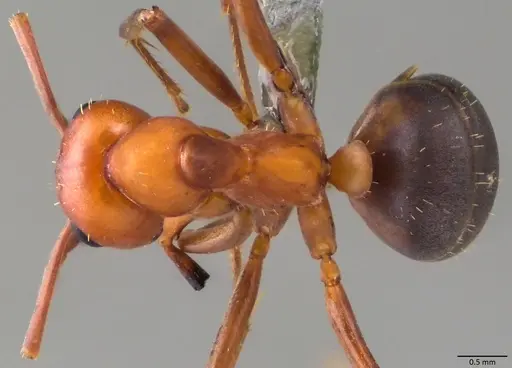
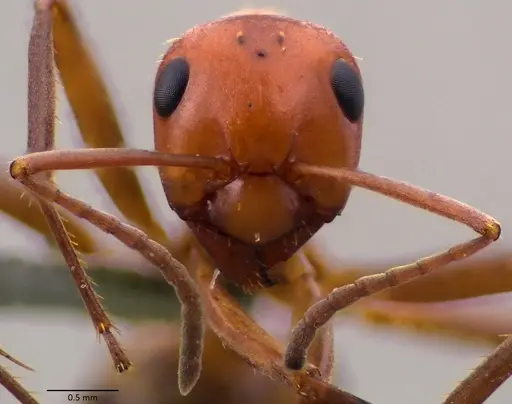
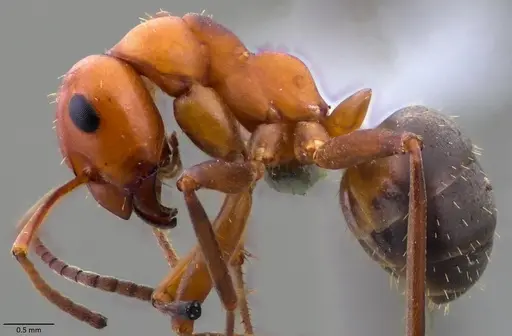
ANTWEB1060061
View on AntWeb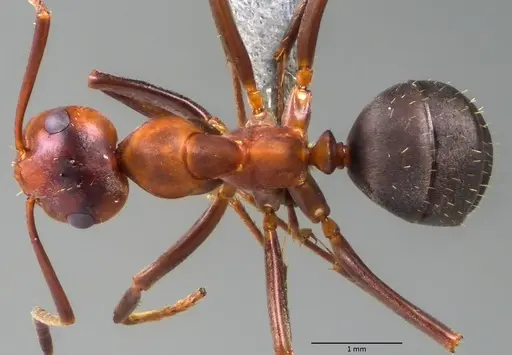
CASENT0102161
View on AntWeb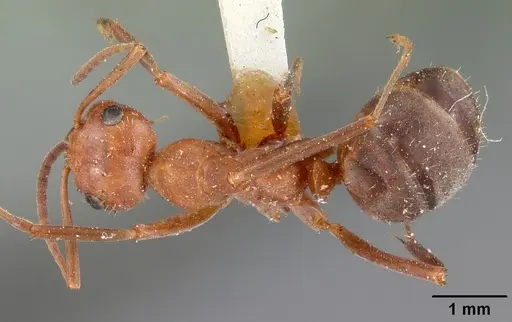
CASENT0105549
View on AntWeb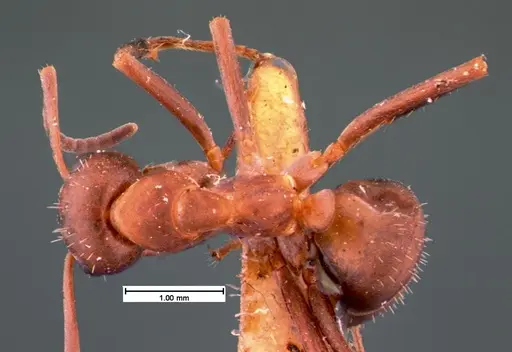
CASENT0280414
View on AntWeb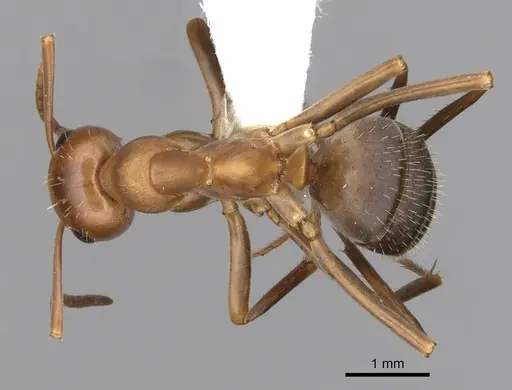
Literature
Loading...Loading products...