

Polyergus lucidus
- Scientific Name
- Polyergus lucidus
- Tribe
- Formicini
- Subfamily
- Formicinae
- Author
- Mayr, 1870
- Common Name
- Shining Amazon Ant
- Distribution
- Found in 2 countries
Polyergus lucidus Overview
Polyergus lucidus (commonly known as the Shining Amazon Ant) is an ant species of the genus Polyergus. It is primarily documented in 2 countries , including Canada, United States of America. Detailed taxonomic data and occurrence records can be further explored via authoritative databases such as AntWeb or the Global Biodiversity Information Facility (GBIF).
Polyergus lucidus - "Shining Amazon Ant"
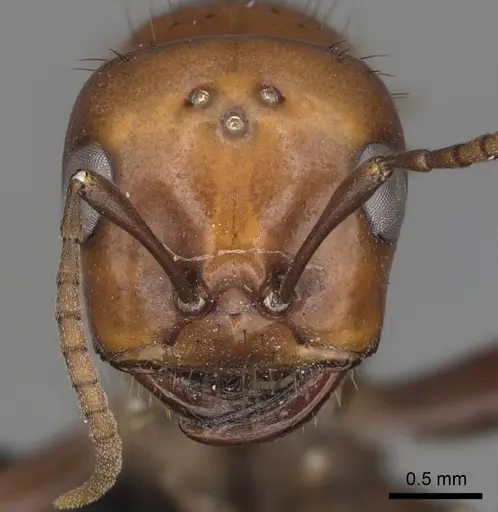
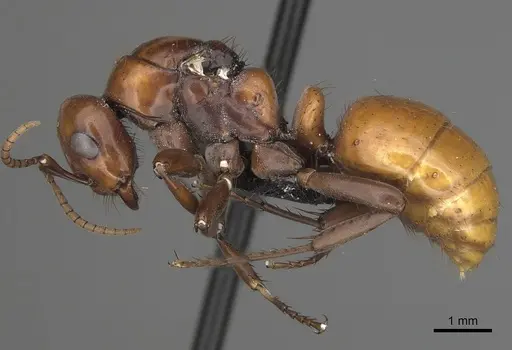
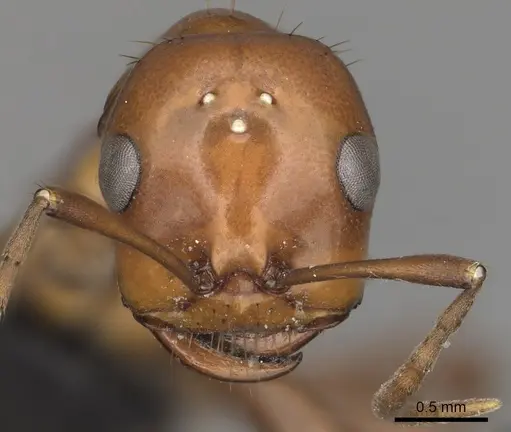
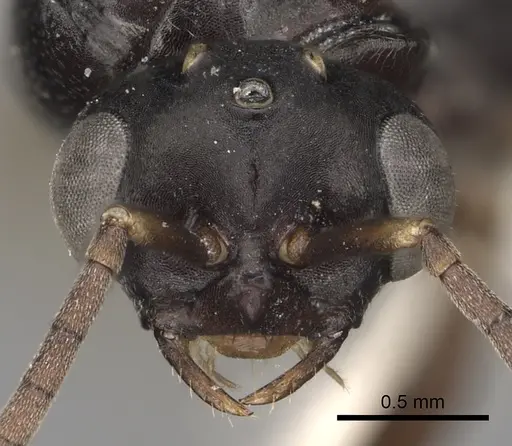
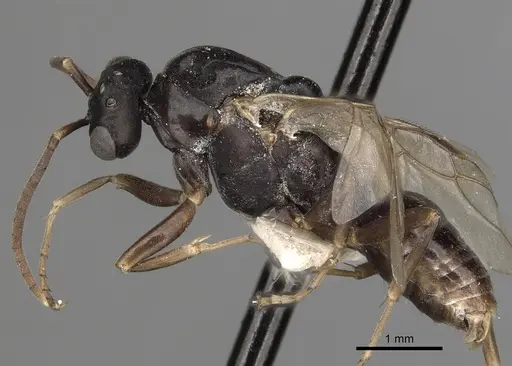
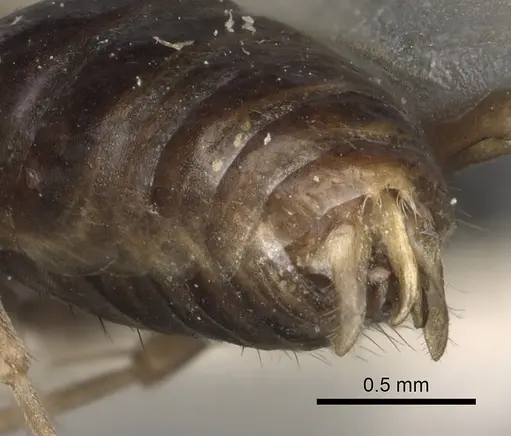
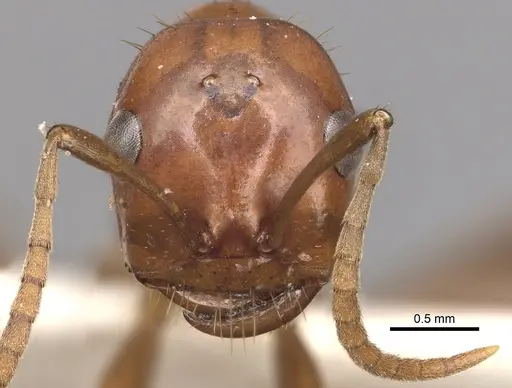
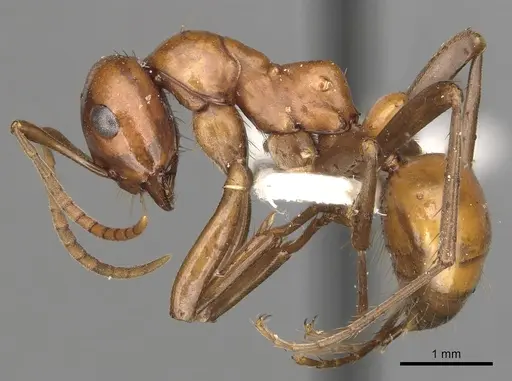
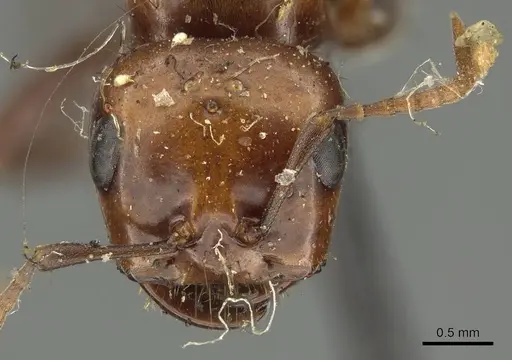
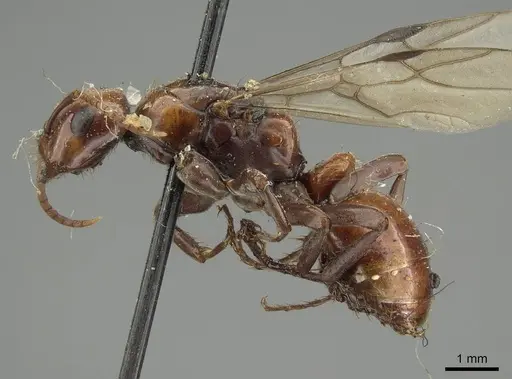
Polyergus lucidus is a medium-sized red ant known for its distinctive glossy, shining appearance, the shiniest of all Polyergus species, which is where its Latin name 'lucidus' (meaning shining) comes from [1]. Workers measure 5.7-7.1mm with a reddish color often showing darker infuscation on the legs and gaster tip [2][1]. This species is an obligate social parasite, it cannot survive without enslaved host workers from the Formica pallidefulva group (primarily Formica incerta) to care for its brood, forage, and maintain the nest [3][4]. The colony consists of both Polyergus workers and their Formica slaves, with Polyergus typically making up only 12-20% of the total worker population [3]. In the wild, colonies conduct dramatic late-afternoon slave raids where Polyergus workers raid nearby Formica nests to capture pupae, which emerge as enslaved workers within the mixed colony [5][6].
Quick Summary
- Difficulty: Expert
- Origin & Habitat: Native to northeastern to midwestern North America, ranging from southern New England to Wisconsin, south to the mountain meadows of the Carolinas and tallgrass prairies of Missouri [1]. Found in open fields, upland areas, woodland edges, and openings in oak-hickory forests [6].
- Colony Type: Monogynous (single queen) obligate social parasite. Colonies contain both Polyergus lucidus workers and enslaved Formica host workers (primarily Formica incerta) [3][7]. The queen is permanently parasitic and cannot found a colony independently.
- Colony: Monogyne
- Queen: Socially parasitic
- Special: Slave-making
- Size & Growth:
- Queen: 8-9.5mm [2]
- Worker: 5.7-7.1mm (TL) [8]
- Colony: Mixed colonies can reach over 1,000 Polyergus workers with thousands of Formica slaves. One studied colony contained 1,139 adult Polyergus,731 callow Polyergus, and 6,067 Formica individuals [5].
- Growth: Moderate, development from egg to worker takes approximately 32 days under lab conditions [5].
- Development: Approximately 32 days (12 days egg,9-12 days larval,20-23 days pupal) [5] (Development is temperature-dependent. First raids occur about 4 days after larvae appear in the nest [5].)
- Antkeeping:
- Temperature: Keep at room temperature around 20-24°C. In the wild, raids and nuptial flights occur at high temperatures (78-95°F / 26-35°C) [9][6]. A temperature gradient allows ants to self-regulate.
- Humidity: Moderate humidity similar to their open field habitat. Keep nest substrate slightly moist but not waterlogged. Avoid overly damp conditions that can harm both Polyergus and their Formica hosts.
- Diapause: Yes, these ants are temperate species that require a winter hibernation period. Reduce temperature to around 5-10°C for 3-4 months during winter months (typically November-March in the Northern Hemisphere) [6].
- Nesting: Requires a formicarium with chambers suitable for both species. The Formica slaves do the nest maintenance and brood care, so the setup should accommodate their behavior. Y-tong (AAC) nests or plaster nests work well. Provide a connection to an outworld for foraging and slave raids.
- Behavior: Polyergus lucidus is a specialized slave-maker with complex social behavior. Workers are not aggressive toward humans and do not sting, but they will defend the colony if threatened. The most notable behavior is their organized slave raids, scouts locate target Formica nests, then lead raiding parties (often 100+ workers) to capture pupae [5]. These raids occur in late afternoon, typically between 3-6 PM [5]. The Formica slaves perform all normal colony duties: foraging, brood care, nest maintenance, and even feeding the Polyergus queen and workers via regurgitation [5]. Escape risk is moderate, standard barrier methods (Fluon) are sufficient for ants of this size.
- Common Issues: Host dependency is the biggest challenge, Polyergus cannot survive without Formica host workers. If host colonies die or rebel, the Polyergus colony will collapse [4]., Formica host workers may become aggressive and kill the Polyergus queen over time under laboratory conditions, this 'rebellion' behavior has been documented [4]., Obtaining host Formica colonies can be difficult and legally complex depending on your region., Slave raids in captivity can be messy and may damage or kill host colonies if not managed properly., This species is listed as Vulnerable (VU D2) in some regions, ethical considerations apply to collecting from the wild [10][11].
The Slave-Making Lifestyle
Polyergus lucidus is an obligate dulotic ant, this means it cannot survive without enslaved host workers from the Formica pallidefulva group. Unlike some ants that only temporarily rely on hosts, these ants are permanently dependent. The Polyergus queen must invade an existing Formica colony, kill or displace the host queen, and establish herself as the sole egg-layer. Her workers then emerge and conduct raids on nearby Formica nests to capture pupae, which emerge as enslaved workers that perform all colony maintenance tasks [3][4]. In the mixed colony, Formica workers do the foraging, brood care, nest excavation, and even feed the Polyergus queen and workers through regurgitation. Polyergus workers make up only 12-20% of the total colony population yet dominate the social structure [3]. This specialized relationship means keeping P. lucidus requires maintaining both the parasite and its host, if the Formica slaves die or rebel, the colony will not survive [4].
Slave Raids: Nature's raiding Parties
One of the most fascinating behaviors of P. lucidus is its organized slave raids. Scouts (typically older workers) search for target Formica nests, often revisiting the same areas over multiple days. When a suitable target is found, the scout returns and leads a raiding party to the nest [5]. These raids occur in late afternoon, after peak daytime temperatures, typically between 3-6 PM [5]. The raid column can include 100+ workers moving rapidly toward the target nest. Upon arrival, Polyergus workers capture Formica pupae and larvae, bringing them back to their own nest. Studies show approximately 75% of captured brood is eaten rather than raised, yet enough survives to maintain the slave workforce [5]. Maximum raid distance can reach 48 meters, and colonies may conduct over 100 raids in a single season [5]. In captivity, you can observe this behavior by providing a target Formica colony, though managing raids requires experience.
Nuptial Flights and Reproduction
Nuptial flights occur from late July through mid-September, with peak activity in August. Unlike many ants that fly in morning or evening, P. lucidus mates in early afternoon under very warm (78-95°F / 26-35°C) and bright conditions (7,000+ foot-candles) [9]. Males form active clusters on grass blades, performing a frenzied 'dance' before taking off. Females emerge 5-20 minutes after males and fly shortly after. One colony studied produced 115 females and 407 males in a single season [9]. After mating, dealate females find Formica colonies to invade by following the raiding parties of Polyergus workers, they wait near raid columns and enter the target colony as the raid progresses or shortly after [9]. This dependency on following raids for colony founding makes captive propagation challenging.
Housing and Care Requirements
Keeping P. lucidus successfully requires maintaining two species: the Polyergus colony and its Formica host. Housing should accommodate both species' needs. A Y-tong (AAC) or plaster formicarium works well, connected to an outworld for foraging. The nest should have chambers scaled to medium-sized ants (6-7mm workers). Temperature around 20-24°C is suitable, with a gradient allowing self-regulation. Humidity should be moderate, slightly moist substrate without standing water. The critical challenge is maintaining healthy Formica host workers, as they perform all brood care and foraging. In laboratory conditions, Formica hosts often 'rebel', becoming aggressive toward Polyergus workers and eventually killing the queen [4]. This rebellion behavior is less commonly observed in well-established wild colonies but represents a significant challenge for long-term captive success.
Ethical and Legal Considerations
Polyergus lucidus is listed as Vulnerable (VU D2) on the IUCN Red List, meaning populations are considered at risk due to limited distribution and specific habitat requirements [10][11]. The species is rare in many parts of its range and depends on both specific host Formica species and appropriate habitat (open fields, woodland edges). Before obtaining this species, check local regulations regarding collection and possession. Wild collection should be minimized, establishing captive colonies from wild-caught foundresses is difficult given the parasitic founding mechanism. If you do keep this species, never release any ants in non-native areas, as both Polyergus and their Formica hosts could become problematic. The best approach is to connect with experienced keepers who maintain established mixed colonies.
Frequently Asked Questions
Can I keep Polyergus lucidus in a test tube setup?
A test tube setup alone is not suitable for P. lucidus. This species requires a mixed colony with Formica host workers, plus space for slave raids. A formicarium with an outworld is necessary. However, you can use test tubes for founding queens temporarily while they establish in a host colony.
How long does it take for first workers to appear?
Development from egg to worker takes approximately 32 days under optimal conditions: about 12 days as an egg,9-12 days as a larva, and 20-23 days as a pupa [5]. However, this timeline assumes the queen is already established in a host colony and being fed by Formica workers.
Can I keep multiple queens together?
No. P. lucidus is monogynous, colonies have a single queen. Multiple unrelated queens would fight. The natural colony founding involves a single dealate queen invading a Formica colony [9]. Ergatoid (wingless reproductive) females may appear in established colonies but they do not become additional egg-layers [5].
What do I feed Polyergus lucidus?
The Formica host workers do all the foraging, so you primarily feed the host colony. Offer standard ant foods: protein sources (dead insects, mealworms) and sugar sources (honey, sugar water). The Formica workers will collect and distribute food. Polyergus workers occasionally feed independently but are mostly fed through regurgitation from Formica or other Polyergus workers [5].
Are Polyergus lucidus good for beginners?
No. This species is rated Expert difficulty. The primary challenge is maintaining the obligate parasitic relationship, the colony requires healthy Formica host workers that perform all brood care and foraging. If the host workers die or rebel (which commonly happens in captivity), the colony collapses [4]. Only experienced antkeepers should attempt this species.
Do they need hibernation?
Yes. As a temperate species, P. lucidus requires a winter diapause period. Reduce temperatures to approximately 5-10°C for 3-4 months during winter (typically November through March in the Northern Hemisphere). This matches their natural cycle where colonies are inactive during cold months [6].
Why are my ants dying?
The most common cause is host worker loss or rebellion. In laboratory conditions, Formica host workers frequently become aggressive, attack Polyergus workers, and may kill the queen over several months [4]. Other causes include insufficient host colonies (without Formica workers, Polyergus cannot survive), improper humidity, or temperature stress. This species is challenging to maintain long-term precisely because of the host dependency.
How big do colonies get?
Mixed colonies can become quite large. One studied field colony contained 1,139 adult Polyergus workers,731 callow (newly emerged) Polyergus workers, and over 6,000 Formica host individuals [5]. Polyergus typically makes up 12-20% of the total worker population [3].
References

This caresheet is licensed under CC BY-SA 4.0 .
CASENT0281037
View on AntWeb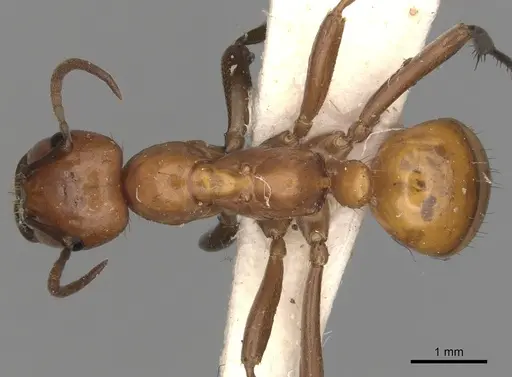
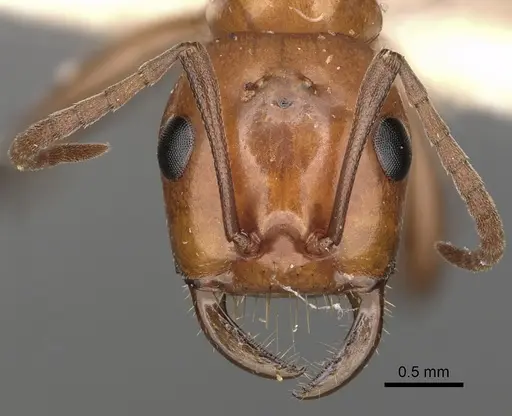
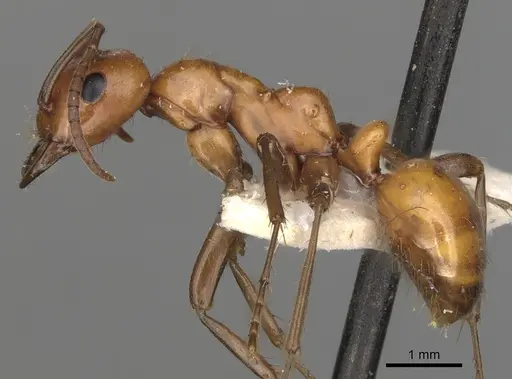
CASENT0281038
View on AntWeb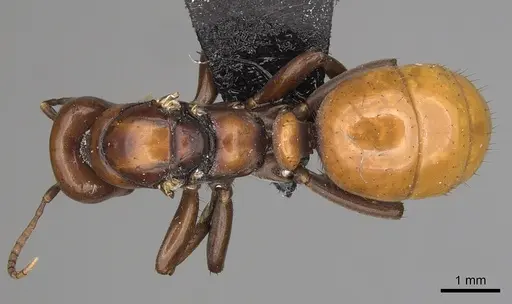
CASENT0281039
View on AntWeb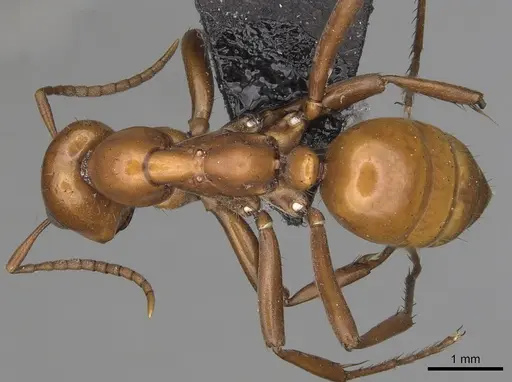
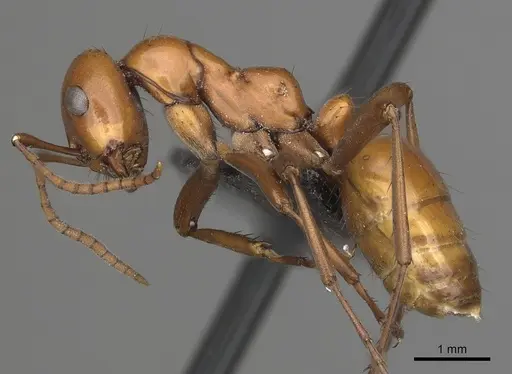
CASENT0281040
View on AntWeb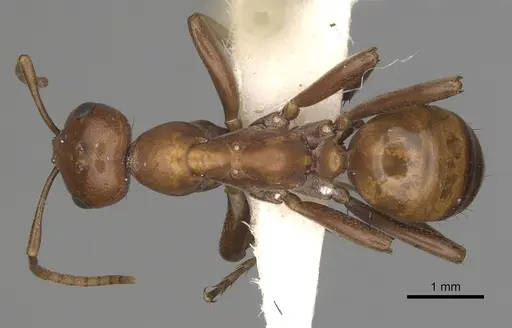
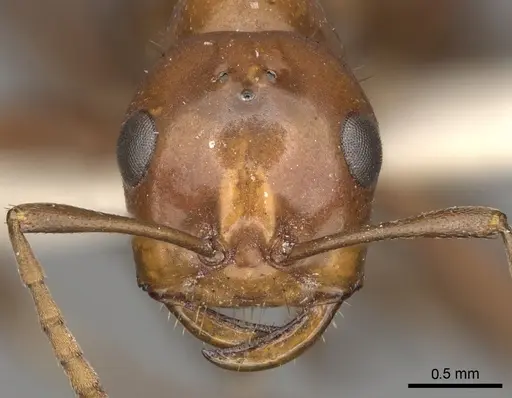
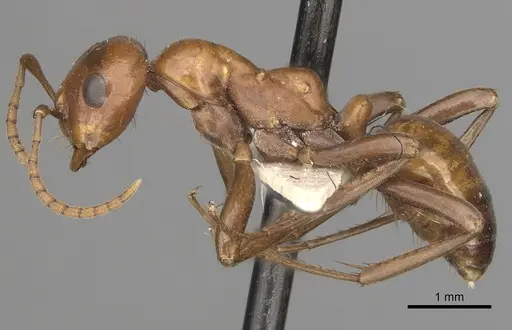
CASENT0281041
View on AntWeb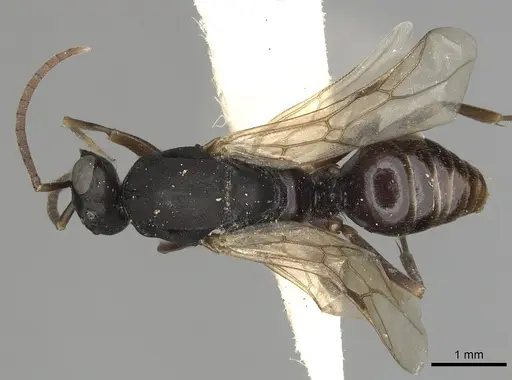
CASENT0281042
View on AntWeb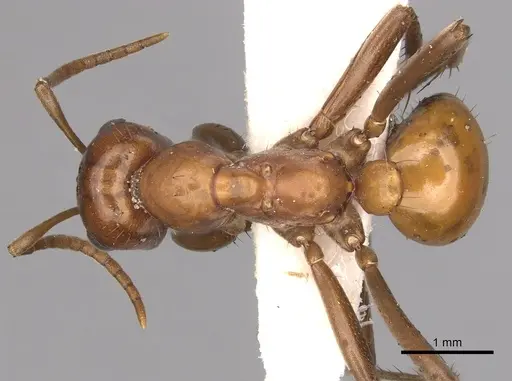
CASENT0281066
View on AntWeb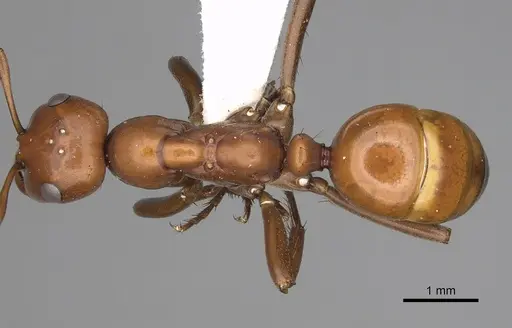
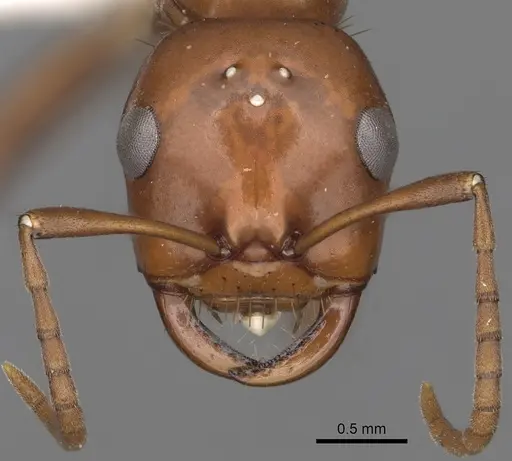
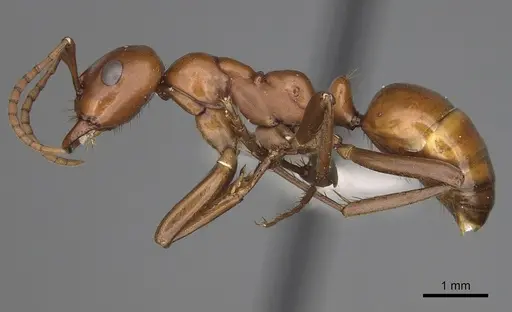
CASENT0915628
View on AntWeb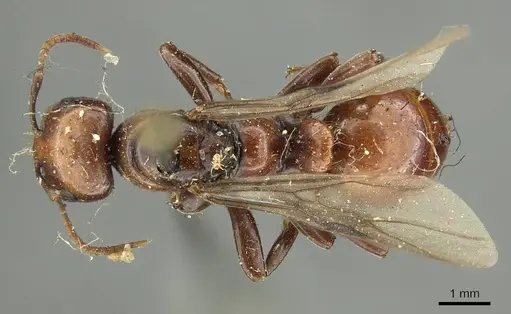
Literature
Loading...Loading products...