

Pheidole pampana
- Scientific Name
- Pheidole pampana
- Tribe
- Attini
- Subfamily
- Myrmicinae
- Author
- Santschi, 1929
- Distribution
- Found in 2 countries
Pheidole pampana Overview
Pheidole pampana is an ant species of the genus Pheidole. It is primarily documented in 2 countries , including Argentina, Brazil. Detailed taxonomic data and occurrence records can be further explored via authoritative databases such as AntWeb or the Global Biodiversity Information Facility (GBIF).
Pheidole pampana
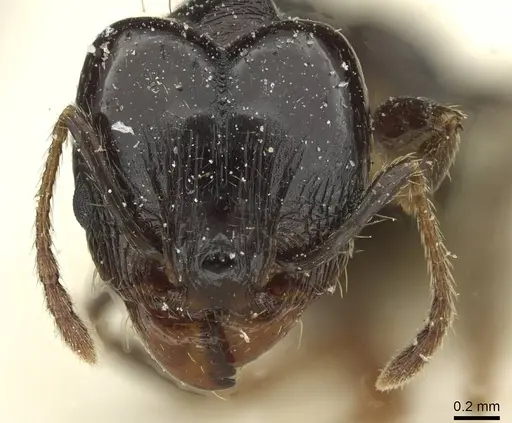
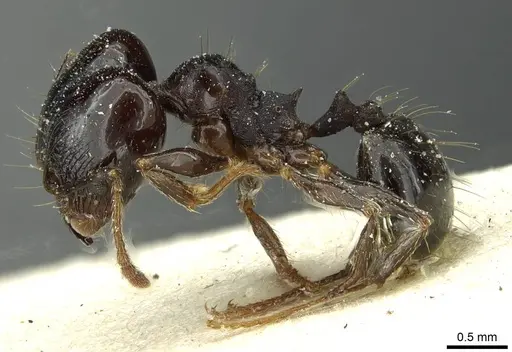
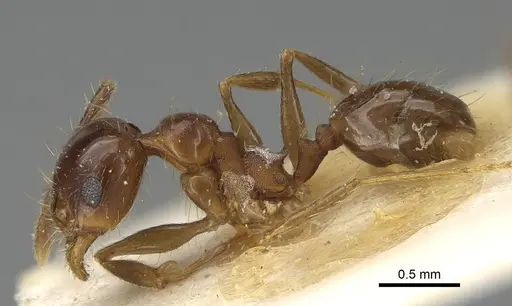
Pheidole pampana is a small ant species belonging to the fallax group, native to the grasslands of Argentina and southern Brazil. Major workers measure approximately 1.4mm in head width, while minor workers are around 0.72mm. The species was originally described as a subspecies of Pheidole nitidula and later raised to full species status. The name refers to the Pampas, the Argentine grasslands where the type specimens were collected. These ants are strongly ground-dwelling, showing a strict association with the ground stratum in ecological studies [1]. They are typically found in open grassland habitats and have been recorded in agricultural areas like eucalyptus plantations and soybean crops [2].
Quick Summary
- Difficulty: Unknown
- Origin & Habitat: Native to the Argentine Pampas (grasslands) with range extending into southern Brazil. Type locality is Alta Gracia, Córdoba, Argentina. Found in ground stratum of grasslands and open areas [1][3].
- Colony Type: Colony structure is unconfirmed. As a Pheidole species, likely monogyne (single queen) but this needs confirmation.
- Size & Growth:
- Queen: Unconfirmed, no queen measurements available for this species
- Worker: Major: 1.40mm head width, Minor: 0.72mm head width [4]
- Colony: Unknown, no colony size data available
- Growth: Unknown, no development data available
- Development: Unconfirmed, no direct data available. Based on typical Pheidole fallax group patterns, estimate 6-8 weeks at warm temperatures. (This species has no documented development timeline. Estimates based on genus-level patterns for similar grassland-dwelling Pheidole.)
- Antkeeping:
- Temperature: Inferred: Keep around 22-26°C based on grassland habitat preferences of related species. Room temperature is likely suitable for this species.
- Humidity: Inferred: Moderate humidity (50-70%) typical of grassland floor conditions. Keep nest substrate slightly moist but not waterlogged.
- Diapause: Unknown, no data on overwintering requirements. Likely experiences reduced activity in cooler months given the temperate grassland habitat.
- Nesting: Inferred: Strongly ground-dwelling, prefers nests in soil or under stones. A naturalistic setup with soil substrate or a Y-tong/plaster nest works well. Avoid dry, arid setups.
- Behavior: Temperament is unconfirmed, but Pheidole species are generally non-aggressive and focused on foraging. Workers forage individually on the ground surface. Major workers are present (typical Pheidole dimorphism). Escape risk is moderate, use standard barrier methods. No documented sting reports for this specific species.
- Common Issues: no biological data available, this is one of the least studied ant species, making care recommendations largely inferential, colony structure unconfirmed, queen number and founding behavior unknown, development timeline unknown, expect 6-8 weeks based on genus patterns but not confirmed, growth rate unconfirmed, no data on how fast colonies develop, hibernation requirements unknown, may need cool period given temperate distribution
Species Overview and Identification
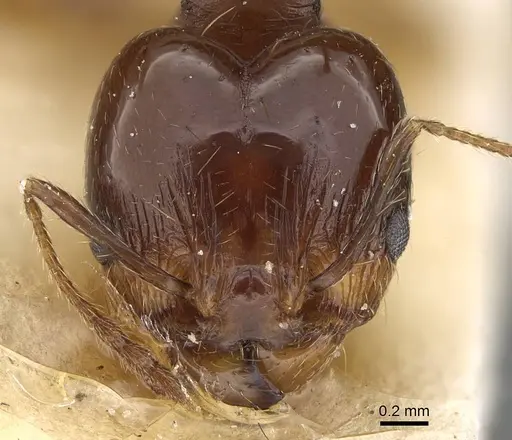
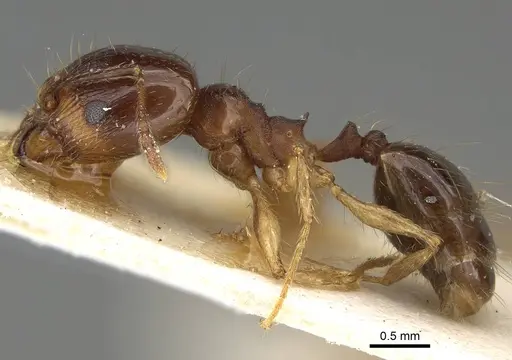
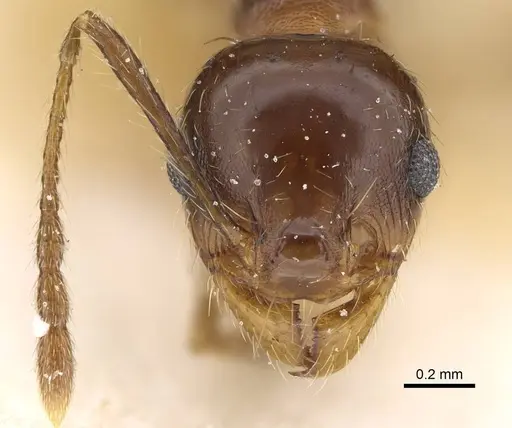
Pheidole pampana is a member of the fallax species group, making it closely related to Pheidole bergi, Pheidole cordiceps, Pheidole eidmanni, and Pheidole nitidula. The species was originally described by Santschi in 1929 as a subspecies of P. nitidula and was elevated to full species status by Wilson in 2003. Major workers have a distinctive bicolored head with the anterior portion being brownish yellow while the rest of the body is medium reddish brown. Minor workers are plain medium brown with yellowish-brown venter and gaster. The species name refers to the Pampas, the vast grasslands of Argentina where the type specimens were collected near Alta Gracia in Córdoba province. [4]
Distribution and Habitat
Pheidole pampana is known from the Argentine Pampas region (type locality: Alta Gracia, Córdoba) with documented records extending into southern Brazil, including the states of Paraná and Rio Grande do Sul. This represents a significant range extension from the original description. The species shows a strong preference for ground-level habitats, with an Indicator Value (IndVal) of 95.5 for the ground stratum, meaning it is almost exclusively found at ground level [1]. It has been recorded in various grassland habitats and is tolerant of some human disturbance, having been found in eucalyptus plantations and soybean agricultural areas [2]. In Brazil, it has been collected in Cerrado habitat using pitfall traps [3].
Ecological Preferences
Ecological studies reveal that Pheidole pampana prefers low vegetation and secondary forest environments over primary forest. It forages individually on the forest floor and shows a strict association with ground-level microhabitats. The species was found in approximately 48.8% of sites in grassland restoration studies, indicating it is relatively common in its range but sensitive to habitat conditions. Its presence in both natural grasslands and agricultural areas suggests some tolerance for modified landscapes, though it clearly prefers open, grassy environments. [4]
Keeping Pheidole pampana in Captivity
Since no biological data exists for this species, care recommendations must be inferred from related species in the fallax group and general Pheidole husbandry. These ants are strongly ground-dwelling, so provide a nest setup with soil or compactable substrate, a naturalistic setup with a soil chamber or Y-tong/plaster nest works well. Keep the nest at moderate humidity (50-70%) with slight moisture in the substrate. Temperature around 22-26°C should be suitable. Feed standard ant fare: sugar water or honey as an energy source, and protein sources like fruit flies, small crickets, or other small insects. Major workers will be present in established colonies, giving you the classic Pheidole dimorphism with larger soldiers alongside smaller workers.
What We Don't Know
Honest assessment: Pheidole pampana is one of the least studied ant species in existence. We have no data on: colony founding behavior (claustral vs semi-claustral), queen number (monogyne vs polygyne), development timeline, colony size limits, nuptial flight timing, overwintering requirements, or aggression levels. The scientific literature explicitly states 'nothing is known about the biology of pampana' [4]. This means you will be essentially pioneering captive husbandry for this species. Start with standard Pheidole care and adjust based on your observations. Document your findings, they could contribute to scientific knowledge of this poorly understood species.
Frequently Asked Questions
How do I care for Pheidole pampana ants?
Since nothing is known about this species' biology, care is inferential. Keep them in a naturalistic or Y-tong nest with soil substrate at 22-26°C and moderate humidity (50-70%). Feed sugar water and small insects. This is essentially pioneering captive care for this species.
What do Pheidole pampana eat?
No specific diet data exists. Based on related Pheidole species, they likely accept sugar sources (honey, sugar water) and protein (small insects like fruit flies, pinhead crickets, or mealworms). Feed sugar constantly and protein 2-3 times weekly.
How long does it take for Pheidole pampana to develop from egg to worker?
The development timeline is unconfirmed for this species. Based on typical Pheidole fallax group patterns, expect approximately 6-8 weeks from egg to first worker at warm temperatures (24-26°C). This is an estimate only.
What size do Pheidole pampana colonies reach?
Colony size is unknown, no data exists on maximum colony size for this species. Most Pheidole colonies reach several hundred to a few thousand workers. Expect moderate colony growth over time.
What type of nest does Pheidole pampana need?
Inferred: Strongly ground-dwelling. Use a naturalistic setup with soil substrate, or a Y-tong/plaster nest with compact chambers. Avoid dry, arid setups, they prefer moderate moisture.
Where is Pheidole pampana found in the wild?
Native to Argentine Pampas grasslands (type locality: Alta Gracia, Córdoba) with records in southern Brazil (Paraná, Rio Grande do Sul). They prefer open grassland and low vegetation areas.
Is Pheidole pampana good for beginners?
Difficulty level is unknown due to lack of biological data. This species is NOT recommended for beginners precisely because we know almost nothing about its care requirements. Choose a better-documented species first.
Does Pheidole pampana need hibernation?
Diapause requirements are unknown. Given the temperate grassland habitat in Argentina and southern Brazil, they likely experience cooler winters and may benefit from a reduced activity period. More research is needed.
Can I keep multiple Pheidole pampana queens together?
Colony structure is unconfirmed. Most Pheidole species are monogyne (single queen), but polygyny has been documented in some species. Without data on this specific species, keeping multiple unrelated queens together is not recommended.
References

This caresheet is licensed under CC BY-SA 4.0 .
CASENT0913360
View on AntWeb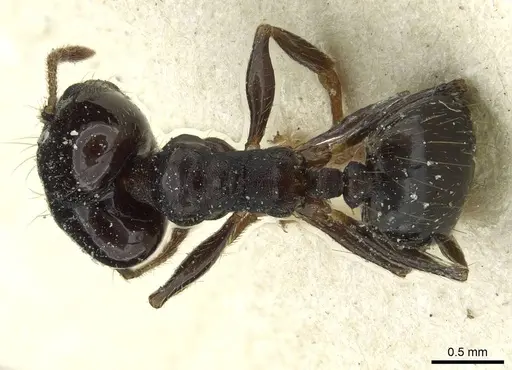
CASENT0913361
View on AntWeb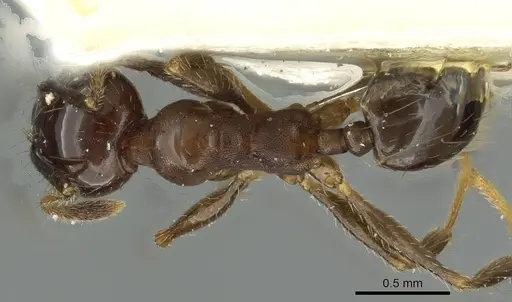
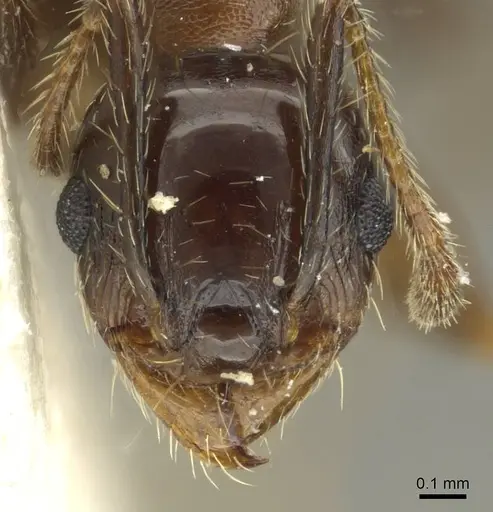
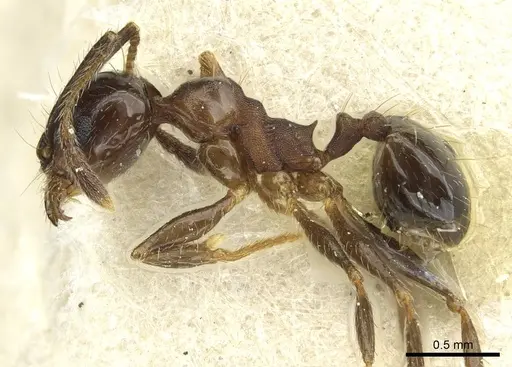
CASENT0922365
View on AntWeb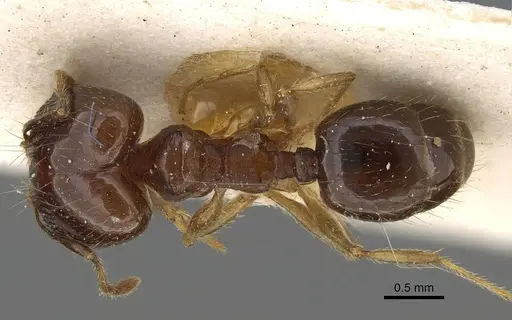
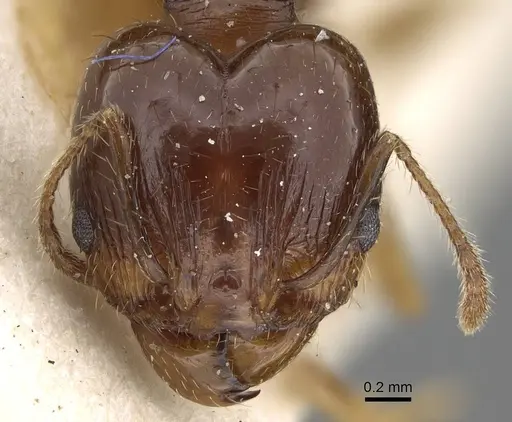
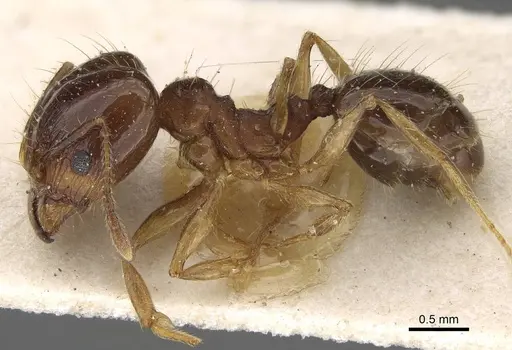
CASENT0922366
View on AntWeb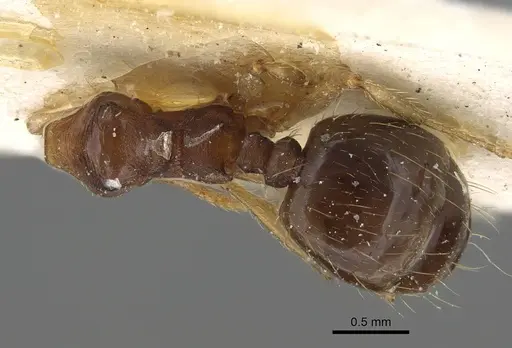
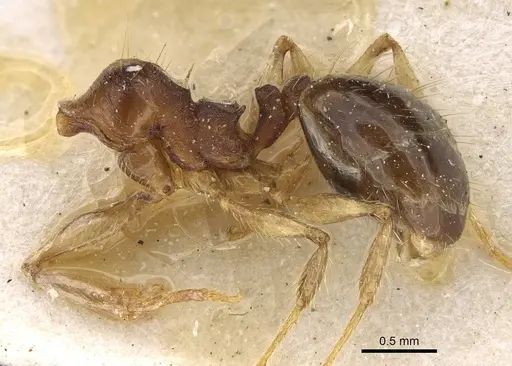
CASENT0922367
View on AntWeb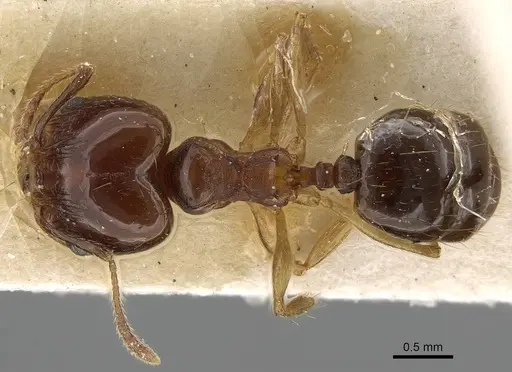
CASENT0922368
View on AntWeb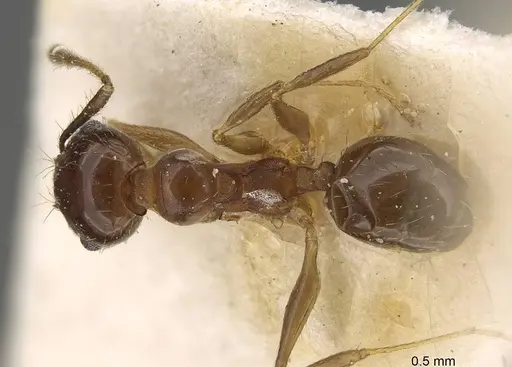
Literature
Loading...Loading products...