
Pheidole fallax shows a May to December flight window. Peak activity occurs in July, with nuptial flights distributed across 7 months. This extended season suggests multiple flight events or varying conditions across its range.
Pheidole fallax
- Scientific Name
- Pheidole fallax
- Tribe
- Attini
- Subfamily
- Myrmicinae
- Author
- Mayr, 1870
- Distribution
- Found in 5 countries
- Nuptial Flight
- from May to December, peaking in July
AI Identifiable
try →
Pheidole fallax Overview
Pheidole fallax is an ant species of the genus Pheidole. It is primarily documented in 5 countries , including Brazil, Colombia, Costa Rica. Detailed taxonomic data and occurrence records can be further explored via authoritative databases such as AntWeb or the Global Biodiversity Information Facility (GBIF).
The nuptial flight of Pheidole fallax is a significant biological event, typically occurring from May to December, peaking in July. During this time, winged queens and males leave the nest to mate and establish new colonies.
Pheidole fallax
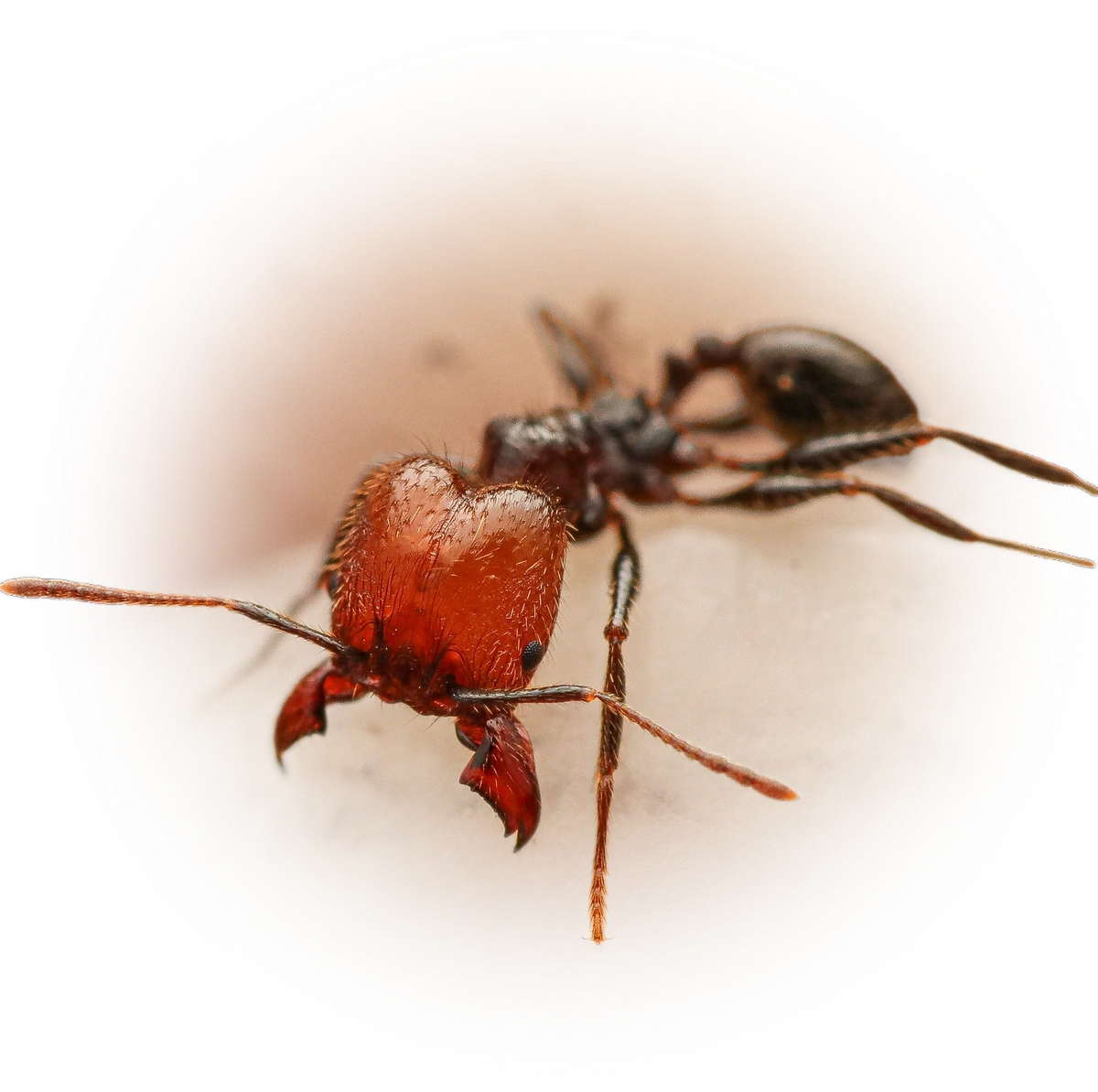
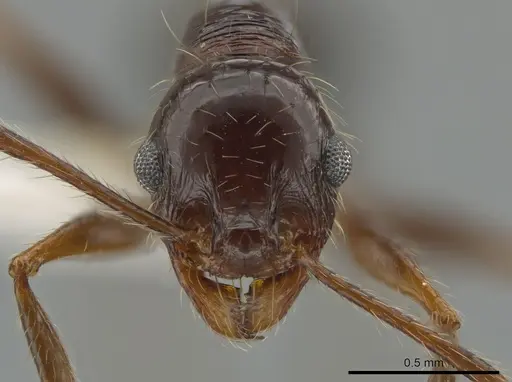
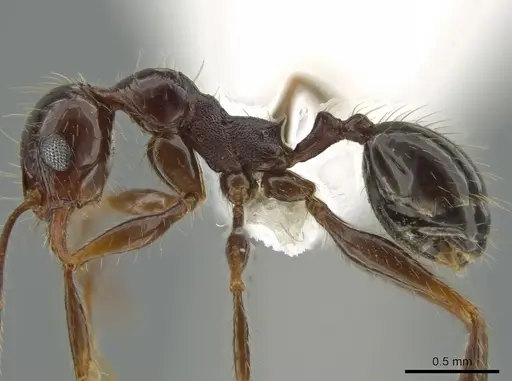
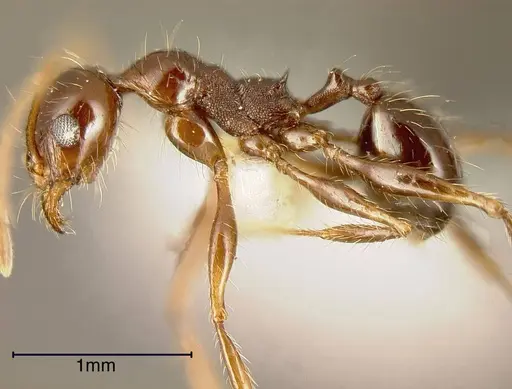
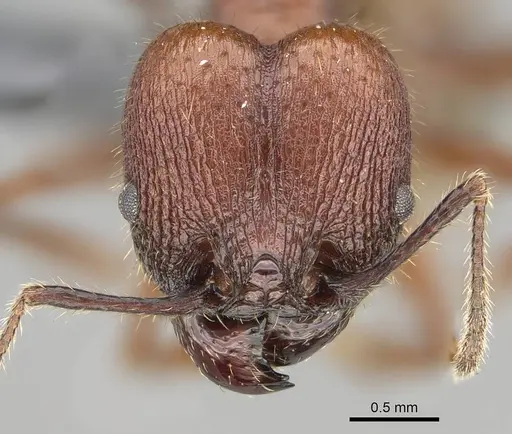
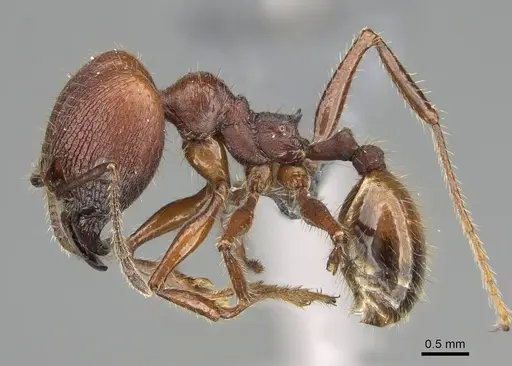
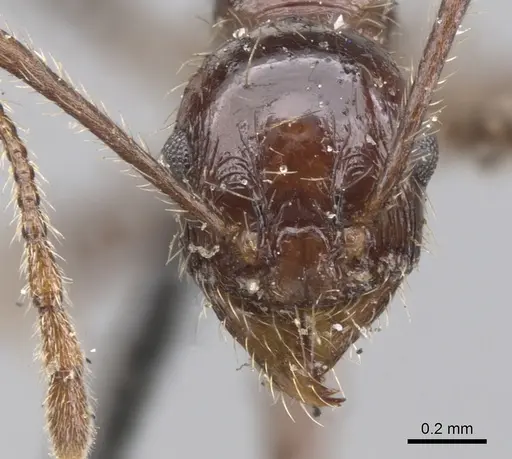
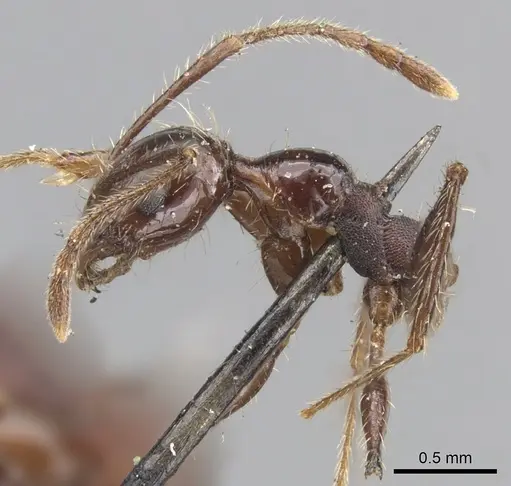
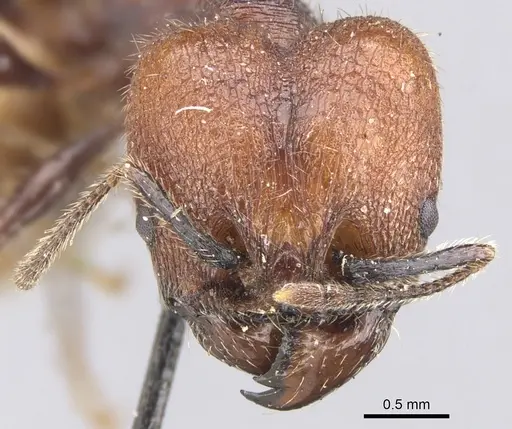
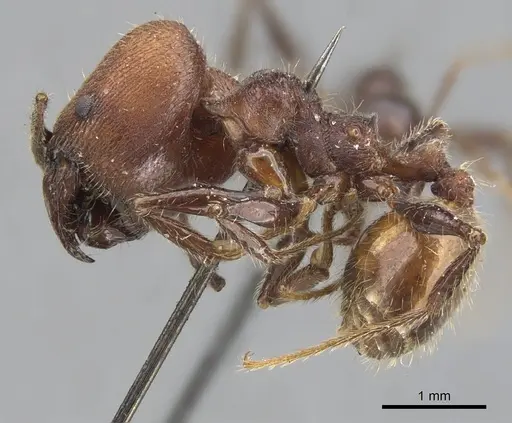
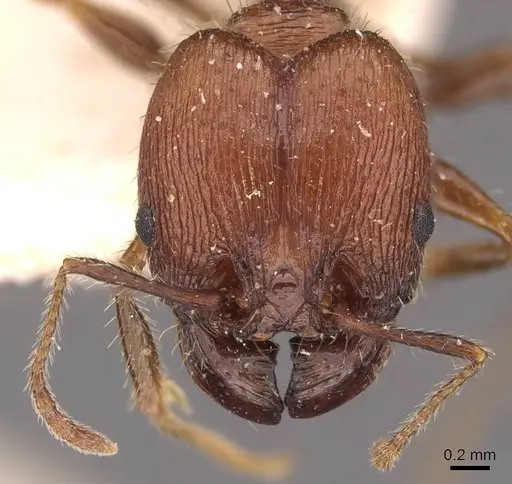
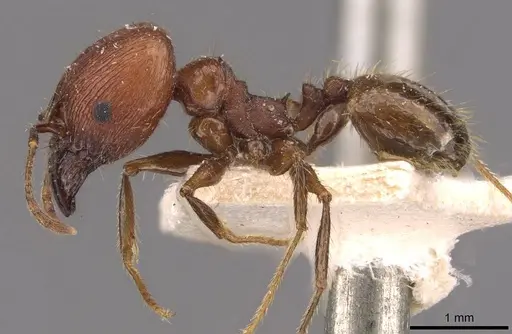
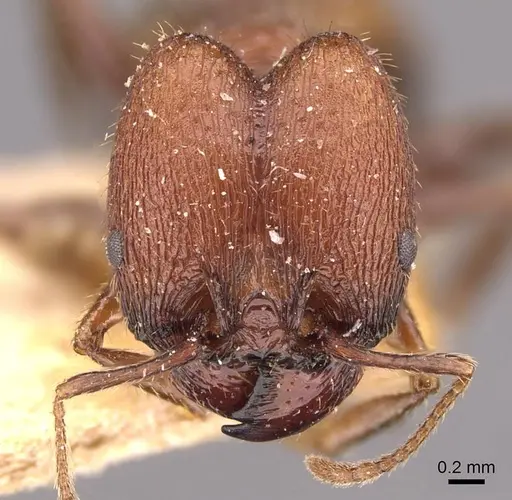
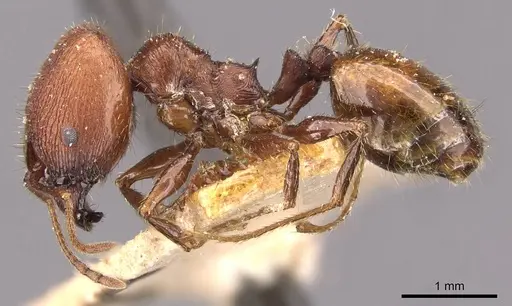
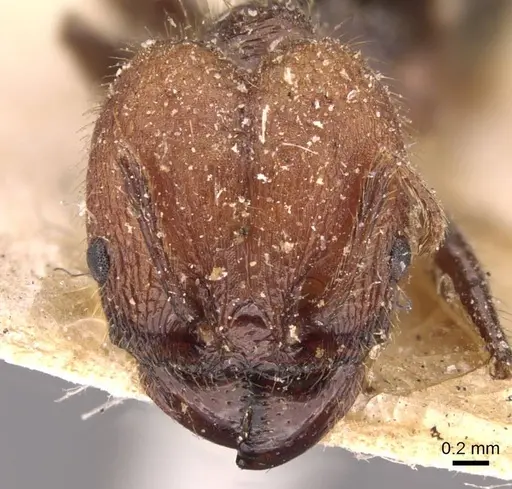
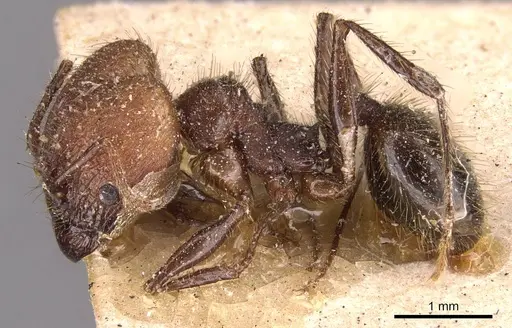
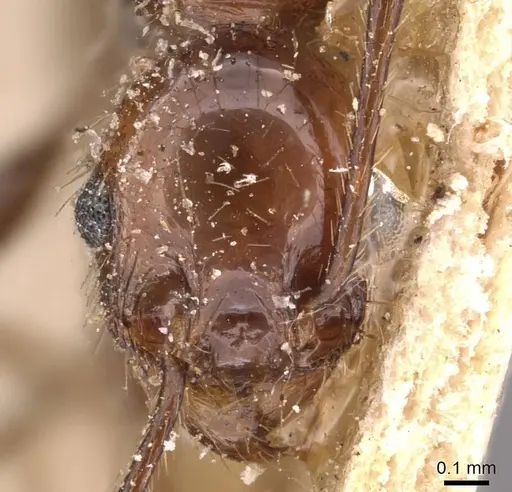
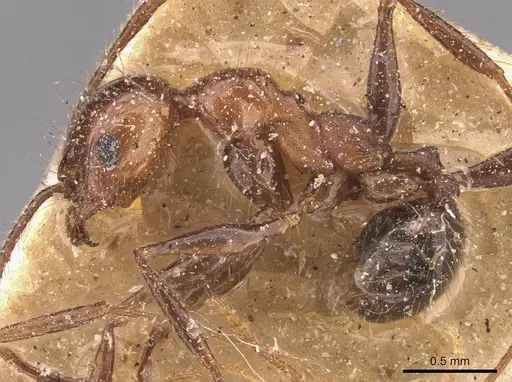
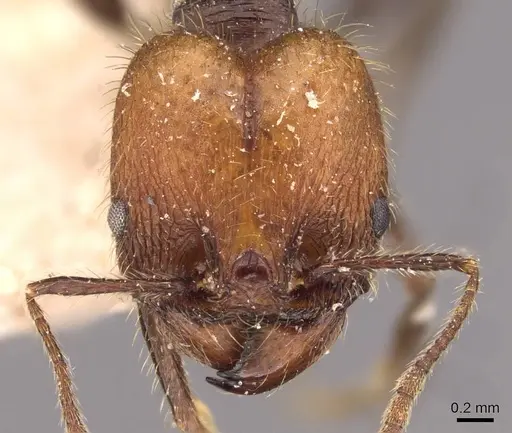
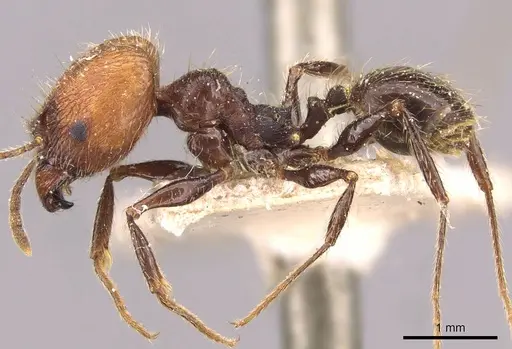
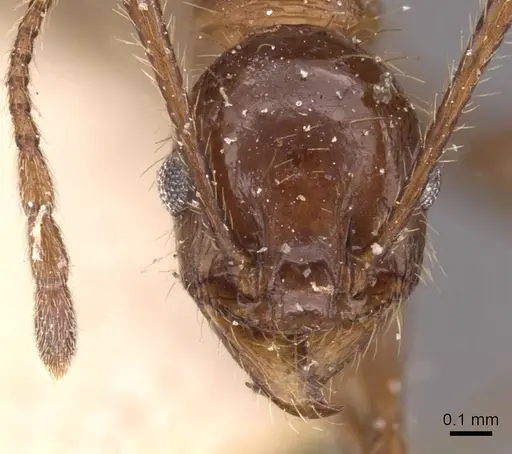
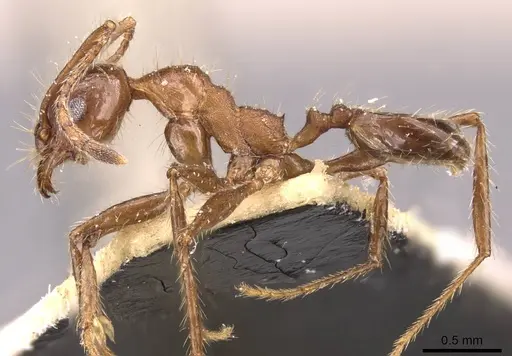
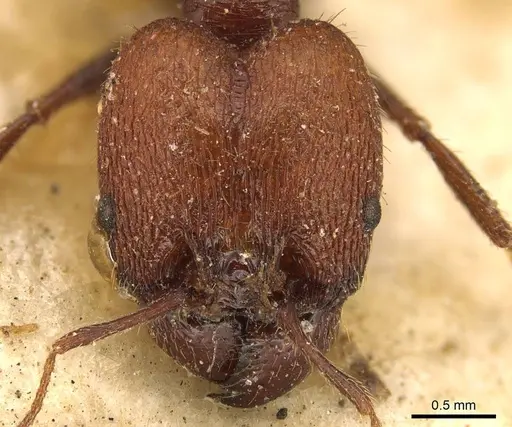
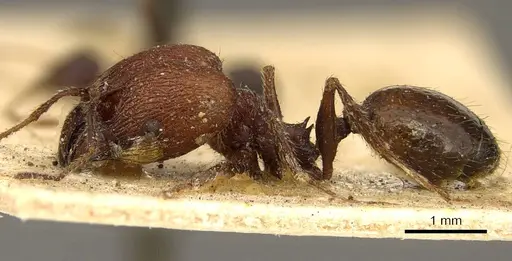
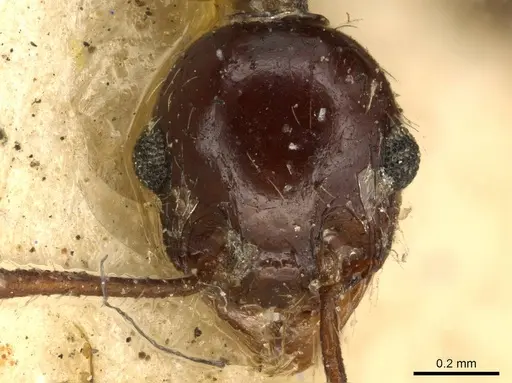
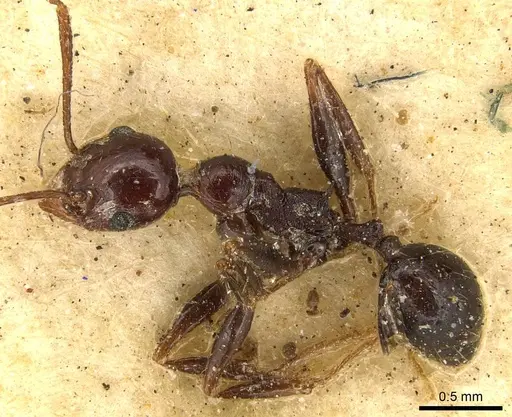
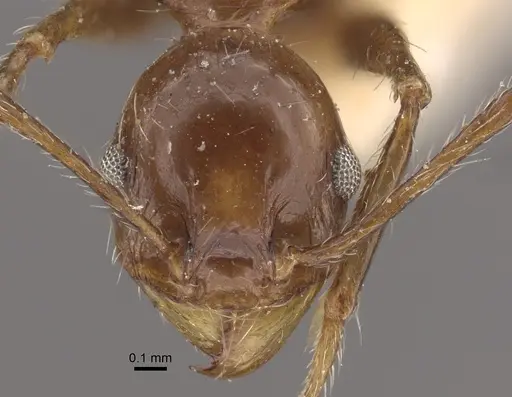
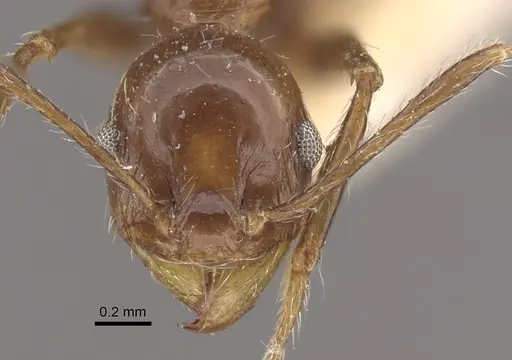
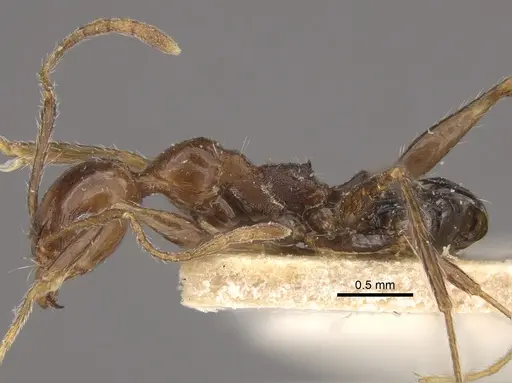
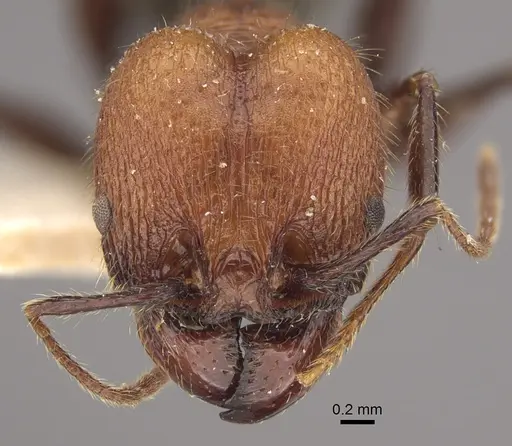
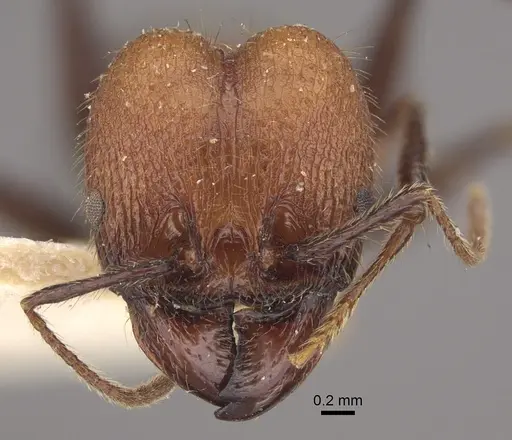
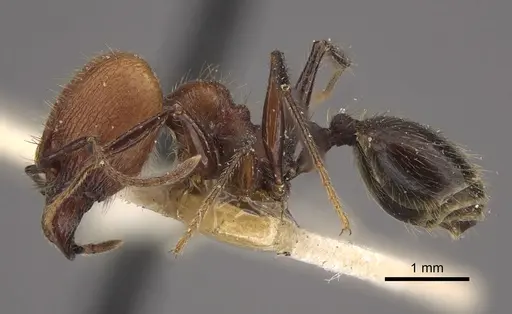
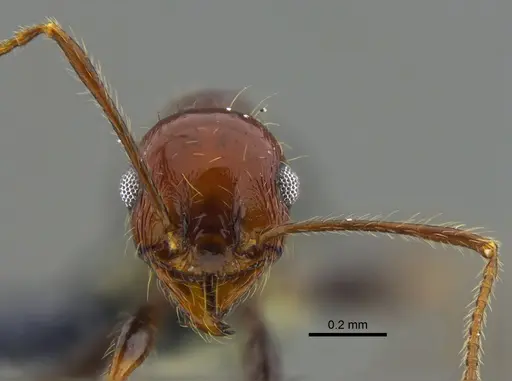
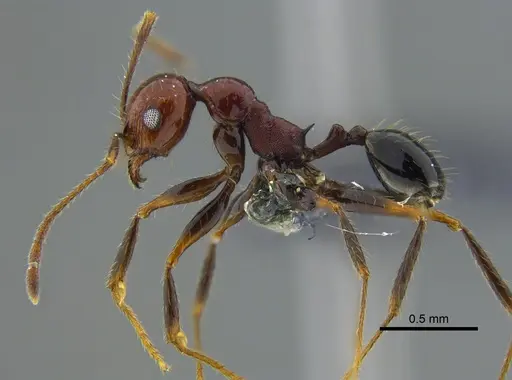
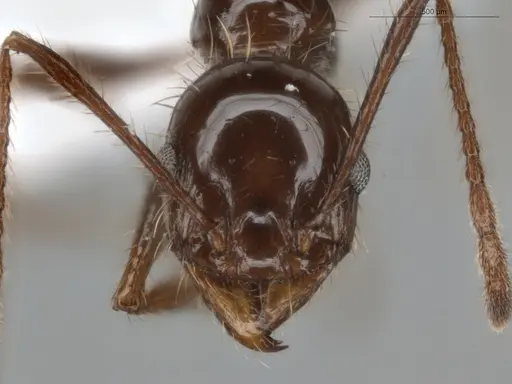
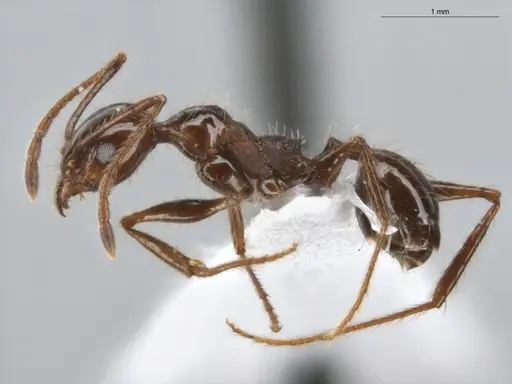
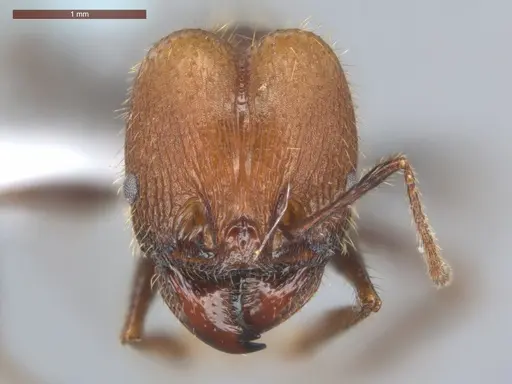
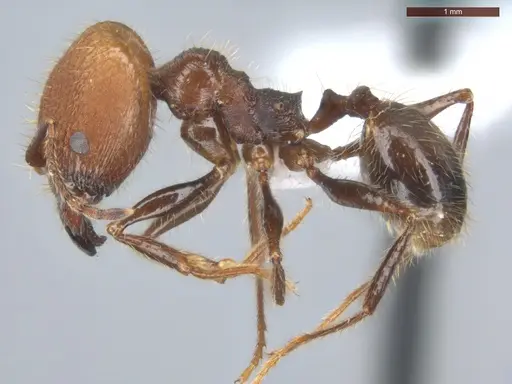
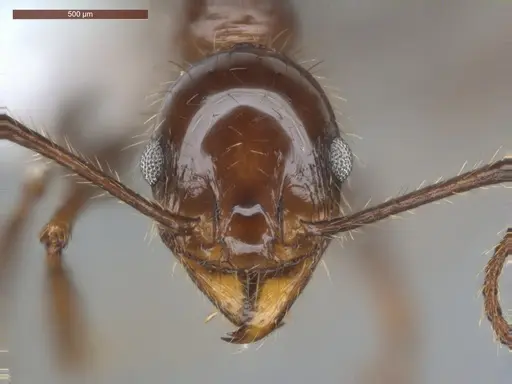
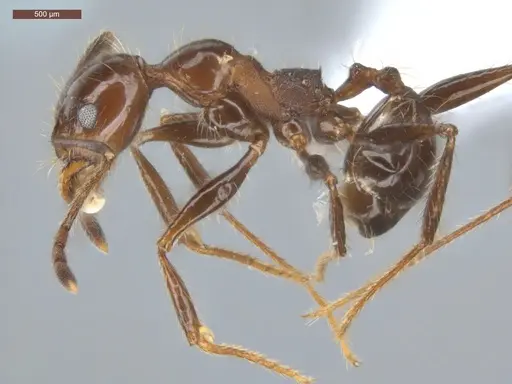
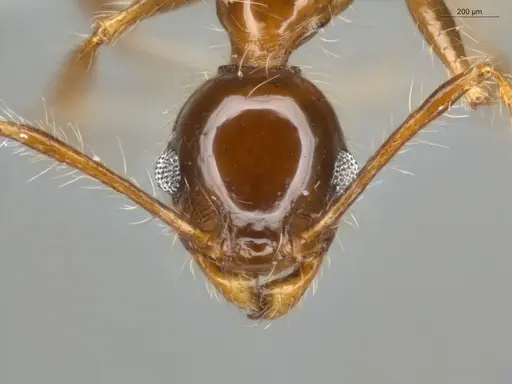
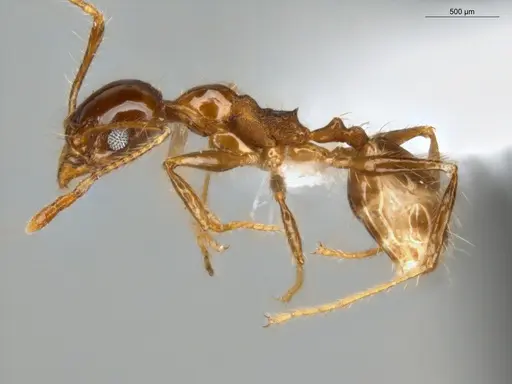
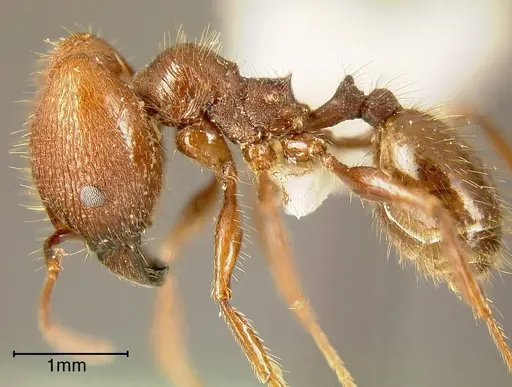
Pheidole fallax is a dimorphic Myrmicinae ant native to the circum-Caribbean region, found throughout the Greater Antilles (Cuba, Jamaica, Puerto Rico), Central America, and northern South America. The species is easily confused with the more abundant Pheidole jelskiii, but can be distinguished by its higher petiolar node and shorter scapes in major workers. Majors measure around 5.5-5.8mm while minors are approximately 3.4mm. Their body is medium reddish brown, sometimes with a darker gaster. This ant is a ground-nesting generalist known for its aggressive predatory behavior and specialized soldier caste that produces a fetid odor as a defense mechanism. Colonies are monogyne (single queen) and form conspicuous nests identifiable by mounds with seed remains around the entrance.
Quick Summary
- Difficulty: Easy
- Origin & Habitat: Native to the circum-Caribbean region including Cuba, Jamaica, Puerto Rico, Central America, Colombia, and Venezuela. Found in tropical dry forests, cerrado, agricultural land, and grassland. A ground-nesting species that thrives in disturbed areas and rehabilitated lands [1][2][3].
- Colony Type: Monogyne (single queen colonies). Colonies produce both major (soldier) and minor worker castes. Queens are claustral, they seal themselves in and raise first workers alone.
- Colony: Monogyne
- Founding: Claustral
- Size & Growth:
- Queen: Approximately 6-7mm (estimated based on genus patterns)
- Worker: Minor workers: 3.37mm [4], Major workers: 5.5-5.8mm [5][6]
- Colony: Colonies can reach several thousand workers. Nests sized up to 2100 cm² with multiple entrances [3].
- Growth: Moderate, typical for Pheidole species
- Development: Estimated 6-8 weeks at optimal tropical temperatures (25-28°C) based on typical Pheidole development (Development is faster in warm tropical conditions compared to temperate species)
- Antkeeping:
- Temperature: Keep at 24-28°C. This is a tropical species adapted to warm conditions. Mean temperature tolerance at 45°C is 40-43 minutes, showing good heat tolerance [7]. Room temperature within this range works well.
- Humidity: Moderate humidity (50-70%). Keep nest substrate moderately moist but not waterlogged. These ants are ground-nesting and tolerate varied conditions but prefer substrate that holds some moisture.
- Diapause: No, as a tropical species, they do not require hibernation. They remain active year-round in warm conditions.
- Nesting: Ground-nesting species. Use a naturalistic setup with soil or a Y-tong/plaster nest. They prefer nesting in soil with visible mound entrances. Provide deep substrate (at least 5-10cm) for colony expansion. Test tube setups work for founding colonies but they will need more space as the colony grows.
- Behavior: Generalist foragers with mass recruitment, when food is found, they recruit many nestmates. Both majors and minors forage, arriving in large numbers at baits. They are aggressive predators capable of taking down insects much larger than themselves. Soldiers emit a fetid skatole odor when threatened or collected, which serves as a defense. They are primarily nocturnal in some populations but diurnal in others. They compete successfully with aggressive ants like fire ants (Solenopsis) through submissive behavior and chemical camouflage. They are not escape artists, their moderate size makes standard containment adequate.
- Common Issues: colonies can become very large and need expanding housing, plan for colony growth, soldiers produce a strong odor when disturbed, this is normal defensive behavior, seed-harvesting behavior means they may displace seeds in naturalistic setups, queen founding can be slow, be patient during claustral founding phase, colonies in the wild may have parasites, wild-caught colonies can fail in captivity
Nuptial Flight Activity Analysis 72 observations
Flight Activity by Hour 72 observations
Pheidole fallax nuptial flight activity peaks around 13:00 during the late morning to early afternoon. Activity is spread across a 19-hour window (03:00–21:00). A secondary activity peak occurs around 07:00. Times may be influenced by human observation patterns.
Housing and Nest Setup
Pheidole fallax is a ground-nesting species that needs space to expand. For founding colonies, a standard test tube setup works well, fill one test tube with water, plug with cotton, and place the queen in an outworld. The queen will seal herself into a small chamber and remain there until her first workers emerge. Once the colony reaches 20-30 workers, consider moving to a formicarium with soil or a Y-tong nest. Provide at least 5-10cm of substrate depth for nesting. These ants do well in naturalistic setups with a soil chamber, they build visible mound entrances and create tunnel systems. Avoid very dry conditions, keep substrate moderately moist. [2][3][1]
Feeding and Diet
This is a generalist species with a varied diet. They are seed harvesters and will collect and store seeds in their nest, forming conspicuous trunk trails to food sources. They are also aggressive predators that readily attack insects much larger than themselves, in the wild they have been observed taking down large prey like caterpillars and even wasps. For captive care, offer protein sources like small insects (fruit flies, small crickets, mealworms) 2-3 times per week. They also accept seeds and will store them. Sugar water or honey can be offered occasionally but protein is the primary food. They will attend aphids if present, so you can optionally provide live aphids on plants. [3]
Temperature and Seasonal Care
As a tropical species, Pheidole fallax does best at warm temperatures between 24-28°C. They are heat-tolerant and can withstand temperatures up to 45°C for extended periods. No hibernation or diapause is required, they remain active year-round in warm conditions. If your room temperature is below 24°C, use a heating cable on one side of the nest to create a gradient. Place the heating on top of the nest to avoid drying out the substrate. Monitor colony activity, if workers cluster near the heat source, increase temperature slightly, if they avoid it, reduce heat. Room temperature in most homes is suitable for this species. [7][1]
Behavior and Defense
This species has several notable behaviors. They use mass recruitment, when a forager finds food, it returns to the nest and recruits many workers via chemical trails. Both minor workers and major soldiers forage together. The soldiers have a specialized defense: when threatened or collected, they emit a strong fetid odor (skatole) from their enlarged poison glands. This is a normal defensive response, not a sign of colony distress. They are aggressive predators but are also submissive toward more aggressive ants like fire ants, using chemical camouflage to coexist. They are primarily nocturnal in some populations and diurnal in others, this flexibility is normal. [2][4]
Colony Growth and Development
Pheidole fallax colonies grow to several thousand workers. The species is dimorphic, colonies produce both minor workers (the common foragers) and major soldiers (specialized defenders). The first workers (nanitics) are typically smaller than normal workers. Development from egg to worker takes approximately 6-8 weeks at optimal temperatures. Colonies can produce reproductive castes (males and new queens) during nuptial flights, which in Puerto Rico occur as early as March. New colonies are founded by single queens (monogyne). Wild colonies can be very dense, over 15 nests per hectare in suitable habitat. [2][3]
Frequently Asked Questions
How long does it take for Pheidole fallax first workers to appear?
Expect first workers (nanitics) in about 6-8 weeks after the queen lays eggs, at optimal temperatures of 25-28°C. This is typical for Pheidole species. Be patient during founding, the queen seals herself in and relies on her stored fat reserves.
What do I feed Pheidole fallax?
Offer protein-rich foods like small insects (fruit flies, pinhead crickets, mealworms) 2-3 times per week. They also accept seeds and will store them. Sugar water or honey can be offered occasionally. They are aggressive predators and will readily take down prey much larger than themselves.
Are Pheidole fallax good for beginners?
Yes, they are considered easy to keep. They are adaptable, tolerate a range of conditions, and are not difficult to feed. Their moderate size makes containment straightforward. The main considerations are providing enough space as they grow and accepting the strong odor soldiers produce when disturbed.
How big do Pheidole fallax colonies get?
Colonies can reach several thousand workers. Nests can be quite large, up to 2100 cm² in area. You will need to expand their housing as the colony grows, eventually providing a large formicarium or naturalistic setup.
Do they need hibernation?
No. As a tropical species, they do not require hibernation or winter rest. Keep them at warm temperatures (24-28°C) year-round and they will remain active.
Why do my soldiers smell bad?
This is normal! Soldiers have specialized poison glands that produce skatole, a compound with a strong fetid odor. They release this when threatened or handled. It is a defensive mechanism, not a sign of illness. The smell fades quickly after the ant is calm.
Can I keep multiple queens together?
No. This species is monogyne, colonies have a single queen. Combining unrelated queens is not recommended and would likely result in fighting. Allow single queens to found colonies independently.
When should I move them to a formicarium?
Move from test tube to a formicarium once the colony reaches 20-30 workers. They need more space to expand and will benefit from a proper nesting chamber. A Y-tong or naturalistic soil setup works well for this ground-nesting species.
Are they aggressive toward humans?
No, they are not aggressive toward humans and rarely bite. Their main defense is the chemical odor they emit. They are focused on foraging and colony defense, not on interacting with humans.
References

This caresheet is licensed under CC BY-SA 4.0 .
CASENT0618505
View on AntWeb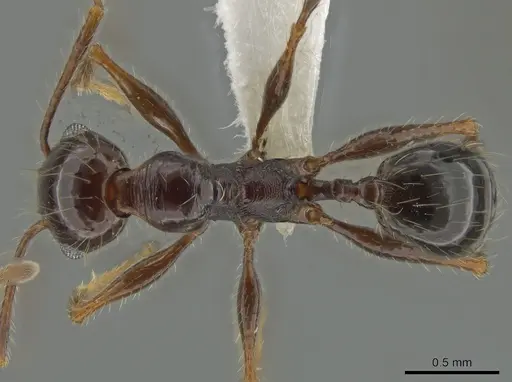
CASENT0635464
View on AntWeb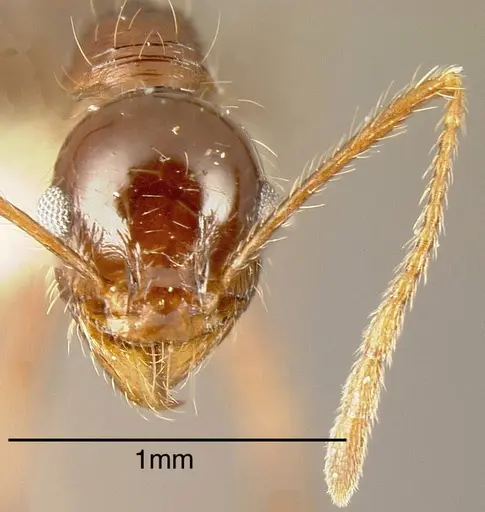
CASENT0767615
View on AntWeb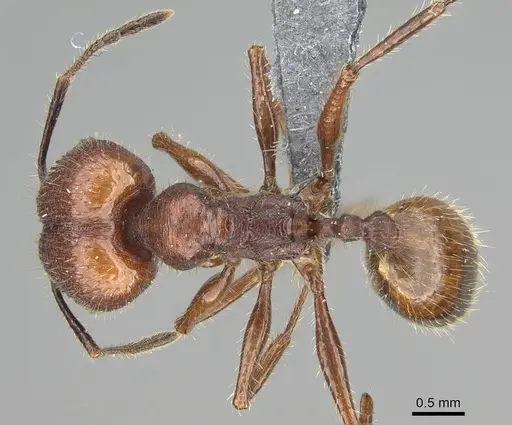
CASENT0901589
View on AntWeb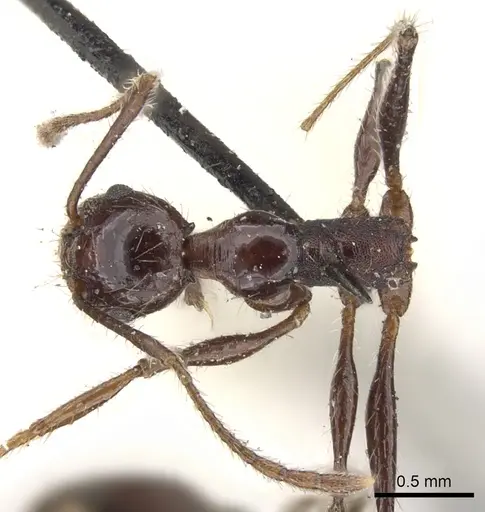
CASENT0901590
View on AntWeb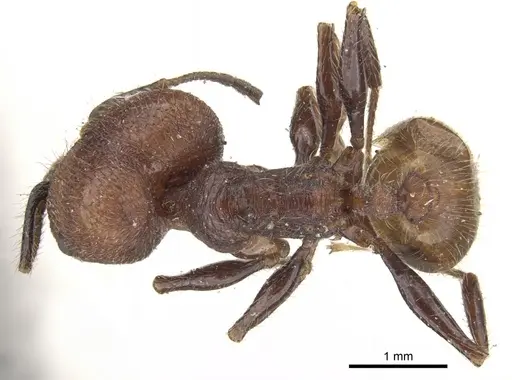
CASENT0908130
View on AntWeb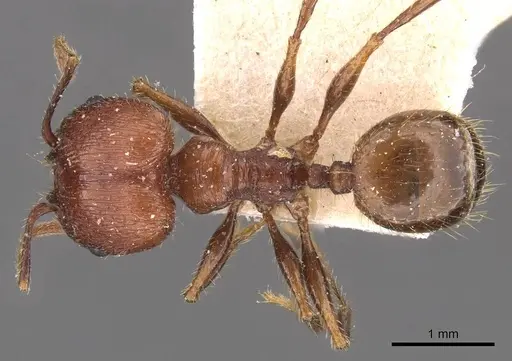
CASENT0908131
View on AntWeb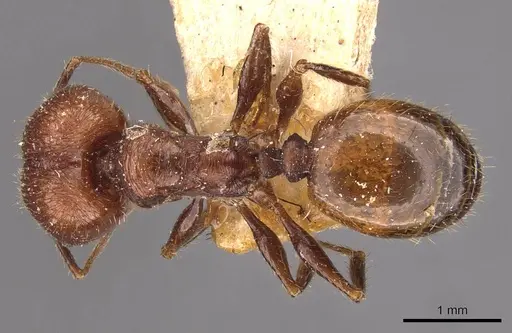
CASENT0908132
View on AntWeb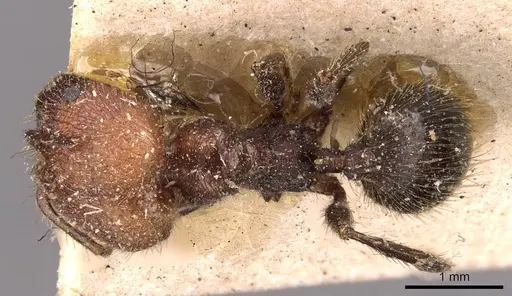
CASENT0908133
View on AntWeb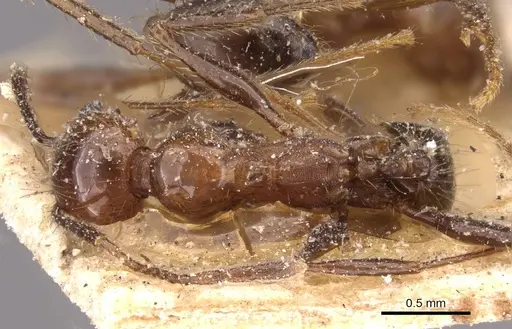
CASENT0908140
View on AntWeb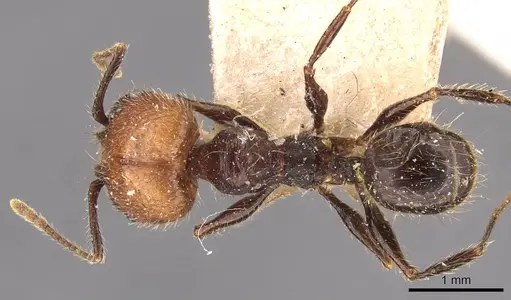
CASENT0908141
View on AntWeb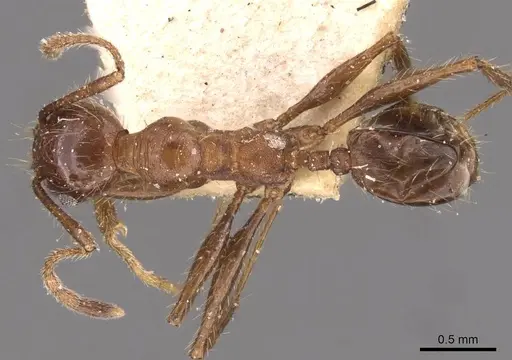
CASENT0916056
View on AntWeb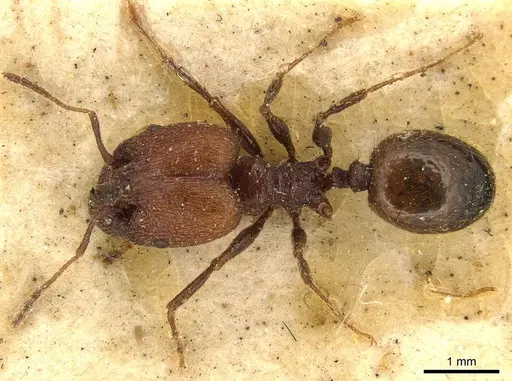
CASENT0916057
View on AntWeb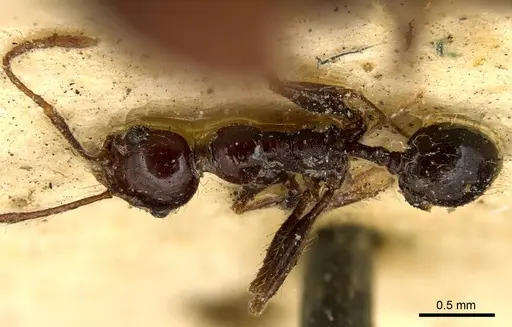
CASENT0917767
View on AntWeb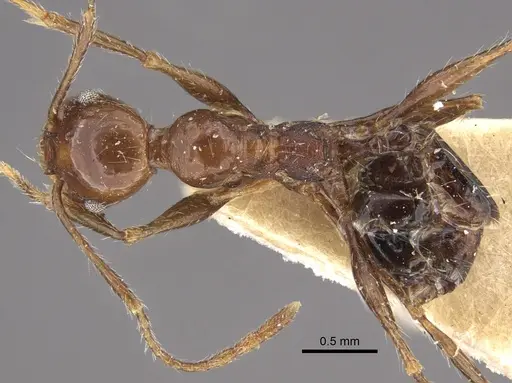
CASENT0917768
View on AntWeb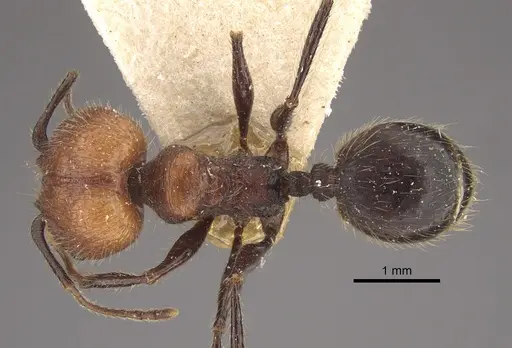
CBUMAGENT42036
View on AntWeb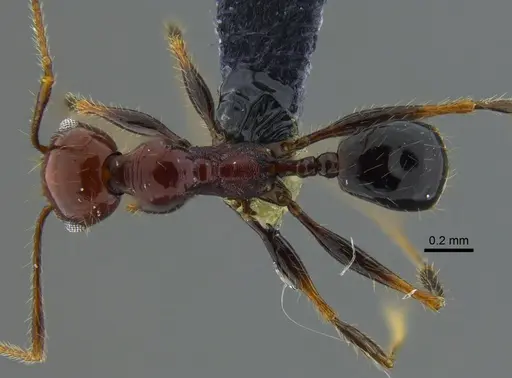
ECOFOG-SG17-0045-07
View on AntWeb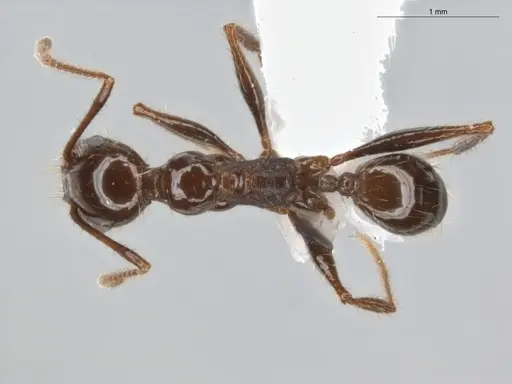
ECOFOG-SG17-0076-07-S
View on AntWeb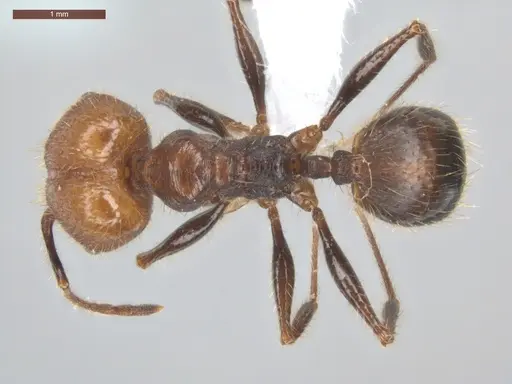
ECOFOG-SG17-0076-07
View on AntWeb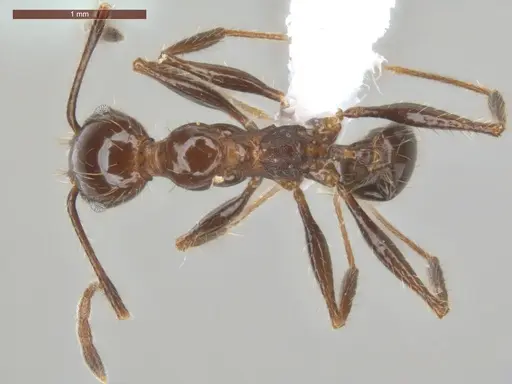
ECOFOG-SG17-0154-03
View on AntWeb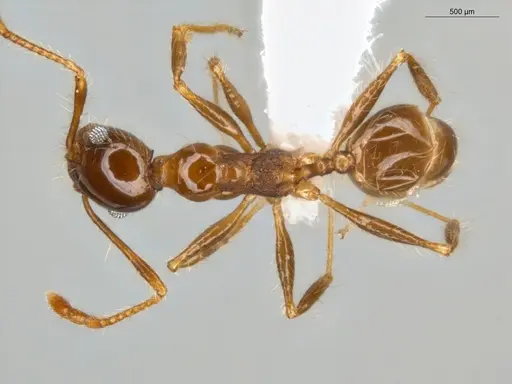
INBIOCRI002279694
View on AntWeb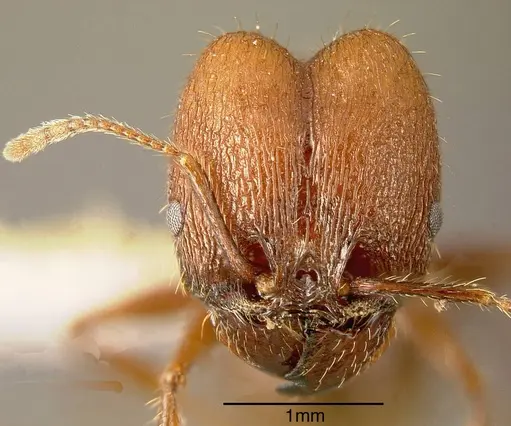
Literature
Loading...Loading products...