

Pheidole bergi
- Scientific Name
- Pheidole bergi
- Tribe
- Attini
- Subfamily
- Myrmicinae
- Author
- Mayr, 1887
- Distribution
- Found in 2 countries
Pheidole bergi Overview
Pheidole bergi is an ant species of the genus Pheidole. It is primarily documented in 2 countries , including Argentina, Uruguay. Detailed taxonomic data and occurrence records can be further explored via authoritative databases such as AntWeb or the Global Biodiversity Information Facility (GBIF).
Pheidole bergi
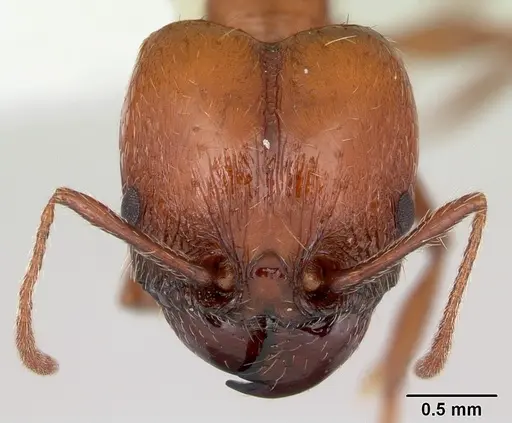
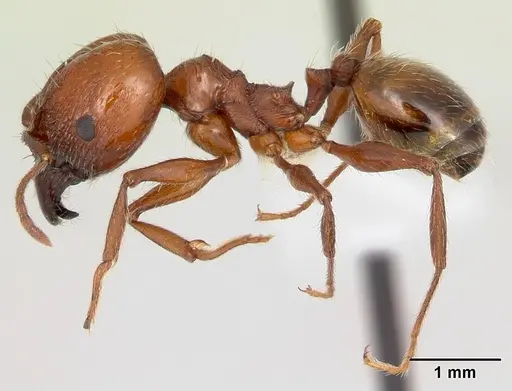
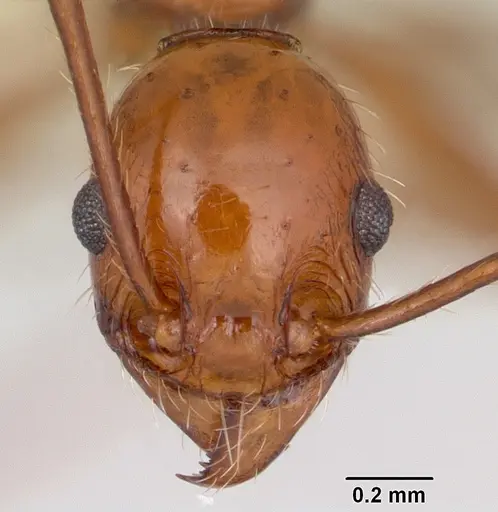
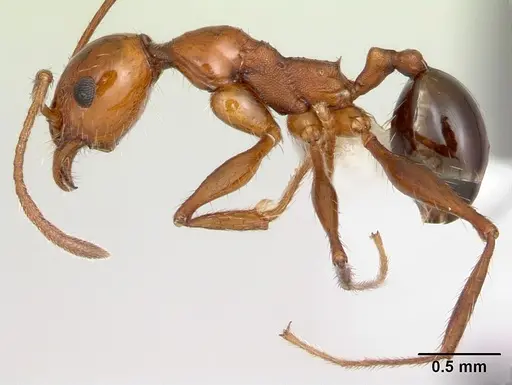
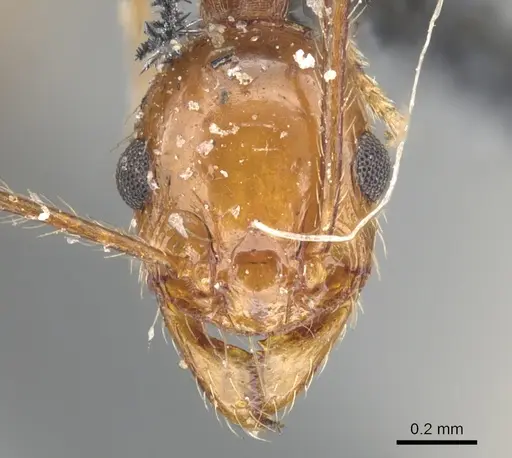
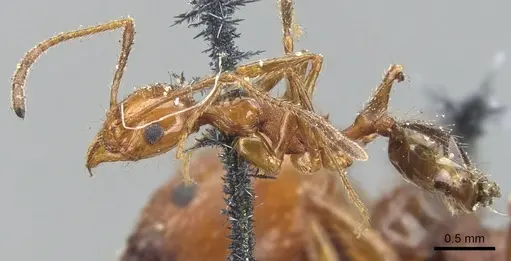
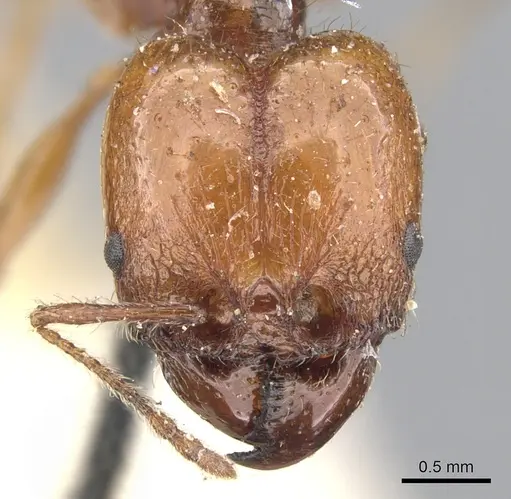
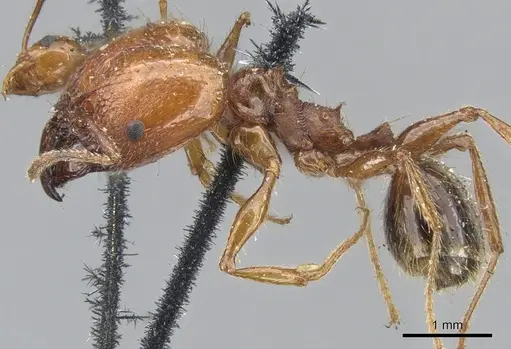
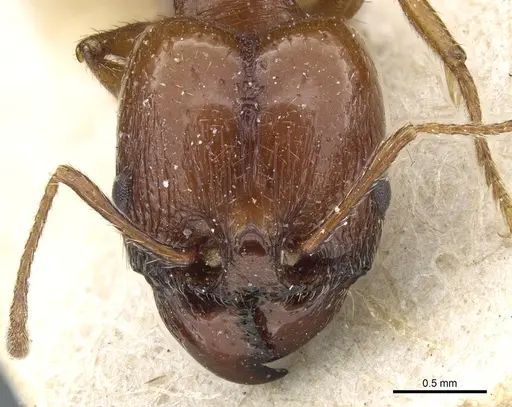
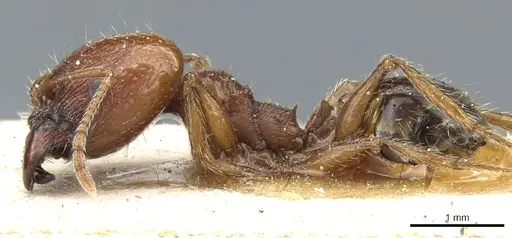
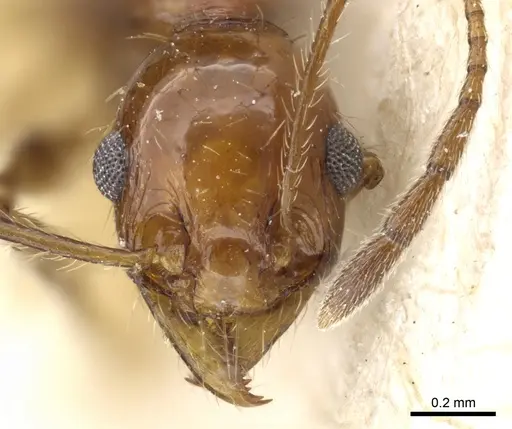
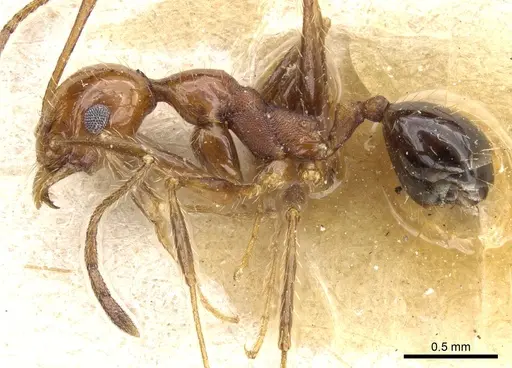
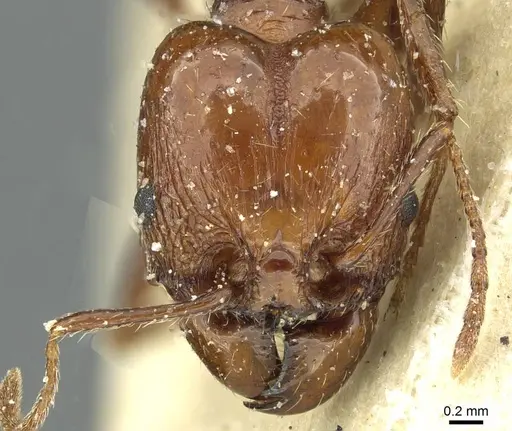
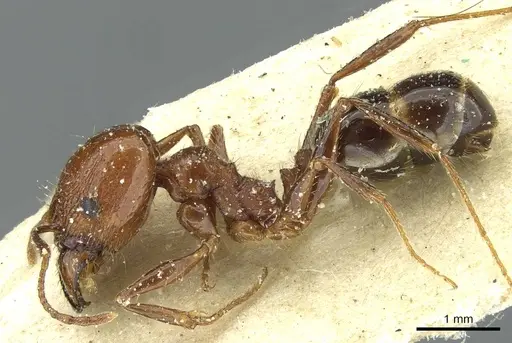
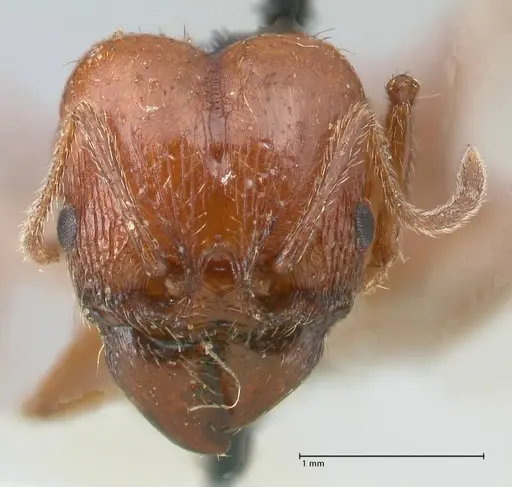
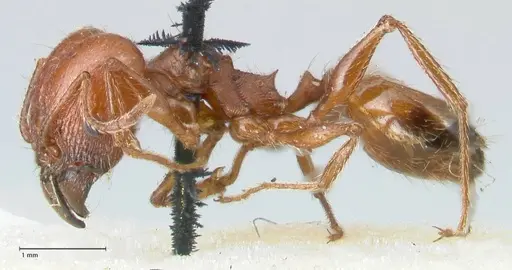
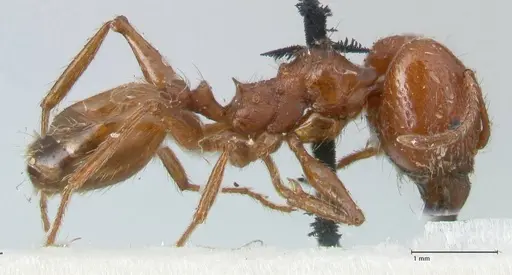
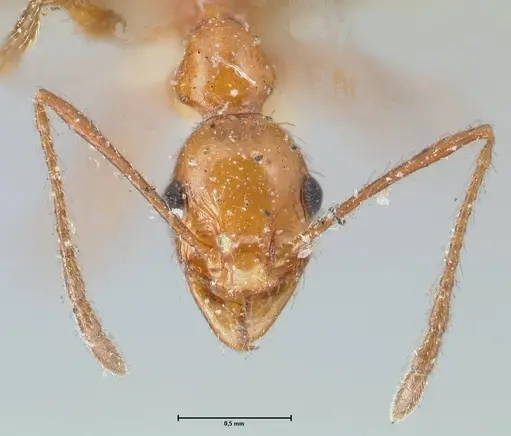
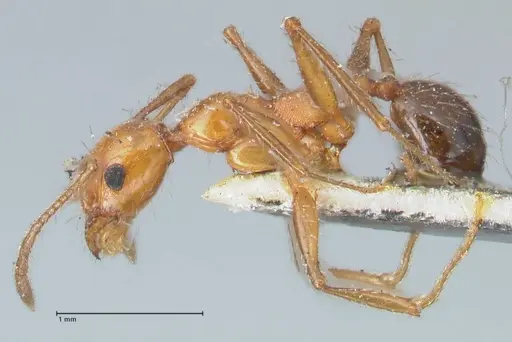
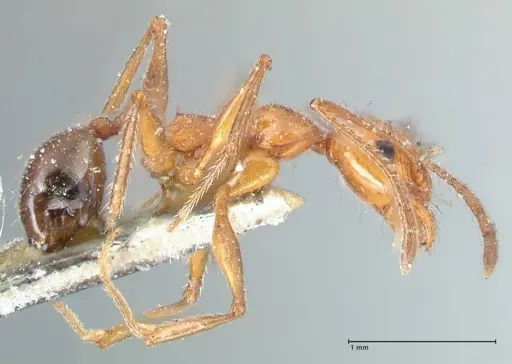
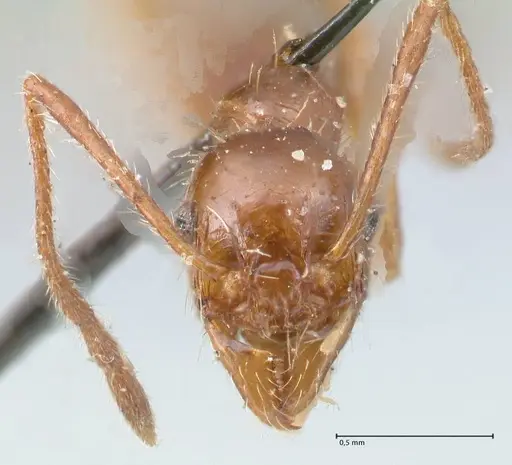
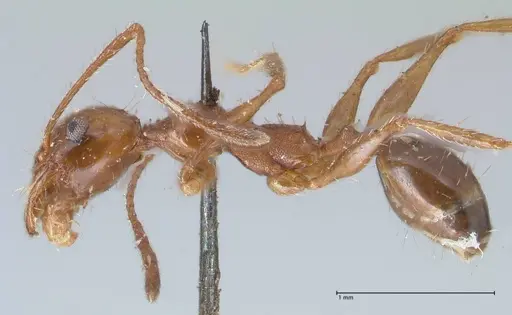
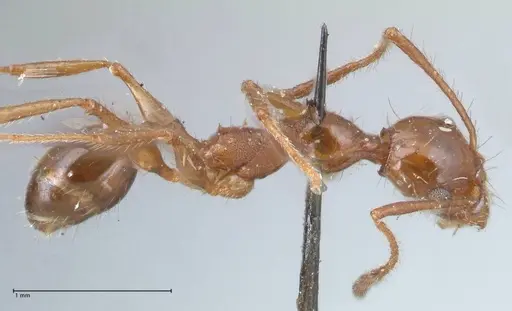
Pheidole bergi is a medium-sized ant species native to South America, found throughout Argentina, Uruguay, Brazil, and Paraguay. Majors are distinctive with their reddish-brown coloration and large, squared-off heads, while minors are smaller and yellowish-brown. This species belongs to the fallax group and is known for having a high proportion of major workers in its colonies. In the wild, they build elaborate subterranean nests reaching 40-60 cm deep with 5-10 chambers connected by a single entrance hole. They are aggressive defenders of their territory and readily engage in conflicts with other ant species. What makes this species particularly interesting is its dual role as an exclusively insectivorous predator and a seed disperser, they hunt insects for food but also participate in cooperative seed transport, dragging seeds in groups of 5-15 workers to their nests [1].
Quick Summary
- Difficulty: Medium
- Origin & Habitat: Native to the Neotropical region, specifically Argentina, Uruguay, Brazil, and Paraguay. Found across a wide range of Argentine ecosystems from the northern provinces (Jujuy, Santa Fé) down to Rio Negro in Patagonia. They inhabit soil in various environments including the Monte desert, Caldenal district, and agricultural areas. Colonies build conspicuous soil nests with craters or semicircular soil mounds around the entrance [2].
- Colony Type: Single-queen colonies (monogyne). Colonies contain a high proportion of major workers, which is a distinctive trait of this species. Major workers develop from the same larval pool as minors when the colony reaches sufficient size, triggered by colony needs rather than fixed timing.
- Colony: Monogyne
- Founding: Claustral
- Size & Growth:
- Queen: Approximately 6-7mm (estimated based on genus patterns)
- Worker: Minor workers: 3.0-3.6mm. Major workers: significantly larger with HW 1.54-1.94mm [1][2].
- Colony: Large colonies with thousands of workers, they are a dominant species in many Argentine ecosystems, representing up to 30% of ant captures in some studies [3].
- Growth: Moderate to fast, typical for Pheidole species with high reproductive output
- Development: Estimated 6-8 weeks at optimal temperature based on genus patterns (Development time is typical for subtropical Pheidole species. First workers (nanitics) will be smaller than mature workers.)
- Antkeeping:
- Temperature: Keep at 22-26°C. As a species from temperate to subtropical Argentina, they tolerate a range but prefer warm conditions. Provide a temperature gradient so workers can self-regulate.
- Humidity: Moderate to high. Their natural nests go 40-60cm deep, suggesting they prefer stable, moderately humid conditions underground. Keep nest substrate moist but not waterlogged.
- Diapause: Yes, as a species from temperate Argentina with range extending to Patagonia, they require a winter rest period. Reduce temperature to 15-18°C for 2-3 months during winter.
- Nesting: Y-tong (AAC) or plaster nests work well. They naturally build deep soil nests, so provide chambers that allow for vertical space. Avoid overly dry conditions. Test tube setups work for founding colonies.
- Behavior: Highly aggressive and territorial. They readily attack other ant colonies, both intra and interspecific. They use mass recruitment, when food is found, workers recruit many nestmates through pheromone trails. Major workers serve as defenders and may help process larger prey. They are excellent escape artists due to their small size, use fine mesh and proper barriers. Foraging occurs on short-term trails, and they cooperate in groups when transporting larger items like seeds [1].
- Common Issues: escape prevention is critical, minors are only 3mm and can squeeze through tiny gaps, aggressive nature means they may attack and kill other ant colonies if housed nearby, exclusively insectivorous, do not rely on sugar water or seeds as primary food, colonies can become very large quickly, requiring expansion space, founding colonies are vulnerable, queens should be kept undisturbed in dark
Housing and Nest Setup
For founding colonies, a standard test tube setup works well. Keep the tube humid but not flooded, and place it in darkness. Once the colony reaches 20-30 workers, consider moving to a Y-tong (AAC) or plaster formicarium. These ants naturally build deep nests, so provide vertical space with multiple chambers. The nest material should retain moisture without becoming soggy. A small outworld connected to the nest allows for foraging. Because they are aggressive and territorial, keep their enclosure separate from other ant colonies, they will readily attack and kill escapees from neighboring setups. Escape prevention is essential: use fluon on edges and fine mesh (0.5mm or smaller) on any openings, as minors are tiny and can slip through standard barrier setups. [3][2]
Feeding and Diet
Pheidole bergi is exclusively insectivorous in the wild, meaning they eat only insects and other small arthropods. This is unusual among Pheidole, which are typically omnivorous. Feed them a varied protein diet including small live insects (fruit flies, pinhead crickets, small mealworms), frozen bloodworms, and other appropriately-sized protein sources. Offer protein 2-3 times per week, adjusting based on colony size and consumption. Unlike many ants, they show limited interest in sugar water or honey, their diet centers on prey. However, they do participate in seed dispersal, dragging seeds cooperatively to their nests, so occasional seed offerings may be accepted but should not be relied upon as food. Remove uneaten prey after 24-48 hours to prevent mold. [3][1][2]
Temperature and Seasonal Care
Maintain temperatures between 22-26°C during the active season. A heating cable on one side of the nest creates a gradient allowing workers to choose their preferred temperature. During winter (roughly November-February in the Southern Hemisphere range), they require a diapause period. Reduce temperatures to 15-18°C and reduce feeding frequency. Do not feed during deep hibernation. The diapause mimics their natural cycle in temperate Argentina, where surface temperatures drop significantly in winter. After hibernation, gradually warm the colony over 1-2 weeks to prevent temperature shock. Activity typically resumes within days of warming. [3]
Behavior and Colony Dynamics
This species is known for its aggressive defense of territory and high proportion of major workers. Majors have large, powerful mandibles used for defense and processing large prey items. They employ mass recruitment, when a forager discovers food, it returns to the nest and recruits many workers via pheromone trails. This results in rapid mobilization of dozens of workers to large food sources. They readily attack other ant colonies, both in territorial disputes and during raids. In captivity, this means you should house them separately from other ant species. The colony grows by producing new workers continuously, with majors appearing once the colony reaches several dozen workers. Colonies can become very large (thousands of workers) in captivity given proper care. [3][2]
Growth and Development
A claustral founding queen seals herself in a small chamber and raises the first brood alone without foraging. She uses stored fat reserves to produce eggs and feed larvae. The first workers (nanitics) are smaller than mature workers but are functional immediately. After the nanitics emerge, the queen resumes egg-laying and colony growth accelerates. Development from egg to worker takes approximately 6-8 weeks at optimal temperature (around 24-26°C). Growth rate is moderate, faster than cold-climate species but not as rapid as tropical ants. The high proportion of majors develops as the colony matures, triggered by colony size and resource availability rather than fixed developmental pathways. [2]
Frequently Asked Questions
Can I keep Pheidole bergi in a test tube?
Yes, test tubes work well for founding colonies. Keep the water reservoir humid but not flooded, and wrap the tube in darkness. Once the colony reaches 20-30 workers, transfer to a larger setup like a Y-tong or plaster formicarium.
How long until first workers appear?
Expect first workers (nanitics) in about 6-8 weeks at room temperature (22-26°C). This is typical for Pheidole species. The queen will remain claustrated, sealed in her chamber, until the first workers emerge.
What do Pheidole bergi ants eat?
They are exclusively insectivorous, feed them small insects like fruit flies, pinhead crickets, small mealworms, or frozen bloodworms. Unlike many ants, they show little interest in sugar water. Protein should be offered 2-3 times per week.
Are Pheidole bergi good for beginners?
They are medium difficulty. The main challenges are their escape-prone tiny size (minors are only 3mm), exclusively insectivorous diet requiring regular protein preparation, and aggressive nature requiring isolation from other ant colonies. They are rewarding once these needs are met.
Do Pheidole bergi need hibernation?
Yes, they require a winter diapause. Reduce temperature to 15-18°C for 2-3 months during winter. This mimics their natural cycle in temperate Argentina. Reduce feeding during this period and keep the nest slightly cooler.
How big do Pheidole bergi colonies get?
They can grow to thousands of workers. In the wild, they are a dominant species representing up to 30% of ant captures in some studies. With proper care, colonies can reach several thousand workers in captivity.
Can I keep multiple queens together?
No, this species is monogyne, single-queen colonies. Multiple unrelated queens will fight. Only introduce a second queen during pleometrosis (founding with multiple queens), which is not typical for this species and not recommended.
Why are my Pheidole bergi dying?
Common causes include: escape-related losses (use fine mesh), starvation from insufficient protein (they need insects, not sugar), excessive dryness (keep substrate moist), or stress from disturbance during founding. Check that temperatures are stable and food is being consumed.
When should I move them to a formicarium?
Transfer from test tube to a formicarium once the colony reaches 20-30 workers or when the test tube becomes crowded. Y-tong (AAC) or plaster nests work well. Ensure the new setup has moisture-retaining material and a connection to an outworld for foraging.
References

This caresheet is licensed under CC BY-SA 4.0 .
CASENT0178008
View on AntWeb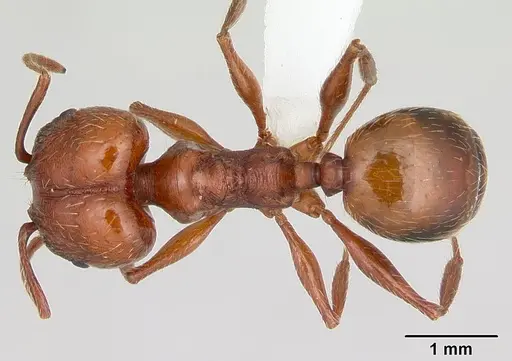
CASENT0178009
View on AntWeb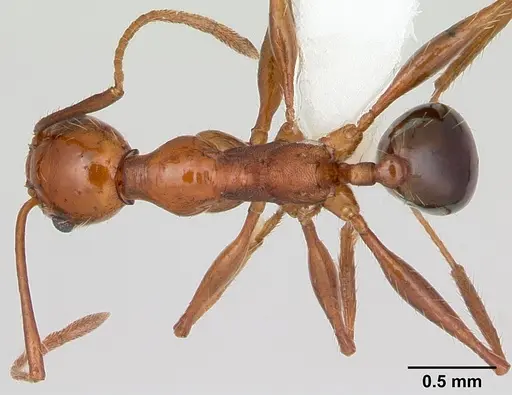
CASENT0901567
View on AntWeb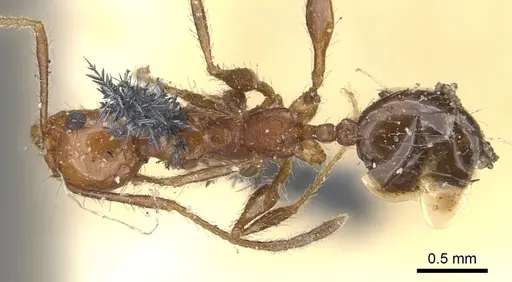
CASENT0901568
View on AntWeb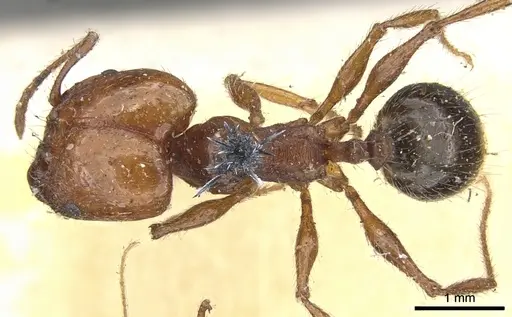
CASENT0904330
View on AntWeb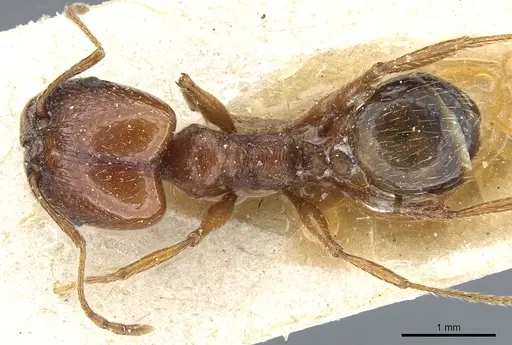
CASENT0904331
View on AntWeb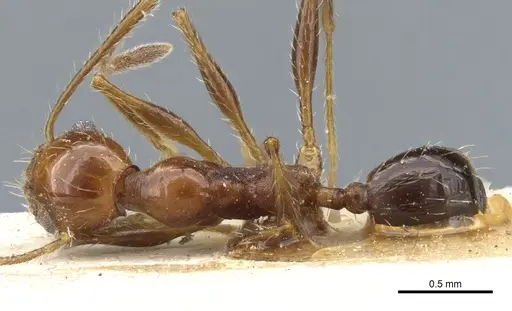
CASENT0913277
View on AntWeb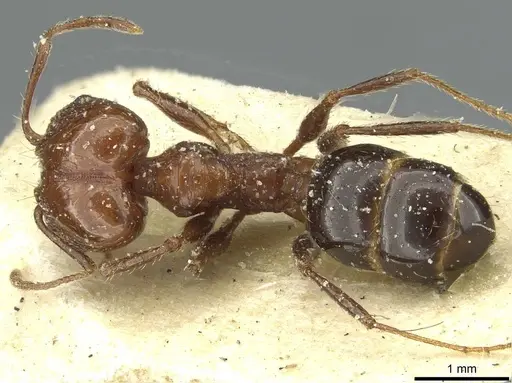
FOCOL1546
View on AntWeb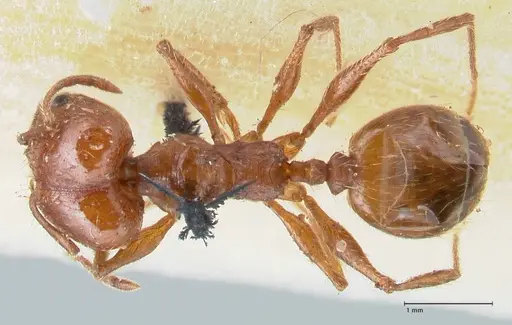
FOCOL1547
View on AntWeb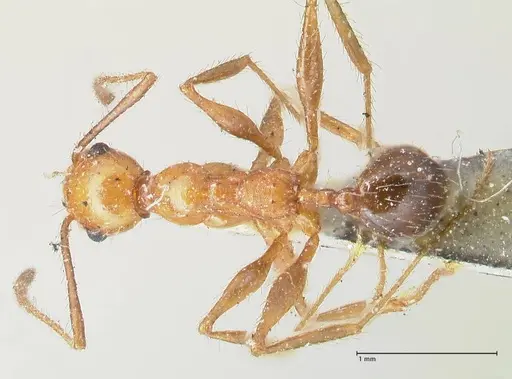
FOCOL1548
View on AntWeb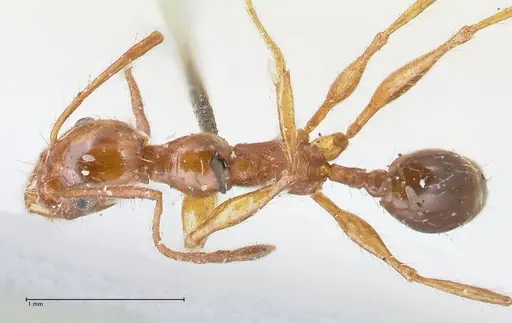
Literature
Loading...Loading products...