

Pheidole nitidula
- Scientific Name
- Pheidole nitidula
- Tribe
- Attini
- Subfamily
- Myrmicinae
- Author
- Emery, 1888
- Distribution
- Found in 2 countries
Pheidole nitidula Overview
Pheidole nitidula is an ant species of the genus Pheidole. It is primarily documented in 2 countries , including Argentina, Brazil. Detailed taxonomic data and occurrence records can be further explored via authoritative databases such as AntWeb or the Global Biodiversity Information Facility (GBIF).
Pheidole nitidula
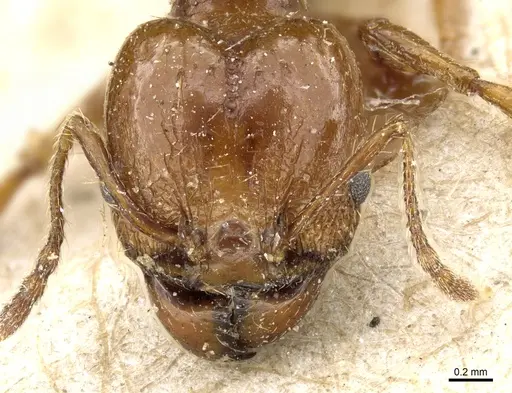
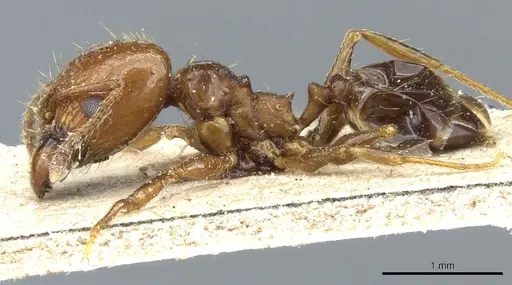
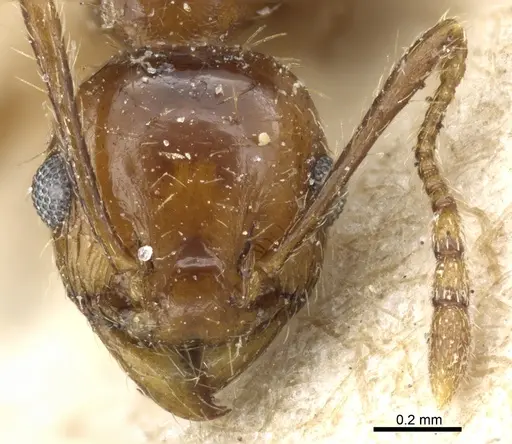
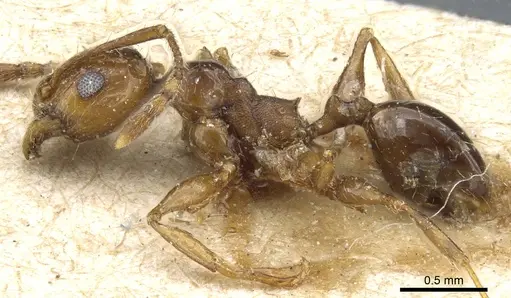
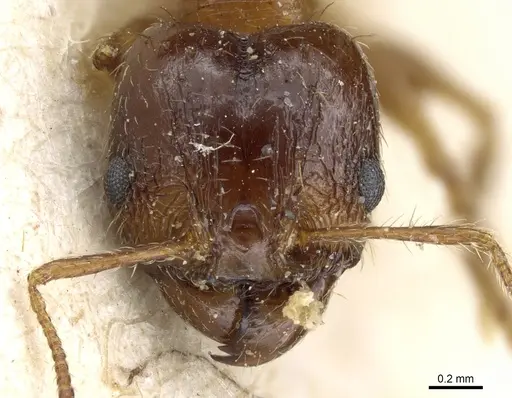
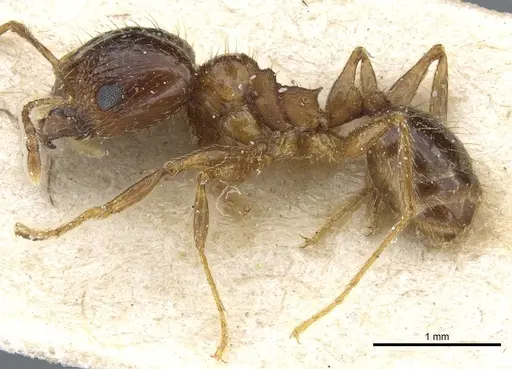
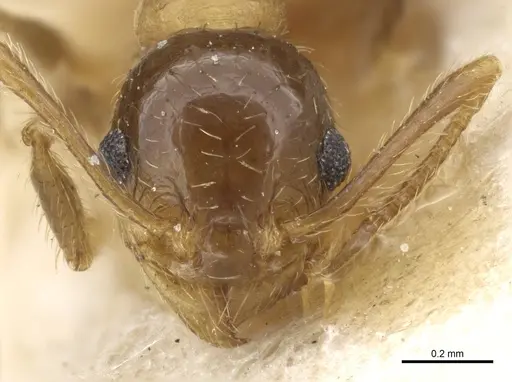
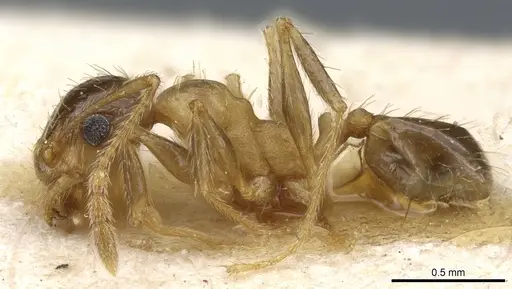
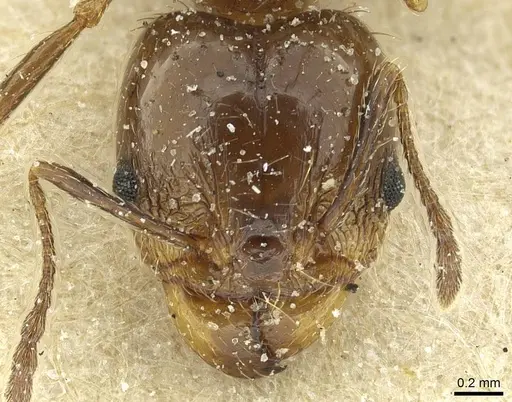
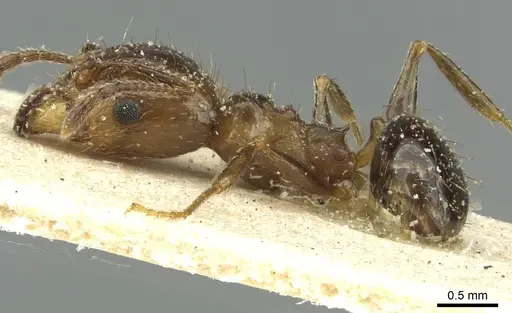
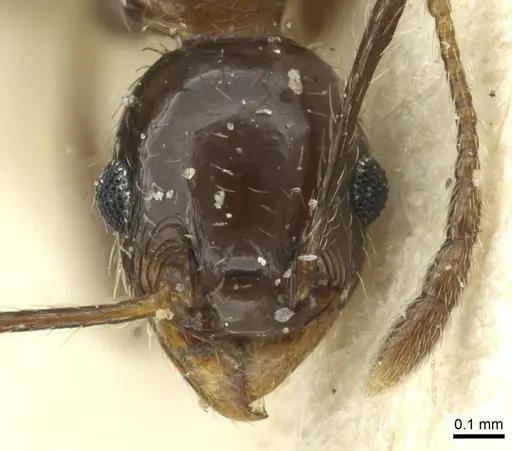
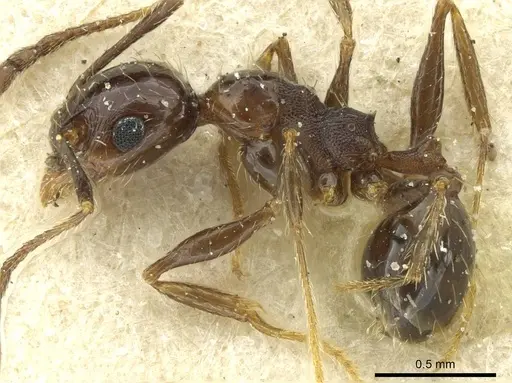
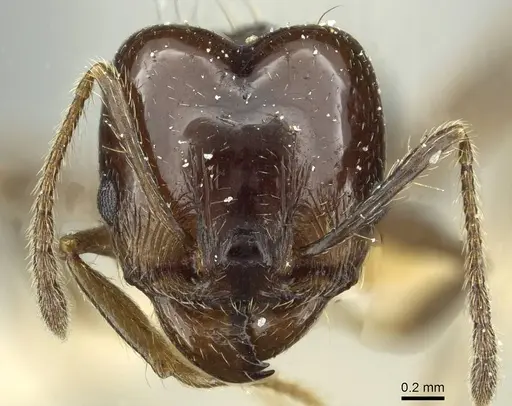
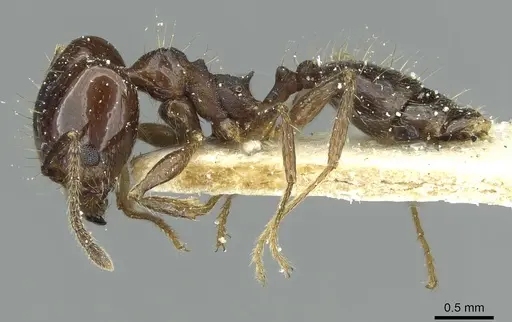
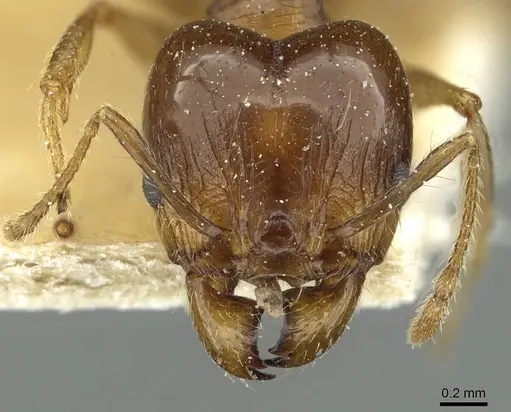
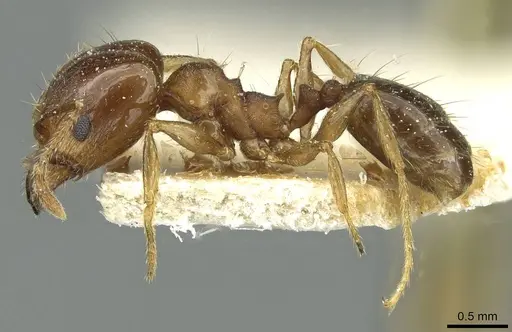
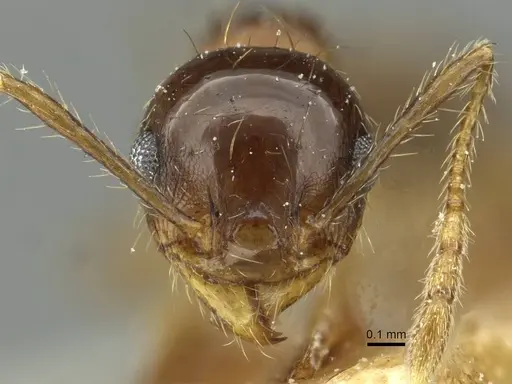
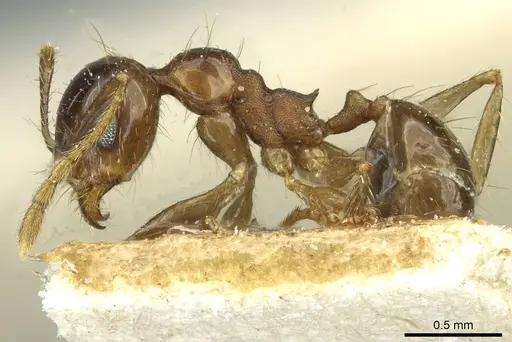
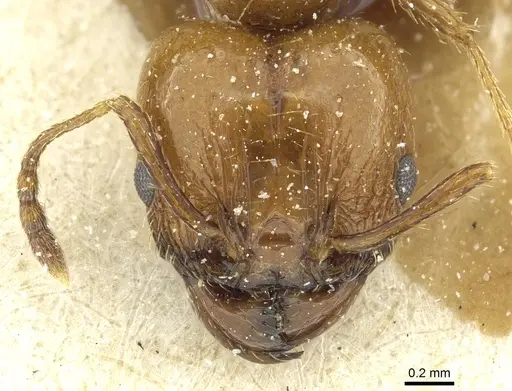
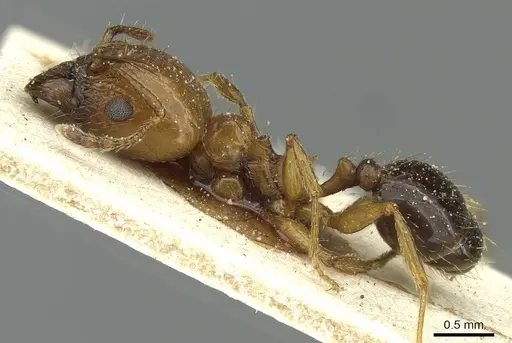
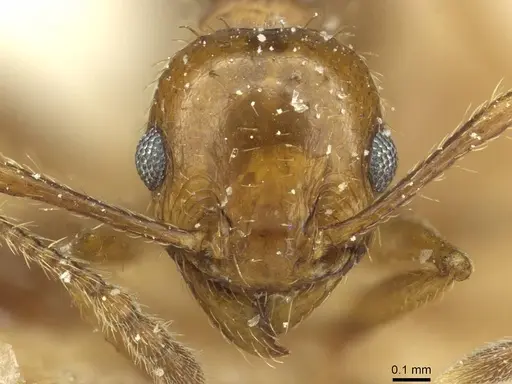
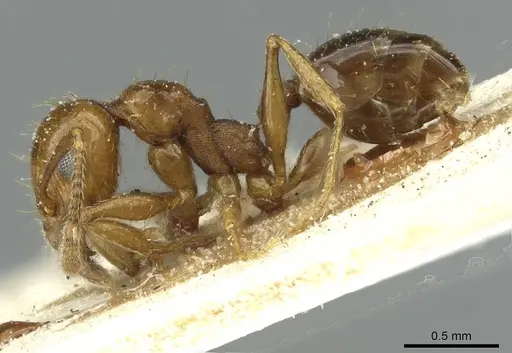
Pheidole nitidula is a small ant species belonging to the fallax group, native to the grasslands of southern South America. These ants are easily recognized by their pronounced worker caste system, minor workers are tiny at around 2-3mm while major workers (soldiers) have the characteristic enlarged heads that give Pheidole their 'big-headed ant' common name. Majors measure about 1.3mm head width and are reddish-brown, while minors are a plain medium brown. The species was originally described as a variety of Pheidole triconstricta in 1888 and later raised to full species status. In the wild, they inhabit the grasslands of Argentina and southern Brazil, where they play important roles in seed dispersal and as prey for other species.
Quick Summary
- Difficulty: Medium
- Origin & Habitat: Native to the Neotropical region, specifically the grasslands of Argentina (Buenos Aires, Córdoba, Misiones, Salta) and Brazil (Rio Grande do Sul, Rio de Janeiro). They live in natural grasslands, including low grassland, high grassland, and Cerrado habitats [1][2].
- Colony Type: Colony structure is not well documented. Based on typical Pheidole patterns, likely single-queen (monogyne) colonies. The species is known to be host to the social parasite Pheidole acutidens, which invades their nests [3].
- Colony: Monogyne
- Founding: Claustral
- Size & Growth:
- Queen: Not directly measured, estimated 6-8mm based on genus patterns
- Worker: Minor workers: 2-3mm (HW 0.68mm). Major workers: 4-5mm (HW 1.30mm)
- Colony: Unknown, likely several hundred workers based on typical Pheidole colony sizes
- Growth: Moderate, based on typical Pheidole development patterns
- Development: 6-8 weeks, estimated based on related Pheidole species in similar habitats (Development time is estimated as no specific study exists for this species. Tropical grassland species typically develop faster than temperate species.)
- Antkeeping:
- Temperature: Keep at 24-28°C. These are subtropical/tropical grassland ants that prefer warm conditions. A heating cable on one side of the nest creates a suitable gradient.
- Humidity: Moderate humidity, around 50-70%. They inhabit grasslands which experience seasonal variation, so allow for some drying between waterings. Keep the nest substrate moist but not waterlogged.
- Diapause: Likely minimal or no true diapause, their subtropical range suggests year-round activity with possible slow periods in cooler months. If kept in a temperate climate, a brief winter slowdown at 15-18°C may be beneficial but is not required.
- Nesting: Test tubes work well for founding colonies. Once established, they do well in Y-tong nests, plaster nests, or naturalistic setups with soil. They prefer nested areas that are somewhat humid but with good ventilation. Avoid overly wet conditions that can cause mold.
- Behavior: Pheidole nitidula has a typical Pheidole temperament, generally peaceful but majors will defend the colony aggressively if threatened. They are active foragers with minor workers handling most tasks outside the nest while majors defend the nest and help process larger food items. They are not known to be particularly aggressive toward keepers. Their small minor workers (around 3mm) mean escape prevention should be taken seriously, use fine mesh barriers and tight-fitting lids. They are primarily seed-harvesters and generalist foragers, typical of the genus.
- Common Issues: escape prevention is critical, minor workers are small enough to squeeze through standard gaps, colonies may be slow to establish initially, don't panic if founding takes several months, wild-caught colonies may carry parasites that can decimate the colony in captivity, overfeeding can lead to mold problems in test tube setups, majors develop slowly, don't expect large soldier populations early on
Nest Preferences and Setup
Pheidole nitidula can be started in standard test tube setups, fill one tube with water, plug with cotton, and connect to a foraging area. The small size of minor workers means you should use tight-fitting connections between tubes. Once the colony reaches 30-50 workers, consider moving to a proper formicarium. Y-tong nests work well because they allow you to control humidity precisely. Plaster nests are another good option, mix the plaster with water to achieve moderate moisture retention. For a naturalistic setup, use a soil-filled container with some decorative elements. The key is providing a nest area that stays humid while the foraging area remains drier. These ants do not require elaborate setups, simple is often better for this species.
Feeding and Diet
Like most Pheidole species, P. nitidula is a generalist forager. They will readily accept protein sources like small insects (fruit flies, small crickets, mealworms), and they are known seed-harvesters in the wild. Offer a mix of protein and carbohydrates. Protein should be provided 2-3 times per week, with small portions that can be consumed within a day. Seeds (millet, chia, grass seeds) are often accepted and provide long-term nutrition. A sugar source like honey water or sugar water should always be available. Remove uneaten food promptly to prevent mold. The major workers will help process larger food items but do not forage outside the nest, that's the job of the smaller minors.
Temperature and Seasonal Care
Being from subtropical grasslands of Argentina and Brazil, these ants prefer warm conditions. Maintain temperatures between 24-28°C for optimal growth and brood development. A slight temperature gradient (warm on one side, cooler on the other) allows the colony to regulate its own conditions. During the cooler months in their natural range, activity slows but they do not enter true hibernation. If you keep them in a temperate climate, they may benefit from a brief winter slowdown at 15-18°C for a month or two, but this is not strictly required. Avoid temperatures below 18°C for extended periods as this can weaken the colony. A small heating cable placed on part of the nest can help maintain warmth, but always provide unheated areas so ants can escape if too warm. [1]
Behavior and Colony Dynamics
This species displays the classic Pheidole worker polymorphism, small minor workers handle most tasks including foraging, nursing, and nest maintenance, while larger major workers (soldiers) specialize in defense and food processing. The majors have their characteristic enlarged heads and mandibles, making them look quite different from the minors. Colonies typically grow by producing more minors first, then gradually developing more majors as the colony matures. Majors usually appear when the colony reaches around 100 workers. The species is not particularly aggressive toward keepers, but majors will defend vigorously if the nest is disturbed. They are primarily nocturnal or crepuscular foragers in the wild, though they will forage any time in captivity.
Growth and Development
Little specific data exists on the development timeline of Pheidole nitidula. Based on typical Pheidole patterns and their subtropical habitat, expect 6-8 weeks from egg to first worker (nanitic) at optimal temperatures. Nanitic workers are typically smaller than normal minors. Growth is moderate, don't expect rapid expansion like some tropical species. The colony will likely remain small (under 100 workers) for the first year, then expand more rapidly once established. Major workers develop later in the colony cycle. Patience is key with this species, founding colonies can take several months to establish, and many beginners lose patience during this critical phase. Consistent feeding and proper humidity are the main factors for success.
Common Problems and Solutions
The most common issues with Pheidole nitidula relate to their small size and relatively slow growth. Escape prevention is critical, these ants are small enough to escape through gaps that would hold larger species. Use fluon on container rims, fine mesh for ventilation, and check connections between nest components regularly. Mold is another common problem, especially in test tube setups, avoid overfeeding and ensure the cotton plug is changed if it becomes contaminated. Wild-caught colonies may arrive with parasites ( mites, phorid flies, or nematodes) that can devastate the colony. Quarantine new colonies and monitor closely for the first few weeks. Finally, many keepers give up too early, founding colonies can take 3-6 months to produce their first workers, and the colony may appear stagnant during this time. Trust the process and maintain consistent care.
Frequently Asked Questions
How long does it take for Pheidole nitidula to produce first workers?
Expect 6-8 weeks from founding to first workers at optimal temperatures (24-28°C). This is an estimate based on related Pheidole species, no specific study exists for this species. Some colonies may take longer, especially if temperatures are on the cooler side.
What do Pheidole nitidula ants eat?
They are generalist foragers. Offer small insects (fruit flies, pinhead crickets, mealworms) as protein 2-3 times per week. They also accept seeds (millet, grass seeds) and will harvest them. Always provide a sugar source like honey water or sugar water. Remove uneaten food within 24 hours to prevent mold.
Can I keep multiple Pheidole nitidula queens together?
Not recommended. While the exact colony structure is not documented, Pheidole species typically form single-queen colonies. Combining unrelated foundresses has not been studied for this species and would likely result in fighting. If you capture a queen, house her alone until workers emerge.
What temperature do Pheidole nitidula need?
Keep them warm at 24-28°C. These are subtropical grassland ants from Argentina and Brazil. A heating cable on part of the nest can help maintain warmth, but always provide a cooler area so ants can regulate their temperature. Avoid temperatures below 18°C for extended periods.
Are Pheidole nitidula good for beginners?
They are moderate difficulty, not the easiest but not challenging either. The main challenges are their small size (escape prevention is critical) and relatively slow growth compared to some species. If you can maintain proper temperature and humidity, and are patient through the founding phase, they can be rewarding to keep.
When should I move my colony to a formicarium?
Move from test tube to a proper nest (Y-tong, plaster, or naturalistic) when the colony reaches 30-50 workers or when the test tube becomes cramped. Make sure the new setup has appropriate humidity control. A gradual transition works best, connect the test tube to the new nest and let them move on their own.
Why are my Pheidole nitidula dying?
Common causes include: temperature too cold (below 18°C), humidity too low or too high (mold is a major killer), escape leading to lost ants, parasites from wild-caught colonies, or overfeeding causing mold in the nest. Check each of these factors. If you caught the queen in the wild, parasites are particularly likely, this is why many keepers prefer to start with mated queens from trusted sources.
Do they need hibernation?
Probably not. Being from subtropical South America, they likely do not require a true diapause. In their natural habitat, temperatures remain mild year-round. If you live in a temperate climate, a brief slowdown at 15-18°C for a month or two may be natural but is not required for colony health.
How big do Pheidole nitidula colonies get?
Colony size is not documented, but based on typical Pheidole patterns, expect several hundred workers at maturity. The fallax group species are not among the largest Pheidole, so full colonies may max out around 300-500 workers. Growth is gradual, the first year may see only 50-100 workers, with expansion accelerating after that.
References

This caresheet is licensed under CC BY-SA 4.0 .
CASENT0904327
View on AntWeb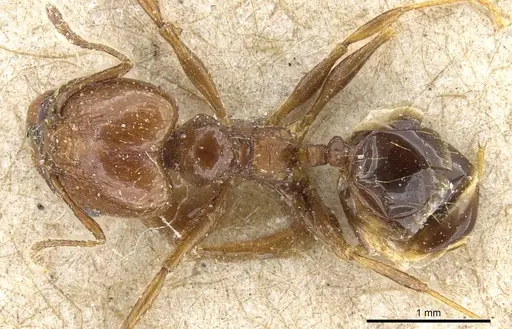
CASENT0904328
View on AntWeb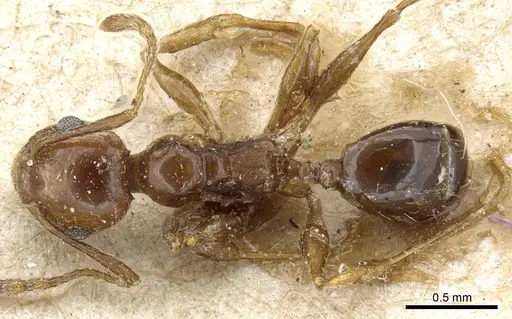
CASENT0904388
View on AntWeb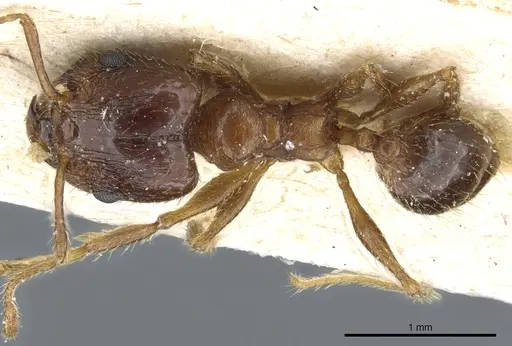
CASENT0904389
View on AntWeb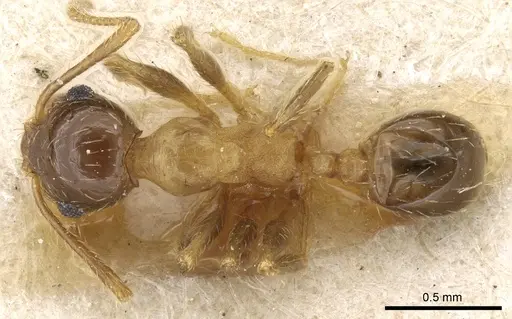
CASENT0913358
View on AntWeb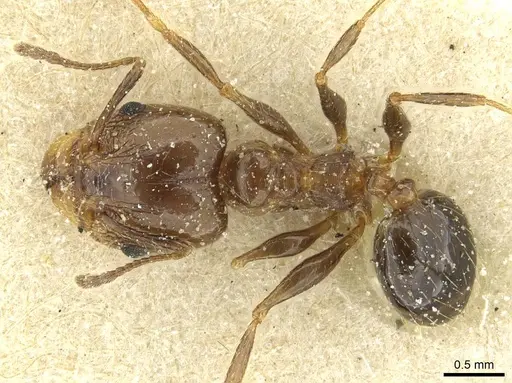
CASENT0913359
View on AntWeb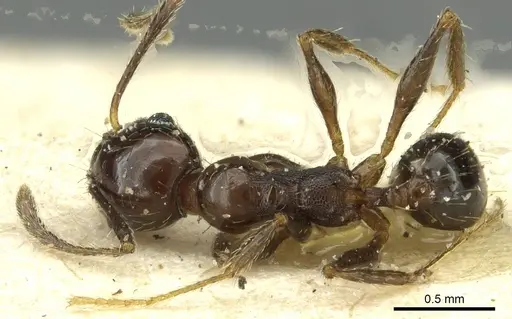
CASENT0913362
View on AntWeb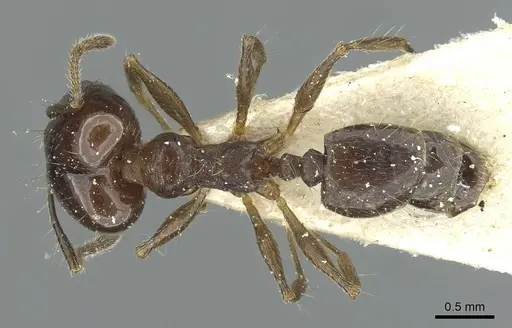
CASENT0913363
View on AntWeb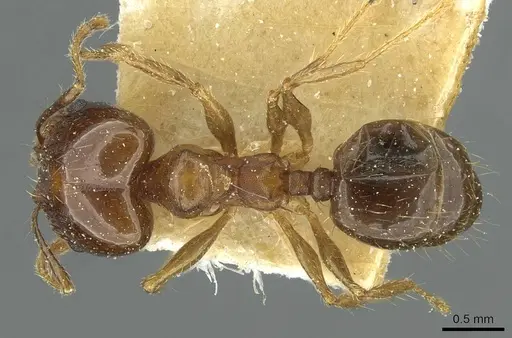
CASENT0913364
View on AntWeb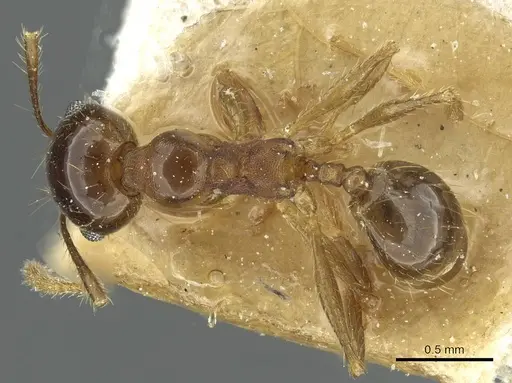
CASENT0913365
View on AntWeb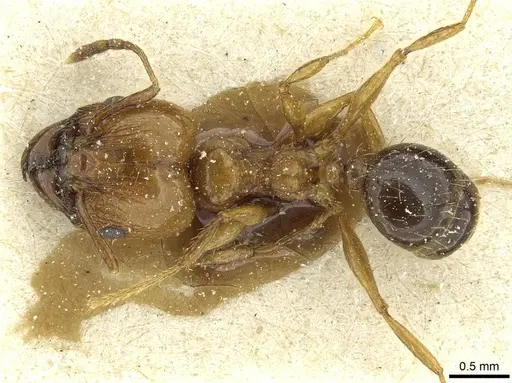
CASENT0913366
View on AntWeb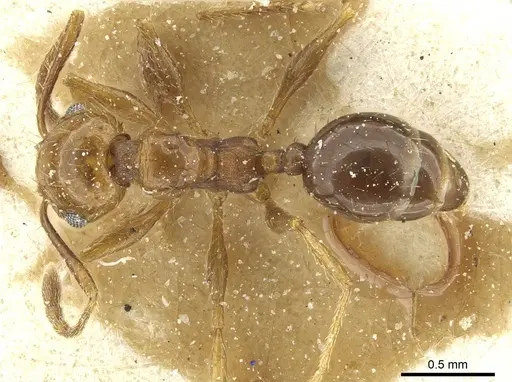
Literature
Loading...Loading products...