

Pheidole triconstricta
- Scientific Name
- Pheidole triconstricta
- Tribe
- Attini
- Subfamily
- Myrmicinae
- Author
- Forel, 1886
- Distribution
- Found in 3 countries
Pheidole triconstricta Overview
Pheidole triconstricta is an ant species of the genus Pheidole. It is primarily documented in 3 countries , including Argentina, Brazil, Uruguay. Detailed taxonomic data and occurrence records can be further explored via authoritative databases such as AntWeb or the Global Biodiversity Information Facility (GBIF).
Pheidole triconstricta
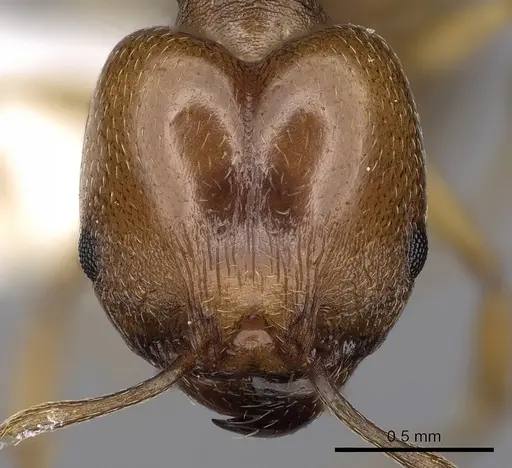
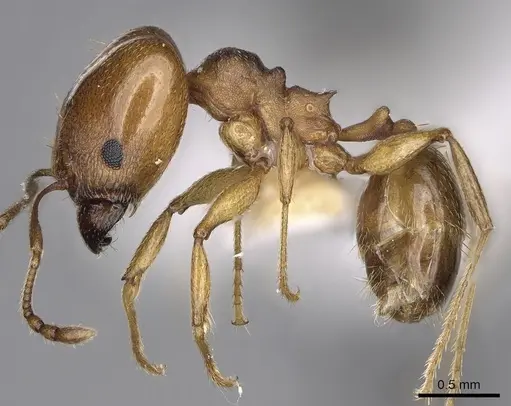
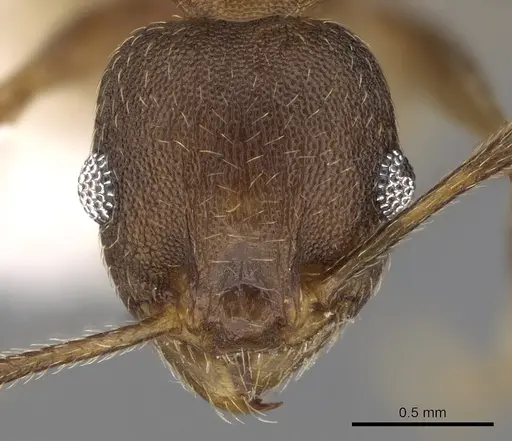
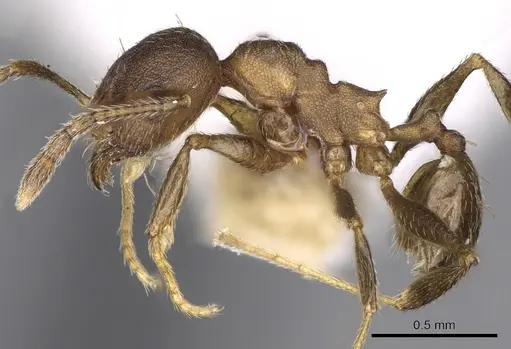
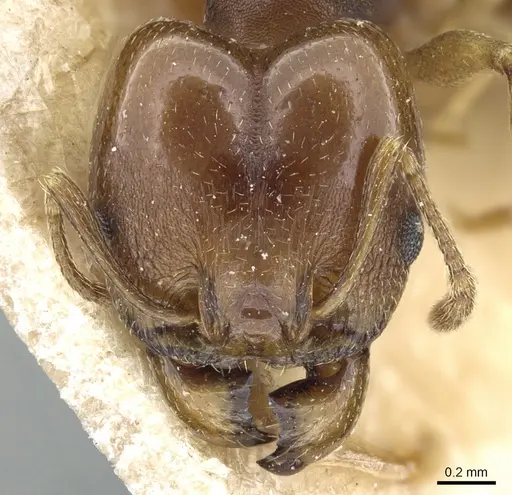
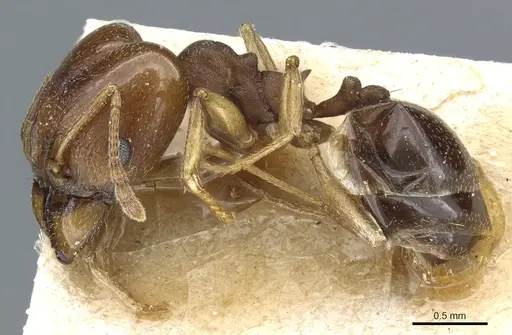
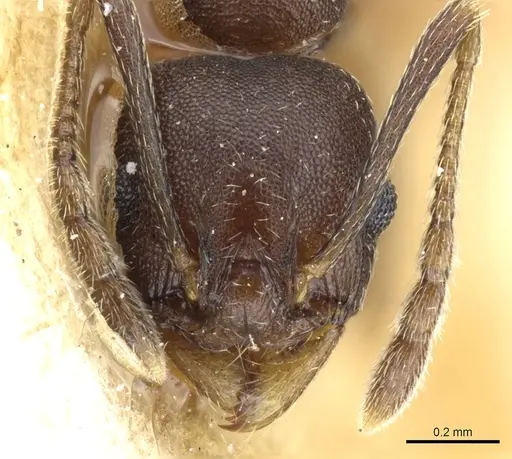
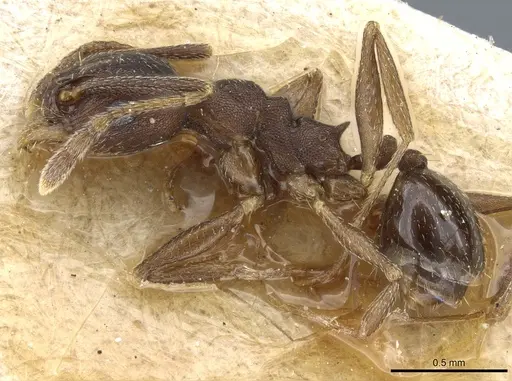
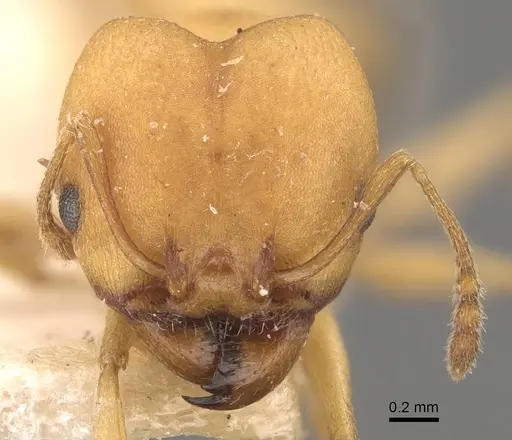
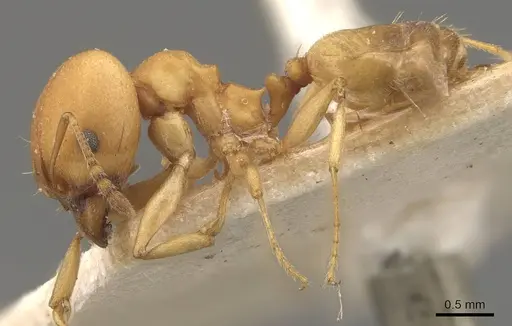
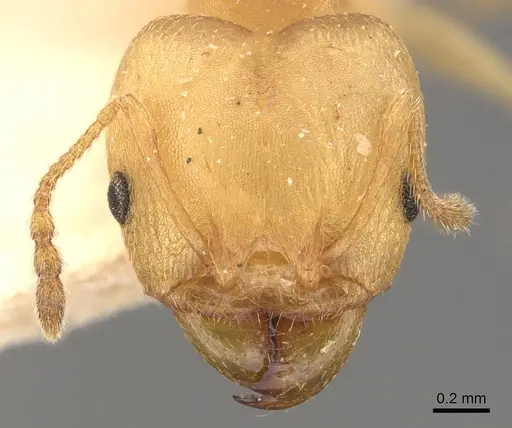
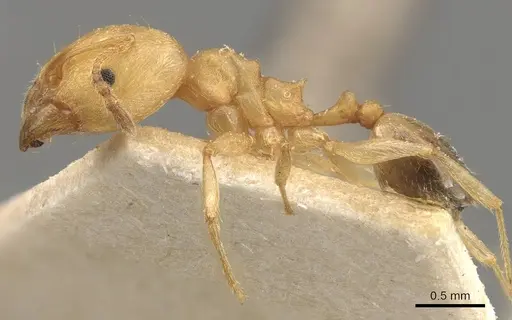
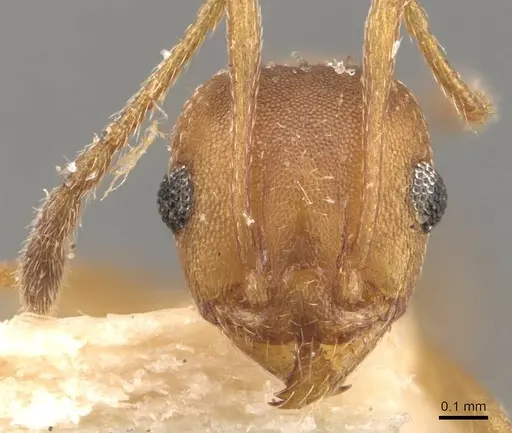
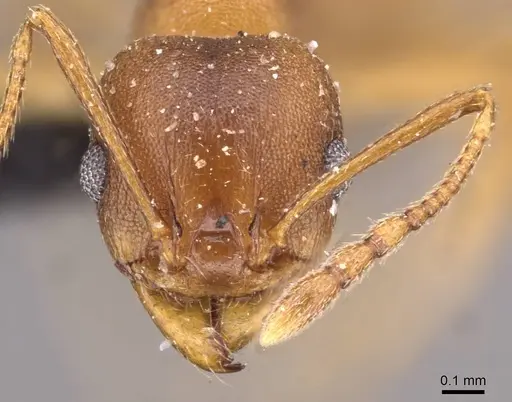
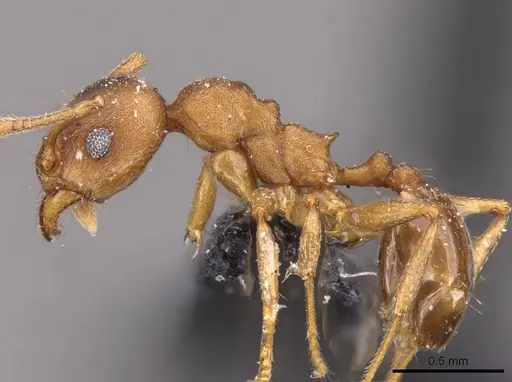
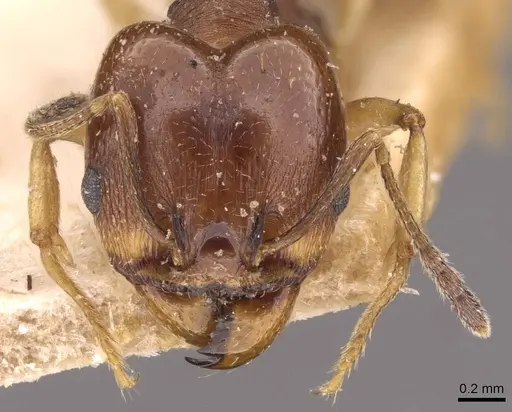
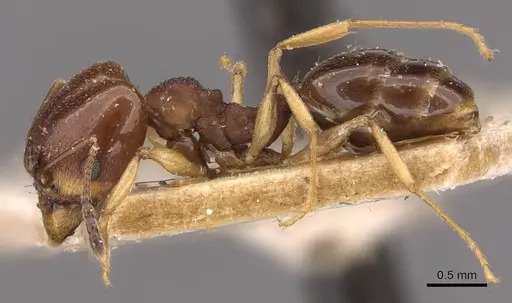
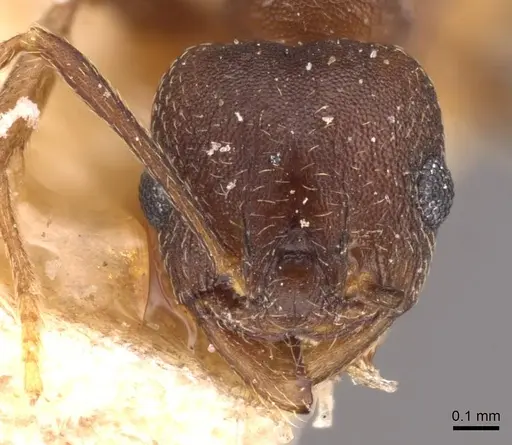
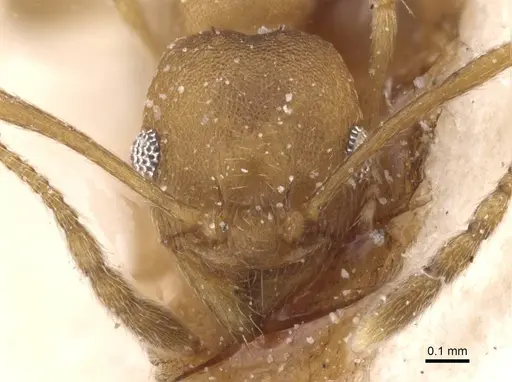
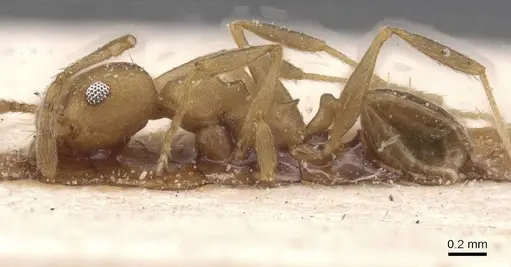
Pheidole triconstricta is a small yellow ant belonging to the diligens species group. Major workers measure around 1.24mm head width while minors are roughly half that size at 0.64mm. The species gets its name from the distinctive three-constriction appearance of its mesosoma when viewed from above. Both castes are yellow with virtually hairless bodies, and the head and gaster are smooth and shiny while the mesosoma is more textured. This ant is native to southern South America, found across Argentina, Bolivia, Brazil, Paraguay, and Uruguay where it inhabits grasslands, forest edges, and agricultural areas. It forages on the ground and is considered a generalist omnivore, feeding on seeds, honeydew, and small insects. The colony structure is monogyne with a single founding queen that seals herself inside a chamber to raise her first workers [1][2].
Quick Summary
- Difficulty: Easy
- Origin & Habitat: Native to southern South America, Argentina, Bolivia, Brazil, Paraguay, and Uruguay. Found in grasslands, forest edges, and agricultural areas including Eucalyptus plantations. Adapts to both native habitats and modified landscapes [1][3][4].
- Colony Type: Monogyne, single queen colonies. Queens are claustral, sealing themselves inside a chamber to raise the first brood using stored fat reserves.
- Colony: Monogyne
- Founding: Claustral
- Size & Growth:
- Queen: Approximately 5-6mm (estimated based on genus patterns)
- Worker: Minor: 0.64mm head width [1]. Major: 1.24mm head width [1].
- Colony: Colony size data is limited, but related Pheidole species typically reach several hundred workers. Based on similar species in the diligens group, expect moderate colony sizes of 100-500 workers.
- Growth: Moderate, typical for tropical/subtropical Pheidole species
- Development: Estimated 5-8 weeks at warm temperatures (25-28°C). This is based on typical Pheidole development patterns since specific data for P. triconstricta is not available. (Development time varies with temperature, warmer conditions speed up development while cooler temperatures slow it down)
- Antkeeping:
- Temperature: Keep at 24-28°C. This species is adapted to subtropical conditions and benefits from warm, stable temperatures. A heating cable on one side of the nest creates a suitable gradient.
- Humidity: Moderate humidity around 50-70%. Keep the nest substrate slightly moist but not waterlogged. These ants are found in varied habitats from grasslands to forests, so they tolerate some variation.
- Diapause: Not required. As a subtropical species from southern South America, P. triconstricta does not need a true hibernation. However, reducing temperatures slightly during winter months (to around 20-22°C) may slow activity and simulate natural seasonal cycles.
- Nesting: Use a test tube setup for founding colonies. Once the colony reaches 30-50 workers, they can be moved to a formicarium. Y-tong nests or plaster nests work well. They prefer tight, dark chambers scaled to their small size.
- Behavior: Pheidole triconstricta is a calm, non-aggressive species that is easy to handle. Workers are active foragers that search for food on the ground. They are not known for being escape artists, their small size means they can fit through very small gaps, but they are not particularly flighty. Major workers have larger heads for seed processing and colony defense. They are primarily ground-nesting and do not climb well, making standard barrier methods effective. They are not known to sting and pose no danger to keepers.
- Common Issues: colonies may fail if kept too cold, maintain warm temperatures for proper development, small colony size means they are vulnerable to stress, avoid disturbing founding queens unnecessarily, test tube flooding can drown colonies, use appropriate water reservoir size, wild-caught colonies may contain parasites, quarantine and observe new colonies, overfeeding can lead to mold problems, remove uneaten food promptly
Nest Preferences and Housing
Pheidole triconstricta is a ground-nesting ant that naturally forms colonies in soil, often under stones or in decaying wood. For captive care, start with a simple test tube setup for the founding queen. Fill a test tube one-third with water, plug the end with cotton to create a water reservoir, then add the queen. She will seal herself inside the dark, humid chamber and begin laying eggs. Once the colony reaches 30-50 workers, you can transition them to a formicarium. Y-tong nests or plaster nests work well because they provide the dark, tight chambers these ants prefer. Avoid tall, open spaces, keep chambers and passages scaled to their small size. Place the nest in a quiet location away from direct sunlight and vibrations. [1][2]
Feeding and Diet
Pheidole triconstricta is an omnivorous generalist. In the wild, they feed on honeydew from aphids and scale insects, collect seeds, and hunt small insects. In captivity, offer a varied diet: protein sources like small crickets, mealworms, or fruit flies twice weekly, and sugar sources like honey water or sugar water constantly. They will also accept seeds, especially small ones that majors can process with their large mandibles. Remove any uneaten prey after 24-48 hours to prevent mold. Since they are small ants, portion sizes should be tiny, a few insects or a drop of sugar water is enough for a developing colony. [2]
Temperature and Seasonal Care
As a subtropical species from southern South America, Pheidole triconstricta prefers warm conditions. Keep the nest area at 24-28°C for optimal brood development. A heating cable placed on one side of the nest creates a temperature gradient that lets ants choose their preferred zone. They can tolerate temperatures down to around 20°C but will become less active and develop more slowly. Unlike temperate species, they do not require a true hibernation period. However, you might slightly reduce temperatures during winter months to around 20-22°C to simulate natural seasonal cycles, which may help maintain colony health long-term. Avoid temperature fluctuations and drafts. [1]
Behavior and Colony Dynamics
This species has two worker castes: minor workers handle most tasks including foraging, brood care, and nest maintenance, while major workers specialize in seed processing, colony defense, and food storage. Majors have distinctive large heads with powerful mandibles adapted for cracking seeds. Colonies grow moderately, expect the first workers (nanitics) to emerge 5-8 weeks after founding, and the colony to reach 50+ workers within 6-12 months under good conditions. Workers are not aggressive toward keepers and rarely sting. They are primarily ground-dwelling and do not climb smooth surfaces well, making standard barrier methods effective for containment. [1][2]
References

This caresheet is licensed under CC BY-SA 4.0 .
CASENT0281737
View on AntWeb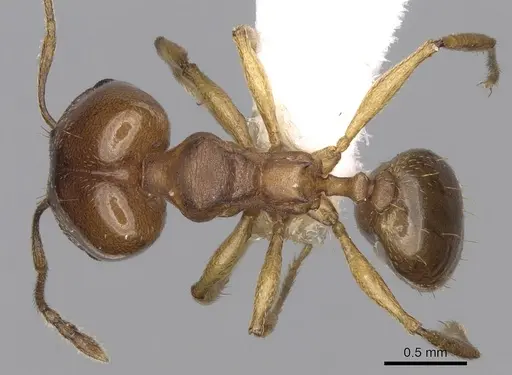
CASENT0281738
View on AntWeb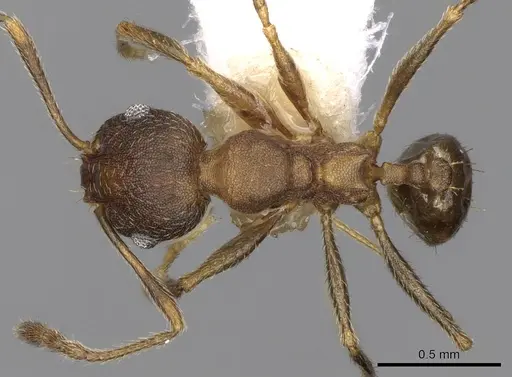
CASENT0904323
View on AntWeb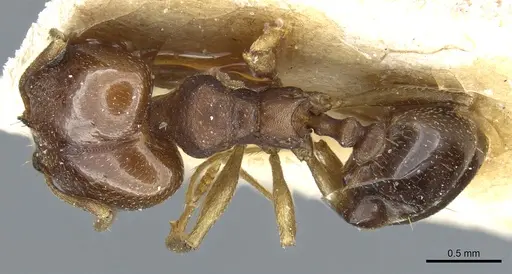
CASENT0904324
View on AntWeb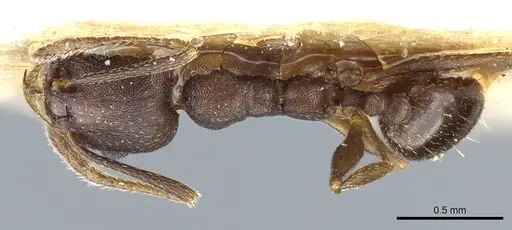
CASENT0908108
View on AntWeb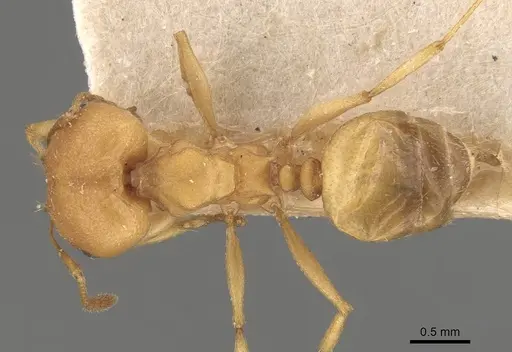
CASENT0908109
View on AntWeb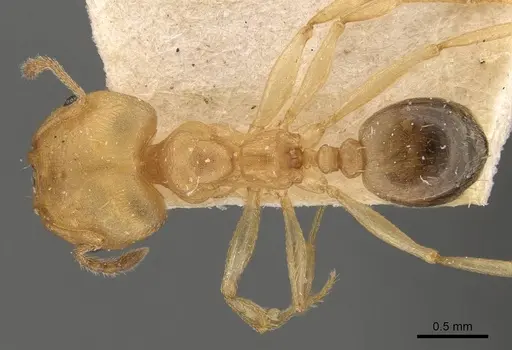
CASENT0908110
View on AntWeb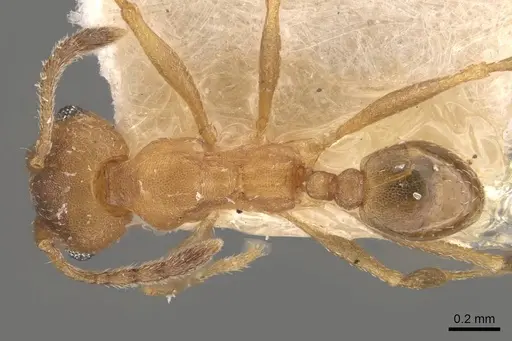
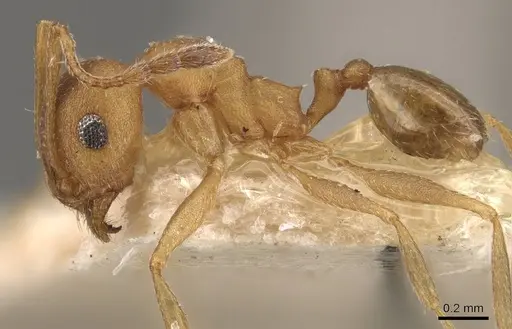
CASENT0908124
View on AntWeb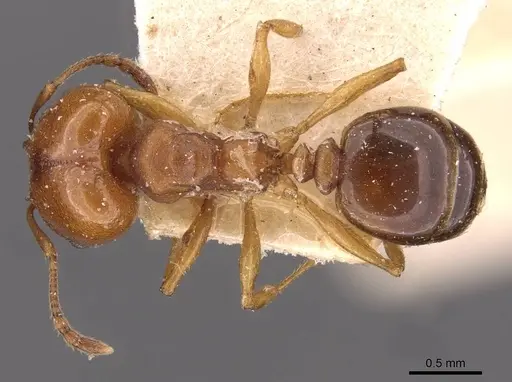
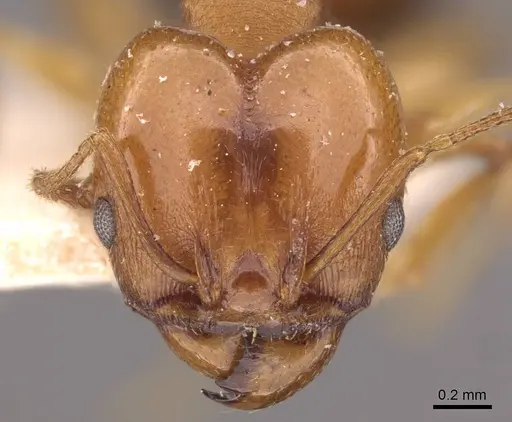
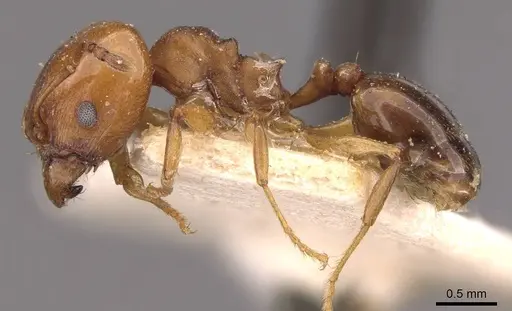
CASENT0908125
View on AntWeb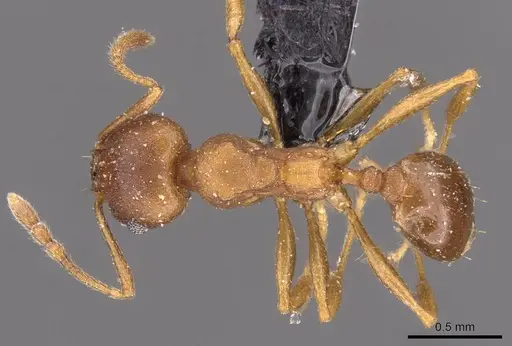
CASENT0908126
View on AntWeb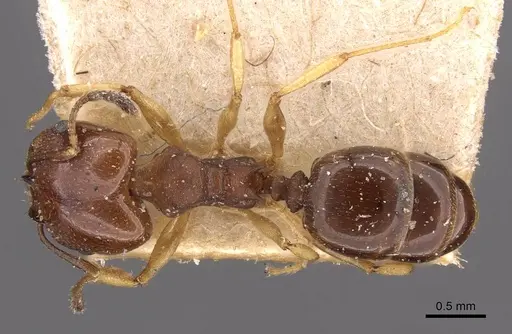
CASENT0908127
View on AntWeb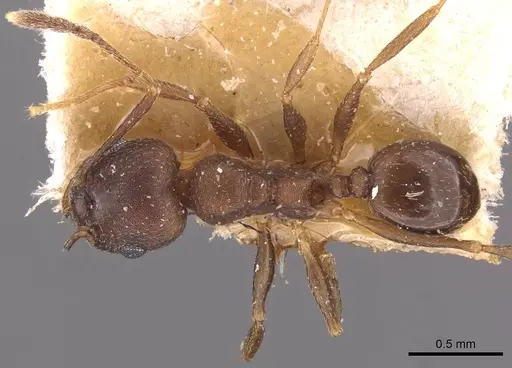
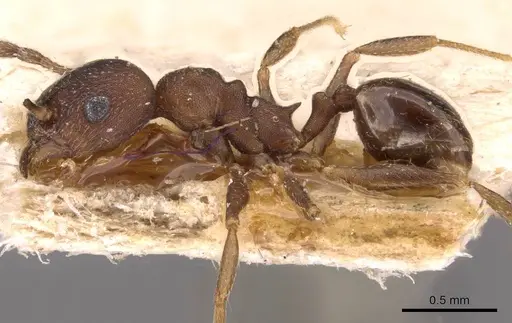
CASENT0913463
View on AntWeb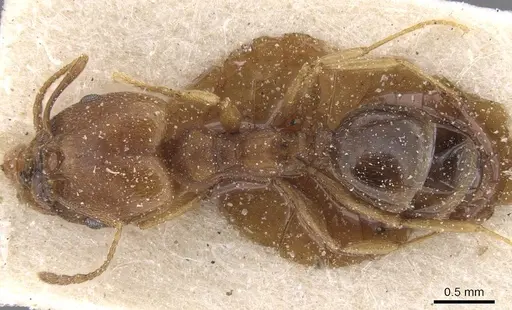
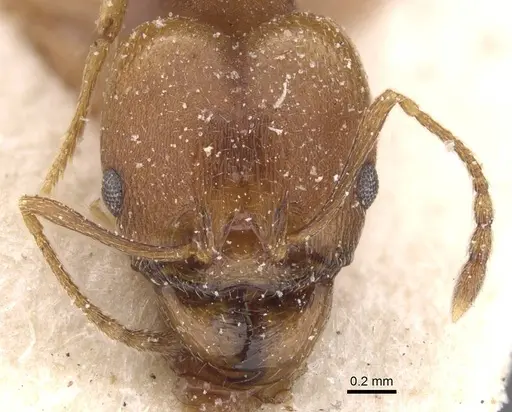
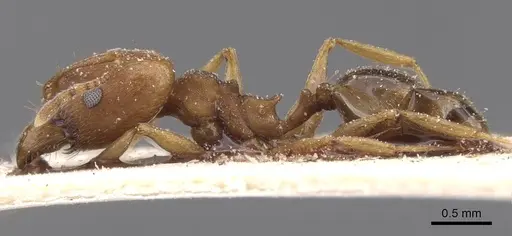
CASENT0913464
View on AntWeb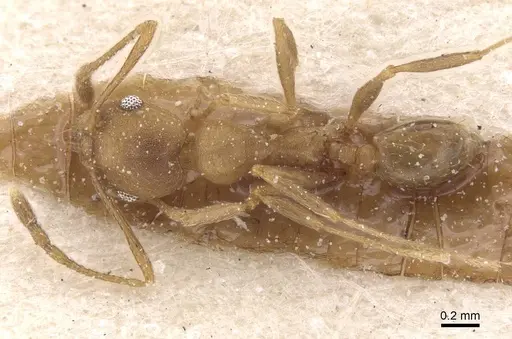
Literature
Loading...Loading products...