

Pheidole cordiceps
- Scientific Name
- Pheidole cordiceps
- Tribe
- Attini
- Subfamily
- Myrmicinae
- Author
- Mayr, 1868
- Distribution
- Found in 2 countries
Pheidole cordiceps Overview
Pheidole cordiceps is an ant species of the genus Pheidole. It is primarily documented in 2 countries , including Argentina, Brazil. Detailed taxonomic data and occurrence records can be further explored via authoritative databases such as AntWeb or the Global Biodiversity Information Facility (GBIF).
Pheidole cordiceps
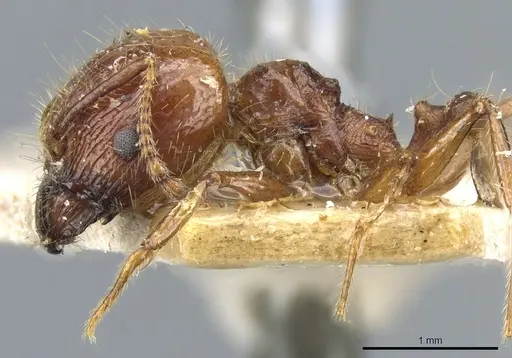
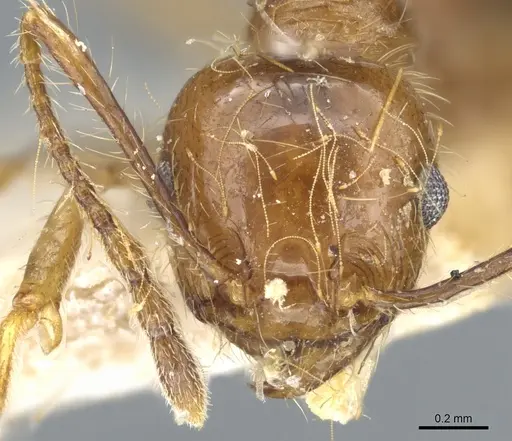
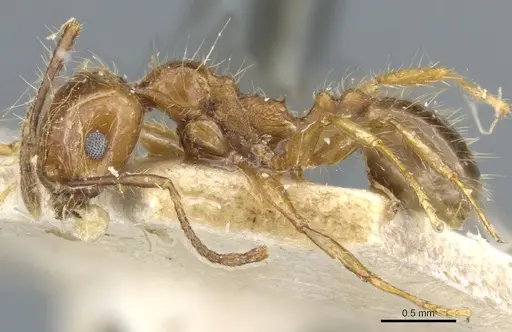
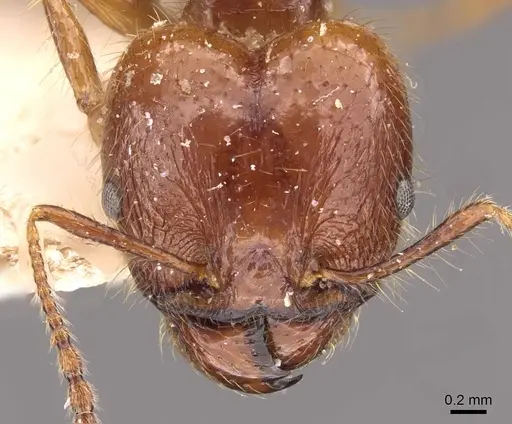
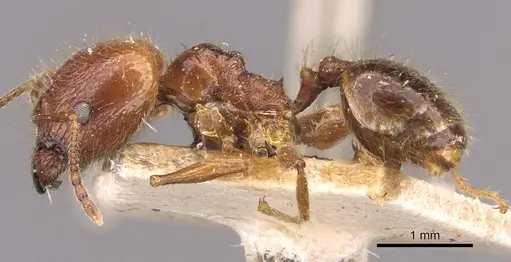
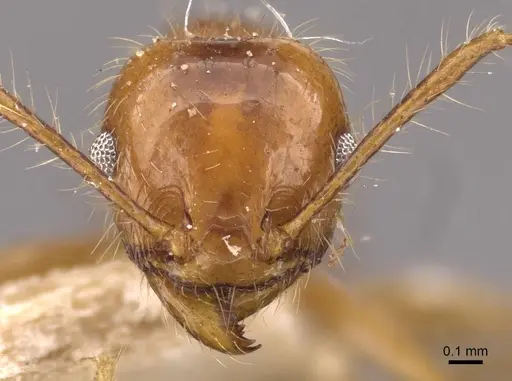
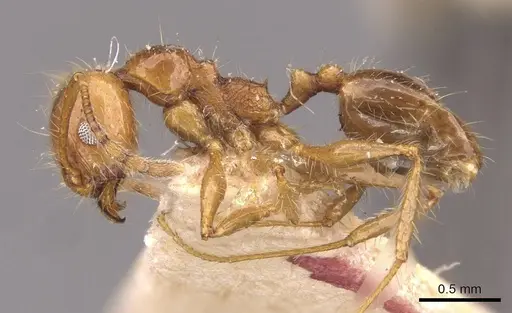
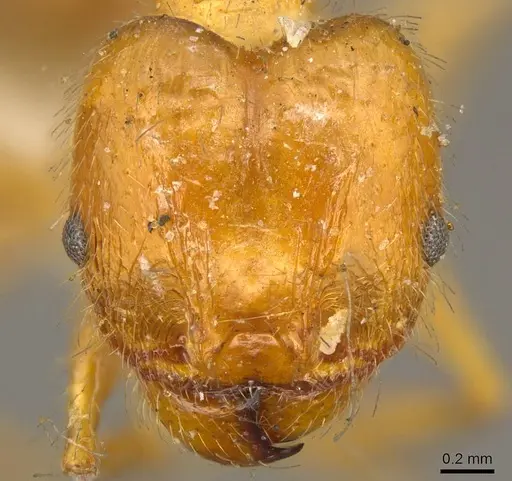
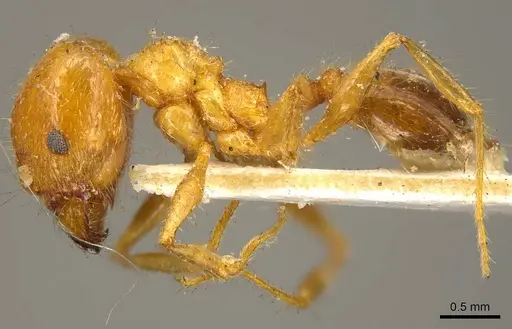
Pheidole cordiceps is a medium-sized ant belonging to the fallax group, native to Argentina. Majors (soldier ants) have a distinctive heart-shaped head, which gives the species its name 'cordiceps' (Latin for heart-headed). Workers are yellow to reddish-yellow in color, with majors measuring around 1.44mm head width and minors at about 0.70mm. This species is widespread across central and northern Argentina, including Buenos Aires, Córdoba, Mendoza, and Salta provinces [1].
This species is poorly documented in scientific literature, no specific biological or ecological studies exist. However, it was found to be the second most abundant ant species in fragmented forest studies in Argentina, making up 7.8% of total ant abundance [2]. This suggests it adapts well to disturbed habitats, which may be useful information for keepers.
Quick Summary
- Difficulty: Unknown, likely Easy to Medium based on genus patterns
- Origin & Habitat: Argentina (Neotropical region), found across multiple provinces including Buenos Aires, Córdoba, Mendoza, and Salta. Likely inhabits forest edges and disturbed areas based on abundance data from fragmented forests [2][1].
- Colony Type: Likely monogyne (single queen) based on typical Pheidole patterns. Colony structure is unconfirmed for this specific species.
- Colony: Monogyne
- Founding: Claustral
- Size & Growth:
- Queen: Unconfirmed, estimated 6-8mm based on genus patterns for medium-sized Pheidole
- Worker: Minor: 0.70mm, Major: 1.44mm head width [1]
- Colony: Unconfirmed, likely hundreds to low thousands based on typical Pheidole colony sizes
- Growth: Unknown, estimated Moderate based on genus patterns
- Development: Estimated 6-8 weeks at optimal temperature (25-28°C) based on typical Pheidole development (Development time is estimated from genus patterns, no specific studies exist for this species)
- Antkeeping:
- Temperature: Keep at 24-28°C (warm room temperature). Pheidole are generally tropical/subtropical and benefit from gentle warmth. A heating cable on one side of the nest can create a gradient if room temperature is below 24°C.
- Humidity: Moderate humidity around 50-60%. Keep the nest substrate slightly moist but allow some drying between waterings. These ants are from temperate-to-subtropical Argentina, not rainforest species.
- Diapause: Unknown for this specific species. Argentine Pheidole species typically show reduced activity in winter months. Consider a cool period (15-18°C) for 2-3 months during Southern Hemisphere winter (June-August) or simulate natural cycles.
- Nesting: Use a Y-tong (acrylic) nest or test tube setup. Pheidole cordiceps is a ground-nesting species. Provide a nest chamber with moderate humidity and avoid overly wet conditions. A naturalistic setup with soil substrate also works well.
- Behavior: Pheidole are generally peaceful ants. Majors use their enlarged heads to crack seeds and defend the colony, while minors handle most foraging and brood care. They are not aggressive toward keepers and rarely sting. Their small size (especially minors at 0.70mm) means escape prevention is important, use fine mesh barriers and tight-fitting lids. They are active foragers that will search for seeds and small insects.
- Common Issues: escape prevention is critical due to small minor worker size, they can squeeze through standard gaps, no specific biological data exists, keepers must rely on genus-level care assumptions, winter cooling may be stressful if done incorrectly, transition gradually, wild-caught colonies may carry parasites that can devastate captive colonies, overheating is more dangerous than underheating, avoid temperatures above 32°C
Nest Preferences
In the wild, Pheidole cordiceps nests in soil, typically in open areas or forest edges. For captive care, a Y-tong (acrylic) nest works well, providing dark chambers that mimic underground conditions. Test tube setups are also suitable for founding colonies. The nest should have moderate humidity, damp but not waterlogged. Avoid nests that are too large for the colony size initially, as Pheidole prefer snug chambers. As the colony grows, you can provide additional outworld space. The species has been found in fragmented forest habitats, suggesting it tolerates some disturbance and variable conditions [2].
Feeding and Diet
Pheidole are primarily seed-harvesters, with majors specialized for cracking hard seeds. They also opportunistically eat small insects and other protein sources. Feed a mix of seeds (millet, chia, flax) and protein (small crickets, mealworms, fruit flies). Sugar water or honey can be offered occasionally, though Pheidole get most carbohydrates from seeds. Feed protein 2-3 times per week for established colonies, and keep a constant seed supply. Remove uneaten prey after 24 hours to prevent mold. Founding colonies typically don't need much food, a few small seeds and occasional protein bits suffice until the first workers (nanitics) emerge.
Temperature and Care
Keep Pheidole cordiceps at 24-28°C for optimal brood development. This species comes from central Argentina, which has warm summers and cool winters. Room temperature (around 22-24°C) is often adequate, but a heating cable on one side of the nest can help if your home is cooler. Never exceed 32°C, overheating is more dangerous than being slightly cool. A temperature gradient allows ants to regulate their own conditions. During winter (June-August in the Southern Hemisphere), you can reduce temperatures to 15-18°C for a rest period, but this is optional and should be done gradually over 1-2 weeks.
Behavior and Temperament
Pheidole cordiceps is a peaceful species that poses no real threat to keepers. Majors (soldiers) have enlarged heads for seed-cracking but rarely bite. Minors handle most tasks: foraging, caring for brood, and tending the queen. Workers are active foragers that will readily explore the outworld for food. The species shows typical Pheidole behavior, majors often stand guard near the nest entrance while minors come and go. They are not aggressive and can be observed without concern. Escape prevention is important because minors are tiny (0.70mm) and can slip through small gaps. [1]
Colony Founding
Colony founding behavior has not been documented for this specific species. Based on typical Pheidole patterns, the queen likely seals herself in a claustral chamber and raises the first brood alone using stored fat reserves. She will not leave to forage during founding. The first workers (nanitics) are typically smaller than normal workers. Expect 6-8 weeks from egg to first worker at optimal temperature (25-28°C), though this is an estimate based on genus patterns. Do not disturb the founding chamber during this time, excessive vibration or light can cause queen stress.
Frequently Asked Questions
How long does it take for Pheidole cordiceps to get first workers?
Estimated 6-8 weeks from egg to first worker at optimal temperature (25-28°C). This is based on typical Pheidole development patterns since no specific studies exist for this species. The exact timeline depends on temperature and feeding.
Can I keep Pheidole cordiceps in a test tube?
Yes, test tubes work well for founding colonies. Use a standard test tube with a water reservoir plugged with cotton. The queen will seal herself in and raise the first brood in the tube. Once the colony reaches 20-30 workers, consider moving to a Y-tong or formicarium.
What do Pheidole cordiceps eat?
They are seed-harvers that also eat insects. Feed a mix of small seeds (millet, chia) and protein sources (fruit flies, small crickets, mealworms). Sugar water can be offered occasionally but is not required.
Are Pheidole cordiceps good for beginners?
This species is likely suitable for beginners based on genus patterns, though no specific care documentation exists. Pheidole in general are hardy and forgiving. The main challenges are escape prevention (tiny workers) and the lack of species-specific information.
Do Pheidole cordiceps need hibernation?
Hibernation is not required but a cool period (15-18°C for 2-3 months) may benefit the colony during winter. This species comes from temperate Argentina and likely experiences seasonal temperature changes. A gradual cooldown is safer than sudden temperature drops.
How big do Pheidole cordiceps colonies get?
Colony size is unconfirmed for this species, but typical Pheidole colonies reach hundreds to low thousands of workers. Based on their abundance in the wild (7.8 of ant communities), colonies are likely stable and long-lived [2].
Can I keep multiple queens together?
Not recommended. Pheidole are typically single-queen (monogyne) colonies. Combining unrelated queens has not been documented for this species and would likely result in fighting.
When should I move Pheidole cordiceps to a formicarium?
Move to a larger nest (Y-tong or formicarium) when the colony reaches 20-30 workers or when the test tube becomes crowded. Make sure the new enclosure has appropriate humidity and escape prevention before transferring.
Why are my Pheidole cordiceps dying?
Common causes include: escape (tiny minors slip through gaps), mold from overwatering, stress from disturbance during founding, or parasites from wild-caught colonies. Ensure excellent escape prevention, moderate humidity, and avoid disturbing founding queens.
References

This caresheet is licensed under CC BY-SA 4.0 .
CASENT0281739
View on AntWeb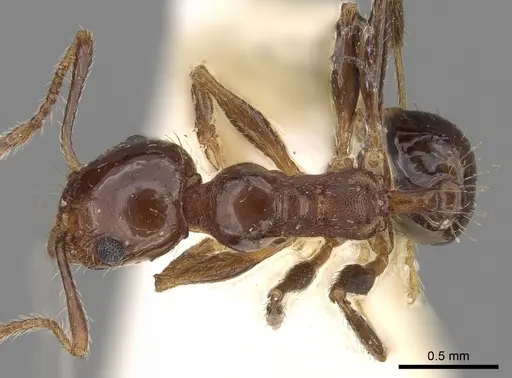
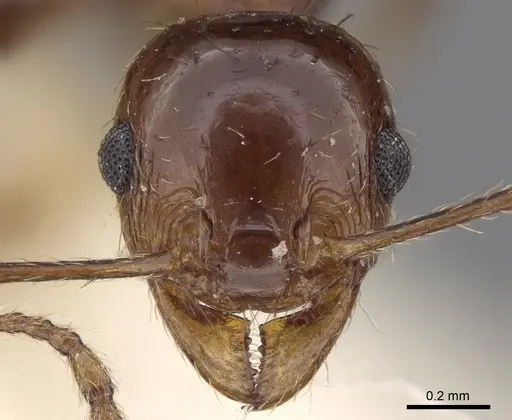
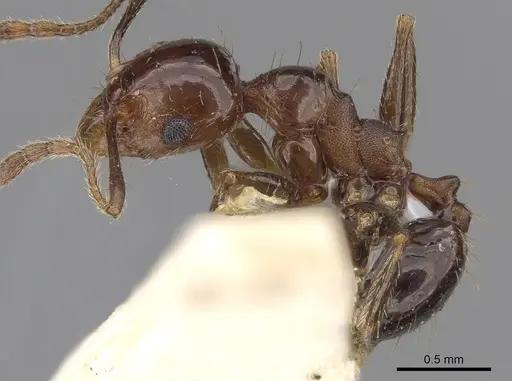
CASENT0281740
View on AntWeb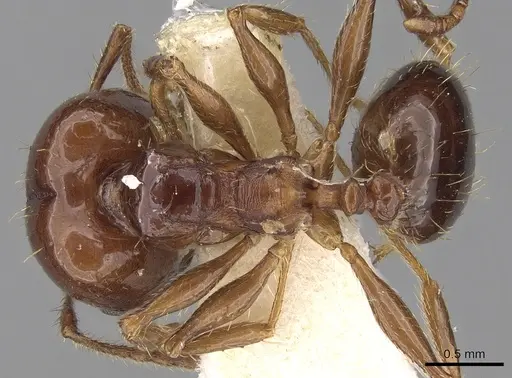
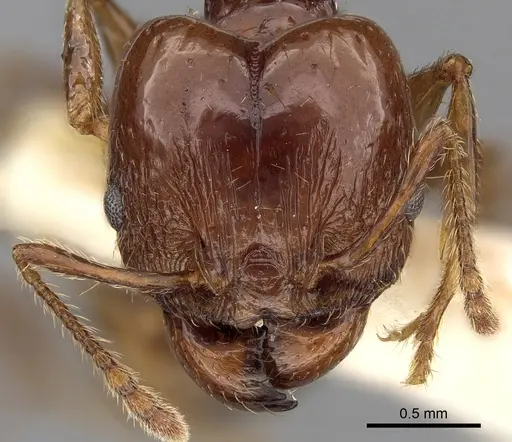
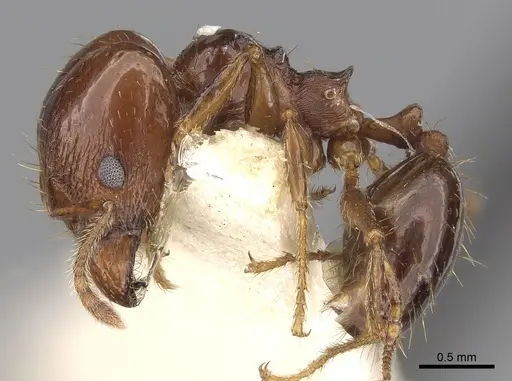
CASENT0904386
View on AntWeb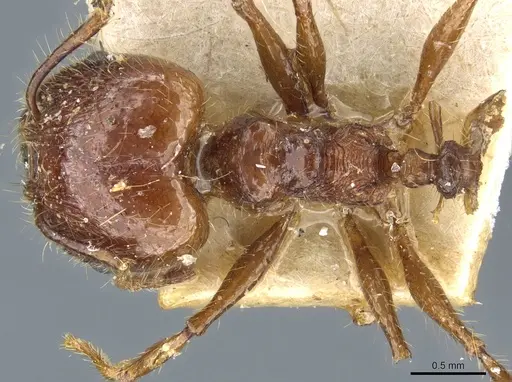
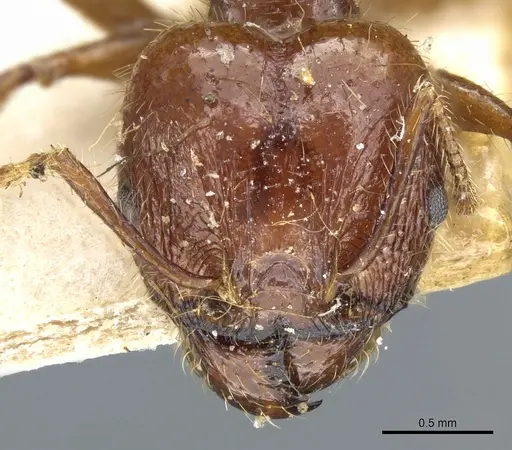
CASENT0904387
View on AntWeb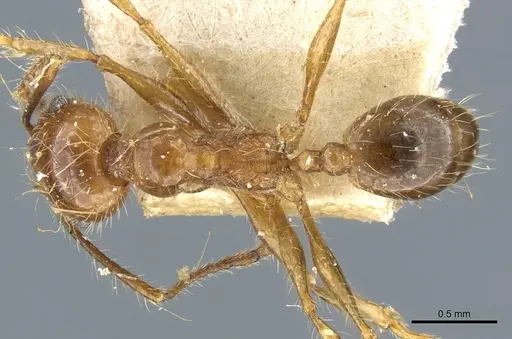
CASENT0908128
View on AntWeb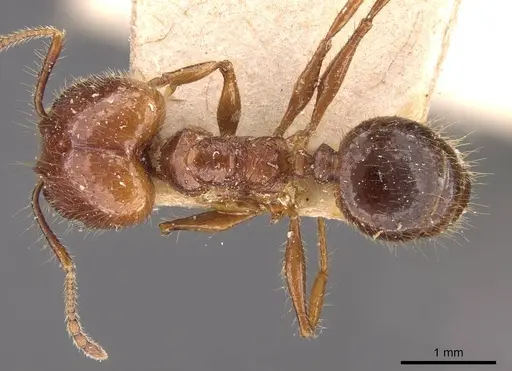
CASENT0908129
View on AntWeb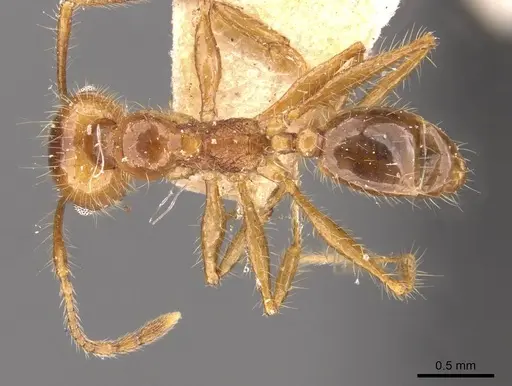
CASENT0916055
View on AntWeb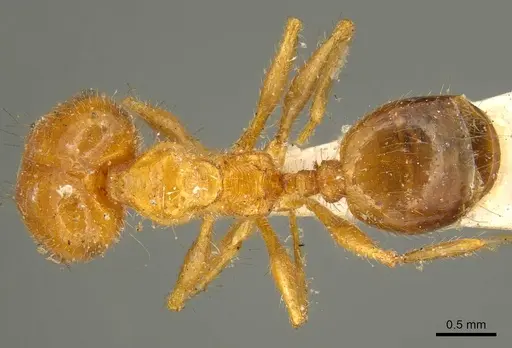
Literature
Loading...Loading products...