

Pheidole eidmanni
- Scientific Name
- Pheidole eidmanni
- Tribe
- Attini
- Subfamily
- Myrmicinae
- Author
- Menozzi, 1926
- Distribution
- Found in 0 countries
Pheidole eidmanni Overview
Pheidole eidmanni is an ant species of the genus Pheidole. It is primarily documented in 0 countries . Detailed taxonomic data and occurrence records can be further explored via authoritative databases such as AntWeb or the Global Biodiversity Information Facility (GBIF).
Pheidole eidmanni
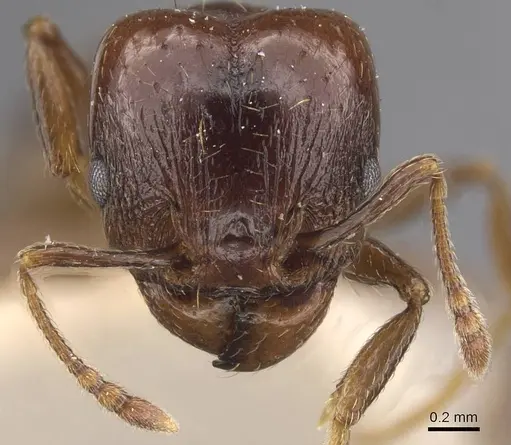
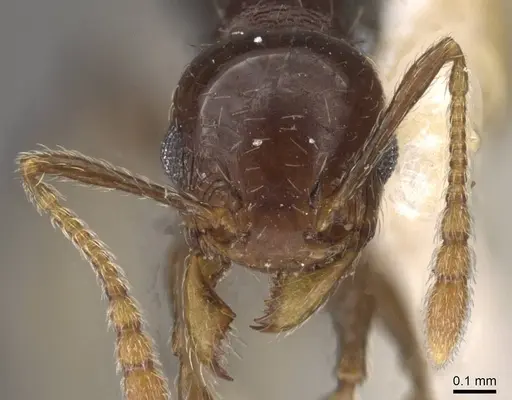
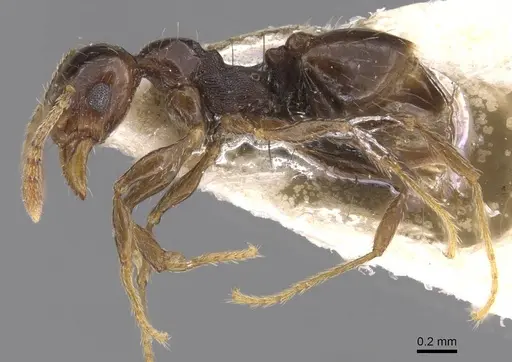
Pheidole eidmanni is a small Neotropical ant species native to Brazil, known only from the type locality in Mogi das Cruzes, São Paulo [1]. Major workers have medium reddish-brown coloration [1]. No body size data (total length) is available for this species [2]. The species was described by Menozzi in 1926 and remains poorly studied, with no documented biological information available [2].
This species is part of the fallax group in the genus Pheidole, but specific behaviors, colony structure, and care requirements are unknown due to lack of field studies [2].
Quick Summary
- Difficulty: Hard, due to lack of species-specific data and poor documentation
- Origin & Habitat: Neotropical Brazil, São Paulo region (Mogi das Cruzes). Type locality is the only known collection site [1].
- Colony Type: Unconfirmed, no data on colony structure
- Size & Growth:
- Antkeeping:
- Temperature: No specific data, maintain at room temperature (20-25°C) as a starting point, but observe colony behavior
- Humidity: No specific data, provide a humidity gradient with moist substrate but avoid waterlogging
- Diapause: Unknown, no data on hibernation needs
- Nesting: No specific data, based on genus patterns, Pheidole species often nest in soil or wood. In captivity, test tubes or plaster nests may work, but no species-specific recommendations
- Behavior: No species-specific data, based on genus patterns, Pheidole ants are generally non-aggressive but defend with major workers. Escape prevention is important due to small size
- Common Issues: lack of species-specific data makes care uncertain, observe closely, small size requires excellent escape prevention, wild-caught colonies may carry parasites, overfeeding can lead to mold, remove uneaten food, temperature extremes can be fatal
Nest Preferences and Housing
No species-specific nest data exists for Pheidole eidmanni [2]. In captivity, you can test common ant-keeping setups like test tubes for founding or plaster nests for established colonies, but no recommendations are confirmed. Ensure tight chambers scaled to small size and secure connections to prevent escapes [2].
Feeding and Diet
No dietary data is available for this species [2]. Based on genus patterns, Pheidole ants are often granivorous, but you should offer varied foods and observe what your colony accepts. Remove uneaten food promptly to avoid mold.
Temperature and Seasonal Care
No temperature-specific data exists [2]. Maintain a stable room temperature around 20-25°C as a starting point, and avoid extremes. No diapause data is available, so do not assume hibernation is needed.
Understanding the Data Gap
Pheidole eidmanni is poorly studied, with no biological information documented [2]. The type specimen was collected in 1926,and no field studies have been published. Care recommendations are based on general genus patterns, but your observations are valuable for filling knowledge gaps.
Behavior and Colony Dynamics
No species-specific behavior data exists [2]. Based on genus patterns, Pheidole ants have division of labor between minor and major workers, but this is unconfirmed for P. eidmanni. Colony structure is unknown.
Frequently Asked Questions
How long does it take for Pheidole eidmanni to produce first workers?
Unknown, no development data exists for this species [2].
What do Pheidole eidmanni ants eat?
No dietary data is available [2]. Offer varied foods and observe colony preferences.
Can I keep Pheidole eidmanni in a test tube setup?
Test tubes may work for founding, but no species-specific data exists [2]. Ensure proper humidity and escape prevention.
Are Pheidole eidmanni good for beginners?
Due to lack of data, this species is challenging and not recommended for beginners [2].
How big do Pheidole eidmanni colonies get?
Unknown, no colony size data exists [2].
Do Pheidole eidmanni need hibernation?
Unknown, no diapause data exists [2].
Why is so little known about Pheidole eidmanni?
The species was described in 1926 from a single collection, and no subsequent studies have been published [1][2].
Can I keep multiple queens together?
Colony structure is unconfirmed [2]. Do not combine unrelated queens due to potential aggression.
What temperature is ideal for Pheidole eidmanni?
No specific data, maintain at room temperature (20-25°C) as a starting point [2].
Report an Issue
The current care sheet is based fully on literature. See inconsistencies, or something that's incorrect? Please , it will be resolved after review from an admin. Contributing to the blogs tab also helps providing information, to make us be able to further improve the caresheets. Thank you for your support!
References

This caresheet is licensed under CC BY-SA 4.0 .
CASENT0913304
View on AntWeb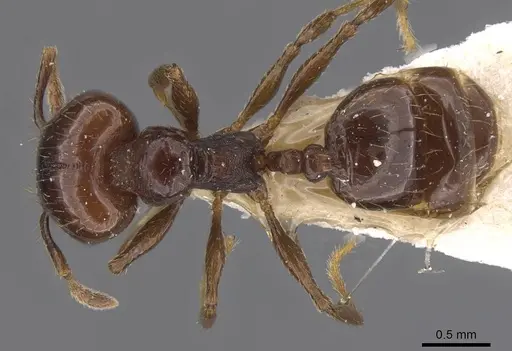
CASENT0913305
View on AntWeb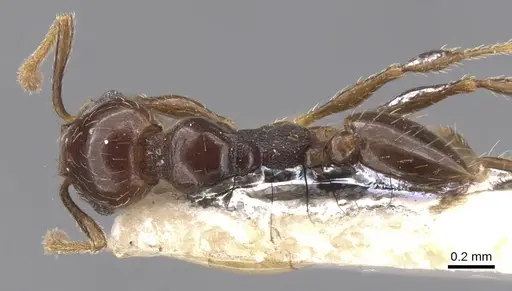
Literature
Loading...Loading products...