
Lasius subumbratus shows a July to August flight window. Peak activity occurs in August, with nuptial flights distributed across 2 months. The concentrated timeframe makes peak months critical for sightings.

Lasius subumbratus
- Scientific Name
- Lasius subumbratus
- Tribe
- Lasiini
- Subfamily
- Formicinae
- Author
- Viereck, 1903
- Common Name
- Less Shady Fuzzy Ant
- Distribution
- Found in 2 countries
- Nuptial Flight
- from July to August, peaking in August
AI Identifiable
try →
Lasius subumbratus Overview
Lasius subumbratus (commonly known as the Less Shady Fuzzy Ant) is an ant species of the genus Lasius. It is primarily documented in 2 countries , including Canada, United States of America. Detailed taxonomic data and occurrence records can be further explored via authoritative databases such as AntWeb or the Global Biodiversity Information Facility (GBIF).
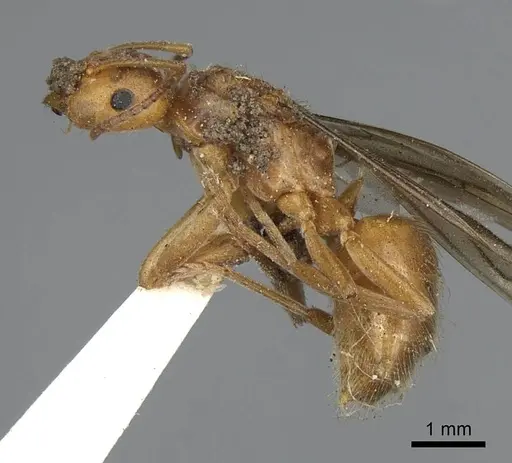
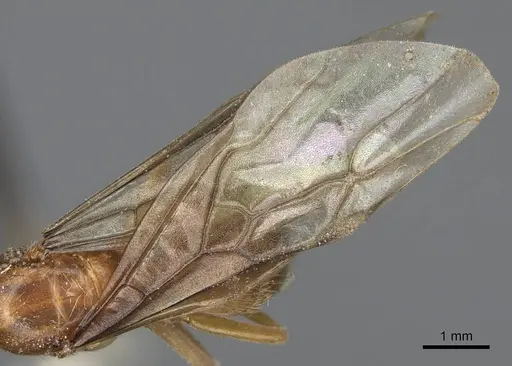
The nuptial flight of Lasius subumbratus is a significant biological event, typically occurring from July to August, peaking in August. During this time, winged queens and males leave the nest to mate and establish new colonies.
Lasius subumbratus - "Less Shady Fuzzy Ant"
Lasius subumbratus is a small yellow to pale brown ant native to northern North America, ranging from the Canadian Maritimes west to Arizona and California. Workers measure 3-5mm with notably small eyes and dense, silky hairs covering the body. The species belongs to the umbratus group within the subgenus Chthonolasius. This ant is a temporary social parasite, its queens cannot start colonies alone but must infiltrate established nests of other Lasius species, kill the host queen, and use the host workers to raise their first brood. The primary host is Lasius pallitarsis, with Lasius neoniger as an alternate host. In the wild, colonies are found at high elevations (up to 10,000 feet in the Rockies) in habitats ranging from meadows to pine forests, typically nesting under stones or in rotting logs [1][2].
Quick Summary
- Difficulty: Expert
- Origin & Habitat: Cold-temperate to sub-boreal regions of Nearctic North America, from Quebec and Nova Scotia west to Saskatchewan, and south through the western US to Arizona. Found at high elevations in pine-fir forests, pine forests, meadows, and dry open slopes. Nests under stones or in rotting logs and stumps [2][1].
- Colony Type: Temporary social parasite, queens require a host colony to establish. Polygyny possible (multiple dealate females found in one nest). Host species: Lasius pallitarsis (primary) and Lasius neoniger [1][2].
- Colony: Polygyne
- Queen: Temporary parasitic
- Size & Growth:
- Queen: Larger than workers, exact measurements not specified in available literature [2]
- Worker: 3.0-5.0mm [3]
- Colony: Colony size not documented in available literature
- Growth: Unknown, dependent on host colony resources
- Development: Unknown, development occurs within host colony (Development time depends on host colony resources and conditions)
- Antkeeping:
- Temperature: Keep at room temperature (20-24°C). As a northern species, they prefer cooler conditions than tropical ants. Avoid overheating.
- Humidity: Moderate humidity similar to typical Lasius species. Keep nest substrate slightly moist but not waterlogged.
- Diapause: Yes, as a northern species, colonies likely require winter hibernation at cool temperatures (5-10°C) for several months. This is inferred from typical Lasius behavior and their cold-temperate habitat.
- Nesting: In nature: under stones, in rotting logs and stumps. In captivity: typical Lasius setups work once established (test tubes, Y-tong nests). The critical requirement is having a host colony present.
- Behavior: Workers are small and not aggressive. Queens approach host colonies in a conciliatory manner, often initially rejected before adoption. Once established, the parasite queen kills the host queen and uses host workers to raise her brood. Workers tend mealybugs for honeydew. Escape risk is moderate due to small size, standard barriers recommended.
- Common Issues: establishment failure, queen rejected by host colony and killed, host colony weakness, insufficient workers to support parasite queen's brood, finding host species, Lasius pallitarsis and Lasius neoniger may not be readily available, queen mortality during introduction, proper introduction technique is critical, overheating, northern species do not tolerate high temperatures
Nuptial Flight Activity Analysis 119 observations
Flight Activity by Hour 119 observations
Lasius subumbratus nuptial flight activity peaks around 18:00 during the evening. Activity is spread across a 14-hour window (10:00–23:00). Times may be influenced by human observation patterns.
Temporary Parasitism and Colony Establishment
Lasius subumbratus is a temporary social parasite, meaning its queens cannot found colonies independently like most ants. Instead, a newly mated queen must find an established colony of a host species (Lasius pallitarsis or Lasius neoniger), infiltrate it, and kill the host queen. The host workers then raise the parasite queen's first brood until her own workers emerge. This makes keeping this species significantly more challenging than most ants, you essentially need two colonies: a host colony and the parasite queen. In the wild, Wheeler observed that after nuptial flights (occurring around July 6-7), subumbratus queens were found in nearly every host nest at Cloudcroft, New Mexico, showing the overwhelming pressure of parasite queens seeking adoption [1][2].
Host Species Requirements
The primary host for Lasius subumbratus is Lasius pallitarsis, with Lasius neoniger serving as an alternate host. Both are common North American Lasius species. To keep subumbratus, you must first establish a healthy colony of one of these host species. Lasius pallitarsis is typically found in similar high-elevation habitats, while Lasius neoniger prefers open, dry situations. Both are medium-sized yellow Lasius that are relatively straightforward to keep. The host colony should be well-established with plenty of workers before introducing the parasite queen. Wheeler noted that host workers often initially rebuff parasite queens, so the introduction process requires patience and careful technique [1][2].
Nuptial Flights and Reproduction
Nuptial flights occur around early July, with Wheeler observing them on July 6-7 at Cloudcroft, New Mexico (around 9,000 feet elevation). Dealate females have been collected from host colonies in July and August. The presence of multiple dealate females in a single nest suggests this species can be polygynous (multiple queens). Brood has been found in nests during March and August, with reproductives present in July and August. For antkeepers hoping to propagate this species, timing introductions to coincide with natural nuptial flight periods may improve success rates [1][2].
Feeding and Diet
Like other Lasius species, Lasius subumbratus workers tend mealybugs for honeydew and likely consume sugary secretions. They also probably feed on small insects and arthropods. In captivity, offer sugar water or honey as a constant energy source, along with small protein sources like fruit flies or small mealworms. The host colony's diet will also support the parasite colony once established. The species' small size (3-5mm workers) means prey items should be appropriately sized [1][3].
Temperature and Seasonal Care
As a northern species adapted to cold-temperate and sub-boreal habitats, Lasius subumbratus prefers cooler temperatures than many common ant pets. Keep the colony at room temperature (around 20-24°C) and avoid overheating. During winter, colonies should experience a hibernation period at cool temperatures (5-10°C) for several months, mimicking their natural cold-temperate habitat. In the wild, this species is found at high elevations (up to 10,000 feet in the southern Rockies) where temperatures are cool even in summer. The species is confined to cold-temperate areas in New England and does not occur in warmer lowland regions [1][2].
Identification and Distinction from Similar Species
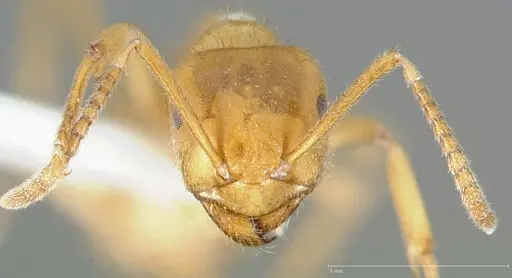
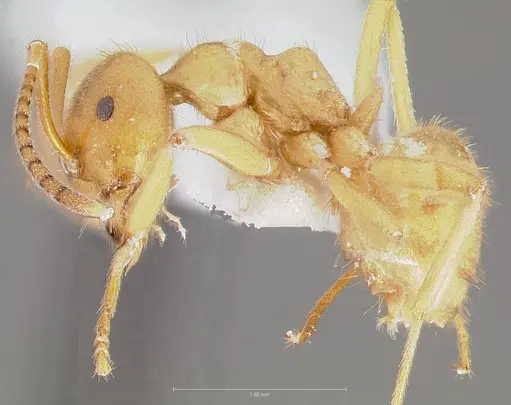
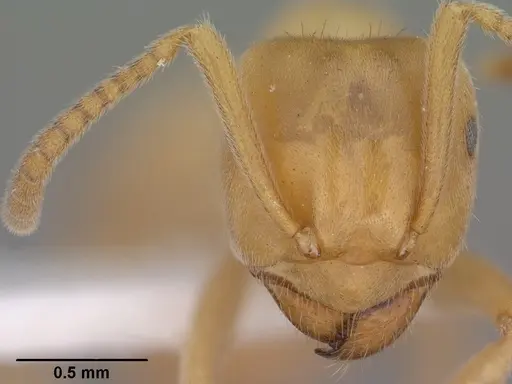
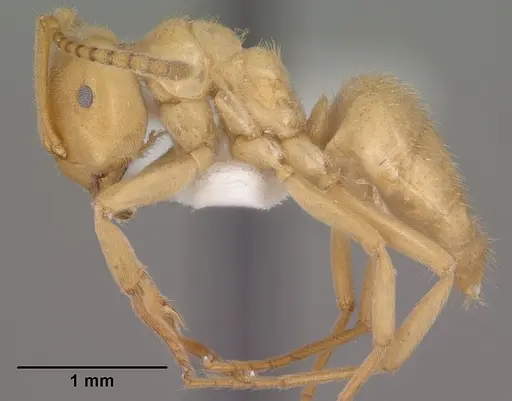
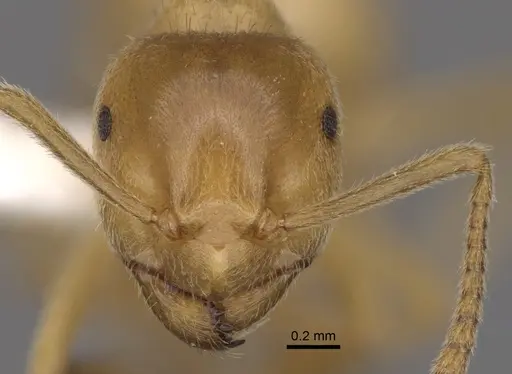
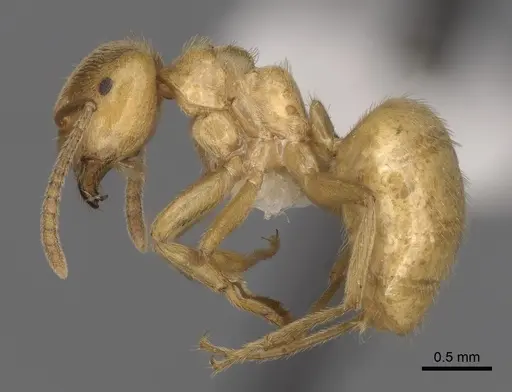
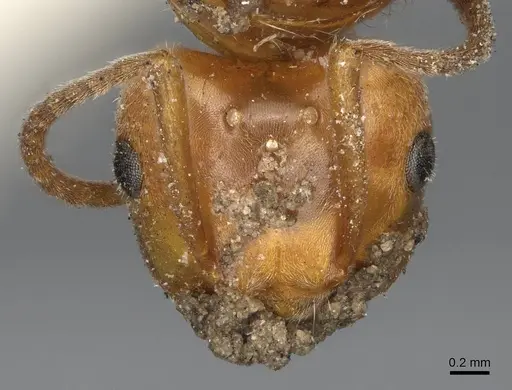
Lasius subumbratus is most easily confused with Lasius umbratus and Lasius minutus. From Lasius umbratus, it is distinguished by its convex-topped petiole (concave in umbratus). From Lasius minutus, the key difference is hair length: subumbratus has hairs on the gaster that are only 60-80% as long as the hind tibia is wide, while minutus has hairs longer than the hind tibia width. Workers are yellow to pale brown with notably small eyes (0.13-0.15mm diameter with about 50 ommatidia). The dense, silky pilosity covering the body gives them a distinctive fuzzy appearance [1].
Frequently Asked Questions
Can I keep Lasius subumbratus as a single queen like other Lasius species?
No. Lasius subumbratus is a temporary social parasite, its queens cannot found colonies independently. You need a host colony (Lasius pallitarsis or Lasius neoniger) already established before introducing the parasite queen. This makes this species expert-level and significantly more difficult than common Lasius like L. niger.
How do I introduce a Lasius subumbratus queen to a host colony?
The introduction process is delicate. Queens approach host workers in a conciliatory manner but are often initially rejected. Allow the queen to approach the host colony gradually. Some keepers recommend introducing her near the brood pile, as Wheeler observed queens hiding near brood piles prior to adoption. Expect some rejection behavior before acceptance. The queen must kill the host queen to take over the colony.
What happens after the parasite queen is accepted?
Once accepted, the parasite queen kills the host queen (if not already done) and uses the host workers to raise her first brood. The host workers continue their normal activities while caring for the parasite's brood. Over time, the colony will gradually shift to being dominated by the subumbratus workers as the original host workers die off.
What do Lasius subumbratus eat?
Like other Lasius species, they tend mealybugs for honeydew and consume small insects. In captivity, offer sugar water or honey constantly, along with small protein sources like fruit flies or small mealworms. The host colony's diet will support both colonies.
Do Lasius subumbratus need hibernation?
Yes. As a northern species from cold-temperate to sub-boreal habitats, they require a winter hibernation period. Keep colonies at cool temperatures (5-10°C) for several months during winter. This is typical for North American Lasius species from cooler climates.
Are Lasius subumbratus good for beginners?
No. This species is expert-level difficulty due to its temporary parasitic lifestyle. You must maintain a host colony (Lasius pallitarsis or Lasius neoniger) in addition to obtaining the parasite queen. The introduction process is challenging and failure is common. Beginners should start with easier species like Lasius niger or Lasius flavus.
How do I identify Lasius subumbratus workers?
Workers are small (3-5mm), yellow to pale brown, with notably small eyes. The body is covered in dense, silky hairs, the hairs on the gaster are about 60-80% as long as the hind tibia is wide. The petiole has a convex top (viewed from front or back). They are often confused with Lasius umbratus and Lasius minutus.
Where can I find Lasius subumbratus in the wild?
This is a high-elevation species. In the southern Rocky Mountains, it has been found between 7,400 and 10,000 feet. Look under stones or in rotting logs in pine forests, spruce-aspen forests, and alpine meadows. It prefers cold-temperate areas and is absent from warm lowland regions. The species ranges from the Canadian Maritimes west to Saskatchewan and south to Arizona and Mexico (Chihuahua).
Why are my Lasius subumbratus dying after introduction?
The most likely cause is rejection by the host colony. Wheeler observed that queens are often rebuffed initially and may be killed by host workers. Ensure the host colony is healthy and well-established. The introduction should be gradual, not forced. Also ensure proper temperature (cool, not warm) and humidity levels.
References

This caresheet is licensed under CC BY-SA 4.0 .
CASENT0005408
View on AntWeb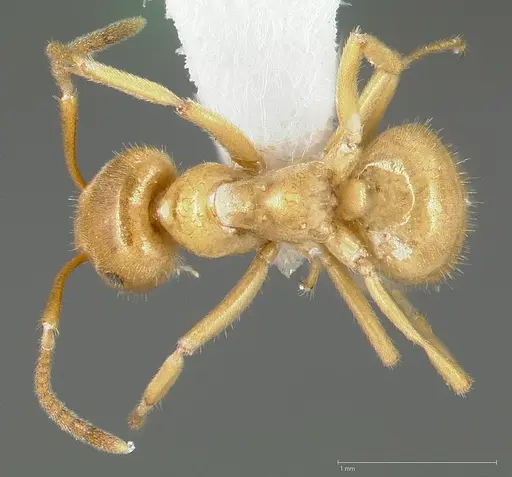
CASENT0102807
View on AntWeb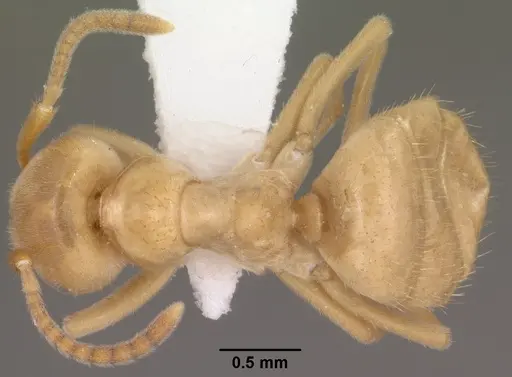
CASENT0280467
View on AntWeb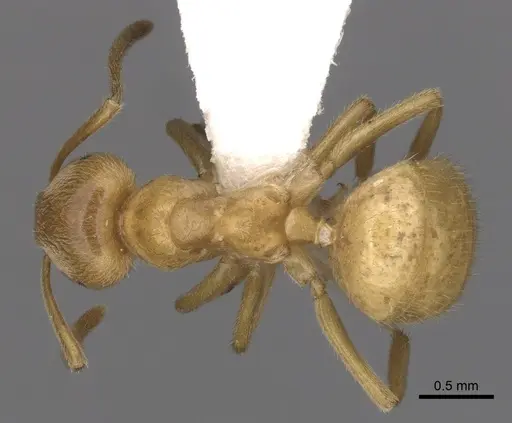
CASENT0923064
View on AntWeb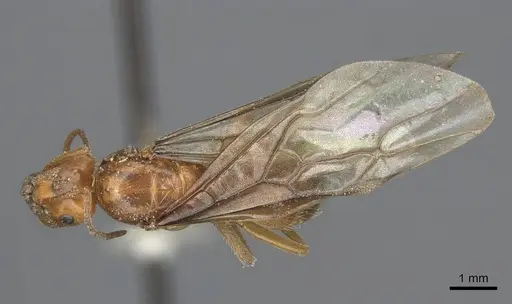
CASENT0923604
View on AntWeb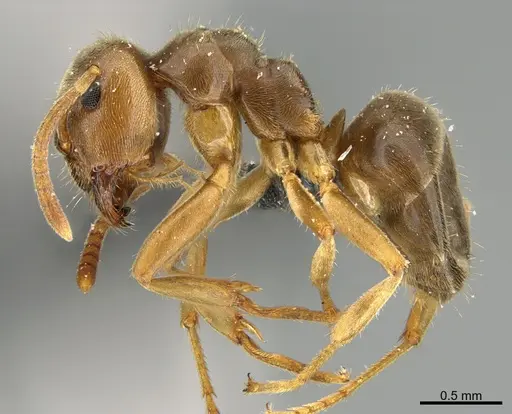
Literature
Loading...Loading products...