
Lasius pallitarsis shows a August to September flight window. Peak activity occurs in August, with nuptial flights distributed across 2 months.
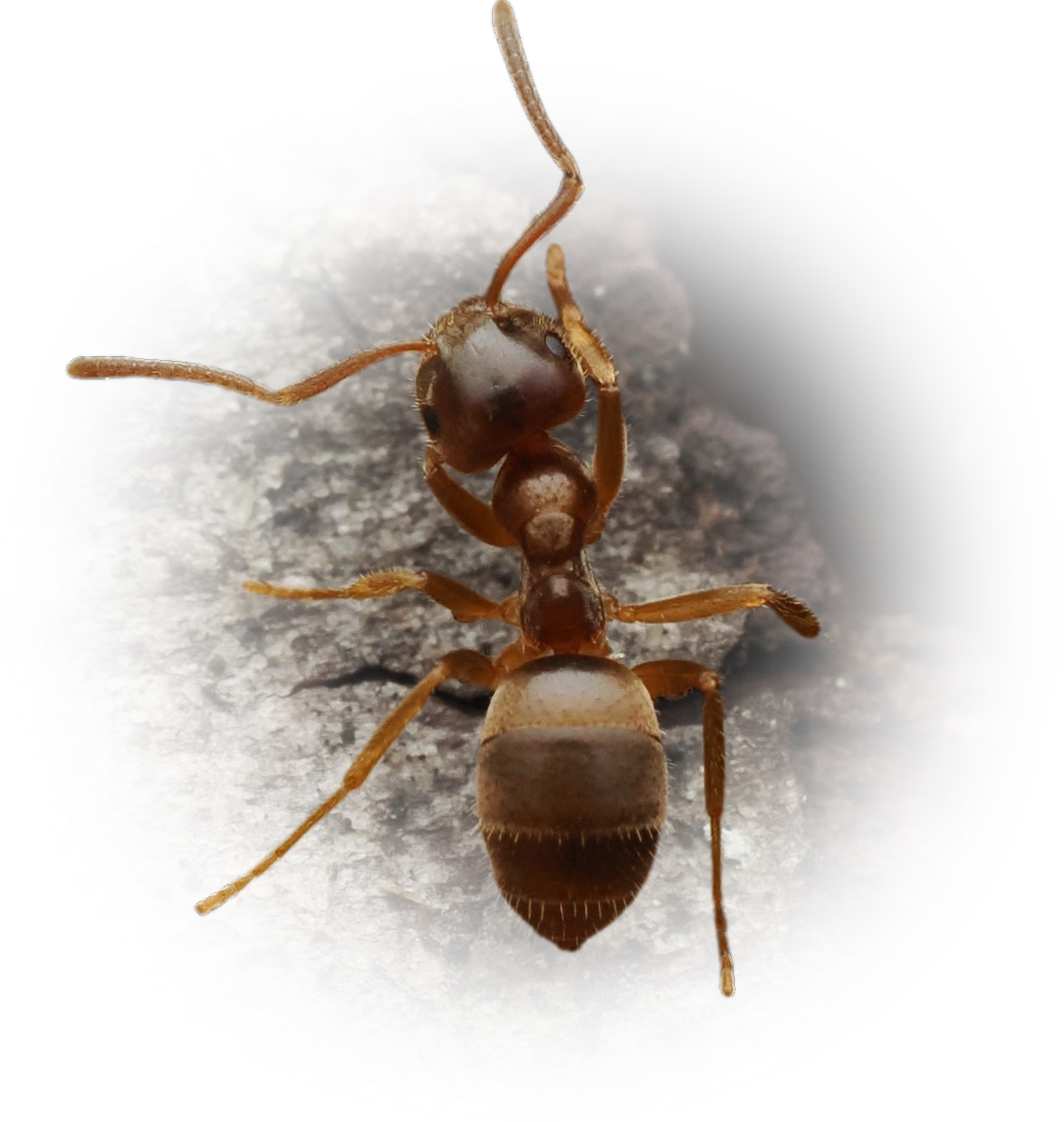
Lasius pallitarsis
- Scientific Name
- Lasius pallitarsis
- Tribe
- Lasiini
- Subfamily
- Formicinae
- Author
- Provancher, 1881
- Common Name
- Subterranean Aphid-tending Ant
- Distribution
- Found in 2 countries
- Nuptial Flight
- from August to September, peaking in August
AI Identifiable
try →
Lasius pallitarsis Overview
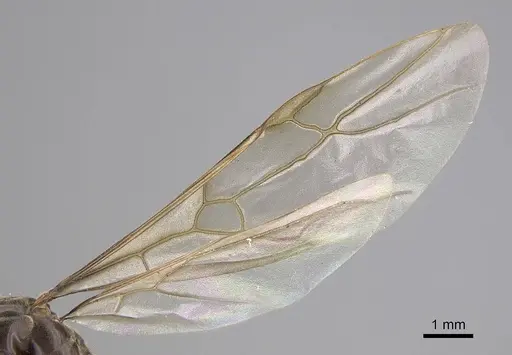
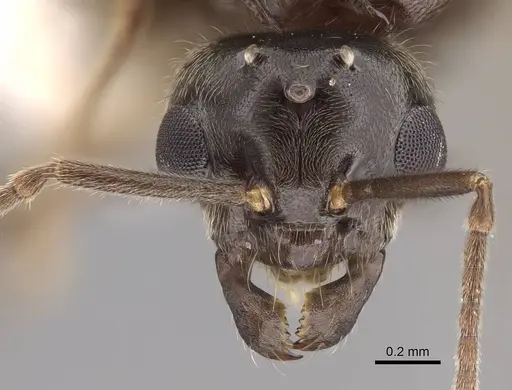
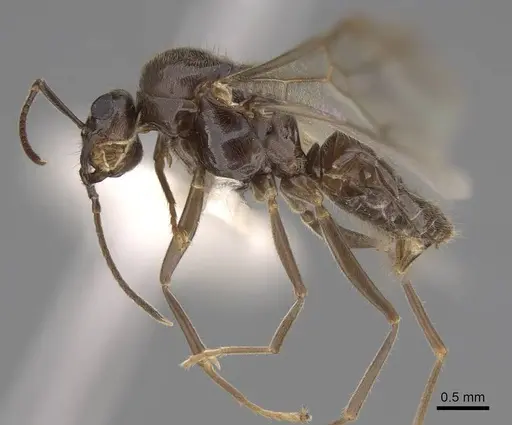
Lasius pallitarsis (commonly known as the Subterranean Aphid-tending Ant) is an ant species of the genus Lasius. It is primarily documented in 2 countries , including Canada, United States of America. Detailed taxonomic data and occurrence records can be further explored via authoritative databases such as AntWeb or the Global Biodiversity Information Facility (GBIF).
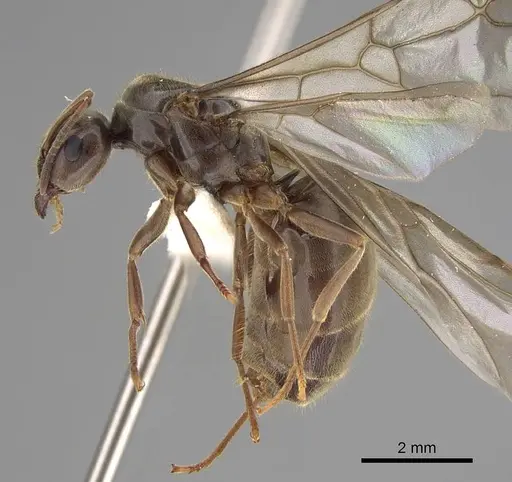
The nuptial flight of Lasius pallitarsis is a significant biological event, typically occurring from August to September, peaking in August. During this time, winged queens and males leave the nest to mate and establish new colonies.
Lasius pallitarsis - "Subterranean Aphid-tending Ant"
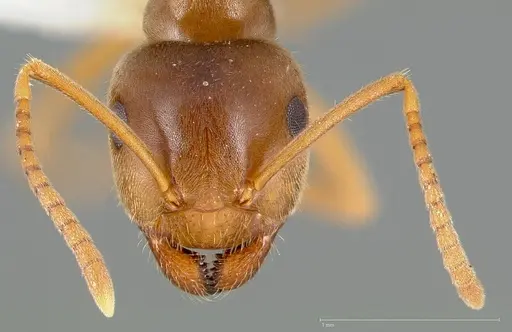
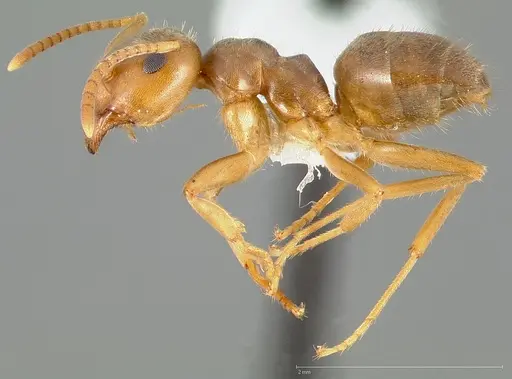
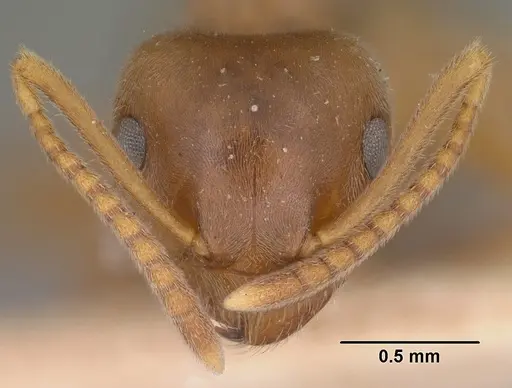
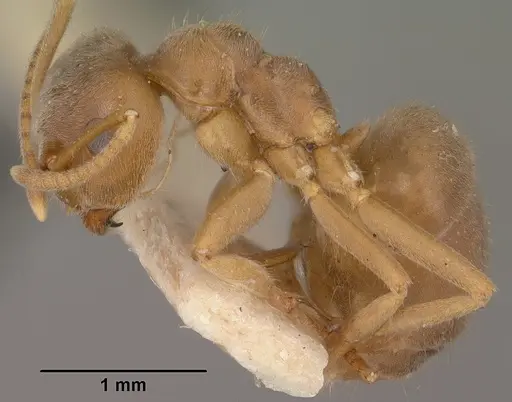
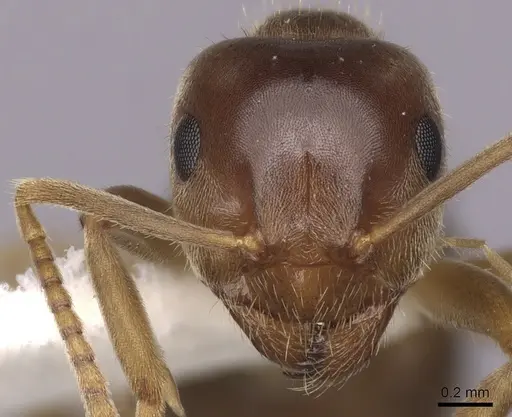
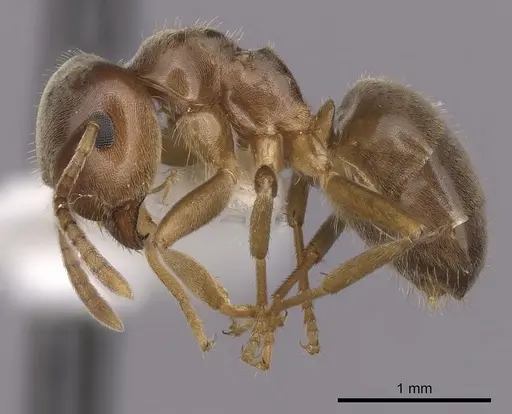
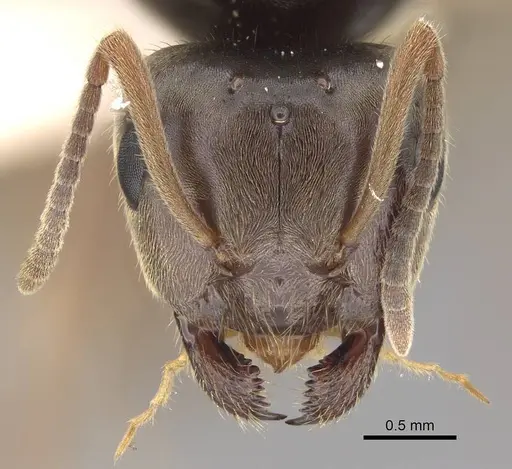
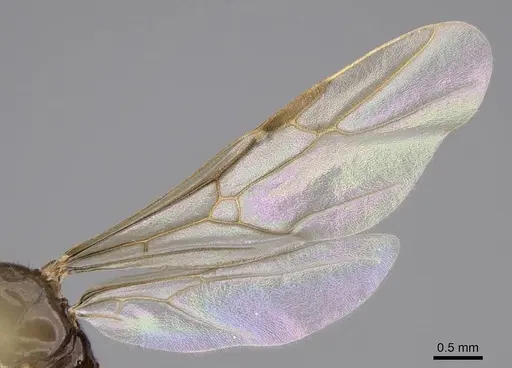
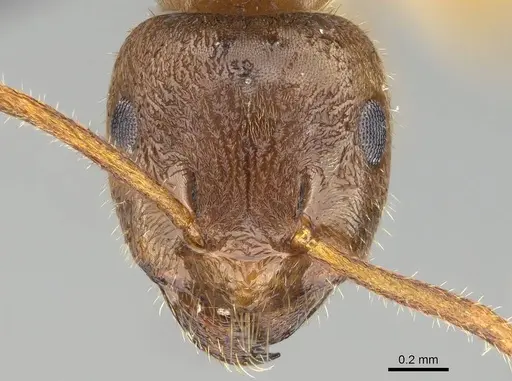
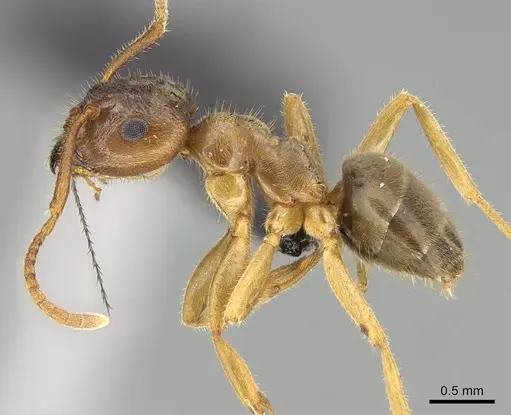
Lasius pallitarsis is a medium-sized ant native to North America, ranging from eastern Canada across to Alaska and south through the western mountain ranges to California. Workers measure 2.5-5.0mm and are yellow to brownish-yellow in color, with distinctive large eyes and an offset basal tooth on the mandible that helps distinguish them from similar species like Lasius neoniger and Lasius americanus [1][2]. This species is remarkably adaptable, while it originally inhabited boreal and cold-temperate forests where it nests in rotten logs, stumps, and under stones, it has also become a common resident of lawns and gardens across its range [3][4]. As a generalist omnivore, it feeds on plant debris, small insects, and tends aphids and scale insects for their honeydew [4].
Quick Summary
- Difficulty: Medium
- Origin & Habitat: North America, boreal and cold-temperate forests from eastern Québec across Canada to southeastern Alaska, south to Massachusetts and through the mountains of California and the west [4][2]. Also found in Mexico (Chihuahua state) [5].
- Colony Type: Monogyne (single-queen colonies) with documented pleometrosis, multiple queens can found colonies together, with queen condition and alate density affecting this behavior [6][7][8].
- Colony: Monogyne
- Founding: Claustral, Pleometrosis
- Size & Growth:
- Queen: Estimated 7-9mm based on related Lasius species in the niger group
- Worker: 2.5-5.0mm [1]
- Colony: Likely several thousand workers based on typical Lasius colony sizes
- Growth: Moderate
- Development: Estimated 6-10 weeks based on typical Lasius development patterns (Development time inferred from genus-level data, specific timing for this species not directly studied)
- Antkeeping:
- Temperature: Keep cool, this is a boreal species adapted to cooler conditions. Aim for 15-22°C with a slight gradient. They tolerate temperatures as low as 15°C and as high as around 25°C, but avoid overheating [9].
- Humidity: Moderate humidity around 50-70%. They nest in rotting wood and under stones in nature, so provide some moisture but ensure good ventilation to prevent mold. The substrate should feel damp but not waterlogged.
- Diapause: Yes, as a temperate/boreal species, they require a winter rest period. In Michigan, alate production occurs from June through September with flights in August, indicating a clear seasonal cycle [9]. Provide 3-4 months of temperatures around 5-10°C for hibernation.
- Nesting: Prefers nesting in rotting wood, stumps, or under stones. In captivity, they do well in Y-tong nests, plaster nests, or naturalistic setups with damp substrate. They avoid dry conditions and need their nest material to retain some moisture [9].
- Behavior: Generally peaceful and non-aggressive. Workers forage for honeydew from aphids and hunt small insects. They are known to forage at night in some regions [4]. They are not aggressive defenders and rarely sting. Their small size (under 5mm) means they can escape through small gaps, use fine mesh barriers. They are disturbance specialists and adapt well to human-modified environments [10][11].
- Common Issues: escape prevention is critical, workers are small enough to squeeze through standard test tube cotton if not properly sealed, fungal parasites like Laboulbenia formicarum and Aegeritella tuberculata can infect colonies, especially in humid conditions [14], colonies may fail if kept too warm, they prefer cooler conditions than many common ant species, pleometrosis means multiple foundress queens may need to be separated if you want a single-queen colony, they produce alates (reproductives) in summer/fall, ensure your colony setup can accommodate this
Nuptial Flight Activity Analysis 87 observations
Flight Activity by Hour 87 observations
Lasius pallitarsis nuptial flight activity peaks around 18:00 during the evening. Activity is spread across a 11-hour window (11:00–21:00). A secondary activity peak occurs around 15:00. Times may be influenced by human observation patterns.
Nest Preferences
In the wild, Lasius pallitarsis nests in rotting logs and stumps, under stones, and in soil under debris. They prefer moist, shaded locations and are commonly found in forests, bogs, swamps, and marshes [9]. In New Mexico, they nest under stones, under logs, under cow manure, in sandy or rocky loam soils, inside rotten logs, and in stumps [4]. For captive care, provide a nest that retains moisture, Y-tong nests, plaster nests, or naturalistic setups with damp substrate all work well. They avoid dry conditions, so monitor moisture levels and mist as needed. A naturalistic setup with flat stones over damp soil mimics their natural nesting preferences well.
Feeding and Diet
Lasius pallitarsis is a generalist omnivore. They eat plant debris, small insects, and are particularly fond of honeydew from aphids and scale insects [4]. Workers have been observed carrying dead and crippled insects back to their nests during early evening hours, and laboratory colonies readily accept both honey and dead insects [4]. They also tend aphids on roots in some situations, on Sable Island, Nova Scotia, they were found associated with the aphid Forda formicaria on marram grass roots [4]. Feed them sugar water or honey regularly, plus protein sources like small insects (fruit flies, small mealworms) or commercial ant food. They are not aggressive hunters but will accept small prey.
Temperature and Seasonal Care
This is a boreal species that prefers cooler temperatures than many common ant species. Keep the nest at 15-22°C, avoiding temperatures above 25°C. In their natural range, they experience cold winters and require a hibernation period. Provide 3-4 months of temperatures around 5-10°C during winter. In Michigan, alate production occurs from June through September with nuptial flights in August, and flights begin when afternoon light dims and temperatures are around 20-27°C [9]. They are well-adapted to northern climates and do not tolerate heat well, keep them away from direct sunlight and heating elements.
Colony Founding and Growth
Lasius pallitarsis colonies are monogyne (single queen), but they exhibit pleometrosis, multiple queens can found colonies together [7][8]. Research shows that queen condition and alate density affect whether queens choose to co-found colonies [12]. The benefit of pleometrosis is increased egg production, though it can lead to competition between queens [13]. For keepers, this means you may encounter multiple queens when collecting a wild colony, but they will typically resolve into a single-queen colony over time. Colony growth is moderate, expect 6-10 weeks from egg to first worker based on typical Lasius development patterns. Colonies can reach several thousand workers in mature colonies.
Health Concerns and Parasites
Lasius pallitarsis is susceptible to fungal parasites. They are a host for Laboulbenia formicarum and Aegeritella tuberculata in the USA [14][15]. These fungi form dark protuberances on the cuticle and can reduce the lifespan and activity level of infected workers. Infected workers can still forage, but heavily infested ants may have reduced mobility [14]. To minimize parasite risk, maintain good hygiene, avoid over-humid conditions, and quarantine new colonies before introducing them to existing setups. Also avoid keeping colonies in stagnant, humid conditions that favor fungal growth.
Behavior and Temperament
This is a peaceful, non-aggressive species. Workers are small (2.5-5mm) and not particularly defensive, they rarely sting and their sting is mild even if delivered. They are primarily foragers that search for honeydew and small insects rather than active hunters. They are known to forage at night in some regions [4]. Their small size means they can escape through small gaps, use fine mesh barriers and ensure all openings are sealed. They are highly adaptable and have become successful in human-modified environments like lawns and gardens, where they often nest under stones and in disturbed soil [10][11]. This adaptability makes them relatively forgiving of minor care mistakes.
Frequently Asked Questions
Can I keep Lasius pallitarsis in a test tube?
Yes, test tubes work well for founding colonies. Use a standard test tube setup with a water reservoir, but ensure the cotton is packed tightly since their small size makes escape likely. Move them to a larger formicarium once the colony reaches 50+ workers.
When should I move Lasius pallitarsis to a formicarium?
Move them when the colony reaches 30-50 workers or when the test tube becomes crowded. They prefer nests that retain moisture, so Y-tong or plaster nests work better than acrylic for this species.
How long does it take for Lasius pallitarsis to produce first workers?
Expect 6-10 weeks from egg to first worker at optimal temperatures (around 20°C). This is typical for Lasius species and varies with temperature.
Can I keep multiple Lasius pallitarsis queens together?
This species naturally exhibits pleometrosis, multiple queens can found colonies together. However, in captivity, it's safer to keep only one queen per setup to avoid conflict. If you collect a wild colony with multiple queens, they may eventually sort themselves out.
What do Lasius pallitarsis eat?
They are generalist omnivores. Feed them sugar water or honey regularly, plus small insects like fruit flies or small mealworms. They also eat plant debris and will tend aphids if available.
What temperature do Lasius pallitarsis need?
Keep them cool, 15-22°C is ideal. They are a boreal species adapted to cooler conditions and do not tolerate heat well. Avoid temperatures above 25°C.
Are Lasius pallitarsis good for beginners?
Yes, they are a good intermediate species. They are adaptable, peaceful, and not difficult to keep. The main challenges are their need for cooler temperatures and escape prevention due to their small size.
Do Lasius pallitarsis need hibernation?
Yes, they require a winter rest period. Provide 3-4 months at 5-10°C during winter. This is essential for their seasonal cycle and reproductive health.
Why are my Lasius pallitarsis dying?
Common causes include: too high temperatures (keep below 25°C), fungal infections from overly humid conditions, escape due to inadequate barriers, or improper hibernation. Check your temperature and humidity levels first.
How big do Lasius pallitarsis colonies get?
Mature colonies can reach several thousand workers. They are a common species with large colony sizes typical of Lasius ants.
References

This caresheet is licensed under CC BY-SA 4.0 .
ANTWEB1038011
View on AntWeb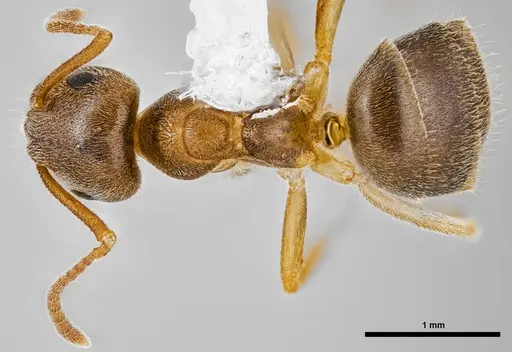
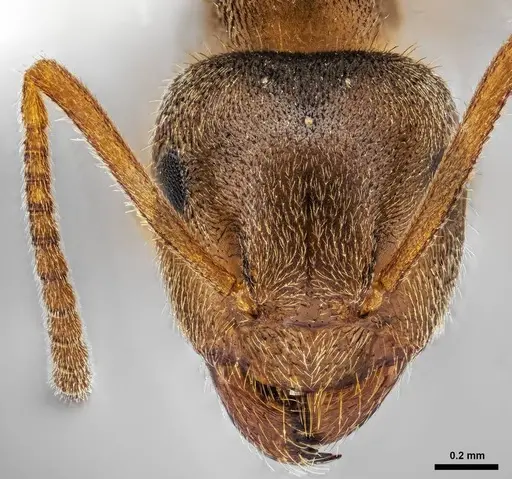
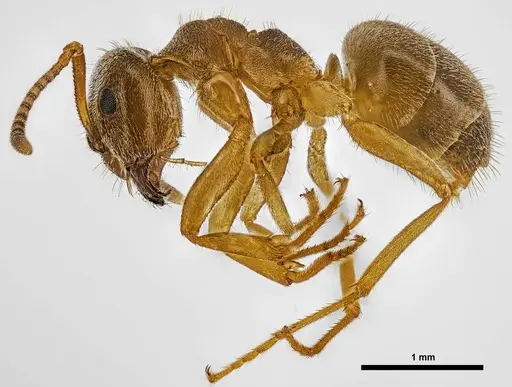
CASENT0005405
View on AntWeb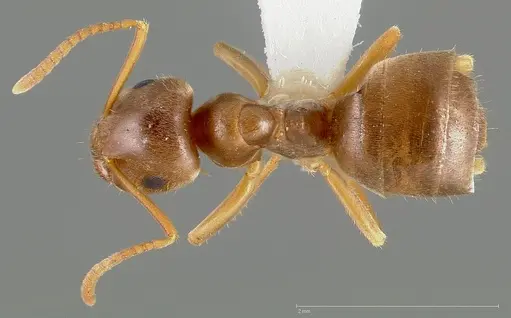
CASENT0102805
View on AntWeb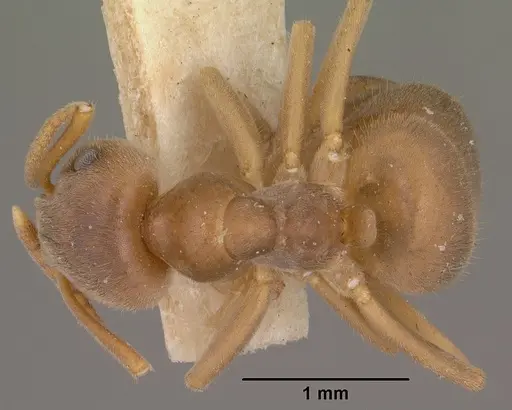
CASENT0280439
View on AntWeb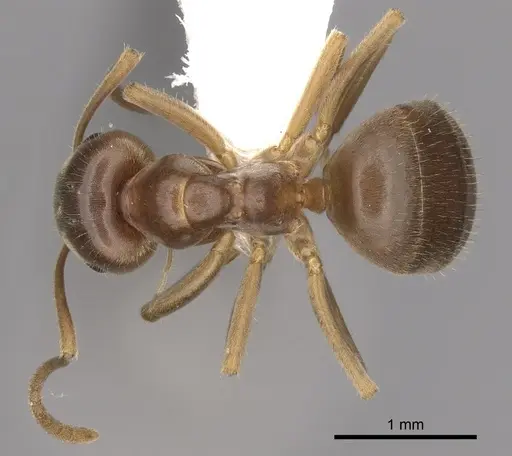
CASENT0862000
View on AntWeb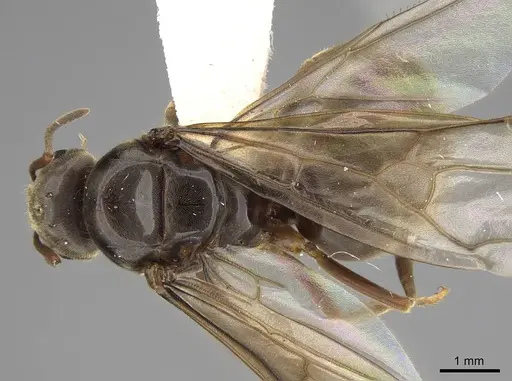
CASENT0862001
View on AntWeb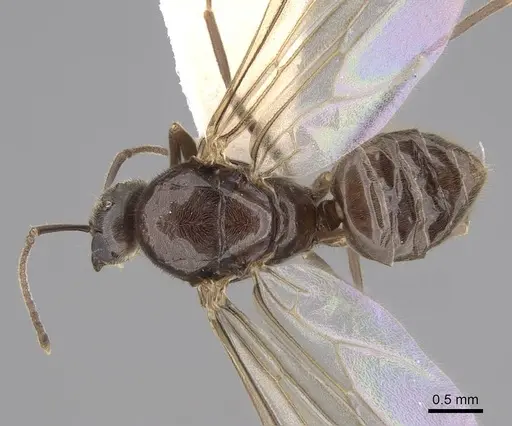
CASENT0919966
View on AntWeb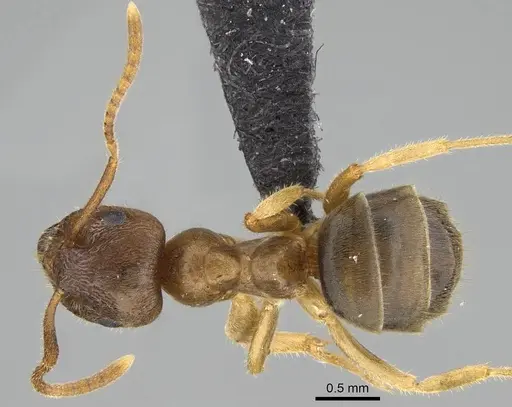
Literature
Loading...Loading products...