
Lasius neoniger follows a consistent seasonal pattern with peak activity in September. The flight window runs from August to October, providing several months of opportunity for observations.
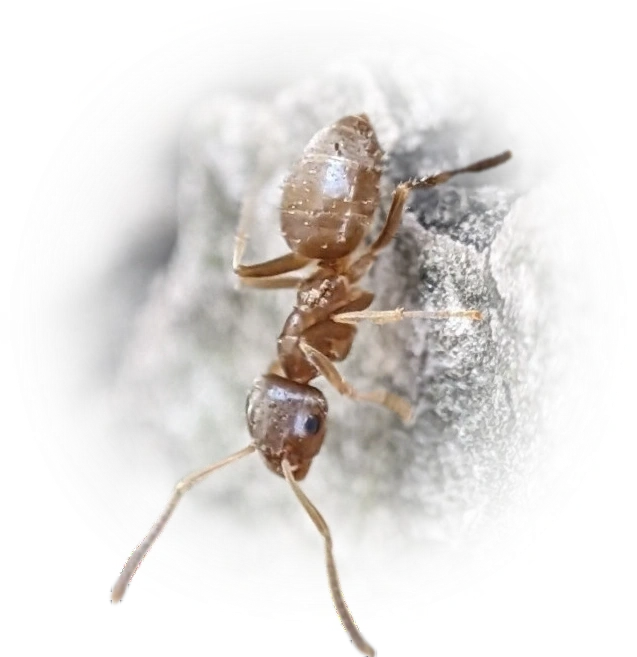
Lasius neoniger
- Scientific Name
- Lasius neoniger
- Tribe
- Lasiini
- Subfamily
- Formicinae
- Author
- Emery, 1893
- Common Name
- Turfgrass Ant
- Distribution
- Found in 2 countries
- Nuptial Flight
- from August to October, peaking in September
AI Identifiable
try →
Lasius neoniger Overview
Lasius neoniger (commonly known as the Turfgrass Ant) is an ant species of the genus Lasius. It is primarily documented in 2 countries , including Canada, United States of America. Detailed taxonomic data and occurrence records can be further explored via authoritative databases such as AntWeb or the Global Biodiversity Information Facility (GBIF).
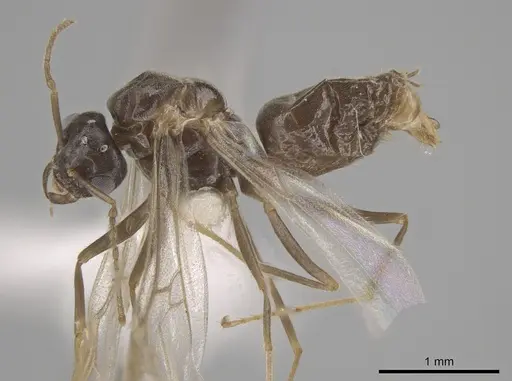
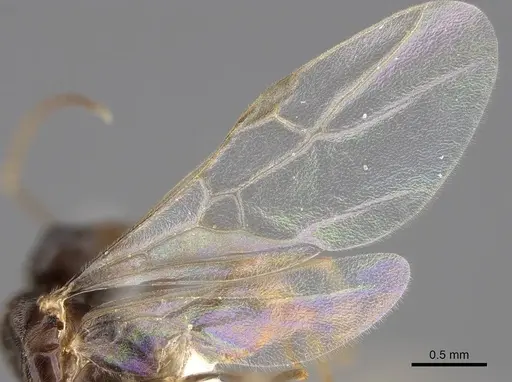
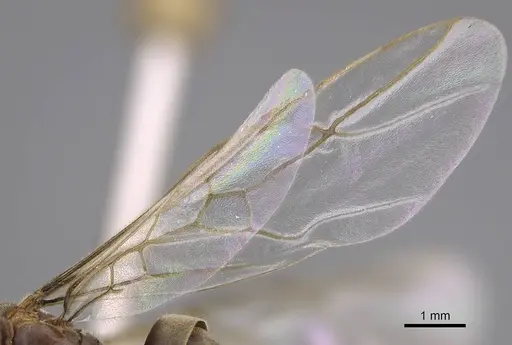
The nuptial flight of Lasius neoniger is a significant biological event, typically occurring from August to October, peaking in September. During this time, winged queens and males leave the nest to mate and establish new colonies.
Lasius neoniger - "Turfgrass Ant"
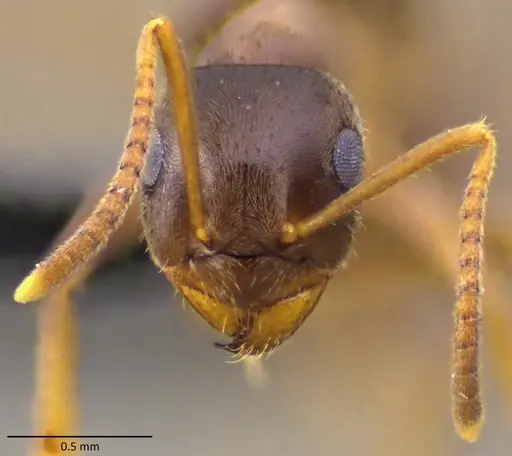
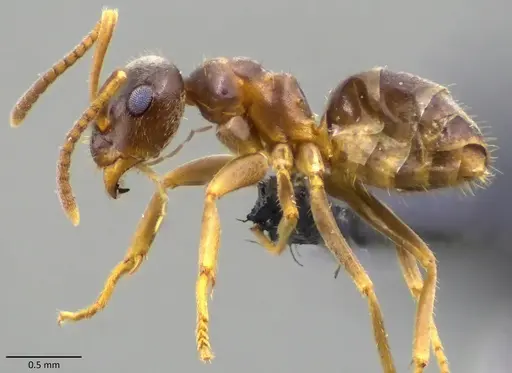
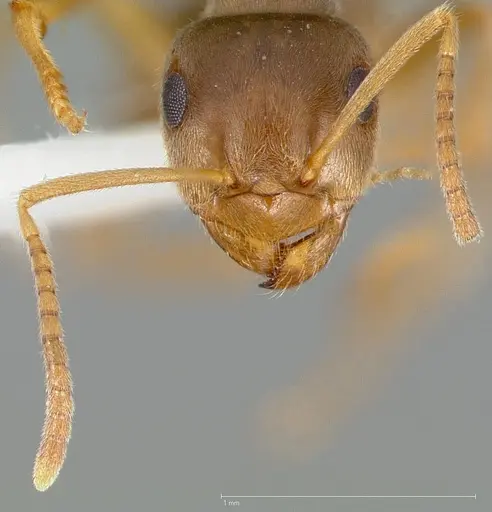
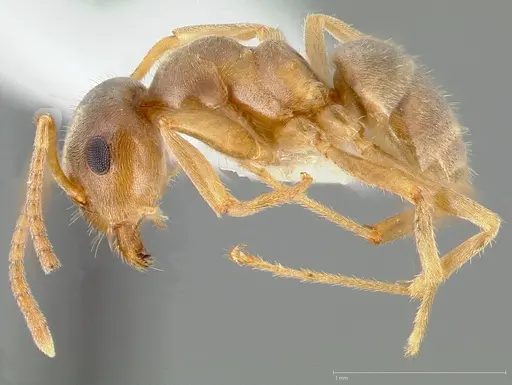
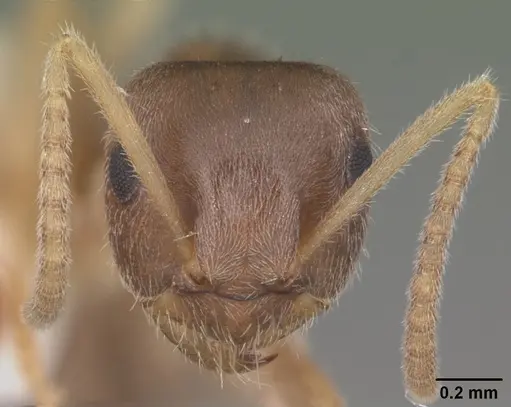
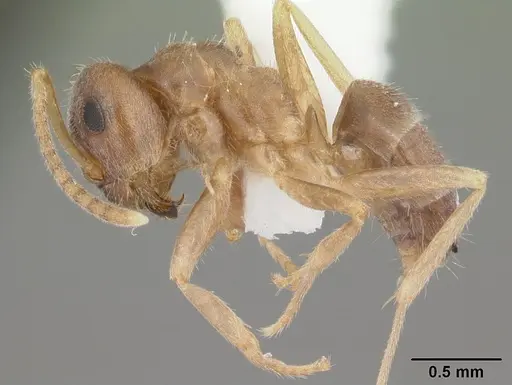
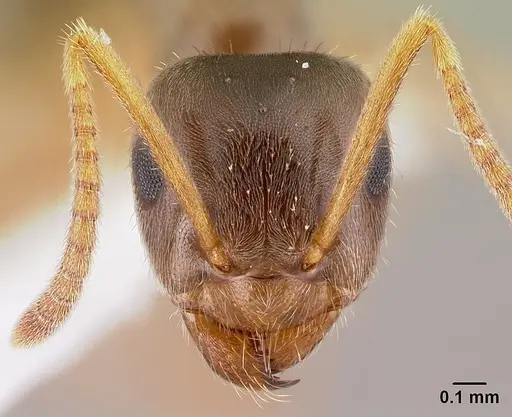
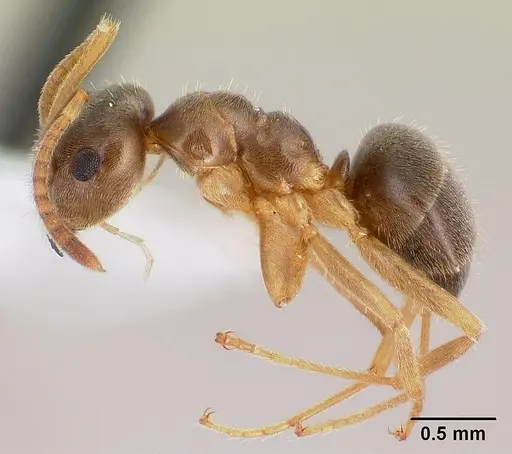
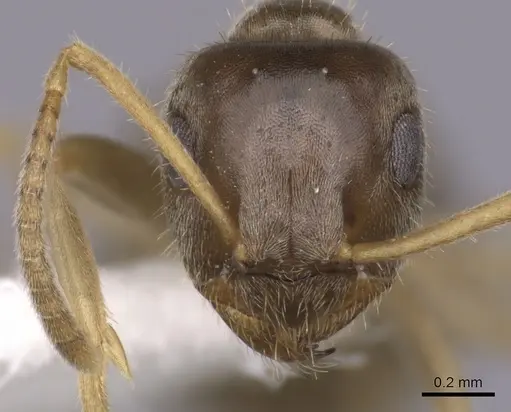
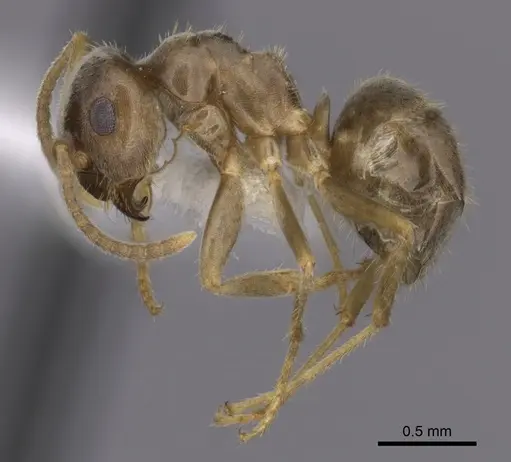
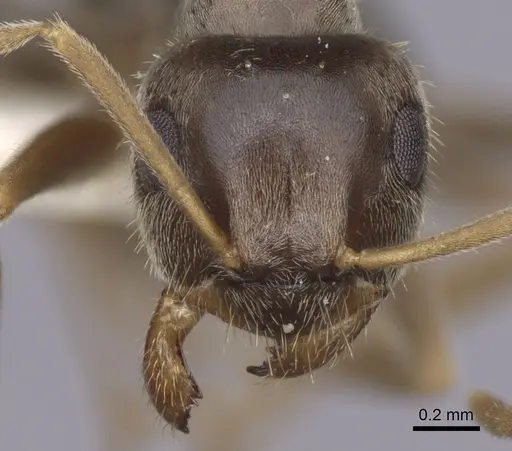
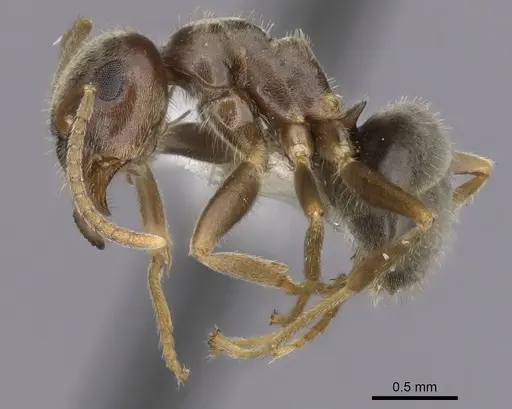
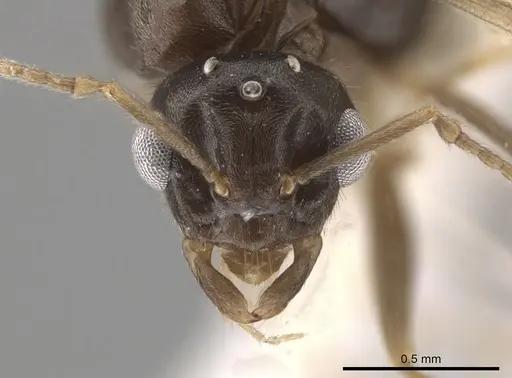
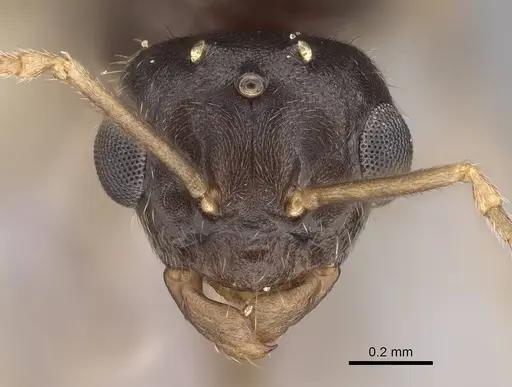
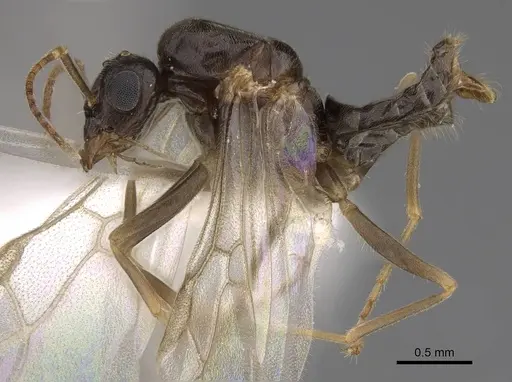
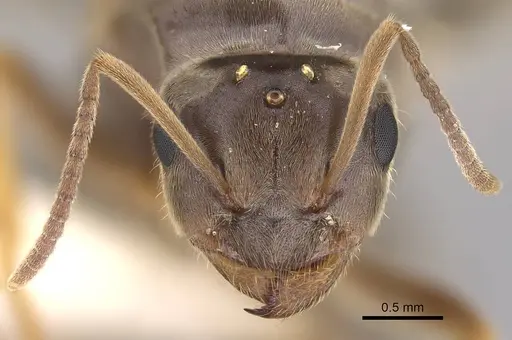
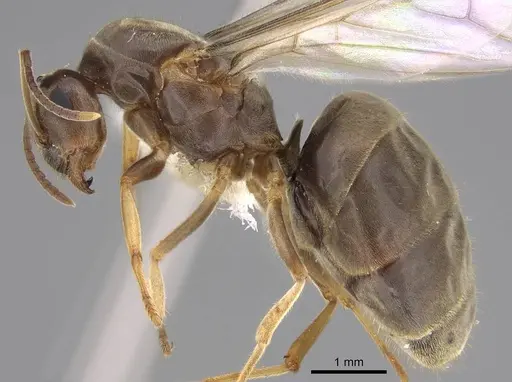
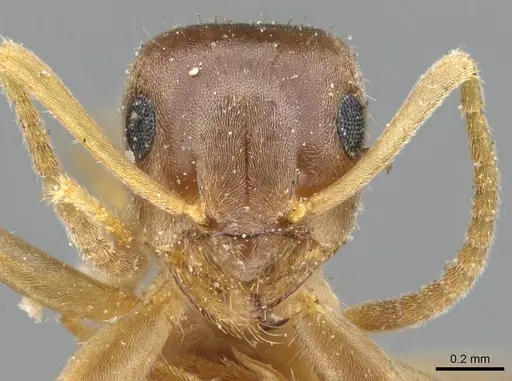
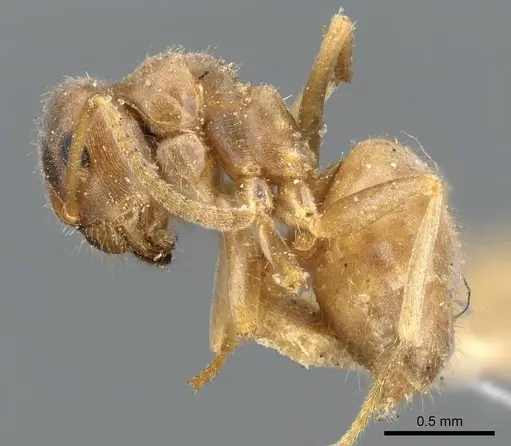
Lasius neoniger is a small, light to medium brown ant native to eastern North America. Workers measure 2-3.8mm and have notably large eyes with several erect hairs on their antennae. The clypeus (the plate above the mandibles) has an angular margin that helps distinguish it from related species. This ant is one of the most common and conspicuous ants across its range, thriving in open habitats like lawns, farm fields, roadsides, and sand dunes. It builds characteristic small crater mounds at nest entrances and forms polydomous colonies, meaning one colony occupies multiple connected nests underground. The species is sometimes called the 'Labor Day ant' because its nuptial flights occur around late August to early September [1][2].
Quick Summary
- Difficulty: Easy
- Origin & Habitat: Eastern North America, from Quebec and Maine south to Florida, west to Idaho, Wyoming, Colorado, and New Mexico. Found in open habitats including lawns, farm fields, meadows, roadsides, sand dunes, and other disturbed sunny areas [1][3].
- Colony Type: Monogyne (single queen) colonies that are polydomous, one colony occupies multiple connected underground nests. Colonies can be quite large with hundreds to thousands of workers spread across many nest entrances [4][5].
- Colony: Monogyne
- Founding: Claustral
- Size & Growth:
- Queen: Approximately 6-7mm (estimated based on genus)
- Worker: 2-3.8mm [1][6]
- Colony: Hundreds to thousands of workers across multiple nests
- Growth: Moderate to fast
- Development: 6-10 weeks (inferred from related Lasius species) (Queens lay 10-20 eggs in early spring, first brood develops into tiny nanitics which then forage for the queen. Colony grows rapidly through late spring and summer [2].)
- Antkeeping:
- Temperature: Keep at room temperature,20-25°C. This species prefers cooler conditions, in the wild they are most active at temperatures between 10-15°C (50-60°F) and are mainly nocturnal [1][7].
- Humidity: Moderate humidity. They nest in soil and maintain underground chambers, so provide some moisture but avoid waterlogging. A test tube setup with a water reservoir works well.
- Diapause: Yes, requires a winter rest period. Queens overwinter without brood in the wild, and colonies experience reduced activity during cold months [1].
- Nesting: Soil-nesting species. In captivity, provide a soil-based setup or test tube with dirt substrate. They prefer well-drained conditions and will build shallow underground chambers. A formicarium with soil or a test tube setup connected to an outworld works well.
- Behavior: Generally calm and non-aggressive. Workers are nocturnal and prefer cool temperatures, they are most active on the surface during evenings and nights. They forage individually and use pheromone trails to recruit nestmates to food sources. Workers produce formic acid as a chemical defense but lack a stinger. They are skilled at finding and exploiting food resources, including tending root aphids for honeydew. They are not aggressive toward humans and pose no real danger [1][8].
- Common Issues: colonies can be large and spread across multiple nests, ensure adequate space, they prefer cool temperatures and may become less active in warm conditions, polydomous nature means they may establish secondary nests, provide multiple connected areas, may be outcompeted by more aggressive ant species in shared setups, small size means some escape risk, use barrier gel or fluon on edges
Nuptial Flight Activity Analysis 981 observations
Flight Activity by Hour 981 observations
Lasius neoniger nuptial flight activity peaks around 17:00 during the afternoon. Activity is spread across a 13-hour window (09:00–21:00). A secondary activity peak occurs around 19:00. Times may be influenced by human observation patterns.
Housing and Nest Setup
Lasius neoniger is a soil-nesting species that builds shallow underground chambers. In captivity, you can keep them in a test tube setup with a dirt chamber, or use a formicarium with a soil-filled section. They prefer well-drained conditions and will excavate and arrange their own chambers. Because they are polydomous in the wild (one colony spread across multiple connected nests), providing multiple connected chambers or a larger soil area will help them behave more naturally. A simple setup is a test tube with cotton-stoppered water reservoir connected to an outworld (foraging area) via tubing. Keep the nest area dark or dimly lit, these ants prefer subdued lighting [1][4].
Feeding and Diet
Lasius neoniger is polyphagous, meaning they eat a variety of foods. In the wild, they primarily feed on honeydew from root aphids (especially Geoica species) which they tend underground, and they also hunt small insects and scavenge. In captivity, offer a mix of protein and sugar sources. Good options include sugar water (1:1 ratio), honey, small insects like fruit flies or pinhead crickets, and commercial ant foods. They show strong preference for protein-carbohydrate mixtures. Feed them small amounts a few times per week, removing any uneaten food after 24 hours. Fresh water should always be available [9][2].
Temperature and Seasonal Care
This species prefers cooler temperatures than many common ants. In the wild, workers are most active at 10-15°C (50-60°F) and are mainly nocturnal, becoming active in late afternoon and continuing through the night. They avoid hot conditions, in laboratory colonies, they do well at 30°C but show reduced activity at higher temperatures. For captive care, keep them at room temperature (20-25°C) and avoid placing the nest in direct sunlight or near heat sources. During winter, they benefit from a hibernation period at cooler temperatures (around 5-10°C) for 2-3 months, mimicking their natural cycle. Reduce feeding during this cold period [1][7][9].
Behavior and Foraging
Workers forage mainly at night (nocturnal) and prefer cool, humid conditions. They are not aggressive and pose no threat to keepers, they lack a stinger, though they can produce formic acid as a defense. When workers find food, they lay pheromone trails from their hindgut to recruit nestmates. They show strong fidelity to specific nest entrances, studies show 90-95% of foragers return to the same crater where they were marked. Colonies are polydomous, meaning they maintain multiple connected nest sites, which helps them exploit resources across a wider area. Workers are skilled predators of small insects and play an important role in controlling turf pests like cutworm eggs [1][10][4].
Colony Growth and Development
In early spring, the queen (who has already mated the previous fall) begins laying eggs, typically 10-20 eggs initially. The first brood develops into nanitics, which are smaller than normal workers but begin foraging to feed the queen and subsequent brood. Colony growth is rapid during late spring and early summer. By mid- to late summer, colonies produce winged reproductives (males and new queens). Nuptial flights occur in late August through September, often after rain on warm, humid evenings, this is why they're called the 'Labor Day ant.' After mating, new queens land, shed their wings, and dig chambers to overwinter before starting new colonies the following spring [2][1].
Frequently Asked Questions
Can I keep Lasius neoniger in a test tube?
Yes, test tube setups work well for this species. Use a test tube with a water reservoir (cotton-stoppered) and connect it to an outworld for foraging. Since they are soil nesters, you may want to add a small container with moist dirt for them to excavate, or use a formicarium with a soil chamber.
How long until first workers appear?
Expect first workers (nanitics) about 6-10 weeks after the queen lays eggs, depending on temperature. The queen lays 10-20 eggs in early spring, and the first tiny workers begin emerging by late spring or early summer.
What do Lasius neoniger eat?
They are polyphagous, they eat honeydew from aphids, small insects, and nectar. In captivity, offer sugar water or honey, small insects like fruit flies or crickets, and protein-rich foods. They prefer a balanced diet with both protein and carbohydrates.
Do they need hibernation?
Yes, they benefit from a winter rest period. In the wild, colonies slow down significantly during cold months and queens overwinter without brood. Keep them at cool temperatures (5-10°C) for 2-3 months during winter.
Are Lasius neoniger good for beginners?
Yes, this is an excellent beginner species. They are widespread, easy to find (often nesting in lawns), relatively docile, and tolerate a range of conditions. They are also fascinating to watch with their crater-building behavior and nocturnal foraging.
How big do colonies get?
Colonies can grow quite large with hundreds to thousands of workers. Because they are polydomous, one colony may occupy multiple connected nests, in urban studies, colonies can span 1.7-2.7 square meters.
Why are they called the Labor Day ant?
Their nuptial flights occur around late August to early September, which coincides with Labor Day in the United States. Massive mating swarms happen on warm evenings following rains during this period.
Can I keep multiple queens together?
No, Lasius neoniger is monogyne, colonies have only one queen. Unlike some Lasius species, they do not form multi-queen colonies. If you capture a mated queen, keep her alone in a founding setup.
What's the difference between Lasius neoniger and Lasius niger?
Lasius neoniger is a distinct species within the niger group. It can be distinguished by its angular clypeal margin (the area above the mandibles), equally-sized basal teeth on the mandibles, and erect hairs on the antennae scapes and hind legs. L. niger has more gently-curved clypeal margins.
References

This caresheet is licensed under CC BY-SA 4.0 .
ANTWEB1060125
View on AntWeb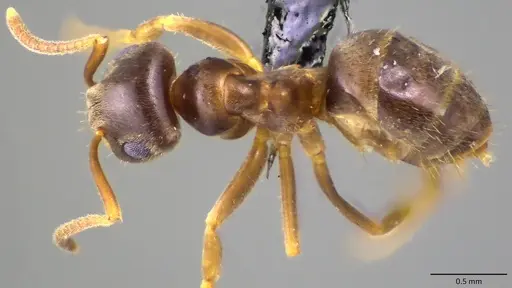
CASENT0005403
View on AntWeb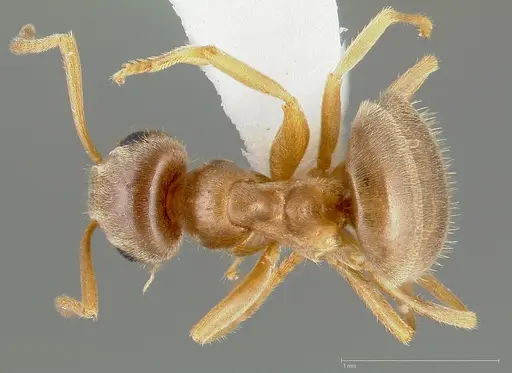
CASENT0103980
View on AntWeb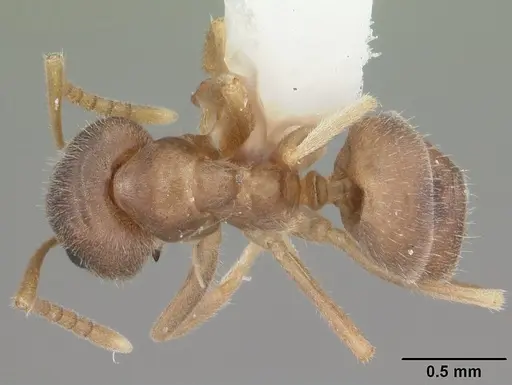
CASENT0179850
View on AntWeb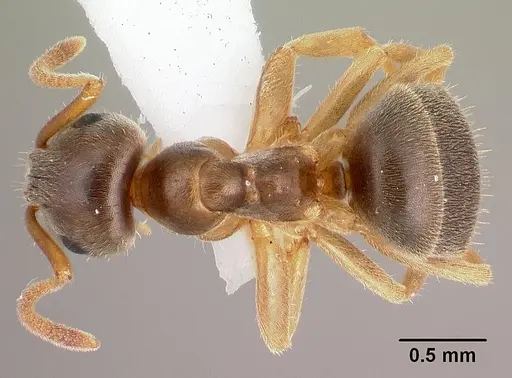
CASENT0280443
View on AntWeb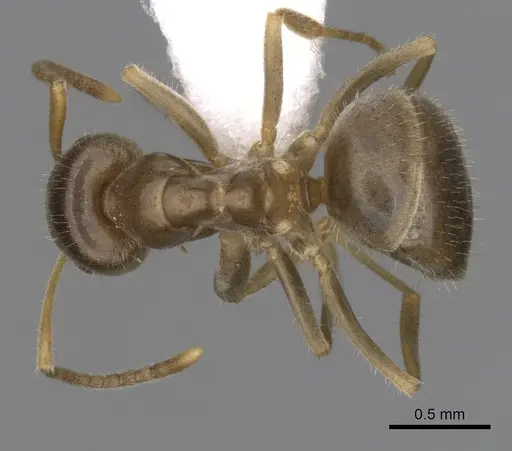
CASENT0280444
View on AntWeb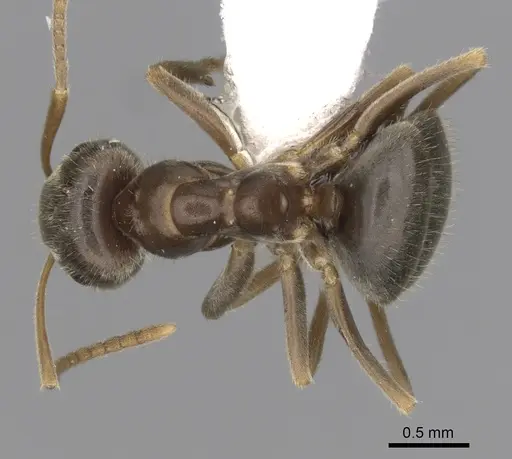
CASENT0636260
View on AntWeb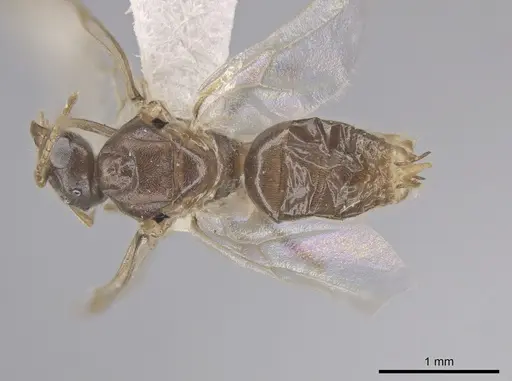
CASENT0843998
View on AntWeb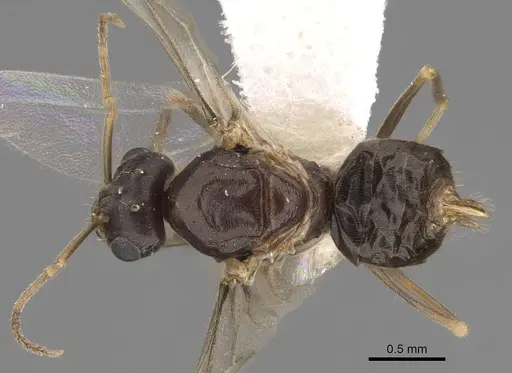
CASENT0843999
View on AntWeb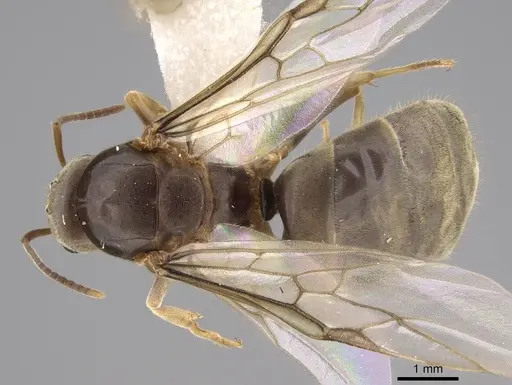
CASENT0905676
View on AntWeb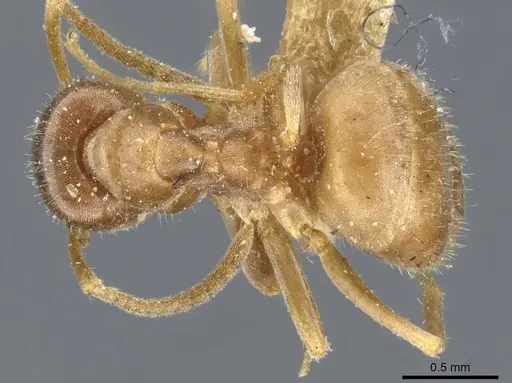
Literature
Loading...Loading products...