
Lasius americanus exhibits a clear seasonal flight window. Peak flight activity is concentrated in July, with the overall period spanning May to August.
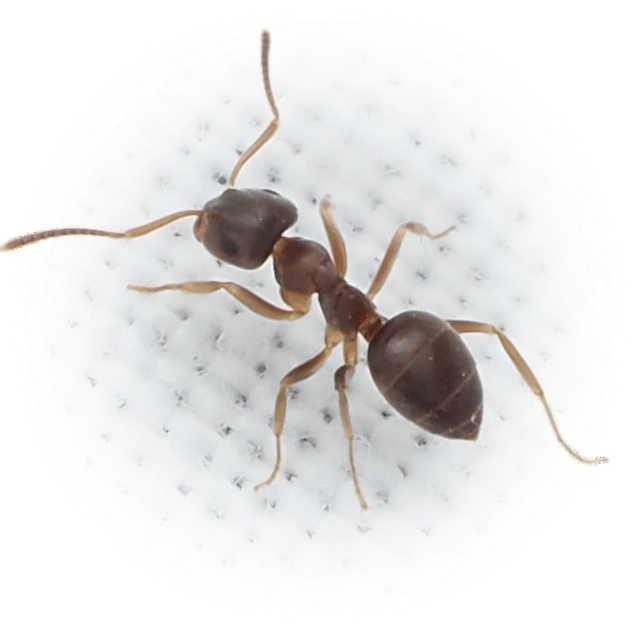
Lasius americanus
- Scientific Name
- Lasius americanus
- Tribe
- Lasiini
- Subfamily
- Formicinae
- Author
- Emery, 1893
- Common Name
- Woodland Fuzzy Ant
- Distribution
- Found in 2 countries
- Nuptial Flight
- from May to August, peaking in July
AI Identifiable
try →
Lasius americanus Overview
Lasius americanus (commonly known as the Woodland Fuzzy Ant) is an ant species of the genus Lasius. It is primarily documented in 2 countries , including Canada, United States of America. Detailed taxonomic data and occurrence records can be further explored via authoritative databases such as AntWeb or the Global Biodiversity Information Facility (GBIF).
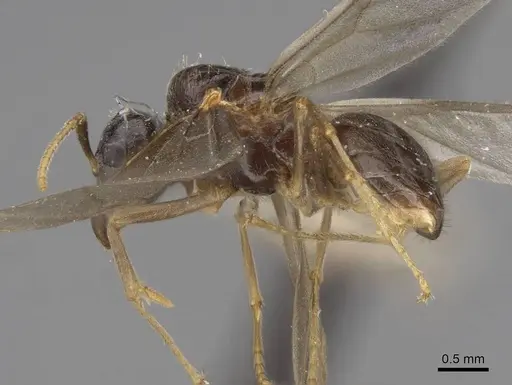
The nuptial flight of Lasius americanus is a significant biological event, typically occurring from May to August, peaking in July. During this time, winged queens and males leave the nest to mate and establish new colonies.
Lasius americanus - "Woodland Fuzzy Ant"
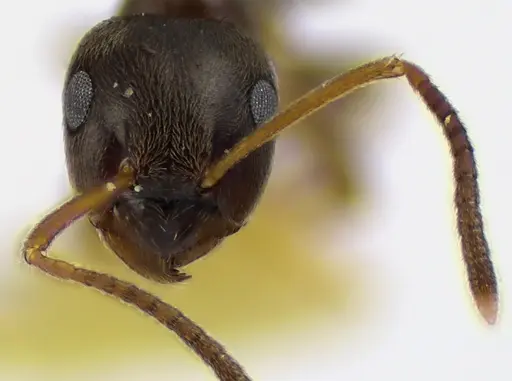
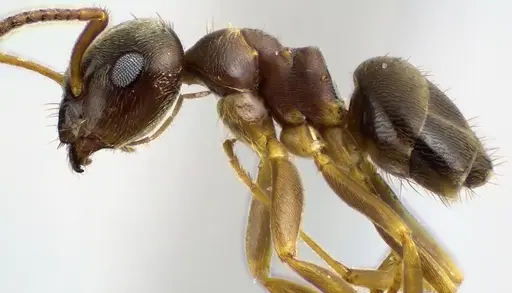
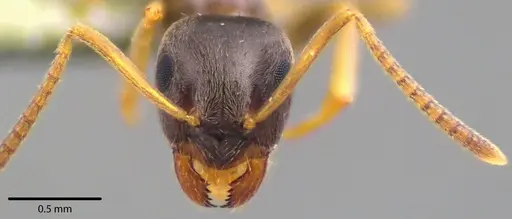
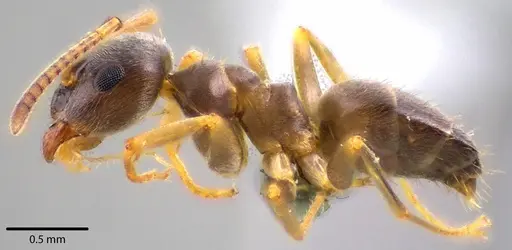
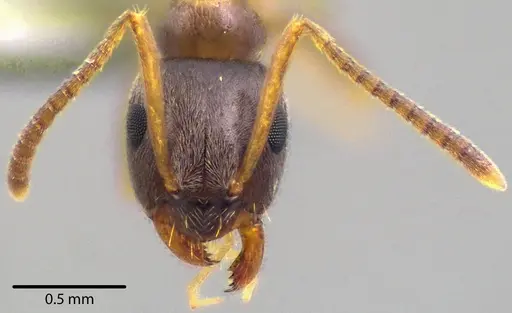
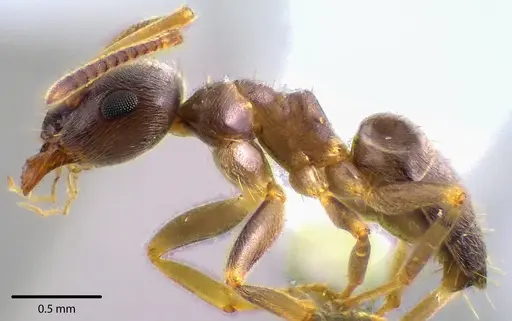
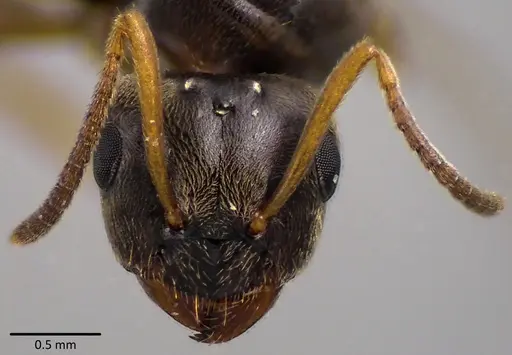
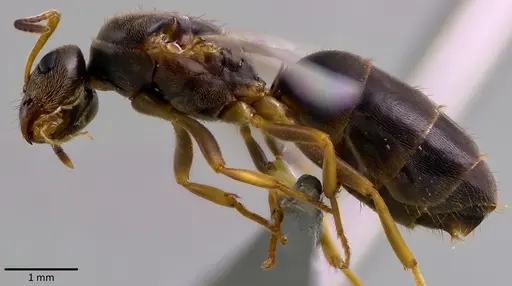
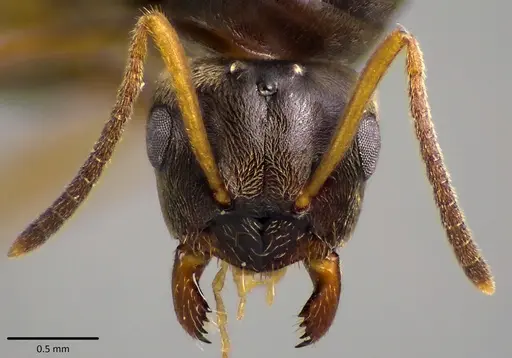
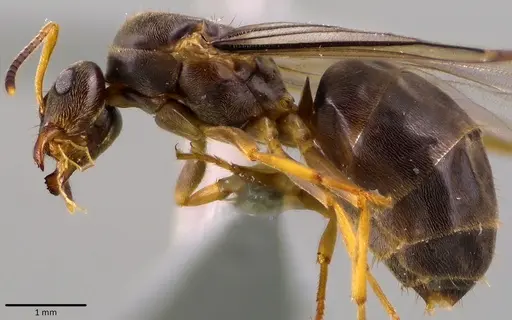
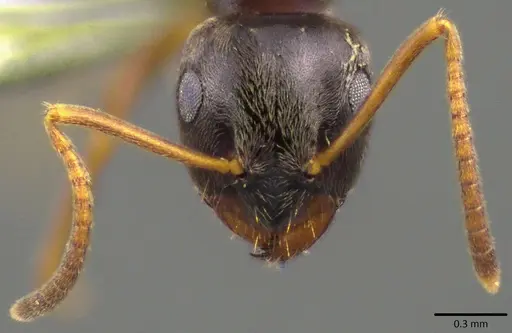
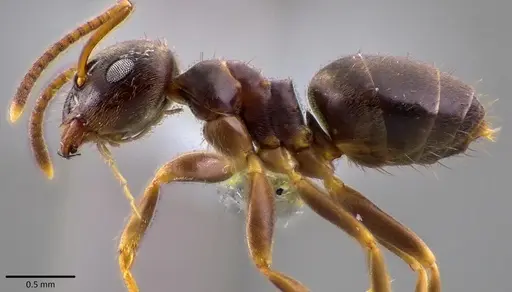
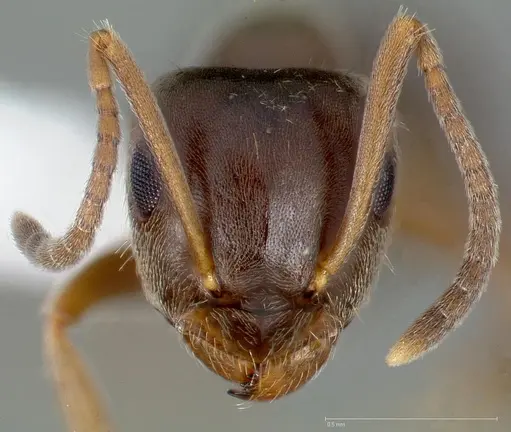
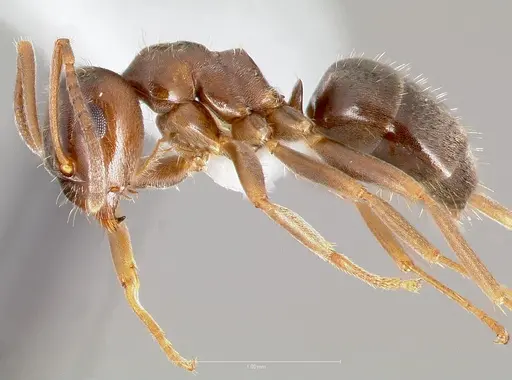
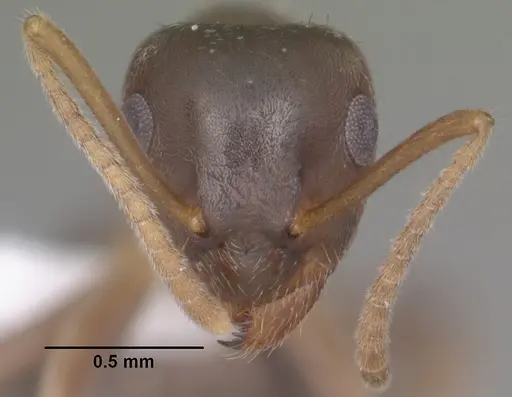
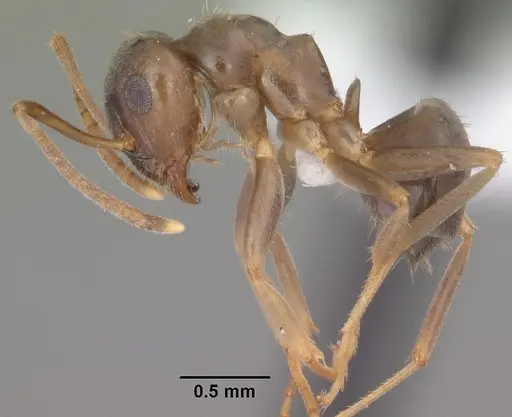
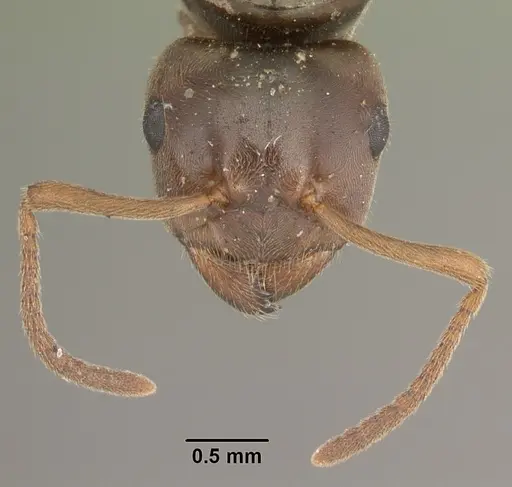
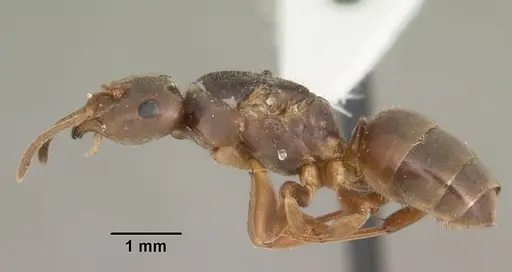
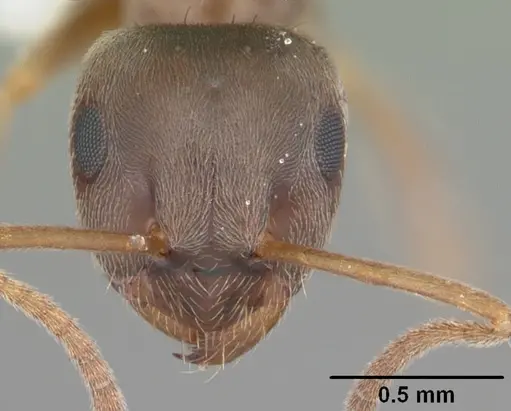
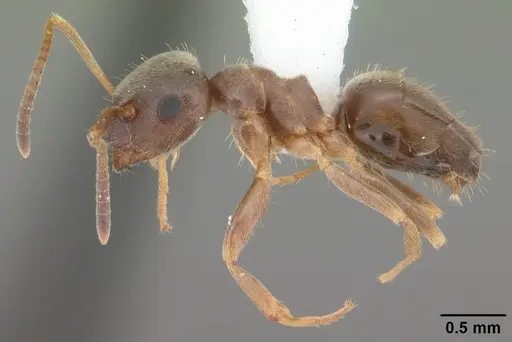
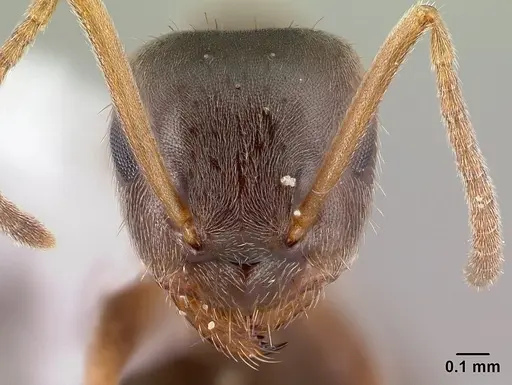
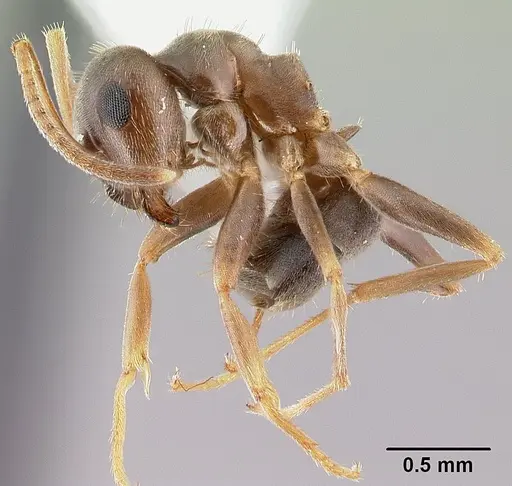
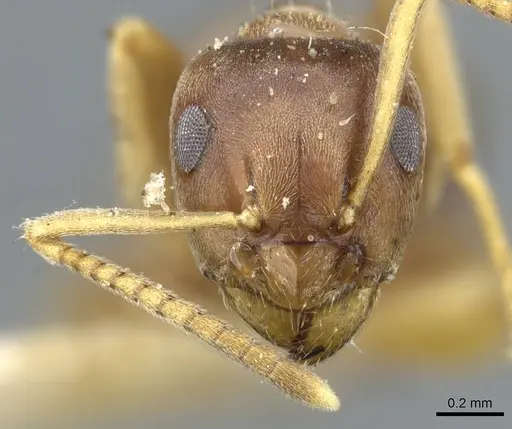
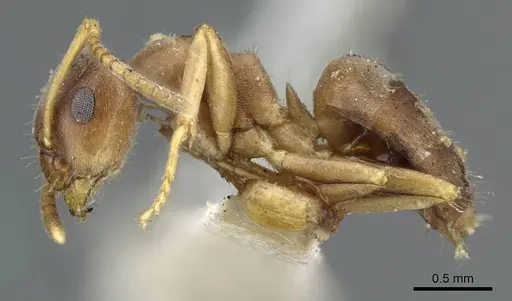
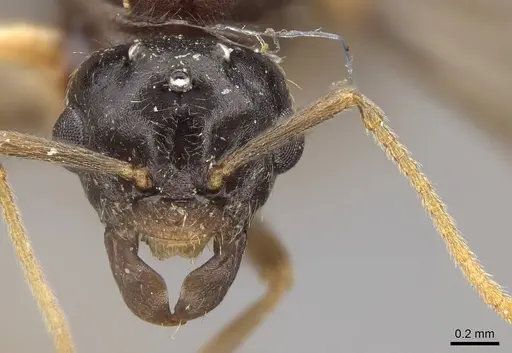
Lasius americanus is a small, dark brown to black ant native to North America. It was only recently recognized as a separate species from the European Lasius alienus in 2018,so older literature may refer to it under that name. Workers measure 3-4mm with notably large eyes (12-14 ommatidia), and lack erect hairs on their antennae and hind legs, this helps distinguish them from similar species like Lasius niger, L. neoniger, and L. pallitarsis which all have those hairs. Queens are larger at 7-9mm and can be either the normal size or smaller microgynes. These ants are forest dwellers at heart, preferring shaded woodland areas where they nest in rotting logs, stumps, and under stones, though they'll occasionally show up in bogs and wetlands. Colonies can grow quite large with multiple queens, but each queen establishes her colony independently rather than staying in the main nest.
Quick Summary
- Difficulty: Easy
- Origin & Habitat: Native to North America, found from southern British Columbia east to Nova Scotia, south to northern Florida and into the mountains of the southwestern US and Mexico. They prefer well-shaded forest habitats but occasionally occur in bogs and wetlands [1].
- Colony Type: Multi-queen colonies that can grow very large, with individual queens dispersing to found new colonies independently [1].
- Colony: Optionally polygyne
- Founding: Claustral
- Size & Growth:
- Antkeeping:
- Temperature: Keep at room temperature, around 20-24°C. They do well in typical indoor conditions and don't require additional heating.
- Humidity: Moderate humidity works well. These forest ants prefer slightly damp conditions but not wet. Keep the nest substrate moist but not waterlogged.
- Diapause: Yes, they need a winter rest period. Reduce temperature to around 5-10°C for 3-4 months during winter, mimicking their natural temperate cycle.
- Nesting: Y-tong (AAC) nests work well, or a naturalistic setup with rotting wood pieces. They naturally nest in rotting logs and stumps, so wood-based or plaster nests mimic their preferences.
- Behavior: Generally calm and non-aggressive. Workers are active foragers that tend aphids and collect various foods. They don't sting and pose no danger to keepers. They're not particularly good climbers but can still escape through small gaps, so use standard escape prevention. They're primarily nocturnal or crepuscular in their peak activity.
- Common Issues: colonies can become very large quickly, make sure you have space for expansion, multi-queen colonies mean you may start with one queen but more may appear as the colony matures, they farm aphids extensively, if you have houseplants near their setup, they may tend them, winter diapause is essential, skipping it can weaken or kill the colony over time, queens may fight initially when multiple are introduced, but established multi-queen colonies are usually peaceful
Nuptial Flight Activity Analysis 314 observations
Flight Activity by Hour 314 observations
Lasius americanus nuptial flight activity peaks around 18:00 during the evening. Activity is spread across a 16-hour window (07:00–22:00). A secondary activity peak occurs around 15:00. Times may be influenced by human observation patterns.
Housing and Nest Setup
Lasius americanus does well in standard formicarium setups. A Y-tong (AAC) nest works excellently, the wooden chambers mimic their natural preference for nesting in rotting wood. You can also use plaster nests or a naturalistic setup with pieces of rotting wood and moist substrate. Since they're forest ants, they appreciate some darkness and shade around their nest. A test tube setup works for founding colonies, but plan to move them to a larger formicarium within 6-12 months as the colony grows. These ants don't need vertical space as much as some arboreal species, horizontal chambers work fine. Keep the outworld simple with easy access to food and water. [1]
Feeding and Diet
Like most Lasius species, these ants are omnivores with a sweet tooth. They'll readily accept sugar water, honey, or diluted maple syrup. They also need protein, offer small insects like fruit flies, small crickets, or mealworms. In nature they tend a wide variety of aphids, scales, and treehoppers, so they'll happily farm aphid colonies if you provide them. They also collect elaiosomes (the fatty attachments on seeds) and will scavenge dead insects. Feed protein 2-3 times per week and keep a constant sugar source available. Remove uneaten prey after 24 hours to prevent mold. [1]
Temperature and Seasonal Care
Room temperature (20-24°C) suits them perfectly. They don't need heating unless your home runs particularly cold. Like all temperate ants, they need a winter diapause, this is critical for their long-term health. In autumn, gradually reduce the temperature over 2-3 weeks to around 5-10°C and keep them there for 3-4 months. You can use a refrigerator, basement, or garage (if it stays cold enough but doesn't freeze). Return them to room temperature gradually in spring. Skipping diapause won't kill them immediately but will weaken the colony over time and reduce their lifespan. [1]
Colony Dynamics
Lasius americanus is polygynous, meaning colonies naturally have multiple queens. This is unusual among Lasius, many species are single-queen. In the wild, individual queens disperse to found new colonies rather than staying in the main nest, but established colonies can have many egg-laying queens working together. This means your colony may start with one queen and develop more over time, or you may receive a colony that already has multiple queens. Queens can be either normal-sized (macrogynes) or tiny (microgynes), and both types can found colonies successfully. Workers are relatively long-lived for small ants. [1]
Behavior and Temperament
These are calm, manageable ants that don't show aggressive behavior toward keepers. Workers are active foragers that will readily explore the outworld in search of food. They tend aphids extensively, if you have potted plants near their setup, you may find them farming aphids on the roots or stems. They don't sting and their formic acid spray is mild. They're not particularly escape-prone compared to some tiny species, but still use standard barriers like fluon on the rim of the outworld. They're primarily crepuscular, most active during dawn and dusk hours, though they'll forage whenever food is available. [1]
Frequently Asked Questions
Is Lasius americanus a good beginner ant?
Yes, they're excellent for beginners. They're forgiving of minor mistakes, don't require special heating, and accept a wide variety of foods. The main requirement is providing winter diapause. Their multi-queen colony structure also means colonies are resilient and can survive queen loss.
How long does it take for Lasius americanus to produce first workers?
Expect 6-8 weeks from egg to first worker at room temperature (around 22°C). This is typical for Lasius species. The queen will seal herself in a chamber and not emerge until her first workers (nanitics) hatch.
Can I keep multiple Lasius americanus queens together?
Yes, this species is naturally polygynous (multi-queen). Unlike many ants, they tolerate having multiple egg-laying queens in the same colony. You can introduce additional queens to an established colony, though there may be some initial aggression that usually resolves.
Do Lasius americanus need hibernation?
Yes, they require a winter diapause. Reduce temperature to 5-10°C for 3-4 months during winter. This rest period is essential for their long-term health and mimics their natural seasonal cycle in temperate North America.
What do Lasius americanus eat?
They accept sugar sources (honey, sugar water, maple syrup) and protein (small insects like fruit flies, crickets, mealworms). They also farm and tend aphids for honeydew. Feed protein 2-3 times per week with constant sugar water available.
How big do Lasius americanus colonies get?
Very large, they can reach thousands of workers. This is one of the more robust Lasius species in terms of colony size. Plan accordingly and be prepared to upgrade to larger housing as the colony grows.
What's the difference between Lasius americanus and Lasius alienus?
Lasius americanus was recently separated from L. alienus in 2018. They're morphologically very similar, the main difference is genetic and geographic. L. americanus is the North American species while L. alienus is European/Asian. Many older North American records of L. alienus actually refer to L. americanus.
When do Lasius americanus have nuptial flights?
Nuptial flight records are sparse, but most occur in August. Exceptional records range from late May to early December, with August being the peak. If you're trying to catch a queen, late summer is your best window.
How do I identify Lasius americanus?
Look for large eyes and lack of erect hairs on the antenna scape and hind legs. They're dark brown to black, about 3-4mm for workers. This distinguishes them from similar species like L. niger, L. neoniger, and L. pallitarsis which all have those hairs.
References

This caresheet is licensed under CC BY-SA 4.0 .
ANTWEB1041610
View on AntWeb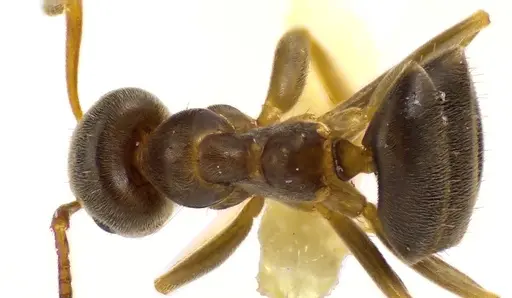
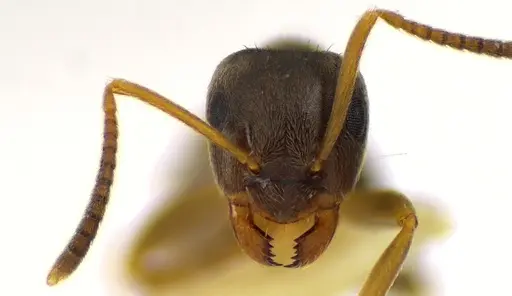
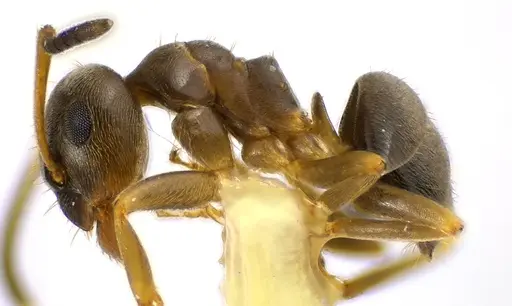
ANTWEB1041625
View on AntWeb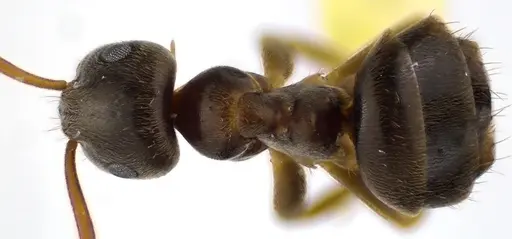
ANTWEB1041739
View on AntWeb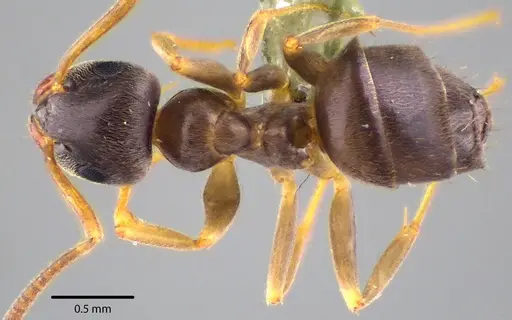
ANTWEB1041740
View on AntWeb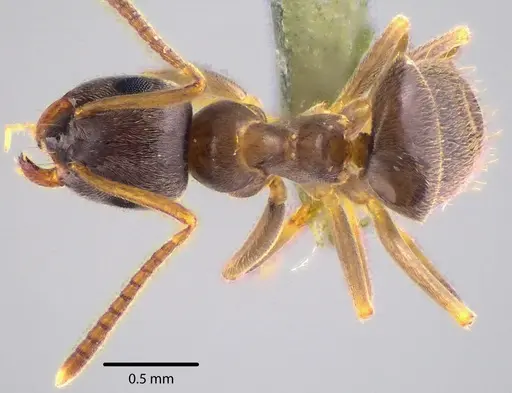
ANTWEB1041764
View on AntWeb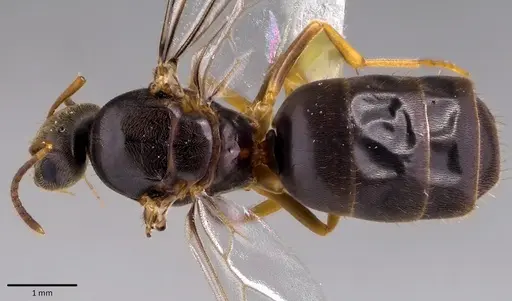
ANTWEB1041765
View on AntWeb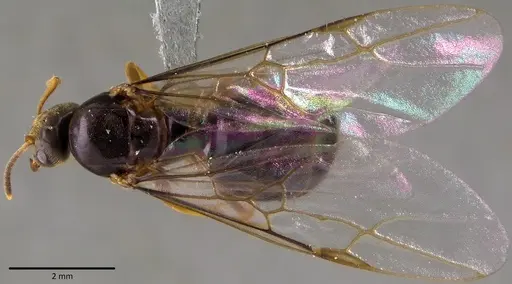
ANTWEB1041808
View on AntWeb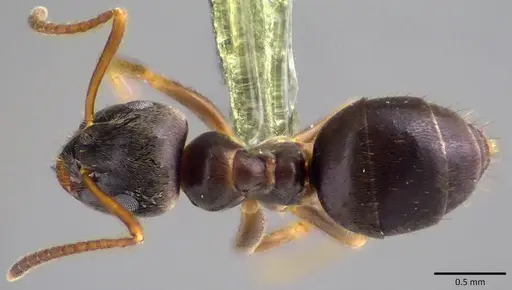
CASENT0005401
View on AntWeb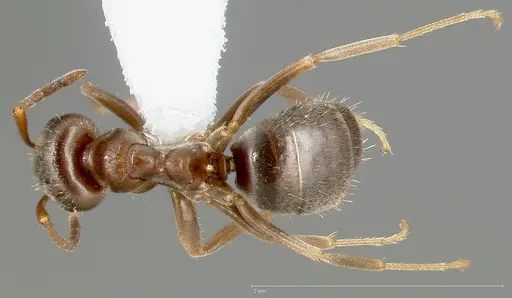
CASENT0102801
View on AntWeb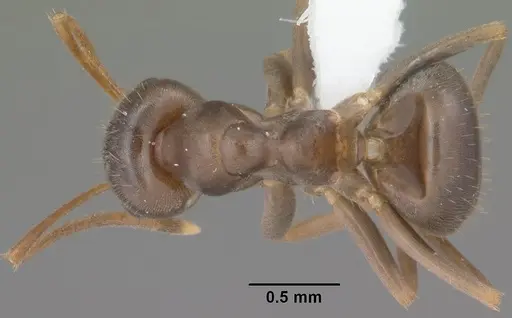
CASENT0103986
View on AntWeb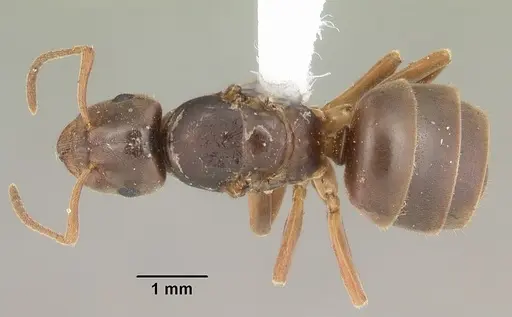
CASENT0103987
View on AntWeb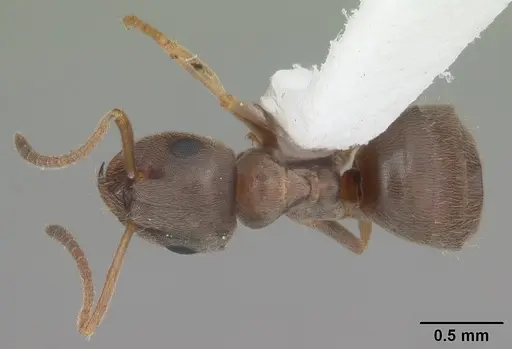
CASENT0179854
View on AntWeb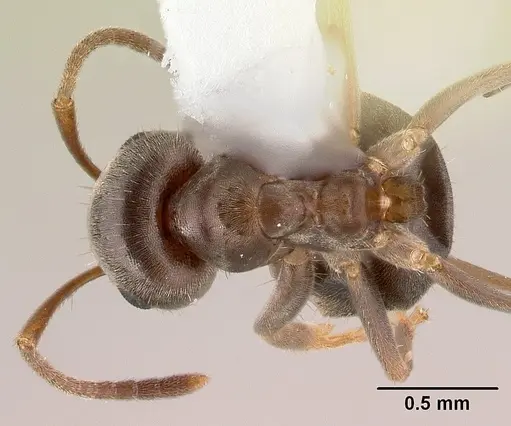
CASENT0905677
View on AntWeb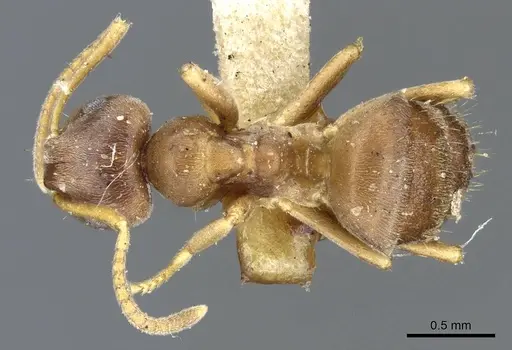
CASENT0923056
View on AntWeb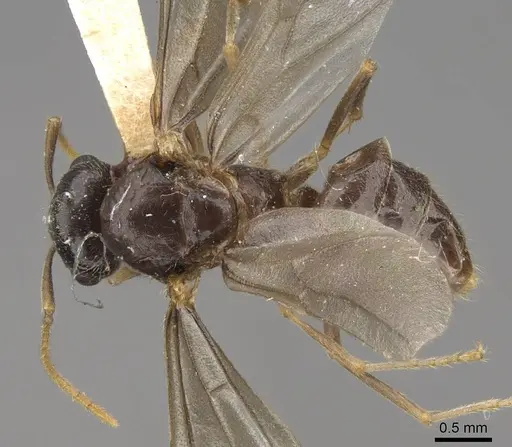
CASENT0923596
View on AntWeb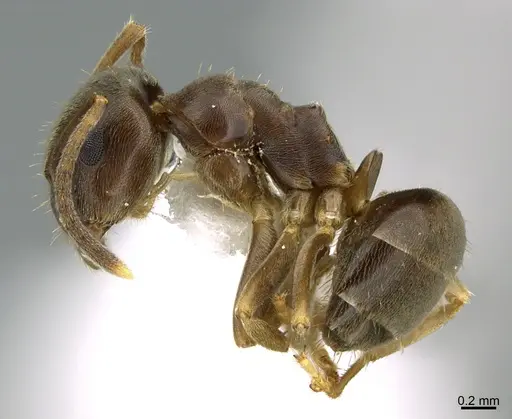
Literature
Loading...Loading products...