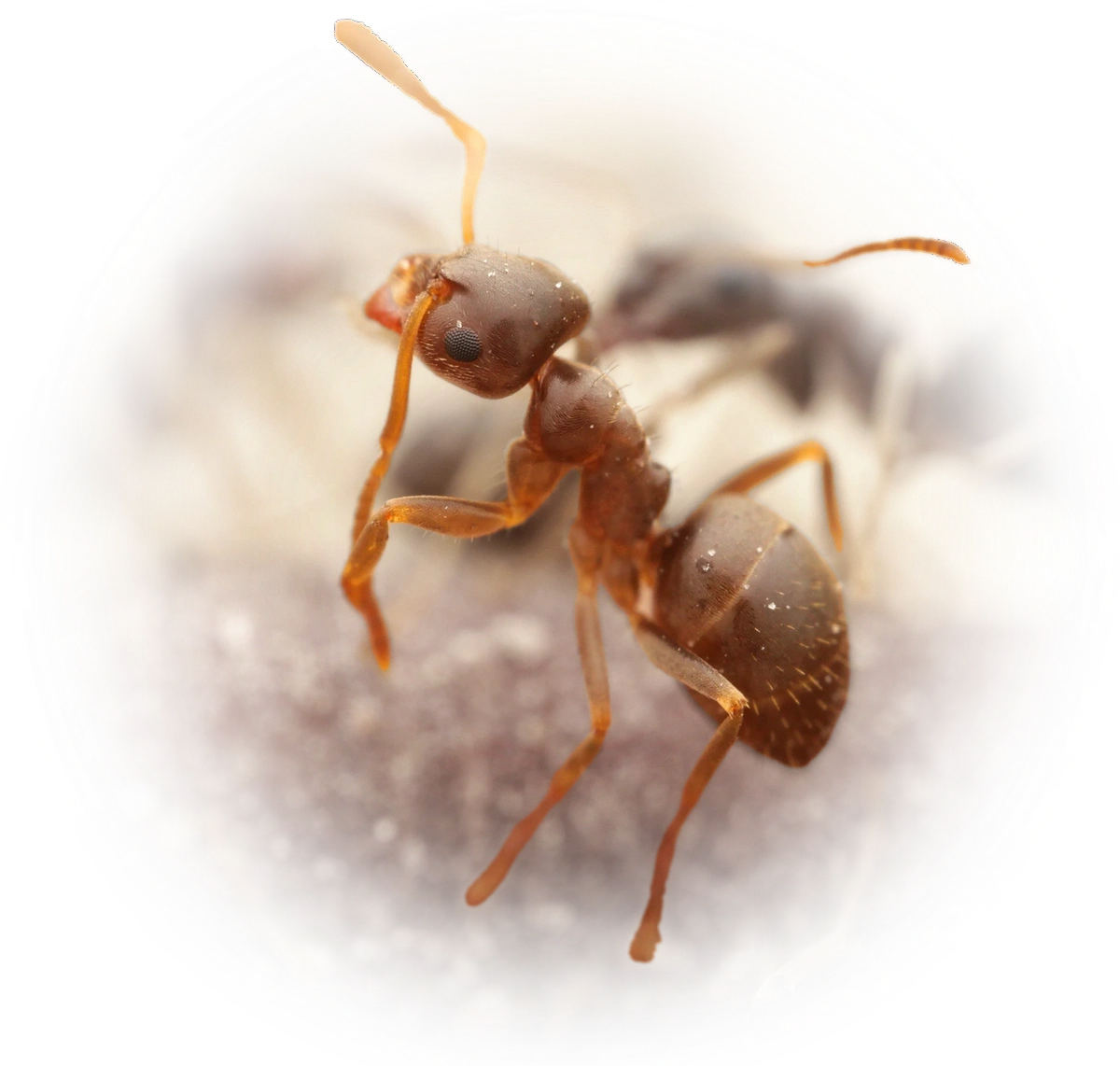

Lasius alienus
- Scientific Name
- Lasius alienus
- Tribe
- Lasiini
- Subfamily
- Formicinae
- Author
- Foerster, 1850
- Common Name
- Alien Field Ant
- Distribution
- Found in 15 countries
Lasius alienus Overview
Lasius alienus (commonly known as the Alien Field Ant) is an ant species of the genus Lasius. It is primarily documented in 15 countries , including Austria, Belgium, Canada. Detailed taxonomic data and occurrence records can be further explored via authoritative databases such as AntWeb or the Global Biodiversity Information Facility (GBIF).
Lasius alienus - "Alien Field Ant"
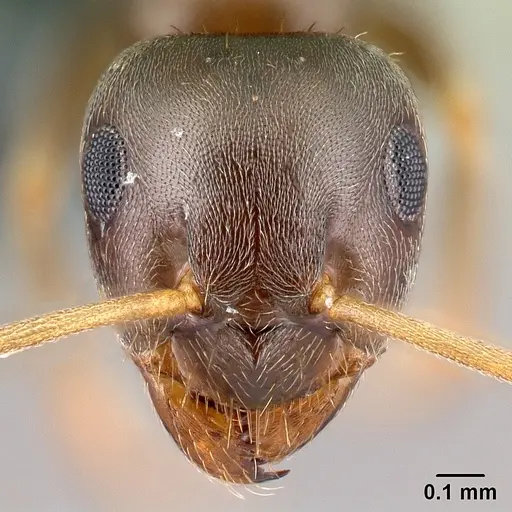
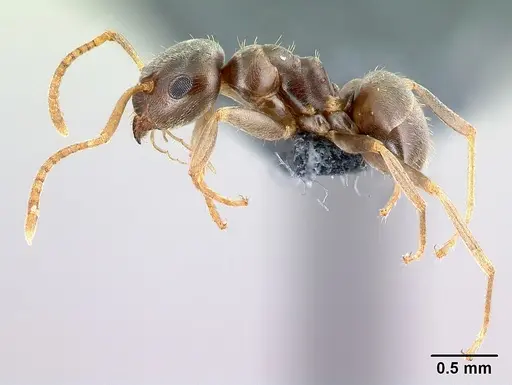
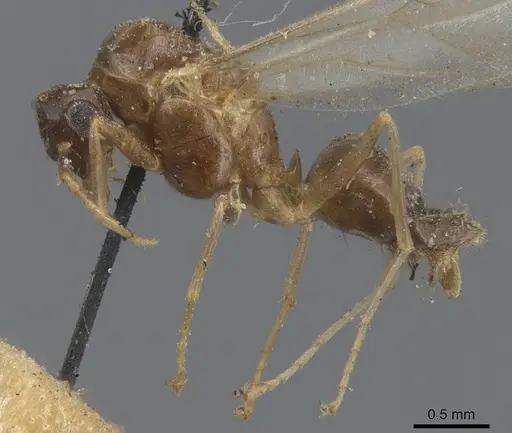
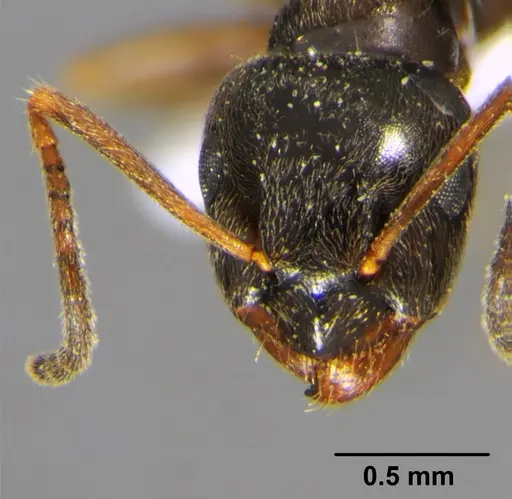
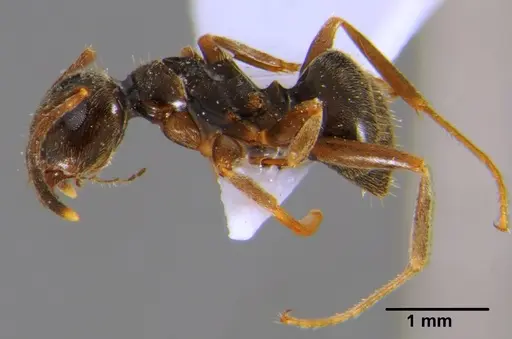
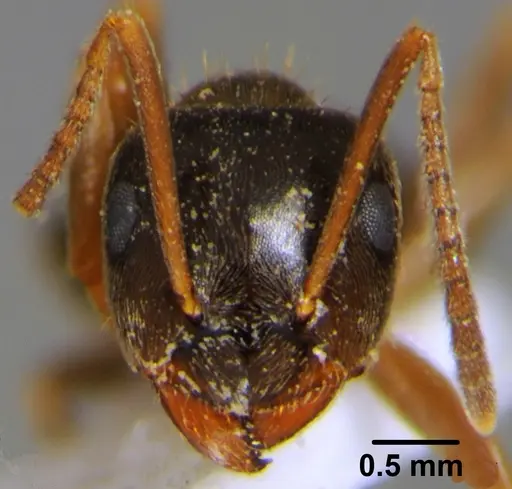
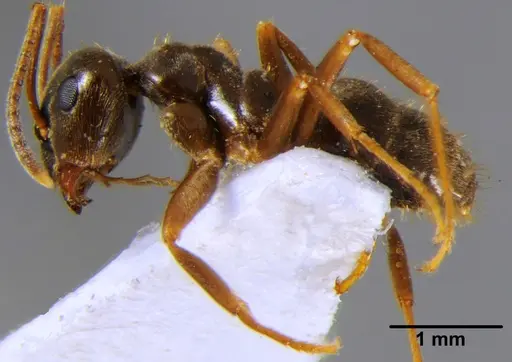
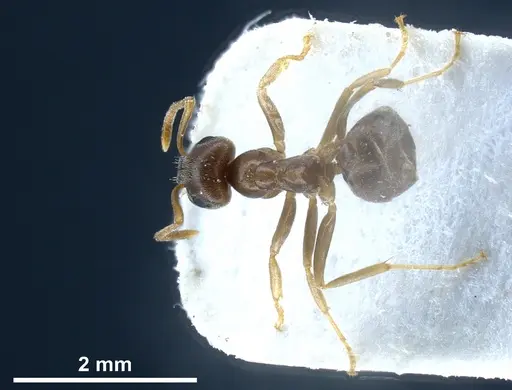
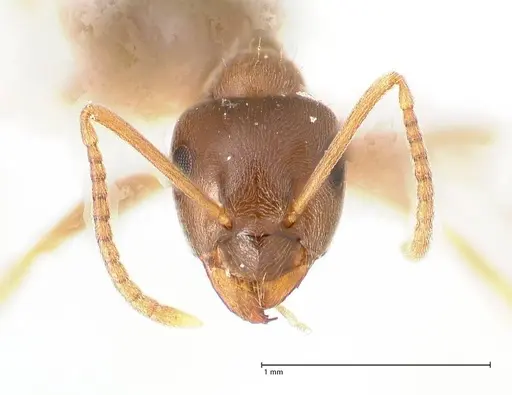
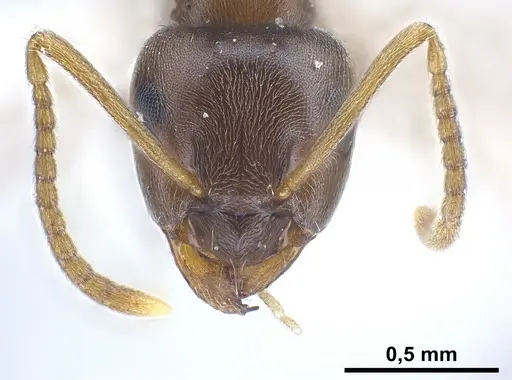
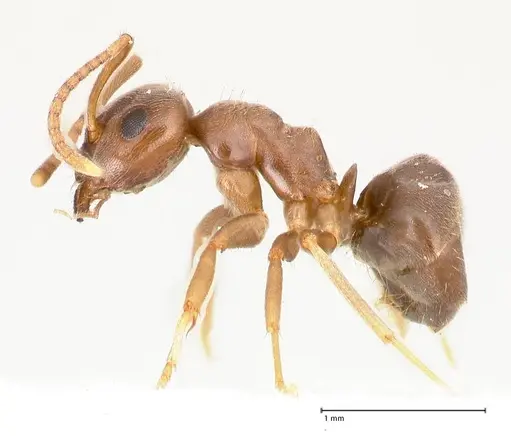
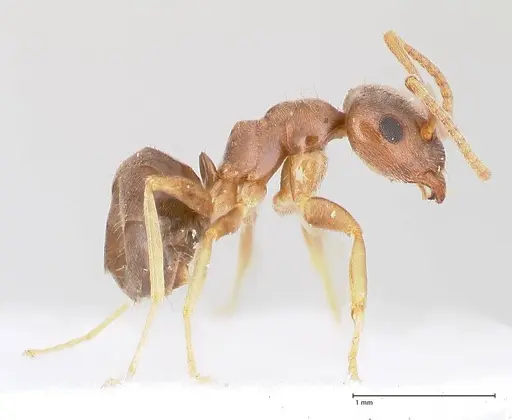
Lasius alienus is a small to medium-sized ant native to Europe and Asia, belonging to the Lasius niger species complex. Workers measure 2-4mm with a medium brown body, lighter yellowish-brown antennae and legs, and distinctive lack of erect hairs on the antennal scapes and tibiae that helps separate them from the similar Lasius niger. This species prefers warm, dry, open habitats like grasslands, rocky areas, and sunny forest edges, nesting primarily under stones or in soil. Colonies are monogynous (single queen) and can grow quite large with over 10,000 workers. Lasius alienus is a generalist forager with strong trophobiotic relationships, tending aphids for honeydew while also hunting small insects. It serves as the main host for the temporary social parasite Lasius jensi.
Quick Summary
- Difficulty: Easy
- Origin & Habitat: Native to Europe and Asia, from the British Isles and Scandinavia south to North Africa, east to Japan. Inhabits open dry areas like grasslands, rocky slopes, sunny forest edges, and calcareous meadows. Nests under stones or in soil, avoiding moist and shaded locations [1][2].
- Colony Type: Monogynous (single queen) colonies, independently founded by young queens. Colonies can reach more than 10,000 workers [3][4].
- Colony: Monogyne
- Founding: Claustral, Pleometrosis
- Size & Growth:
- Antkeeping:
- Temperature: Keep at 20-24°C. This is a warmth-loving species that thrives in dry, sunny conditions. Room temperature is typically suitable, but a slight heat gradient can be provided [2][8].
- Humidity: Low to moderate. Prefers dry conditions, avoid overly damp substrates. Keep nest material relatively dry, similar to their natural grassland and rocky habitat [2].
- Diapause: Yes, requires winter hibernation at cool temperatures (5-10°C) for 2-3 months during winter months, mimicking their temperate climate origin [2].
- Nesting: Test tubes work well for founding colonies. For established colonies, use a formicarium with dry to moderately moist substrate. They prefer nesting under stones in the wild, so a setup with flat stones or a Y-tong nest with tight chambers mimics their natural nesting preferences [2][9].
- Behavior: Workers are generally calm and non-aggressive compared to Lasius niger. They are active foragers that establish trails to tend aphids and hunt small insects. Workers flee rapidly when disturbed rather than attacking. They have a fondness for electrical equipment and may occasionally enter homes in search of food. Escape risk is moderate, standard barrier methods like fluon are sufficient [2][10].
- Common Issues: colonies may fail if kept too damp, this species prefers dry conditions, queens can be difficult to establish in captivity due to their specific habitat requirements, workers may escape in search of aphid colonies if not provided adequate food, nests under stones in the wild means they need secure, dark nesting areas
Housing and Nest Setup
Lasius alienus adapts well to various captive setups. For founding colonies, a simple test tube setup works perfectly, fill a test tube one-third with water, plug with cotton, and place the queen in complete darkness. Once workers emerge (nanitics), you can connect to a foraging area. For established colonies, a Y-tong (AAC) or plaster nest provides appropriate humidity control. This species prefers dry conditions, so avoid overly moist substrates. A small water reservoir is sufficient, they obtain most moisture from food. Outworlds should include a sugar source (honey water) and protein (dead insects). Escape prevention is important but not as critical as with tiny species, standard barriers work well [2][5].
Feeding and Diet
Lasius alienus is a generalist with strong trophobiotic tendencies. In captivity, they readily accept sugar water or honey as an energy source, this should always be available. For protein, offer small dead insects like fruit flies, small crickets, or mealworms. They will also tend aphids if present in the setup, collecting honeydew just as they do in the wild. Unlike some Lasius species, they show moderate predatory behavior and will hunt small invertebrates. Feed protein 2-3 times per week, and ensure sugar water is constantly available. Remove uneaten prey after 24 hours to prevent mold [3][4].
Temperature and Seasonal Care
This warmth-loving species does best at 20-24°C, which is typical room temperature in most homes. They naturally inhabit warm, dry, sunny locations and are more common in southern regions than their cousin Lasius niger. During summer months, activity is high and colonies grow steadily. In winter, they require a diapause period, reduce temperature to 5-10°C and stop feeding for 2-3 months. This mimics their natural temperate climate and is essential for colony health. Place the nest in a location that doesn't experience temperature extremes. A slight temperature gradient allows workers to choose their preferred warmth level [2][8].
Colony Development and Growth
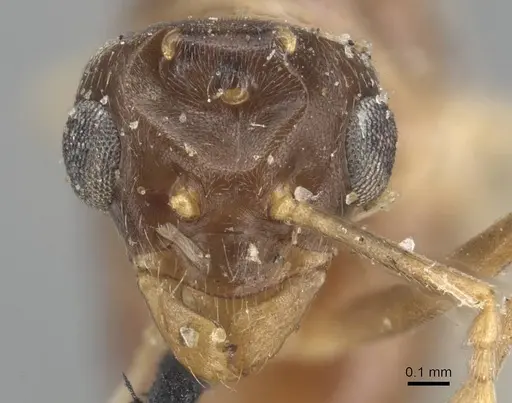
Lasius alienus colonies start with a claustral queen who seals herself in a chamber and raises the first workers (nanitics) from stored body fat. Development from egg to worker takes approximately 6-10 weeks under optimal conditions. Initial colonies grow slowly as the queen produces only a small number of workers. Once established, growth accelerates, colonies can reach several thousand workers within a couple of years. Maximum colony size exceeds 10,000 workers. The species is moderately long-lived, queens can live for several years. Workers live for several months to a year. Colonies produce sexuals (alates) in summer, typically July-August, for nuptial flights [7][3][4].
Behavior and Temperament
Compared to Lasius niger, Lasius alienus workers are calmer and less aggressive. When disturbed, they typically flee rather than attack. They are active foragers that establish defined trails and can travel significant distances from the nest. This species shows strong associations with aphids and will aggressively defend aphid colonies from predators. They are also known to enter houses in search of food, particularly in urban areas. Workers are not particularly territorial and may have overlapping foraging areas with other colonies. They communicate through chemical trails and are responsive to sugar sources. Their preference for electrical equipment noted in some studies means caution is needed around electronics [2][10].
Common Problems and Solutions
The most common issues with Lasius alienus in captivity relate to humidity, they naturally prefer dry conditions and colonies fail if kept too damp. Ensure the nest substrate dries between waterings and provide good ventilation. Queen establishment can be challenging, provide complete darkness and minimal disturbance during the founding phase. Workers may escape if boreder barriers are inadequate, though this is less problematic than with tiny species. In multi-queen situations, colonies remain monogynous, multiple queens will fight. If your colony shows signs of decline, check humidity levels first. They are also vulnerable to mold in overly moist conditions. Regular cleaning of the outworld prevents mold buildup from uneaten food [2][5].
Frequently Asked Questions
How long does it take for Lasius alienus to raise first workers?
From egg to first worker takes approximately 6-10 weeks under optimal conditions (20-24°C). The claustral queen seals herself in and raises nanitics (first workers) using stored fat reserves, without foraging [7][11].
What do Lasius alienus eat?
They are generalists that accept sugar sources (honey water, sugar water) and protein (small dead insects like fruit flies, mealworms). They also tend aphids for honeydew in the wild and will do the same in captivity if aphids are available [3][4].
Do Lasius alienus need hibernation?
Yes, they require a winter diapause period of 2-3 months at cool temperatures (5-10°C). This mimics their natural temperate climate and is essential for colony health and reproductive success [2].
How big do Lasius alienus colonies get?
Colonies can grow to over 10,000 workers. They start slowly but accelerate once the first dozen workers establish, typically reaching several thousand within 2-3 years under good conditions [4].
Can I keep multiple Lasius alienus queens together?
No, Lasius alienus is monogynous, colonies have a single queen. Multiple queens will fight. Only one queen should be introduced per colony [12].
What's the difference between Lasius alienus and Lasius niger?
Lasius alienus is typically smaller, paler, and has fewer erect hairs on the antennal scapes and tibiae. It prefers warmer, drier, more open habitats than Lasius niger, and is generally less aggressive [2][6].
Is Lasius alienus good for beginners?
Yes, this is a good beginner species. They are relatively calm, accept a wide variety of foods, and tolerate typical room temperatures. The main challenges are providing proper dry conditions and managing the winter diapause correctly [2].
Why are my Lasius alienus dying?
The most common cause is excessive humidity, this species prefers dry conditions. Check that the nest substrate is not too wet and provide good ventilation. Also ensure they have adequate protein and sugar sources, and that the winter diapause was properly conducted [2][5].
When do Lasius alienus have nuptial flights?
Nuptial flights occur in summer, typically July-August. Alates (winged reproductives) are produced in the colony and emerge for mating flights during warm evenings [3][2].
References

This caresheet is licensed under CC BY-SA 4.0 .
CASENT0172724
View on AntWeb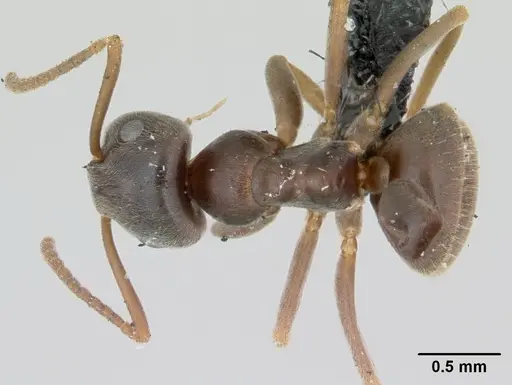
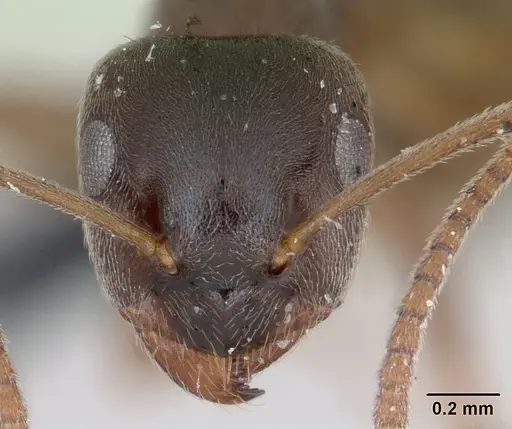
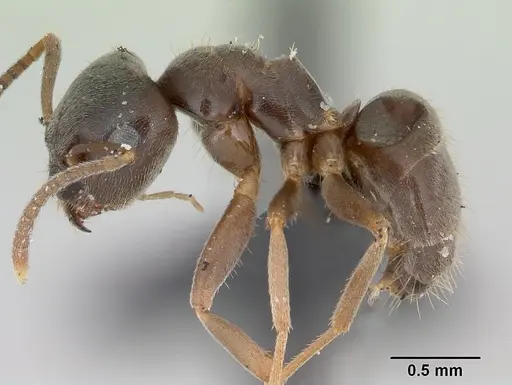
CASENT0172725
View on AntWeb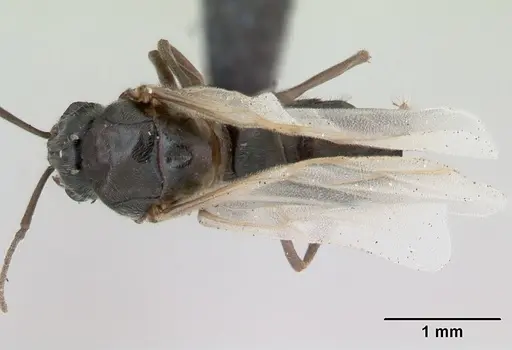
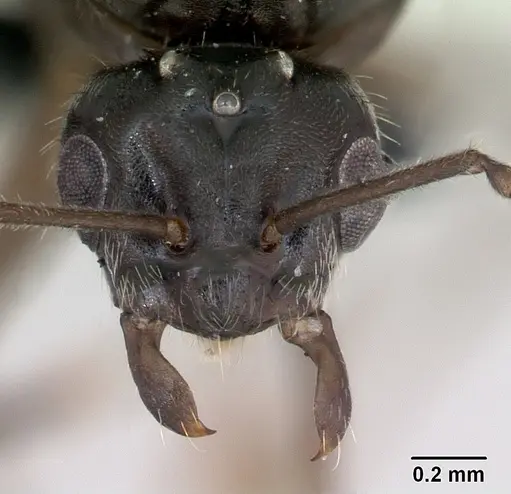
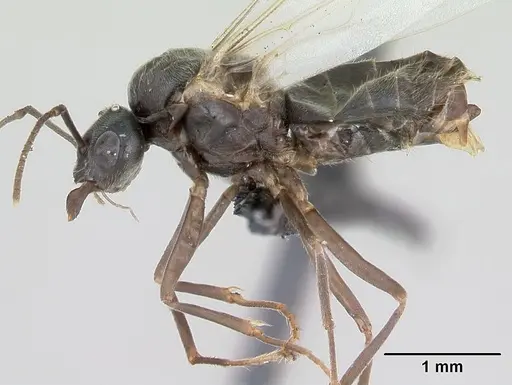
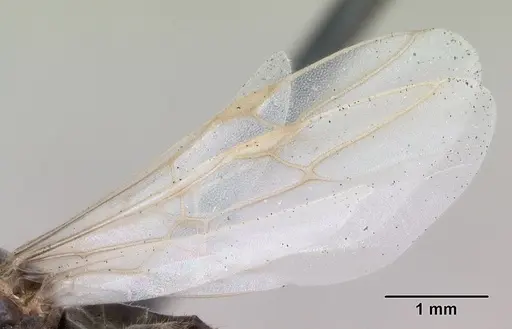
CASENT0173158
View on AntWeb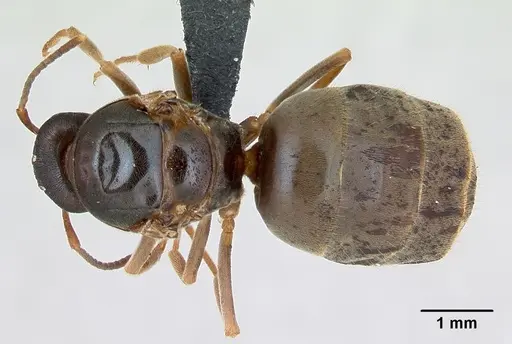
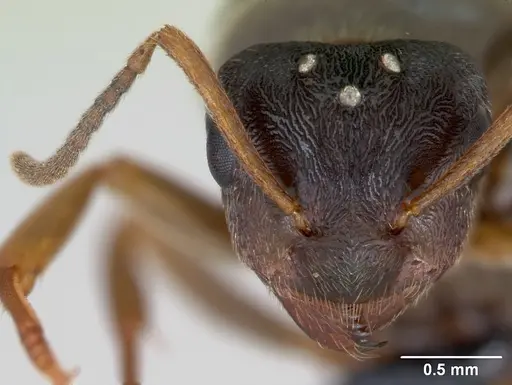
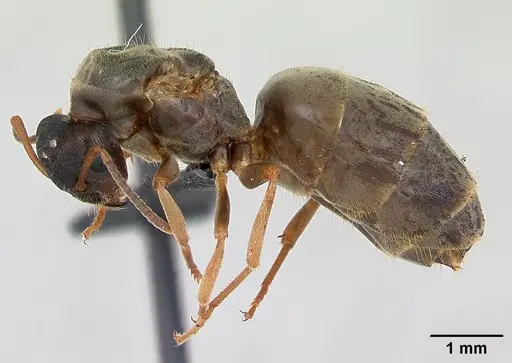
CASENT0179927
View on AntWeb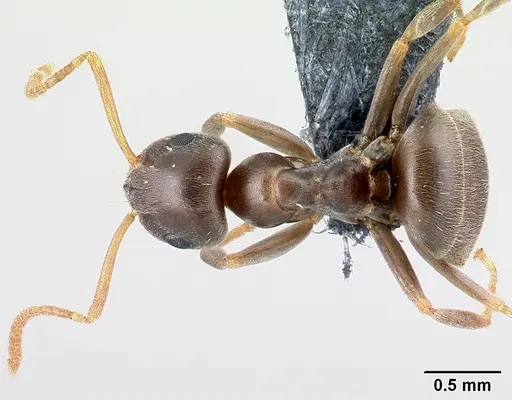
CASENT0915591
View on AntWeb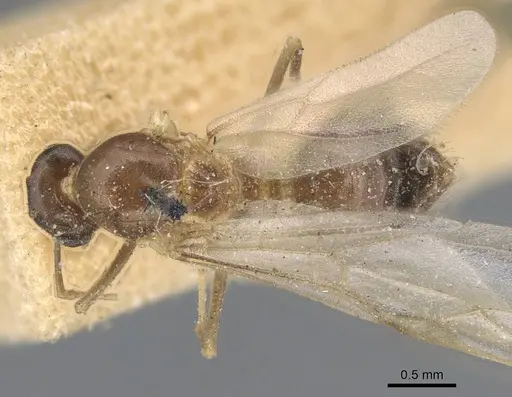
CFH000015
View on AntWeb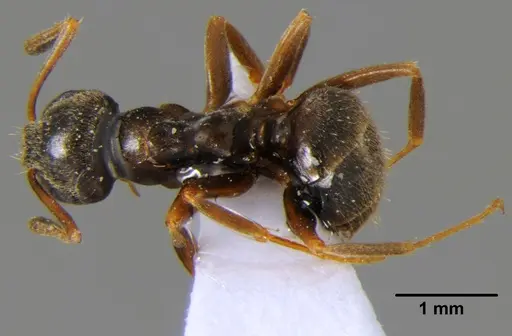
CFH000018
View on AntWeb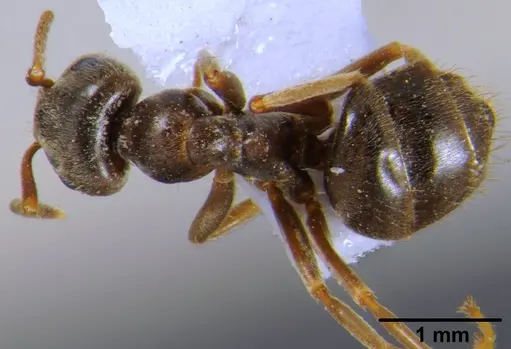
FOCOL0754
View on AntWeb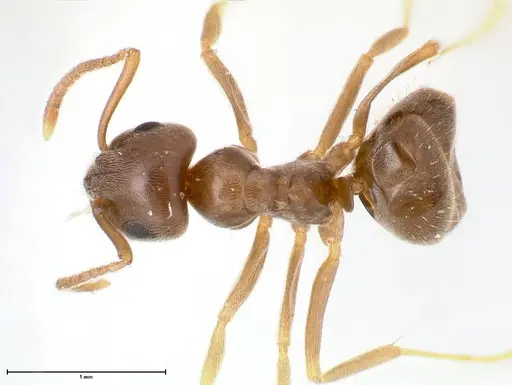
Literature
Loading...Loading products...