

Lasius jensi
- Scientific Name
- Lasius jensi
- Tribe
- Lasiini
- Subfamily
- Formicinae
- Author
- Seifert, 1982
- Distribution
- Found in 10 countries
Lasius jensi Overview
Lasius jensi is an ant species of the genus Lasius. It is primarily documented in 10 countries , including Belgium, Czechia, Germany. Detailed taxonomic data and occurrence records can be further explored via authoritative databases such as AntWeb or the Global Biodiversity Information Facility (GBIF).
Lasius jensi
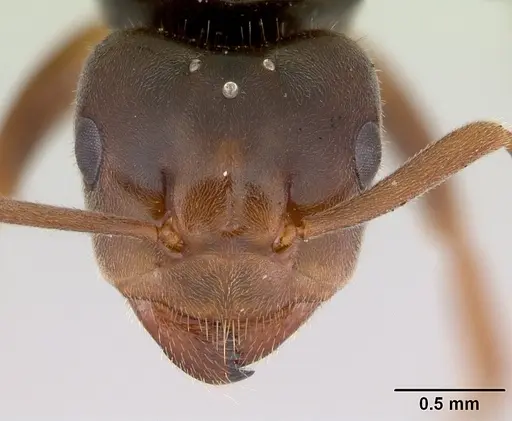
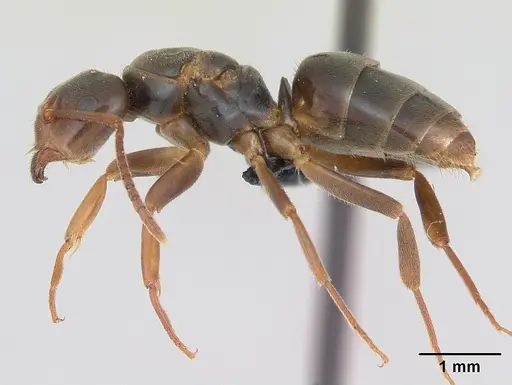
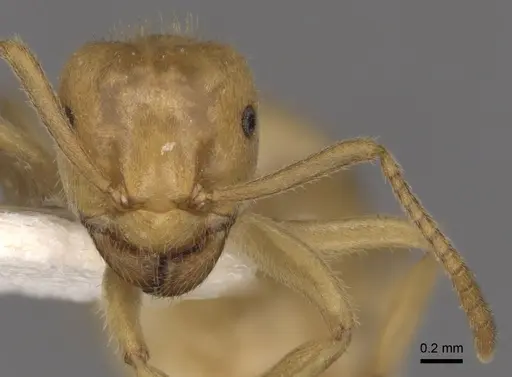
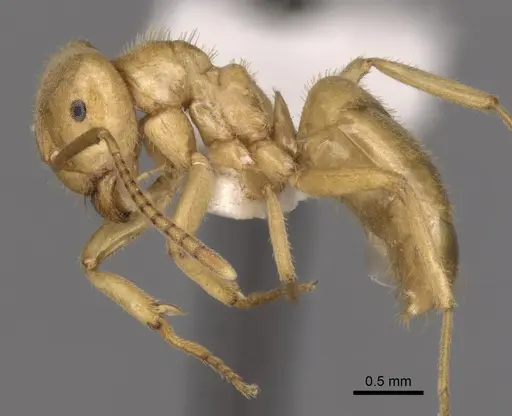
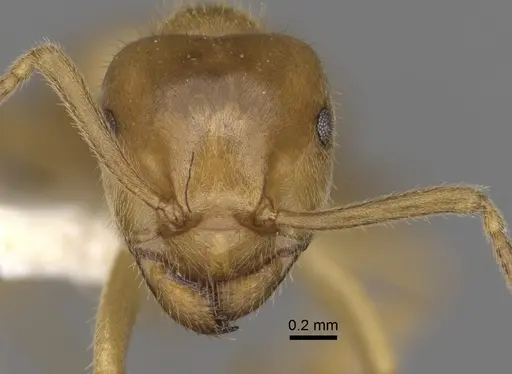
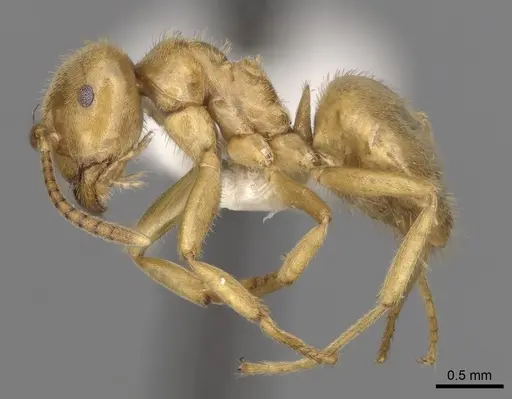
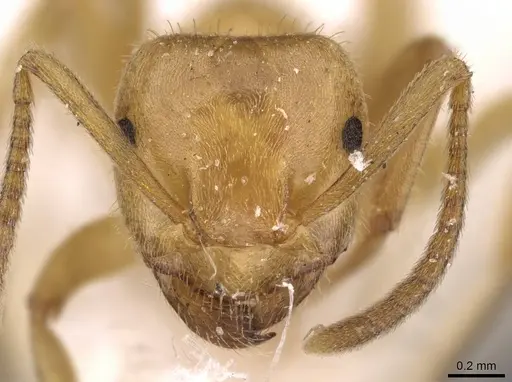
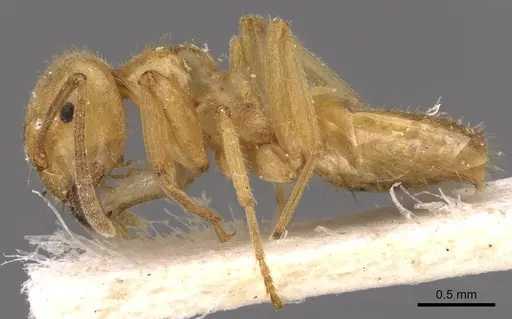
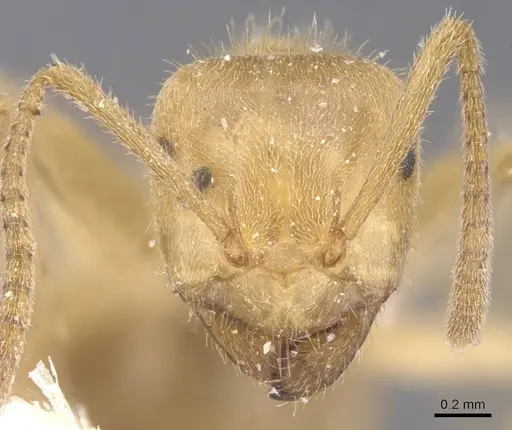
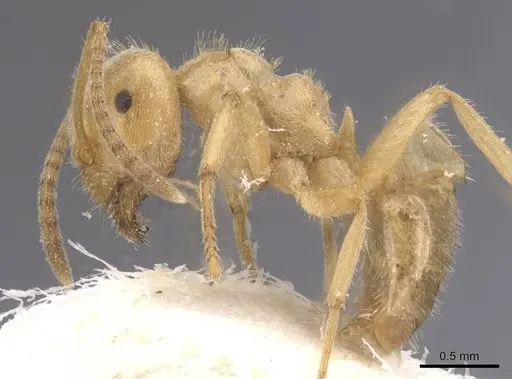
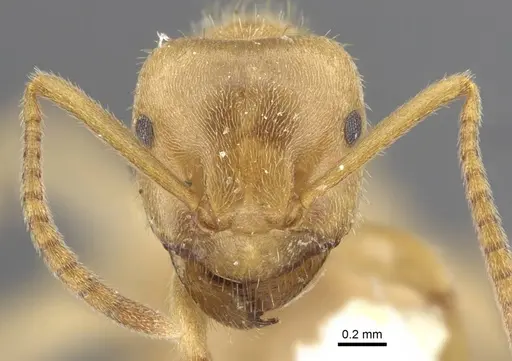
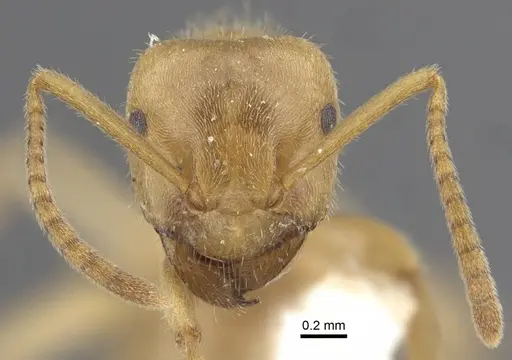
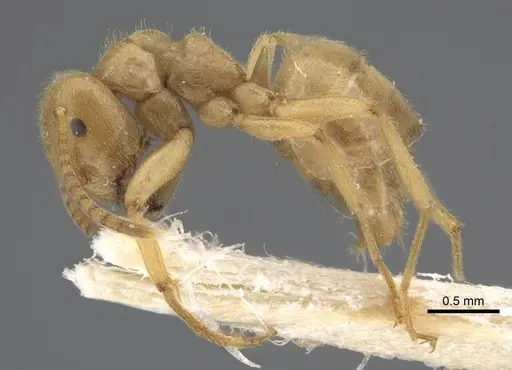
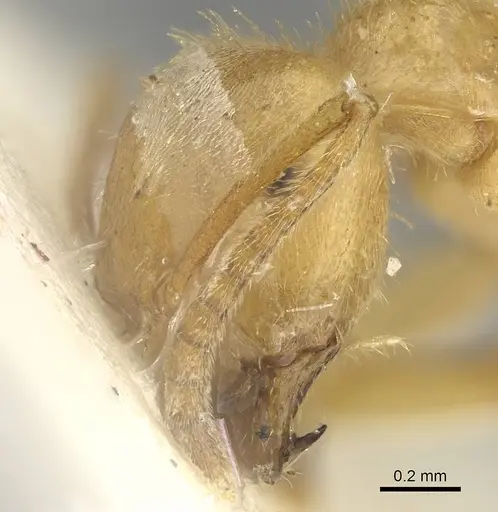
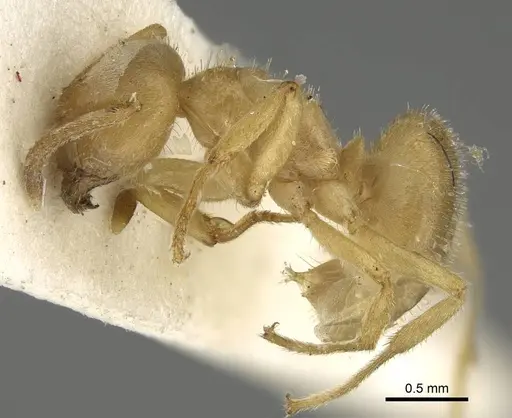
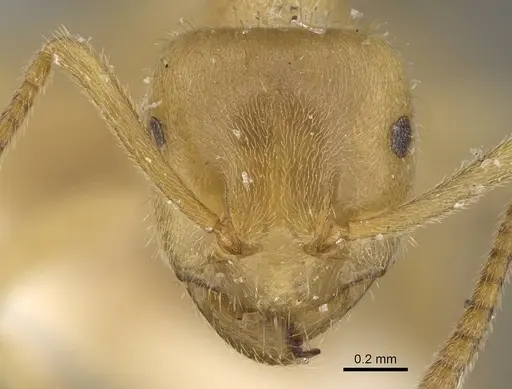
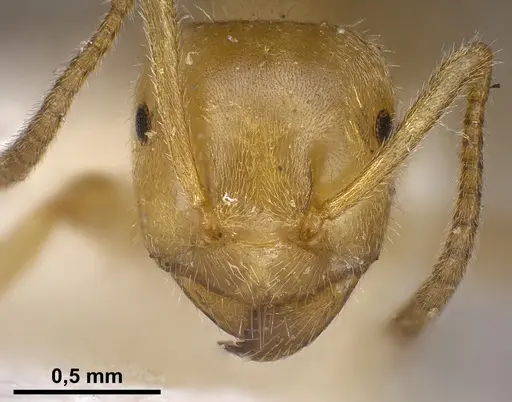
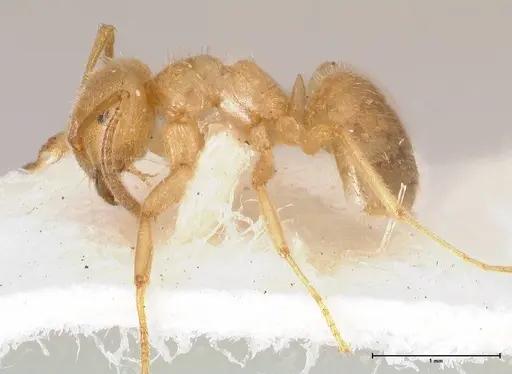
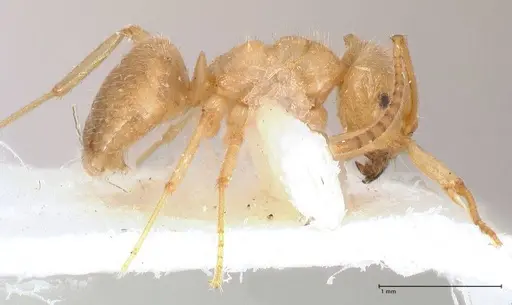
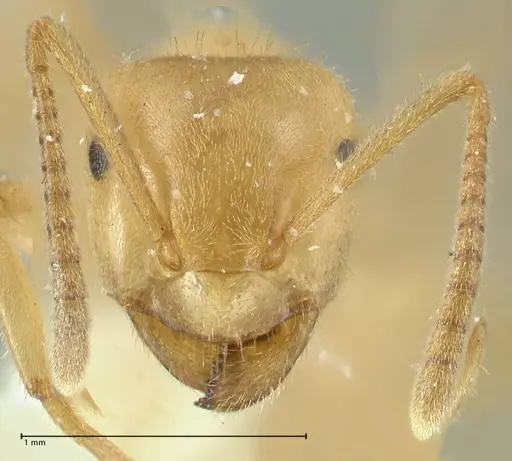
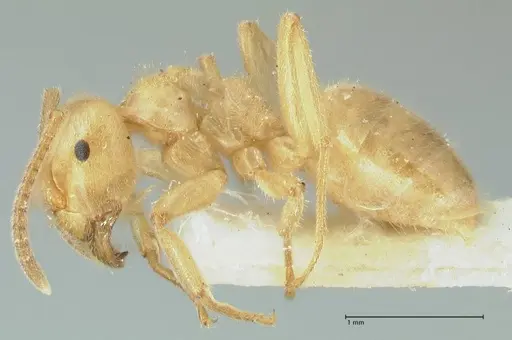
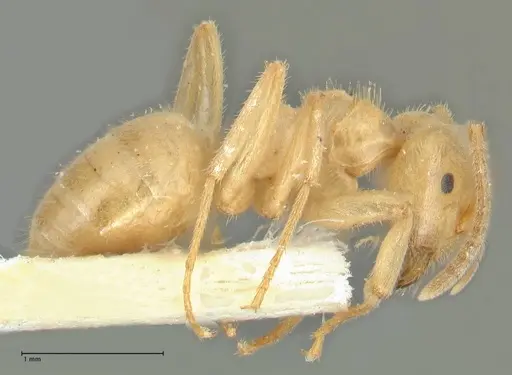
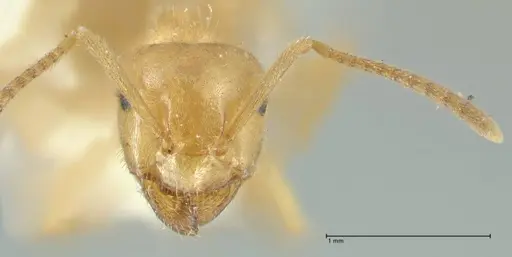
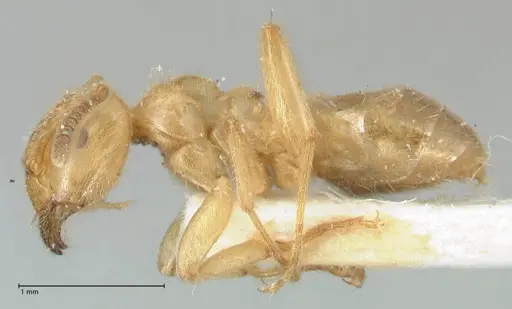
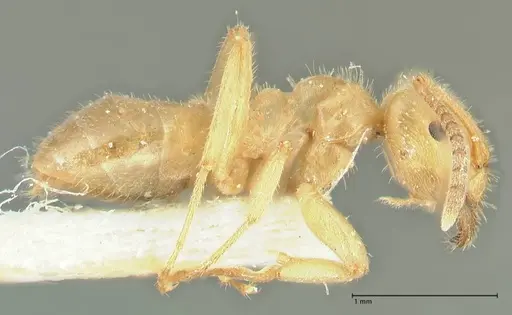
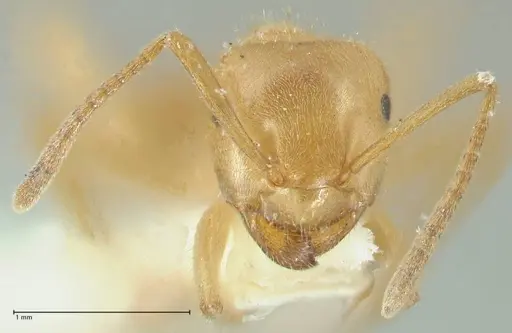
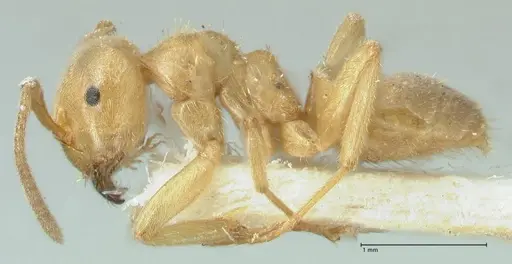
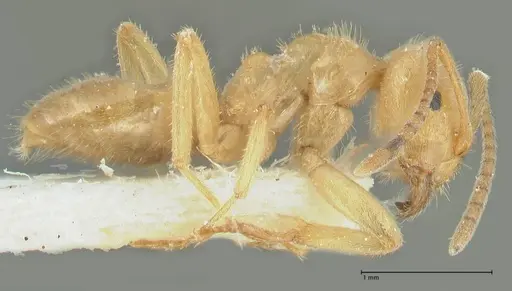
Lasius jensi is a small ant belonging to the subgenus Chthonolasius, easily recognized by its pale yellow coloration throughout the body including the appendages. Workers have distinctive erect hairs on the cheeks and underside of the head, and the antennal scapes are notably flattened. The petiolar scale narrows toward the top with a bluntly pointed to narrowly rounded apex. This species ranges across the Palaearctic region from Western Europe through Central Europe to Eastern Europe, the Balkans, and east to Kazakhstan and Korea, preferring dry, warm, sunny habitats such as calcareous grasslands, steppes, and rocky alpine pastures at elevations between 594-1520m [1][2]. The most remarkable aspect of this species is its biology as a temporary social parasite, it relies entirely on host colonies of Lasius alienus to establish new colonies, making it one of the most challenging Lasius species to keep in captivity [3][4].
Quick Summary
- Difficulty: Expert
- Origin & Habitat: Palaearctic region spanning from Western Europe (Belgium, France, Spain) through Central Europe (Germany, Austria, Poland, Czechia) to Eastern Europe (Russia, Ukraine), the Balkans (Greece, Bulgaria, Romania), and east to Kazakhstan and Korea. Inhabits xerothermic (dry and warm) habitats including steppes, calcareous grasslands, rocky alpine pastures, and open forests on limestone or sandy substrates. Prefers sunny sites with deeper soil where it builds underground nests with occasional soil mounds [2][5][4][6].
- Colony Type: Temporary social parasite, colonies cannot be founded independently. Newly mated queens must invade and take over colonies of Lasius alienus (confirmed main host) or possibly Lasius psammophilus (secondary host). The queen kills or replaces the host queen and uses host workers to raise her brood. Host workers typically disappear within 2 years after colony founding [7][5][3].
- Size & Growth:
- Queen:{.size-link} ~6-8mm, inferred from related Chthonolasius species
- Worker:{.size-link} ~3-4mm, inferred from Lasius genus
- Colony: Up to several hundred workers (estimated)
- Growth: Moderate, slow larval development noted for parasitic species
- Development: Unconfirmed, likely 6-10 weeks based on related Lasius species (Development has not been directly studied. Related Chthonolasius species typically show slow larval development, and parasitic species often have distinct developmental patterns [8].)
- Antkeeping:
- Temperature: Keep at 20-26°C, this is one of the most thermophilic Chthonolasius species, preferring warm conditions. A gentle gradient with a warm spot around 24-26°C works well [5][9][2].
- Humidity: Dry to moderate, prefers xerothermic (warm and dry) conditions. Keep substrate relatively dry, not waterlogged. Avoid excessive moisture which can harm colonies [5][2].
- Diapause: Yes, as a temperate species, provide a winter rest period. Based on similar Lasius species, provide 2-3 months at 5-10°C during winter [2].
- Nesting: Natural nesting involves underground chambers with cardboard-like fungal structures and occasional soil mounds. In captivity, provide deep substrate (at least 5-10cm) with dry to moderately moist conditions. Y-tong or plaster nests with adequate depth work well. The key requirement is having access to host colony workers initially [5][2].
- Behavior: Workers are shy and tend to flee when disturbed rather than show aggression. They are almost exclusively subterranean, foraging underground and rarely visible on the surface. They feed primarily on honeydew from root aphids they tend on plant roots near their nest. Escape risk is moderate, workers are not particularly small but use fine mesh barriers as precaution. The most critical behavioral note is that this species cannot establish colonies without a host, queens must invade existing Lasius alienus colonies [6][5][3].
- Common Issues: requires host colony, cannot found independently, making establishment extremely difficult, rare in the hobby, wild colonies are difficult to locate and collect, subterranean lifestyle means colonies are rarely visible and easy to miss, host species (Lasius alienus) must be present for successful colony founding, overheating or excessive humidity can kill colonies, they prefer dry, warm conditions
Understanding the Parasitic Lifestyle
Lasius jensi belongs to the subgenus Chthonolasius, which are all temporary social parasites. This means the species has evolved a unique colony founding strategy that differs dramatically from most ants. Unlike typical ants where a queen seals herself in a chamber and raises her first workers alone (claustral founding), Lasius jensi queens cannot establish colonies independently. Instead, after mating, a newly founded queen must locate an established colony of Lasius alienus (the main host species) and invade it. The invading queen kills or replaces the host queen and uses the host workers to raise her own brood. Over time, the host workers die off and are replaced by the parasite's own workers. This strategy is why Lasius jensi is considered one of the most challenging Lasius species to keep, you cannot simply set up a queen and wait for workers to emerge. The entire colony establishment process depends on having a compatible host colony present [3][5][4][6].
Housing and Nest Setup
Housing Lasius jensi successfully requires understanding their natural history. In the wild, they build underground nests with characteristic cardboard-like structures made from fungal material mixed with soil particles. They prefer deeper soil profiles in warm, dry, sunny locations, typically calcareous grasslands, steppes, or rocky areas with limestone substrate. For captivity, provide a deep nest setup (at least 5-10cm of substrate) with a Y-tong or plaster formicarium. Keep the substrate on the dry side, these are xerothermic ants that prefer warmth and moderate dryness over damp conditions. A heating cable on one side of the nest can create the temperature gradient they prefer. The most critical housing requirement is actually not the nest itself but having access to Lasius alienus workers, as the jensi colony will need these host workers to function initially [5][2][6].
Temperature and Seasonal Care
Lasius jensi is one of the most thermophilic (warmth-loving) species within the subgenus Chthonolasius. They thrive in temperatures ranging from 20-26°C, with an ideal warm spot around 24-26°C. This aligns with their natural preference for sunny, warm habitats in dry grasslands and steppes. During the active season (spring through fall), maintain warm and stable temperatures. For winter, as a temperate species, they require a diapause period. Provide 2-3 months of cold temperatures around 5-10°C, similar to other European Lasius species. The combination of warm summer temperatures and proper winter dormancy is essential for colony health. Avoid keeping them too cold or too damp, as this species is adapted to drier, warmer conditions than many other Lasius species [5][9][2][10].
Feeding and Diet
In the wild, Lasius jensi workers feed primarily on honeydew produced by aphids that they tend on plant roots near their nest. This is a subterranean foraging preference, they maintain underground relationships with root aphids rather than the above-ground aphid colonies seen with other Lasius species. For captive feeding, offer sugar water or honey water as a substitute for honeydew. They will also accept small insects as protein, though their predatory behavior is less pronounced than some other Lasius species. The key dietary consideration is that established colonies do well on regular sugar sources and occasional protein. However, the most important feeding requirement actually applies to the host Lasius alienus colony, ensuring the host colony is well-fed will help the parasitic colony establish successfully [6][5][3].
Colony Establishment - The Critical Challenge
The biggest challenge with Lasius jensi is establishing a colony in the first place. Unlike most ant species where you can catch a queen and start a colony, Lasius jensi requires a multi-step process. You have two main approaches: (1) Find a mixed colony in the wild where Lasius jensi workers are already living with Lasius alienus host workers, these are occasionally discovered, such as the mixed nest found in Luxembourg where yellow and black workers were evacuating cocoons together [6]. (2) Attempt to introduce a newly mated Lasius jensi queen into an established Lasius alienus colony, this is the natural method but has low success rates even in the wild. Given these challenges, Lasius jensi is considered an expert-level species suitable only for experienced antkeepers who understand parasitic colony dynamics and can source both the parasite and host species [6][3][4][5].
Behavior and Temperament
Lasius jensi workers are characterized by their shy, non-aggressive temperament. When disturbed or when their nest is exposed, they tend to flee rather than defend. This contrasts with host species like Lasius flavus, which are more aggressive when threatened. Their activity is primarily subterranean, they spend most of their time underground and are rarely seen on the surface, which makes field detection difficult. This cryptic lifestyle contributes to their rarity in collections and scientific records. Workers are pale yellow throughout, making them resemble Lasius flavus workers, but they are generally more robust and have distinctive erect hairs on the cheeks and underside of the head. The escape risk is moderate, while not tiny ants, they can squeeze through small gaps, so standard barrier precautions are advisable [6][5][3].
Frequently Asked Questions
Can I keep Lasius jensi as a pet ant?
Keeping Lasius jensi is extremely challenging and not recommended for beginners. This is a temporary social parasite that requires a host colony (Lasius alienus) to establish. Unlike most ant species where you can start with a queen, Lasius jensi queens cannot found colonies independently. You either need to find an already-established mixed colony in the wild or attempt to introduce a queen into a host colony, both of which are difficult. This species is considered expert-level [3][6][5].
How do I start a Lasius jensi colony?
You cannot start a Lasius jensi colony the traditional way. The queen must invade and take over a Lasius alienus colony. The practical options are: (1) Find an existing mixed colony in the wild, these are rare but occasionally discovered, or (2) Collect both Lasius jensi and Lasius alienus colonies and attempt a controlled introduction, which has low success rates. There is no reliable method for captive breeding yet [6][3][4][5].
What do Lasius jensi eat?
Lasius jensi feeds primarily on honeydew from root aphids they tend underground. In captivity, they accept sugar water or honey water as a substitute. They will also take small insects for protein, though they are not strong predators. The key is providing consistent sugar sources and occasional protein, similar to other Lasius species, but with emphasis on sugar/honeydew sources [6][5][3].
Do Lasius jensi need hibernation?
Yes, as a temperate species from Central Europe, Lasius jensi requires a winter dormancy period. Provide 2-3 months at temperatures around 5-10°C during winter, similar to other European Lasius species. This diapause period is important for colony health and reproductive cycles [2][10].
What temperature do Lasius jensi need?
Keep Lasius jensi warm, they are one of the most thermophilic Chthonolasius species. Aim for 20-26°C with a warm spot around 24-26°C. They prefer warm, dry conditions and will thrive with a temperature gradient. Avoid cool or damp conditions, as they are adapted to xerothermic (warm and dry) habitats [5][9][2][10].
Are Lasius jensi aggressive?
No, Lasius jensi workers are shy and non-aggressive. When threatened or when their nest is disturbed, they flee rather than attack. This is in contrast to host species like Lasius flavus, which are more defensive. Their subterranean lifestyle also means they are rarely encountered and avoid confrontation [6][5][3].
How big do Lasius jensi colonies get?
Colony size is not well-documented, but based on related Chthonolasius species, established colonies likely reach several hundred workers. The host workers typically die off within 2 years of colony founding, leaving only the parasite's own workers. The overall colony size is probably similar to other small Lasius species [7][5][3].
What is the host species for Lasius jensi?
Lasius alienus is the confirmed main host species for Lasius jensi. Lasius psammophilus is suspected as a secondary host. In the wild, the queen invades a host colony, kills or replaces the host queen, and uses the host workers to raise her brood. This dependency makes keeping Lasius jensi extremely difficult since you need both species [3][5][4][10].
Where does Lasius jensi live naturally?
Lasius jensi lives across the Palaearctic region from Western Europe to Central Europe, the Balkans, and east to Kazakhstan and Korea. They inhabit dry, warm habitats like calcareous grasslands, steppes, and rocky alpine pastures. They prefer sunny sites with deeper soil on limestone or sandy substrates. They are found at altitudes from near sea level up to 1520m in mountainous areas [1][2][4][5].
Report an Issue
The current care sheet is based fully on literature. See inconsistencies, or something that's incorrect? Please , it will be resolved after review from an admin. Contributing to the blogs tab also helps providing information, to make us be able to further improve the caresheets. Thank you for your support!
References

This caresheet is licensed under CC BY-SA 4.0 .
CASENT0172739
View on AntWeb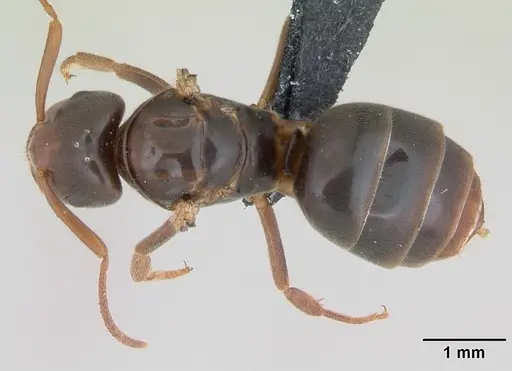
CASENT0280463
View on AntWeb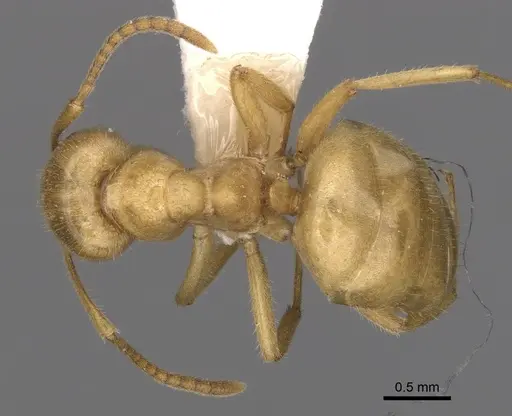
CASENT0280469
View on AntWeb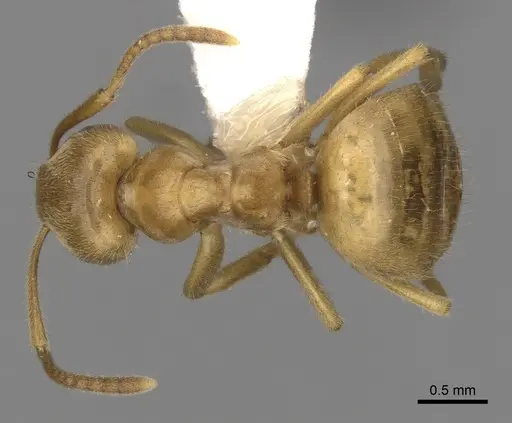
CASENT0907590
View on AntWeb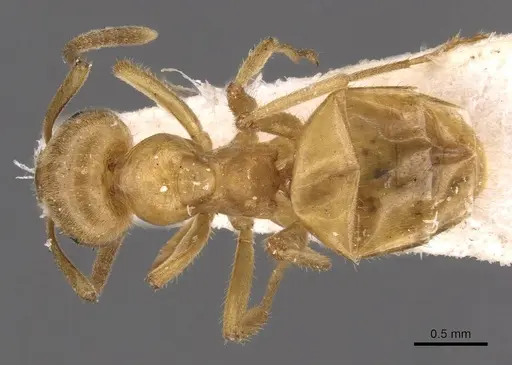
CASENT0912285
View on AntWeb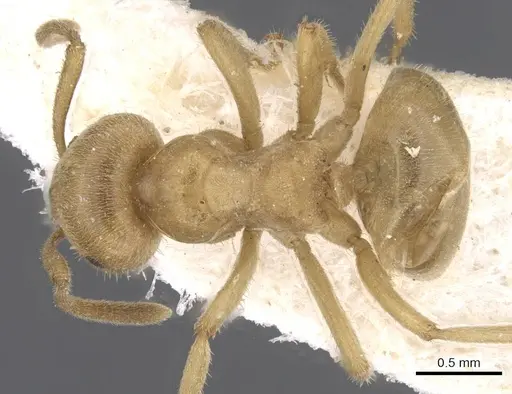
CASENT0917493
View on AntWeb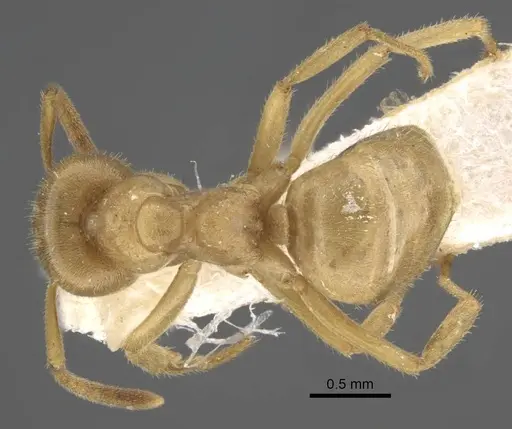
CASENT0922323
View on AntWeb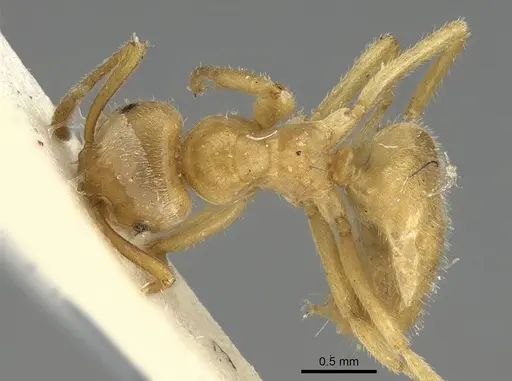
CASENT0922324
View on AntWeb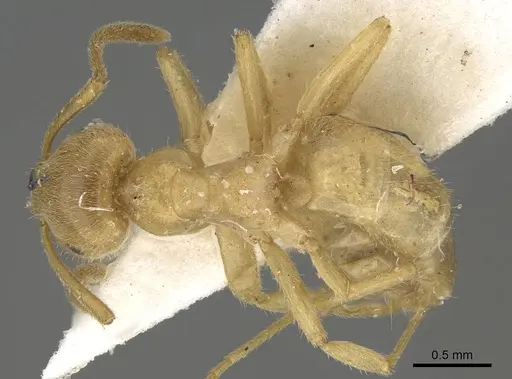
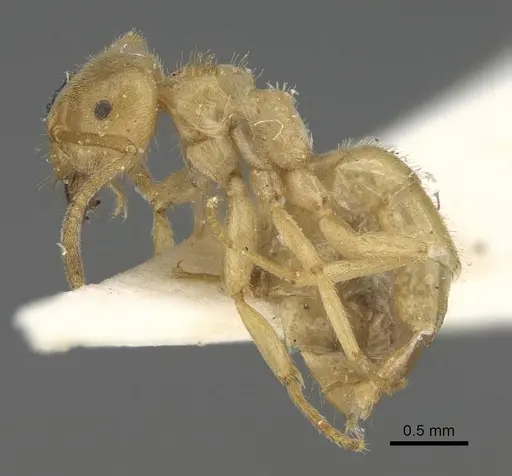
FOCOL0755
View on AntWeb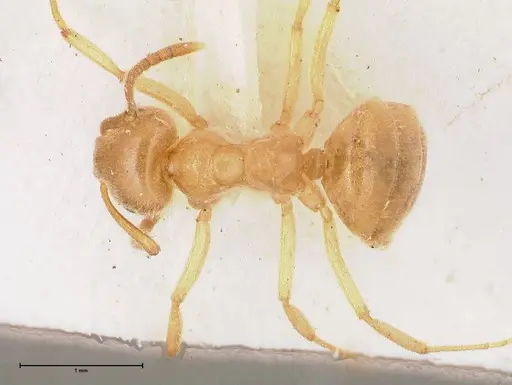
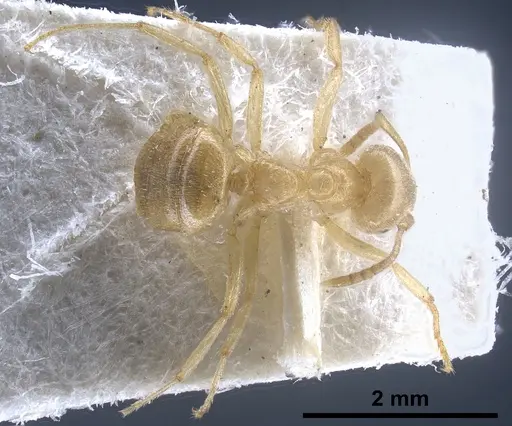
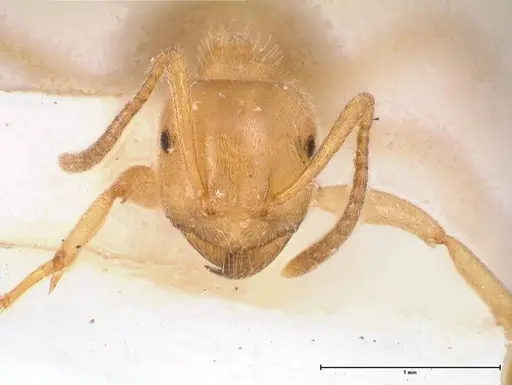
FOCOL1862
View on AntWeb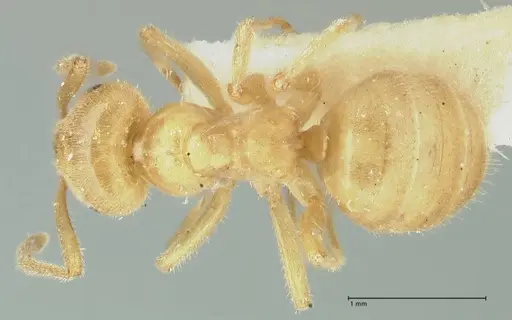
FOCOL1863
View on AntWeb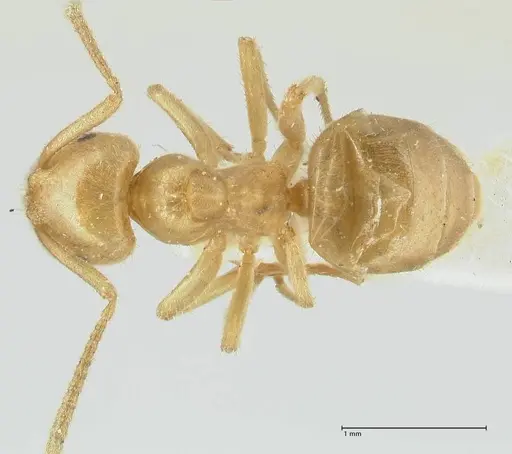
FOCOL1864
View on AntWeb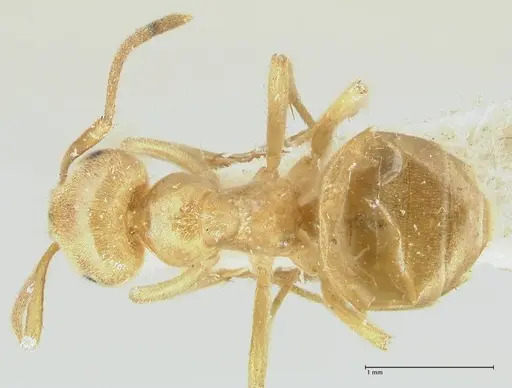
Literature
Loading...Loading products...