

Lasius minutus
- Scientific Name
- Lasius minutus
- Tribe
- Lasiini
- Subfamily
- Formicinae
- Author
- Emery, 1893
- Common Name
- Mound-building Swamp Ant
- Distribution
- Found in 2 countries
Lasius minutus Overview
Lasius minutus (commonly known as the Mound-building Swamp Ant) is an ant species of the genus Lasius. It is primarily documented in 2 countries , including Canada, United States of America. Detailed taxonomic data and occurrence records can be further explored via authoritative databases such as AntWeb or the Global Biodiversity Information Facility (GBIF).
Lasius minutus - "Mound-building Swamp Ant"
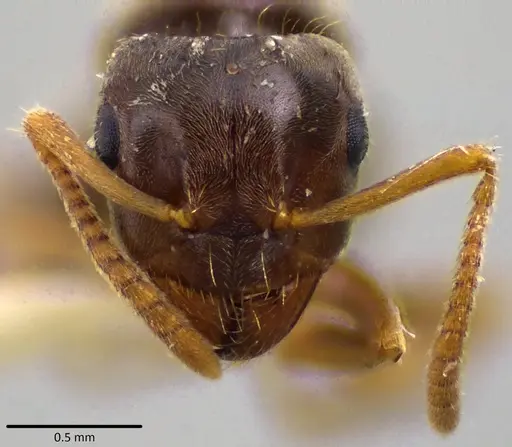
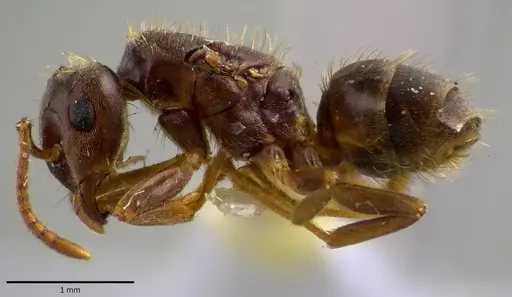
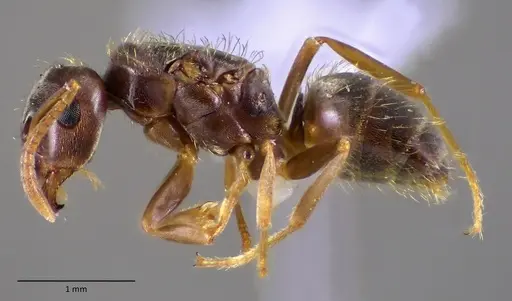
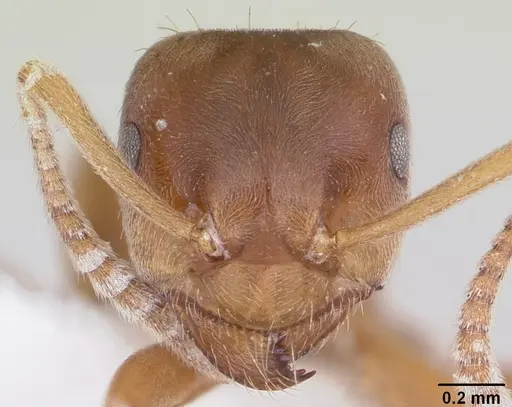
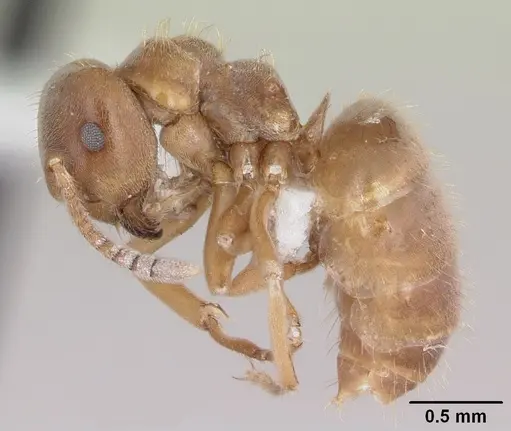
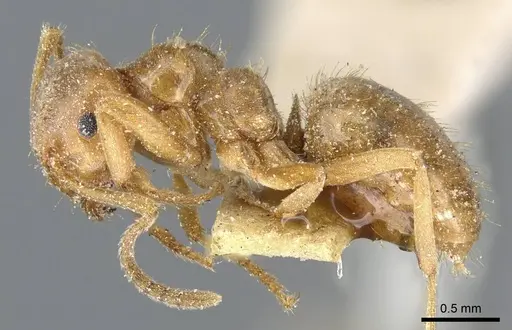
Lasius minutus is a small, yellow to brownish-yellow ant native to eastern North America. Despite its name, the workers are not unusually small at 3.2-4.0mm, it's the queens that are notably tiny. This species is most easily recognized by the very long hairs on its gaster (abdomen), which are longer than the width of the hind tibia. Workers have a pale to medium orangish-brown color with a fine grayish sheen from dense microscopic hairs. They build distinctive mounds in wetlands and are primarily honeydew feeders, tending aphids on grass and sedge roots. This species is a temporary social parasite, its queens invade colonies of other Lasius species (like Lasius alienus) to establish their own colonies.
Quick Summary
- Difficulty: Medium
- Origin & Habitat: Eastern North America, from Nova Scotia south to Virginia and west to Indiana/Minnesota. Found in sphagnum bogs, fens, swampy meadows, and wet prairies. Occasionally moves into open, dry forests. Builds large mounds in open areas, sometimes in masonry domes [1].
- Colony Type: Monogyne (single queen) colonies with polydomous structure, colonies can consist of multiple connected mounds [1]. Queens are temporary social parasites that invade host colonies of Lasius alienus and Lasius pallitarsis [1][2].
- Colony: Monogyne
- Queen: Temporary parasitic
- Size & Growth:
- Queen: Small, head width 1.02-1.17mm [3]
- Worker: 3.2-4.0mm [1][4]
- Colony: Large, mounds can contain hundreds to thousands of workers, 100 mounds found in 10 acres of swamp-marsh in Michigan study [1]
- Growth: Moderate
- Development: 6-10 weeks (estimated based on typical Lasius development patterns) (Development inferred from genus-level data, specific timing for this species not directly studied)
- Antkeeping:
- Temperature: Keep cool, aim for 18-22°C. This matches their bog/fen habitat where temperatures remain low even in summer [1].
- Humidity: High humidity required. Keep substrate consistently moist but not waterlogged, these are wetland ants that need damp soil conditions. Provide a water tube as their primary moisture source [1].
- Diapause: Yes, this is a temperate species requiring winter hibernation. Nuptial flights occur late August to September, suggesting a seasonal cycle [1]. Provide 4-6 weeks at 5-10°C during winter.
- Nesting: Y-tong (AAC) nests work well given their subterranean nature. Provide deep chambers or a test tube setup with moist substrate. Avoid dry conditions, they naturally nest in bogs and swamps. A naturalistic setup with soil and a moisture reservoir mimics their natural habitat.
- Behavior: Hypogaeic (subterranean) lifestyle, workers rarely come to the surface except during nuptial flights. They forage through tunnels in moist soil and stay hidden much of the time. Workers are not aggressive and rarely sting. Mass nuptial flights occur in late afternoon (2:30-5:30pm) from late August to September, with alates climbing plant stems in large numbers before taking flight. Escape risk is moderate, they are small but not particularly active outside the nest.
- Common Issues: high humidity is critical, colonies fail in dry conditions, temporary parasitic founding means you need a host colony or must allow queen to invade, slow growth compared to non-parasitic species due to parasitic founding strategy, mounds require space, polydomous colonies may expand to multiple connected chambers, winter diapause is essential for long-term colony health
Natural History and Distribution
Lasius minutus is found throughout eastern North America, from Nova Scotia and Quebec in the north, south to Virginia, and west to Minnesota, Iowa, and Indiana. This species strongly prefers wetland habitats, sphagnum bogs, fens, swampy meadows, and wet prairies. They will occasionally move into open, dry forests, but their primary habitat is always moist. The species is considered spatially rare and is one of five species strongly associated with bogs, wetlands, and heath habitats in research studies [5].
One of the most distinctive features of this species is its mound-building behavior. Mounds can range from 5 to 26 inches tall (13-66cm) and 10 to 45 inches (25-114cm) in diameter, with an average of 14 inches tall and 24 inches across. These mounds are often found in open areas and have distinctive flat tops lightly overgrown with plants. The interior is completely galleried and soft when the colony is flourishing [1].
This ant is a temporary social parasite. The queens invade established colonies of other Lasius species (specifically Lasius alienus and Lasius pallitarsis), kill or replace the host queen, and use the host workers to raise their first brood. This parasitic relationship is why they are difficult to establish in captivity, they cannot found colonies independently like most ants [1][2].
Colony Structure and Behavior
Lasius minutus colonies are monogyne (single queen) but exhibit polydomous behavior, a single colony can consist of multiple mounds connected by underground tunnels. Research in Michigan found that colonies often have one or more mounds, with as many as 100 mounds found in just 10 acres of suitable swamp-marsh habitat [1].
Workers are hypogaeic, meaning they spend most of their time underground. They forage by making tunnels through moist soil, typically 1/2 to 2 inches below the surface where small roots are abundant. Workers are rarely seen at the surface except during nuptial flight season. They mainly feed on honeydew from aphids and other insect excretions, research shows they tend aphids (Prociphilus sp.) on grass and sedge roots [1].
The species has a distinctive mass movement behavior during nuptial flights. Hundreds of alates (reproductive ants) will climb up and down plant stems simultaneously. They fly readily when conditions are right, but if wind shakes the grasses or light brightens, they all retreat downward. This behavior may repeat multiple times before actual flight occurs [1].
Nuptial Flights and Reproduction
Nuptial flights occur from late August through September, with alate pupae found between June 17 and September 9,and adult alates present from July 25 to October 7. The actual flights are typically observed between August 27 and September 27 in the Michigan study [1].
Flights occur in late afternoon, usually between 2:30 and 5:30 pm. The preferred conditions are hazy skies or when the nest is shaded, with temperatures ranging from 72-88°F (22-31°C). High relative humidity and approaching rain favor good flying conditions. Too bright light, wind, or cold prevents flights entirely. Workers prepare for flights by making numerous openings on the mound surface, and on unsuitable days, they guard these openings to keep males and females from emerging [1].
This timing means colonies in captivity will need a seasonal cycle with cooler winter temperatures to trigger proper reproductive development. The late-season flight timing also suggests the species is well-adapted to temperate climates with distinct seasons.
Housing and Nest Setup
Because Lasius minutus is a subterranean species that prefers cool, damp conditions, the ideal setup mimics their natural bog habitat. A Y-tong (AAC) nest or a deep test tube setup works well. The key requirements are:
- High humidity, keep the nest substrate consistently moist but not waterlogged. These ants naturally live in wetlands, so dryness is fatal.
- Cool temperatures, aim for 18-22°C. They are not a warm-weather species and will struggle in hot conditions.
- Dark environment, being hypogaeic, they prefer dim conditions and will be more active when the nest is covered.
- Deep chambers, they naturally tunnel underground, so provide deeper rather than shallow nest spaces.
For the outworld, a simple setup with a moisture source (like a water tube) is sufficient. Since they are not aggressive and rarely come to the surface, you don't need an elaborate foraging area. A small container with moist soil or a plaster setup with a water reservoir works well.
Because this is a temporary social parasite, established colonies are easier to maintain than newly founded ones. If you acquire a queen, you may need to introduce her to a host colony (Lasius alienus workers) for successful founding, this is a specialized technique that advanced antkeepers use. [1]
Feeding and Diet
Lasius minutus is primarily a honeydew feeder. In the wild, they tend aphids (Prociphilus sp.) on the roots of grasses and sedges in their wetland habitat. They also consume the excretions of other insects kept as cohabitants in their underground nests [6].
In captivity, offer sugar water or honey water as a constant food source. They will also accept small insects for protein, though this is less central to their diet than for predatory species. The key is providing a steady sugar source, a cotton ball soaked in diluted honey or sugar water works well.
Because they are subterranean and rarely come to the surface, place food near their nest entrance or in the foraging area. They are not active foragers in the traditional sense, so don't expect them to immediately swarm food items. Remove uneaten sugar sources after a few days to prevent mold.
Avoid overfeeding, these are not heavy feeders compared to some other ant species. A small amount of sugar water every few days, plus occasional small insects, is sufficient for an established colony.
Seasonal Care and Diapause
As a temperate species native to northern North America, Lasius minutus requires a winter diapause period. In their natural range, temperatures drop significantly below freezing in winter, and the colonies have adapted to this seasonal cycle.
Provide 4-6 months of hibernation at temperatures between 5-10°C. This can be done by moving the colony to an unheated garage, basement, or refrigerator (not freezer). During this time, the colony will be less active and may cluster together for warmth.
Before hibernation, make sure the colony is well-fed, they need reserves to survive the winter. Keep the substrate slightly moist during hibernation but not wet. A test tube setup with a water reservoir works well as the moisture will last through the winter without intervention.
In spring (around March-April, depending on your location), gradually warm the colony back to room temperature. This triggers the breeding cycle. By late summer, you should see alates developing, with nuptial flights occurring in late August-September.
Skipping hibernation will weaken the colony over time and prevent proper reproductive development. This is essential for long-term success with this species. [1]
Frequently Asked Questions
How long does it take for Lasius minutus to produce first workers?
Development time is estimated at 6-10 weeks from egg to worker based on typical Lasius genus patterns. The actual timing depends on temperature, cooler conditions slow development. As a temporary social parasite, the colony also needs time to establish after the host queen is replaced, which can add to the overall timeline.
Can I keep Lasius minutus in a test tube setup?
Yes, a test tube setup works well for this species. They prefer high humidity and moist conditions, so a well-watered test tube with a cotton plug maintains the necessary moisture. Cover the tube to provide the dark conditions they prefer. For larger colonies, consider a Y-tong nest or naturalistic setup with moist substrate.
What temperature do Lasius minutus need?
Keep them cool, aim for 18-22°C. This species is adapted to bog and fen habitats where temperatures remain low even in summer. Avoid warm conditions above 25°C, as this can stress the colony. A room-temperature environment (around 20°C) is ideal.
Do Lasius minutus need hibernation?
Yes, they require a winter diapause period. As a temperate species from northern North America, they need 4-6 months at 5-10°C each winter. Skip hibernation and the colony will weaken over time and fail to produce alates properly. Provide hibernation from late fall through early spring.
How big do Lasius minutus colonies get?
Colonies can become quite large with multiple mounds. In the wild, researchers found 100 mounds in just 10 acres of suitable habitat. Each mound can contain hundreds of workers, so a mature colony may have thousands of workers spread across multiple connected mounds.
What do Lasius minutus eat?
They primarily feed on honeydew. In captivity, provide a constant source of sugar water or diluted honey. They will also accept small insects occasionally for protein. Place sugar sources near their nest since they are not active surface foragers.
Are Lasius minutus good for beginners?
This species is rated as medium difficulty. While not aggressive and relatively small, their specific requirements (high humidity, cool temperatures, winter hibernation, and parasitic founding) make them better suited for intermediate antkeepers. They are also quite rare in the antkeeping hobby.
Why is Lasius minutus called 'minutus' if workers aren't small?
Despite the name meaning 'tiny' or 'minute, ' the workers are actually 3.2-4.0mm, not unusually small for a Lasius ant. The name refers to the queens, which are notably tiny compared to other Lasius species. The queen's small size is one of the distinguishing features of this species.
References

This caresheet is licensed under CC BY-SA 4.0 .
ANTWEB1041691
View on AntWeb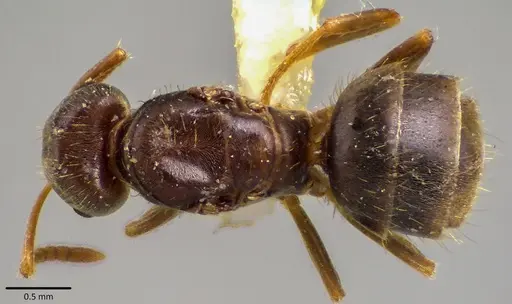
ANTWEB1048501
View on AntWeb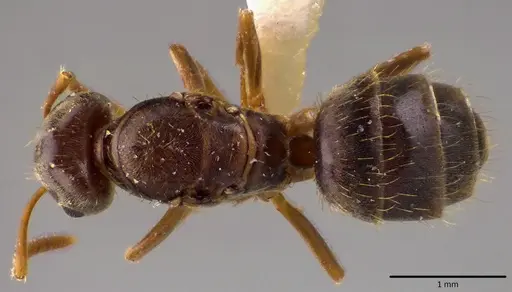
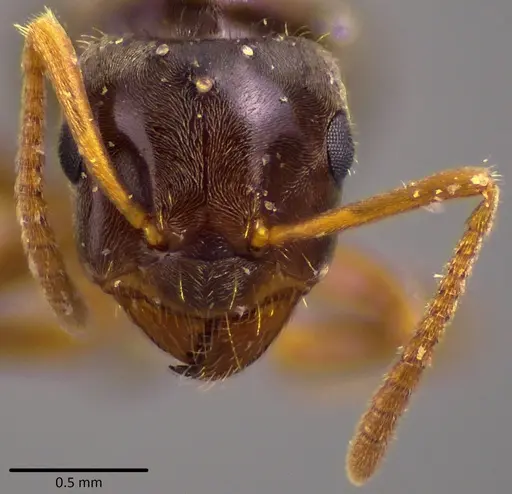
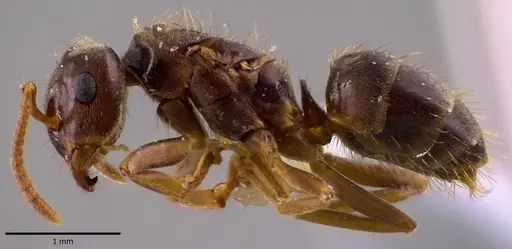
ANTWEB1060171
View on AntWeb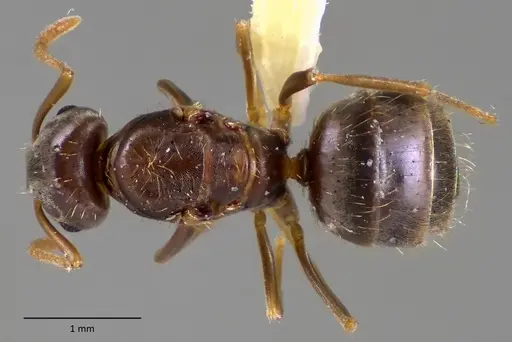
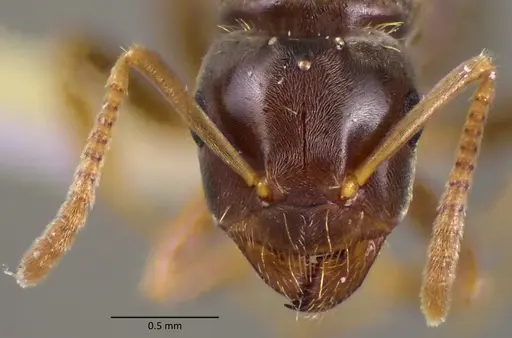
CASENT0104880
View on AntWeb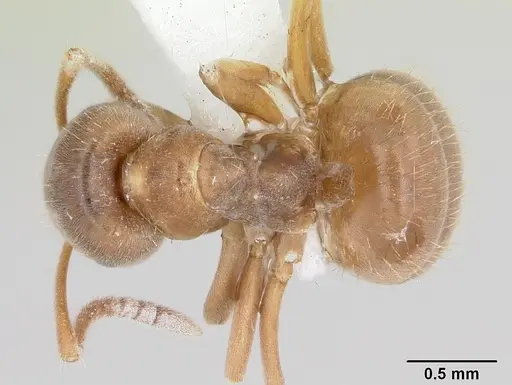
CASENT0905681
View on AntWeb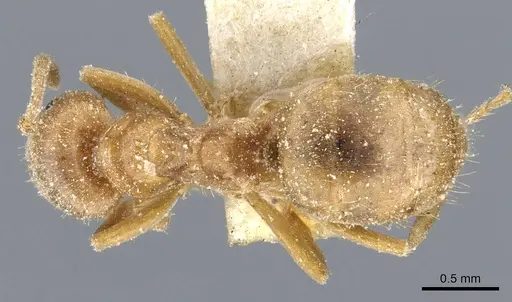
Literature
Loading...Loading products...