
Lasius umbratus follows a consistent seasonal pattern with peak activity in July. The flight window runs from June to August, providing several months of opportunity for observations.
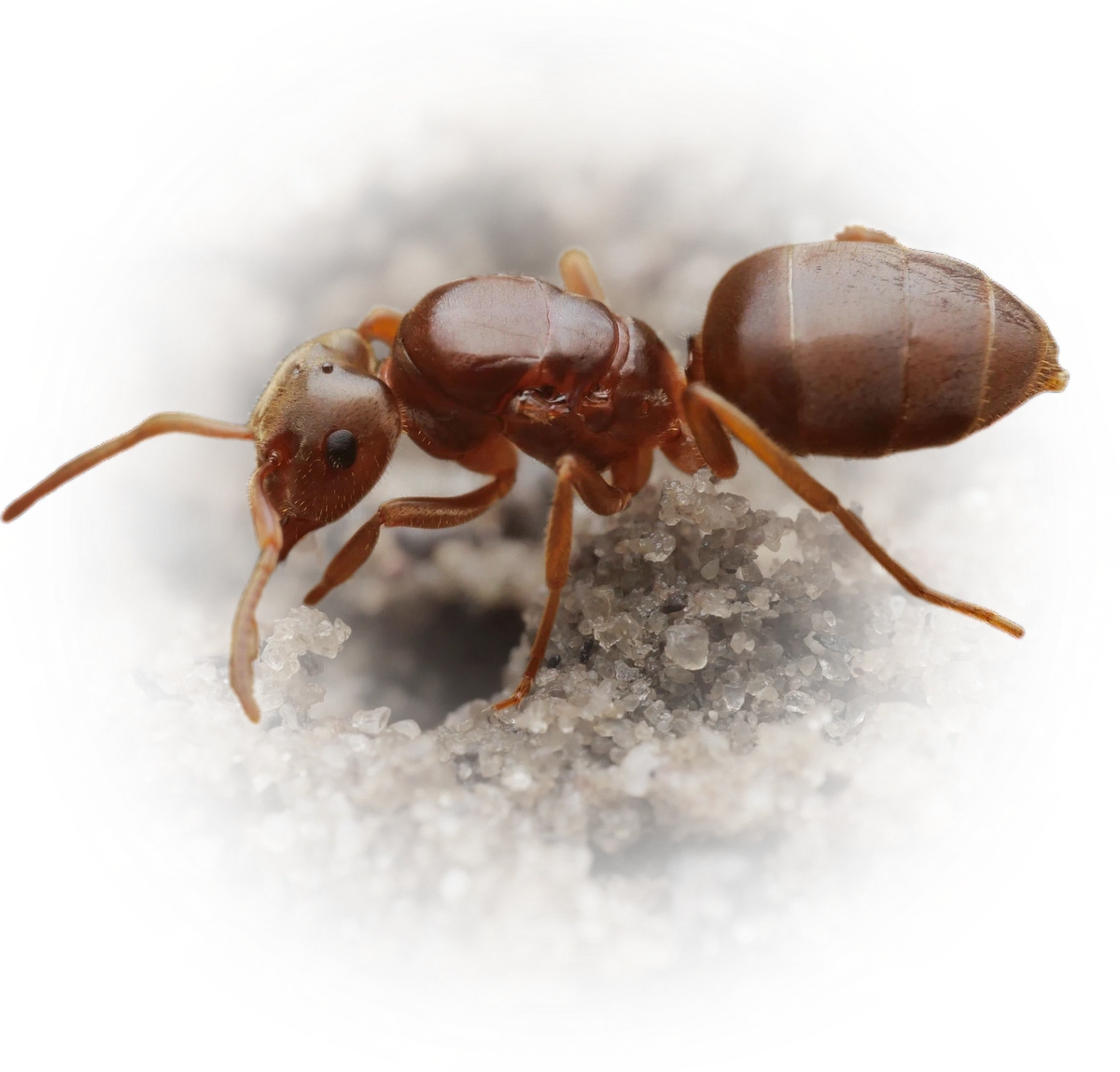
Lasius umbratus
- Scientific Name
- Lasius umbratus
- Tribe
- Lasiini
- Subfamily
- Formicinae
- Author
- Nylander, 1846
- Common Name
- Yellow Shadow Ant
- Distribution
- Found in 17 countries
- Nuptial Flight
- from June to August, peaking in July
AI Identifiable
try →
Lasius umbratus Overview
Lasius umbratus (commonly known as the Yellow Shadow Ant) is an ant species of the genus Lasius. It is primarily documented in 17 countries , including Belgium, Canada, Switzerland. Detailed taxonomic data and occurrence records can be further explored via authoritative databases such as AntWeb or the Global Biodiversity Information Facility (GBIF).
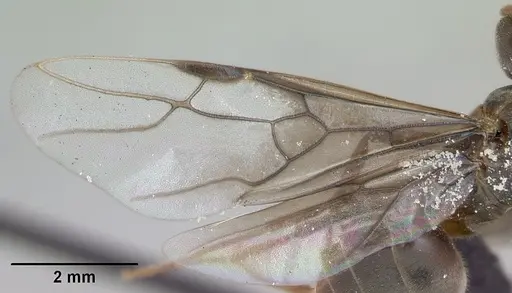
The nuptial flight of Lasius umbratus is a significant biological event, typically occurring from June to August, peaking in July. During this time, winged queens and males leave the nest to mate and establish new colonies.
Lasius umbratus - "Yellow Shadow Ant"
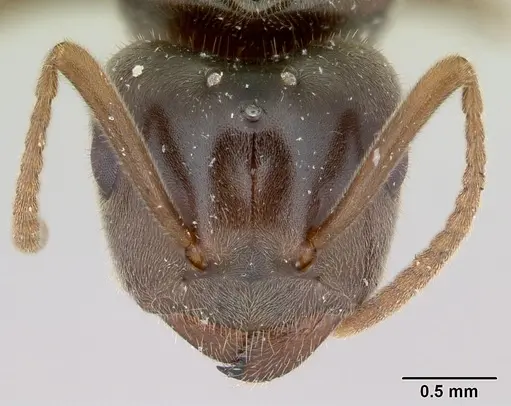
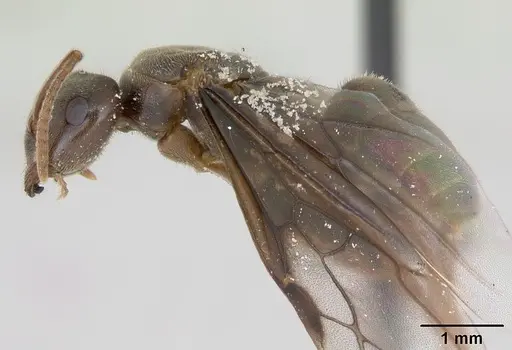
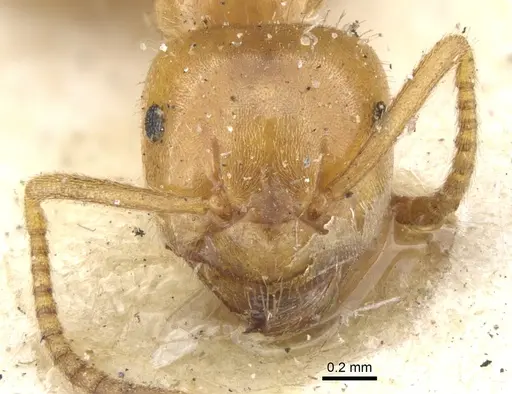
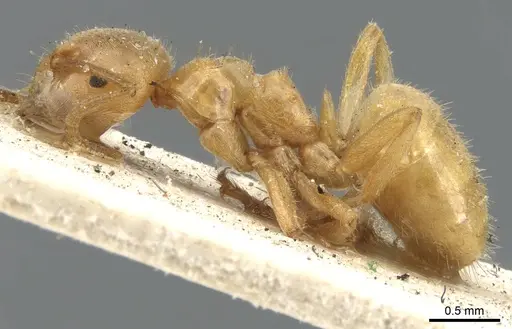
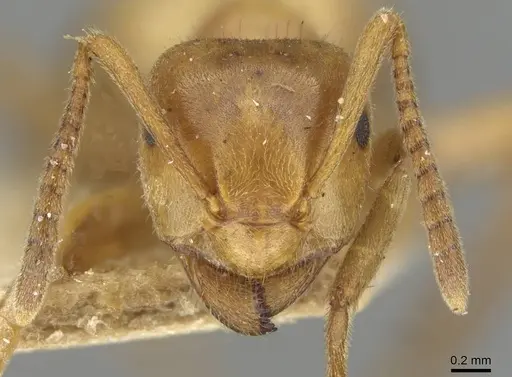
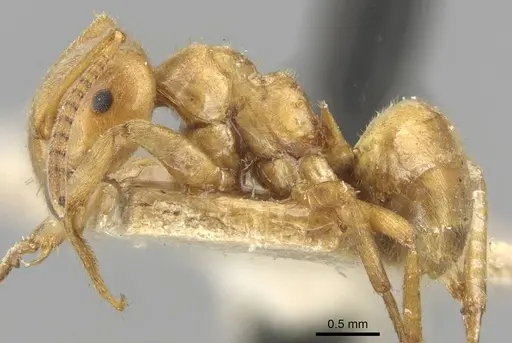
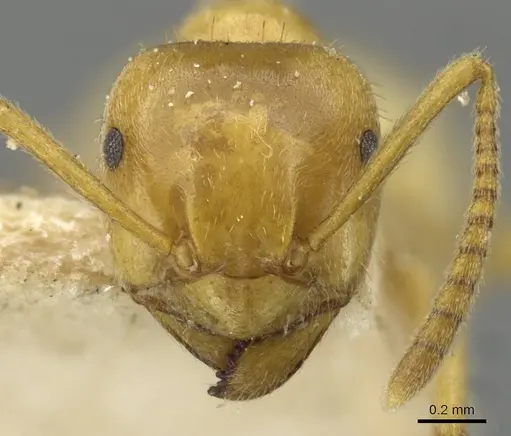
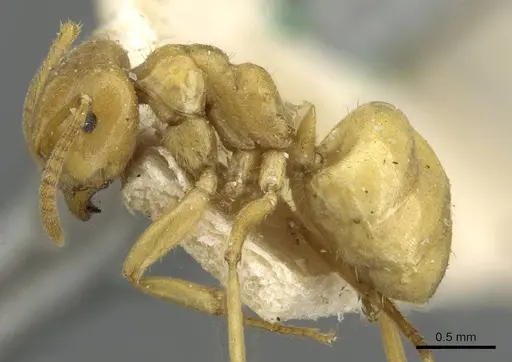
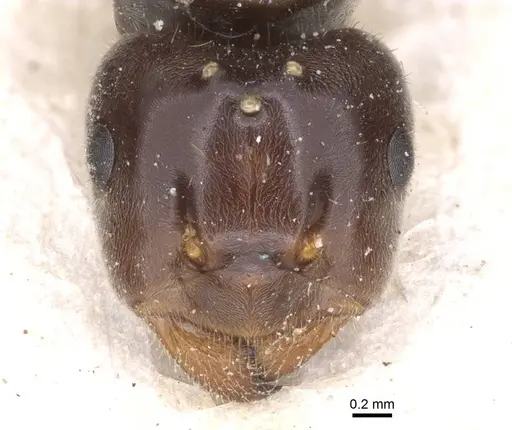
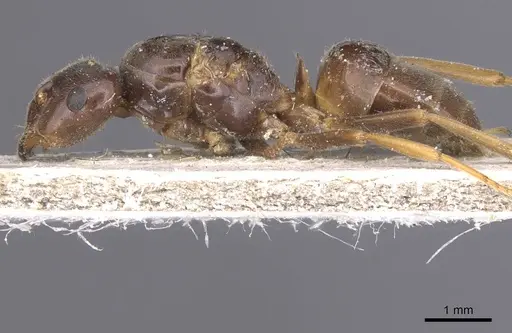
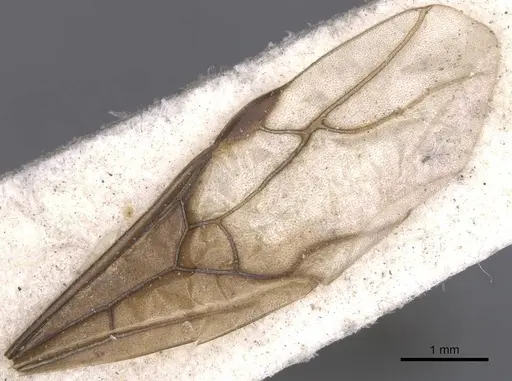
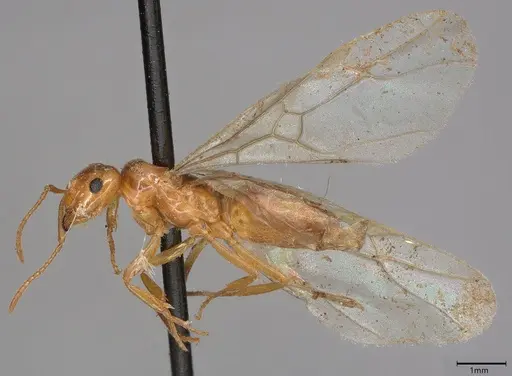
Lasius umbratus is a small to medium-sized yellowish ant belonging to the subgenus Chthonolasius, known for its temporary social parasitic lifestyle. Workers measure 3.2-4.5mm and are pale yellow to yellowish-brown in color, while queens are larger at 6-8mm with a brownish coloration. Males are notably darker at 3.5-4.8mm and appear black. This species is characterized by its numerous erect hairs on the antennal scapes and tibiae, which helps distinguish it from similar species like Lasius flavus [1]. The species has a Palearctic distribution, ranging from Europe through central and eastern Asia to Japan, and has also been introduced to parts of North America [2]. Lasius umbratus is a strictly subterranean ant that rarely forages above ground, making it challenging to observe in the wild. It inhabits various humid habitats including forests, gardens, meadows, and areas near tree roots, where it builds deep nests in soil or under stones [3].
Quick Summary
- Difficulty: Expert
- Origin & Habitat: Palearctic species found across Europe, from Portugal to the Caucasus and from North Africa to the Netherlands, also ranging east to Japan. Introduced to eastern North America. Inhabits humid forests, gardens, meadows, and areas with tree roots across its range [3][1].
- Colony Type: Temporary social parasite, single queen colonies (monogyne) that require invasion of host Lasius s.str. colonies (primarily L. niger, L. platythorax, L. brunneus, or L. psammophilus) to establish new colonies. The parasite queen kills the host queen and takes over the colony [3][4].
- Colony: Monogyne
- Queen: Socially parasitic, Temporary parasitic
- Founding: Pleometrosis
- Size & Growth:
- Antkeeping:
- Temperature: Keep at room temperature, ideally 18-22°C. This is a temperate species that prefers cooler conditions than many tropical ants. Avoid temperatures above 25°C [6].
- Humidity: Requires moderate to high humidity. Keep nest substrate consistently moist but not waterlogged. These ants prefer humid forest floor conditions and are often found near moisture [3].
- Diapause: Yes, requires a winter rest period of 3-4 months at 5-10°C, typically from November to March in temperate regions [3].
- Nesting: Deep soil nests or nests under stones, in rotting tree stumps, and at tree roots. In captivity, use a deep test tube setup or plaster nest with moisture chambers. The nest should allow for deep chambers as they naturally nest 30-60cm deep in the wild [7].
- Behavior: Extremely secretive and nearly subterranean. Workers rarely emerge above ground and spend most of their time in underground tunnels tending to root aphids. They are not aggressive and have no sting. Escape risk is moderate, workers are small but not particularly adept at climbing smooth surfaces. They form well-developed foraging trails underground and are primarily nocturnal in their surface activity. The species is known for its temporary social parasitic founding behavior where queens must invade host colonies [3][8].
- Common Issues: establishing a colony is extremely difficult, requires simultaneous host colony (L. niger or similar) and careful introduction of the parasite queen, strictly subterranean lifestyle means you rarely see workers, making it difficult to monitor colony health, colonies can become very large (20,000+ workers) requiring significant space and resources over time, overwintering failure is common, must provide proper cold period or colony may decline, mixed colonies with host species require careful management as the parasite queen eventually causes host queen death
Nuptial Flight Activity Analysis 821 observations
Flight Activity by Hour 821 observations
Lasius umbratus nuptial flight activity peaks around 20:00 during the evening. Activity is spread across a 13-hour window (11:00–23:00). Times may be influenced by human observation patterns.
Colony Founding and Social Parasitism
Lasius umbratus is a temporary social parasite, meaning its queens cannot found colonies independently like most ants. Instead, a newly mated queen must find and invade a nest of a host species from the subgenus Lasius s.str., primarily Lasius niger, L. platythorax, L. brunneus, or L. psammophilus [3]. The queen approaches a host nest, grabs and kills a worker, then rubs herself with the dead worker's scent to mask her own odor. She enters the host nest and gradually becomes accepted through glandular secretions that host workers lick eagerly. Over time, host workers杀死 their own queen (the parasite queen produces more attractive pheromones), and the colony gradually transitions to become a pure L. umbratus colony [8][4]. This parasitic foundation is one of the most challenging aspects of keeping this species, you must maintain a healthy host colony to introduce the parasite queen to. In captivity, this typically involves introducing a dealate L. umbratus queen to an established L. niger colony and allowing the takeover process to occur [9].
Housing and Nest Setup
Because Lasius umbratus is strictly subterranean, you need a setup that supports underground foraging and humidity control. A plaster or acrylic nest with deep chambers works well, as does a modified test tube setup with multiple water reservoirs. The nest should have a moisture chamber to keep the substrate damp. Temperature should be kept at 18-22°C, this is a temperate species that does not tolerate heat well. Room temperature is often suitable. Provide a connection to an outworld for foraging, though workers will rarely use it. Escape prevention is important but not as critical as for tiny species, they are moderate climbers but prefer to stay in darkness. Use standard barrier methods like fluon on tube connections [7][6].
Feeding and Diet
In the wild, Lasius umbratus primarily feeds on honeydew from root aphids and other subterranean homopterans, along with small invertebrates. They are not active surface foragers and do not typically tend aphids on plants above ground. In captivity, offer sugar water (honey or sucrose solution) in a feeder, and provide small protein sources like fruit flies, small crickets, or mealworm pieces. Protein should be offered sparingly as they are not heavy predators. Sugar sources are important as their primary energy source. Feed sugar water constantly and offer protein every 1-2 weeks. Remove uneaten food promptly to prevent mold [10][3].
Seasonal Care and Overwintering
Lasius umbratus requires a winter dormancy period to remain healthy. From approximately November to March (3-4 months), the colony should be kept at 5-10°C in a refrigerator, garage, or basement. During this time, activity slows significantly and the colony consumes less food. Reduce feeding significantly during the cold period. Before hibernation, ensure the colony is well-fed as they need fat reserves to survive the winter. In spring, gradually warm the colony back to room temperature over several days. Nuptial flights occur from July to September in the wild, so if you have a mature colony with reproductives, expect winged alates during summer months [3][1].
Behavior and Observation
Lasius umbratus is one of the most difficult ants to observe in captivity due to its completely subterranean lifestyle. Workers almost never emerge onto surfaces and spend their entire lives in darkness within the nest and connecting tunnels. They maintain well-organized underground foraging trails and can travel considerable distances underground to reach root aphid colonies. The species is not aggressive and poses no threat to keepers, they have no functional sting. Males are produced in late summer and are notably darker (almost black) than workers. The queen produces a distinctive aromatic scent that was historically noted by entomologists. Observation is best done using a clear nest setup with red film or by using a test tube setup where you can periodically check water condensation and colony position [11][3].
Frequently Asked Questions
Can I start a Lasius umbratus colony from a queen like other ants?
No. Lasius umbratus is a temporary social parasite and cannot found colonies independently. You must introduce a queen to an established host colony (Lasius niger, L. platythorax, or L. brunneus) for the colony to establish. This makes it one of the most difficult ants to keep and is not recommended for beginners [3][4].
What do Lasius umbratus eat?
They primarily feed on honeydew from root aphids in the wild. In captivity, provide constant sugar water (honey or sucrose solution) and occasional small protein sources like fruit flies or tiny cricket pieces. They are not active hunters and prefer liquid carbohydrates [10].
How big do Lasius umbratus colonies get?
Mature colonies can reach 20,000 to 30,000 workers, with some colonies supporting up to 60,000 workers. This makes them one of the larger Lasius species in terms of colony size [5].
What temperature do they need?
Keep them at room temperature, ideally between 18-22°C. This is a temperate species that prefers cooler conditions and does not tolerate heat well. Avoid temperatures above 25°C [6].
Do they need hibernation?
Yes. They require a winter dormancy period of 3-4 months at 5-10°C, typically from November to March. This is essential for colony health and reproduction [3].
Why can't I see any workers?
This is completely normal. Lasius umbratus is strictly subterranean, workers almost never come to the surface and spend their entire lives underground. This is not a sign of colony decline but rather natural behavior. You may only see workers when the colony is very large or during nest maintenance [3][11].
Are Lasius umbratus good for beginners?
No. This species is strictly for expert antkeepers due to the complex parasitic colony founding requirements. You need to maintain both a host colony and successfully introduce the parasite queen. The subterranean lifestyle also makes it difficult to monitor colony health. We recommend starting with easier species like Lasius niger or Formica rufa first.
How long do nuptial flights occur?
Nuptial flights occur from July to September in the wild. If you have a mature colony with reproductives, you may observe winged alates during these summer months [1][3].
Can I keep multiple queens together?
No. Unlike some Lasius species, Lasius umbratus is monogyne (single queen per colony). Multiple unrelated queens will fight. Pleometrosis (multiple queens founding together) has been observed in the wild but is not recommended in captivity.
References

This caresheet is licensed under CC BY-SA 4.0 .
CASENT0172706
View on AntWeb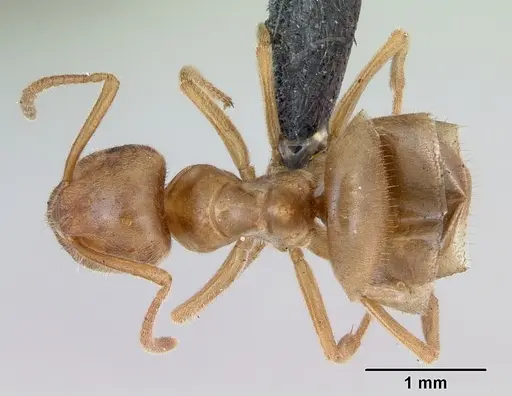
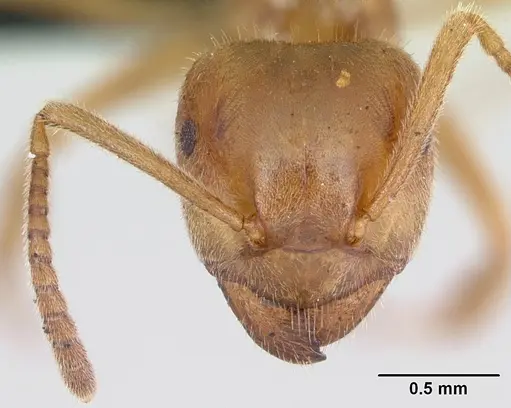
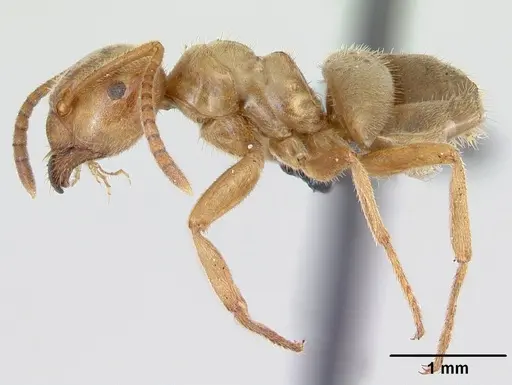
CASENT0173145
View on AntWeb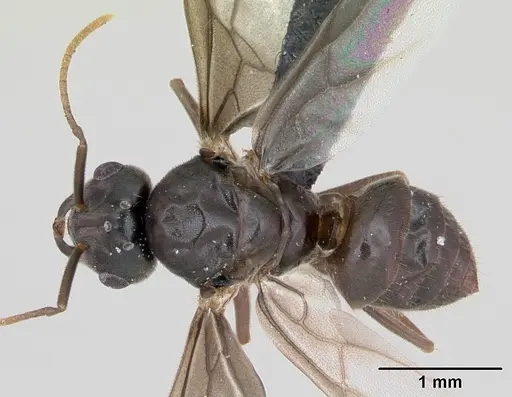
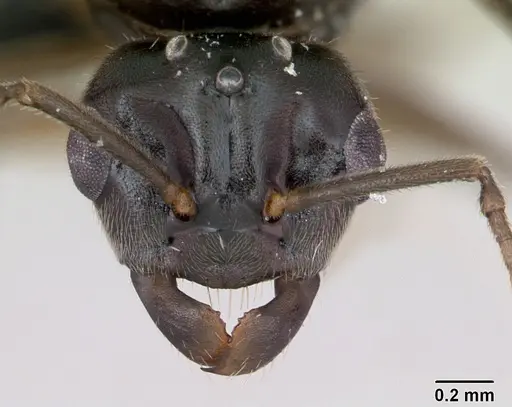
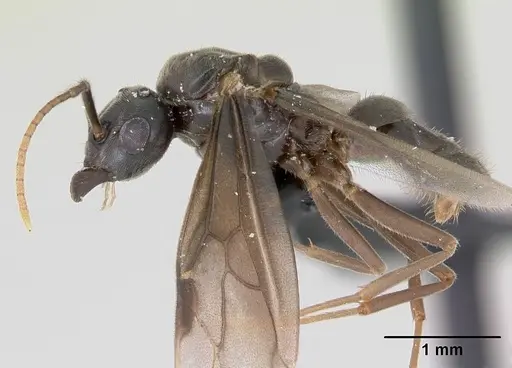
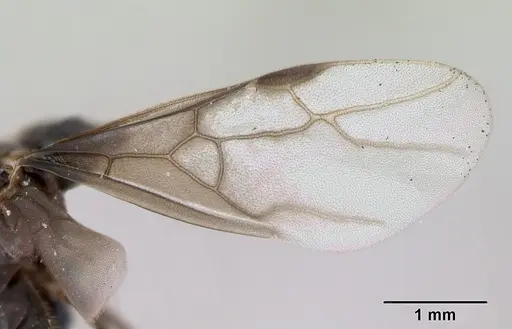
CASENT0173146
View on AntWeb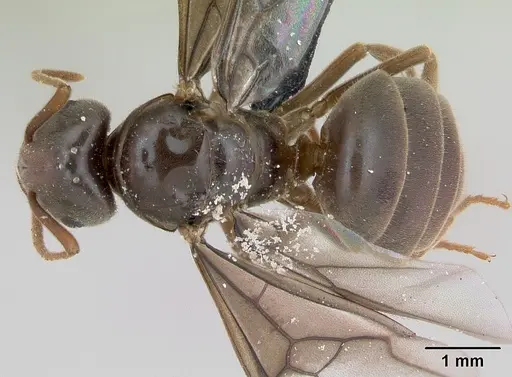
CASENT0903215
View on AntWeb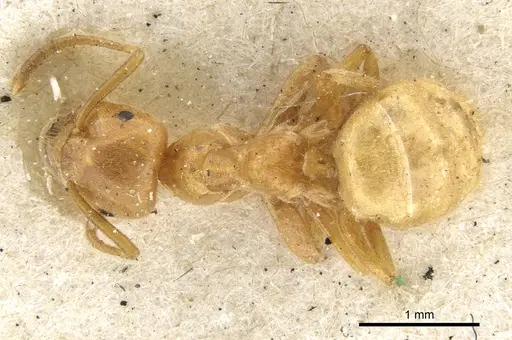
CASENT0911054
View on AntWeb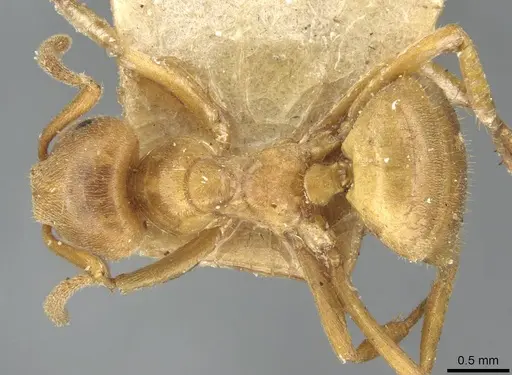
CASENT0911055
View on AntWeb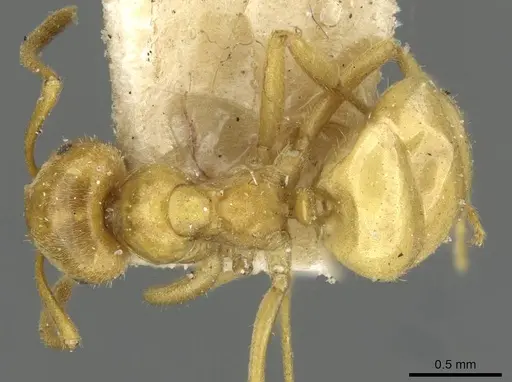
CASENT0912287
View on AntWeb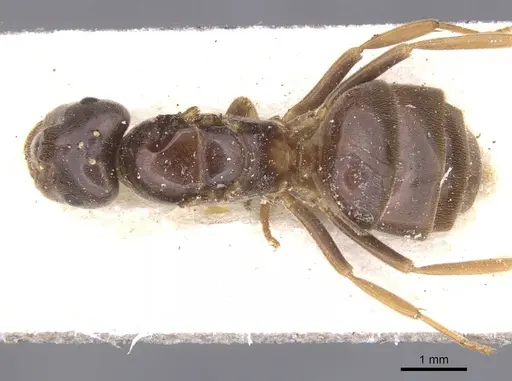
CASENT4036279
View on AntWeb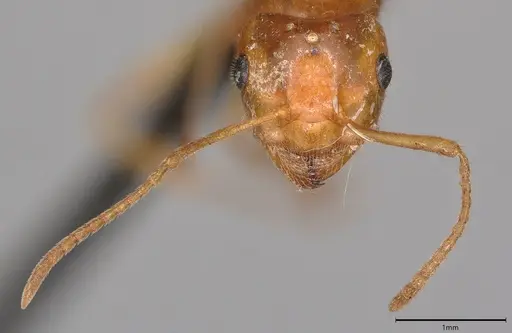
Literature
Loading...Loading products...