
Formicoxenus nitidulus
- Scientific Name
- Formicoxenus nitidulus
- Tribe
- Crematogastrini
- Subfamily
- Myrmicinae
- Author
- Nylander, 1846
- Common Name
- Shining Guest Ant
- Distribution
- Found in 16 countries
Formicoxenus nitidulus Overview
Formicoxenus nitidulus (commonly known as the Shining Guest Ant) is an ant species of the genus Formicoxenus. It is primarily documented in 16 countries , including Belgium, Switzerland, Germany. Detailed taxonomic data and occurrence records can be further explored via authoritative databases such as AntWeb or the Global Biodiversity Information Facility (GBIF).
Formicoxenus nitidulus - "Shining Guest Ant"
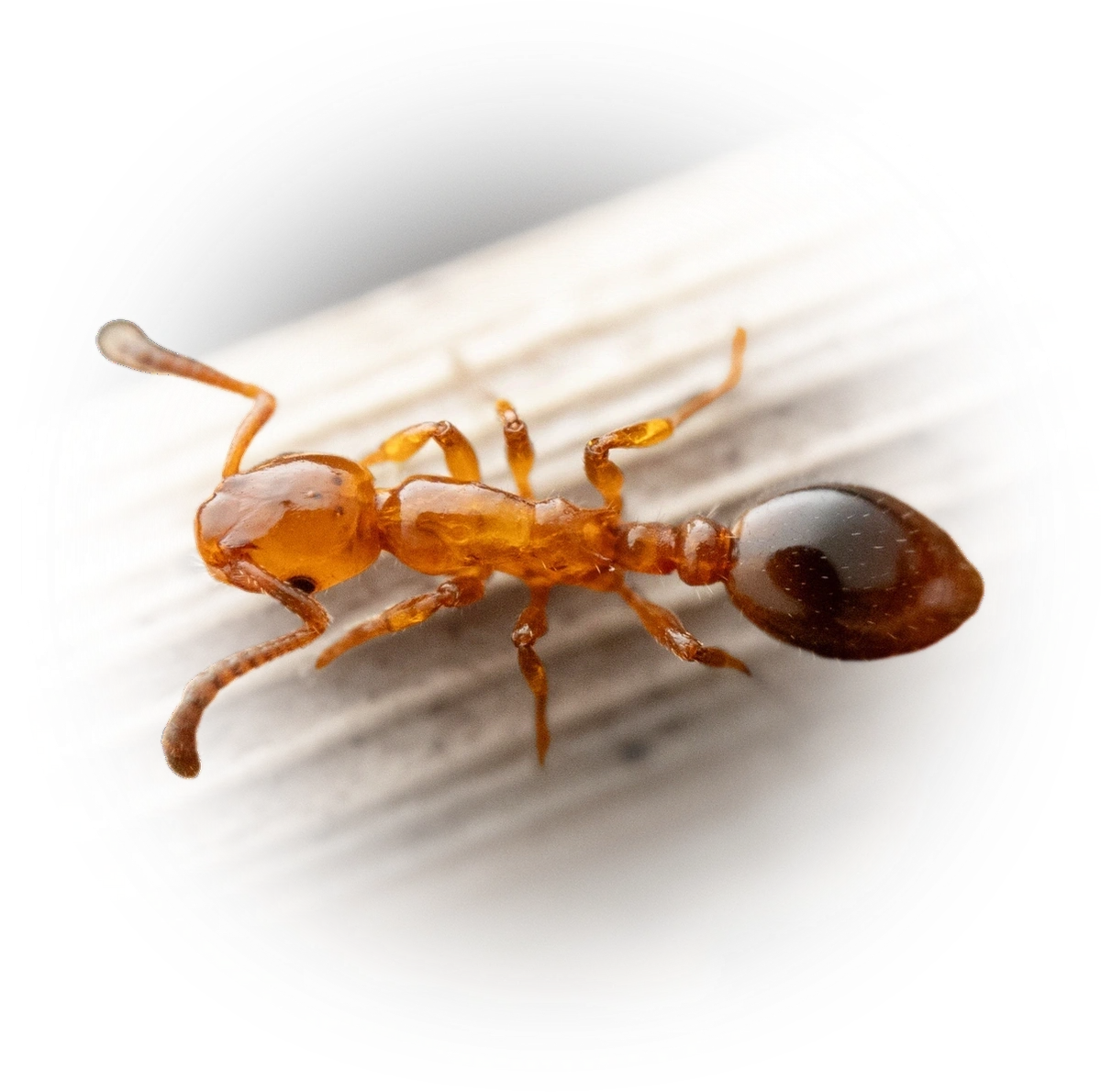
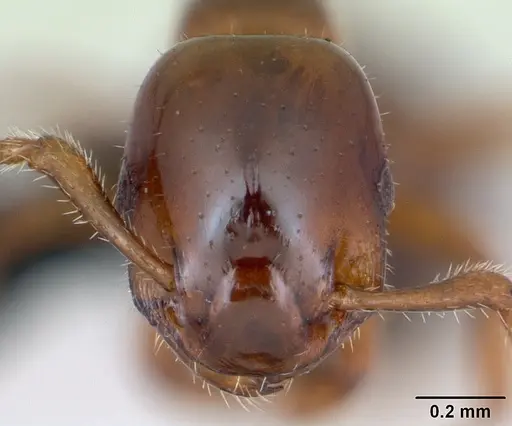
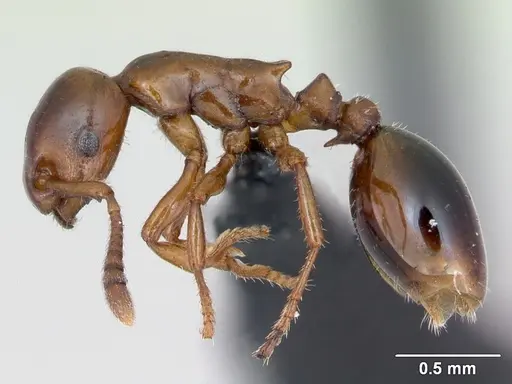
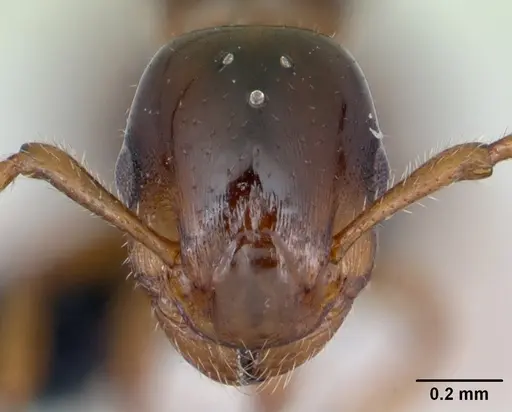
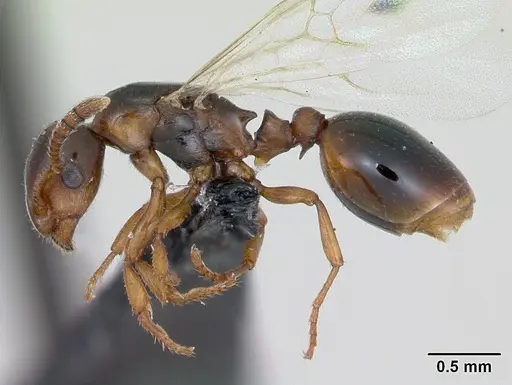
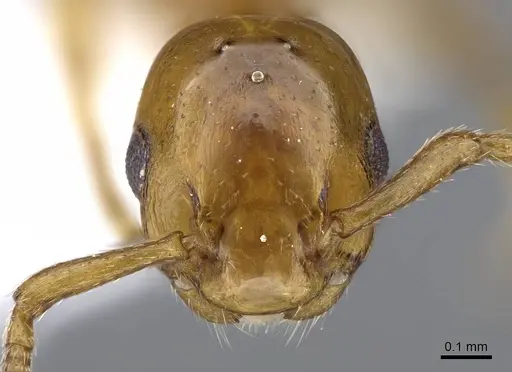
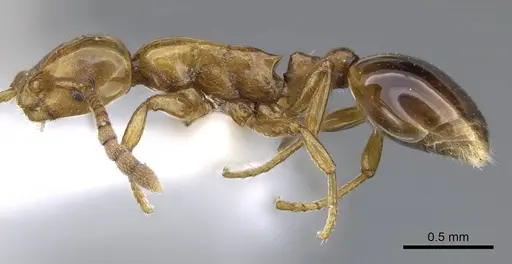
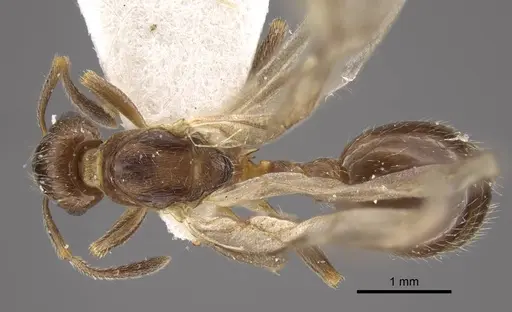
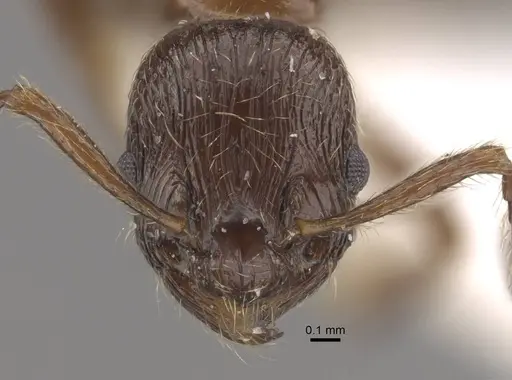
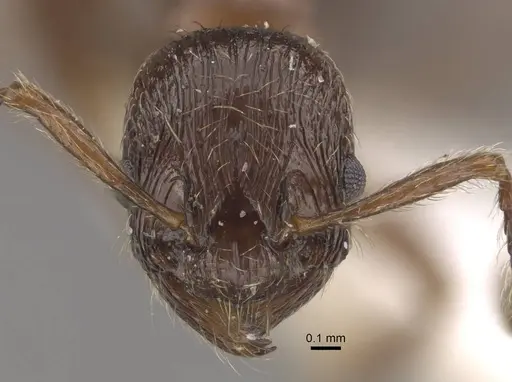
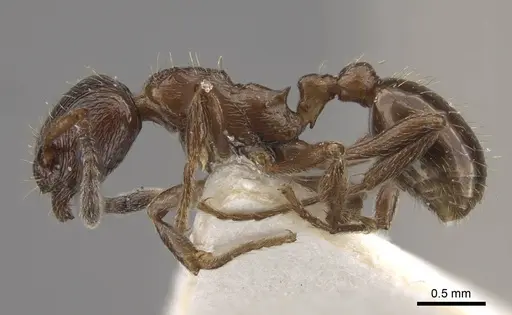
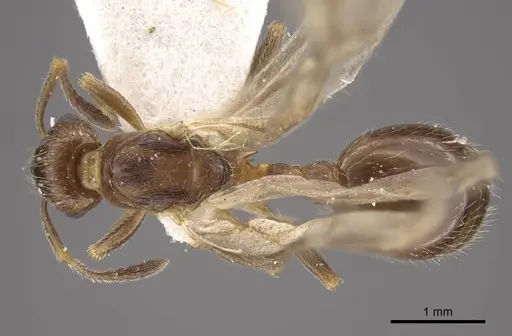
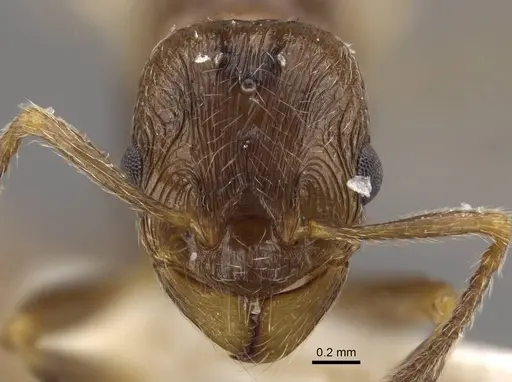
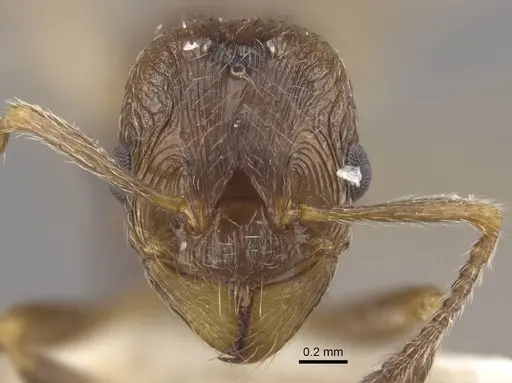
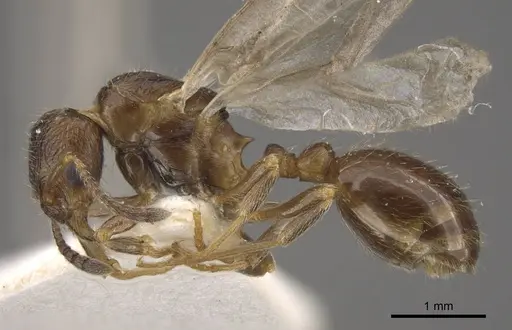
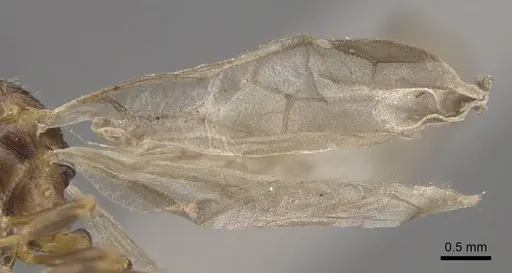
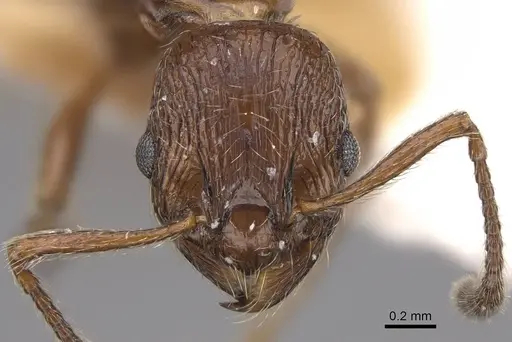
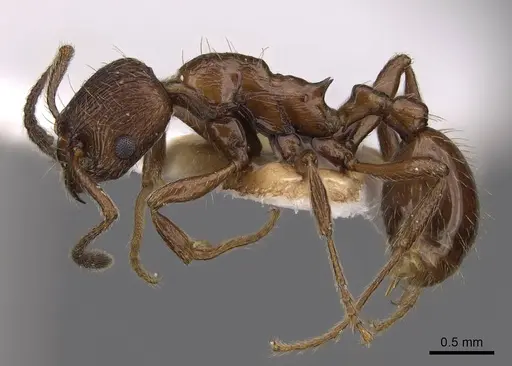
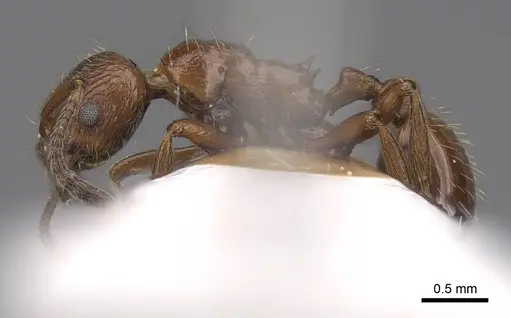
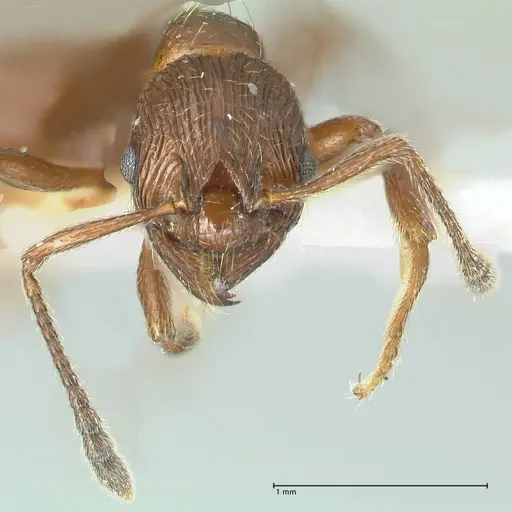
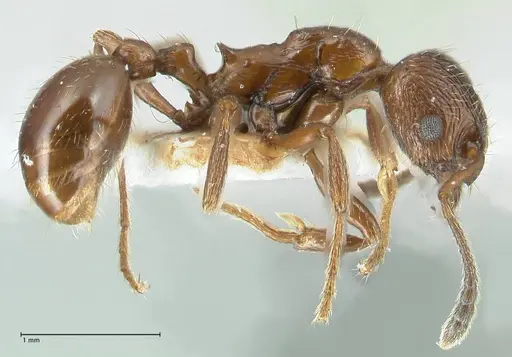
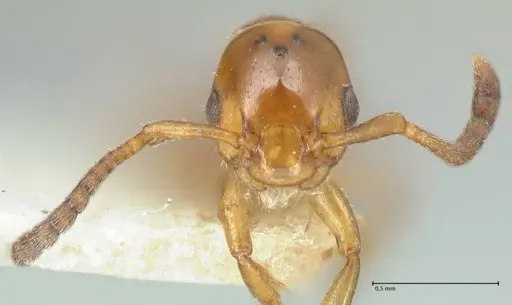
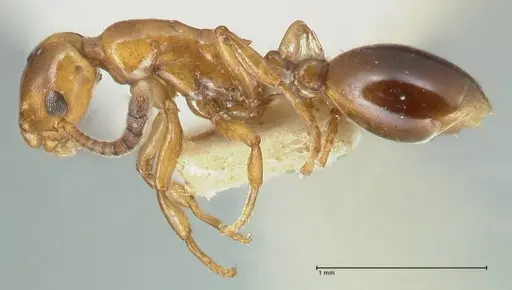
Formicoxenus nitidulus is a tiny ant measuring just 2.6-3.4mm for workers and 3-3.5mm for queens [1]. Its most striking feature is the completely smooth and shiny body surface, which gives it a glassy appearance, this is how it got the name 'shining guest ant' [2]. The body color ranges from reddish-yellow to brown, with the abdomen typically darker than the head and thorax [3]. This species has a distinctive spine pointing forward on the underside of the postpetiole (the segment behind the waist) [4]. Males are completely wingless and look very similar to workers, making them difficult to distinguish [3]. The species is unique within Formicoxenus for being able to survive in nests of at least 11 different ant host species [5].
What makes this ant extraordinary is its lifestyle, it is an obligate guest ant that lives exclusively within the nests of wood ants (Formica species, mainly the Formica rufa group) [6]. Unlike typical social parasites, F. nitidulus does not harm its host colony, instead, it builds its own small nests within the host mound and obtains food by begging from host workers or stealing drops of food during mouth-to-mouth exchange between host ants [7]. The guest ant produces chemical deterrents in its exoskeleton that make it unpalatable to host ants, when grabbed, it is immediately released [8]. This allows it to move freely among the much larger wood ants with relative impunity.
Quick Summary
- Difficulty: Expert
- Origin & Habitat: This species has an enormous range across the Palaearctic region, from Spain and France in the west, through Central and Northern Europe, all the way to Eastern Siberia in the east [9]. In the north it reaches 70°N latitude in Fennoscandia, while in the south it extends to Italy and Greece [10]. It lives in forests and forest edges where its wood ant hosts build their characteristic dome-shaped mounds [2]. The species is listed as Vulnerable on the IUCN Red List due to its dependence on declining wood ant populations [8].
- Colony Type: This species forms small colonies within host ant nests, typically containing up to about 150 workers [6]. Colonies are functionally monogynous, even when multiple egg-laying females are present, only one actually reproduces [11]. A remarkable feature is the presence of intermorphic females, intermediate forms between workers and winged queens that can also serve as replacement reproductives [12]. Multiple guest ant colonies can inhabit a single host mound, sometimes over 50 nests in one large mound [13].
- Colony: Monogyne
- Queen: Socially parasitic
- Size & Growth:
- Queen: 3-3.5 mm [1]
- Worker: 2.6-3.4 mm [1]
- Colony: Up to about 150 workers [6]
- Growth: Moderate
- Development: Unknown, direct development data not available. Based on related Myrmicinae patterns, expect 6-10 weeks at warm temperatures. (Development has not been directly studied in this species. The timing is complicated by the fact that colonies exist within host nests and may have different seasonal patterns than free-living ants.)
- Antkeeping:
- Temperature: Keep host colonies at normal wood ant temperatures: around 20-25°C in the nest area [8]. Guest ants are most active on the nest surface when temperatures reach 16-28°C, with peak activity between 17-26°C [4].
- Humidity: Maintain normal wood ant humidity levels, the host mound provides appropriate moisture. The guest ants nest within the host structure and do not require separate humidity control.
- Diapause: Yes, like their wood ant hosts, colonies likely require a winter rest period. In the wild, adults are rarely found on the nest surface from December to February [4]. Provide hibernation at cool temperatures (5-10°C) for 2-3 months.
- Nesting: CRITICAL: This species CANNOT be kept without its Formica host! You must establish and maintain a healthy colony of Formica wood ants (such as Formica rufa, F. polyctena, or F. lugubris) first. The guest ant then establishes small nests within the host mound, typically in hollow twigs, pine cones, pieces of wood, or small chambers within the nest material [8]. In captivity, you can provide small containers or natural materials within the host formicarium for the guest ant to establish its colonies.
- Behavior: These ants are extremely quick and nimble, moving rapidly both within and on the surface of the host nest [4]. They are not aggressive and rely on their chemical defenses for protection, when approached by a host ant, they freeze and press close to the ground, if grabbed, they release a deterrent substance from their venom gland [14]. Workers are rarely seen outside the nest except during the nuptial season (July-August) when males appear on the mound surface [4]. The ants follow the scent trails of their host species to locate new nests when colonies relocate [13]. Escape prevention is important, while small, they are not particularly prone to escaping when housed properly within a host colony setup.
- Common Issues: This species is an obligate social parasite, it cannot survive without a host Formica colony. Attempting to keep F. nitidulus alone will result in colony failure., Host colony health is paramount. If your wood ant colony declines or dies, the guest ant colony will also perish., Finding a colony to purchase is extremely difficult. This is not a species that can be simply ordered, you would need to locate an established host colony with existing guest ants., The cryptic lifestyle makes observation difficult. Most of the time, guest ants remain hidden within the host nest structure., Wood ant hosts are themselves protected or regulated in some regions, ensure your Formica source colonies were legally obtained.
The Guest Ant Lifestyle
Formicoxenus nitidulus represents one of the most fascinating social parasitism strategies in the ant world, xenobiosis. Unlike typical social parasites that actively exploit their hosts, F. nitidulus lives in a relatively peaceful coexistence within wood ant nests. The guest ant builds its own small, separate nest structures within the host mound, typically tiny chambers in hollow twigs, pine cones, pieces of wood, or spaces within the nest material itself [8]. These guest ant colonies are completely self-sufficient for brood care, they simply share living space with their hosts.
The most remarkable aspect of this relationship is how the guest ant obtains food. It does not steal brood or directly harm the host colony. Instead, it uses two main strategies: begging and theft. Workers can approach a host worker and, through specific antenna movements, solicit regurgitated food in the same way host ants do among themselves [7]. Alternatively, when two host workers are exchanging food (trophallaxis), a guest ant may climb onto the head of one and steal a portion of the liquid food droplet being transferred [13]. This trophic dependency is the key reason the guest ant cannot survive without its host.
The chemical defense system is equally fascinating. Guest ants have chemicals incorporated into their chitin exoskeleton that make them unpalatable to host ants. When an experimental extract from these chemicals was applied to fruit flies and presented to wood ants,80% were released unharmed compared to only 15% of untreated flies [4]. This explains why host ants largely ignore the guest ants despite their presence.
Host Species Requirements
The most critical aspect of keeping Formicoxenus nitidulus is that you MUST first establish a healthy colony of suitable host ants. This is not optional, the guest ant is an obligate parasite that cannot survive without its host [2]. The primary hosts are wood ants in the Formica rufa group, including Formica rufa, Formica polyctena, Formica lugubris, Formica aquilonia, Formica pratensis, and several other species [11]. In total, the guest ant has been recorded in nests of at least 11 different Formica species [8].
When setting up a host colony, you need to provide appropriate conditions for the wood ant species you've chosen. Wood ants typically require forest-edge or woodland habitats with partial shade, access to sunlight for their mound nests, and open foraging areas. They need a properly structured formicarium with a large nesting area for their dome-shaped mound. The guest ant will then naturally establish its small colonies within the host structure.
Obtaining both species legally can be challenging. In many regions, wood ants (particularly Formica rufa and related species) are protected or have collection restrictions. Always verify that your source follows local regulations. Some keepers have had success finding established wood ant colonies in the wild and carefully introducing guest ant colonies, but this requires expertise and permits in most jurisdictions.
Colony Structure and Reproduction
The colony structure of F. nitidulus is remarkably complex. Each guest ant colony contains up to about 150 workers and is functionally monogynous, meaning only one queen actually lays eggs, even when multiple egg-laying females are present [6]. This is unusual because colonies often contain multiple reproductive females, but they practice reproductive monopoly.
A distinctive feature is queen polymorphism. The species produces several different female forms: typical winged gynomorphic queens (like normal ant queens), worker-like ergatomorphic queens (born without wings), and various intermediate forms called intermorphs [11]. These intermorphs make up about 20% of the adult population and can serve as replacement reproductives if the primary queen dies [12]. This flexibility in queen production helps ensure colony survival within the unpredictable environment of a host nest.
Males are always wingless (ergatoid) and closely resemble workers, making field identification challenging. The only reliable way to distinguish males from workers is that males have mandibles that do not fully close when at rest, while worker mandibles meet completely [4]. Males are present from July through October, with peak abundance in July-September [4].
Mating occurs on the surface of the host nest mound, there is no nuptial flight since males cannot fly. This typically happens during warm, overcast days in July and August when the ants are more active on the mound surface [13].
Finding and Observing Guest Ants
Locating Formicoxenus nitidulus in the wild is a challenge due to its cryptic lifestyle. The ants spend most of their time hidden within the host nest structure, rarely appearing on the surface. However, certain conditions make observation possible. The best time to search is from late summer to autumn (mid-August through October), when males regularly appear on nest surfaces [4]. Males continue to come to the surface after mating throughout the season.
Temperature strongly influences surface activity. Workers become active on the mound surface when maximum daily temperatures reach 16-28°C, with regular sightings from 17°C upward [4]. The best observation conditions are warm but not sunny days, overcast or partially shaded conditions in the morning before the hottest part of the day. On suitable days in July-October, you can observe males moving on the mound surface without disturbing the nest.
When searching, focus on the shaded portions of the sand border around wood ant mounds, and look along wood ant paths up to one meter from the mound edge [4]. Males are much easier to find than workers or queens. Even when present, detection can be difficult, studies show that sampling only yields positive results in about 23% of nests where the guest ant is actually present [8]. Multiple visits may be needed to confirm presence.
Conservation and Legal Considerations
Formicoxenus nitidulus is listed as Vulnerable on the IUCN Red List, reflecting its dependence on declining wood ant populations [8]. The species faces threats from habitat loss, forestry practices that reduce wood ant populations, and climate change affecting host ant distributions. In some countries, it has legal protection, for example, in Italy, one regional law grants protection to this species [15]. In the United Kingdom, it is a Biodiversity Action Plan (BAP) priority species for conservation [16].
For antkeepers, this conservation status has important implications. You should NOT collect this species from the wild, doing so may be illegal in your jurisdiction and could harm vulnerable populations. Instead, if you wish to keep this species, look for established colonies from reputable breeders who have propagated them from existing captive colonies. Remember that you will also need a healthy host colony, which itself may have legal protections or collection restrictions in your area.
The species also serves as an important indicator of wood ant colony health. When wood ant populations decline, guest ant populations decline as well. Maintaining healthy wood ant habitats benefits both species and the broader forest ecosystem.
Frequently Asked Questions
Can I keep Formicoxenus nitidulus without a host ant colony?
No. This is an obligate guest ant that cannot survive without a host Formica colony. Attempting to keep F. nitidulus alone will result in colony failure. You must establish and maintain both the guest ant and a suitable host species (typically Formica rufa, F. polyctena, or related wood ants) together.
What is the difficulty level for keeping Formicoxenus nitidulus?
Expert. This is one of the most challenging ant species to keep because it requires maintaining two species simultaneously, the guest ant and its wood ant host. Both species have specific requirements, and the host colony must be healthy for the guest ant to survive. Additionally, obtaining both species legally can be difficult.
How do I feed Formicoxenus nitidulus?
You don't need to feed the guest ant directly. In the captive setup, F. nitidulus obtains food the same way it does in the wild, by begging from host workers or stealing food drops during trophallaxis (food exchange between host ants). Simply maintain a healthy feeding schedule for your host colony, and the guest ants will feed themselves.
Do Formicoxenus nitidulus ants sting?
No. This species is too small to penetrate human skin with its sting, and it is not aggressive toward humans. Its defense is directed at host ants, it uses chemical deterrents that make it unpalatable, causing host ants to immediately release it if grabbed.
How big do Formicoxenus nitidulus colonies get?
Each guest ant colony typically reaches up to about 150 workers [6]. However, multiple guest ant colonies can inhabit a single host mound, sometimes over 50 separate colonies in one large mound [13]. The colony size is limited by the space available within the host nest structure.
When is the best time to find Formicoxenus nitidulus in the wild?
The best search period is from mid-August through October, when males regularly appear on nest surfaces [4]. Look for warm, overcast days in the morning before the hottest part of the day. Males are most abundant from July-September and can be seen moving on the mound surface without disturbing the nest.
Do Formicoxenus nitidulus need hibernation?
Yes, like their wood ant hosts, they likely require a winter rest period. In the wild, adults are rarely found on the nest surface from December to February [4]. Provide hibernation at cool temperatures (5-10°C) for 2-3 months, matching the host colony's dormancy requirements.
What makes Formicoxenus nitidulus different from other social parasites?
F. nitidulus practices xenobiosis, the lowest level of social parasitism. Unlike slave-making ants or temporary social parasites, it does not harm its host colony. The guest ant builds its own separate nests within the host mound, raises its own brood, and only obtains food through begging or theft. It is tolerated by host ants due to chemical deterrents in its exoskeleton.
References

This caresheet is licensed under CC BY-SA 4.0 .
CASENT0173159
View on AntWeb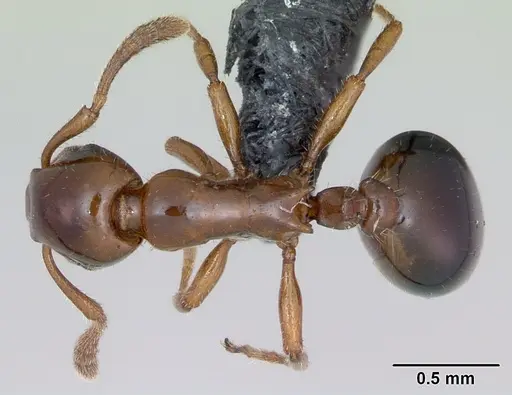
CASENT0173160
View on AntWeb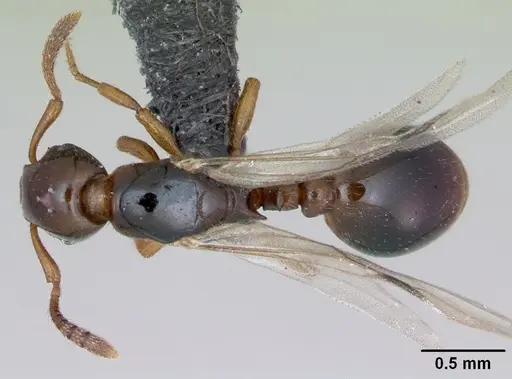
CASENT0178346
View on AntWeb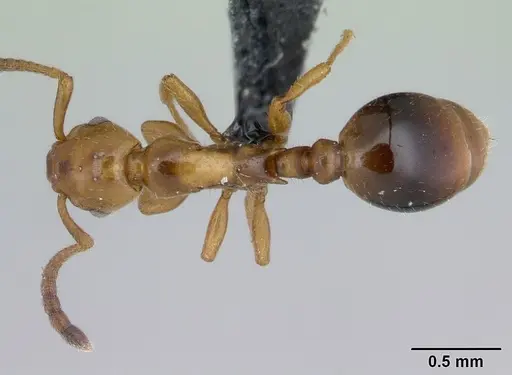
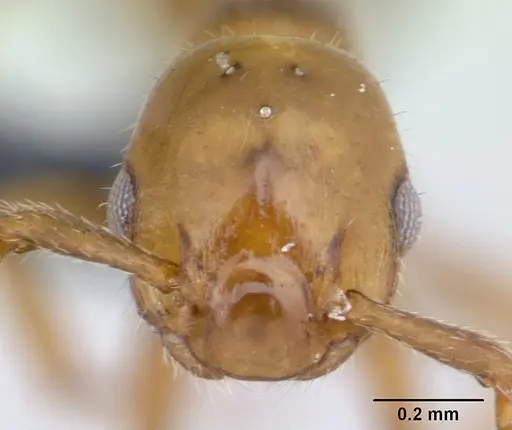
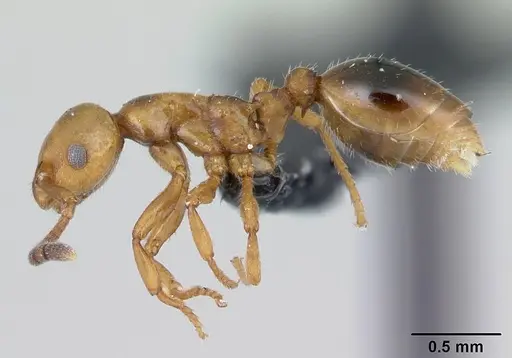
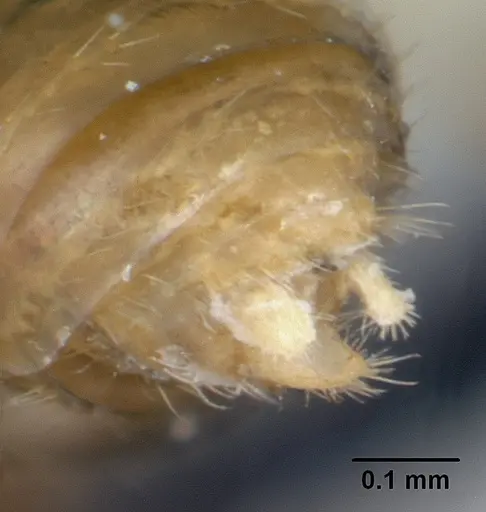
CASENT0900336
View on AntWeb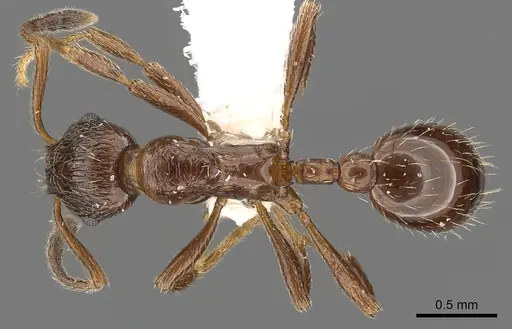
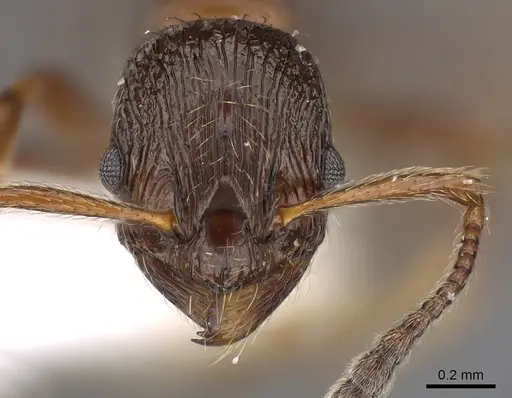
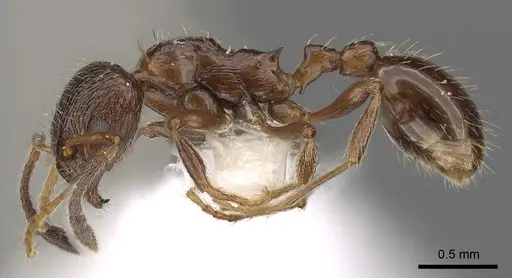
CASENT0914974
View on AntWeb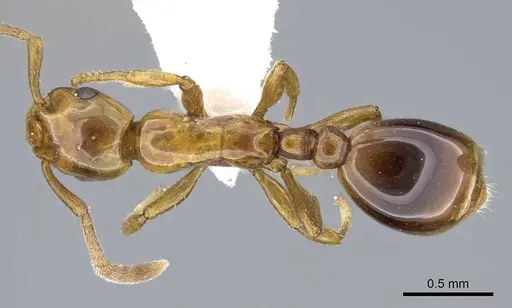
CASENT0917700
View on AntWeb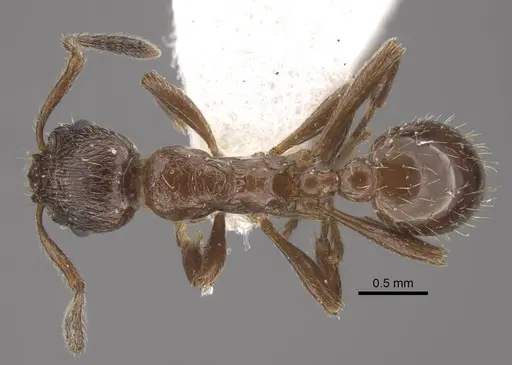
CASENT0917701
View on AntWeb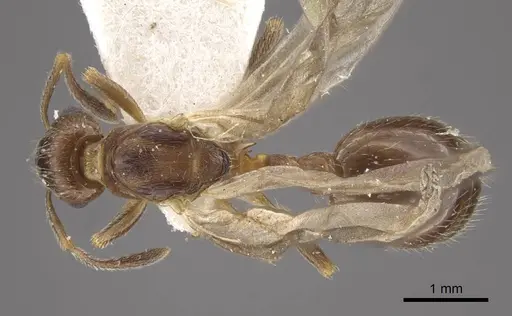
CASENT0922782
View on AntWeb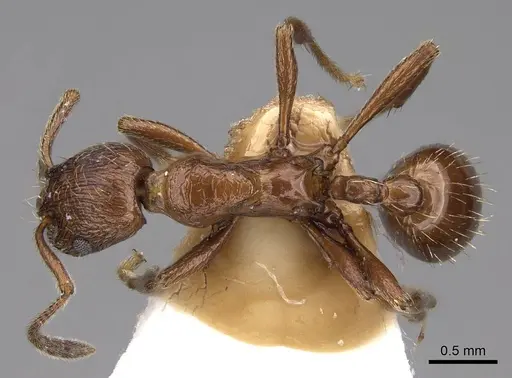
FOCOL1829
View on AntWeb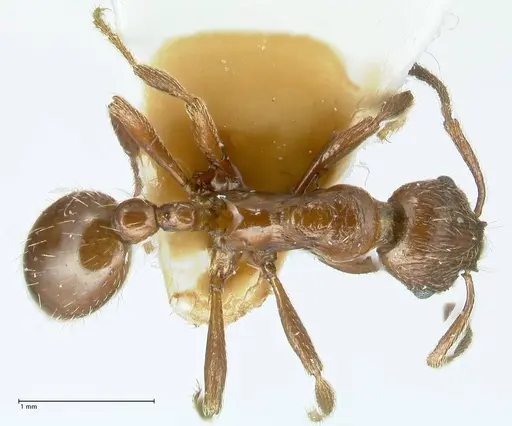
FOCOL2046
View on AntWeb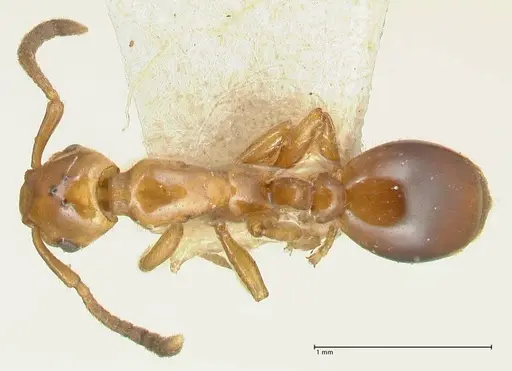
Literature
Loading...Loading products...