
Formica pratensis exhibits a clear seasonal flight window. Peak flight activity is concentrated in May, with the overall period spanning April to July.
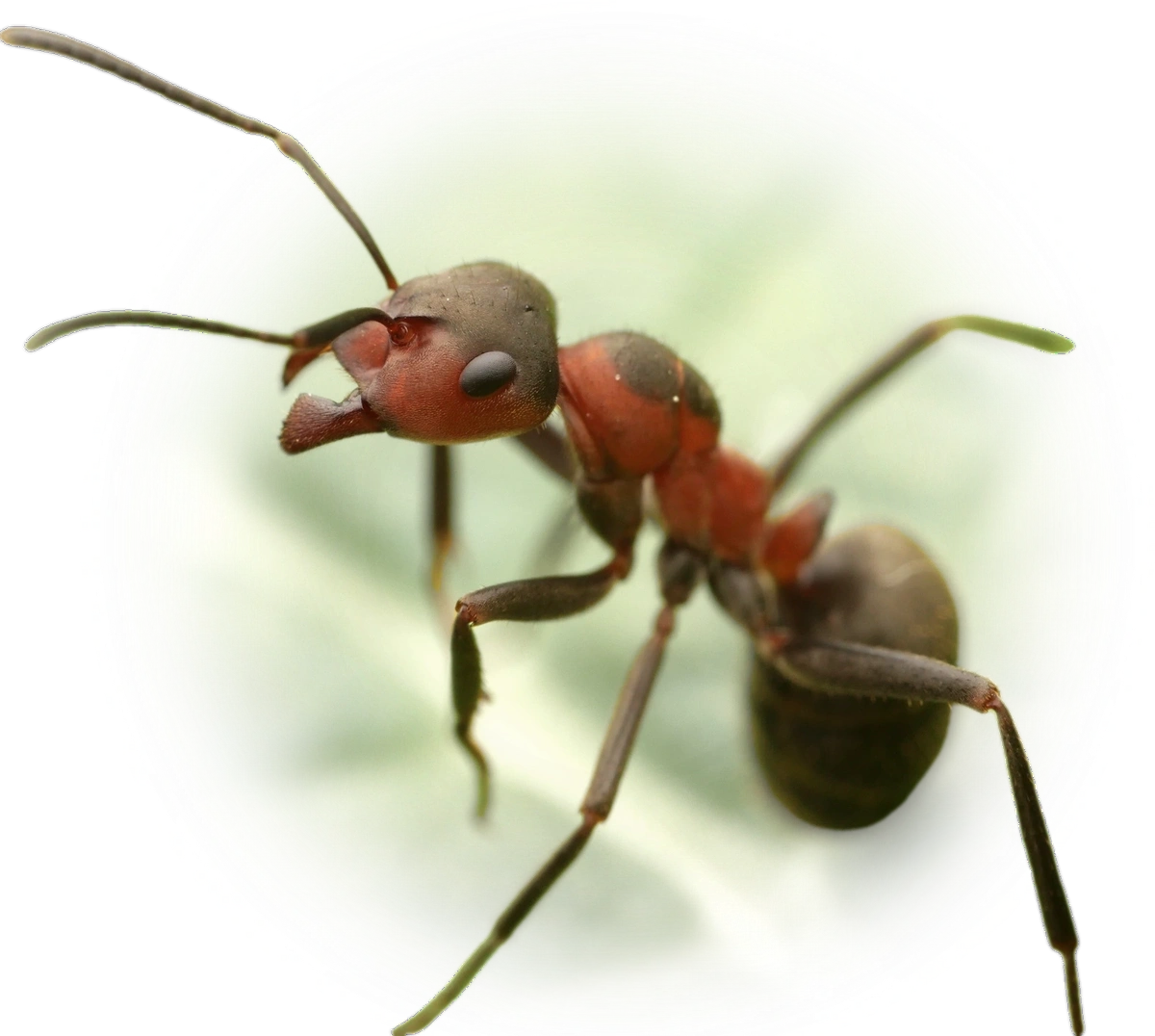
Formica pratensis
- Scientific Name
- Formica pratensis
- Tribe
- Formicini
- Subfamily
- Formicinae
- Author
- Retzius, 1783
- Common Name
- Black-backed Meadow Ant
- Distribution
- Found in 16 countries
- Nuptial Flight
- from April to July, peaking in May
AI Identifiable
try →
Formica pratensis Overview
Formica pratensis (commonly known as the Black-backed Meadow Ant) is an ant species of the genus Formica. It is primarily documented in 16 countries , including Austria, Belgium, Switzerland. Detailed taxonomic data and occurrence records can be further explored via authoritative databases such as AntWeb or the Global Biodiversity Information Facility (GBIF).
The nuptial flight of Formica pratensis is a significant biological event, typically occurring from April to July, peaking in May. During this time, winged queens and males leave the nest to mate and establish new colonies.
Formica pratensis - "Black-backed Meadow Ant"
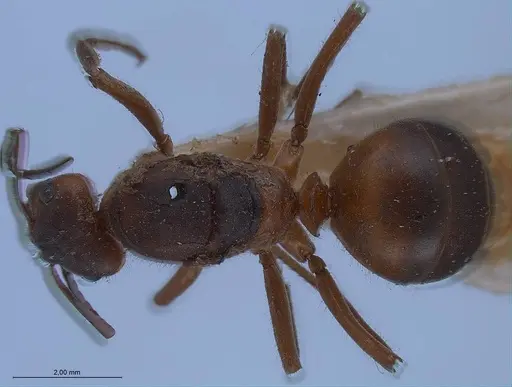
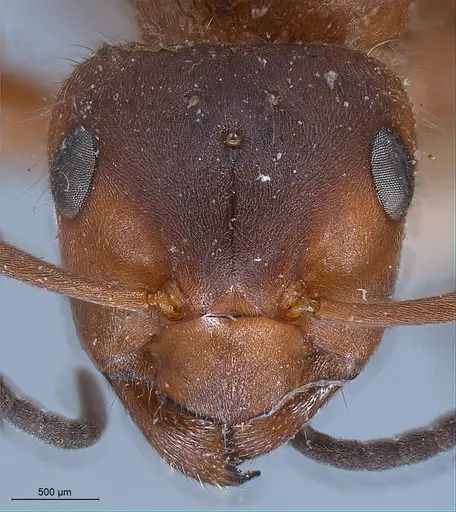
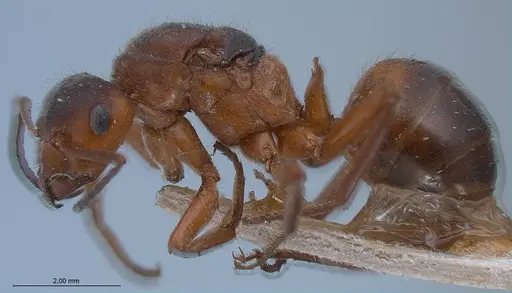
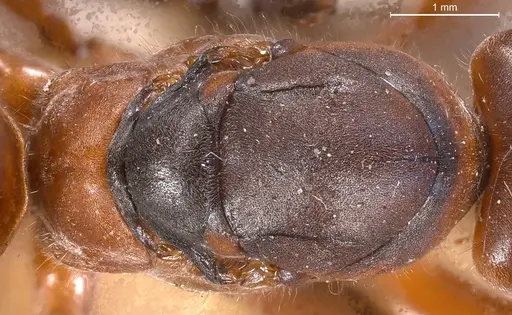
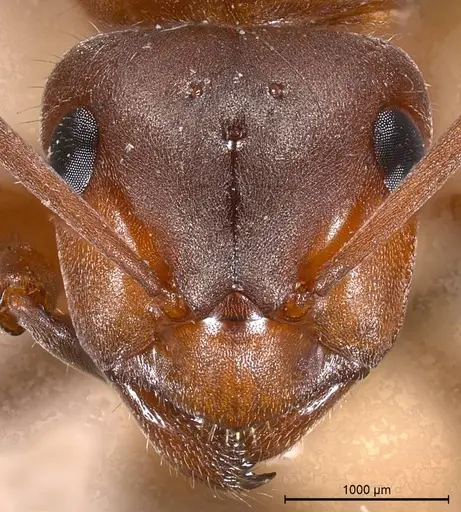
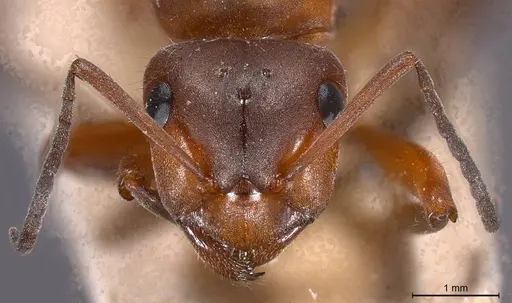
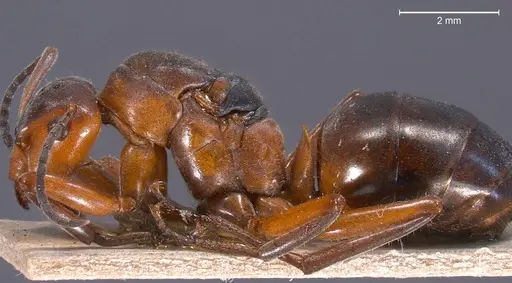
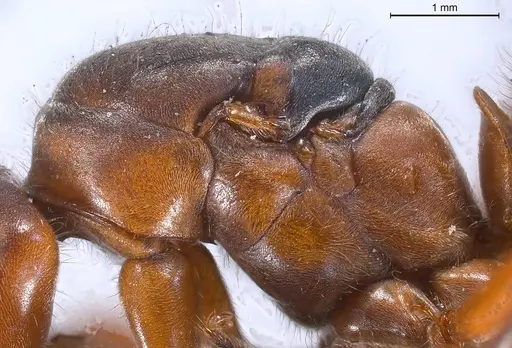
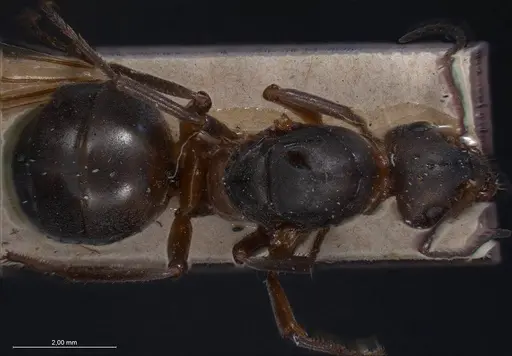
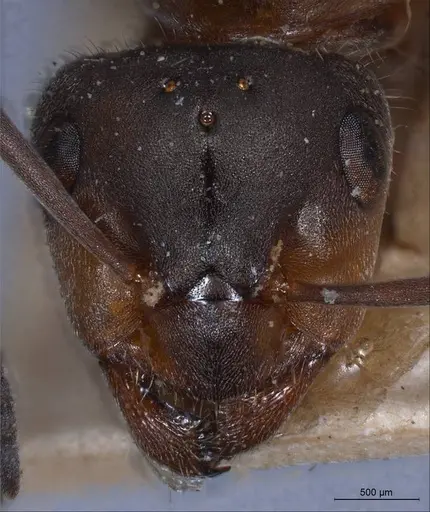
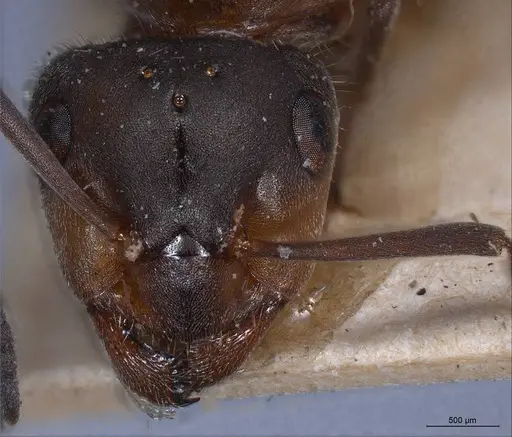
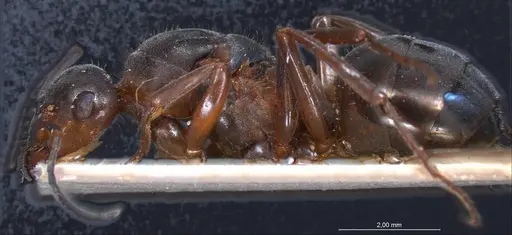
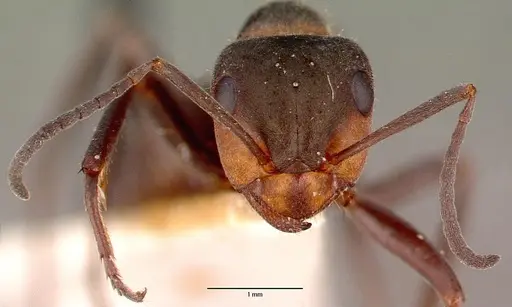
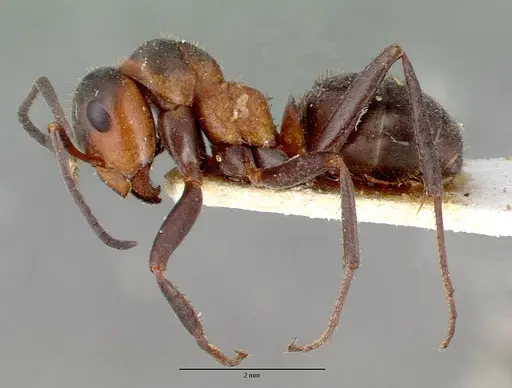
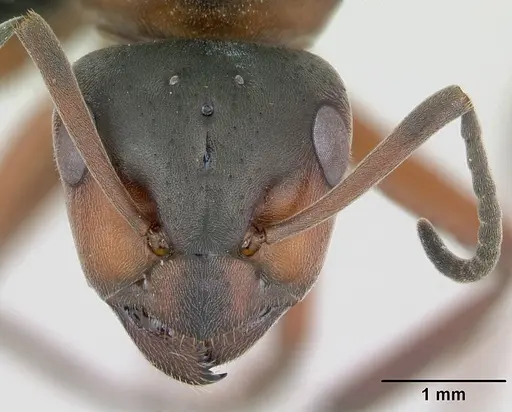
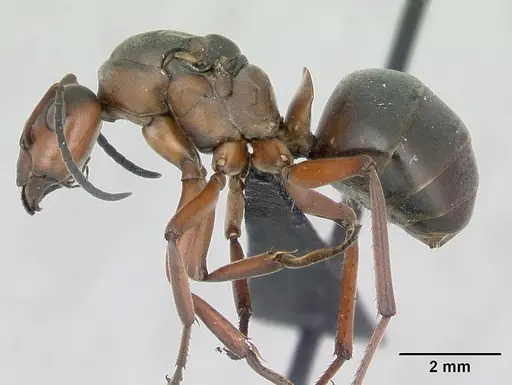
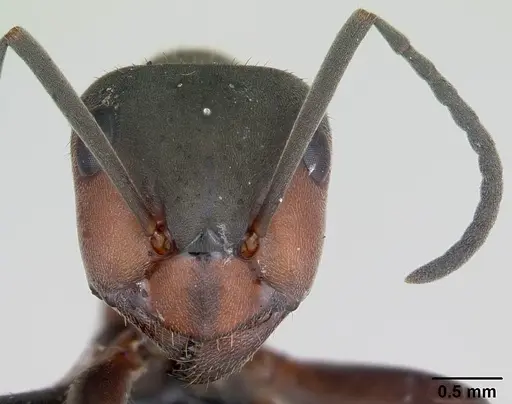
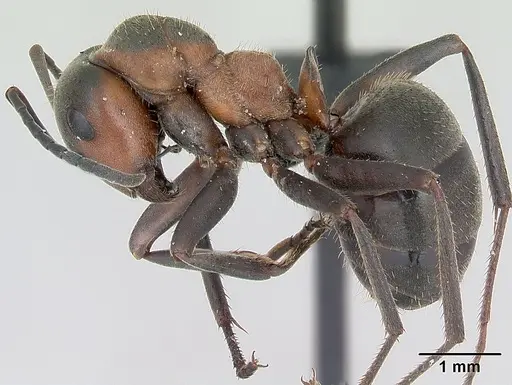
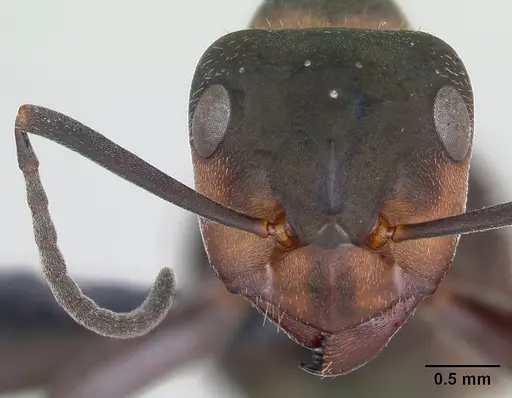
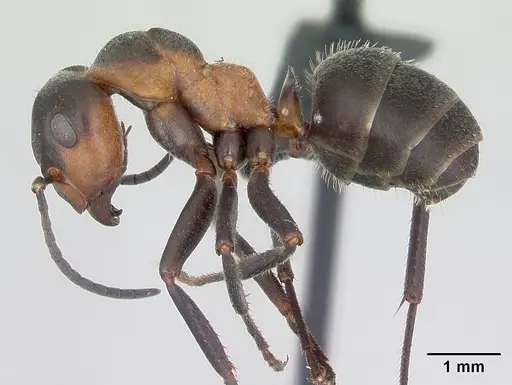
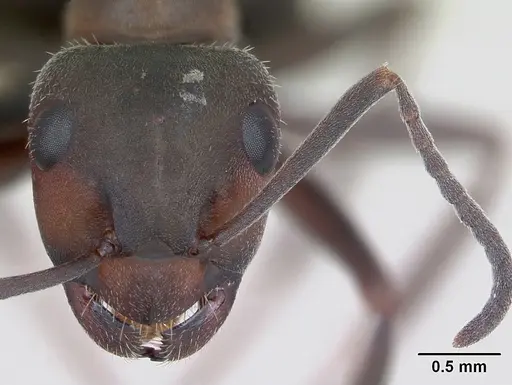
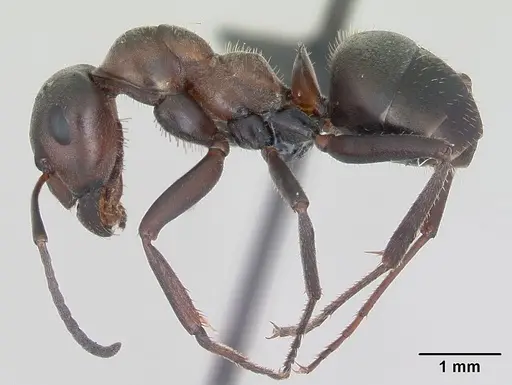
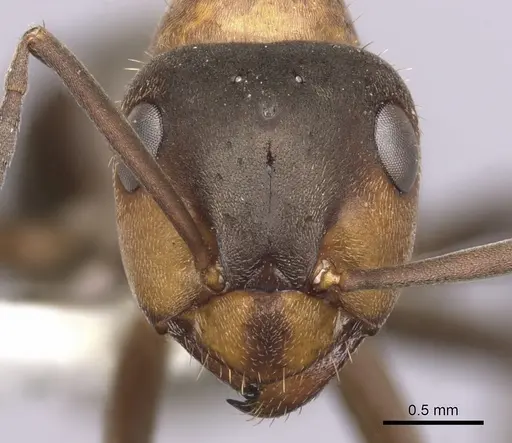
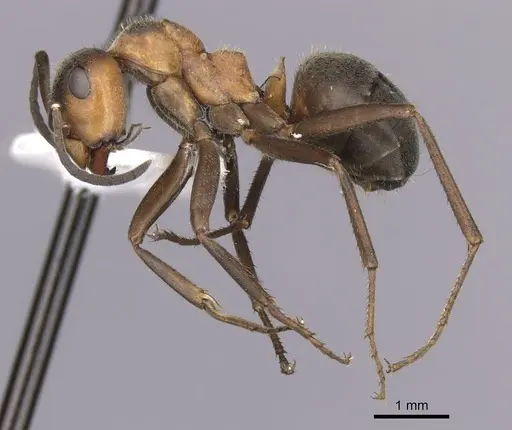
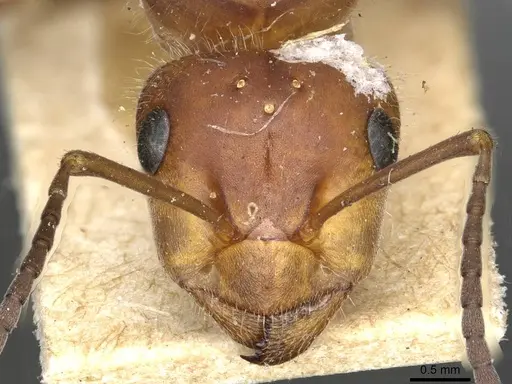
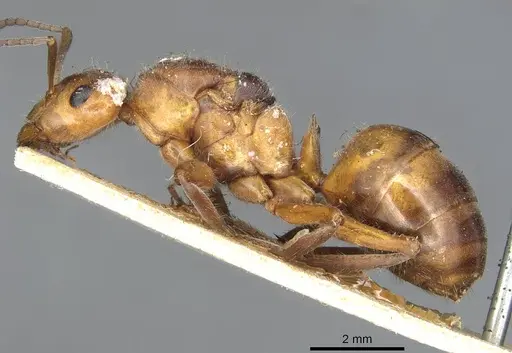
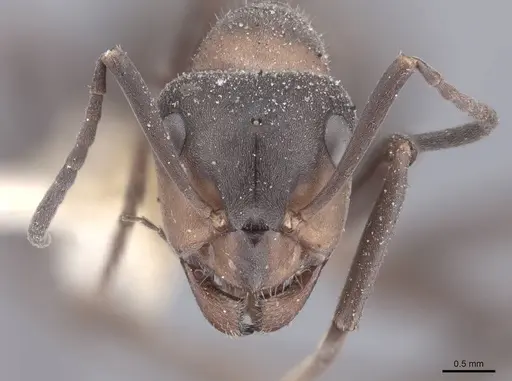
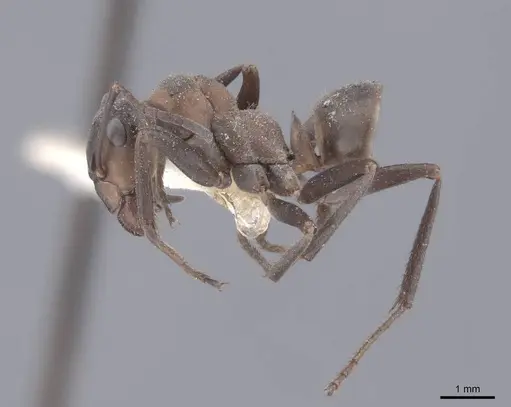
Formica pratensis is a large, bicoloured wood ant species native to open habitats across Europe and into Siberia. Workers measure 4.5-9.5mm and display a distinctive matt black head and gaster with a clearly demarcated dark patch on the pronotum and mesonotum. The eyes are thickly haired, and the body is covered with standing hairs, giving this species a notably hairier appearance than related Formica rufa group members. Queens reach 9.5-11.3mm. This species prefers open, warm habitats such as alpine pastures, meadow edges, and forest clearings rather than dense forest interiors. Colonies build characteristic flat dome-shaped mounds from coarse plant material, often surrounded by a ring of tall vegetation. Unlike its forest-dwelling relatives, F. pratensis is a thermophilic species that thrives in sunny, well-drained locations.
Quick Summary
- Difficulty: Medium
- Origin & Habitat: Native to open habitats across Europe and Siberia, from Portugal east to Siberia and from central Italy to central Sweden. In Greece, this is mainly an alpine species found at altitudes 700-2200m. Prefers open rocky mountain pastures, borders between pastures and coniferous forests, and scrubby heathland [1][2].
- Colony Type: Mainly monodomous (single nest) and monogynous (single queen), though polygynous colonies with multiple queens occur, particularly in southern parts of the range. Colony size can reach 60,000-80,000 workers, with some sources indicating up to several hundred thousand in optimal conditions [3][2].
- Colony: Optionally polygyne
- Queen: Socially parasitic, Temporary parasitic
- Size & Growth:
- Queen: 9.5-11.3mm [1]
- Worker: 4.5-9.5mm [1]
- Colony: Up to 80,000 workers (typical), potentially several hundred thousand [3][2]
- Growth: Moderate
- Development: 6-8 weeks at optimal temperature (based on genus-level Formica data) (Development is temperature-dependent, Formica larvae grow faster than Myrmica species, taking approximately 20-25 days from egg to pupa at 25-26°C [4])
- Antkeeping:
- Temperature: Keep nest area around 20-25°C. This is a thermophilic species preferring warm, sunny conditions. In captivity, room temperature within this range is suitable, with a slight gradient toward warmer areas of the nest [1].
- Humidity: Moderate humidity. Nest mounds are built to allow thermoregulation, so provide some moisture but ensure good drainage. The substrate should be damp but not waterlogged.
- Diapause: Yes, requires hibernation period during winter months. In temperate regions, colonies become less active from autumn and resume in spring. Keep at cool temperatures (5-10°C) for 3-4 months [1].
- Nesting: Y-tong (AAC) nests or plaster nests work well. This species builds characteristic flat dome mounds in nature, so provide a naturalistic setup with coarse plant material if possible. They prefer open, sunny nest positions. Test tubes can work for founding colonies but will need upgrading as the colony grows [1].
- Behavior: Highly territorial and aggressive toward intruders. Workers actively defend aphid colonies and will attack predators. Unlike many ants, F. pratensis shows complex professional specialization with 'shepherds' that tend aphids and collect honeydew, and 'guards' that protect aphid colonies from predators. They use extensive trail networks and can form polydomous colonies in some areas. Escape prevention is important, workers are large but can climb smooth surfaces. They spray formic acid as defense [5][6].
- Common Issues: colonies often fail during hibernation if kept too warm or too wet, proper cooling is essential, nest flooding can kill colonies, ensure adequate drainage in nest setup, aggressive behavior makes them difficult to house with other ant species, keep isolated, wild-caught colonies may have parasites that kill them in captivity, slow initial growth of founding colony can lead to overfeeding and mold problems
Nuptial Flight Activity Analysis 278 observations
Flight Activity by Hour 278 observations
Formica pratensis nuptial flight activity peaks around 12:00 during the late morning to early afternoon. Activity is spread across a 10-hour window (09:00–18:00). Times may be influenced by human observation patterns.
Housing and Nest Setup
Formica pratensis requires careful attention to temperature and humidity. A Y-tong (AAC) nest or plaster formicarium works well for established colonies. The species naturally builds flat dome-shaped mounds in open, sunny locations, so position the nest in a warm area. For founding colonies, a test tube setup with a water reservoir is suitable, transfer to a larger nest once the colony reaches 20-30 workers. Provide a gradient from room temperature to slightly warmer (around 25°C) in one area of the nest. Include a foraging area with access to protein foods and sugar water. Escape prevention is important, these large ants can climb smooth surfaces but are less prone to escaping than tiny species. Use Fluon on edges if needed [1].
Feeding and Diet
F. pratensis is primarily a honeydew collector, tending aphids for their sweet honeydew secretions. In captivity, offer sugar water or honey water constantly as an energy source. For protein, provide small insects (fruit flies, small crickets, mealworms) 2-3 times weekly. They are also predatory and will hunt small insects in the foraging area. The species shows interesting specialization, 'shepherd' ants tend aphids and collect honeydew while 'guard' ants protect the aphid colonies from predators. In nature, they attend species like Symydobius oblongus, Chaitophorus populeti, and Aphis jacobaeae. Avoid overfeeding as uneaten prey can cause mold issues [6][7].
Temperature and Seasonal Care
This is a thermophilic species that prefers warmer conditions than many other Formica species. Keep the nest at 20-25°C with a slight gradient. They are active from March/April through September-October in temperate regions. A winter diapause is essential, reduce temperature to 5-10°C for 3-4 months (typically November to March in the Northern Hemisphere). During hibernation, keep the colony dark and undisturbed. Do not feed during hibernation. In summer, ensure the colony has access to water and avoid temperatures above 30°C as activity decreases significantly at 38-39°C [3][8].
Behavior and Colony Dynamics
F. pratensis colonies are highly territorial and aggressive. Workers will defend their territory vigorously, attacking intruders and spraying formic acid. The species shows remarkable division of labor, 'shepherd' ants specialize in tending aphids and collecting honeydew, while 'guard' ants protect aphid colonies and coordinate group actions. Colonies can be monodomous (single nest) or form polydomous systems with multiple connected nests. In the wild, colonies can reach tens of thousands of workers. New colonies are founded through temporary social parasitism of Serviformica species (like F. fusca), or through nuptial flights where queens establish independent colonies. Nuptial flights occur from late May through June, with a second flight period in August-September in some regions [6][3][9].
Common Problems and Solutions
The main challenges in keeping F. pratensis are proper hibernation, mold prevention, and colony establishment. Many colonies fail because hibernation conditions are inadequate, ensure cool, stable temperatures (5-10°C) for 3-4 months. Mold from overfeeding or poor ventilation kills colonies quickly, remove uneaten food promptly and maintain good airflow. Founding colonies are vulnerable, keep them undisturbed and avoid checking too frequently. Wild-caught colonies may carry parasites that cause colony collapse in captivity. If your colony is declining, review temperature, humidity, and feeding practices. These ants are aggressive defenders, use protection when handling [1].
Frequently Asked Questions
Can I keep Formica pratensis in a test tube?
Yes, test tubes work for founding colonies. Keep the tube in a warm (22-25°C), dark location and wait at least 2-3 weeks before checking. Once the first workers (nanitics) emerge and the colony grows to 20-30 workers, transfer to a larger nest like a Y-tong or plaster formicarium.
How long does it take for first workers to appear?
Expect first workers (nanitics) approximately 6-8 weeks after the queen lays eggs, at optimal temperature (around 25°C). This is based on typical Formica development patterns. Growth is slower in cooler conditions.
Can I keep multiple queens together?
This species can be polygynous (multiple queens) in some populations, but combining unrelated queens is not recommended. If you obtain a polygynous colony, keep them together. However, introducing multiple queens to a single-queen colony usually results in fighting.
Do they need hibernation?
Yes, proper hibernation is essential. Reduce temperature to 5-10°C for 3-4 months during winter (typically November-March). Keep the colony dark and undisturbed during this period. Without hibernation, colonies become stressed and may decline.
What do Formica pratensis eat?
They primarily need sugar sources (honey water or sugar water) and protein (small insects like fruit flies, crickets, mealworms). In nature, they collect honeydew from aphids and hunt insects. Offer protein 2-3 times weekly and keep sugar water available constantly.
Are Formica pratensis good for beginners?
This is a medium-difficulty species. They are more challenging than common Lasius species but easier than some specialized ants. The main requirements are proper hibernation setup and space for a large colony. They are rewarding to watch due to their complex behavior and large size.
How big do colonies get?
Colonies typically reach 60,000-80,000 workers, with some sources indicating they can reach several hundred thousand in optimal conditions. They are among the larger European ant species.
Why are my ants dying?
Common causes include improper hibernation (too warm or too wet), mold from overfeeding or poor ventilation, parasites from wild-caught colonies, and stress from disturbance during founding. Review your temperature, humidity, feeding practices, and whether the colony had a proper hibernation period.
References

This caresheet is licensed under CC BY-SA 4.0 .
ANTWEB1008390
View on AntWeb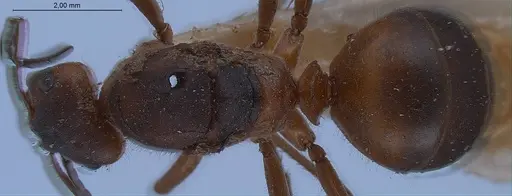
ANTWEB1008391
View on AntWeb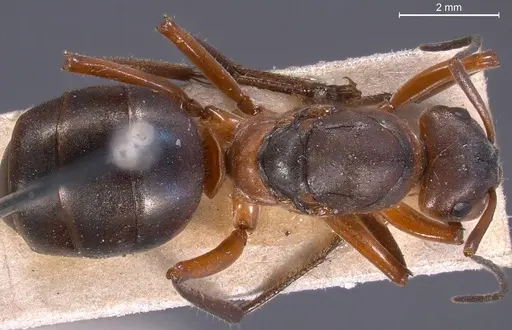
ANTWEB1008401
View on AntWeb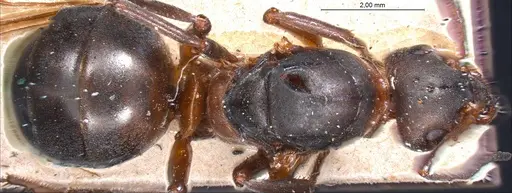
CASENT0010647
View on AntWeb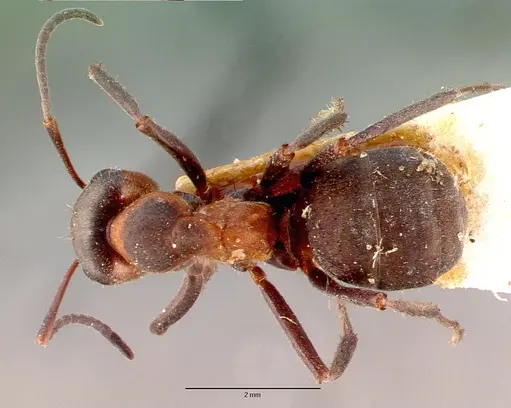
CASENT0173141
View on AntWeb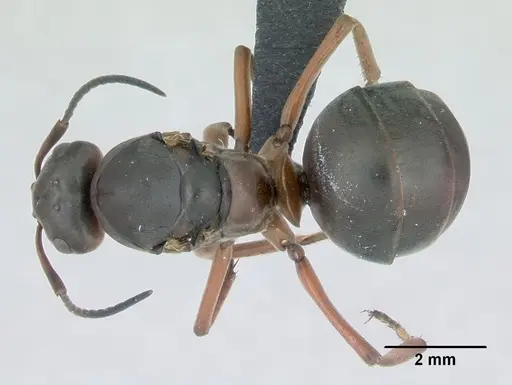
CASENT0173142
View on AntWeb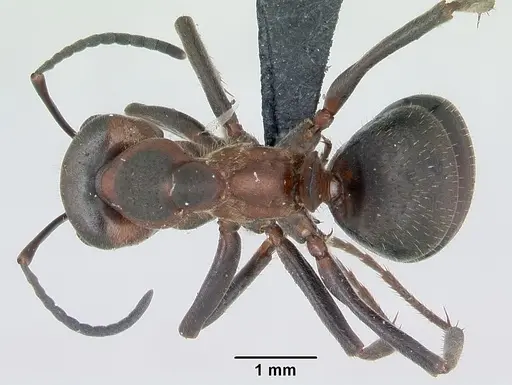
CASENT0173148
View on AntWeb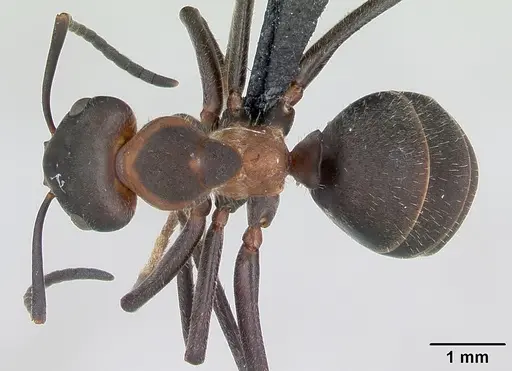
CASENT0173861
View on AntWeb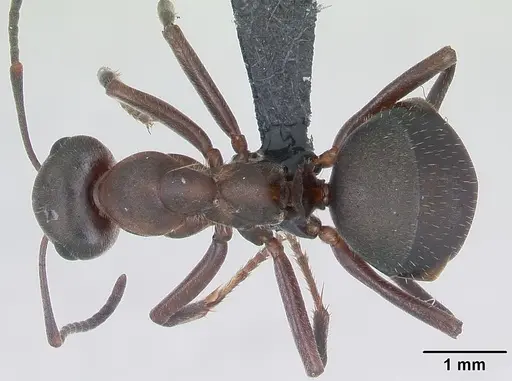
CASENT0280409
View on AntWeb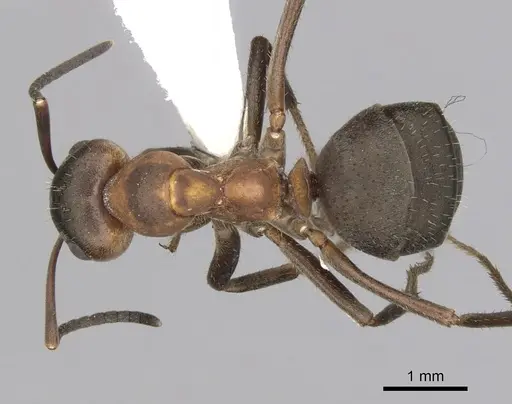
CASENT0915374
View on AntWeb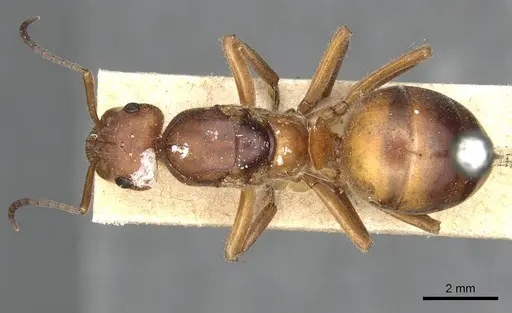
FMNHINS0000046390
View on AntWeb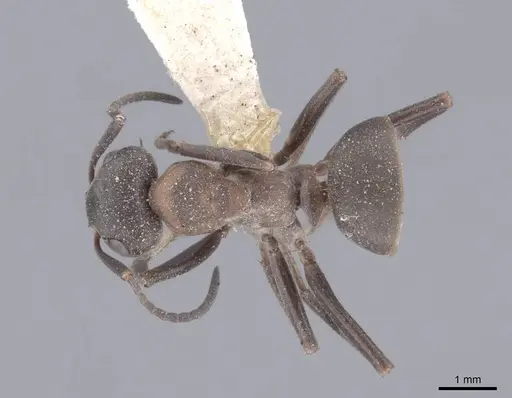
Literature
Loading...Loading products...