
Formica polyctena shows a April to June flight window. Peak activity occurs in May, with nuptial flights distributed across 3 months.
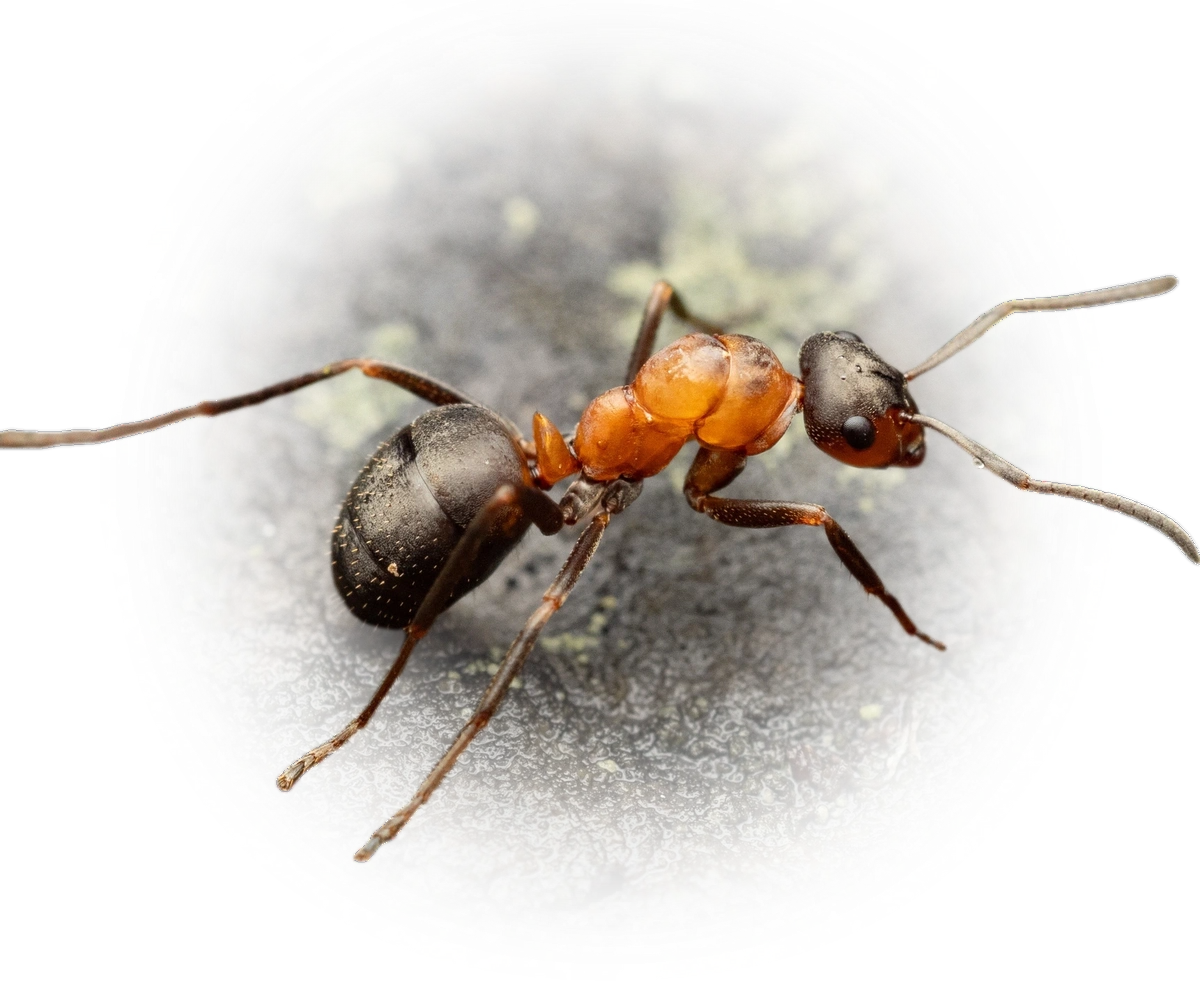
Formica polyctena
- Scientific Name
- Formica polyctena
- Tribe
- Formicini
- Subfamily
- Formicinae
- Author
- Foerster, 1850
- Common Name
- European Red Wood Ant
- Distribution
- Found in 12 countries
- Nuptial Flight
- from April to June, peaking in May
AI Identifiable
try →
Formica polyctena Overview
Formica polyctena (commonly known as the European Red Wood Ant) is an ant species of the genus Formica. It is primarily documented in 12 countries , including Belgium, Switzerland, Germany. Detailed taxonomic data and occurrence records can be further explored via authoritative databases such as AntWeb or the Global Biodiversity Information Facility (GBIF).
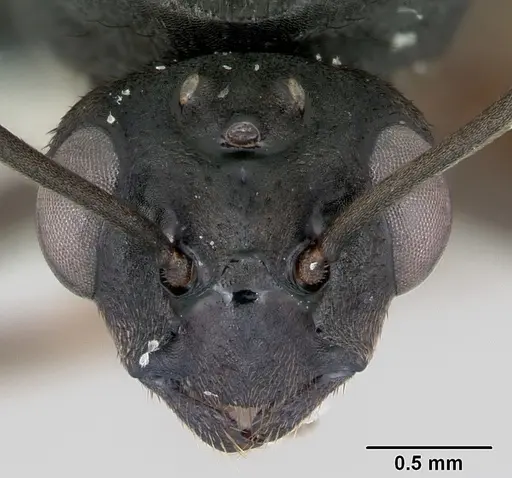
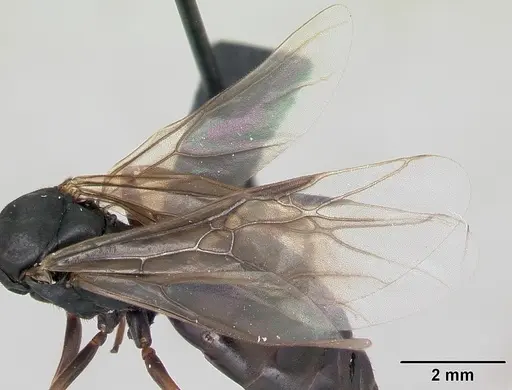
The nuptial flight of Formica polyctena is a significant biological event, typically occurring from April to June, peaking in May. During this time, winged queens and males leave the nest to mate and establish new colonies.
Formica polyctena - "European Red Wood Ant"
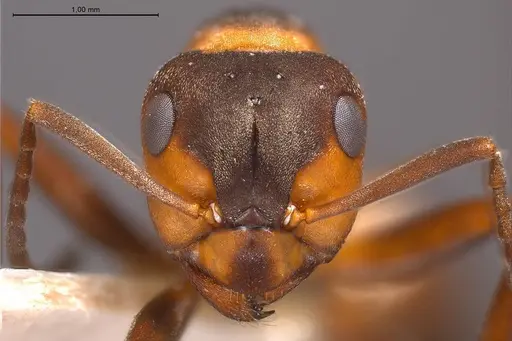
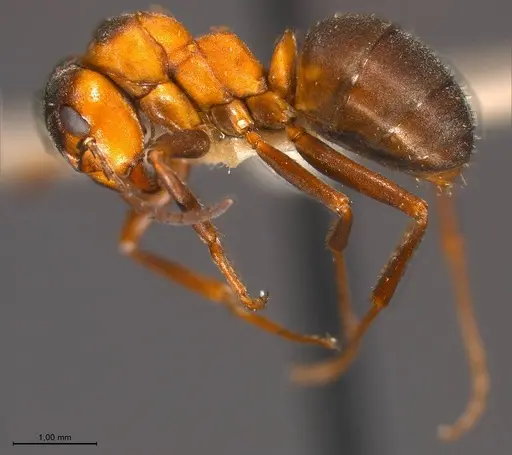
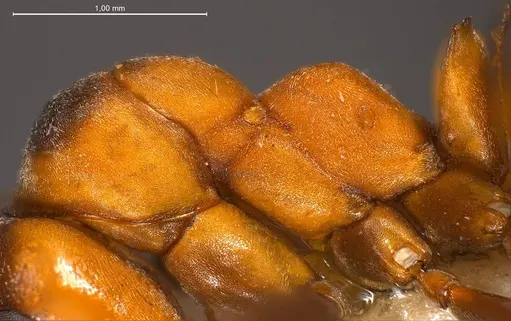
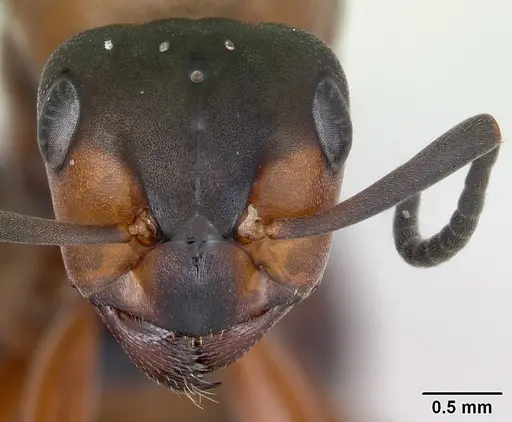
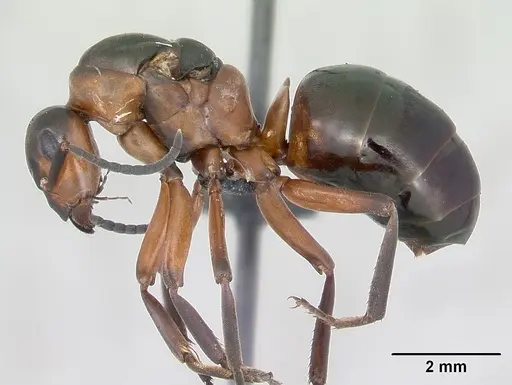
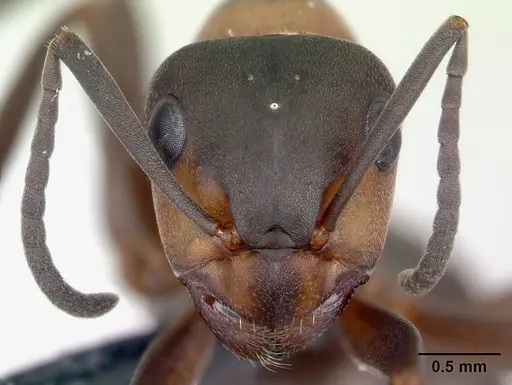
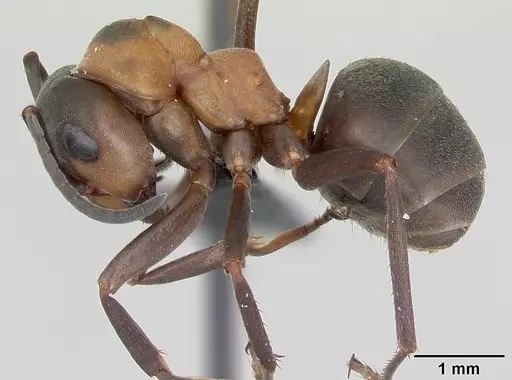
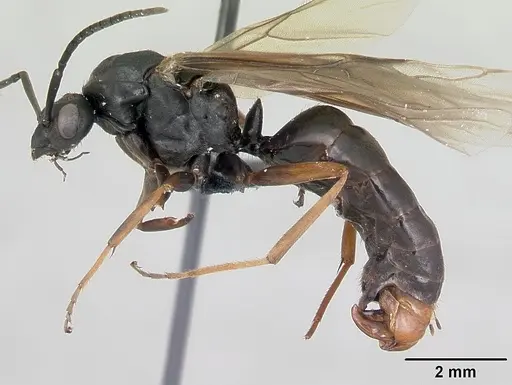
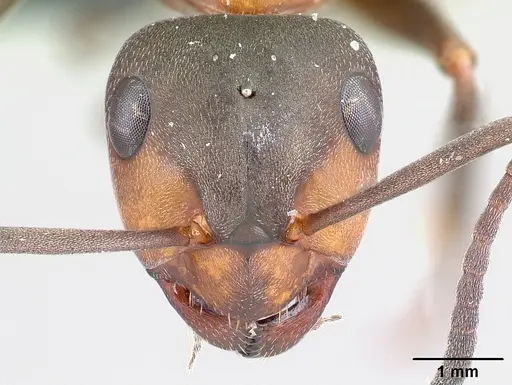
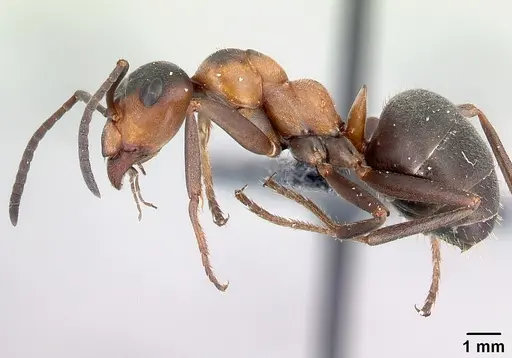
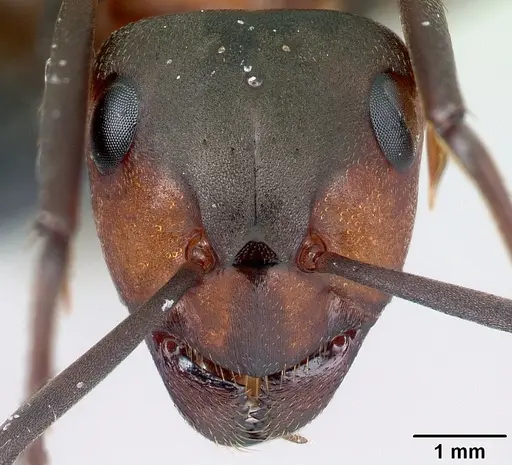
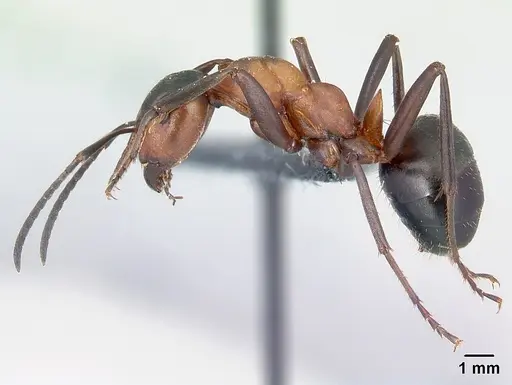
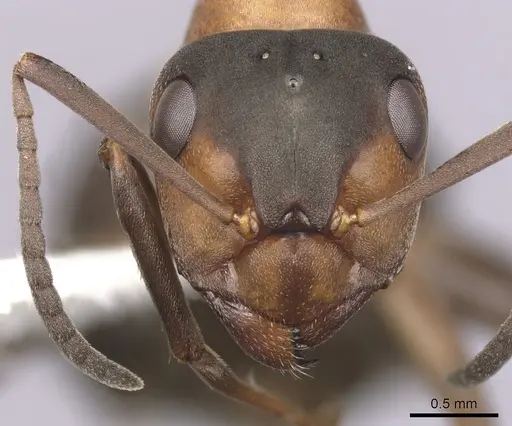
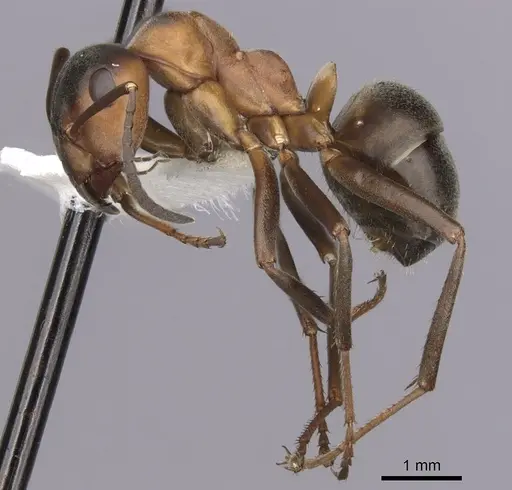
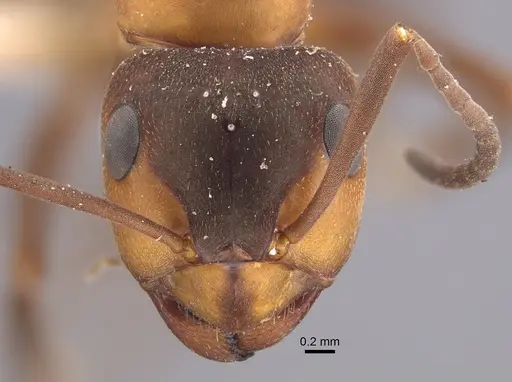
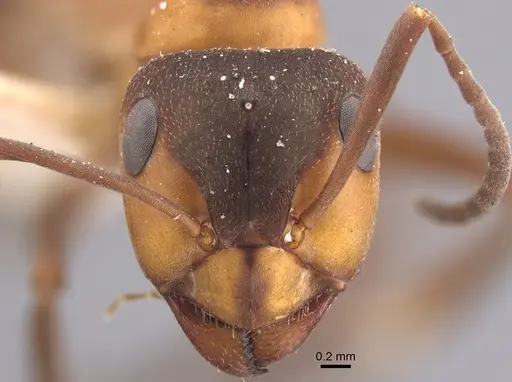
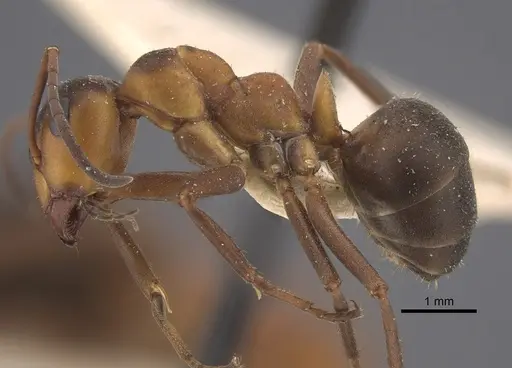
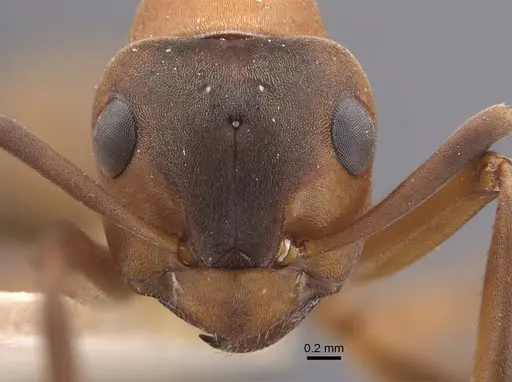
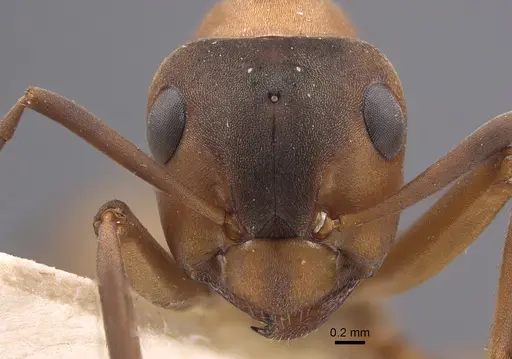
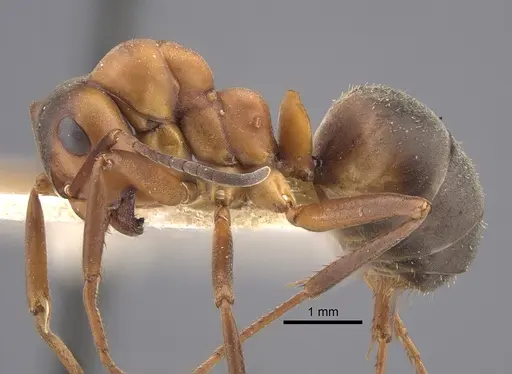
Formica polyctena is a large red wood ant species belonging to the Formica rufa group. Workers measure 4-8.5mm with a distinctive dark red to black coloration and notably sparse body hair, earning it the nickname 'bald-backed wood ant'. This species forms extremely large colonies with hundreds to thousands of queens and can create massive mound nests reaching 2 meters in height. Unlike many ants, F. polyctena is highly polygynous (multiple egg-laying queens per nest) and polydomous (colonies spread across multiple interconnected nests), forming extensive supercolonies that can span large areas of forest. The species is distributed across Europe and Siberia, preferring coniferous and mixed forest habitats where it serves as a dominant forest predator and aphid-tender. These ants are famous for their sophisticated communication systems and ability to transmit information about food locations through specialized scout-forager teams.
Quick Summary
- Difficulty: Expert
- Origin & Habitat: Europe and Siberia, from Spain east to Lake Baikal, primarily between 42°N and 61°N latitude. Found in coniferous and mixed forests, typically in forest interiors and edges, avoiding very wet woodlands [1][2].
- Colony Type: Highly polygynous (multiple queens per nest, often hundreds to thousands) and polydomous (multiple interconnected nests forming supercolonies). Colonies can contain millions of workers across dozens of nest mounds connected by ant trails [3][2].
- Colony: Polygyne, Supercolonial
- Founding: Claustral
- Size & Growth:
- Queen: 9-10.5 mm [4]
- Worker: 4-8.5 mm [5][2]
- Colony: Up to 1 million workers per nest, colonies can reach several million workers total across multiple nests [2][6]
- Growth: Moderate
- Development: Approximately 6-8 weeks at optimal temperature (25-26°C) based on typical Formica development [7] (Development is temperature-dependent, optimal brood development occurs at 25-30°C. Multiple broods per year (3-5 worker generations) in temperate climates.)
- Antkeeping:
- Temperature: Keep nest at 25-30°C for optimal brood development. Workers become active from around 6°C and are most active in afternoon hours. Nest temperature is actively regulated and can be 10°C higher than ambient through metabolic heat [8][9].
- Humidity: Maintain moderate to high humidity in nest material. Nest mounds have a moist surface layer (over 50% moisture) that helps with thermoregulation. Avoid drying out the nest substrate [10].
- Diapause: Yes, requires winter dormancy from approximately October to March. Colonies reduce activity significantly during winter and can survive under snow cover. Keep at cold temperatures (5-10°C) during this period [2].
- Nesting: Requires large naturalistic setups with abundant plant material (pine needles, small twigs) for mound building. Test tubes and small formicaria are completely inadequate. Outdoor naturalistic setups or large custom-built formicaria with multiple chambers are essential. Must have space for multiple connected nests [2][11].
- Behavior: Highly territorial and aggressive toward competing ant species. Spring 'wars' between neighboring colonies are common, with thousands of workers engaging in conflict. Foraging occurs along established trails that can extend 50-100m from nests. Uses sophisticated communication, scouts lead forager teams to food sources and can transmit information about coordinates and numbers. Strongly defends aphid colonies and will attack predators. Escape risk is low as workers are large, but colony size makes containment challenging [12][13].
- Common Issues: Colony size makes housing extremely challenging, standard formicaria are inadequate, Requires access to outdoor spaces or very large custom setups for proper foraging trails, Winter diapause is essential, colonies may not survive without cold period, Highly aggressive toward other ant species and can dominate ecosystems, Very long-lived colonies (decades to over 100 years) require permanent commitment, Cannot be kept in typical indoor settings, needs forest-like conditions or outdoor enclosures
Nuptial Flight Activity Analysis 115 observations
Flight Activity by Hour 115 observations
Formica polyctena nuptial flight activity peaks around 14:00 during the afternoon. Activity is spread across a 10-hour window (10:00–19:00). A secondary activity peak occurs around 16:00. Times may be influenced by human observation patterns.
Housing and Space Requirements
Formica polyctena absolutely requires extensive space that most antkeepers cannot provide. These are not suitable for typical indoor keeping. The minimum acceptable setup would be a large outdoor naturalistic enclosure covering several square meters with multiple nest sites connected by foraging trails. In the wild, colonies maintain territories spanning 50-100m from nest mounds and create extensive trail networks. For keeping, you would need to simulate this with connected chambers or allow access to outdoor areas. Standard test tube setups, Y-tong nests, and small formicaria are completely inadequate and will result in colony failure. If you cannot provide hundreds of square meters of space, this species should not be kept. [2][11]
Feeding and Diet
The diet consists primarily of honeydew (approximately 70% of food intake) collected from aphid colonies on trees. Workers travel to tree canopies along established trails to tend aphids and collect honeydew. The remaining diet comes from insects and other small invertebrates, they are active predators that can bring in thousands of prey items per day. In captivity, you must provide access to live aphids or honeydew sources, plus insects (crickets, mealworms, etc.). Sugar water may be accepted but is not a natural food source. The complex aphid-tending behavior with specialized worker roles (shepherds, guards, transporters, scouts) cannot be replicated in captivity, making proper husbandry extremely challenging.
Temperature and Seasonal Care
Optimal temperature for brood development is 25-30°C, and nests are actively thermoregulated to maintain these conditions. Metabolic heat from ants and microbial activity in nest material keeps mounds warm. However, they also need cooler areas for regulation, and outdoor colonies experience natural temperature fluctuations. From October/November through March, colonies enter winter dormancy. During this time, activity nearly ceases and colonies survive under snow cover. Artificial colonies must be provided with a cold period (5-10°C) or placed in outdoor sheds/greenhouses over winter. Without this diapause period, colony health will deteriorate. Spring awakening typically occurs in March-April, with nuptial flights from April through June. [8][2][9]
Colony Structure and Behavior
Understanding F. polyctena social structure is essential. Colonies are polygynous (hundreds to thousands of queens) and polydomous (dozens of interconnected nests). Queens are continuously produced and can be adopted from other colonies. In spring, 'ant wars' occur between neighboring colonies where thousands of workers engage in conflict. By autumn, aggression decreases and colonies may share foraging areas. Workers specialize in different tasks: 'shepherds' collect honeydew from aphids, 'guards' protect aphid colonies, 'transporters' carry honeydew to nests, and 'scouts' search for new food sources. This specialization and the sophisticated communication (scouts can transmit coordinate information to forager teams) represent remarkable cognitive abilities not seen in simpler ant species. [12][13]
Legal and Ethical Considerations
Formica polyctena is protected by law in many European countries due to population declines. In Belgium, it is listed as vulnerable, and similar protections exist across the EU. In North America, this species does not occur naturally and should never be released. Capturing wild colonies is generally prohibited and ecologically harmful. These ants play crucial roles in forest ecosystems as predators of pest insects and as seed dispersers. Their decline in some areas has been linked to forestry practices and habitat fragmentation. Prospective keepers should consider whether they can ethically and practically provide for this species' needs spanning decades. [2]
Frequently Asked Questions
Can I keep Formica polyctena in a formicarium?
No. Standard formicaria are completely inadequate for this species. Colonies require hundreds of square meters of space with multiple interconnected nests and access to trees for aphid-tending. The only realistic options are large outdoor naturalistic enclosures or access to outdoor areas. This species should not be kept by typical antkeepers.
How long do Formica polyctena colonies live?
Colonies can live for decades to over 100 years. Queens can live 5+ years, and colonies continuously renew themselves through new queen production. This represents a multi-generational commitment that may exceed the keeper's lifetime.
What do Formica polyctena eat?
Approximately 70% of their diet is honeydew from tended aphids. The remainder consists of insects and other small invertebrates they capture. In captivity, providing natural food sources (aphids on plants) is essentially required, making them extremely difficult to keep properly.
Do they need hibernation?
Yes, a winter dormancy period from roughly October to March is essential. Colonies reduce activity significantly and survive under snow cover in the wild. Artificial colonies must be provided with cold temperatures (5-10°C) during this period or placed in suitable outdoor structures.
Are Formica polyctena good for beginners?
Absolutely not. This is an expert-level species requiring extensive space, outdoor access, and decades-long commitment. The housing requirements alone make them unsuitable for typical antkeeping. Even experienced antkeepers should think very carefully before attempting to keep this species.
How big do Formica polyctena colonies get?
Individual nest mounds can contain 500,000 to 1 million workers. Full colonies spanning multiple interconnected nests can reach several million workers across dozens of nest mounds covering several hectares.
How do Formica polyctena colonies reproduce?
New colonies form primarily through budding, a queen with workers establishes a new nest near the parent colony. Nuptial flights occur from April to June, but less than 5% of mated females disperse by flight, most are adopted back into their natal colony or nearby related colonies.
Why are they called 'bald-backed' wood ants?
They have notably sparse body hair compared to other red wood ants (F. rufa, F. pratensis). The back of the head and thorax have few to no erect hairs, making them appear 'bald' compared to their hairier relatives.
References

This caresheet is licensed under CC BY-SA 4.0 .
ANTWEB1008389
View on AntWeb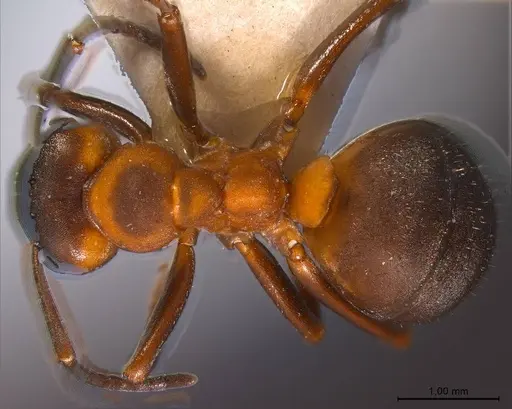
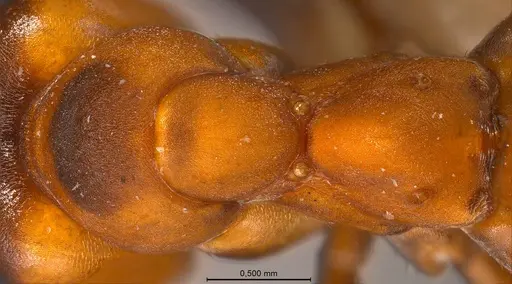
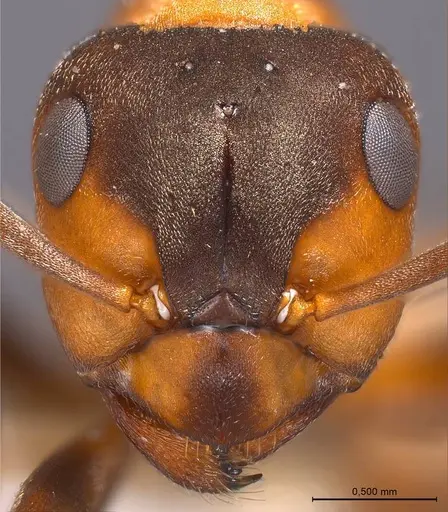
ANTWEB1041357
View on AntWeb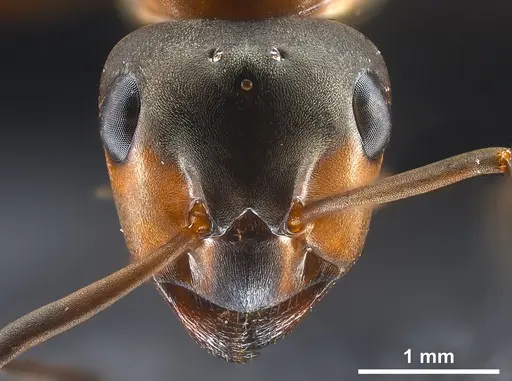
CASENT0173642
View on AntWeb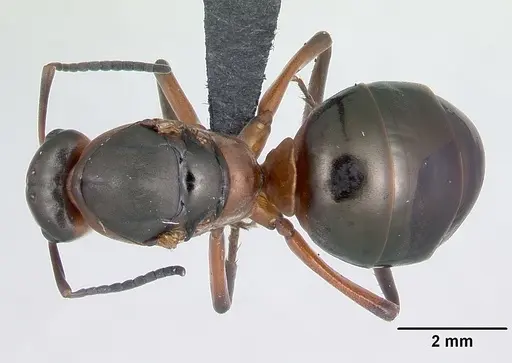
CASENT0173865
View on AntWeb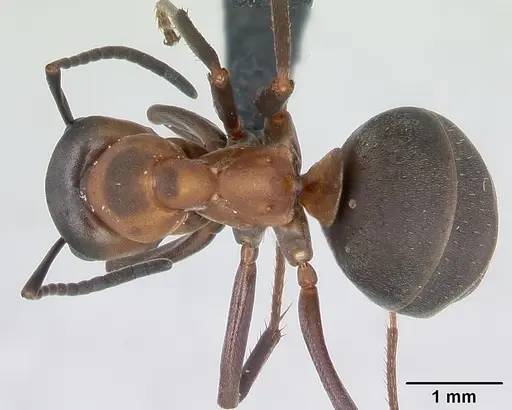
CASENT0173866
View on AntWeb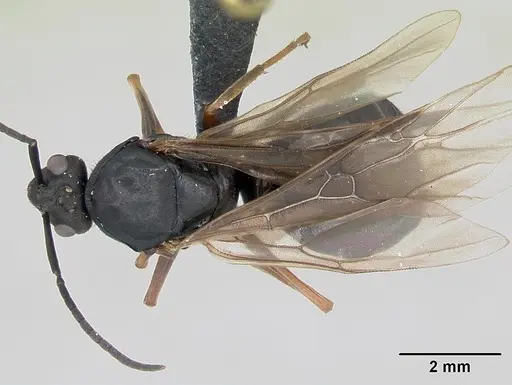
CASENT0179911
View on AntWeb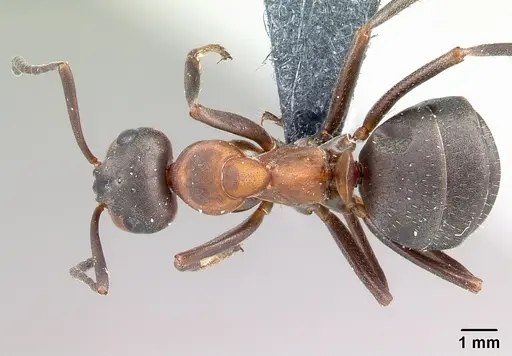
CASENT0179912
View on AntWeb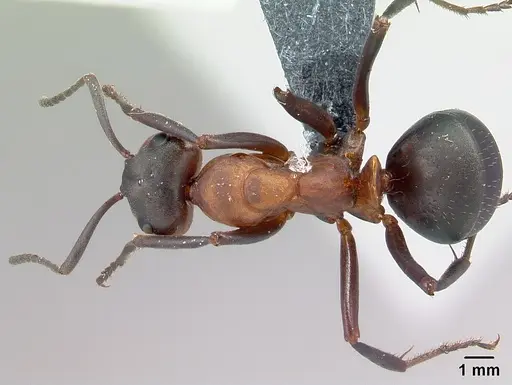
CASENT0280408
View on AntWeb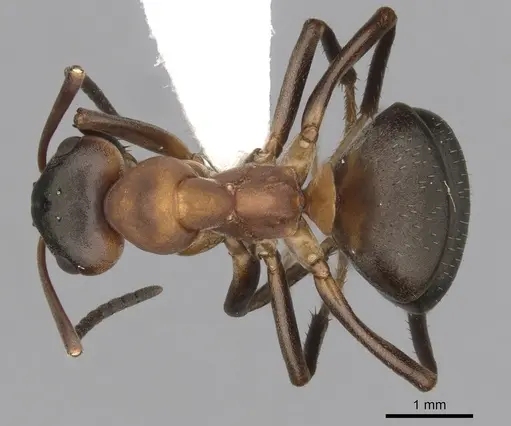
CASENT0917340
View on AntWeb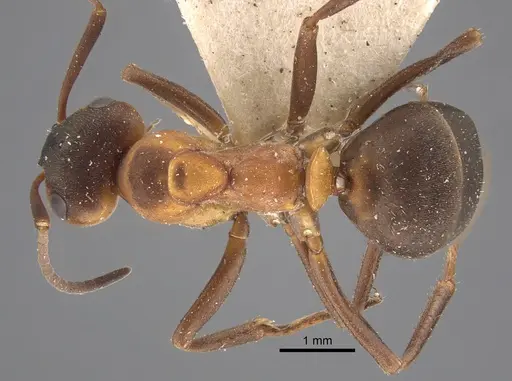
CASENT0917341
View on AntWeb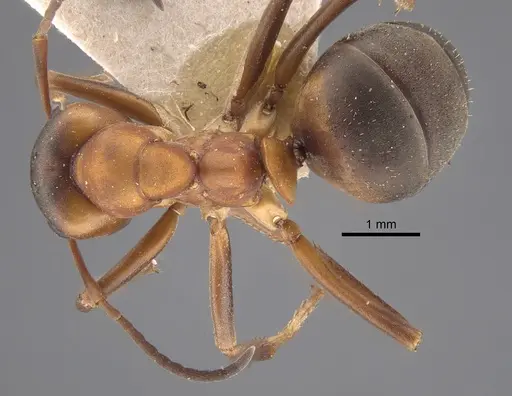
Literature
Loading...Loading products...