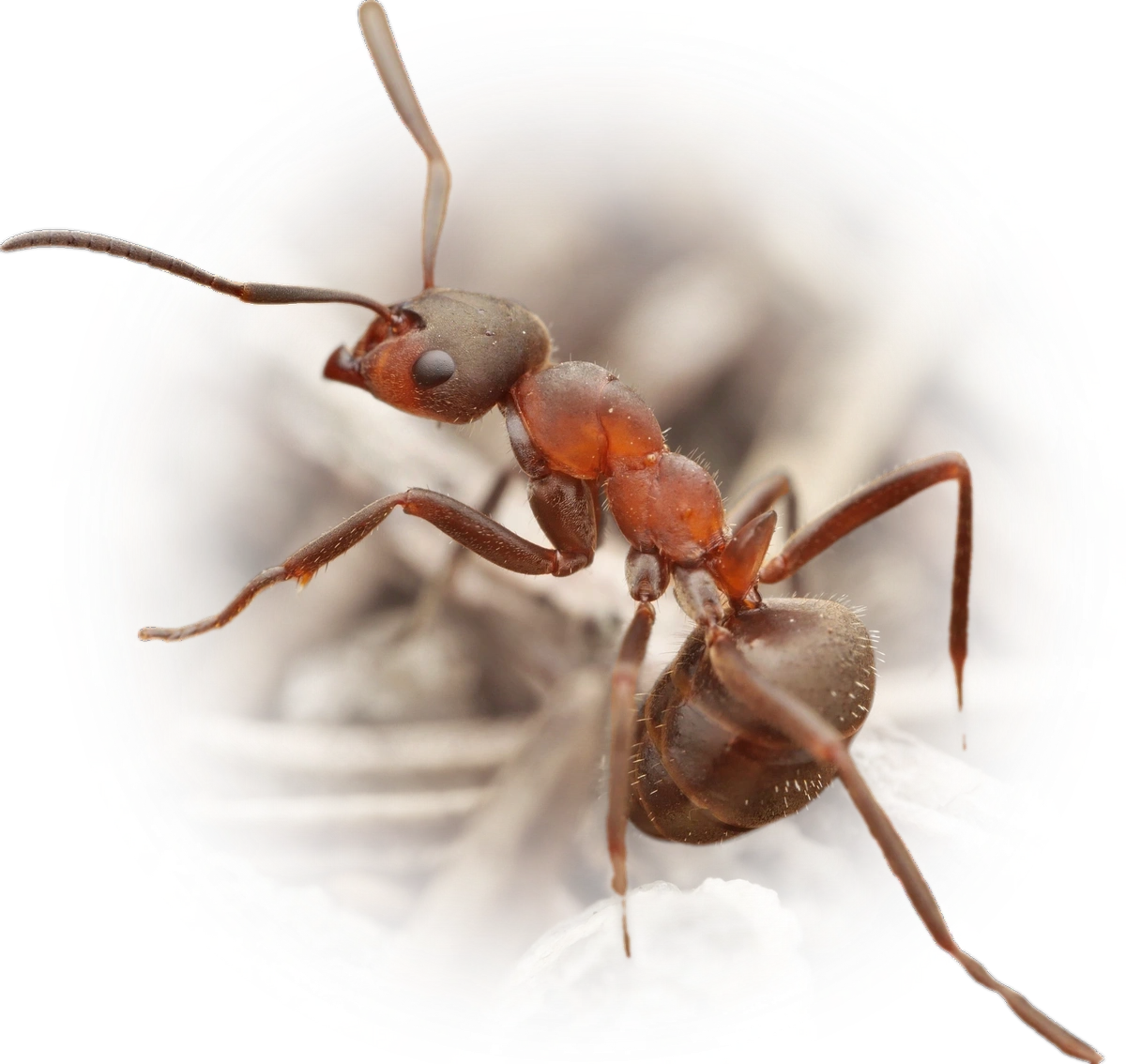

Formica lugubris
- Scientific Name
- Formica lugubris
- Tribe
- Formicini
- Subfamily
- Formicinae
- Author
- Zetterstedt, 1838
- Common Name
- Hairy Wood Ant
- Distribution
- Found in 9 countries
Formica lugubris Overview
Formica lugubris (commonly known as the Hairy Wood Ant) is an ant species of the genus Formica. It is primarily documented in 9 countries , including Austria, Switzerland, Finland. Detailed taxonomic data and occurrence records can be further explored via authoritative databases such as AntWeb or the Global Biodiversity Information Facility (GBIF).
Formica lugubris - "Hairy Wood Ant"
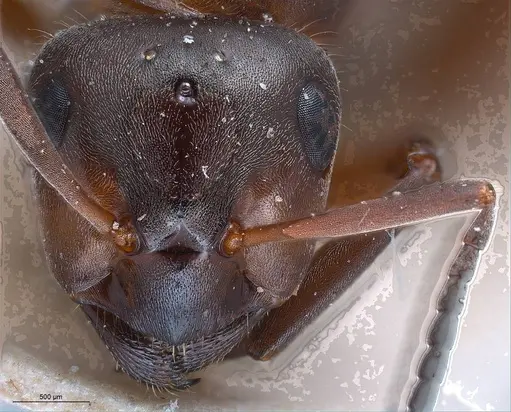
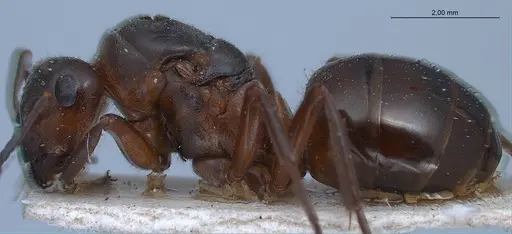
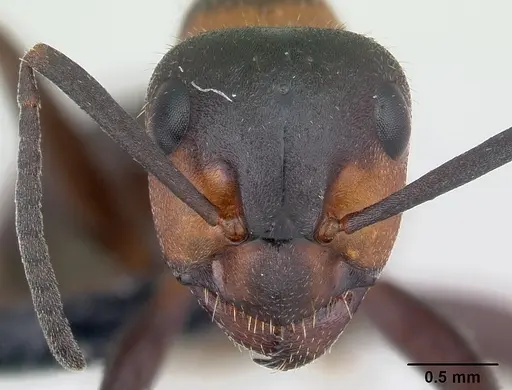
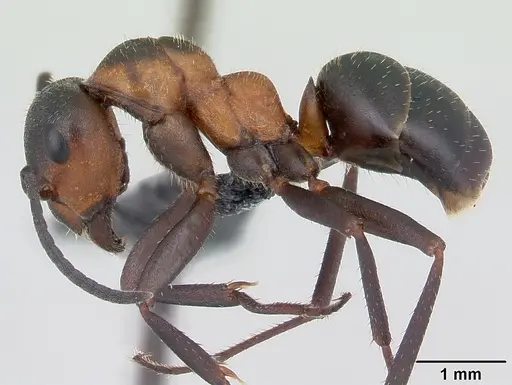
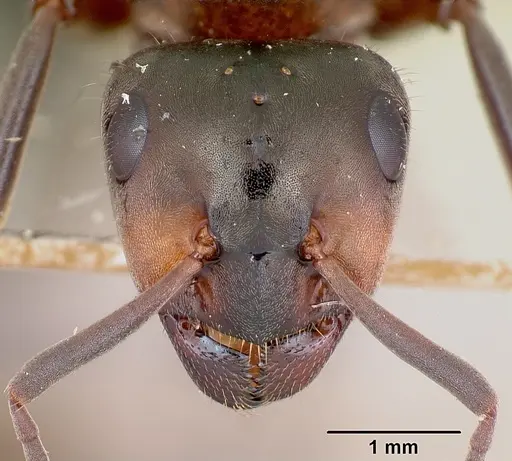
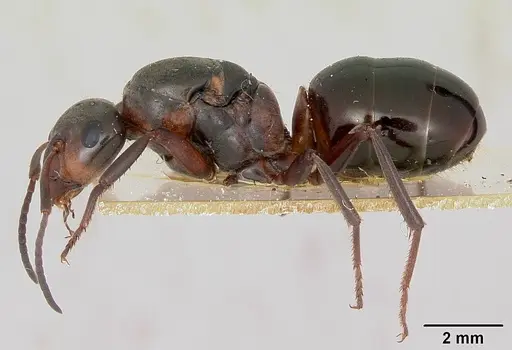
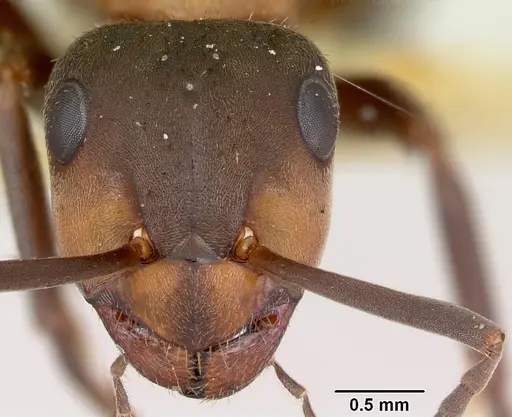
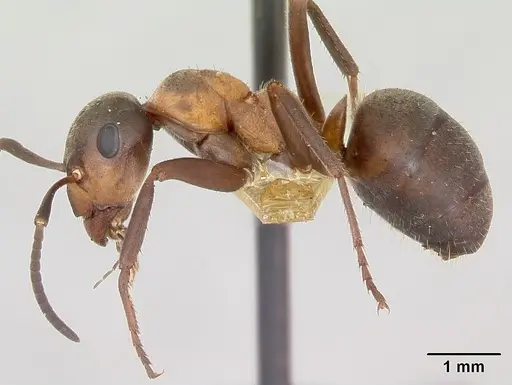
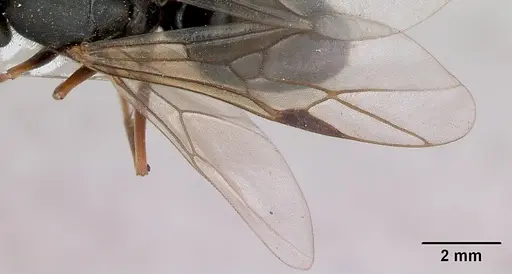
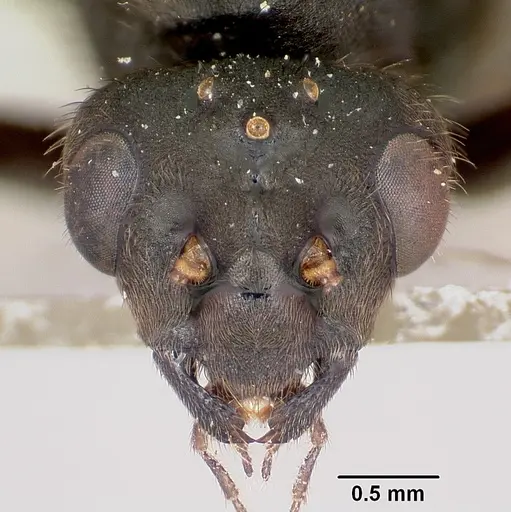
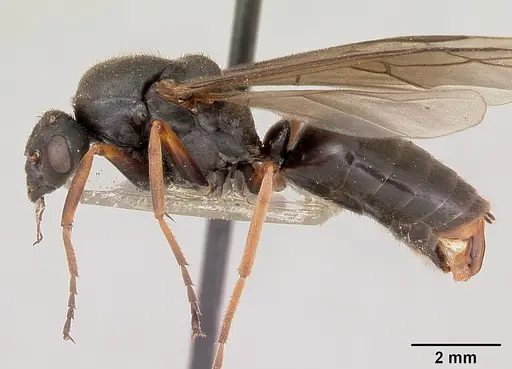
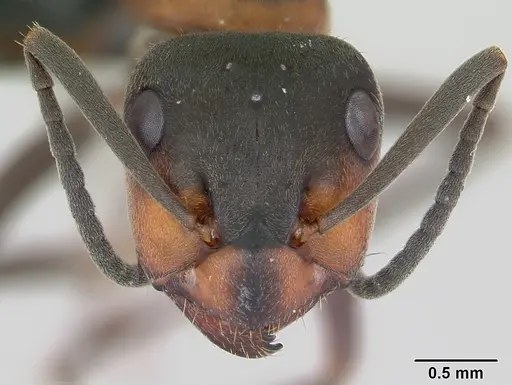
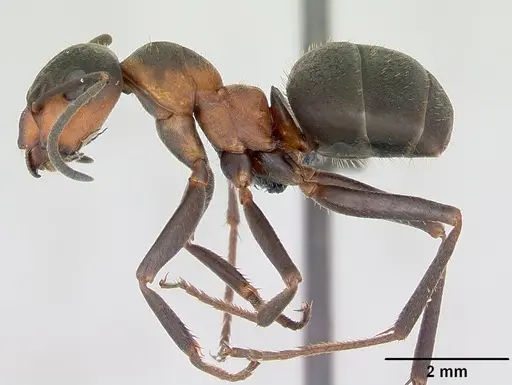
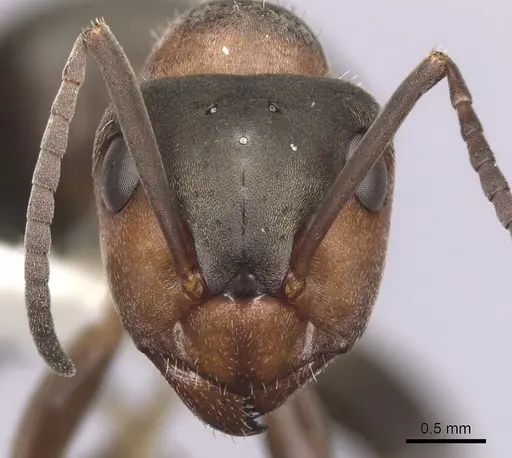
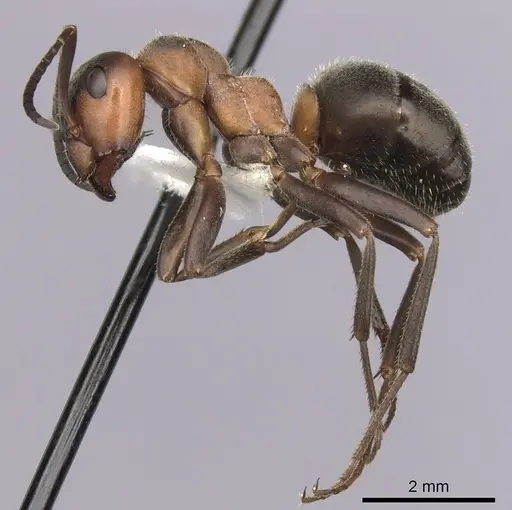
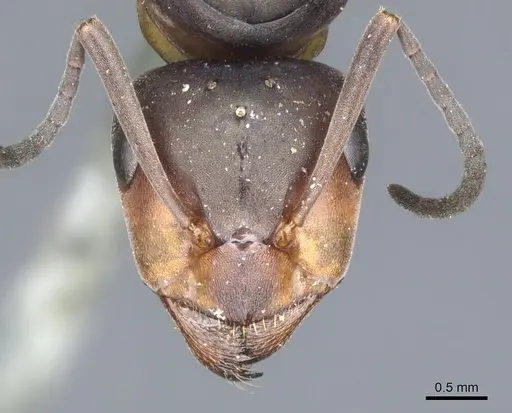
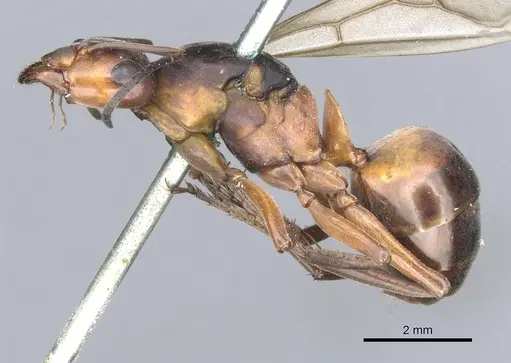
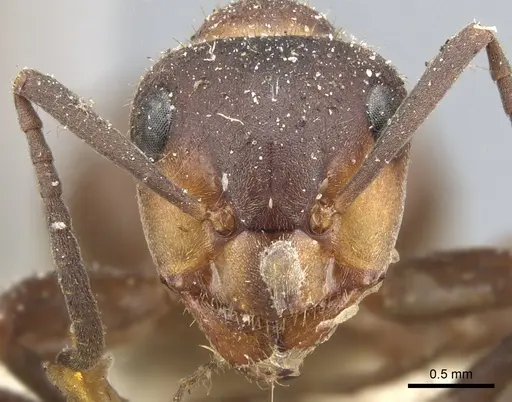
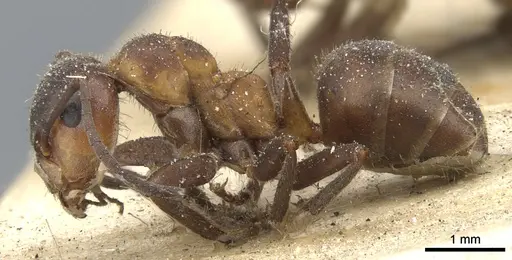
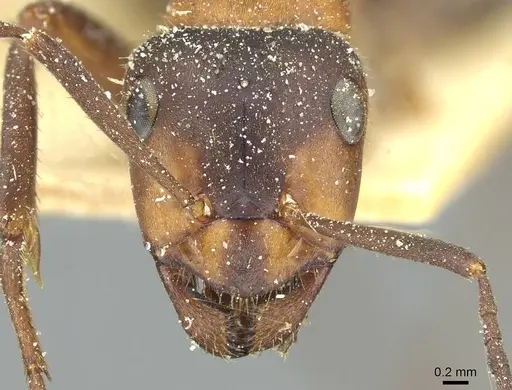
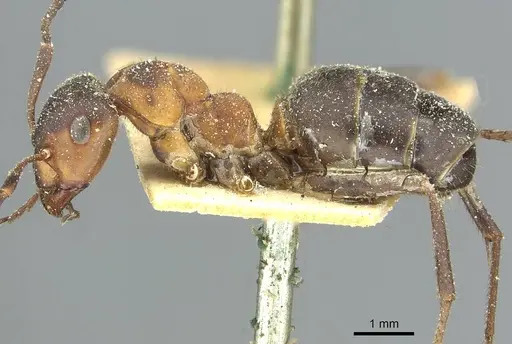
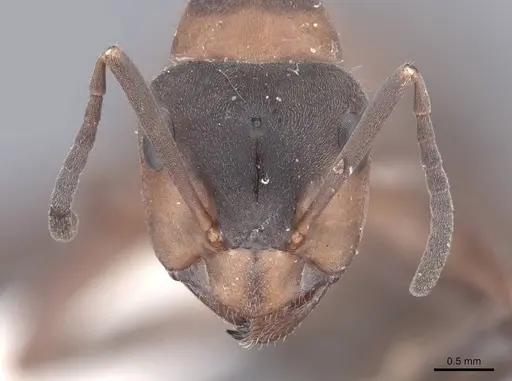
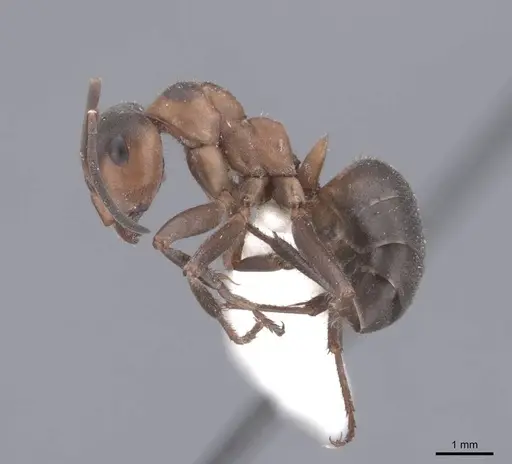
Formica lugubris is a large, aggressive mound-building ant belonging to the Formica rufa group. Workers measure approximately 6-9mm in body length and have a distinctive bicolored appearance with a dark brown to black abdomen and reddish-brown head and thorax. As the common name suggests, this species is notably hairier than its relatives like Formica aquilonia, with long erect hairs covering the head, mesopleuron, and petiole scale. Queens are larger at 9.5-10.5mm. This is a boreo-alpine species found across northern Eurasia from Ireland to Japan, typically in coniferous forests and forest edges at higher altitudes [1][2].
What makes F. lugubris particularly interesting is its social flexibility, colonies can be either monodomous (single mound) or polydomous (multiple connected mounds), and either monogynous (single queen) or polygynous (multiple queens) depending on location. In the Swiss Alps, supercolonies with over 1,200 nests spanning 70 hectares have been documented, while Irish populations are typically monodomous and monogynous [3][4]. This species is a dominant forest predator and honeydew collector, playing a crucial role in forest ecosystems.
Quick Summary
- Difficulty: Medium
- Origin & Habitat: Boreo-alpine species from northern Eurasia, found from the Pyrenees to Kamchatka and from Italy to northern Scandinavia. Prefers coniferous forests and forest edges at montane to subalpine elevations (550-2510m in the Alps) [1][2].
- Colony Type: Variable, can be monodomous (single mound) or polydomous (multiple connected mounds), and monogynous (single queen) or polygynous (multiple queens). Central European populations are typically polygynous and polydomous, while Irish and Fennoscandian populations are mainly monodomous and monogynous [1][4][5].
- Size & Growth:
- Queen:{.size-link} 9.5-10.5 mm [AntWiki]
- Worker:{.size-link} 6.0-9.0 mm [6]
- Colony: Up to 100,000 workers in mature colonies [7]
- Growth: Moderate
- Development: Approximately 35-40 days at optimal temperature [8] (Development is serial with periodic egg-laying events, first eggs laid in April, with new worker generations emerging from late July through August. Brood present for approximately 110 days (late May to mid-September) [8].)
- Antkeeping:
- Temperature: Keep nest area at 20-26°C for optimal brood development. Workers begin foraging at 6-8°C ground temperature and are most active at 24°C, ceasing above 33°C [8][9]. Room temperature is generally suitable.
- Humidity: Requires moderate to high humidity. Nest mounds maintain a moist surface layer over a drier inner core. Keep substrate consistently damp but not waterlogged [10].
- Diapause: Yes, requires hibernation from approximately October to April. Colonies survive under snow cover, with deeper nest sections staying above freezing (around 5°C). In the wild, nests are often covered by snow layer over winter [10].
- Nesting: Naturalistic setup recommended, large mound nests built from pine needles, conifer twigs, and other forest debris. In captivity, can use large formicariums with multiple chambers or allow them to build their own mound structure. Requires access to forest materials for nest building [3][6].
- Behavior: Highly aggressive and territorial, workers will aggressively defend the colony and attack intruders. Forms extensive foraging trail networks extending up to 50-80 meters from the nest. Primary diet consists of honeydew collected from aphids (approximately 80% of foraging returns in summer) and insect prey. Workers are active foragers and will hunt invertebrates and scavenge. This species has excellent escape prevention needs due to its size and determination, use barrier methods like fluon on smooth surfaces [11][4].
- Common Issues: aggressive behavior requires excellent escape prevention, workers can squeeze through small gaps and are persistent, colonies are sensitive to habitat disturbance and may abandon nests in response to changes, temperature sensitivity, colonies may struggle in warm indoor environments without cooling, large colony size requires significant space, not suitable for small setups, protected species in many European countries, check local regulations before keeping, polydomous colonies need space for multiple nest structures
Nest Preferences and Housing
Formica lugubris requires space and appropriate nesting conditions. In the wild, they build characteristic dome-shaped mounds from pine needles, conifer twigs, and other forest debris, typically around dead stumps or at the base of trees. Mean mound dimensions are approximately 103cm in diameter and 45cm in height, though much larger mounds can develop over decades [3][6].
For antkeeping, a naturalistic setup is strongly recommended. This means providing the colony with access to forest floor materials (pine needles, small twigs, soil) so they can construct their own nest structure. A large formicarium with multiple connected chambers or allowing the colony to build in a designated area works well. The setup should include both a nest area and a spacious outworld for foraging.
Because this species can form polydomous colonies (multiple connected mounds), consider providing space for potential secondary nests. In captivity, this might mean connecting multiple formicarium sections or allowing the colony to expand naturally. The species prefers shadier conditions, nest size actually increases with higher canopy cover in the wild [13].
Feeding and Diet
F. lugubris has a varied diet dominated by carbohydrate sources. In the wild, approximately 80% of returning foragers carry honeydew from aphids during summer months (May-September), while insect prey makes up about 60% of returns in early spring (March-April) and drops to around 15% during other periods [4].
In captivity, provide a constant supply of sugar water (honey or sugar water in a test tube with a cotton wick) as the primary carbohydrate source. For protein, offer small insects like fruit flies, small crickets, mealworms, or other appropriately-sized invertebrates. The species is a voracious predator and will readily take down prey items.
They are particularly associated with Cinara aphids on coniferous trees, in Ireland, the most important aphid species are on Scots Pine, Norway Spruce, Sitka Spruce, and European Larch. Lodgepole Pine does not support the required aphids and is unsuitable as a food source [4]. For captive colonies, focus on sugar sources and regular protein offerings.
Temperature and Seasonal Care
Temperature management is crucial for F. lugubris. Workers begin foraging at ground temperatures of 6-8°C, with activity increasing linearly with temperature between 7-20°C. Maximum forager activity occurs at around 24°C, and traffic ceases entirely above 33°C ground temperature [8].
Keep the nest area at 20-26°C for optimal brood development. The species naturally maintains mound temperatures of 26-30°C during the summer active season through metabolic heat and decomposition [10]. In captivity, room temperature is generally suitable, but avoid placing the setup in direct sunlight or near heat sources.
Winter hibernation is required. In the wild, colonies overwinter under snow cover with nest temperatures around 5°C in deeper sections. Provide a cold period from approximately October to April at temperatures between 2-8°C. This can be achieved by moving the colony to an unheated garage, basement, or refrigerator during winter.
Behavior and Temperament
This is one of the more aggressive ant species in the hobby. Workers are highly territorial and will aggressively defend the colony against any perceived threats. They form extensive foraging trail networks that can extend 50-80 meters from the nest in the wild, and maintain these trails throughout the active season [14].
The species uses a combination of visual landmarks and pheromone trails for navigation. Studies have shown they use the panoramic skyline as a visual cue during navigation [15]. Workers show high route fidelity, following established paths to food sources.
Because of their aggressive nature and persistence, escape prevention must be excellent. Apply fluon or similar barriers to all smooth surfaces, and ensure any gaps in the setup are sealed. Despite their size, they can squeeze through surprisingly small openings.
In polydomous colonies, workers show interesting resource redistribution behavior, treating other nests in the colony as food sources and transporting honeydew between nests [16].
Colony Foundation and Development
F. lugubris colonies can be founded in several ways. The most common method is claustral founding, where a newly mated queen seals herself in a chamber and raises the first workers alone using stored fat reserves. However, this species also commonly uses temporary social parasitism, where a queen invades a nest of Serviformica ants (like Formica fusca or F. lemani), kills or displaces the host queen, and uses the host workers to raise her first brood [4][12].
In established colonies, new nests are often founded through budding, a portion of the colony with queen(s) moves to a new location while maintaining connections to the parent nest. This is the primary method in polydomous populations.
Development from egg to worker takes approximately 35-40 days at optimal temperatures. Brood is produced serially, with multiple egg-laying events throughout spring and summer. The first new workers (nanitics) typically emerge in late summer, and the colony grows progressively over many years. Maximum colony size can exceed 100,000 workers in mature colonies [7][8].
Frequently Asked Questions
Is Formica lugubris a good species for beginners?
No, this is not an ideal beginner species. F. lugubris is medium difficulty due to its large colony size requirements, aggressive temperament, need for hibernation, and the fact that it is a protected species in many European countries. Additionally, they require specific aphid honeydew sources in the wild, making their dietary needs more complex than simpler species.
How long does it take for the first workers to appear?
From egg to first worker takes approximately 35-40 days at optimal temperatures (around 25-26°C). The first workers, called nanitics, are typically smaller than mature workers. However, colony growth is slow initially, a founding queen will produce only a small number of workers in the first year.
Can I keep multiple queens together?
This depends on the social structure. F. lugubris is facultatively polygynous, some colonies have multiple queens while others have just one. In the wild, Central European populations are typically polygynous while Irish and Scandinavian populations are monogynous. In captivity, it is generally not recommended to combine unrelated foundress queens as they may fight. However, established polygynous colonies can be kept together.
What temperature do they need?
Keep the nest area at 20-26°C for optimal brood development. Workers begin foraging at 6-8°C and are most active at around 24°C. They will stop foraging above 33°C. Room temperature is generally suitable, but avoid warm locations and direct sunlight.
Do they need hibernation?
Yes, hibernation is required. Provide a cold period from approximately October to April at temperatures between 2-8°C. This can be achieved by moving the colony to an unheated garage, basement, or refrigerator during winter. In the wild, colonies survive under snow cover with nest temperatures around 5°C.
How big do colonies get?
Mature colonies can reach 100,000 or more workers. In the wild, polydomous supercolonies can have over 1,200 interconnected nests spanning 70 hectares. Individual mound nests can be massive, averaging over 1 meter in diameter and containing tens of thousands of workers.
What do they eat?
Their diet consists primarily of honeydew (about 80% of summer foraging returns) and insect prey (about 15-60% depending on season). In captivity, provide constant sugar water (honey or sugar water) and regular protein feedings (small insects like fruit flies, mealworms, or crickets).
Why are my ants dying?
Common causes include: overheating (temperatures above 33°C), improper humidity (too dry or waterlogged), lack of hibernation, insufficient protein, or disturbance to the nest. Also check for parasites or diseases. Colonies are sensitive to habitat changes and may abandon nests if disturbed.
When should I move them to a formicarium?
Move to a larger setup when the colony reaches several hundred workers and the founding setup becomes crowded. For F. lugubris, this typically means providing a spacious formicarium or naturalistic setup early, as they need room for potential mound building and multiple nest structures.
Are they protected species?
Yes, F. lugubris is protected by law in many European countries and is classified as Near Threatened on the IUCN Red List. It is illegal to collect from the wild in most countries where it occurs. Always check local regulations before acquiring this species.
Report an Issue
The current care sheet is based fully on literature. See inconsistencies, or something that's incorrect? Please , it will be resolved after review from an admin. Contributing to the blogs tab also helps providing information, to make us be able to further improve the caresheets. Thank you for your support!
References

This caresheet is licensed under CC BY-SA 4.0 .
ANTWEB1008385
View on AntWeb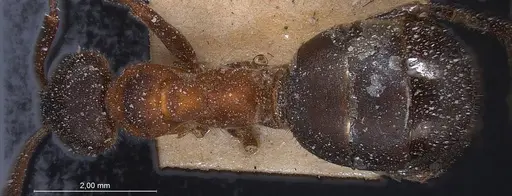
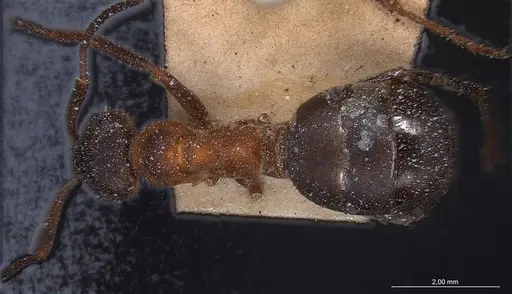
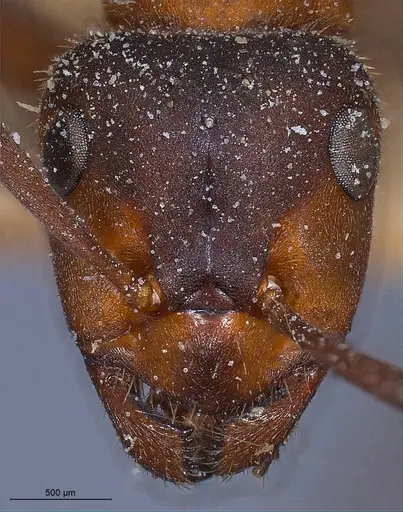
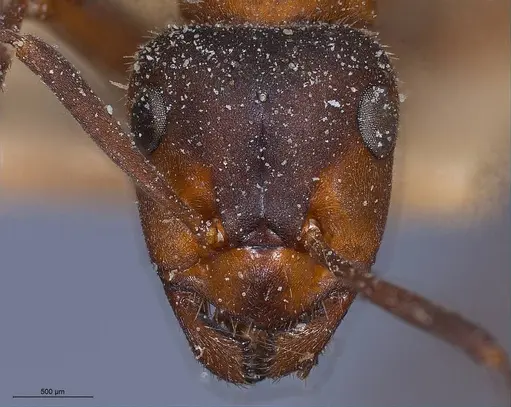
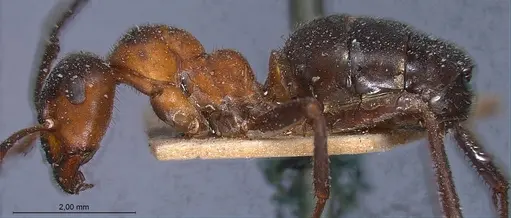
ANTWEB1008416
View on AntWeb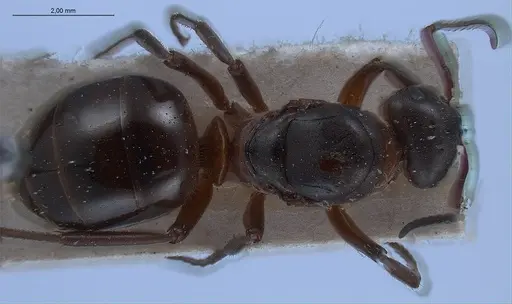
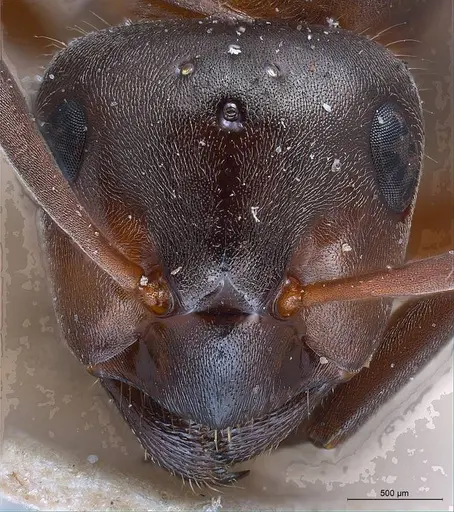
CASENT0127733
View on AntWeb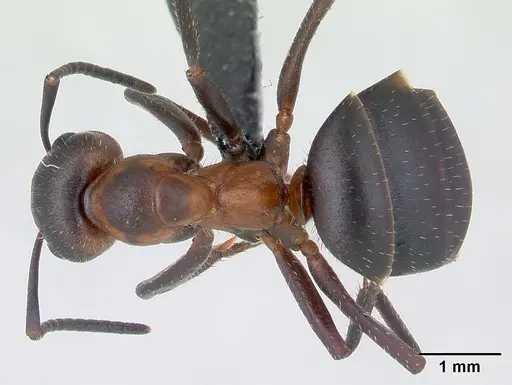
CASENT0173009
View on AntWeb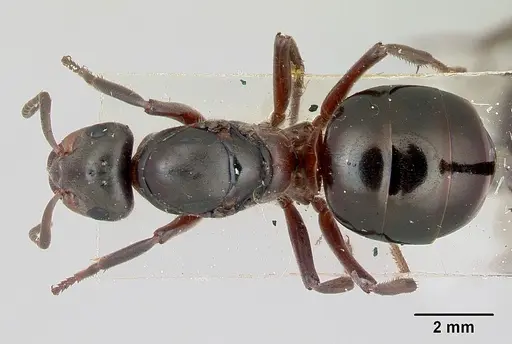
CASENT0173010
View on AntWeb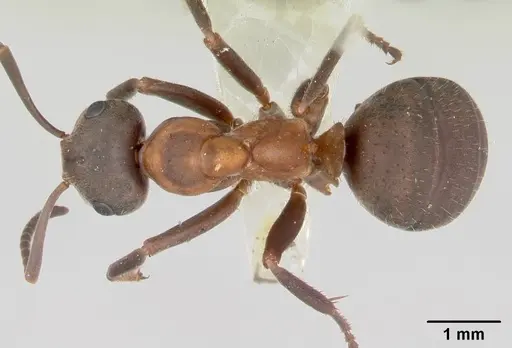
CASENT0173011
View on AntWeb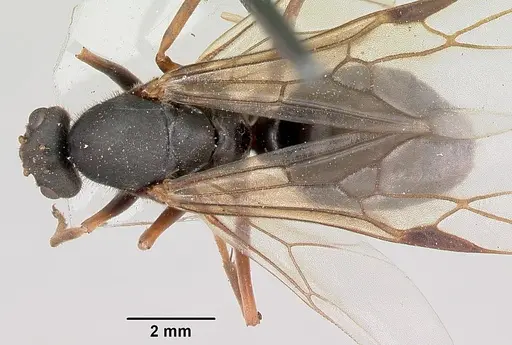
CASENT0173155
View on AntWeb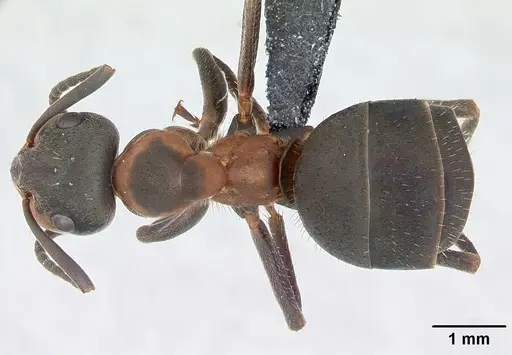
CASENT0280407
View on AntWeb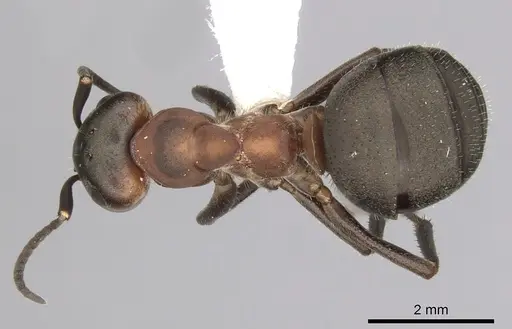
CASENT0903278
View on AntWeb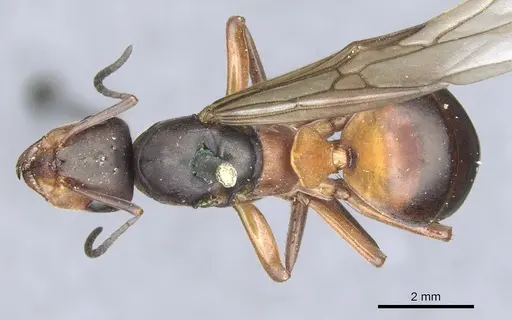
CASENT0903279
View on AntWeb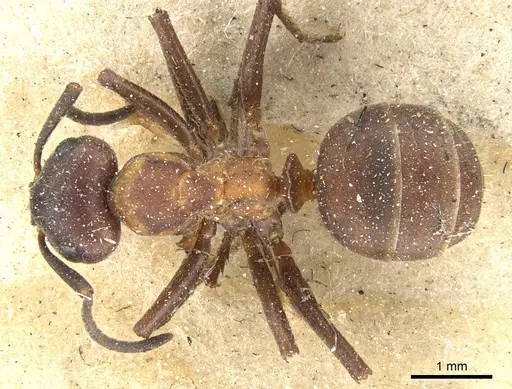
CASENT0912249
View on AntWeb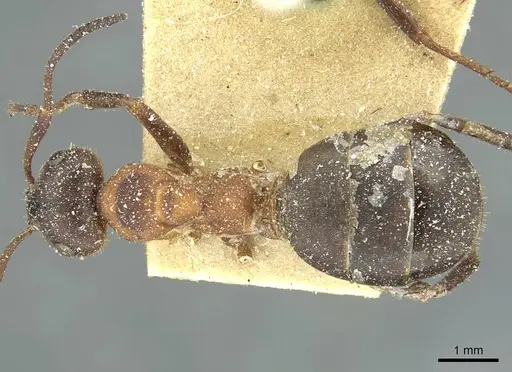
FMNHINS0000046319
View on AntWeb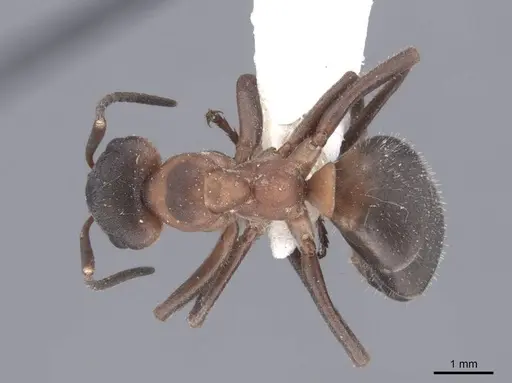
Literature
Loading...Loading products...