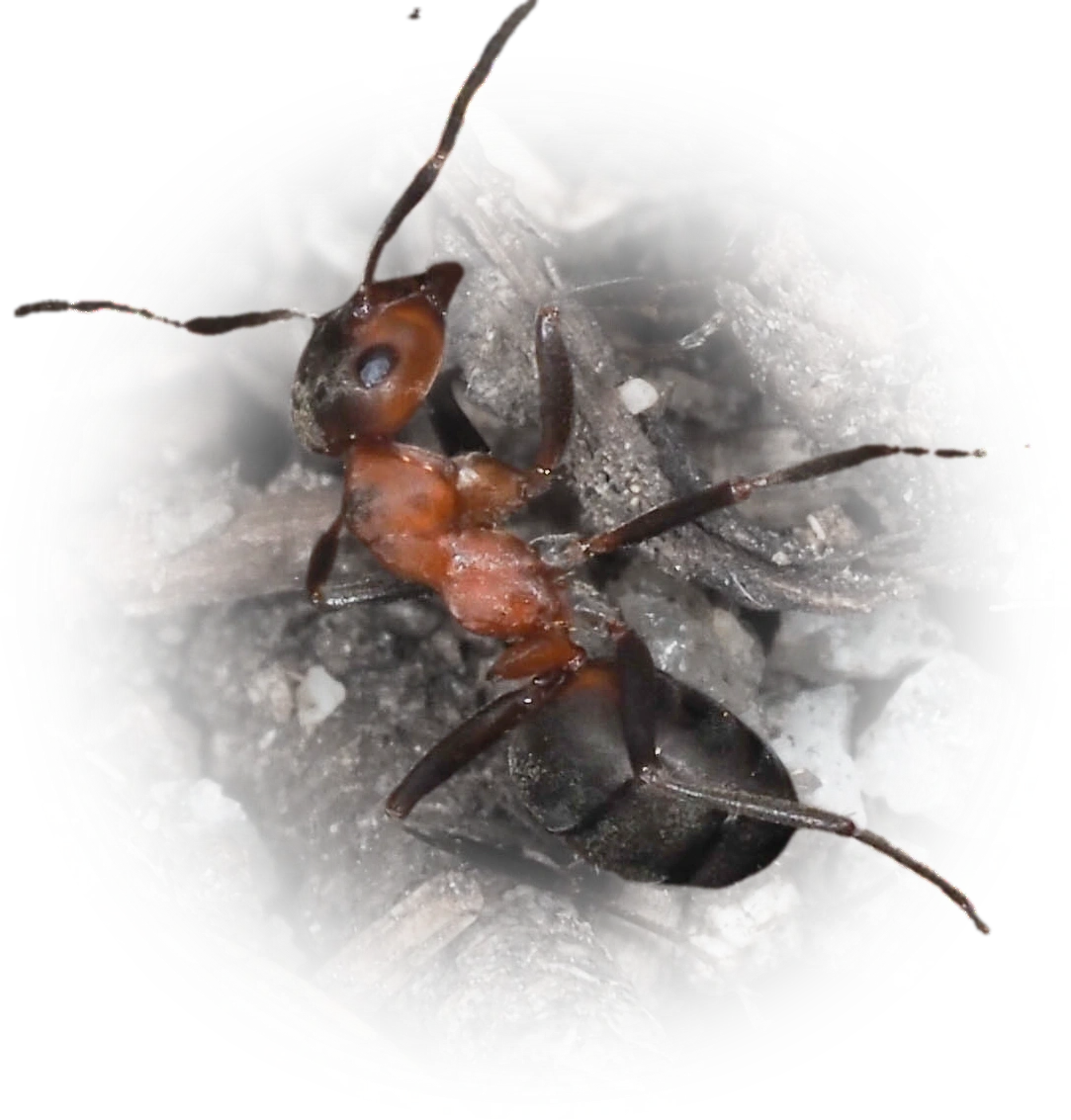

Formica aquilonia
- Scientific Name
- Formica aquilonia
- Tribe
- Formicini
- Subfamily
- Formicinae
- Author
- Yarrow, 1955
- Common Name
- Scottish Wood Ant
- Distribution
- Found in 10 countries
Formica aquilonia Overview
Formica aquilonia (commonly known as the Scottish Wood Ant) is an ant species of the genus Formica. It is primarily documented in 10 countries , including Austria, Switzerland, Estonia. Detailed taxonomic data and occurrence records can be further explored via authoritative databases such as AntWeb or the Global Biodiversity Information Facility (GBIF).
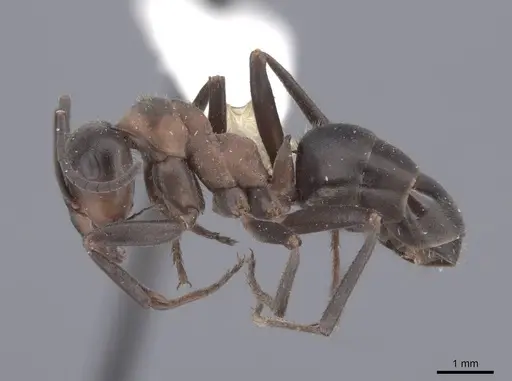
Formica aquilonia - "Scottish Wood Ant"
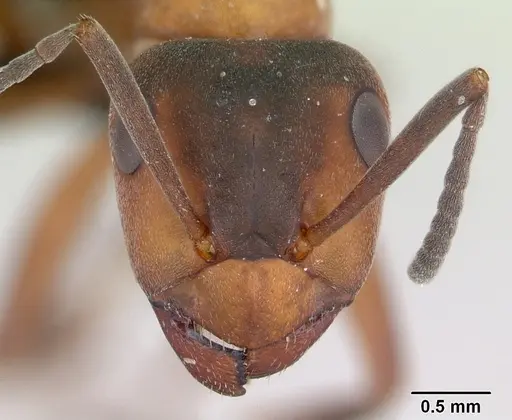
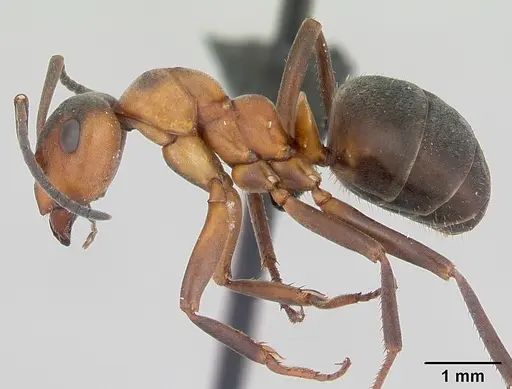
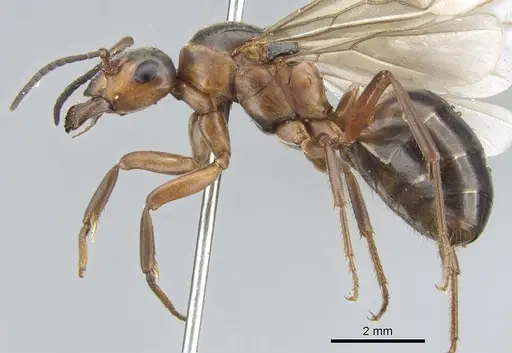
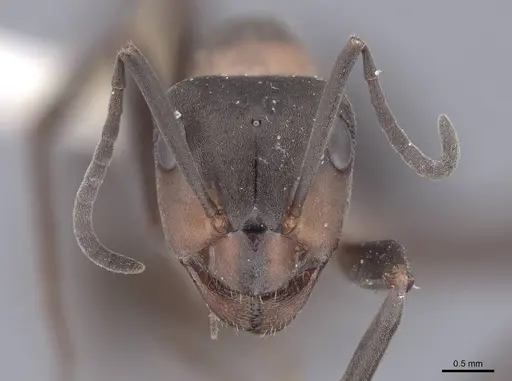
Formica aquilonia is a large red wood ant belonging to the Formica rufa group, native to the boreal forests of Eurasia. Workers measure 4-8.5mm and queens 8-10mm, displaying the characteristic bicolored appearance of red wood ants with dark markings on the head and thorax that vary in intensity across populations. This species is distinguished by its relatively sparse bristling, most notably, it has outstanding hairs fringing the back of the head but these do not extend forward toward the eyes as in the similar Formica lugubris [AntWiki]. Colonies can grow enormous, with some nests containing hundreds of reproductive queens and over a million workers [1]. This is one of the least aggressive species in the rufa group, though workers will aggressively defend their territory and aphid colonies [2]. The species is listed as Near Threatened on the IUCN Red List due to habitat loss from forestry [3].
Quick Summary
- Difficulty: Medium
- Origin & Habitat: Boreal and subalpine forests across Eurasia, from Scotland and Scandinavia through Russia to Siberia. In central Europe, found only at higher elevations in the Alps (800-2400m). Strongly associated with mature coniferous and mixed forests, showing a marked preference for forest interiors over edges or open areas. More cold-tolerant than related species like F. polyctena, occupying shadier and more humid forest locations where sympatric [4][5].
- Colony Type: Highly polygynous (multiple queens per colony) and polydomous (multiple nests per colony). Colonies form large supercolonial networks where neighboring mounds are connected by trails and exchange workers, brood, and food. Each nest may contain hundreds of egg-laying queens, and relatedness between nestmates is very low (0.01-0.22) due to multiple queen mating and colony foundation by budding [6][7][1].
- Size & Growth:
- Queen:{.size-link} 8-10mm [8]
- Worker:{.size-link} 4-8.5mm [AntWiki]
- Colony: Up to 1 million workers per colony [9]
- Growth: Moderate
- Development: 3-4 weeks at optimal temperature (Development from egg to adult worker takes approximately 3-4 weeks at optimal temperatures (25-26°C), with an additional 5-6 weeks to mature into foragers [10]. Multiple worker generations (3-5) are produced annually in temperate regions [11]. Brood is present in the nest for 4.0-4.5 months (April-August) in the middle zone of European Russia [11].)
- Antkeeping:
- Temperature: Keep nest area at 25-30°C for optimal brood development. Large, established mounds naturally maintain 25-30°C during summer months through metabolic heat and decomposition. Foraging activity begins around 6°C and increases with temperature but typically stops above 25°C [12][13]. Room temperature is generally suitable, though a gentle heat gradient may benefit brood development.
- Humidity: Requires high humidity, these are forest interior ants that prefer shadier, more humid conditions than other red wood ants. Keep nest substrate consistently moist but not waterlogged. The mound structure naturally creates a moisture gradient with a moist surface layer and drier inner core where brood is raised [14].
- Diapause: Yes, requires winter hibernation. In their native range, colonies experience extended cold periods and require a dormancy period of several months at cool temperatures (5-10°C). This aligns with their boreal distribution and cold-tolerance. They are more cold-tolerant than F. polyctena and recover faster from chill-coma at -13°C [15].
- Nesting: Large naturalistic setups work best. These ants build substantial mound nests in the wild, domes can reach 30-300cm diameter and 15-200cm height [16]. In captivity, a spacious formicarium or large naturalistic setup with deep substrate for tunneling is essential. They need access to outdoor-like conditions or very large enclosures to express natural behaviors. They are polydomous and benefit from connected multiple nest units.
- Behavior: Generally less aggressive than other Formica rufa group species, but workers will aggressively defend their territory and aphid colonies. Studies show 100% attack rate against predatory ground beetles and stranger aphids, while showing no aggression toward familiar aphids [2]. Workers are effective foragers and maintain complex trail networks extending up to 200m from the nest [17]. They show high fidelity to specific aphid colonies and have specialized worker groups: shepherds (collect honeydew), guards (protect aphids), scouts (find new resources), and transporters (move honeydew to nest) [18]. Workers can recognize and discriminate against other Formica species, particularly F. lugubris and F. paralugubris pupae [19]. Escape prevention is important but not as critical as for tiny species, these are medium-large ants.
- Common Issues: colonies often fail during hibernation if kept too warm or too dry, proper cooling is essential, requires very large enclosures to thrive, small setups lead to stress and colony decline, sensitive to habitat disturbance, wild colonies abandon nests in clear-cut areas, slow growth means beginners may lose patience with founding colonies, forms hybrids with related species like F. polyctena, keep isolated from similar species, diploid males can occur in about 1.2% of nests, which is normal for this species [11216]
Housing and Nest Setup
Formica aquilonia requires substantially more space than most ant species due to their polydomous nature and large colony sizes. A large naturalistic setup with deep substrate (at least 10-15cm) allows for proper nest construction. These ants build dome-shaped mounds from plant material in the wild, so provide materials like dried leaves, twigs, and moss that they can use. A Y-tong (AAC) nest with large chambers can work for founding colonies, but established colonies will quickly outgrow single-nest setups. Consider connecting multiple formicaria with tubing to simulate their natural polydomous structure. The outworld should include foraging areas and, ideally, access to small plants or branches where they can tend aphids. Lighting should be moderate, these are forest interior species that prefer shade. In the wild, they avoid understorey re-initiation stage forest and are most common in old-growth stands [20].
Feeding and Diet
Like all red wood ants, F. aquilonia relies heavily on honeydew from aphids, which makes up approximately 80% of their diet in the wild [21]. In captivity, provide a constant source of sugar water or honey, and offer live or frozen insects as protein. They will readily accept common feeder insects like fruit flies, small crickets, and mealworms. For more natural behavior, consider establishing small aphid colonies on potted plants within their enclosure, they will tend these and harvest honeydew, displaying their characteristic specialized worker behaviors. Studies show they maintain distinct task groups: shepherds collect honeydew, guards protect aphid colonies, scouts search for new resources, and transporters move food back to the nest [18]. They attend specific aphid species including Symydobius oblongus and Chaitophorus populeti [18]. Offering a varied diet supports colony growth and the development of the specialized worker castes.
Temperature and Seasonal Care
Maintain nest temperatures between 25-30°C for optimal brood development. In the wild, large mounds naturally achieve this through metabolic heat and decomposition. Foraging activity begins around 6°C and increases with temperature, but typically ceases above 25°C [12]. During the active season (spring through autumn), room temperature is generally suitable, though a heating cable on one side of the nest can help maintain optimal conditions. Winter hibernation is essential, these boreal ants require a cool period (5-10°C) for several months to reset their seasonal cycle. Reduce feeding and provide cool, dark conditions from late autumn through early spring. The timing of nuptial flights varies by region but typically occurs from late May through June in temperate areas [22]. Multiple worker generations (3-5) are produced annually, with the last workers emerging in late August [11].
Colony Structure and Behavior
This species exhibits one of the most complex social structures among ants. Colonies are highly polygynous with hundreds of reproductive queens, and polydomous with multiple interconnected nests forming supercolonial networks [1]. Workers show remarkable specialization, studies have documented distinct behavioral castes including guards (most aggressive toward predators), hunters (attack insects on foraging trails), aphid milkers (collect honeydew), and scouts (search for new resources) [23]. They maintain extensive trail networks that can reach 200 meters, with branching angles around 60 degrees [17]. Unlike many ants, they can recognize and discriminate against related species' brood, showing intraspecific acceptance but interspecific discrimination [19]. The colony relatedness is very low (0.01-0.22) due to multiple queen mating and the adoption of new queens through budding [6]. They are more cold-tolerant than F. polyctena and can recover faster from chill-coma [15].
Overwintering Requirements
Proper hibernation is critical for this species' health. As a boreal species adapted to harsh winters, they require an extended cool period (several months at 5-10°C) to complete their annual cycle. In captivity, this can be provided in a basement, garage, or refrigerator during winter months. Reduce feeding significantly as temperatures drop, and ensure the nest remains slightly moist but not wet during dormancy. The timing matters, they should enter hibernation in late autumn as temperatures drop naturally and emerge in spring when temperatures rise. Failure to provide adequate hibernation leads to colony decline and queen mortality. In their native range, they experience snow cover and sub-zero temperatures for extended periods, so they are well-adapted to cold but need the seasonal trigger. They are more cold-tolerant than related species and recover faster from low temperature exposure [15].
Common Problems and Solutions
The primary challenges in keeping F. aquilonia relate to their spatial requirements and sensitivity to habitat conditions. Colonies often fail if kept in enclosures that are too small, they need extensive space to build proper nests and maintain trail networks. They are also sensitive to deforestation and habitat disturbance in the wild, so captive colonies may decline if kept in unstable conditions [24]. Hibernation failures are common, either too warm, too dry, or too short. Watch for signs of stress including reduced foraging activity, brood abandonment, or queen mortality. Hybridization can occur if kept near related species like F. polyctena, they may form hybrid colonies in southern Finland [25]. Finally, these ants produce substantial waste heat and humidity, so ventilation must balance moisture retention with preventing stagnation. The species is globally Near Threatened due to forestry practices, so captive breeding may help conservation [3].
Frequently Asked Questions
Can I keep Formica aquilonia in a test tube?
Test tubes are only suitable for founding colonies. Once the first workers (nanitics) emerge, you should transfer the colony to a more spacious setup within a few months. These ants need substantial space for their large colonies and complex behaviors, a test tube will quickly become too small.
When should I move my colony to a formicarium?
Move the colony once the first batch of workers has fully hardened and the colony has outgrown the founding setup. For F. aquilonia, this typically means when you have 20-50+ workers. They need room to expand their nest and establish foraging areas, so choose a large formicarium from the start.
How long does it take for the first workers to emerge?
Expect 3-4 weeks from egg to worker at optimal temperatures (25-26°C). The first workers (nanitics) are smaller than mature workers but will immediately begin caring for additional brood. Multiple generations are produced annually, so colonies grow substantially through the summer season.
How big do Formica aquilonia colonies get?
Colonies can reach extraordinary sizes, up to 1 million workers in mature wild colonies. In captivity, with proper care, colonies commonly reach tens of thousands of workers over several years. Their polydomous nature means they can support multiple connected nests.
Are Formica aquilonia good for beginners?
This species is best classified as intermediate difficulty. While less aggressive than some red wood ants, they require much more space and more specific conditions than beginner-friendly species. They are sensitive to habitat disturbance and require proper hibernation. Beginners should gain experience with easier species first.
Do they need hibernation?
Yes, hibernation is essential. As a boreal species, they require several months of cool temperatures (5-10°C) during winter. Without this dormancy period, colonies will decline over time. This is non-negotiable for this species.
Why are my ants dying?
Common causes include: improper hibernation (too warm, too dry, or insufficient duration), enclosures too small for the colony size, low humidity, insufficient protein food, or stress from disturbance. Check each of these factors and adjust accordingly. Also ensure queens are still alive if the colony is founding.
Can I keep multiple queens together?
Yes, this species is obligately polygynous, meaning multiple queens are normal and expected in established colonies. Queens are not aggressive toward each other and will coexist peacefully. In fact, removing queens from a polygynous colony can cause problems.
What do Formica aquilonia eat?
Their diet consists primarily of honeydew (about 80%) supplemented with insects and other arthropods. In captivity, offer sugar water or honey constantly, and provide protein (insects) 2-3 times per week. They will also accept fruit and will tend aphid colonies if given access to plants.

This caresheet is licensed under CC BY-SA 4.0 .
ANTWEB1041354
View on AntWeb
CASENT0010682
View on AntWeb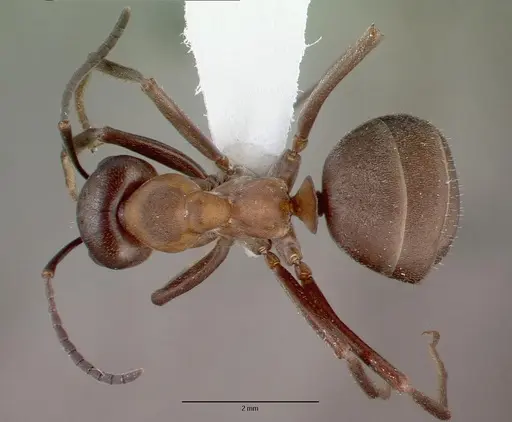
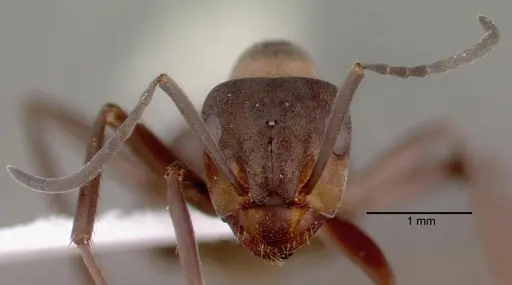
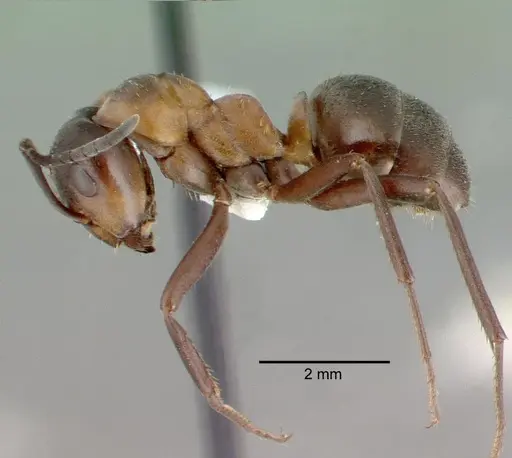
CASENT0172763
View on AntWeb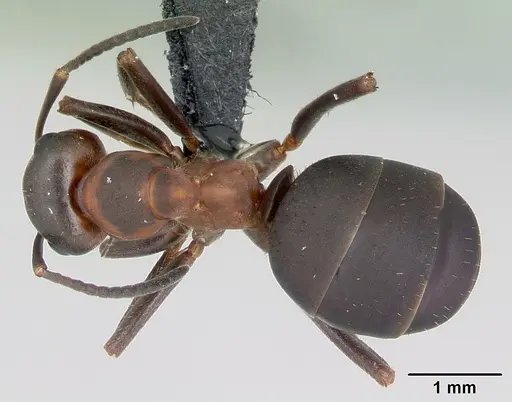
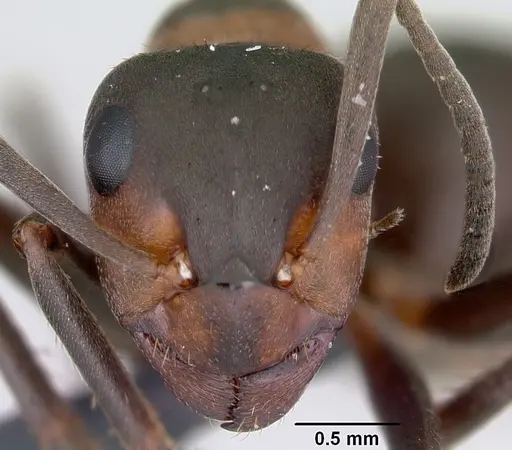
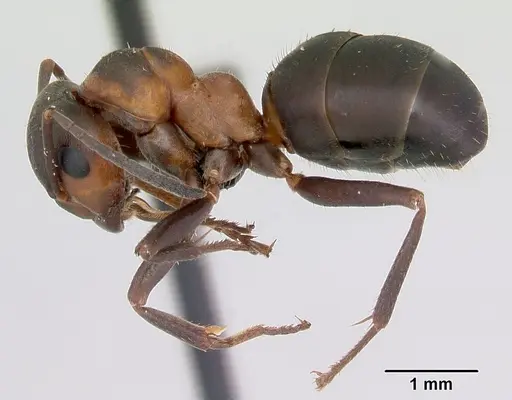
CASENT0173151
View on AntWeb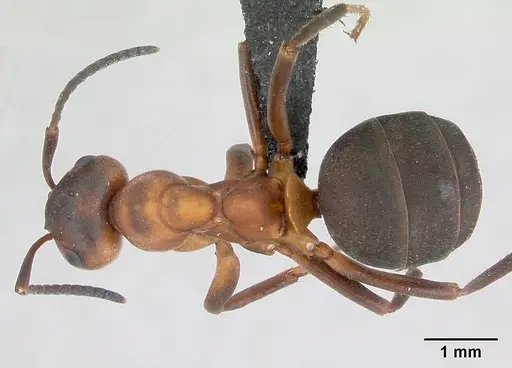
CASENT0903277
View on AntWeb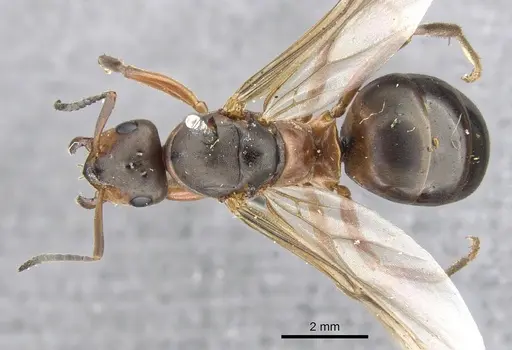
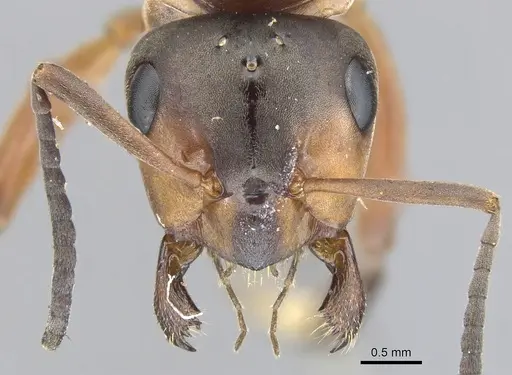
FMNHINS0000046229
View on AntWeb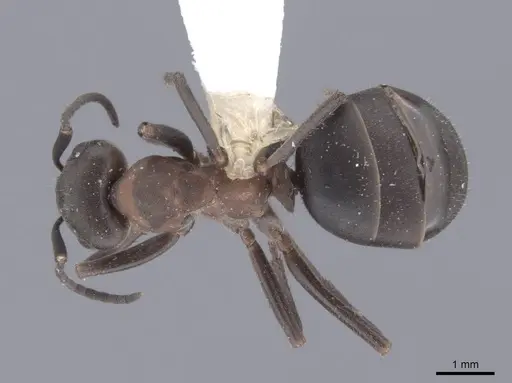
Literature
Loading...Loading products...