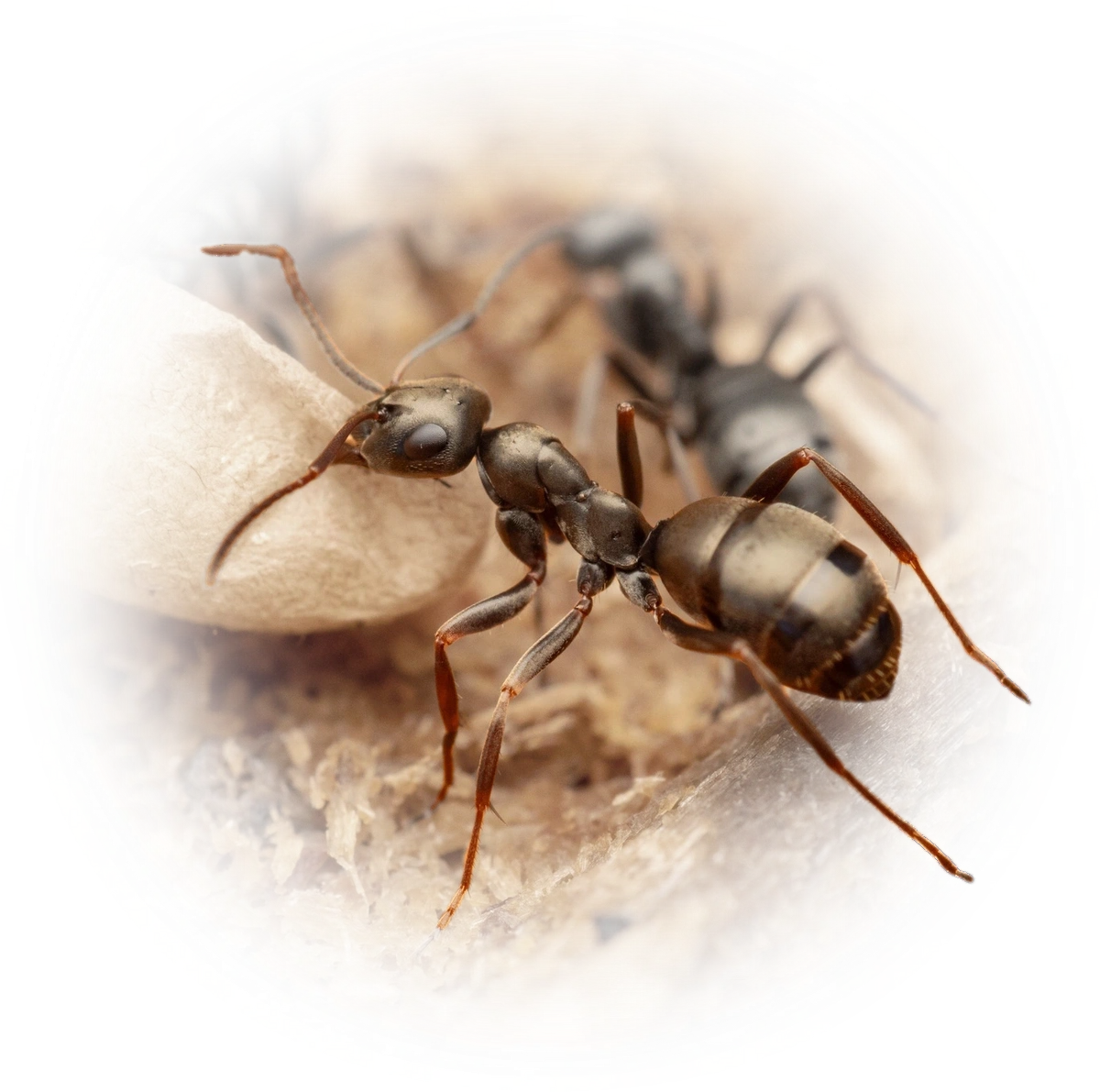

Formica lemani
- Scientific Name
- Formica lemani
- Tribe
- Formicini
- Subfamily
- Formicinae
- Author
- Bondroit, 1917
- Distribution
- Found in 14 countries
Formica lemani Overview
Formica lemani is an ant species of the genus Formica. It is primarily documented in 14 countries , including Austria, Belgium, Switzerland. Detailed taxonomic data and occurrence records can be further explored via authoritative databases such as AntWeb or the Global Biodiversity Information Facility (GBIF).
Formica lemani
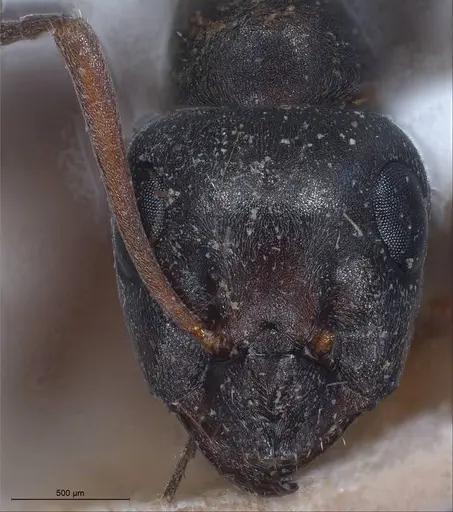
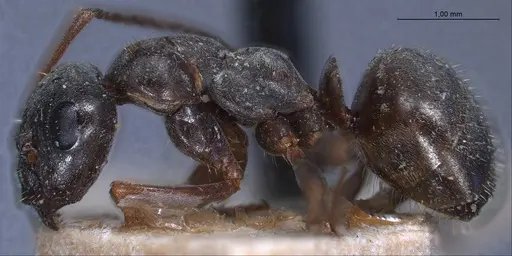
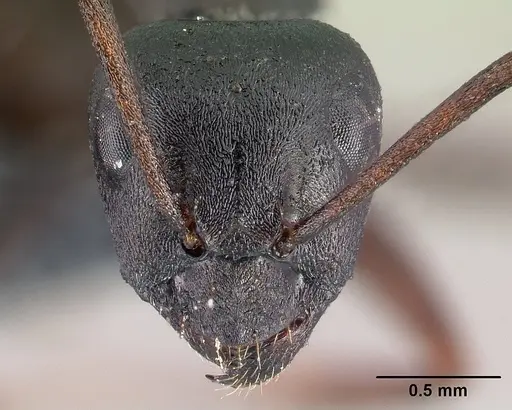
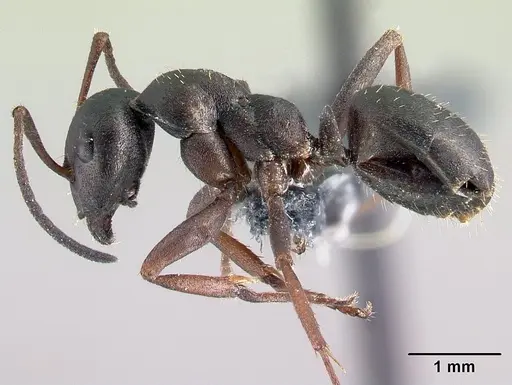
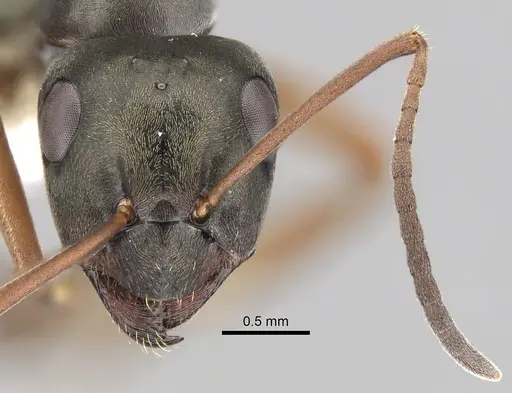
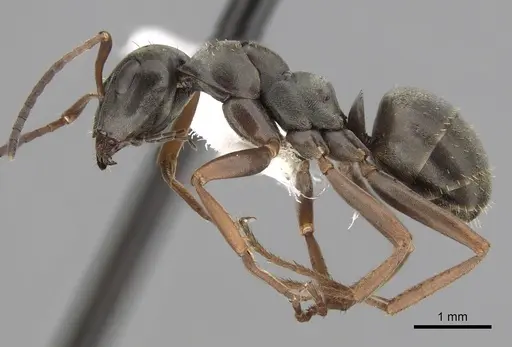
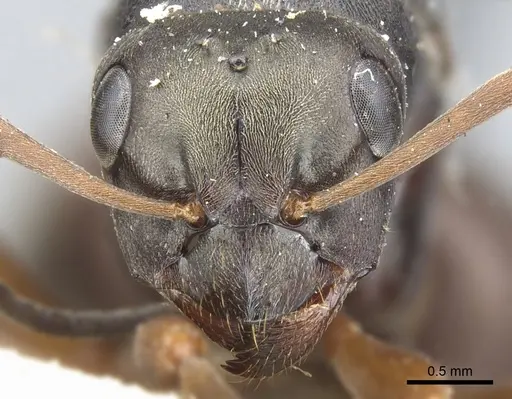
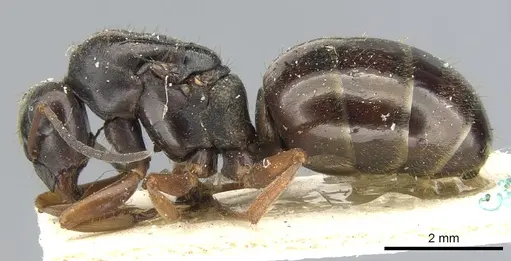
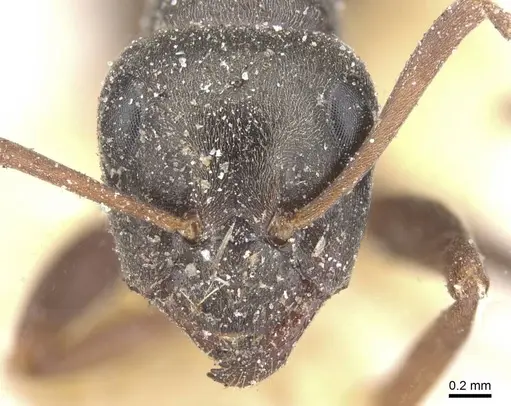
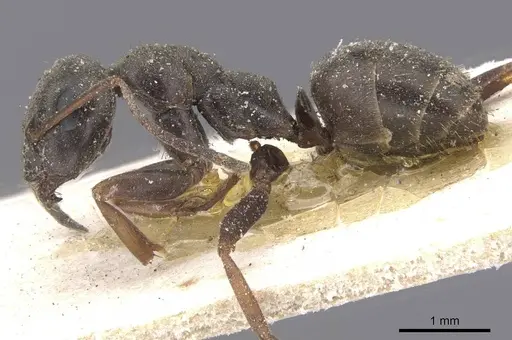
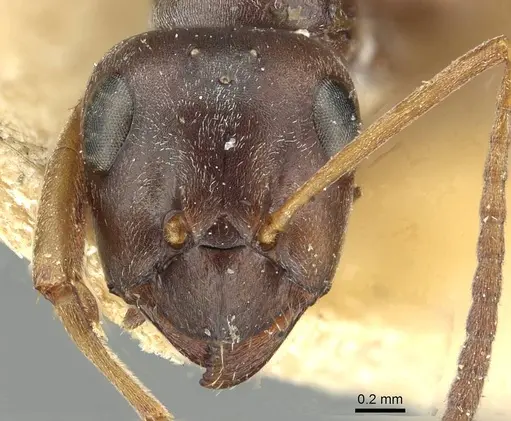
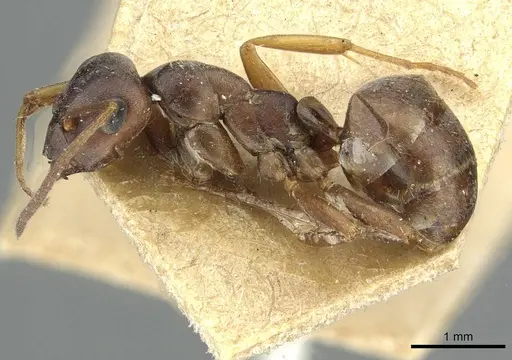
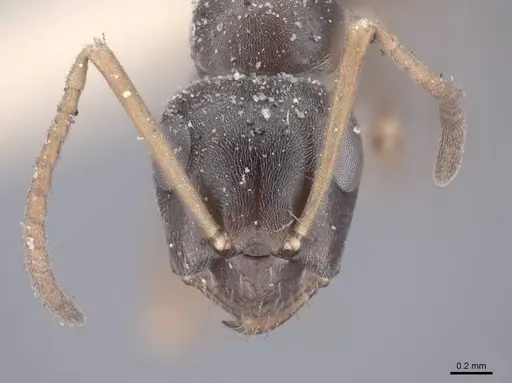
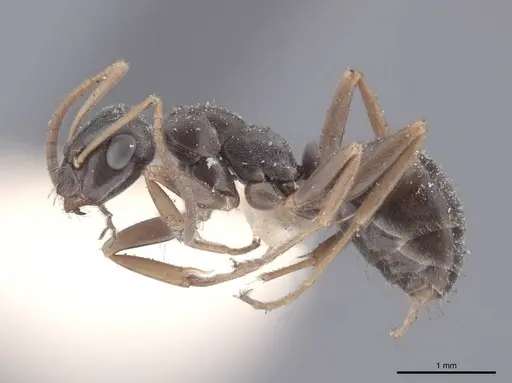
Formica lemani is a boreo-montane black ant species closely related to the more common Formica fusca. Workers measure 4-7mm and are dark greyish-brown to black with noticeably paler legs. The key identifying feature is the presence of short erect hairs on the promesonotum (the middle body section) and hairs on the underside of the middle and hind femora, features that distinguish it from F. fusca [1]. This is a mountain species that replaces F. fusca at higher elevations across Eurasia, from the mountains of Spain and Japan north to arctic Scandinavia [2]. Colonies are facultatively polygynous, meaning they can have multiple queens, and they spread primarily through colony budding rather than nuptial flights alone [3].
Quick Summary
- Difficulty: Easy
- Origin & Habitat: Boreo-montane species native to mountain regions across the Palearctic, from Spain and Britain east to Japan. Found in open grassland, pastures, montane heathland, bogs, and clearcuts at elevations from 600m to over 2,400m [1][4]. In central Europe, it replaces Formica fusca in subalpine areas and is less warmth-loving than its relative [2]. Nests in soil under stones, in grass tussocks, moss, and decaying tree stumps [1].
- Colony Type: Facultatively polygynous, colonies can have a single queen or multiple queens (0-8 documented per colony). Colonies can also be polydomous, meaning they have multiple nest sites connected by tunnels [3]. This flexibility allows them to form large colonies through budding when conditions are favorable.
- Colony: Optionally polygyne, Oligogyne
- Founding: Claustral, Pleometrosis
- Size & Growth:
- Queen: 6-8mm (estimated based on genus)
- Worker: 4.0-7.0mm [5]
- Colony: 500-4,000 workers in natural colonies [6]
- Growth: Moderate
- Development: 6-10 weeks (estimated based on typical Formica development) (Development time is temperature-dependent. As a cold-tolerant species, development may be slower than tropical Formica species.)
- Antkeeping:
- Temperature: Keep at 18-22°C. This is a cold-tolerant species, avoid overheating. Room temperature is often suitable. If needed, use a heating cable on one side of the nest only, never heating the entire enclosure [2][7].
- Humidity: Moderate to high. Keep the nest substrate consistently moist but not waterlogged. These ants naturally nest under stones in damp mountain habitats, so some moisture is important [8].
- Diapause: Yes, requires winter hibernation. Keep at 5-10°C for 3-4 months (November-February in the Northern Hemisphere). This matches their natural cold tolerance and high-altitude habitat requirements [8].
- Nesting: Test tubes work well for founding colonies. For established colonies, use a naturalistic setup with soil or a Y-tong/plaster nest with narrow chambers. Provide access to a moisture source. They naturally nest under stones, so include flat stones or similar cover in a naturalistic setup [1].
- Behavior: Workers are active foragers but not aggressive. They hunt small insects and also collect honeydew from aphids and nectar from flowers, an omnivorous diet [5]. They are not territorial over foraging areas and do not guard food resources. Workers are moderate in size (4-7mm) and can climb well, but escape risk is moderate, use standard barrier precautions. Colonies can become quite large (thousands of workers), so plan for expansion. They are tolerant of cool conditions and can be kept at room temperature without additional heating in most homes.
- Common Issues: Cold intolerance, overheating is the main killer of this species. Keep away from direct heat sources., Hibernation failure, colonies that don't hibernate properly often decline. Always provide a winter rest period., Wild-caught colonies may carry parasites like Labial Gland Disease, which can spread and kill colonies [1]., Multi-queen dynamics, while polygynous, introducing unrelated queens to an established colony can cause aggression. Let them establish naturally., Slow founding, claustral queens seal themselves in and may take 6-10 weeks to produce first workers. Don't disturb during this period.
Housing and Nest Setup
For founding colonies, a standard test tube setup works perfectly. Fill a test tube one-third with water, plug with cotton, and place the queen inside. Keep it dark and undisturbed for 4-8 weeks until workers emerge. For established colonies with 50+ workers, you can transition to a formicarium. These ants naturally nest under stones in damp soil, so a naturalistic setup with a soil chamber and a moisture reservoir works well. Y-tong (acrylic) nests with narrow chambers are also suitable. Always provide a water source, a test tube with water and cotton works as a drinking station. Because this is a cold-tolerant species, avoid heated nests and keep them in a cool room (18-22°C). Escape prevention is standard, a barrier of fluon on smooth surfaces is sufficient for workers of this size. [3][1]
Feeding and Diet
Formica lemani is omnivorous with a strong preference for carbohydrates. In studies, carbohydrate baits attracted nearly four times more workers than protein baits [9]. Feed sugar water or diluted honey regularly, this should always be available. For protein, offer small insects like fruit flies, pinhead crickets, or mealworms. They will also accept honeydew from aphids if you keep aphid colonies, and they may visit flowers for nectar. Feed protein 2-3 times per week, and remove any uneaten prey after 24 hours to prevent mold. The key is carbohydrate availability, sugar water should be constant.
Temperature and Seasonal Care
This is a cold-adapted species that thrives at cooler temperatures than most ant species. Keep the nest area at 18-22°C, room temperature is often ideal. They naturally occur at high elevations and northern latitudes where temperatures are cool. Avoid any direct heating that would push temperatures above 25°C. In winter, provide a proper hibernation period of 3-4 months at 5-10°C. This is essential for colony health and mimics their natural seasonal cycle. Place the formicarium in an unheated garage or refrigerator (not freezer) during winter. Do not feed during hibernation. Resume normal care in spring when temperatures rise. [2][7][8]
Colony Dynamics and Multi-Queen Housing
Formica lemani is facultatively polygynous, meaning colonies can function with one or multiple queens. This is unusual among Formica species and makes them more flexible in captivity. If you start with multiple founding queens, they may coexist peacefully and form a polygynous colony. However, introducing unrelated queens to an established single-queen colony can sometimes cause aggression. It's generally safer to start with one queen or to combine founding queens before they lay eggs. Colonies can also be polydomous, having multiple nest sites connected by tunnels. In captivity, this means they may use both the nest chamber and outworld for different activities. [3]
Host Species and Parasites
In the wild, Formica lemani serves as an important host species for several socially parasitic ants including Formica exsecta, Formica truncorum, Formica suecica, and Formica lugubris [10][3]. They are also the primary host for the hoverfly Microdon mutabilis, whose larvae live in the ant nest [3]. Additionally, this species is known to suffer from Labial Gland Disease in Spain [1]. In captivity, watch for any unusual brood development or worker mortality that might indicate disease. Quarantine any new colonies before introducing them to existing setups.
Frequently Asked Questions
Can I keep multiple Formica lemani queens together?
Yes, this species is facultatively polygynous, meaning multiple queens can coexist in the same colony. However, introducing unrelated queens to an established colony may cause aggression. It's safest to combine founding queens before they establish territories, or to start with multiple queens from the same founding event.
What temperature do Formica lemani ants need?
Keep them at 18-22°C, this is a cold-tolerant species that does not do well with heat. Room temperature is usually ideal. Avoid direct heating or temperatures above 25°C, as overheating is a common cause of colony failure.
Do Formica lemani need hibernation?
Yes, they require a winter rest period of 3-4 months at 5-10°C. This is essential for colony health and mimics their natural seasonal cycle in mountain habitats. Place the colony in an unheated garage or refrigerator (not freezer) from November to February.
How long does it take for Formica lemani to produce first workers?
Expect 6-10 weeks from egg to first worker at optimal temperature. The queen is claustral, she seals herself in and raises the first brood alone on stored fat reserves. Do not disturb the founding chamber during this time.
What do Formica lemani eat?
They are omnivorous with a strong preference for carbohydrates. Provide sugar water or diluted honey constantly. For protein, offer small insects like fruit flies, pinhead crickets, or small mealworms 2-3 times per week. They will also collect honeydew from aphids if available.
Are Formica lemani good for beginners?
Yes, they are considered easy to keep. They are not aggressive, tolerate handling well, and have straightforward temperature needs (room temperature is usually fine). The main requirements are providing hibernation in winter and avoiding overheating. Their polygynous nature also makes them more forgiving of mistakes than single-queen species.
How big do Formica lemani colonies get?
Colonies can reach 500-4,000 workers in natural settings [6]. In captivity, with good care, they can grow to several thousand workers over several years. They are moderately fast growing for a Formica species.
When do Formica lemani nuptial flights occur?
Nuptial flights occur in late July and August [8]. In captivity, if you have a mature colony, you may see winged reproductives (alates) develop in early summer, with mating occurring in late summer.
Why are my Formica lemani dying?
The most common causes are overheating (keep below 25°C), failure to provide hibernation, or disease from wild-caught colonies. Check your temperature settings first. Also ensure humidity is adequate, the nest should be moist but not waterlogged. If you acquired a wild colony, it may have carried Labial Gland Disease or parasites.
References

This caresheet is licensed under CC BY-SA 4.0 .
ANTWEB1008404
View on AntWeb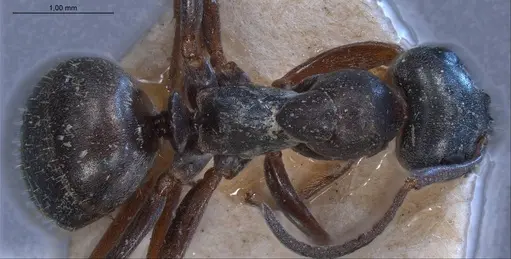
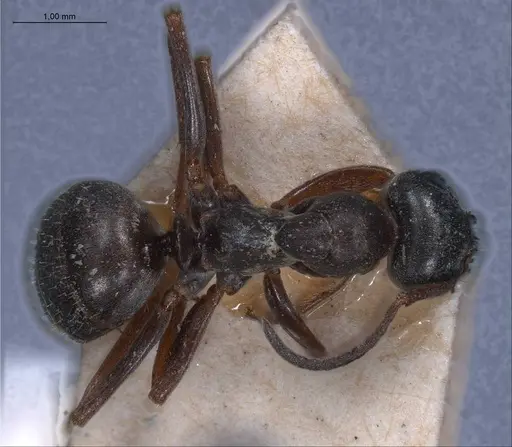
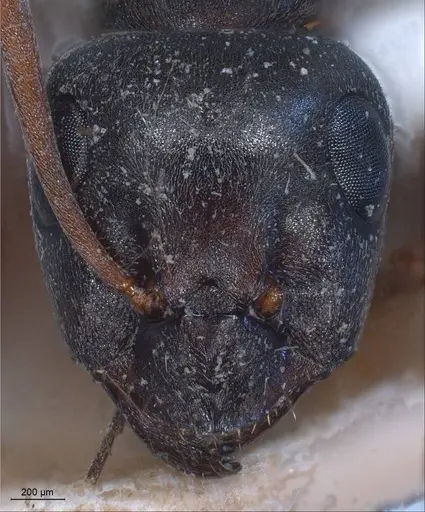
CASENT0179598
View on AntWeb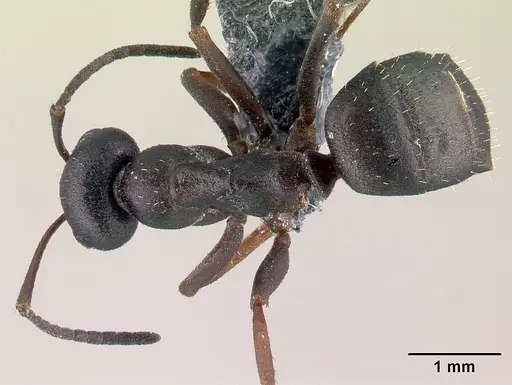
CASENT0280391
View on AntWeb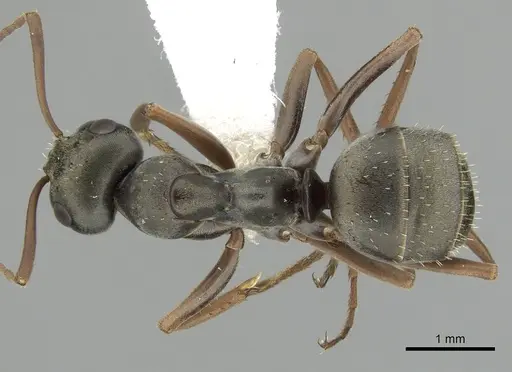
CASENT0903270
View on AntWeb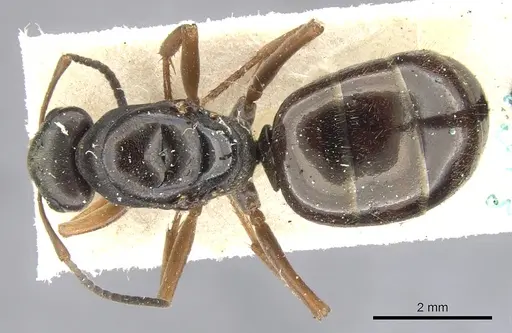
CASENT0912263
View on AntWeb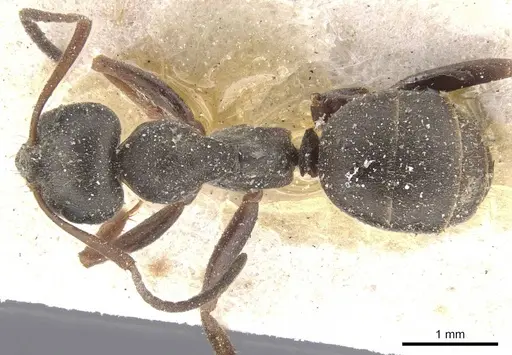
CASENT0913658
View on AntWeb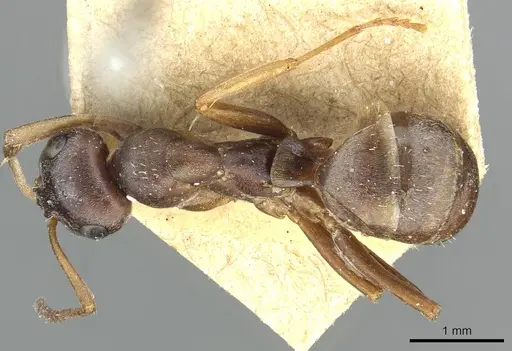
FMNHINS0000046314
View on AntWeb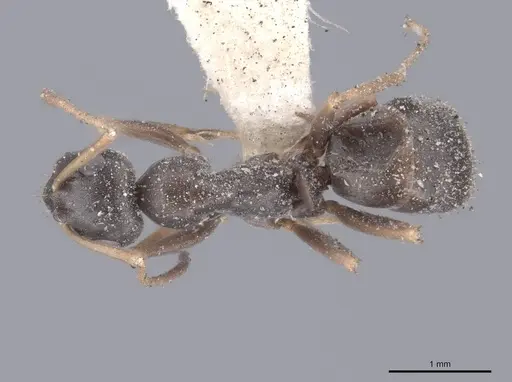
Literature
Loading...Loading products...