
Formica truncorum shows a July to August flight window. Peak activity occurs in July, with nuptial flights distributed across 2 months.
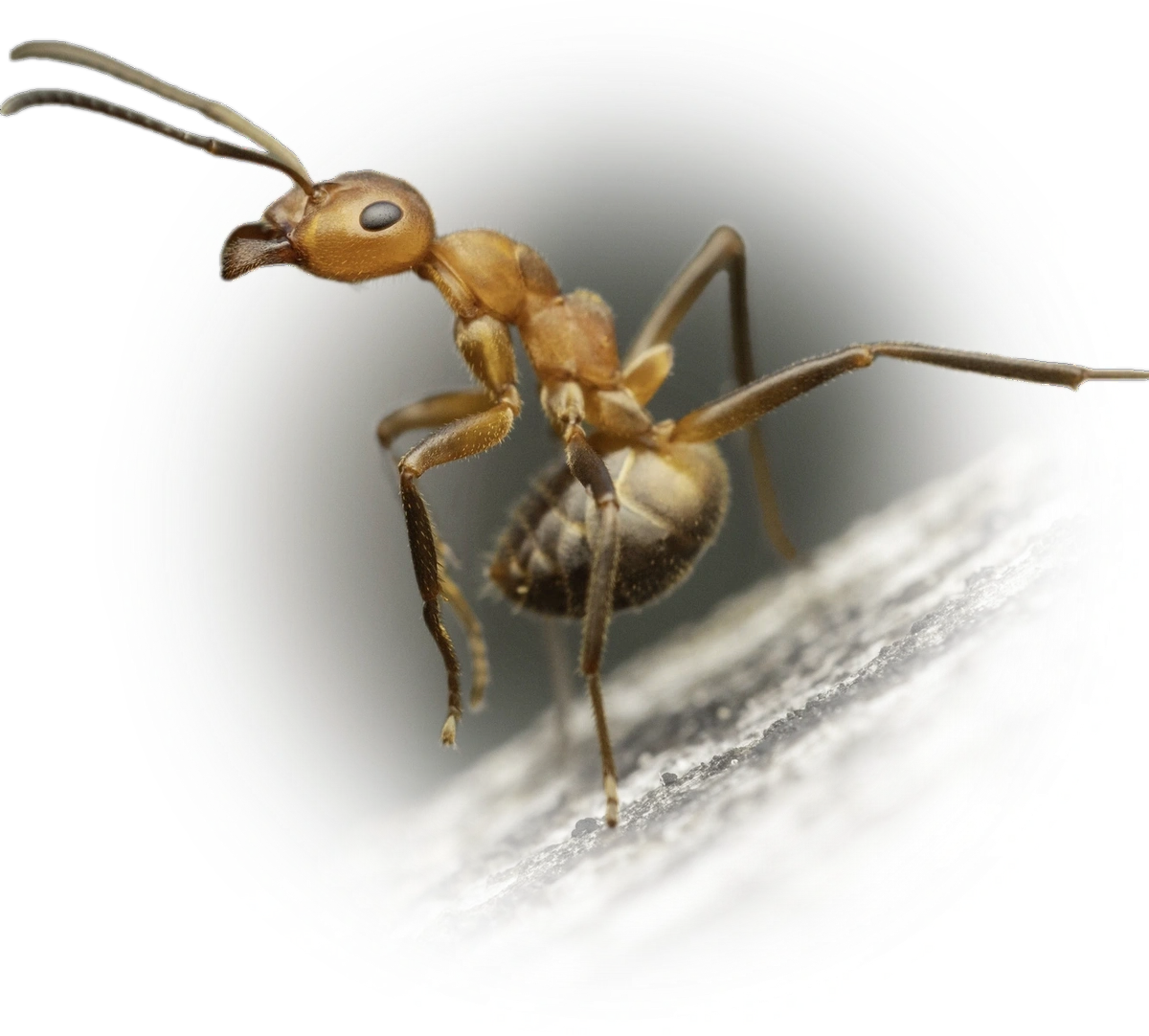
Formica truncorum
- Scientific Name
- Formica truncorum
- Tribe
- Formicini
- Subfamily
- Formicinae
- Author
- Fabricius, 1804
- Distribution
- Found in 14 countries
- Nuptial Flight
- from July to August, peaking in July
AI Identifiable
try →
Formica truncorum Overview
Formica truncorum is an ant species of the genus Formica. It is primarily documented in 14 countries , including Austria, Switzerland, Czechia. Detailed taxonomic data and occurrence records can be further explored via authoritative databases such as AntWeb or the Global Biodiversity Information Facility (GBIF).
The nuptial flight of Formica truncorum is a significant biological event, typically occurring from July to August, peaking in July. During this time, winged queens and males leave the nest to mate and establish new colonies.
Formica truncorum
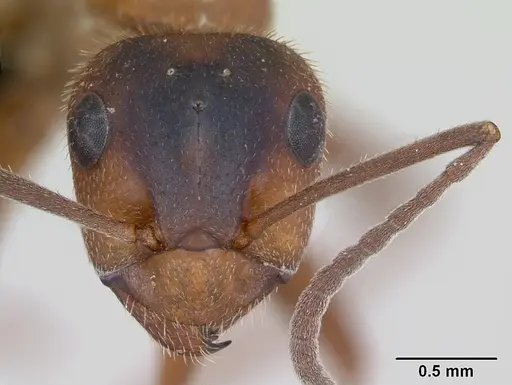
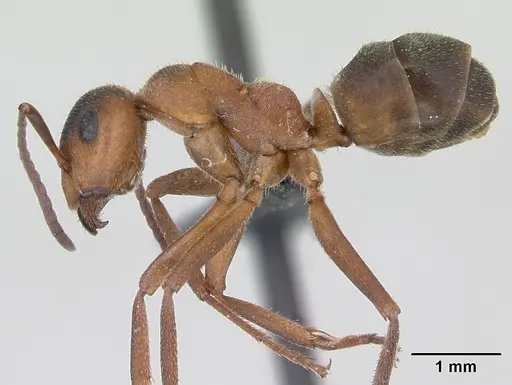
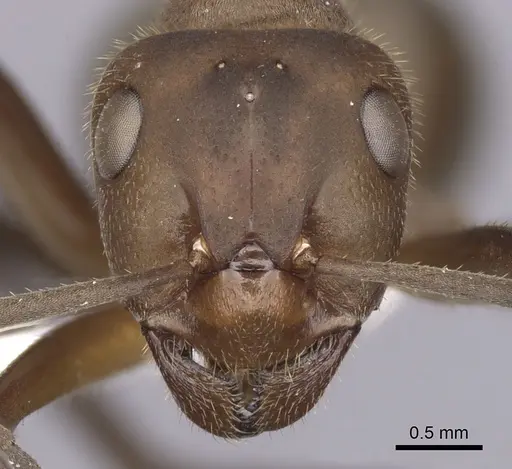
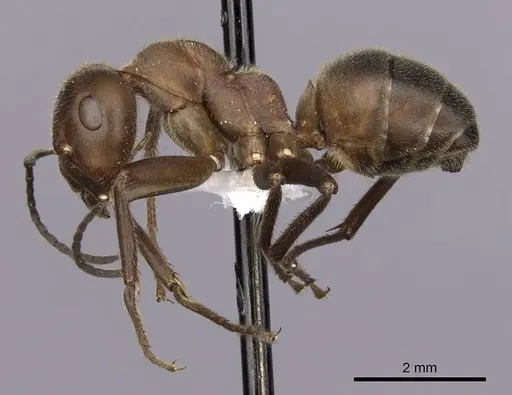
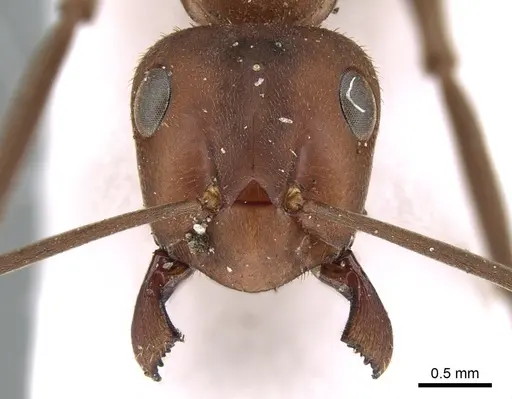
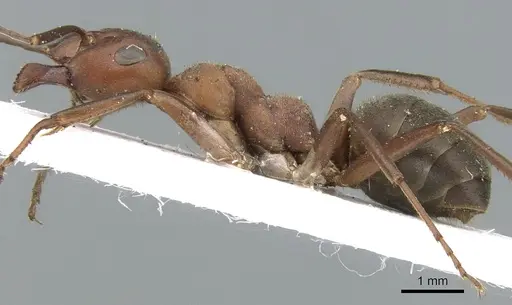
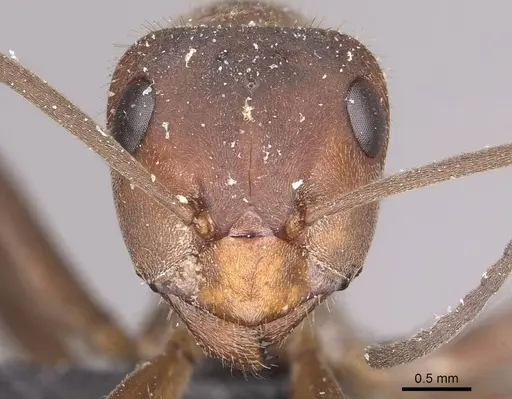
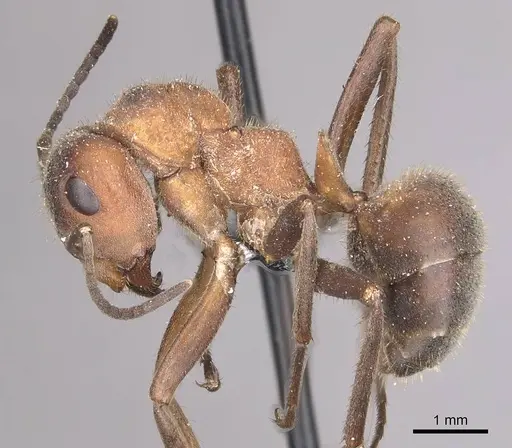
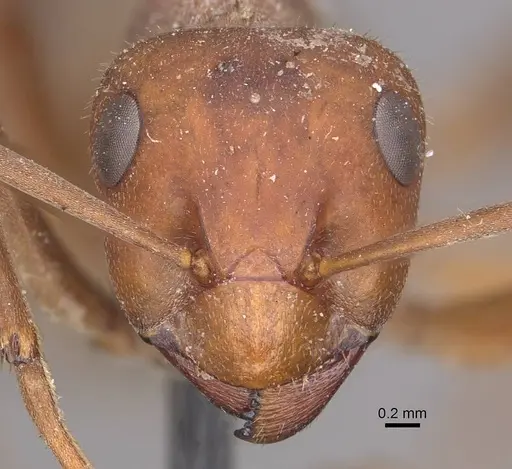
Formica truncorum is a striking red wood ant belonging to the Formica rufa group, easily recognized by its bright reddish head and mesosoma contrasting with a dark gaster, and most notably by the dense covering of long erect hairs that covers its entire body including the eyes. Workers are polymorphic, ranging from 3.5-9.0mm, with larger major workers developing impressive red heads. This species has a vast distribution spanning from western Europe through central Asia to Japan and northern regions. Unlike typical mound-building wood ants, F. truncorum constructs smaller, messier nests often hidden under stones, in tree stumps, or at the base of vegetation rather than large conspicuous mounds. The species exhibits remarkable social flexibility, existing as either single-queen colonies or multi-queen polygynous colonies that can form extensive polydomous networks.
Quick Summary
- Difficulty: Medium
- Origin & Habitat: Palaearctic distribution from western Europe to Japan, found in forest edges, clearings, and sunny open areas in coniferous and mixed forests [1][2]. Prefers well-insolated locations and is more thermophilic than other red wood ants.
- Colony Type: Facultatively polygynous, can form single-queen colonies (monogyne) or multi-queen colonies (polygyne). Polygynous colonies can develop polydomous structures with multiple connected nests. Queens can be singly mated or multiply mated, leading to split sex ratios within populations [3][4].
- Colony: Optionally polygyne, Oligogyne, Supercolonial
- Queen: Temporary parasitic
- Size & Growth:
- Queen: 9.5-12mm [5]
- Worker: 3.5-9.0mm polymorphic [1]
- Colony: Several tens of thousands to over 100,000 workers [6]
- Growth: Moderate
- Development: 6-8 weeks at optimal temperature based on Formica genus patterns [7] (Brood development is faster in Formica species compared to other ants, at 25-26°C, development from egg to pupa takes only 20-25 days [7])
- Antkeeping:
- Temperature: Keep nest area around 20-25°C. This species prefers warmer conditions than other Formica rufa group members, room temperature is often suitable, but a gentle heat gradient can accelerate brood development [8]. Avoid overheating.
- Humidity: Moderate humidity preferred. Keep nest substrate slightly moist but not waterlogged. Provide a water tube as a moisture source. These ants are found in various conditions from relatively dry sandy areas to moist forest edges.
- Diapause: Yes, requires winter hibernation. In temperate regions, colonies enter dormancy from late autumn through early spring. Reduce temperature to 5-10°C for 3-4 months [9].
- Nesting: Y-tong (AAC) nests or plaster nests work well. Provide narrow chambers scaled to worker size. Can also use test tubes for founding colonies. Place in a warm, well-lit area of your setup. Naturalistic setups with stones or decaying wood are also suitable.
- Behavior: Highly territorial and aggressive. Workers will readily spray formic acid as a defense when threatened, this can be irritating to skin and eyes, so handle with care. Active foragers that maintain aphid colonies and hunt insects. They establish well-defined foraging territories and will dominate resources. Escape risk is moderate, use standard barriers but no special fine mesh required for this medium-sized ant. They are more active and aggressive than most Formica species.
- Common Issues: colonies can be slow to establish due to temporary parasitic founding, queens need host workers to survive initial period, polygynous colonies may have lower relatedness which can affect worker cooperation, Wolbachia infections are common and can reduce sexual production, monitor colony health, nests are smaller and less conspicuous than other wood ants, may appear less active, rare in captivity and difficult to acquire, wild colonies are protected in many areas
Nuptial Flight Activity Analysis 100 observations
Flight Activity by Hour 100 observations
Formica truncorum nuptial flight activity peaks around 16:00 during the afternoon. Activity is spread across a 15-hour window (09:00–23:00). A secondary activity peak occurs around 13:00. Times may be influenced by human observation patterns.
Housing and Nest Setup
Formica truncorum adapts well to various captive setups. For founding colonies, a simple test tube setup works fine, queen will need to be introduced to a host colony of Serviformica (like F. fusca) for colony establishment, though this is complex for beginners. More established approach is to obtain an already-established colony. Y-tong (AAC) nests or plaster nests provide good humidity control and work well for this species. The nest should be placed in a warm area of the outworld, these ants prefer temperatures in the low-to-mid 20s°C range. Provide a standard outworld for foraging with a water tube and feeding area. Escape prevention using standard barriers (vaseline, fluon) is sufficient, these are medium-sized ants that cannot escape as easily as tiny species. [2][8]
Feeding and Diet
Like other red wood ants, F. truncorum is omnivorous with a strong preference for honeydew from aphids and insect prey. In captivity, offer sugar water or honey as a constant energy source. Protein should come from small insects, fruit flies, small crickets, mealworms, and other arthropods are readily accepted. They are active hunters and will take down prey significantly larger than themselves. Some colonies show interesting behaviors like tending aphid colonies in the outworld. Feed protein 2-3 times per week and ensure sugar sources are always available. Unlike some specialized predators, these ants are not picky eaters and will accept most offered foods. [6][2]
Temperature and Seasonal Care
F. truncorum is more thermophilic than other Formica rufa group species, preferring warmer nesting sites. Keep the nest area at 20-25°C, room temperature often suffices, but a heating cable on one side of the nest can create an ideal gradient. They are found in well-insolated (sunny) locations in the wild. During winter, colonies require a true diapause period of 3-4 months at 5-10°C, similar to other temperate ants. Reduce or stop feeding during hibernation and ensure moisture is maintained. Come spring, gradually warm the colony to trigger activity. This species is one of the later-flying Formica, nuptial flights occur in July and August rather than spring. [6][8]
Colony Structure and Social Forms
One of the most fascinating aspects of F. truncorum is its social polymorphism, the species can exist as either monogyne (single-queen) or polygyne (multi-queen) colonies. Monogyne colonies have a single queen that may be singly or multiply mated, leading to split sex ratios where colonies with singly-mated queens produce more females and those with multiply-mated queens produce more males. Polygyne colonies contain multiple related queens and can form extensive polydomous networks spanning large areas. These different social forms also affect behavior, polygyne colonies are more accepting of new queens, while monogyne colonies aggressively reject non-nestmate females. Understanding your colony's social structure helps predict its behavior. [3][4]
Defense and Temperament
Like all Formica species, F. truncorum workers possess functional venom glands and can spray formic acid as a defense. When threatened, they will raise their abdomen and spray acid at perceived threats, this can reach distances of 30-60cm and is irritating to skin and eyes. Handle with care and avoid disturbing the colony unnecessarily. They are highly territorial and will aggressively defend their foraging territory against other ant species. This makes them excellent competitors but can make them difficult to keep in mixed-species setups. Their aggressive nature also means they will readily attack and consume any insects that enter their territory.
Health Considerations
F. truncorum colonies are commonly infected with Wolbachia bacteria, which can have significant effects on colony fitness. Heavily infected colonies produce fewer sexuals (virgins and males), and infection rates vary across castes, queens and males have higher infection rates than workers. While this is a natural occurrence, it can affect breeding success in captivity. Additionally, these ants can host various myrmecophilous guests including beetles and flies. Regular monitoring of colony health, brood production, and queen activity helps ensure a thriving colony. Wild-caught colonies may also carry parasites, so quarantine new acquisitions when possible.
Frequently Asked Questions
How long does it take for Formica truncorum to produce first workers?
Based on typical Formica development, expect first workers (nanitics) approximately 6-8 weeks after the queen lays eggs, at optimal temperatures around 25°C. Development is faster than many other ants, Formica eggs to pupae can develop in just 20-25 days at warm temperatures.
Can I keep multiple Formica truncorum queens together?
This species is facultatively polygynous, meaning both single-queen and multi-queen colonies occur naturally. However, combining unrelated foundress queens is not recommended as they may fight. If you obtain a polygynous colony, multiple queens can coexist peacefully.
What do Formica truncorum eat?
They are omnivorous, primarily feeding on honeydew from aphids and insects. In captivity, offer sugar water or honey constantly, plus protein sources like small insects (fruit flies, crickets, mealworms) 2-3 times weekly.
Does Formica truncorum need hibernation?
Yes, they require a winter dormancy period of 3-4 months at temperatures around 5-10°C. This is essential for colony health and triggering reproduction in spring. Reduce feeding and keep them in a cool location like a garage or refrigerator during winter.
Are Formica truncorum good for beginners?
They are rated as medium difficulty. While less demanding than some exotic species, their need for hibernation, warm temperatures, and the complexity of colony founding (temporary parasitism) make them better suited for keepers with some experience. They are also protected in many areas, limiting wild collection.
How big do Formica truncorum colonies get?
Mature colonies can reach several tens of thousands of workers, with some polygynous colonies exceeding 100,000 individuals. However, growth is moderate and takes several years to reach maximum size.
Why are my Formica truncorum dying?
Common causes include: improper temperature (too cold), incorrect humidity (too dry or waterlogged), Wolbachia infections reducing sexual production, or stress from disturbance. Ensure proper hibernation, adequate protein, and minimal disturbance. Wild-caught colonies may also have parasites.
What's the difference between Formica truncorum and other red wood ants?
F. truncorum is distinguished by its very dense covering of long erect hairs covering the entire body including eyes, and the bright reddish coloration of the head and mesosoma contrasting with a darker gaster. They also build smaller, less conspicuous nests than F. rufa or F. polyctena, often hidden under stones or in stumps.
References

This caresheet is licensed under CC BY-SA 4.0 .
ANTWEB1041464
View on AntWeb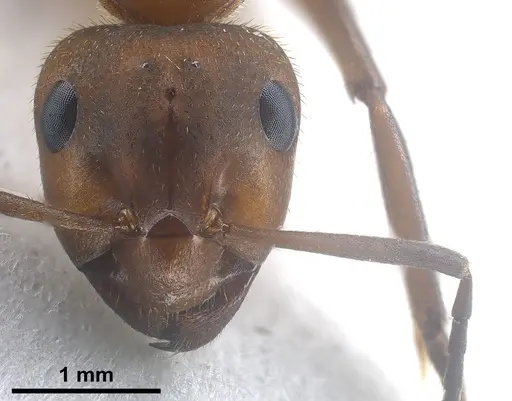
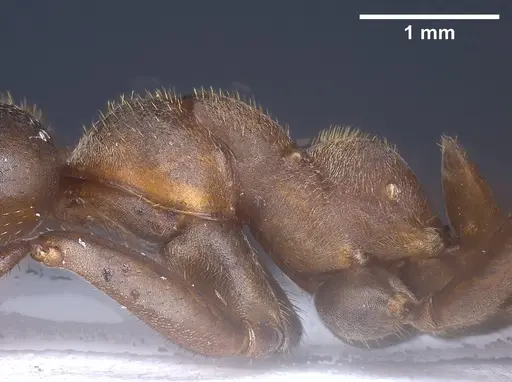
CASENT0173144
View on AntWeb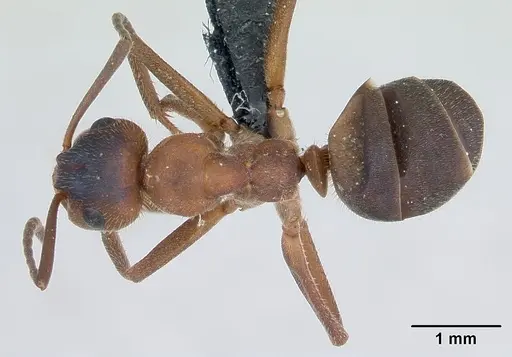
CASENT0280411
View on AntWeb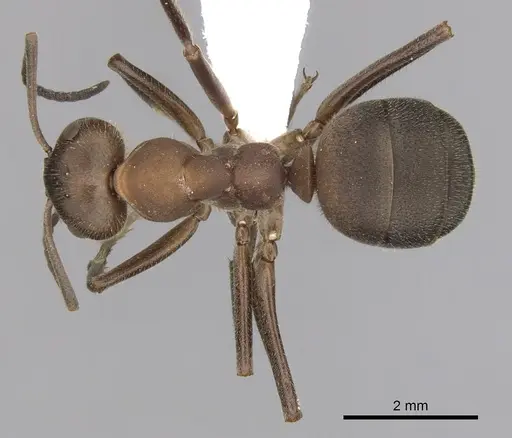
CASENT0906318
View on AntWeb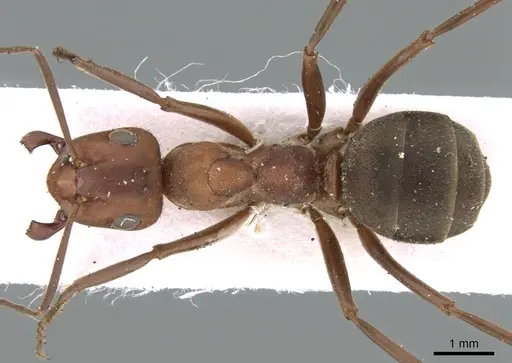
CASENT0911086
View on AntWeb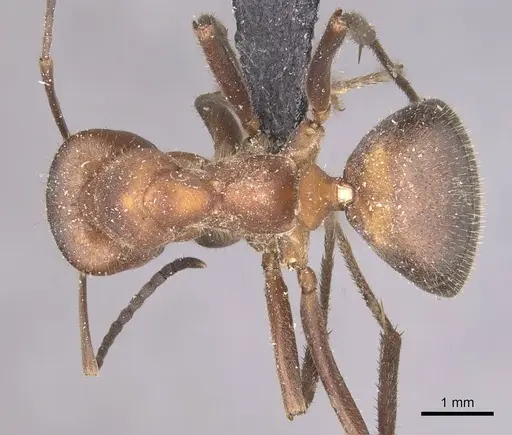
CASENT0911087
View on AntWeb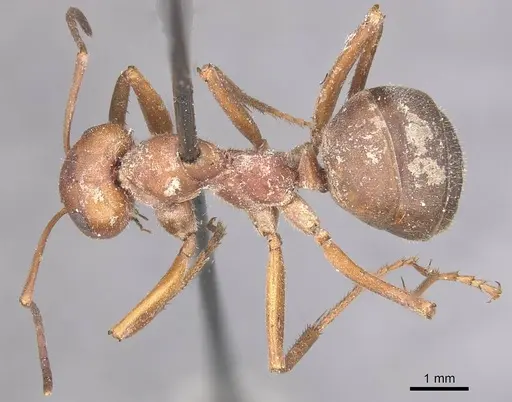
Literature
Loading...Loading products...