

Formica suecica
- Scientific Name
- Formica suecica
- Tribe
- Formicini
- Subfamily
- Formicinae
- Author
- Adlerz, 1902
- Distribution
- Found in 5 countries
Formica suecica Overview
Formica suecica is an ant species of the genus Formica. It is primarily documented in 5 countries , including Austria, Finland, Norway. Detailed taxonomic data and occurrence records can be further explored via authoritative databases such as AntWeb or the Global Biodiversity Information Facility (GBIF).
Formica suecica
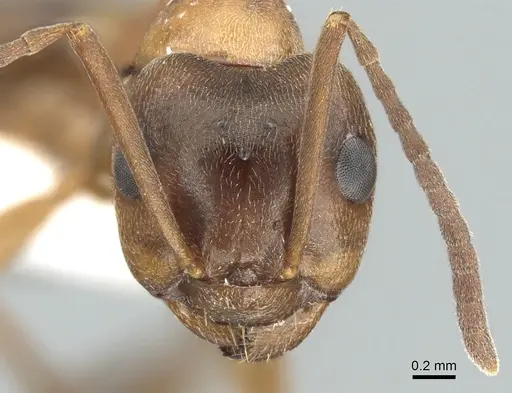
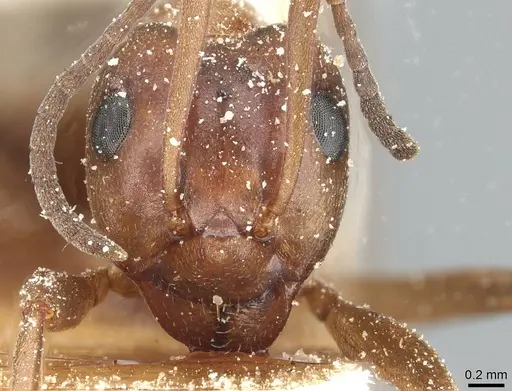
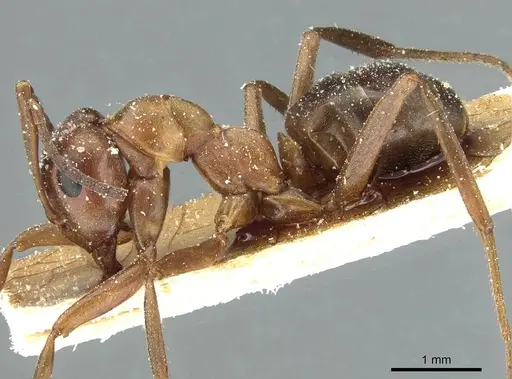
Formica suecica is a small to medium-sized ant belonging to the subgenus Coptoformica, native to northern Europe and isolated Alpine regions. Workers measure 4.5-6.5mm with a distinctive appearance: the head and alitrunk are reddish, while the gaster is brown with a reddish base. The head is notably broad with rounded sides and occipital corners, and the eyes are completely hairless, this combination helps distinguish them from the similar Formica exsecta [1]. Colonies are found across Fennoscandia (Norway, Sweden, Finland, Estonia) and have a disjunct population in the Austrian Alps at high elevations [2].
This species is a temporary social parasite, its queens cannot found colonies independently but must invade nests of the host species Formica lemani, kill the host queen, and use the host workers to raise their first brood [1]. This parasitic lifestyle makes them one of the more challenging Formica species to keep, as you'll need to establish a host colony first. They inhabit cold, boggy areas in the wild, sunny margins of bogs and heath-like patches in coniferous forests, and show remarkable adaptation to cold climates, even in the alpine zones of Austria [1].
Quick Summary
- Difficulty: Hard
- Origin & Habitat: Boreal Fennoscandia (Norway, Sweden, Finland, Estonia) and disjunct Alpine population in upper Ötztal, Austria at 1940-2200m elevation. Inhabits sunny margins of bogs in transition zones from turf to mineralic soil, and sun-exposed heath patches within spruce, fir, or birch woodland on mineralic soil [1].
- Colony Type: 90% of nests), with occasional polygyny/polycaly observed in some areas [1][3].
- Colony: Monogyne, Polygyne
- Queen: Socially parasitic, Temporary parasitic
- Size & Growth:
- Queen: 4-6.3mm [4], queens are slightly smaller than workers, which is unusual for ants [1]
- Worker: 4.5-6.5mm [5]
- Colony: Largest nests likely exceed 50,000 workers [1]
- Growth: Moderate
- Development: 50-55 days in cold alpine conditions [1] (Development is rapid as an adaptation to short vegetation periods in cold climates. In warmer conditions, development may be faster.)
- Antkeeping:
- Temperature: Keep cool, aim for 15-20°C. This species is adapted to cold boreal and alpine conditions and does not tolerate heat well. Room temperature is likely suitable, but avoid any heating. In the wild, they inhabit areas with mean annual temperatures as low as 2.1°C in the Austrian Alps [1].
- Humidity: High humidity preferred, they naturally inhabit bog margins and damp forest floors. Keep the nest substrate consistently moist but not waterlogged. Provide a water tube and ensure the formicarium doesn't dry out completely.
- Diapause: Yes, they require a winter hibernation period. In their native range, they experience cold winters and the alpine population has very short summers. Provide 3-4 months of cold storage at 5-10°C during winter.
- Nesting: Naturalistic setups work best, they build irregular heaps of litter around tree stumps or dead logs in the wild. A formicarium with soil or sand substrate allows them to construct their characteristic litter mounds. Avoid dry, desert-like setups. They prefer nesting in damp, organic material.
- Behavior: Workers are not aggressive and tend to escape when disturbed rather than fight [1]. They are moderate foragers and have been observed gathering other ants (including their own species, Formica lugubris, Formica lemani, and Manica rubida) and occasionally beetles [3]. Escape prevention should be moderate, they are not particularly small but use standard ant barrier techniques. They show low intraspecific aggression, with aggression levels increasing with distance between nests [3].
- Common Issues: establishing colonies is extremely difficult, you must obtain a mixed colony with host species Formica lemani, as queens cannot found colonies independently, host colony dependency means you need two established colonies (host + parasite) to successfully keep this species, cold requirements make them unsuitable for warm rooms or heated setups, slow colony growth in captivity due to their complex social parasitic lifecycle, rare in the hobby and difficult to acquire, this species is Near Threatened in Finland and critically endangered in Austria
Colony Foundation and Social Parasitism
Formica suecica is a temporary social parasite, meaning its queens cannot found colonies independently like most ants. Instead, a newly mated queen must find and invade an established colony of the host species, Formica lemani, which is a member of the Serviformica group [1]. The queen enters the host nest, locates the host queen, and kills her. The host workers then adopt the parasite queen and raise her first brood using the host colony's resources. This process is called temporary parasitism because once the first workers of F. suecica emerge, they gradually replace the host workers until the colony becomes purely F. suecica. This makes captive establishment extremely challenging, you cannot simply introduce a queen to a test tube. You would need to obtain an established mixed colony where F. suecica has already established itself within a F. lemani host colony. In the wild, this has been observed: researchers found a mixed colony of F. suecica and F. lemani in nest S2,confirming F. lemani as the host species [3].
Housing and Nest Setup
These ants require a naturalistic setup that mimics their natural habitat. In the wild, they build irregular heaps of litter around tree stumps, dead logs, or under stones, not the typical mound shape seen in other Formica species. Only about 5% of nests in Fennoscandia show the classic spherical mound, while the rest are litter-based structures [1]. For captivity, use a formicarium with a soil or sand substrate that can hold moisture. Add organic debris, small stones, or pieces of wood to give them materials to work with. The setup should allow for damp conditions, think boggy forest floor rather than dry desert. A water tube should be provided for humidity. Because they are socially parasitic and difficult to establish, they are not recommended for beginners. If you manage to obtain a mixed colony, keep it in a cool area away from direct sunlight and heating sources.
Temperature and Seasonal Care
Keep these ants cool, this is critical for success. Formica suecica is adapted to boreal and cold alpine conditions and does not tolerate heat. Aim for temperatures between 15-20°C, which is considerably cooler than most ant species prefer. In their Austrian Alpine habitat, the mean annual air temperature is only 2.1°C, and they experience very short summers [1]. During winter, they require a proper hibernation period of 3-4 months at temperatures around 5-10°C. This simulates the harsh winters they experience in their native range. Do not keep them in warm rooms or use heating cables. If your room temperature is naturally in the 15-20°C range, that should work well. The alpine population shows delayed phenology, broods develop quickly (50-55 days from egg to adult) as an adaptation to the short summer season [1]. In captivity, expect similar timing if kept cool.
Feeding and Diet
Like other Formica species, F. suecica is omnivorous. Workers have been observed foraging for other ants (including their own species, Formica lugubris, Formica lemani, and Manica rubida) and occasionally beetles [3]. They likely scavenge and hunt small invertebrates in addition to collecting honeydew from aphids. For captivity, offer a varied diet: protein sources like small insects (fruit flies, small crickets, mealworms), and sugar sources like sugar water, honey, or honeydew. They may not accept sugar as readily as some other Formica species since they are more predatory in nature. Offer protein twice weekly and keep a sugar source available at all times. Remove uneaten prey after 24-48 hours to prevent mold.
Behavior and Colony Dynamics
This species shows remarkably low aggression, both intraspecifically and interspecifically. When disturbed, workers tend to flee rather than attack [1]. Studies show that intraspecific aggression is generally low, with aggression actually increasing with distance between nests, this suggests nearby nests may be part of the same colony network [3]. Over 90% of colonies are monodomous (single nest), with very low tendency to form polydomous (multi-nest) colonies [1]. However, when nests are very close together (1-2 meters), they may show no aggression at all, suggesting occasional polygyny or colony fusion. The largest known nests can contain over 50,000 workers [1]. Alates (reproductives) are produced in summer: southern Sweden sees flights in mid-to-late July, while northern Sweden and the Alps see flights in mid-to-late August [1].
Frequently Asked Questions
Is Formica suecica suitable for beginners?
No. This is an expert-level species due to its temporary social parasitic lifestyle. Queens cannot found colonies independently, they must invade and take over a Formica lemani host colony. This makes establishment extremely difficult in captivity. Even experienced antkeepers struggle with parasitic species.
How do I keep Formica suecica in captivity?
You need to obtain an already-established mixed colony containing both Formica suecica and its host species Formica lemani. Pure F. suecica colonies cannot be founded by introducing a queen to an empty setup. Keep the colony in a cool (15-20°C), humid naturalistic setup with damp substrate. Provide protein prey and sugar water.
What temperature do Formica suecica ants need?
Keep them cool, 15-20°C is ideal. This species is adapted to boreal and cold alpine conditions and does not tolerate heat. In the wild, they live in areas with mean annual temperatures as low as 2.1°C. Avoid heating and keep them in a cool room.
Do Formica suecica ants need hibernation?
Yes, they require a winter hibernation period of 3-4 months at 5-10°C. This is essential for their health and reproductive cycle, simulating the harsh winters they experience in their native Fennoscandian and Alpine habitats.
What do Formica suecica ants eat?
They are omnivorous but lean toward predatory behavior. Offer small insects (fruit flies, small crickets, mealworms) as protein sources twice weekly. Sugar water, honey, or honeydew can be offered as well, though they may not accept sugar as readily as some other Formica species.
How long does it take for Formica suecica to develop from egg to worker?
Development takes approximately 50-55 days from egg to adult in cold conditions [1]. This rapid development is an adaptation to the short summer season in their cold native habitats. In warmer captive conditions, development may be faster.
Can I keep multiple queens together?
While occasional polygyny (multiple queens) has been observed in the wild, this species is primarily monodomous with single queens. Combining unrelated queens is not recommended and has not been documented in captivity. The natural colony structure involves one parasitic queen taking over a host colony.
How big do Formica suecica colonies get?
Mature colonies can contain over 50,000 workers [1]. However, reaching this size in captivity would take many years given the complex parasitic lifecycle and slow growth rate.
Where does Formica suecica live in the wild?
This species is native to northern Europe (Fennoscandia: Norway, Sweden, Finland, Estonia) with a disjunct population in the Austrian Alps at 1940-2200m elevation. They inhabit sunny bog margins and heath-like patches in coniferous forests [1].
Is Formica suecica endangered?
Yes. In Finland, it is classified as Near Threatened (NT) due to overgrowing of its preferred habitats [6]. In Austria, where only a tiny isolated population exists in the Ötztal Alps, it has a very critical (sehr kritisch) status due to ski tourism development threatening its habitat [7].
References

This caresheet is licensed under CC BY-SA 4.0 .
ANTWEB1041359
View on AntWeb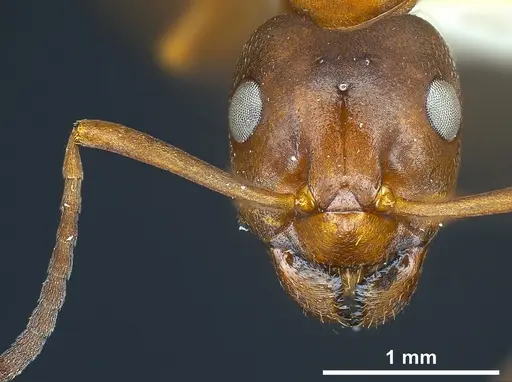
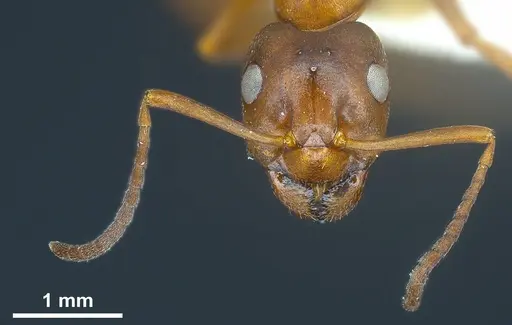
CASENT0906308
View on AntWeb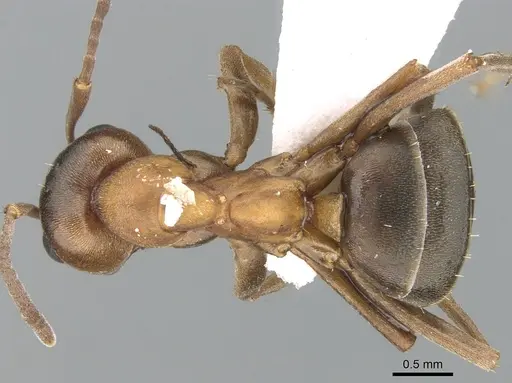
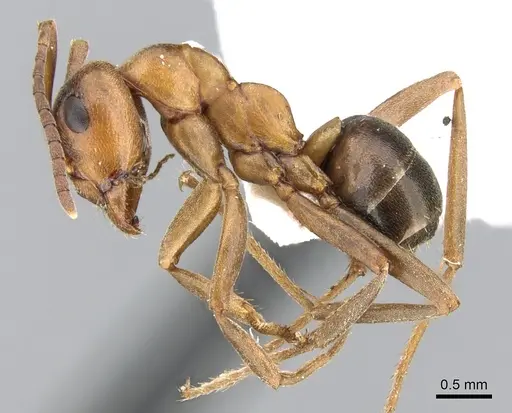
CASENT0911094
View on AntWeb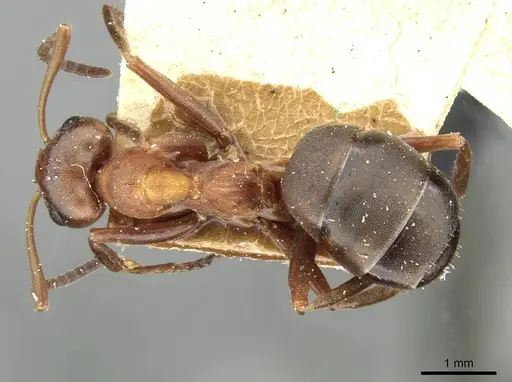
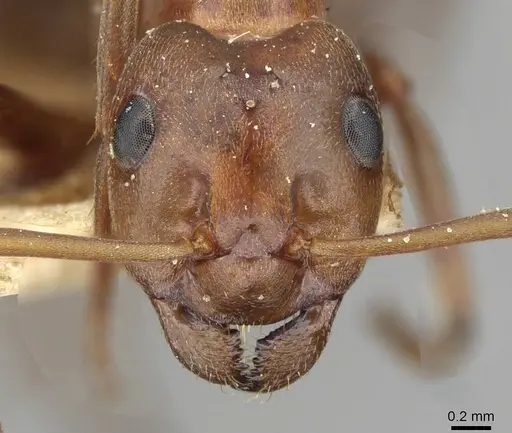
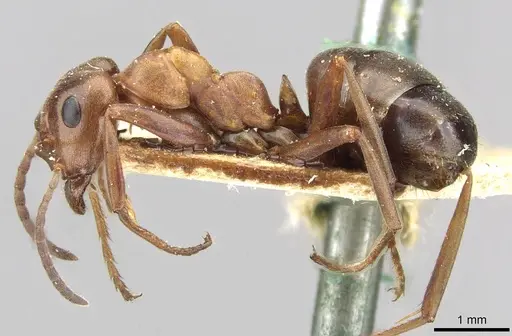
CASENT0912246
View on AntWeb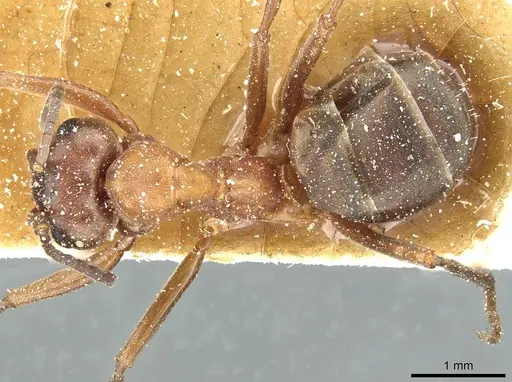
Literature
Loading...Loading products...