
Manica rubida exhibits a clear seasonal activity window. Peak activity is concentrated in June, with the overall period spanning May to August.
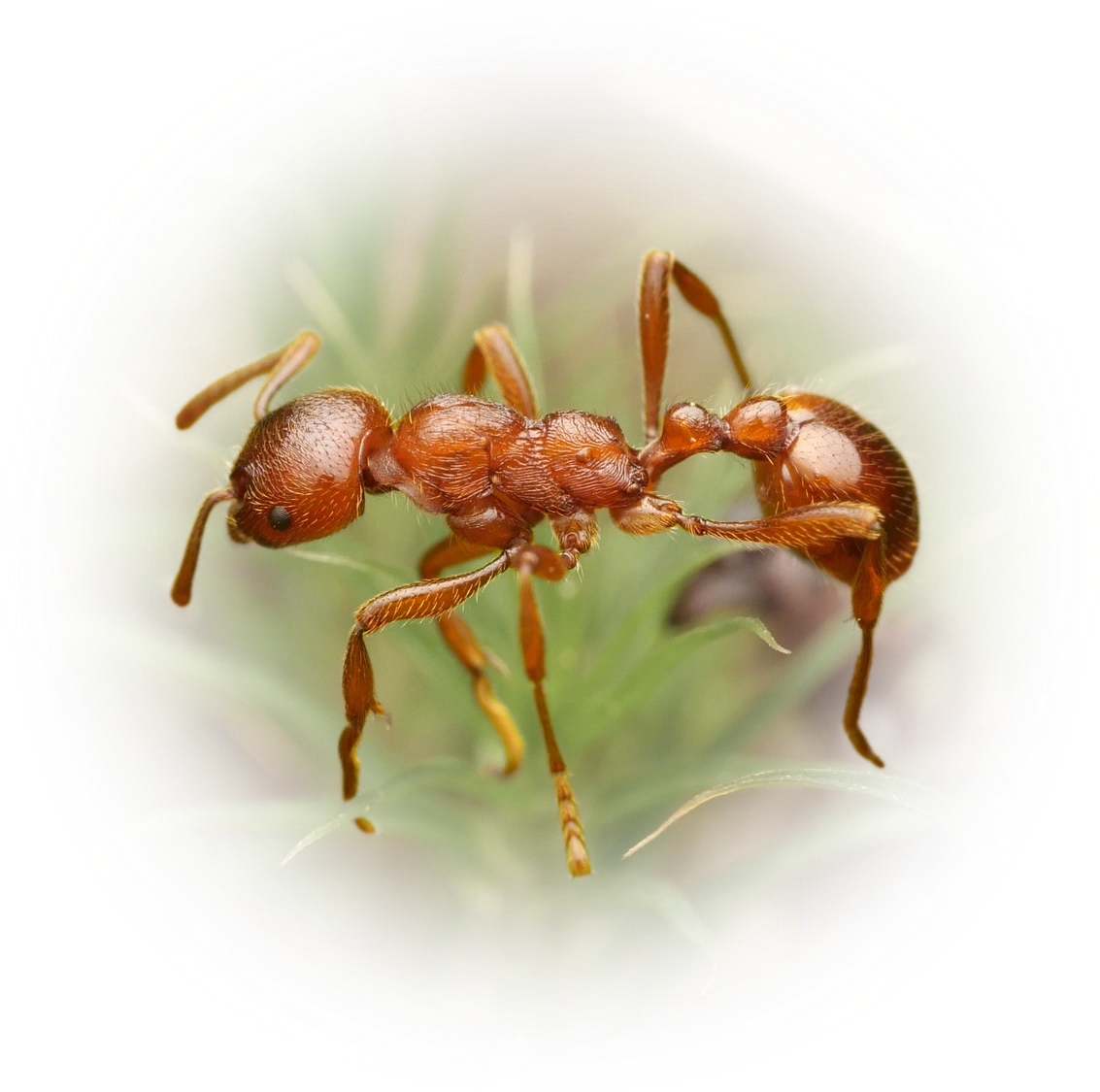
Manica rubida
- Scientific Name
- Manica rubida
- Tribe
- Myrmicini
- Subfamily
- Myrmicinae
- Author
- Latreille, 1802
- Distribution
- Found in 7 countries
- Nuptial Flight
- from May to August, peaking in June
AI Identifiable
try →
Manica rubida Overview
Manica rubida is an ant species of the genus Manica. It is primarily documented in 7 countries , including Austria, Switzerland, Czechia. Detailed taxonomic data and occurrence records can be further explored via authoritative databases such as AntWeb or the Global Biodiversity Information Facility (GBIF).
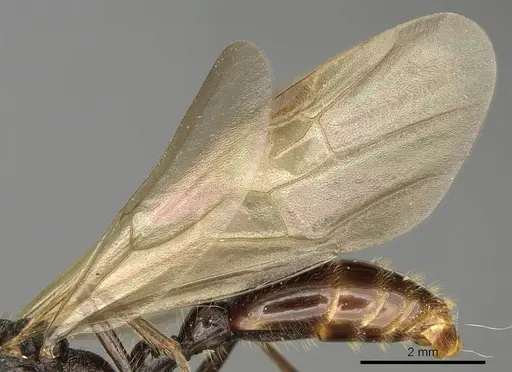
The nuptial flight of Manica rubida is a significant biological event, typically occurring from May to August, peaking in June. During this time, winged queens and males leave the nest to mate and establish new colonies.
Manica rubida
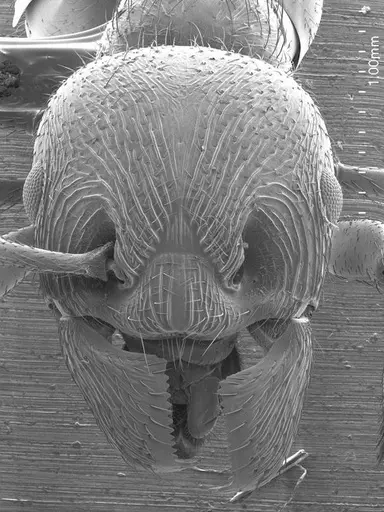
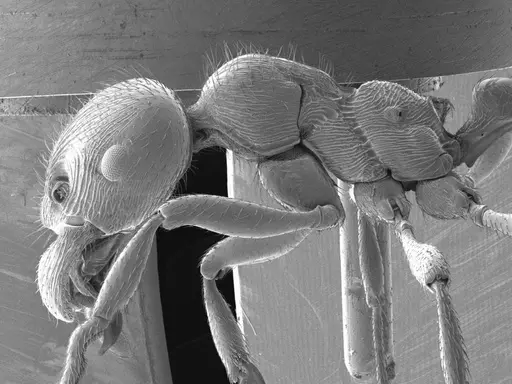
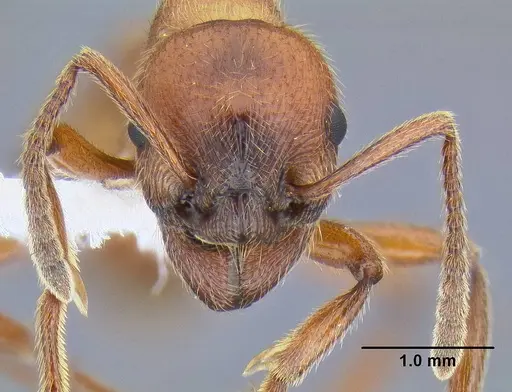
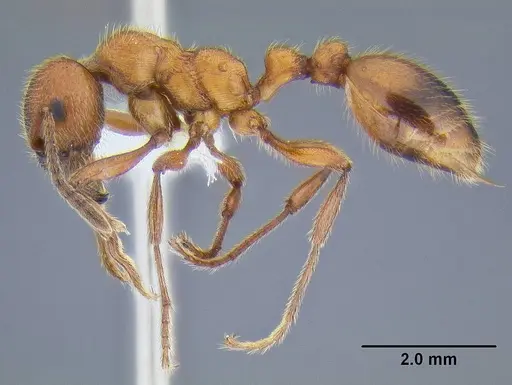
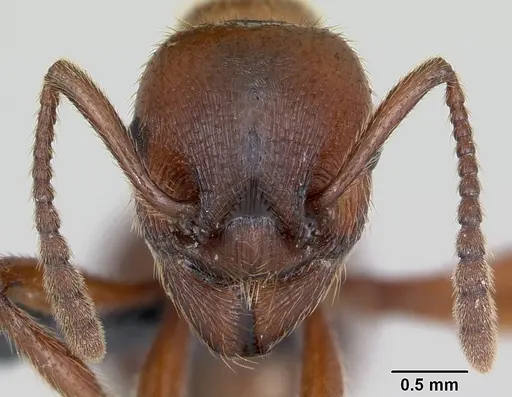
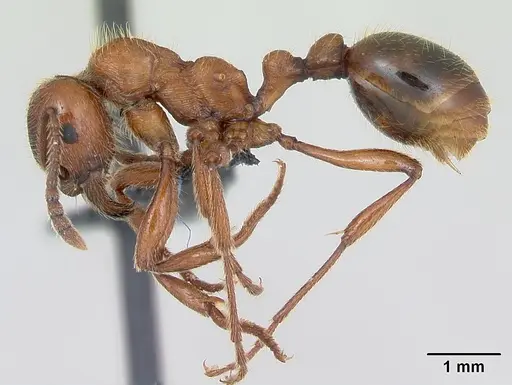
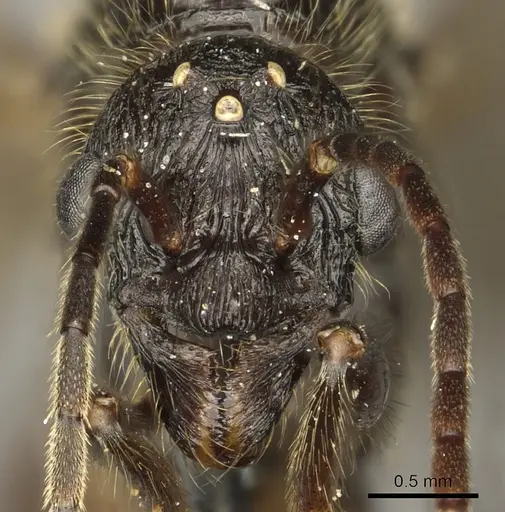
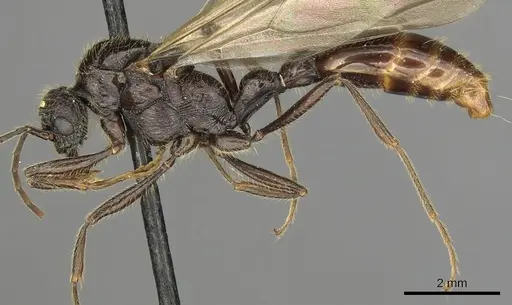
Manica rubida is the largest myrmicine ant species in Europe, with workers reaching 5-8 mm in length. They have a distinctive reddish-brown body with a darker gaster, and unlike many related Myrmica species, they lack spines on their propodeum, instead showing only small tubercles or bumps. Queens are significantly larger at 8.5-13 mm, and males are nearly black with yellowish-brown abdominal tips. This species was previously classified in the genus Myrmica but is now placed in Manica based on modern taxonomy [1][2][3].
What makes Manica rubida unusual is their semi-claustral colony founding, queens must leave the nest to forage during the founding stage, unlike fully claustral species that seal themselves away. They also show remarkable queen flexibility with colonies producing two distinct types: large macrogynes that disperse for nuptial flights, and tiny microgynes that remain in the natal nest, retain their wings through winter, and behave like workers rather than reproducing [4].
Quick Summary
- Difficulty: Medium
- Origin & Habitat: Native to mountainous regions of Central and Southern Europe, Asia Minor, and the Caucasus. Found across much of Europe including France, Switzerland, Austria, Germany, Italy, Poland, Czech Republic, Romania, Bulgaria, and Turkey. Typically inhabits elevations between 500-2000 meters, preferring sunny stony areas with low vegetation such as riverbanks, meadows, pastures, and sandy floodplains [5][6][7][8].
- Colony Type: Flexible colony structure, can be monogyne (single queen), oligogyne (few queens), or polygynous (multiple queens). Colonies contain several hundred to a few thousand workers and often form polycalic systems with multiple nest entrances. Queens occur in two size classes: large macrogynes (8.5-13mm) that disperse for nuptial flights, and tiny microgynes that remain in the natal nest and behave like workers [4][9][5].
- Size & Growth:
- Queen:{.size-link} 8.5-13 mm [1][4]
- Worker:{.size-link} 5-8 mm [1][10]
- Colony: Up to a few thousand workers [5]
- Growth: Moderate
- Development: 6-10 weeks (estimated based on related Myrmica species) (Semi-claustral founding means development may be slightly longer than fully claustral species since queen must forage during founding)
- Antkeeping:
- Temperature: Keep nest area around 20-24°C. This is a mountain species that prefers cooler conditions than tropical ants but needs warmth for brood development. They can tolerate temperatures from roughly 15°C to 28°C, with optimal soil temperatures around 24-28°C for foraging [8][10].
- Humidity: Moderate humidity, they naturally inhabit areas near water like riverbanks but avoid truly wet conditions. Keep nest substrate moist but not waterlogged. They can dig deep nests to access groundwater in dry habitats [11].
- Diapause: Yes, this is a temperate species requiring winter hibernation. In their native mountain habitat, colonies experience cold winters. Keep colonies at 5-10°C for 3-4 months during winter, reducing activity but not freezing them [2].
- Nesting: Prefers naturalistic setups with sandy-gravelly substrate. They build deep underground nests and form crater-like entrances. A Y-tong or plaster nest with a sand chamber works well. They also accept test tube setups but may need more space as colonies grow. Provide a water tube but avoid flooding [11][9].
- Behavior: Manica rubida is generally peaceful and not aggressive toward humans unless threatened. However, they possess a very painful sting, some sources compare it to a wasp sting in intensity. When provoked, workers will surround attackers and sting them repeatedly. They are relatively slow-moving compared to many ants and forage individually or form trails to food sources. Workers primarily hunt small invertebrates and also attend aphids for honeydew. They are primarily diurnal. Escape prevention is important given their size, standard barriers work well but ensure no small gaps exist [2][5][12].
- Common Issues: Sting pain, this species has a potent sting comparable to wasps. Handle with care and avoid provoking them., Semi-claustral founding is trickier than claustral, queens need access to prey during colony founding, which can be challenging for beginners., Mountain habitat requirements mean they need cooler temperatures than typical room temperature, overheating can stress colonies., Deep nesting behavior, they may struggle in shallow or compact nests that don't allow them to dig downward., Slow growth rate, colonies take time to establish, which can frustrate beginners expecting rapid development., Sensitive to disturbance, as a pioneer species of dynamic habitats, they prefer stable conditions and may abandon nests that are frequently disturbed.
Queen Ant Activity Analysis 394 observations
Queen Activity by Hour 394 observations
Manica rubida queen activity peaks around 11:00 during the late morning to early afternoon. Activity is spread across a 11-hour window (09:00–19:00). A secondary activity peak occurs around 15:00. Times may be influenced by human observation patterns.
Housing and Nest Setup
Manica rubida needs more space than typical small ants due to their larger size and tendency to form polycalic colonies. For founding colonies, a test tube setup works initially, but be prepared to move them to a larger formicarium as the colony grows. They prefer naturalistic setups with sandy or gravelly substrate that allows them to dig. A Y-tong nest with a digging chamber or a plaster nest with sand chambers works well. They build deep nests in the wild, so provide depth when possible. Include a water tube for humidity but avoid overfilling that could flood the nest. They do best with a temperature gradient in the nest area, allowing them to choose their preferred temperature zone [11][9].
Feeding and Diet
In the wild, Manica rubida are predators of small soft invertebrates and also attend aphids for honeydew. They are opportunistic feeders that will scavenge as well. In captivity, offer protein sources like small crickets, mealworms, fruit flies, and other small insects. They can accept sugar water or honey as an energy source, though protein is essential for brood development. Feed them small prey items 2-3 times per week, removing any uneaten prey after 24 hours. Their venom contains multiple insecticidal peptide toxins specifically adapted for insect predation [5][13].
Temperature and Seasonal Care
As a mountain species from Central Europe, Manica rubida needs cooler temperatures than many commonly kept ants. Keep the nest area around 20-24°C during the active season, with a slight gradient so workers can choose their preferred temperature. They can tolerate temperatures from roughly 15°C to 28°C. During winter, they require a diapause period, keep them at 5-10°C for 3-4 months. This mimics their natural seasonal cycle in mountain habitats. Reduce feeding during this period and ensure the nest doesn't dry out completely. They are most active during warmer months and reduce activity in winter. Their preference for mean soil temperatures above 15°C and maximum temperatures of 24-28°C should guide your heating setup [8][10].
Behavior and Defense
Manica rubida has a well-deserved reputation for having one of the most painful ant stings in Europe, some sources compare it directly to a wasp sting in intensity. However, they are not aggressive by nature and will only sting when directly threatened or provoked. When attacked, workers surround the intruder and sting repeatedly. They are relatively slow-moving and peaceful toward other ant species, often tolerating mixed-species groups in laboratory settings. Workers forage individually and can form pheromone trails to food sources. They use a trail pheromone from their venom gland (3-ethyl-2,5-dimethylpyrazine) to mark paths to food. Despite their painful sting, they are considered submissive in the ant dominance hierarchy and are not good at defending resources against more aggressive species [2][14][9].
Colony Development and Reproduction
Colony founding in Manica rubida is semi-claustral, meaning the queen does not seal herself away completely but must leave the nest periodically to hunt for food during the founding stage. This makes founding trickier than fully claustral species. Nuptial flights occur in spring (April) or autumn (August-September), depending on altitude and location. Colonies can produce two types of queens: large macrogynes that disperse and found new colonies after mating, and tiny microgynes that remain in the natal nest, retain their wings through winter, and behave like workers. This queen dimorphism is unusual and may represent a dispersal strategy, large queens establish colonies far from the mother nest while small queens stay close. Mature colonies can grow to several hundred workers and often form polycalic systems with multiple nest entrances [4][5][2].
Frequently Asked Questions
Does Manica rubida sting?
Yes, and it is quite painful. Their sting is described as comparable to a wasp sting in intensity. They are not aggressive but will sting if threatened or provoked. Handle with care and avoid provoking the colony.
How long does it take for Manica rubida to produce first workers?
Based on related Myrmica species, expect 6-10 weeks from egg to first worker at optimal temperatures around 22-24°C. Semi-claustral founding may extend this timeline slightly compared to fully claustral species.
Can I keep multiple queens together?
Yes, Manica rubida is facultatively polygynous, colonies can have single queens, a few queens, or multiple queens. However, introducing unrelated queens to an established colony may result in aggression. If combining foundresses, do so before the claustral chambering stage.
What temperature do Manica rubida need?
Keep nest temperatures around 20-24°C with a gradient. They prefer cooler conditions than tropical ants, being a mountain species. Avoid overheating. They can tolerate 15-28°C but prefer soil temperatures around 24-28°C for foraging.
Do Manica rubida need hibernation?
Yes, they require a winter diapause. Keep colonies at 5-10°C for 3-4 months during winter. This mimics their natural seasonal cycle in mountain habitats.
What do Manica rubida eat?
They are predators of small invertebrates and also attend aphids for honeydew. Feed small insects like fruit flies, small crickets, or mealworms 2-3 times per week. They will also accept sugar water or honey occasionally.
Is Manica rubida good for beginners?
They are considered intermediate difficulty. Their semi-claustral founding is trickier than claustral species, and they have specific temperature requirements as a mountain species. However, their large size and relatively calm temperament make them manageable for those with some antkeeping experience.
How big do Manica rubida colonies get?
Mature colonies can reach up to a few thousand workers. They often form polycalic systems with multiple nest entrances in the wild.
What type of nest is best for Manica rubida?
They prefer naturalistic setups with sandy or gravelly substrate that allows digging. A Y-tong nest with a digging chamber or a plaster nest with sand chambers works well. They need depth for their deep nesting behavior.
Why are my Manica rubida dying?
Common causes include: overheating (they are a mountain species needing cooler temps), improper humidity (too wet or too dry), stress from disturbance during founding, or lack of protein food. Check temperature, ensure they are not in direct sunlight, and provide appropriate prey.
Report an Issue
The current care sheet is based fully on literature. See inconsistencies, or something that's incorrect? Please , it will be resolved after review from an admin. Contributing to the blogs tab also helps providing information, to make us be able to further improve the caresheets. Thank you for your support!
References

This caresheet is licensed under CC BY-SA 4.0 .
ANTWEB1008547
View on AntWeb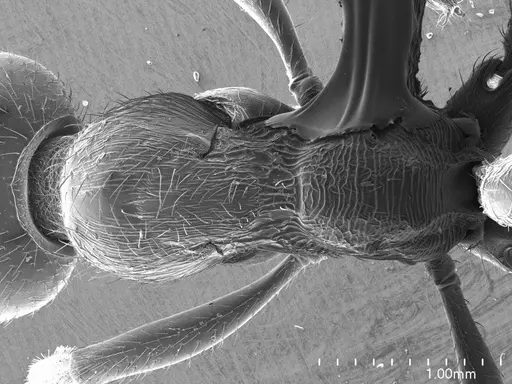
CASENT0106288
View on AntWeb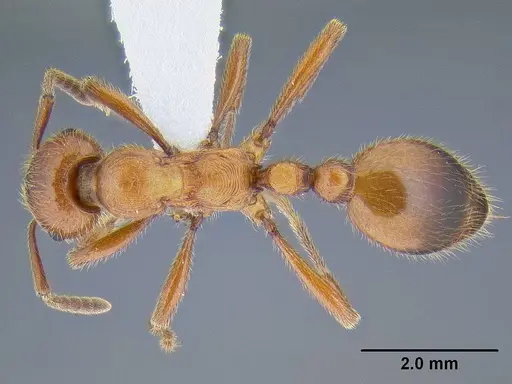
CASENT0173135
View on AntWeb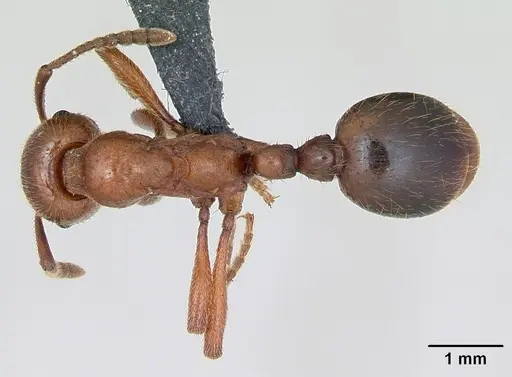
CASENT0901011
View on AntWeb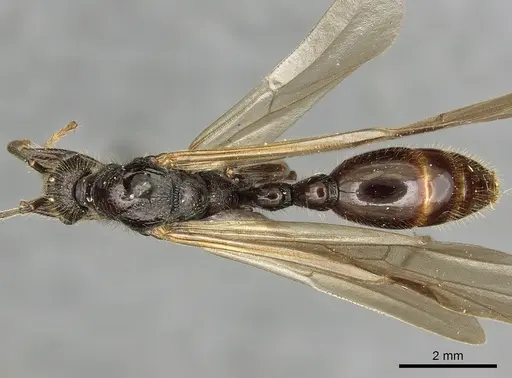
Literature
Loading...Loading products...