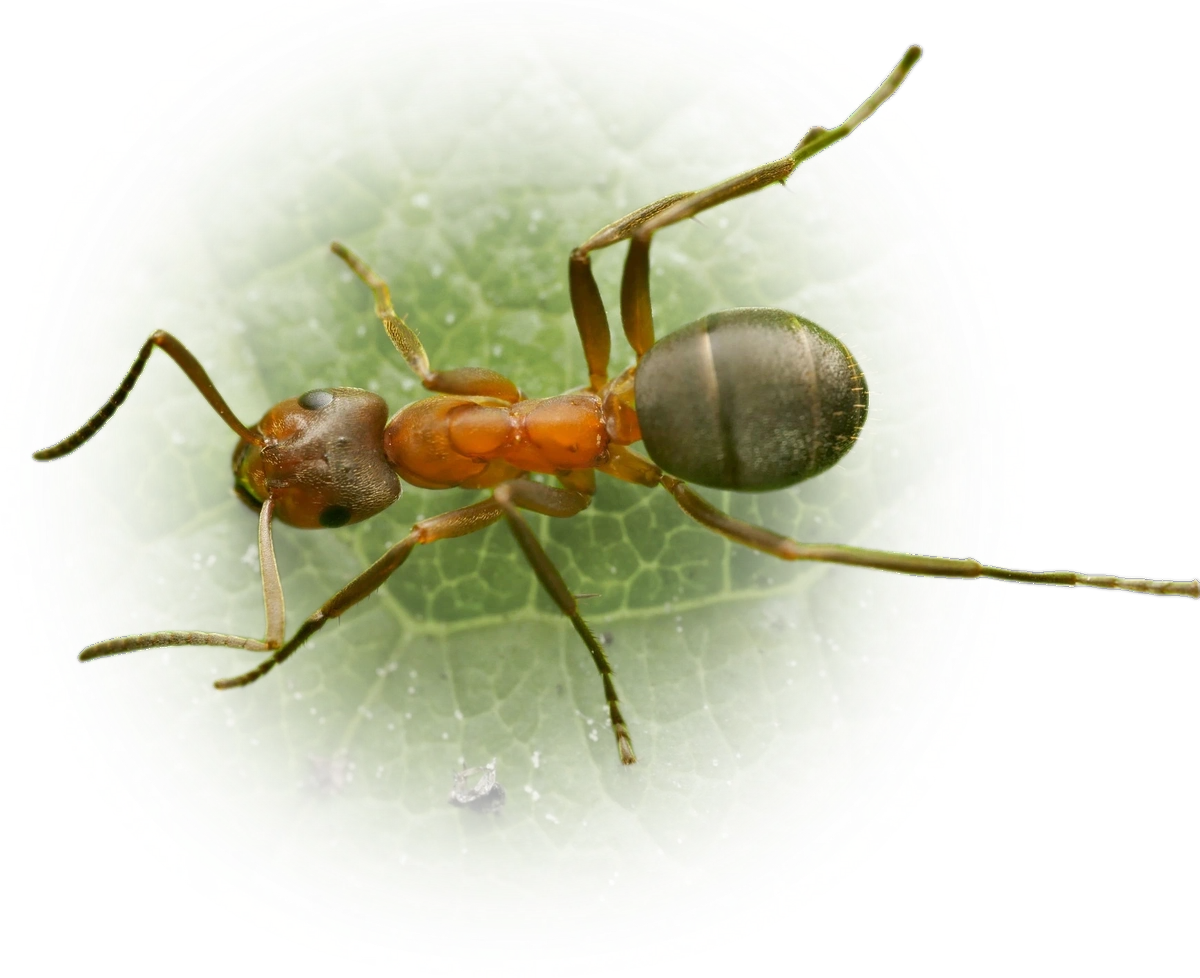

Formica exsecta
- Scientific Name
- Formica exsecta
- Tribe
- Formicini
- Subfamily
- Formicinae
- Author
- Nylander, 1846
- Common Name
- Narrow-headed Ant
- Distribution
- Found in 14 countries
Formica exsecta Overview
Formica exsecta (commonly known as the Narrow-headed Ant) is an ant species of the genus Formica. It is primarily documented in 14 countries , including Austria, Belgium, Switzerland. Detailed taxonomic data and occurrence records can be further explored via authoritative databases such as AntWeb or the Global Biodiversity Information Facility (GBIF).
Formica exsecta - "Narrow-headed Ant"
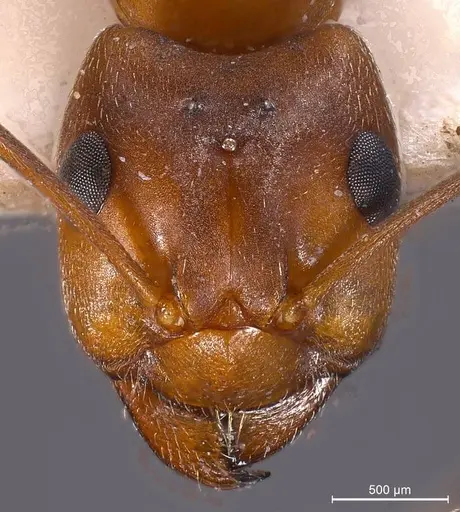
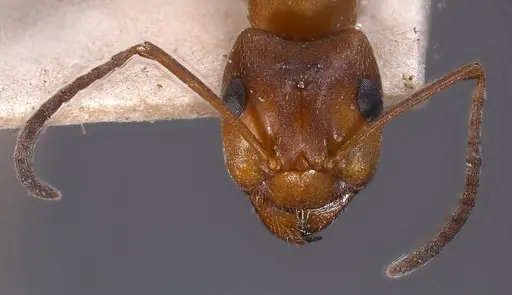
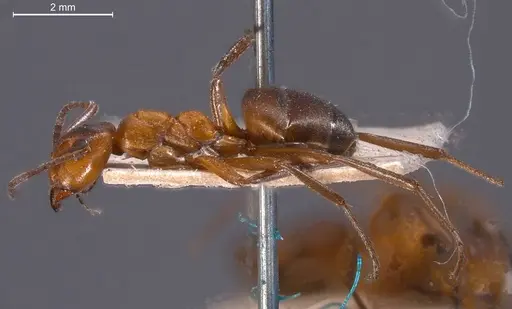
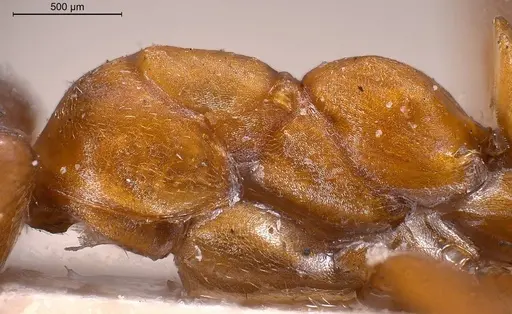
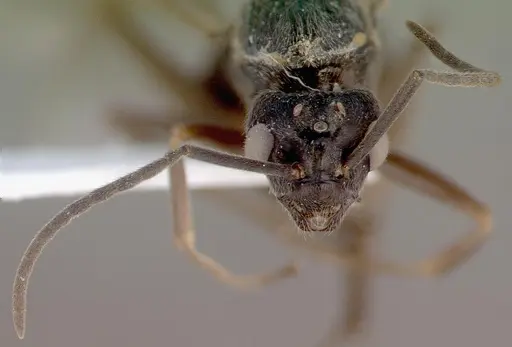
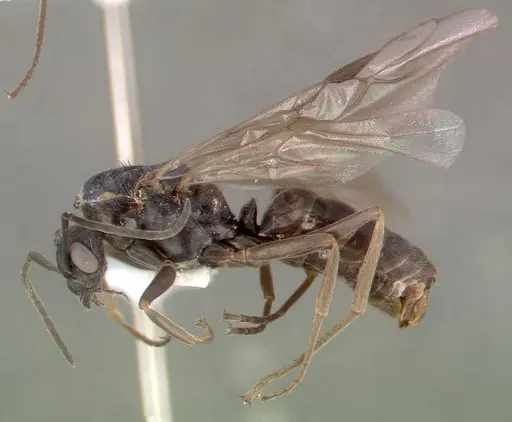
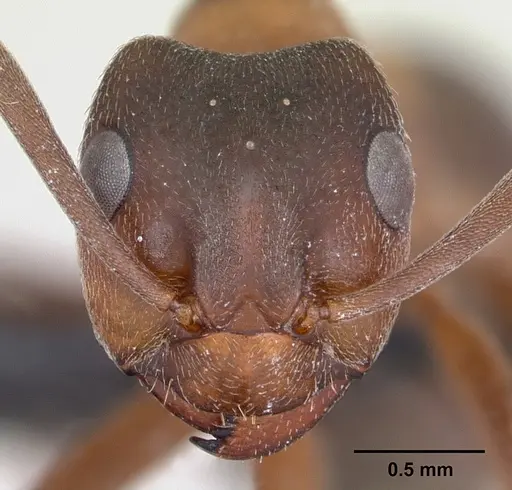
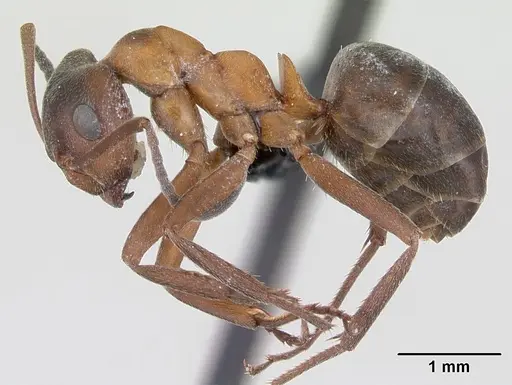
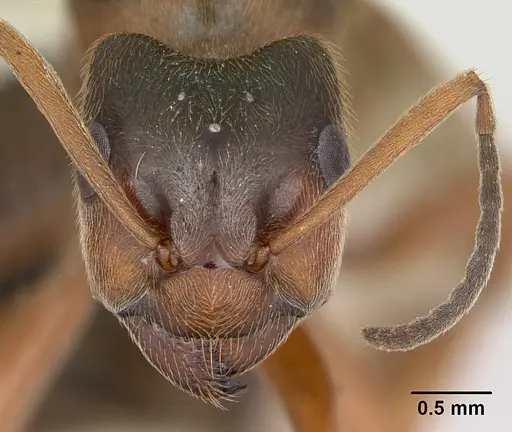
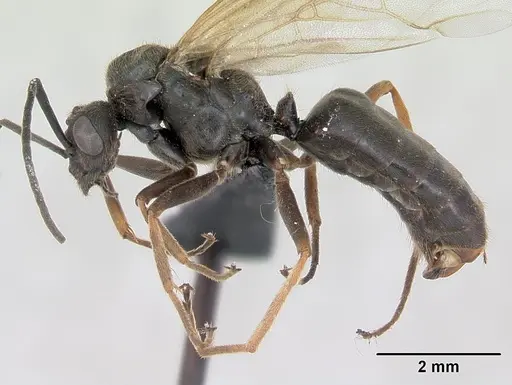
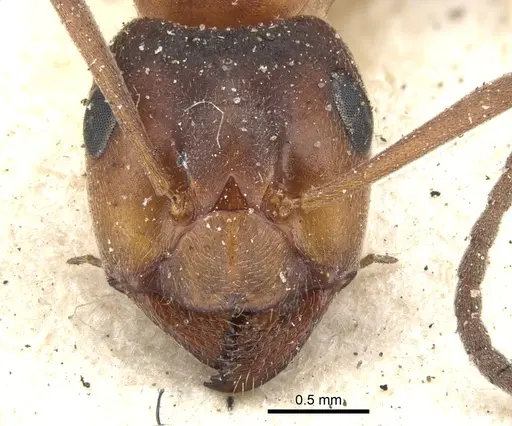
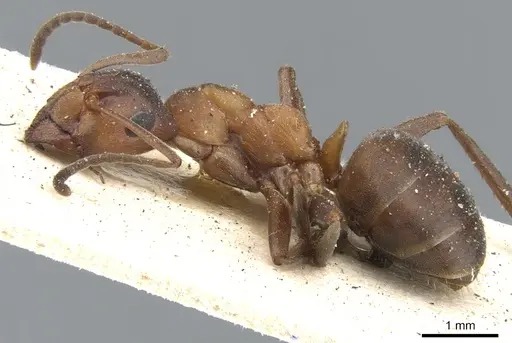
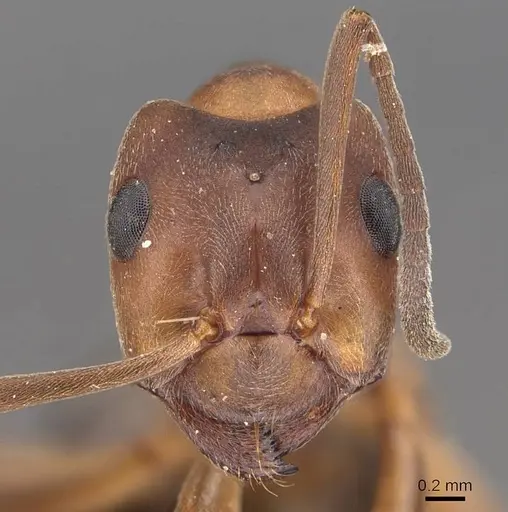
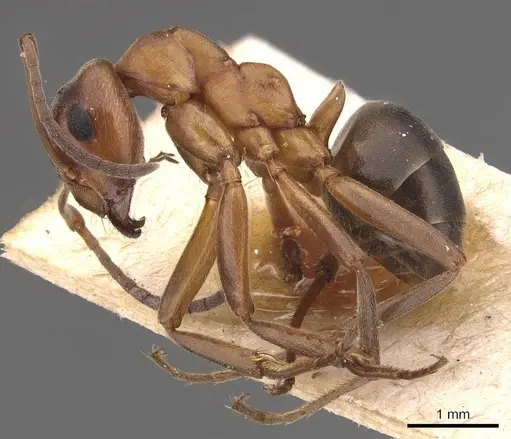
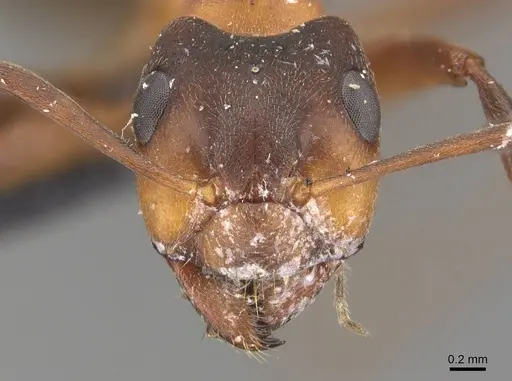
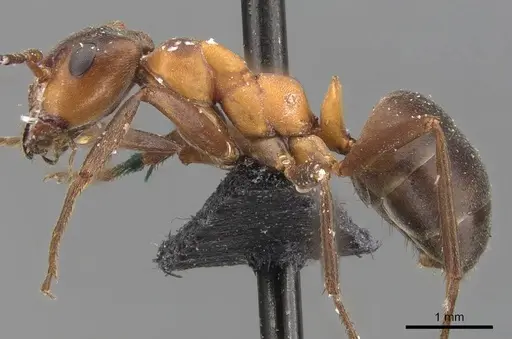
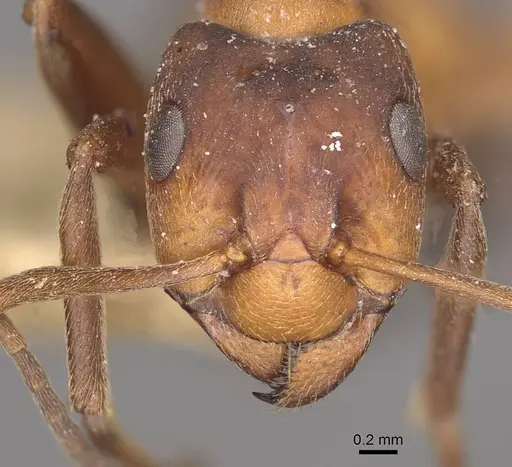
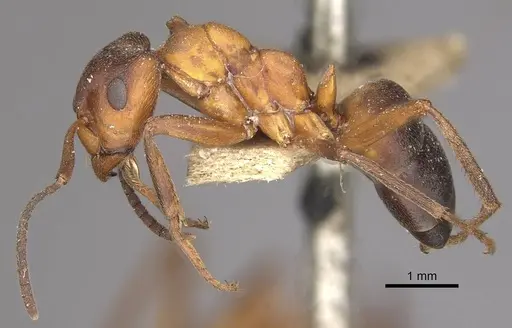
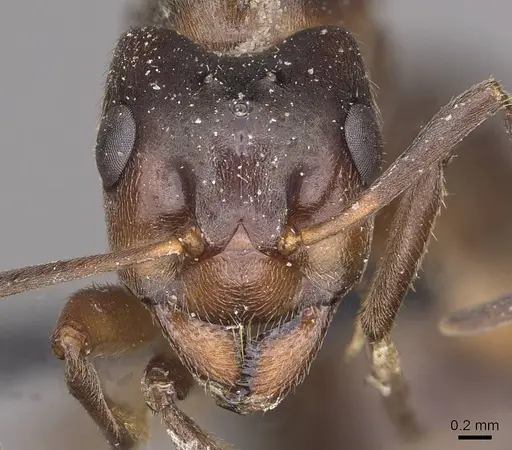
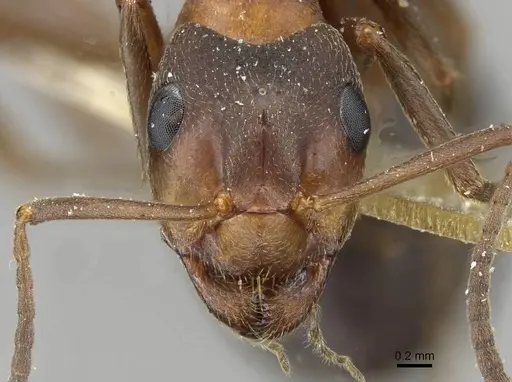
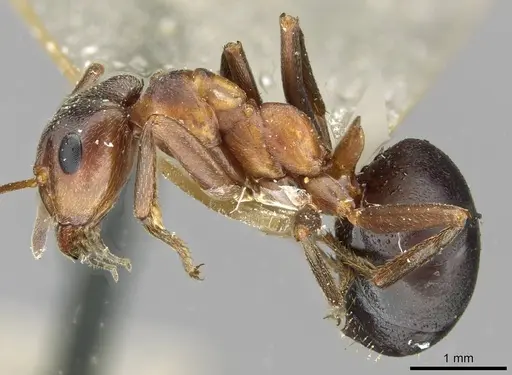
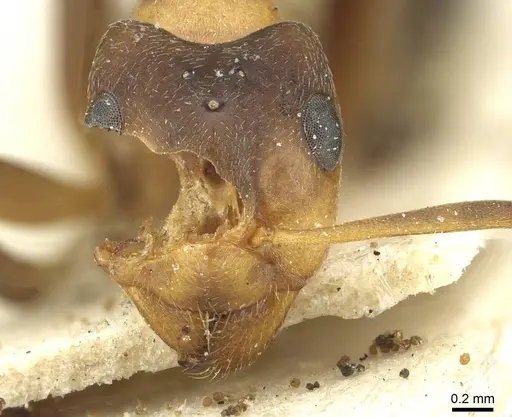
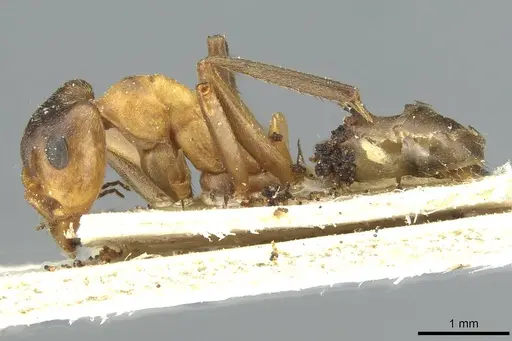
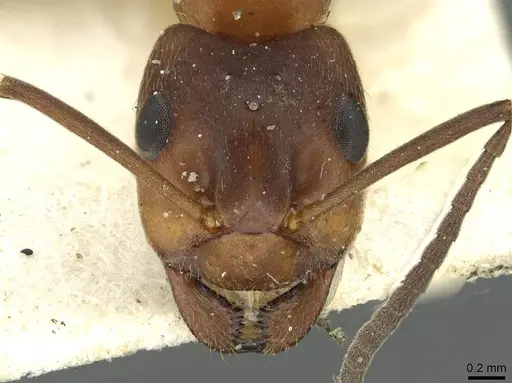
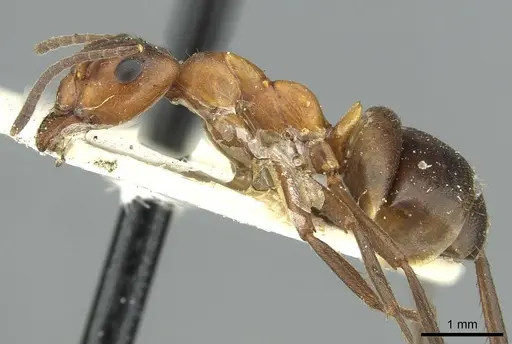
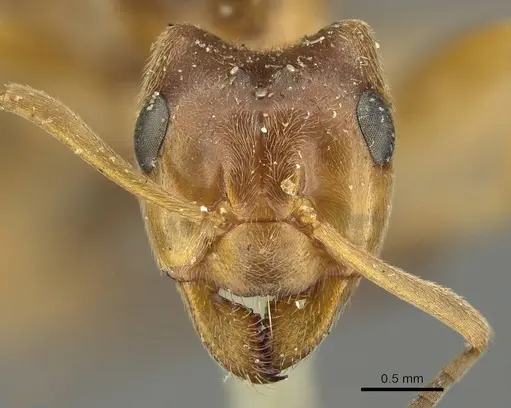
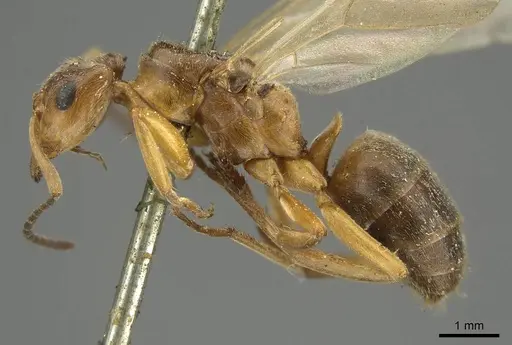
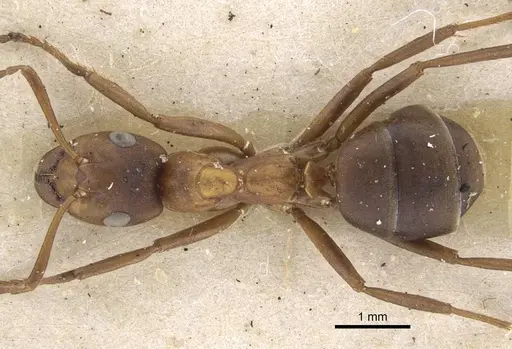
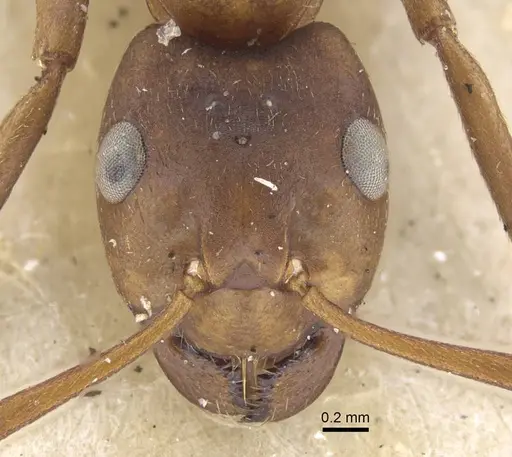
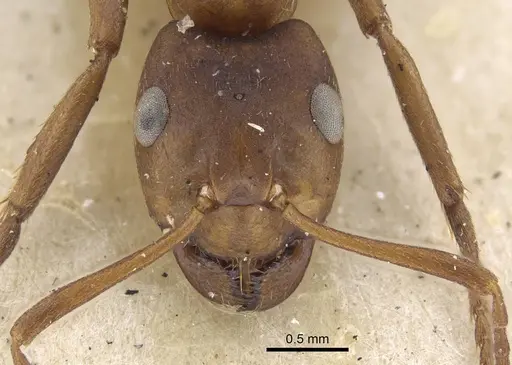
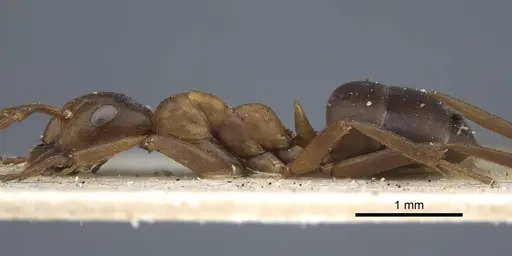
Formica exsecta is a medium-sized mound-building ant belonging to the subgenus Coptoformica, easily recognized by the distinctive deep notch on the back of its head. Workers measure 4-7.5 mm with a bicolored body, reddish thorax and dark brown to black abdomen. This species builds characteristic dome-shaped mounds from finely chewed plant material, primarily grass stems and conifer needles, typically smaller than those of the red wood ants (Formica rufa group). Colonies can exist in two forms: single-queen (monogynous) colonies or multi-queen (polygynous) colonies that may develop into extensive supercolonies with hundreds of interconnected nests [1][2]. The species is a temporary social parasite, new queens must invade nests of Serviformica species (like Formica fusca) to establish their colonies, using the host workers to raise their first brood [2][3].
Quick Summary
- Difficulty: Medium
- Origin & Habitat: Palearctic distribution spanning from Western Europe (Britain, Spain) through Central Europe, Scandinavia, and Russia to Kamchatka and Mongolia. Inhabits forest edges, clearings, meadows, and mountain pastures, always in sunny, open locations [2][3].
- Colony Type: Facultatively polygynous, can form single-queen monogynous colonies or multi-queen polygynous colonies. Polygynous colonies can expand through budding to form polydomous systems (multiple connected nests) and eventually supercolonies with hundreds of nests [1][4].
- Colony: Optionally polygyne, Supercolonial
- Queen: Socially parasitic, Temporary parasitic
- Size & Growth:
- Queen: 7.5-9.5 mm [5]
- Worker: 4-7.5 mm [5]
- Colony: Several thousand to tens of thousands of workers, supercolonies can reach 100+ nests with hundreds of thousands of individuals [1][3]
- Growth: Moderate
- Development: Approximately 6-8 weeks at optimal temperature (25-26°C) based on genus-level data for Formica [6] (Development is faster than many other ant genera, Formica larvae grow almost twice as fast as Myrmica at optimal temperatures)
- Antkeeping:
- Temperature: Keep nest at room temperature (18-24°C). This is a cold-tolerant species, workers can survive -20°C and long-term minimum of -8°C in the wild [2]. Avoid overheating the nest as they prefer cooler conditions than red wood ants.
- Humidity: Moderate humidity. Nest mounds should remain moist but not waterlogged. Provide a water gradient, some drier areas for the ants to regulate their own moisture needs.
- Diapause: Yes, requires winter dormancy period. In colder climates, colonies survive winter by retreating deep into the nest. Provide 3-4 months at 5-10°C during winter [2].
- Nesting: Y-tong (AAC) nests or naturalistic setups with soil and plant material work well. Provide fine materials like grass clippings for mound-building behavior. They need access to both underground chambers and above-ground mound areas [3].
- Behavior: Very aggressive and territorial, workers defend the nest vigorously and will attack intruders. Unlike Formica rufa group ants, they cannot generate significant heat in their nests and rely entirely on solar warming of the mound. Foragers hunt insects and also tend aphids for honeydew. Workers are highly active during warm days and can be found foraging from early morning until evening. They show strong seasonal variation in nestmate recognition, aggression between colonies is highest in spring [3][7].
- Common Issues: Colony foundation is difficult, requires obtaining a queen already in a Serviformica host nest or using a recently mated queen to found in a host colony, Multi-queen colonies can be aggressive toward each other if queen numbers are not balanced, monitor for queen execution, Nests require sunny placement, shading causes colony decline and abandonment, Supercolonies can become extremely aggressive toward other ant species, dominating entire habitats, Very aggressive toward other ants, ensure secure containment to prevent escape and territorial conflicts
Nest Preferences and Housing
Formica exsecta builds characteristic dome-shaped mounds from finely chewed plant material, primarily grass stems, conifer needles, and small plant fragments. In captivity, provide a naturalistic setup with a soil area where they can construct their mound, or use a Y-tong (AAC) formicarium with chambers connected to an above-ground area for mound building. The nest should be placed in a warm, sunny location as they depend entirely on solar heating unlike the related Formica rufa group which can generate metabolic heat. Provide grass clippings, dried leaves, or similar fine materials for building. Mounds typically reach 20-30 cm diameter in established colonies, though some can exceed 1 meter in large supercolonies [3][2].
Feeding and Diet
These ants are primarily predatory and will actively hunt insects and other small arthropods. They also maintain classic trophobiotic relationships with aphids, feeding on honeydew as a carbohydrate source. In captivity, offer a varied diet including: protein sources like fruit flies, small crickets, mealworms, and other small insects, sugar sources including sugar water, honey, or honeydew, and occasional dead insects. Workers forage both on the ground and in vegetation, so provide foraging opportunities at multiple levels. They are aggressive hunters and will take down prey much larger than individual workers through coordinated group attacks [3][1].
Temperature and Seasonal Care
Formica exsecta is a cold-tolerant species native to northern regions. Keep the nest at room temperature (18-24°C) and ensure the mound receives adequate sunlight for natural heating. Unlike red wood ants, they cannot thermoregulate internally and rely on solar warming of the nest mound. During winter, provide a diapause period of 3-4 months at 5-10°C. Workers can survive extreme cold (-20°C) in their native range, and the species is found well above the tree line in mountainous areas. In captivity, avoid overheating, they prefer cooler conditions than many tropical ants [2][3].
Colony Foundation and Social Structure
This species uses temporary social parasitism to found new colonies. A newly mated queen must invade an established nest of Serviformica species (typically Formica fusca, F. lemani, or F. cunicularia), kill or replace the host queen, and have the host workers raise her first brood. After the host workers die off over subsequent years, the colony becomes pure F. exsecta. Colonies can also expand through budding, when a polygynous colony becomes too large, some queens leave with groups of workers to establish new satellite nests nearby, forming polydomous systems. These can develop into extensive supercolonies with hundreds of interconnected nests showing no aggression between nestmates [2][3][8].
Behavior and Defense
Workers are highly aggressive and territorial, defending their nests vigorously against intruders including other ant species. When fighting larger ants, multiple workers will coordinate attacks, some immobilize the victim while others bite off its head. They lack a stinger but can spray formic acid as a defense mechanism. Nestmate recognition shows strong seasonal variation, aggression between different colonies is highest in spring and decreases during summer, likely due to olfactory homogenization through worker exchange in supercolonies. They are diurnal foragers, most active during warm parts of the day [3][7][1].
Frequently Asked Questions
How long does it take for Formica exsecta to produce first workers?
At optimal temperatures (25-26°C), development from egg to worker takes approximately 6-8 weeks. This is faster than many other ant genera, Formica larvae develop nearly twice as quickly as Myrmica species under the same conditions [6].
Can I keep multiple queens together in one colony?
Yes, this species is facultatively polygynous, both single-queen (monogynous) and multi-queen (polygynous) colonies occur naturally. However, introducing unrelated queens to an established colony can trigger aggression. It's best to either obtain a colony with multiple queens already established or allow a colony to naturally develop polygyny over time [1][8].
What do Formica exsecta eat?
They are primarily predatory, hunting insects and small arthropods. They also feed heavily on honeydew from aphids and scale insects. In captivity, offer small insects (fruit flies, pinhead crickets, mealworms) as protein and sugar water or honey as carbohydrates [3][1].
Do they need hibernation?
Yes, they require a winter dormancy period of 3-4 months at temperatures around 5-10°C. This species is highly cold-tolerant and can survive temperatures as low as -20°C in the wild. Provide a proper diapause period to maintain colony health [2].
How big do Formica exsecta colonies get?
Single nests can contain several thousand to tens of thousands of workers. In polygynous populations, colonies can form extensive supercolonies with hundreds of interconnected nests spanning many hectares. The largest known supercolonies contain over 1000 nests [1][3].
Are Formica exsecta good for beginners?
This species is rated as medium difficulty. While they are relatively hardy once established, colony foundation is challenging as it requires either obtaining a queen with host ants or successful parasitic introduction into a Serviformica nest. They also require specific conditions including sunny nesting sites and winter dormancy [3].
Why is my Formica exsecta colony declining?
Common causes include: insufficient sunlight (they depend on solar heating), habitat shading causing nest abandonment, improper humidity levels, or lack of winter dormancy. They also cannot tolerate competition from dominant Formica s.str. species. Ensure the nest receives adequate warmth and light, and verify the colony has proper seasonal cycling [3][9].
When do nuptial flights occur?
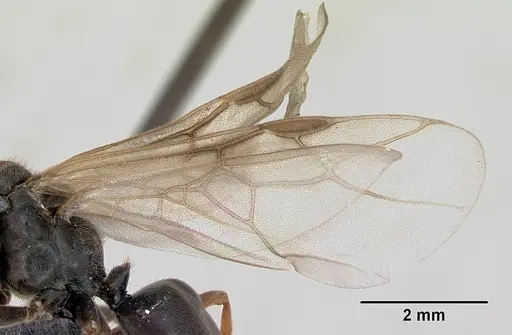
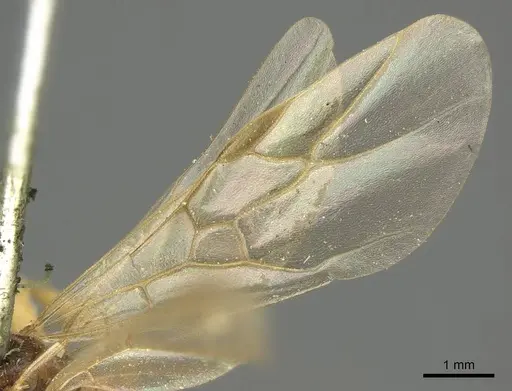
Winged reproductives (males and new queens) appear in nests from late June through August/September, with peak swarming typically around late July. Mating occurs either during flight or on the ground near the nest [1][3].
References

This caresheet is licensed under CC BY-SA 4.0 .
ANTWEB1008393
View on AntWeb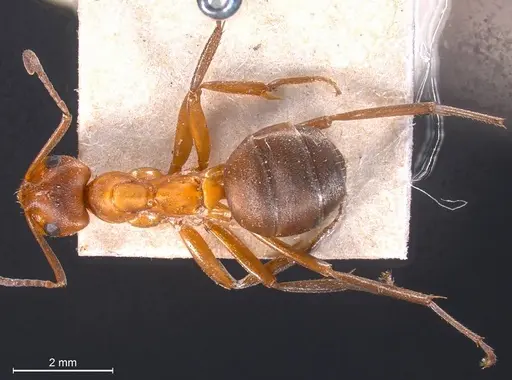
ANTWEB1041355
View on AntWeb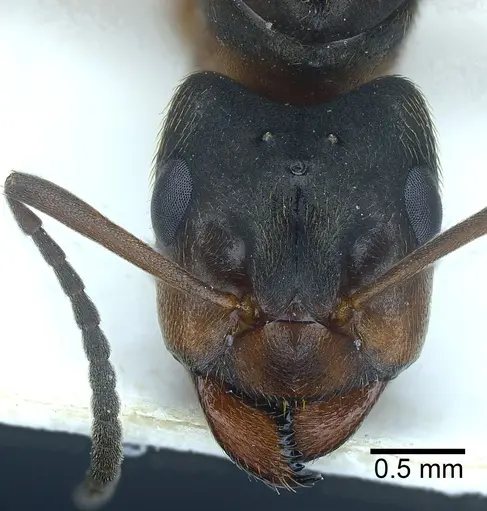
CASENT0010687
View on AntWeb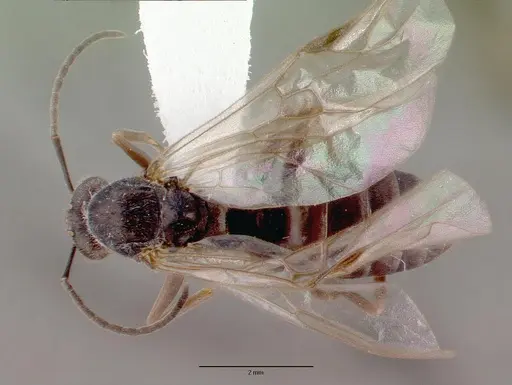
CASENT0173161
View on AntWeb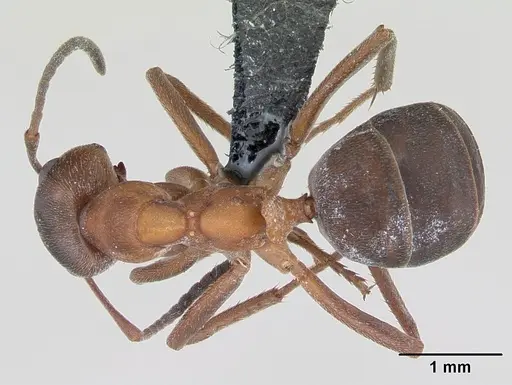
CASENT0173162
View on AntWeb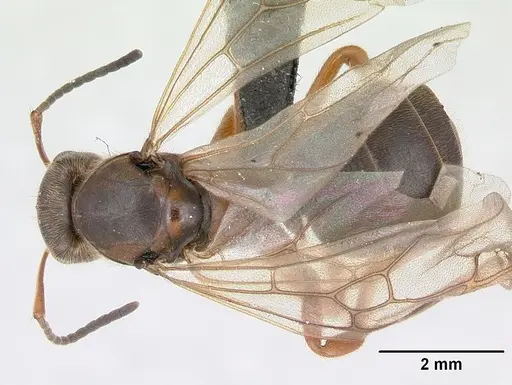
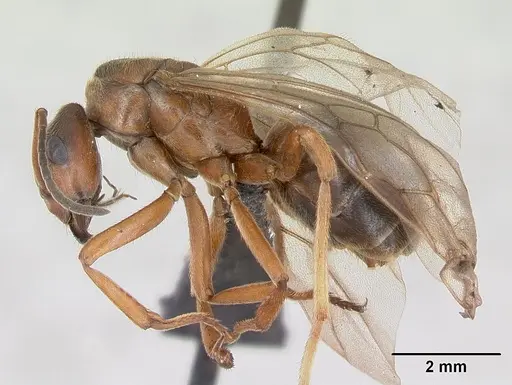
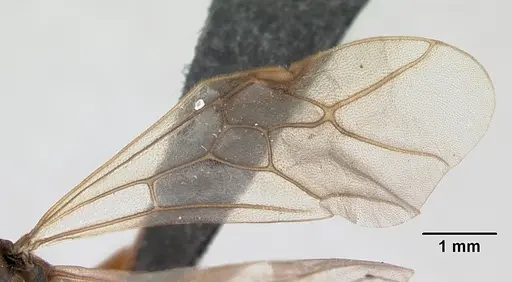
CASENT0173163
View on AntWeb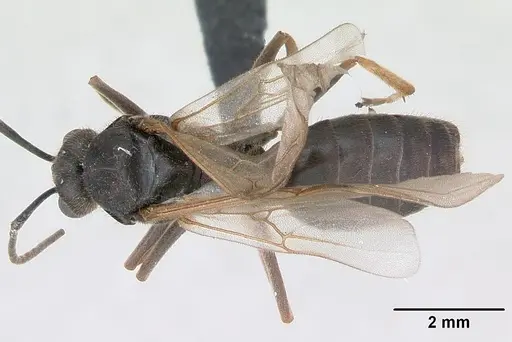
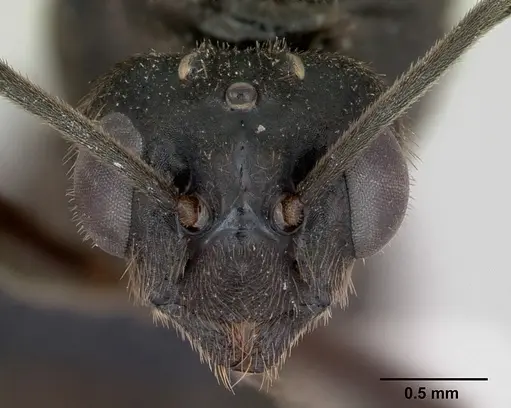
CASENT0903274
View on AntWeb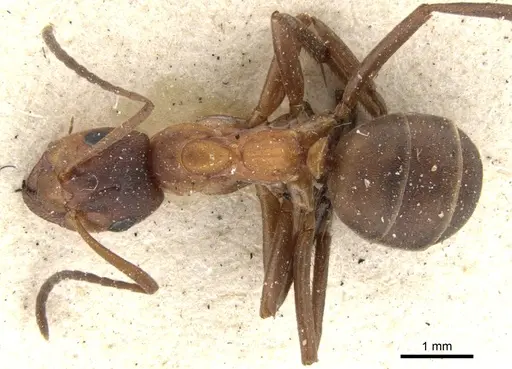
CASENT0905703
View on AntWeb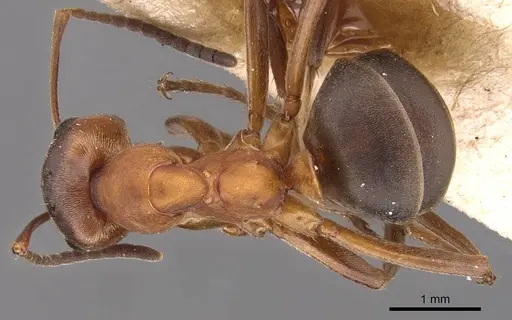
CASENT0907600
View on AntWeb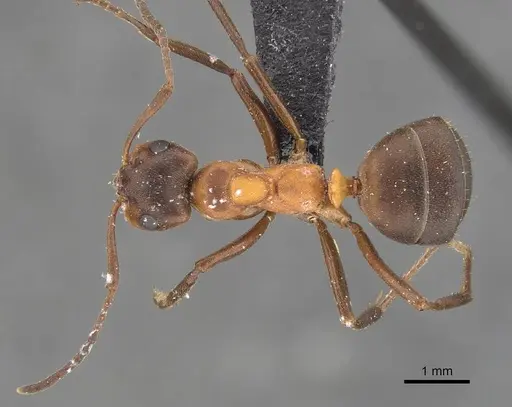
CASENT0911089
View on AntWeb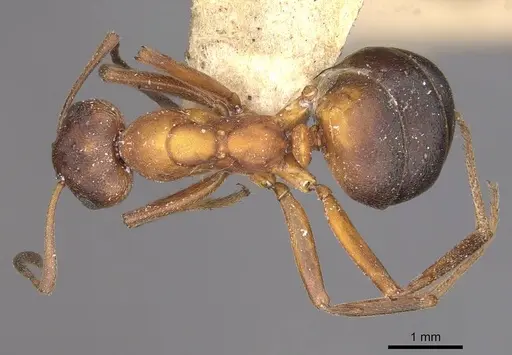
CASENT0911090
View on AntWeb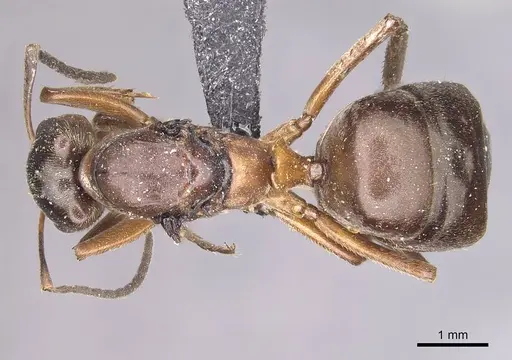
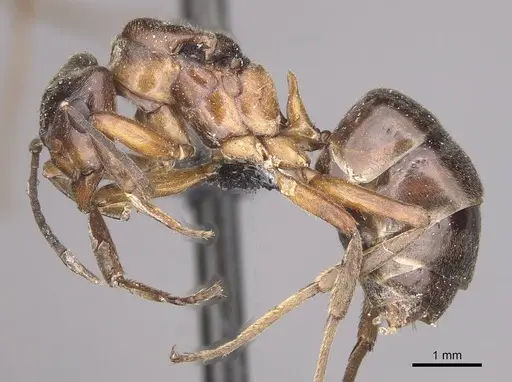
CASENT0911091
View on AntWeb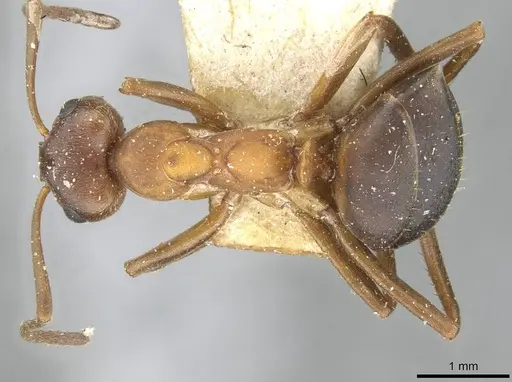
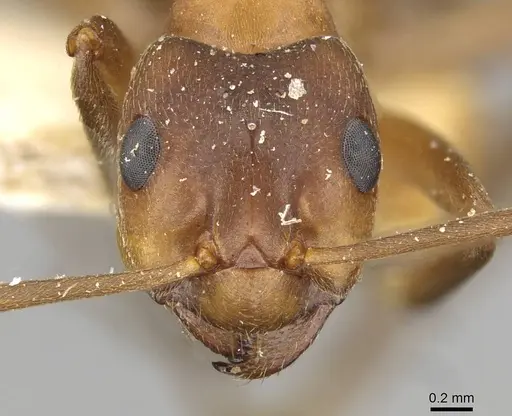
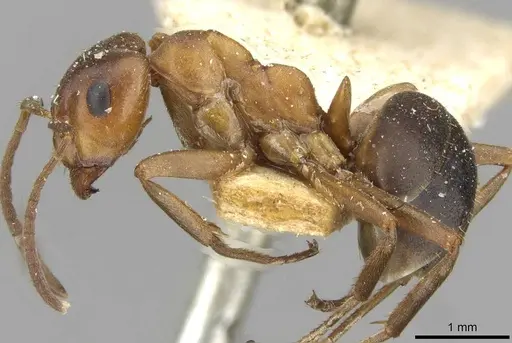
CASENT0911158
View on AntWeb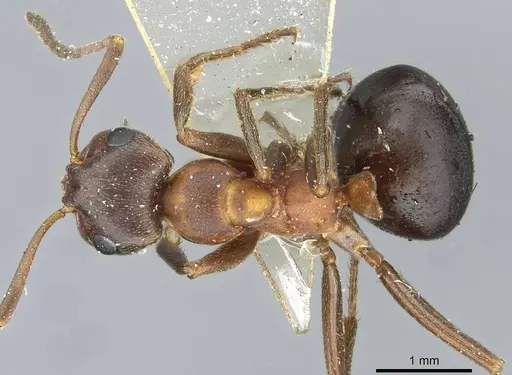
CASENT0912243
View on AntWeb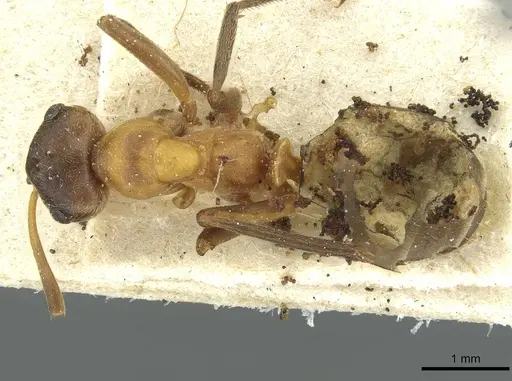
CASENT0913659
View on AntWeb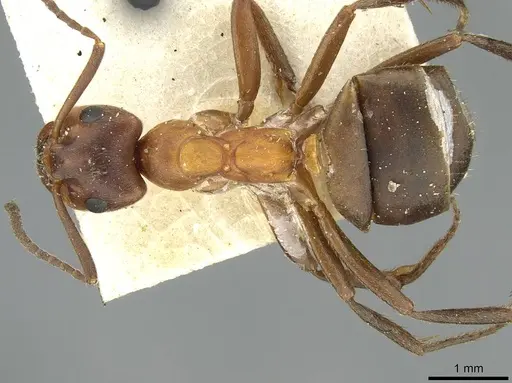
CASENT0915377
View on AntWeb
CASENT0915632
View on AntWeb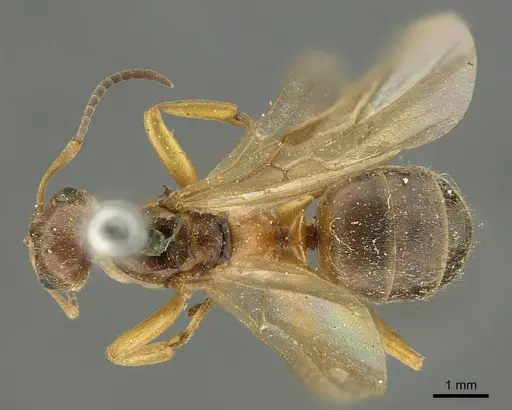
CASENT0917233
View on AntWeb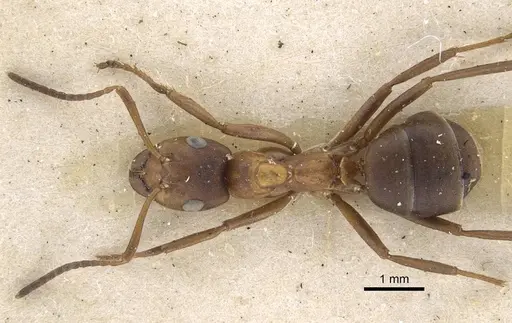
Literature
Loading...Loading products...