

Formica lasioides
- Scientific Name
- Formica lasioides
- Tribe
- Formicini
- Subfamily
- Formicinae
- Author
- Emery, 1893
- Distribution
- Found in 2 countries
Formica lasioides Overview
Formica lasioides is an ant species of the genus Formica. It is primarily documented in 2 countries , including Canada, United States of America. Detailed taxonomic data and occurrence records can be further explored via authoritative databases such as AntWeb or the Global Biodiversity Information Facility (GBIF).
Formica lasioides
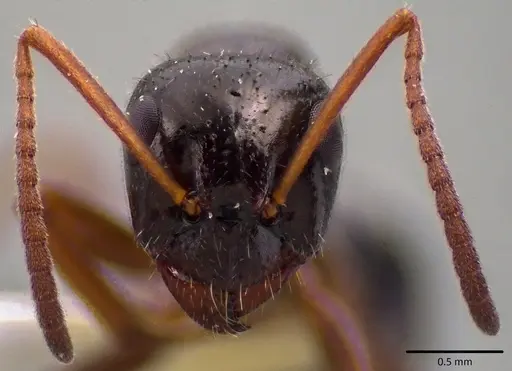
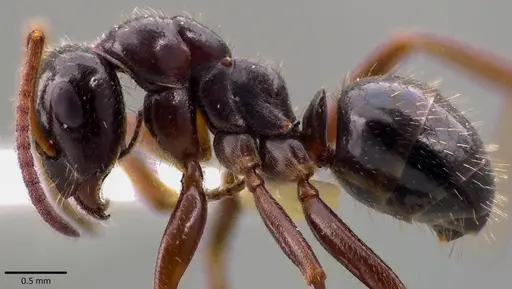
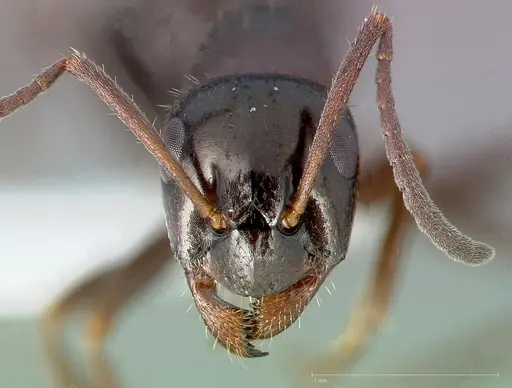
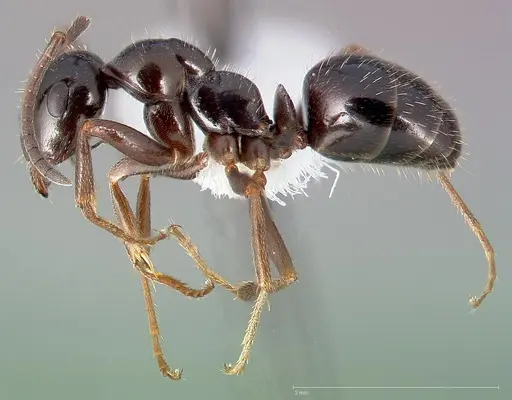
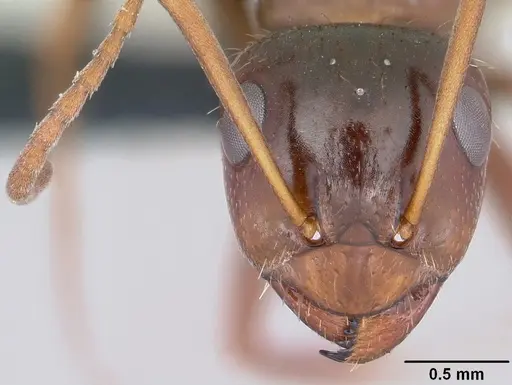
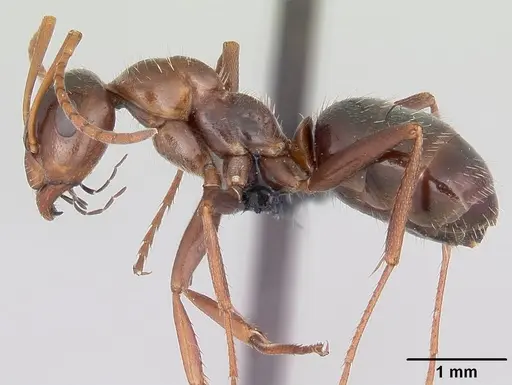
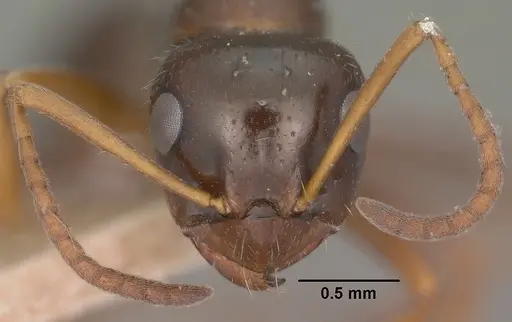
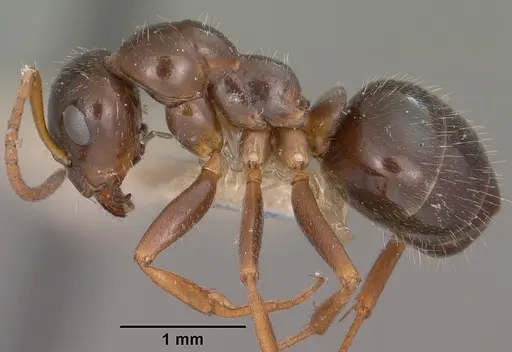
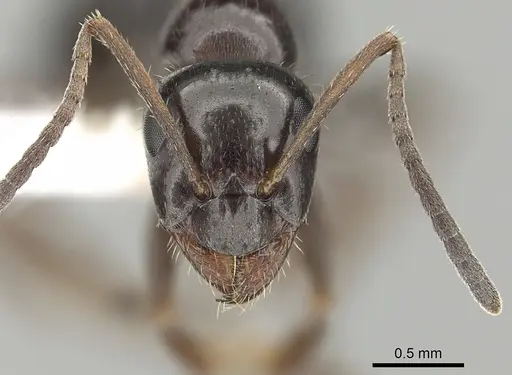
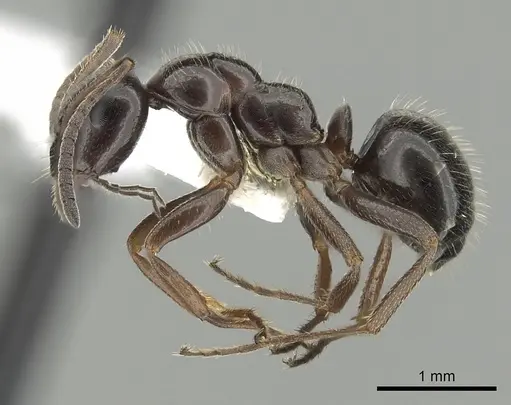
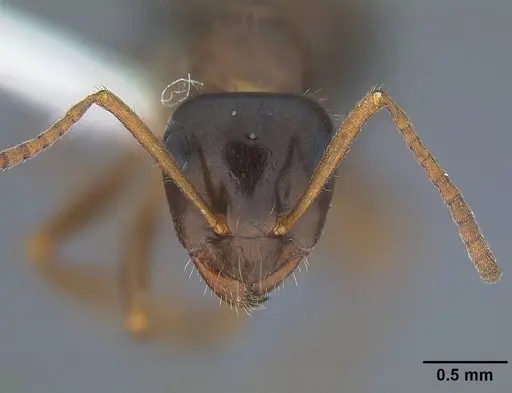
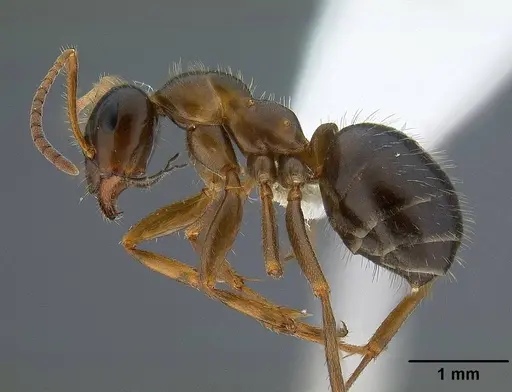
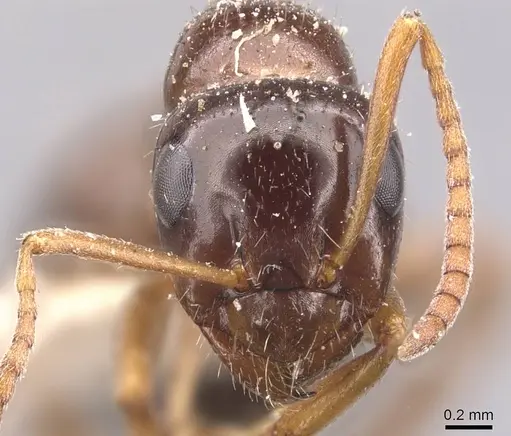
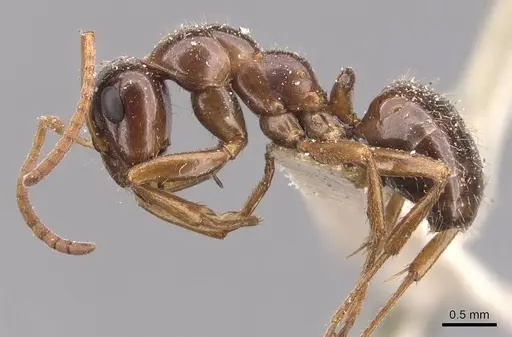
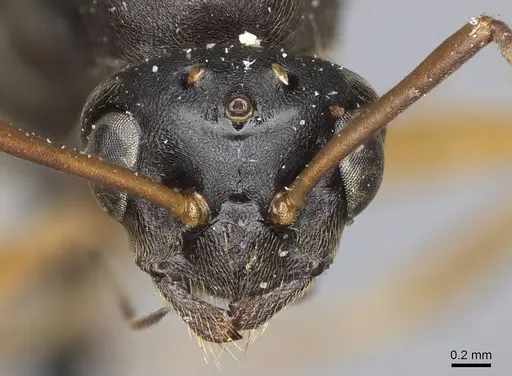
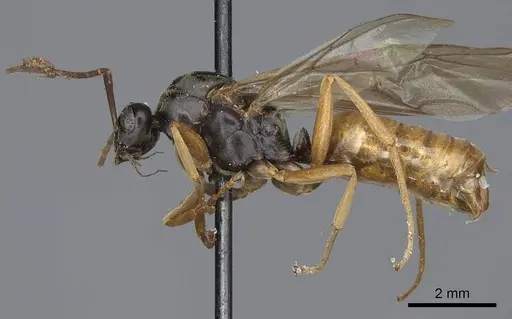
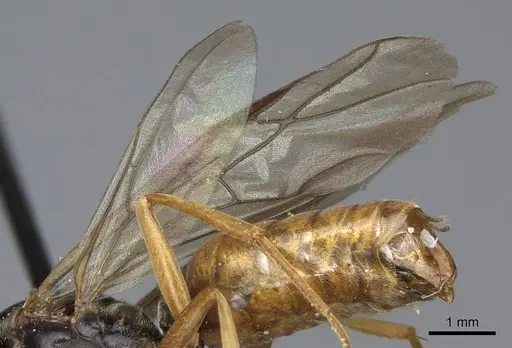
Formica lasioides is a small, smooth, and glossy Formica species native across much of North America, ranging from southern Canada through the United States into northern Mexico. Workers measure 3.5-5.0mm with a dark reddish-brown to brownish-black coloration, and the entire body surface is notably smooth and polished. The most distinctive feature is the scape (the first segment of the antenna) which has numerous short, delicate erect white hairs, this is a key identification trait best seen against a dark background. The pronotum also carries 10 or more erect hairs. These ants are rapid-moving and timid by nature, though larger colonies can become more aggressive and deliver annoying bites. They build nests in soil, typically under stones or logs, and are known to create small crater-like entrances in some habitats.
Quick Summary
- Difficulty: Easy
- Origin & Habitat: Widespread across North America from Nova Scotia to British Columbia, south to Massachusetts, Michigan, northern Ohio, South Dakota, Colorado, New Mexico, Arizona, and California. Found primarily in the California Floristic Province and higher elevations (87% of Nevada records above 6,000 ft). Inhabits pine forests, ponderosa pine-riparian areas, fir forests, spruce and aspen forests, pinyon pine, oak forests, and semiarid grasslands [1][2][3].
- Colony Type: Likely single-queen (monogyne) colonies based on typical Formica patterns. One documented colony had 18 dealate females and 593 workers, suggesting multiple reproductive females may sometimes be present in established colonies [4].
- Colony: Monogyne
- Founding: Claustral
- Size & Growth:
- Queen: Estimated 6-8mm based on genus typical size (Formica queens are generally larger than workers)
- Worker: 3.5-5.0mm [5][1]
- Colony: Probably few hundred workers, one large colony documented with 593 workers [1]
- Growth: Moderate, based on typical Formica development patterns
- Development: 6-10 weeks estimated based on typical Formica genus patterns at optimal temperature (Development likely occurs during summer months, brood collected in July and August in New Mexico nests [3])
- Antkeeping:
- Temperature: Keep at room temperature, roughly 20-24°C. They are found at higher elevations and cooler climates, so they prefer moderate temperatures over heat. Avoid temperatures above 28°C.
- Humidity: Moderate humidity. They nest in soil under stones, so keep the nest substrate consistently moist but not waterlogged. Provide a moisture gradient so ants can choose their preferred level.
- Diapause: Yes, likely requires a winter rest period given their northern distribution. A 2-3 month hibernation at 5-10°C is recommended.
- Nesting: Soil-nesting species. Test tube setups work well for founding colonies. For established colonies, a naturalistic setup with soil substrate or a formicarium with dirt chambers allows them to dig. They often nest under stones in the wild, so providing a flat stone or similar cover in a naturalistic setup mimics their natural preferences.
- Behavior: Rapid-moving and timid, they will flee when disturbed. Larger colonies become more aggressive and their bites can be annoying. Workers recruit nestmates to food sources and are effective foragers. They tend aphids for honeydew and are predatory on small insects and caterpillars. They are a disturbance specialist, often found in disturbed areas near human activity. Escape risk is moderate due to their small size, use standard barrier methods [1][6][7].
- Common Issues: colonies may be timid initially and stress easily during transport or setup, their small size means escapes are possible without proper barriers, social parasites like Polyergus lucidus may target this species, avoid keeping host ants nearby, fungal parasite Laboulbenia formicarum can infect workers, maintain clean conditions, overheating can be fatal, keep away from direct heat sources
Nest Preferences and Housing
Formica lasioides is a soil-nesting species that naturally builds colonies under stones, logs, or in exposed nests with small crater-like entrances. In captivity, test tube setups work well for queen founding and early colony stages. For established colonies, provide a naturalistic setup with moist soil substrate (about 2-3 inches deep) so workers can dig chambers. You can also use a formicarium with dirt-filled chambers. Place a flat stone or piece of bark on top of the substrate to mimic their natural preference for covered nesting sites. These ants do well with moderate humidity, the soil should feel damp but not soggy, with some drier areas available for the ants to regulate their own moisture exposure. [1][3]
Feeding and Diet
In the wild, Formica lasioides workers tend aphids for honeydew and are predatory on small insects and caterpillars. They are documented to recruit to sugar baits (cotton balls soaked in sugar solution) and protein sources (like hot dog meat) placed on the soil surface. In captivity, offer a constant source of sugar water or honey, and provide protein foods like small crickets, mealworms, or fruit flies twice weekly. They will also likely accept honeydew substitutes. Workers are active foragers and will readily recruit nestmates to food sources, so place food in the outworld and watch for recruitment trails. Remove uneaten protein within 24 hours to prevent mold. [6]
Temperature and Seasonal Care
These ants are adapted to cooler climates and higher elevations, so they prefer moderate temperatures around 20-24°C. Avoid temperatures above 28°C, as this can stress or kill colonies. Because they are found across northern North America, they require a winter dormancy period. Provide a hibernation period of 2-3 months at 5-10°C during winter (roughly November-February in the Northern Hemisphere). During hibernation, reduce food to almost nothing and keep the colony dark and undisturbed. In summer, brood development occurs, alate pupae have been observed from June through August in wild colonies. [1][3]
Behavior and Colony Dynamics
This species is characterized as rapid-moving and timid, when you disturb a nest, workers will scatter and flee rather than stand and fight. However, larger, more populous colonies become noticeably more aggressive and their bites can be annoying. Workers are effective foragers and will actively search for food both on the ground surface and in low vegetation. They are known to be disturbance specialists, often found in areas with human activity rather than deep forest. One fascinating behavior is their role as 'soil aerators', they build extensive subterranean tunnel systems that help aerate soil and improve water infiltration. This makes them ecologically important in their native habitats. [1][6]
Social Parasites and Associates
Formica lasioides serves as a host species for several social parasites. The most notable are Polyergus lucidus (the Amazon ant), Formica rubicunda, and Formica subintegra, these species raid F. lasioides colonies to steal brood and make slaves. In captivity, avoid housing these parasitic ants in the same room, and be cautious about introducing wild-caught ants that might carry parasites. Additionally, this species is sometimes found nesting in close association with other ant species like Lasius pallitarsis and Leptothorax crassipilis. A mixed nest has even been documented containing multiple Formica species together. [1][3]
Health and Common Problems
The most significant health concern for this species is the fungal parasite Laboulbenia formicarum, which infects workers and can become extremely abundant on infested individuals. Infected workers continue foraging seemingly unaffected, but heavy infestations likely impact colony health. Maintain clean conditions and avoid introducing wild-caught insects that might carry parasites. Another issue is their timidity, newly established colonies may be prone to stress from disturbance. Handle them gently and minimize nest inspections during the founding stage. Their small size also means they can escape through small gaps, ensure your setup has tight-fitting barriers.
Frequently Asked Questions
How long does it take for Formica lasioides to have first workers?
Based on typical Formica development patterns, expect first workers (nanitics) to emerge in about 6-10 weeks after the queen lays eggs, assuming temperatures around 22-24°C. Development may be slower in cooler conditions.
Can I keep Formica lasioides in a test tube?
Yes, test tubes work well for founding colonies. Keep the water reservoir moderate and provide a dark, quiet space for the queen. Once the colony reaches 20-30 workers, consider moving to a naturalistic setup with soil substrate.
What do Formica lasioides eat?
They are opportunistic feeders that accept sugar sources (honey, sugar water, honeydew) and protein (small insects like fruit flies, crickets, mealworms). They also tend aphids for honeydew in the wild.
Do Formica lasioides need hibernation?
Yes, given their northern distribution across Canada and the northern United States, they require a winter rest period. Provide 2-3 months of hibernation at 5-10°C during winter months.
Are Formica lasioides good for beginners?
Yes, they are considered an easy species to keep. They are widely distributed, tolerate moderate conditions, and are not aggressive. However, their timidity means you should avoid disturbing founding colonies too much.
How big do Formica lasioides colonies get?
Colonies are typically small to moderate, probably reaching a few hundred workers. One documented wild colony had 593 workers, so expect your colony to max out around 500-700 workers.
Why are my Formica lasioides dying?
Common causes include: overheating (keep below 28°C), too dry or too wet substrate, stress from excessive disturbance during founding, or parasitic infections. Check that temperatures are moderate, humidity is appropriate, and the colony is not being stressed by handling or vibrations.
When should I move Formica lasioides to a formicarium?
Move them when the test tube becomes crowded (30+ workers) or the water reservoir runs low. A naturalistic setup with soil works best since they are natural soil-nesters that dig chambers.
References

This caresheet is licensed under CC BY-SA 4.0 .
ANTWEB1041780
View on AntWeb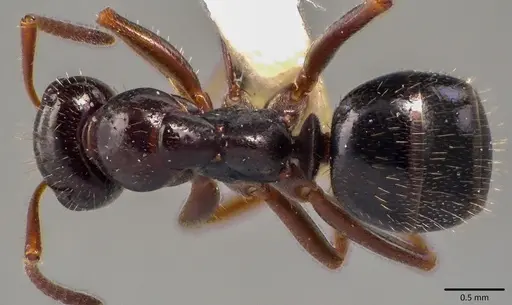
CASENT0005380
View on AntWeb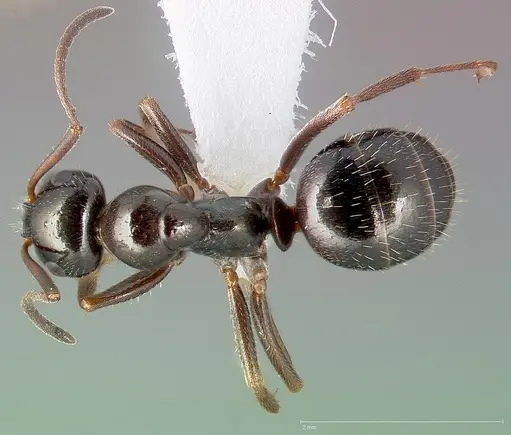
CASENT0064827
View on AntWeb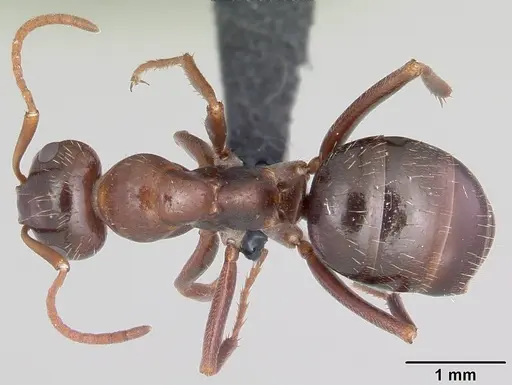
CASENT0102797
View on AntWeb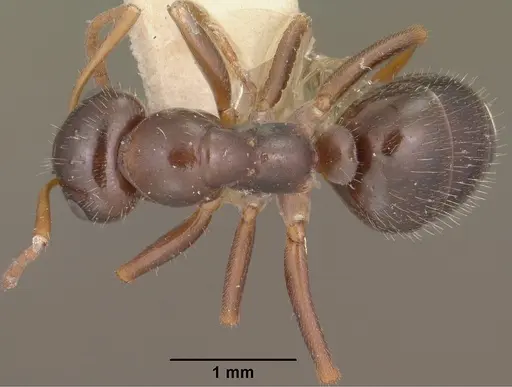
CASENT0280338
View on AntWeb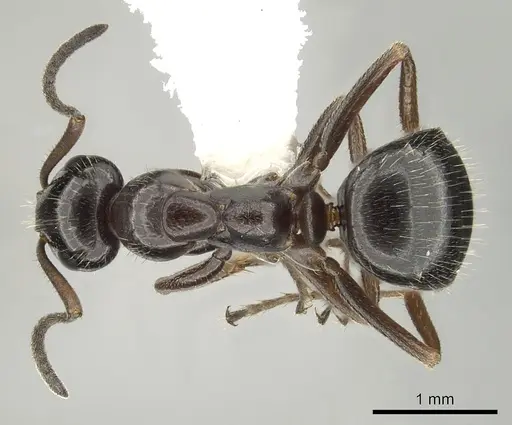
CASENT0732629
View on AntWeb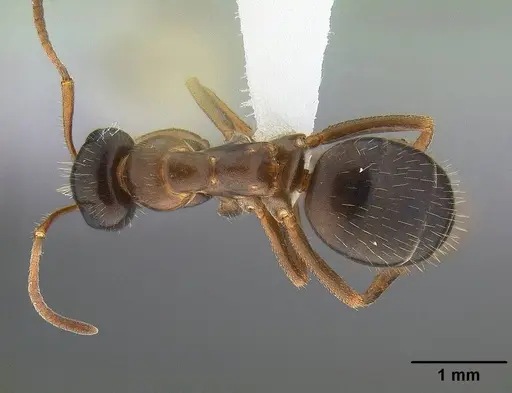
CASENT0905714
View on AntWeb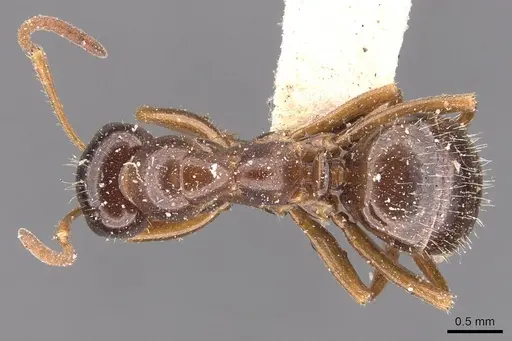
CASENT0923046
View on AntWeb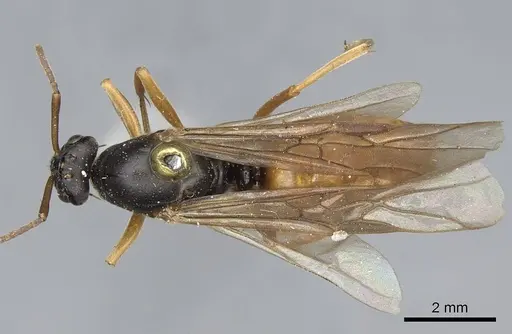
CASENT0923599
View on AntWeb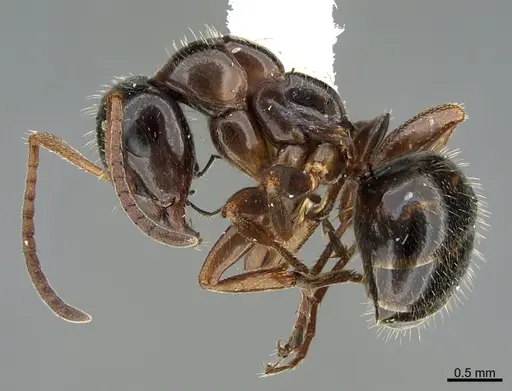
Literature
Loading...Loading products...