

Leptothorax crassipilis
- Scientific Name
- Leptothorax crassipilis
- Tribe
- Crematogastrini
- Subfamily
- Myrmicinae
- Author
- Wheeler, 1917
- Distribution
- Found in 1 countries
Leptothorax crassipilis Overview
Leptothorax crassipilis is an ant species of the genus Leptothorax. It is primarily documented in 1 countries , including United States of America. Detailed taxonomic data and occurrence records can be further explored via authoritative databases such as AntWeb or the Global Biodiversity Information Facility (GBIF).
Leptothorax crassipilis
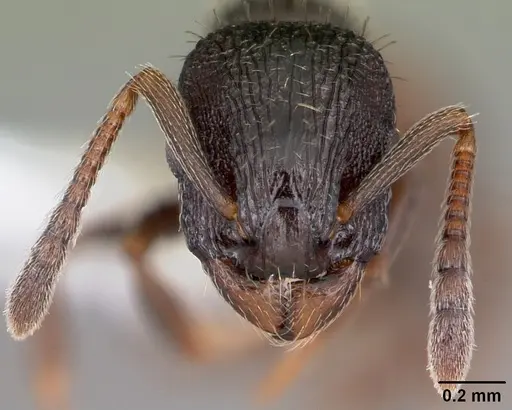
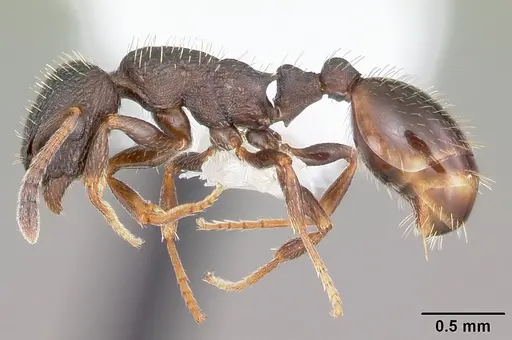
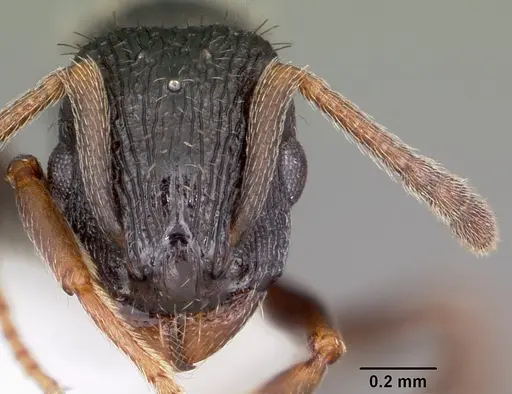
Leptothorax crassipilis is a small, dark ant species native to the mountain forests of the western United States and Mexico. Workers are tiny at just 3-4mm with a distinctive heavy, dense sculpture on the mesosoma and numerous long hairs covering their bodies. The species gets its name 'crassipilis' from these thick, long hairs. Queens are slightly larger and can be distinguished by their well-developed propodeal spines that thicken at the bases. This species prefers higher elevation habitats like ponderosa pine forests, oak woodlands, and subalpine fir areas, nesting in preformed cavities under stones, in decaying wood, or in moss [1]. Colonies are small, typically containing fewer than 250 workers, and show fascinating collective behavior with synchronized activity cycles that researchers have compared to biological rhythms [2]. One of the more interesting aspects of this species is its flexible social structure, colonies can function with a single queen or with multiple queens working together [3].
Quick Summary
- Difficulty: Medium
- Origin & Habitat: Western United States (Wyoming south to New Mexico, west to Nevada and Arizona) and northern Mexico. Found in oak woodland, deciduous forests, ponderosa pine-riparian areas, Douglas fir, spruce and fir forests, and subalpine fir habitats at elevations around 2200-2500m [1][4].
- Colony Type: Facultatively polygynous, colonies can have a single queen or multiple queens (3 queens documented) [3][5]. One wild nest was found with 2 dealate females, suggesting they can tolerate multiple egg-laying queens [4].
- Colony: Optionally polygyne
- Founding: Claustral
- Size & Growth:
- Queen: Estimated 5-6mm based on genus Leptothorax patterns
- Worker: 3-4mm [4]
- Colony: Up to 250 workers, with average colonies around 73 individuals [2]
- Growth: Moderate, based on typical Leptothorax development patterns
- Development: Estimated 6-10 weeks based on related Leptothorax species at optimal temperature (Development time is estimated from genus-level data since specific development studies are not available for this species)
- Antkeeping:
- Temperature: Keep around 20-24°C. These ants come from cooler mountain habitats so they prefer moderate temperatures. A slight gradient allowing cooler areas around 18-20°C is beneficial, with a warm spot around 24°C for brood development [1].
- Humidity: Moderate to high humidity. In the wild they inhabit moist, shaded slopes and forest floors. Keep the nest substrate consistently damp but not waterlogged, with some drier areas available for the ants to regulate their own humidity [4].
- Diapause: Yes, these are alpine/subalpine ants that experience cold winters. You should provide a winter rest period of 2-3 months at temperatures around 5-10°C, mimicking their natural mountain habitat [3].
- Nesting: They naturally nest under stones, in decaying wood, and in preformed cavities in bark or moss [1][4]. In captivity, a Y-tong or acrylic nest with narrow chambers works well. A small test tube setup can work for founding colonies, but established colonies do better in setups that mimic their natural rock-crevice habitat. Keep nesting areas dark and protected from vibrations.
- Behavior: These ants are generally peaceful and not aggressive. Workers are small but active foragers that search for food individually. They show fascinating collective behavior with synchronized activity cycles, researchers have documented that colonies alternate between active and inactive periods in predictable rhythms [2]. They are not known for stinging and pose no danger to keepers. Their small size means they can escape through tiny gaps, so escape prevention is important. Colonies are relatively sedentary and don't produce strong trails to food sources.
- Common Issues: small size means escapes are likely without fine mesh barriers and tight-fitting lids, colonies are small and slow-growing, which can frustrate keepers expecting rapid expansion, wild-caught colonies may be rare or difficult to find since they're not common, overheating is a risk, they come from cool mountain habitats and can die in hot conditions, they may be outcompeted by larger ant species if housed in multi-species setups
Housing and Nest Setup
Leptothorax crassipilis is a small species that needs appropriately scaled housing. For founding colonies, a simple test tube setup works well, use a small test tube with a cotton ball providing a water reservoir. The tube should be kept dark, as these ants prefer dim conditions. For established colonies, a Y-tong nest or acrylic formicarium with narrow chambers and passages scaled to their 3-4mm size works best. They naturally nest in rock crevices, under stones, and in decaying wood, so incorporating elements like small stones or wood pieces into a naturalistic setup can encourage natural behavior. Avoid tall, open spaces that would make them feel exposed. Escape prevention is critical, use fine mesh and ensure all connections are sealed since they can squeeze through remarkably small gaps. [1][4]
Feeding and Diet
Like most Leptothorax species, these ants are omnivorous and will accept a variety of foods. Offer protein sources like small insects (fruit flies, small mealworms, pinhead crickets) and sugar sources like honey water or sugar water. In the wild, they likely forage for honeydew from aphids and small arthropods. Feed small amounts of protein 2-3 times per week, and keep a sugar source available at all times. Remove uneaten food after 24-48 hours to prevent mold. Since colonies are small, be careful not to overfeed, excess food can mold and harm the colony.
Temperature and Seasonal Care
These ants come from cooler mountain habitats in the western United States, so they prefer moderate temperatures around 20-24°C. They can tolerate cooler conditions better than heat. Avoid temperatures above 28°C, which can be stressful or fatal. During summer months, room temperature is usually appropriate. In winter, provide a diapause period of 2-3 months at 5-10°C, similar to what they would experience in their natural alpine habitat. This winter rest is important for colony health and may trigger reproductive behavior. You can achieve this by moving the colony to a cool basement, garage, or refrigerator (not freezer) during winter months. [3][1]
Behavior and Colony Dynamics
Leptothorax crassipilis shows fascinating collective behavior that researchers have studied extensively. Colonies exhibit synchronized activity cycles where all ants alternate between active and inactive periods together, this is called collective rhythm switching [2]. The average cycle period is about 57 minutes, though it can range from 16 to 169 minutes. This behavior helps the colony coordinate activities and respond to environmental changes. Colonies are relatively peaceful and don't show aggressive defense behaviors. Workers forage individually rather than forming trails. The species is facultatively polygynous, meaning you may find colonies with one queen or multiple queens working together. If you keep multiple queens, they typically coexist peacefully.
Colony Growth and Development
Colonies are naturally small, typically reaching 50-250 workers with an average around 73 individuals [2]. This is smaller than many common ant species, so don't expect massive colonies. Growth rate is moderate, based on typical Leptothorax patterns, you can expect first workers (nanitics) around 6-10 weeks after the queen lays her first eggs, depending on temperature. The founding queen will seal herself in a chamber and survive on stored fat reserves until her first workers emerge, this is called claustral founding. After the first workers arrive, the colony will slowly expand. Be patient with these ants, they're not fast growers, but they're long-lived and can persist for many years with proper care.
Finding and Acquiring
Leptothorax crassipilis is considered a rare species at all sites where it's been studied [6]. They're not commonly available in the antkeeping hobby, so you may need to either catch a queen during nuptial flights (which occur in August based on field data) or find a breeder who has them. Nuptial flights happen in August when alates (reproductives) leave the nest to mate. If you're looking to catch a queen, focus on their known habitat: ponderosa pine forests, oak woodlands, and higher elevation areas in the western US. Queens can be distinguished by their larger size and the thick propodeal spines at the base. Once you have a colony, they're relatively long-lived compared to many ant species.
Frequently Asked Questions
How long does it take for Leptothorax crassipilis to produce first workers?
Based on typical Leptothorax development, expect first workers (nanitics) around 6-10 weeks after the queen lays her first eggs. This depends on temperature, warmer conditions within their range (around 24°C) speed development, while cooler temperatures slow it down.
Can I keep multiple Leptothorax crassipilis queens together?
Yes, this species is facultatively polygynous, meaning colonies can have multiple queens. In the wild, colonies have been found with 2-3 queens. However, when combining unrelated foundress queens for the first time, introduce them carefully and monitor for aggression.
What temperature do Leptothorax crassipilis need?
Keep them at moderate temperatures around 20-24°C. They come from cool mountain habitats and prefer cooler conditions than many ant species. Avoid temperatures above 28°C, which can be harmful. A slight temperature gradient allowing cooler areas around 18-20°C is beneficial.
Do Leptothorax crassipilis need hibernation?
Yes, these are alpine/subalctic ants that need a winter rest period. Provide 2-3 months of diapause at 5-10°C during winter months. This mimics their natural habitat where temperatures drop significantly in winter.
How big do Leptothorax crassipilis colonies get?
Colonies are relatively small, typically reaching 50-250 workers with an average around 73 individuals [2]. They won't form massive colonies like some species, but they're long-lived and can persist for many years.
Are Leptothorax crassipilis good for beginners?
This species is rated as medium difficulty. They're not the easiest for complete beginners because of their small size (escape risk), need for hibernation, and slow growth. However, they're peaceful and don't require specialized care once you understand basic antkeeping. If you're new to ants, you might want to start with a more common species first.
What do Leptothorax crassipilis eat?
They're omnivorous like most Leptothorax species. Offer small insects (fruit flies, small mealworms) for protein 2-3 times per week, and keep sugar water or honey available at all times. They also likely collect honeydew from aphids in the wild.
Do Leptothorax crassipilis ants sting?
They have a stinger but it's too small to penetrate human skin effectively. They're not considered dangerous and don't display aggressive behavior toward keepers.
When do Leptothorax crassipilis have nuptial flights?
Based on field data, nuptial flights occur in August [4]. This is when alates (reproductives) leave the nest to mate. If you're looking to catch a wild queen, August is the time to search in their mountain forest habitats.
Why is my Leptothorax crassipilis colony dying?
Common causes include: overheating (they're mountain ants that prefer cool conditions), escape due to small size, mold from overfeeding or too much moisture, or stress from vibrations/light (they prefer dark, quiet locations). Check that temperatures are in the 20-24°C range, escape prevention is secure, and you're not overfeeding.
References

This caresheet is licensed under CC BY-SA 4.0 .
CASENT0104820
View on AntWeb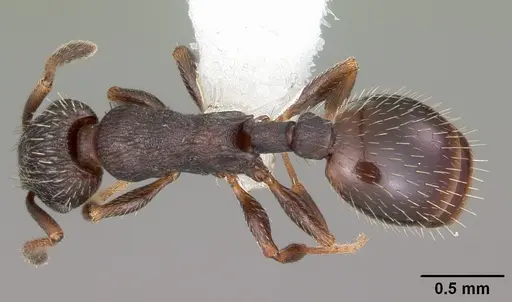
CASENT0104821
View on AntWeb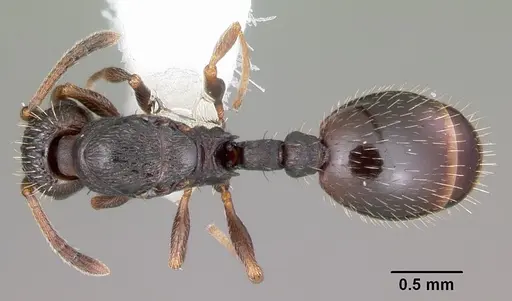
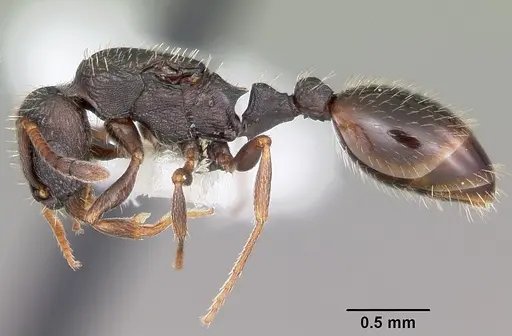
CASENT0105622
View on AntWeb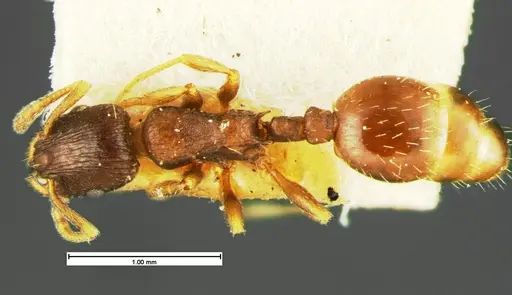
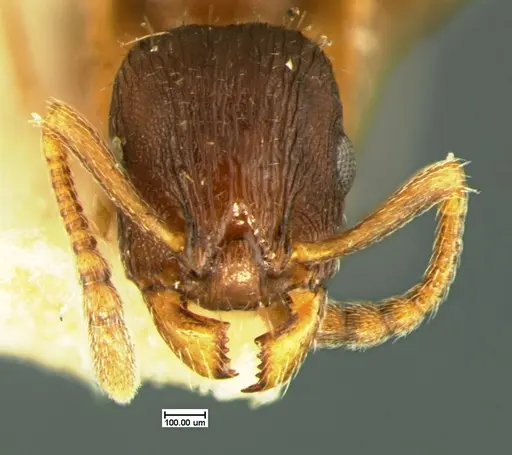
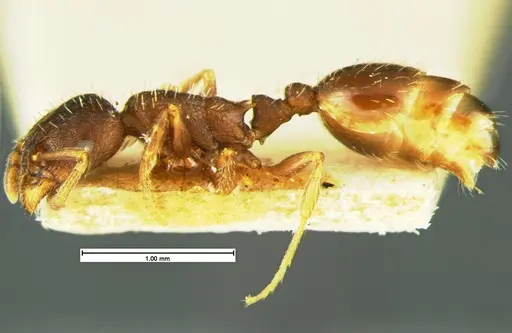
CASENT0901773
View on AntWeb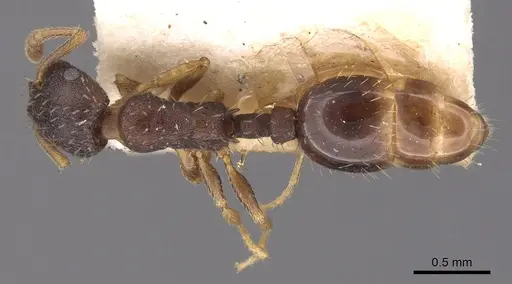
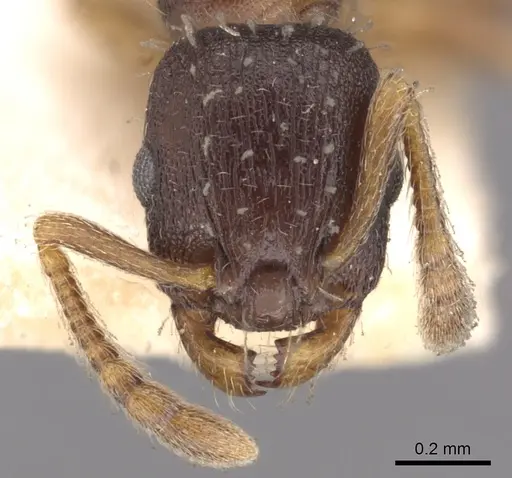
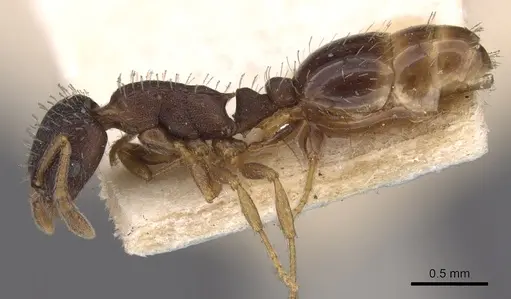
CASENT0923605
View on AntWeb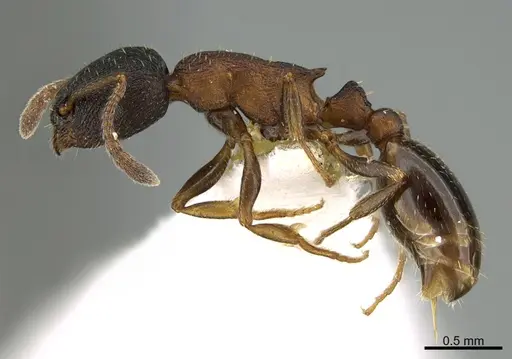
Literature
Loading...Loading products...