

Polyergus nigerrimus
- Scientific Name
- Polyergus nigerrimus
- Tribe
- Formicini
- Subfamily
- Formicinae
- Author
- Marikovsky, 1963
- Common Name
- Black Amazon Ant
- Distribution
- Found in 1 countries
Polyergus nigerrimus Overview
Polyergus nigerrimus (commonly known as the Black Amazon Ant) is an ant species of the genus Polyergus. It is primarily documented in 1 countries , including Russian Federation. Detailed taxonomic data and occurrence records can be further explored via authoritative databases such as AntWeb or the Global Biodiversity Information Facility (GBIF).
Polyergus nigerrimus - "Black Amazon Ant"
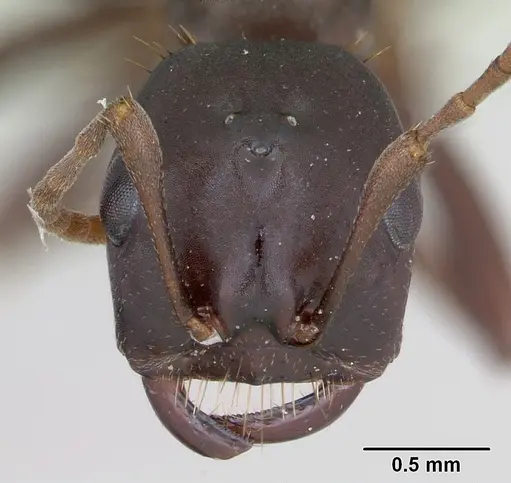
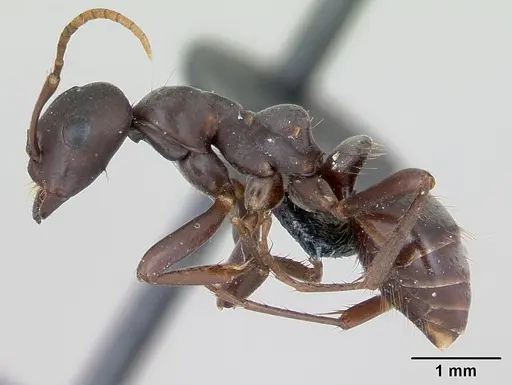
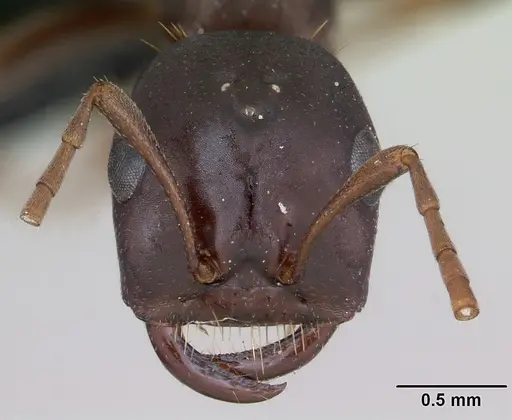
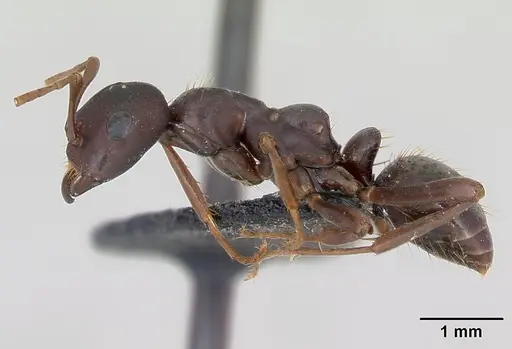
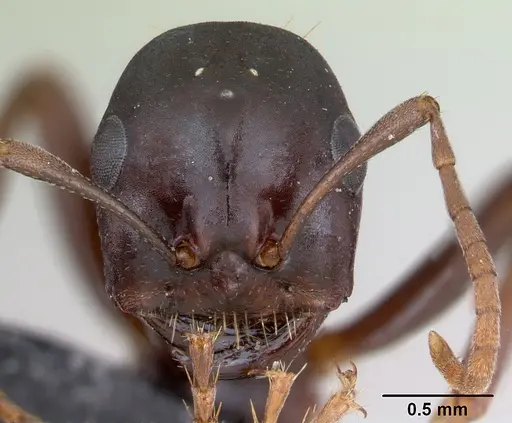
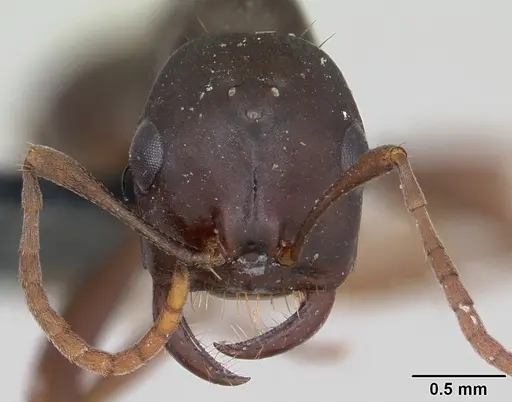
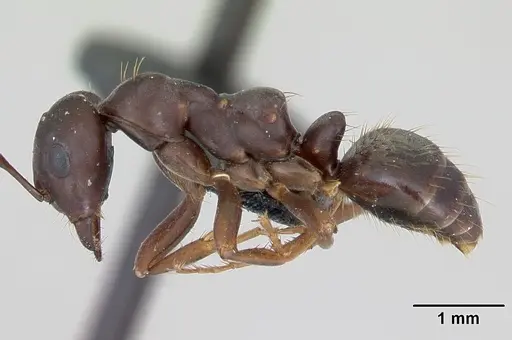
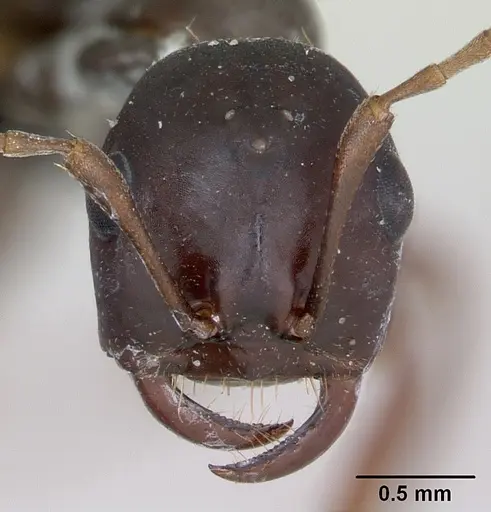
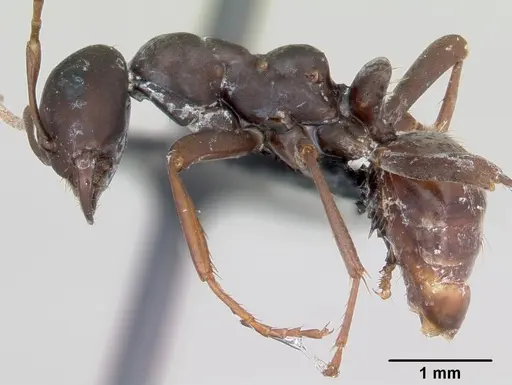
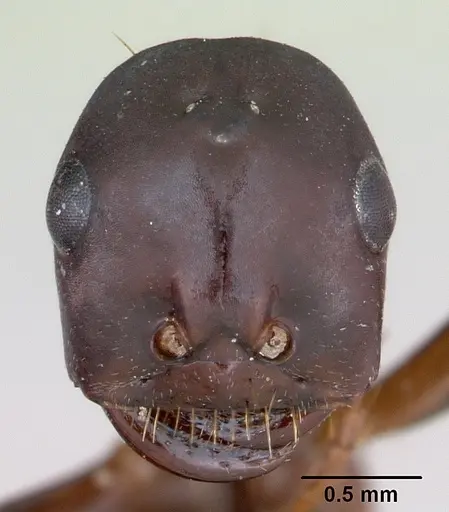
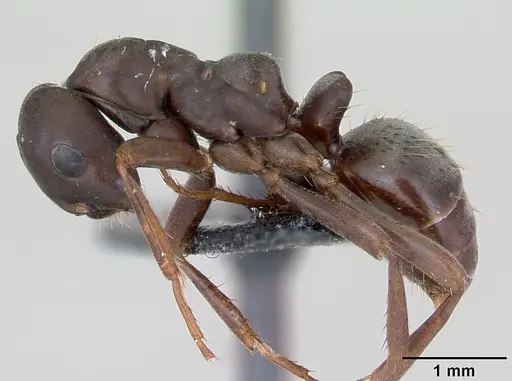
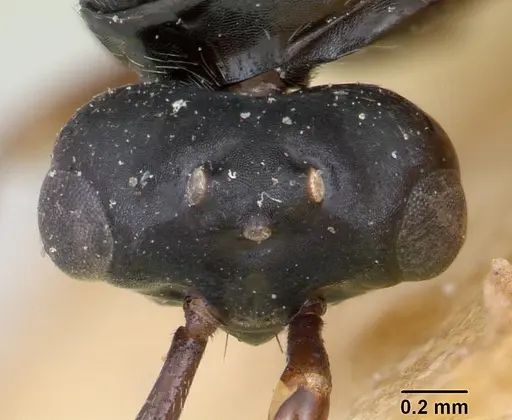
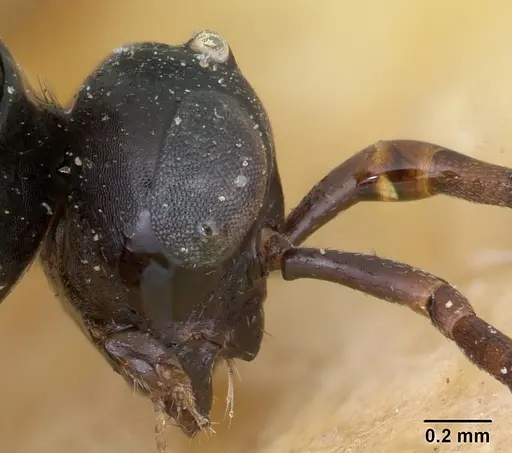
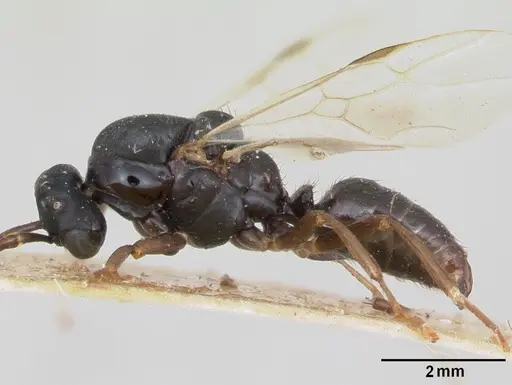
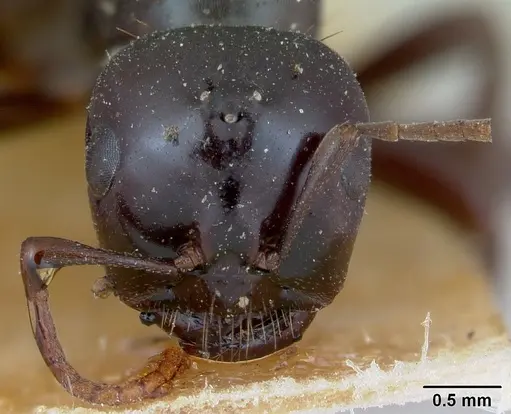
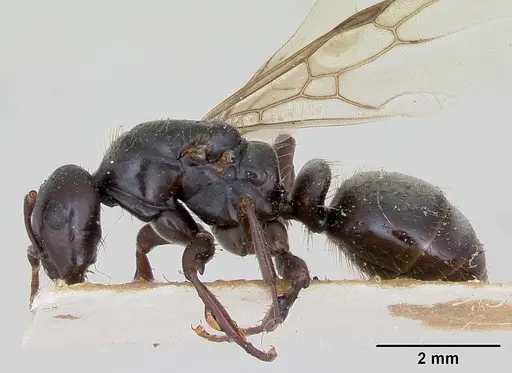
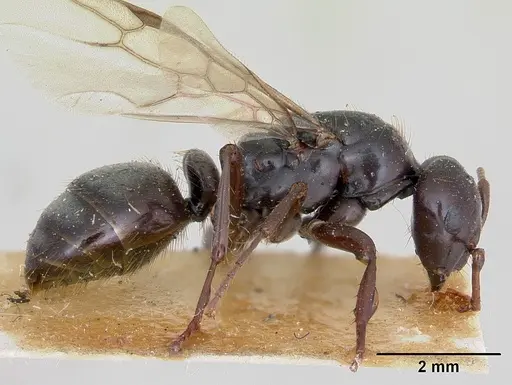
Polyergus nigerrimus is a small slave-making ant native to the shrub steppe lands of Mongolia and southern Russia. Workers are black to nearly black with a weakly shining appearance, measuring around 5.5mm in total length. Their head is rounded hexagonal, and they have conspicuous pilosity on the vertex. This species belongs to the samurai group of Polyergus, which are obligate social parasites that raid colonies of Formica ants to steal their pupae. The raids occur in the evening, with typically around 400 workers participating, and they focus on capturing brood rather than fighting host defenders. This ant is considered vulnerable in the wild due to its specialized habitat requirements and limited distribution [1][2][3].
Quick Summary
- Difficulty: Expert
- Origin & Habitat: Mongolia and southern Russian Federation, found in shrub steppe habitats at elevations of 600-1600 meters. Possibly extends into northwestern China and Kazakhstan. Strictly a steppe species, it prefers open grassland areas [1][2][4].
- Colony Type: Dulotic (slave-making) species. The queen invades a host Formica colony, kills the host queen, and uses host workers to raise her offspring. Colonies contain both Polyergus workers and enslaved Formica workers. Marikovsky documented a diffuse nest with 7 entrances over a 10m² area, with only the central entrance having full infrastructure and large population including alates and an ergatoid (wingless reproductive female) [3].
- Colony: Monogyne
- Queen: Socially parasitic
- Special: Slave-making
- Size & Growth:
- Queen: Unconfirmed, related species in the genus typically 7-9mm
- Worker: 5.24-5.60mm averaging 5.5mm [3]
- Colony: Unknown for this specific species, likely similar to related Polyergus species at several hundred workers
- Growth: Unknown, inferred from related species as moderate
- Development: Unknown, no direct studies on development timeline for this species (Development is likely similar to other Polyergus species, but this has not been directly studied. Related species typically take several months from egg to adult worker.)
- Antkeeping:
- Temperature: Keep at room temperature (20-24°C) as a starting point. No specific thermal studies exist for this species, but it originates from temperate steppe regions with warm summers [1].
- Humidity: Standard room humidity is likely sufficient. As a steppe species, they likely tolerate drier conditions than forest-dwelling ants. No specific humidity requirements have been documented [1].
- Diapause: Yes, as a temperate species from Mongolia/southern Russia, they require a winter hibernation period. Keep colonies cool (around 5-10°C) for 3-4 months during winter [5].
- Nesting: This species requires a host colony to survive. In captivity, you would need to maintain both the Polyergus nigerrimus colony and a healthy Formica candida (or related host species) colony. The nest should allow for the diffuse colony structure observed in the wild, with multiple entrances. A formicarium with multiple connected chambers works best.
- Behavior: Polyergus nigerrimus is an obligate slave-maker, they cannot survive without their Formica hosts. Workers are specialized for raiding rather than general colony maintenance. They do not have functional mandibles for foraging or fighting, instead, their mandibles are adapted for carrying host pupae. During raids, they focus on capturing brood and typically ignore host workers that try to defend. Workers are not aggressive toward humans and rarely sting. Escape risk is moderate, workers are around 5.5mm and can be contained with standard ant keeping barriers [3].
- Common Issues: This species is nearly impossible to keep for most hobbyists because it requires a host Formica colony to survive, the workers cannot feed themselves and depend on enslaved host workers, Wild colonies are protected as vulnerable, ethical concerns about removing colonies from the wild, Colony failure is almost guaranteed without proper host species maintenance, Very limited availability in the ant keeping hobby, rarely if ever available for purchase, Specialized biology means standard ant keeping knowledge does not apply
Understanding Slave-Making Ants
Polyergus nigerrimus is a dulotic ant, meaning it is an obligate social parasite that cannot survive without a host colony. Unlike typical ants, Polyergus workers have highly specialized mandibles adapted for carrying pupae rather than for foraging, fighting, or general nest work. The queen must invade a colony of Formica ants (specifically Formica candida or related species), kill the host queen, and trick the host workers into raising her brood. The resulting colony contains both the parasitic Polyergus workers and the enslaved Formica workers, which perform all the normal colony tasks like foraging, nursing, and maintaining the nest [3][6].
Housing Requirements
Housing Polyergus nigerrimus is extraordinarily difficult because you must maintain two colonies simultaneously: the slave-maker colony and a healthy host Formica colony. The host colony must be established and thriving before introducing the Polyergus queen. You will need to connect the two colonies in a way that allows raids to occur naturally, or manually transfer host pupae to the Polyergus colony. Standard test tube setups are insufficient, you will need a naturalistic or formicarium setup with multiple chambers and connections. The nest should accommodate the diffuse structure observed in the wild, with multiple entrances [3].
Feeding and Nutrition
Polyergus nigerrimus workers cannot feed themselves, they depend entirely on their enslaved Formica workers to forage for food and feed them. In captivity, you must feed the host Formica colony a normal diet (sugar water, honey, insects, and other ant foods), and the enslaved workers will share food with the Polyergus residents. The specialized mandibles of Polyergus workers are not designed for chewing or processing food. This makes feeding straightforward in principle (feed the host colony) but complex in practice (you must maintain two colonies) [3].
Raid Behavior
The most fascinating behavior of Polyergus nigerrimus is their raiding behavior. Marikovsky documented a raid involving approximately 400 workers occurring in the evening as the sun set. The raiders moved through the host colony (Formica candida) while host workers attempted to bite them and wrest away captured pupae. Remarkably, the Polyergus workers simply pushed through without attacking the defenders, they were focused purely on capturing brood. The stolen pupae were initially placed in peripheral nest entrances before being transferred to the main nest about 0.5 meters away. This behavior is what makes Polyergus ants so specialized, they have essentially abandoned normal worker behaviors in favor of raiding [3].
Legal and Ethical Considerations
Polyergus nigerrimus is listed as Vulnerable on the IUCN Red List due to its restricted distribution and specialized habitat requirements [2]. It is found only in specific steppe habitats in Mongolia and southern Russia. Collecting this species from the wild is not only ethically problematic but likely illegal in many areas. Furthermore, because they require a host colony to survive, capturing a queen without also capturing a host colony (or establishing a new host colony) will result in certain death for the parasites. This species is not recommended for captive breeding and should be appreciated in the wild or studied through scientific literature [2][4].
Frequently Asked Questions
Can I keep Polyergus nigerrimus as a pet ant?
No. This species is not suitable for captive keeping. They are obligate social parasites that require a host Formica colony to survive, and they are listed as Vulnerable in the wild. Even if you could obtain both species, the complexity of maintaining a slave-making ant colony is far beyond typical ant keeping capabilities. Additionally, removing this species from the wild would be unethical and likely illegal.
What do Polyergus nigerrimus eat?
They do not eat directly, their enslaved Formica workers forage for food and feed the entire colony. In a captive setup, you would feed the host Formica colony standard ant foods like sugar water, honey, and insects. The Polyergus workers cannot feed themselves due to their specialized mandibles [3].
How do Polyergus nigerrimus colonies form?
A newly mated Polyergus nigerrimus queen must find and invade an established Formica colony. She kills the host queen (or multiple queens) and uses chemical deception to trick the host workers into accepting her. The host workers then raise her brood, which develops into Polyergus workers that continue the cycle. This is called temporary social parasitism, the queen uses the host temporarily until her own workers emerge [6].
Where does Polyergus nigerrimus live?
This species is found only in Mongolia and southern Russian Federation, specifically in shrub steppe habitats at elevations between 600-1600 meters. Their range may extend into northwestern China and Kazakhstan, but this is unconfirmed. They are restricted to open steppe environments and are not found in forests or deserts [1][2].
What is the host species for Polyergus nigerrimus?
The primary host is Formica candida. Earlier researchers misidentified the host as Formica gagates and Formica picea, but Trager (2013) confirmed the host as F. candida using modern taxonomy. Other potential hosts include Formica kozlovi [3][1].
How big do Polyergus nigerrimus colonies get?
The exact colony size is not documented in scientific literature. Based on related species, colonies likely reach several hundred workers. Marikovsky documented one nest with approximately 400 workers participating in a single raid, suggesting the colony was well-established with significant population [3].
Do Polyergus nigerrimus need hibernation?
Yes. As a temperate species from Mongolia and southern Russia, they require a winter dormancy period. Keep colonies cool at approximately 5-10°C for 3-4 months during winter. This mimics their natural seasonal cycle in the steppe regions where they originate [5].
Are Polyergus nigerrimus good for beginners?
Absolutely not. This is an expert-only species that is essentially impossible for typical ant keepers to maintain. They require a host colony, are protected as vulnerable, and are rarely if ever available in the ant keeping hobby. If you are interested in slave-making ants, consider studying them through literature or observing them in the wild rather than attempting captivity.
References

This caresheet is licensed under CC BY-SA 4.0 .
CASENT0173327
View on AntWeb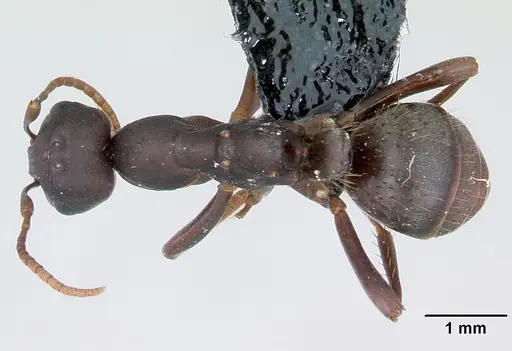
CASENT0173329
View on AntWeb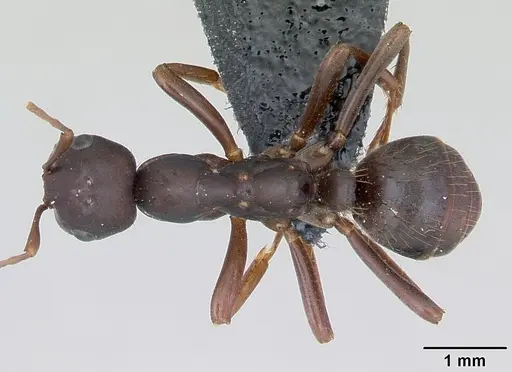
CASENT0173331
View on AntWeb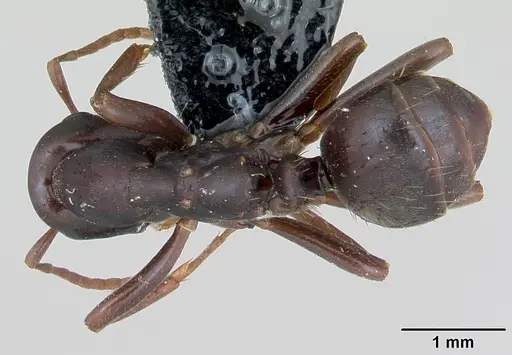
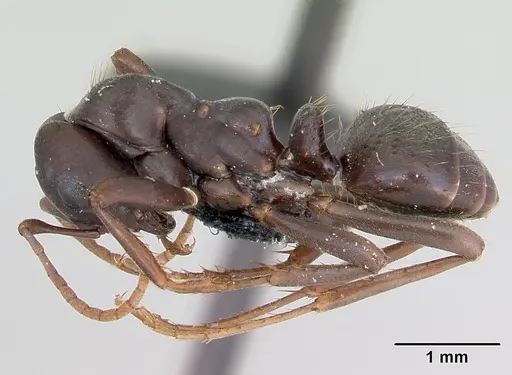
CASENT0173333
View on AntWeb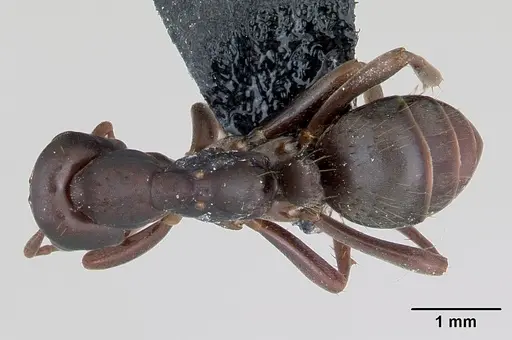
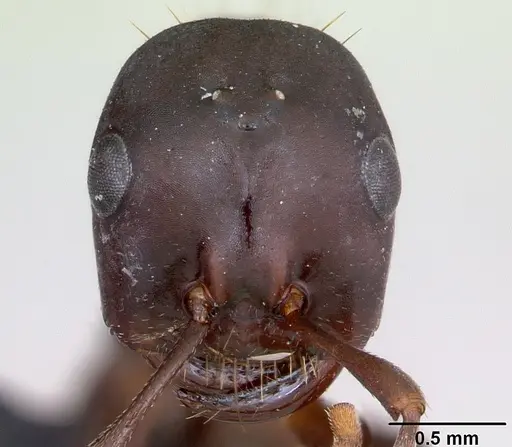
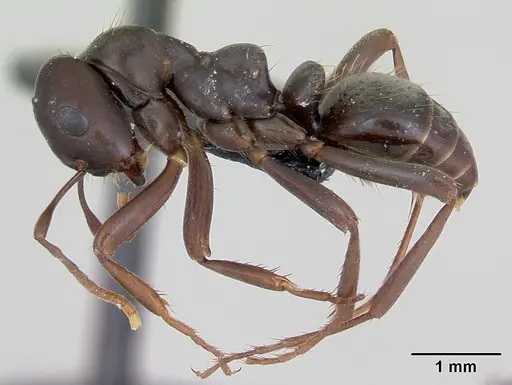
CASENT0173335
View on AntWeb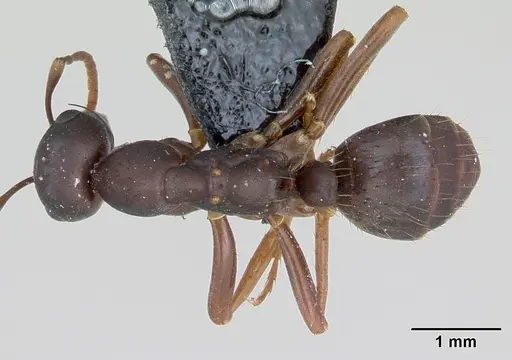
CASENT0173337
View on AntWeb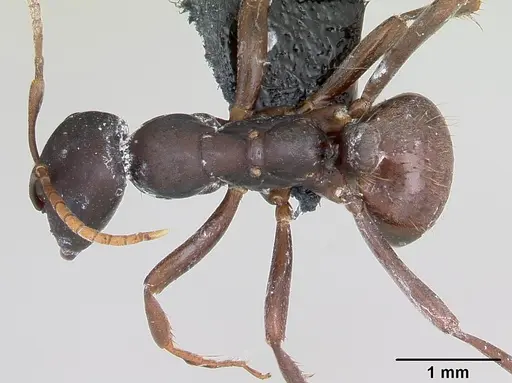
CASENT0173338
View on AntWeb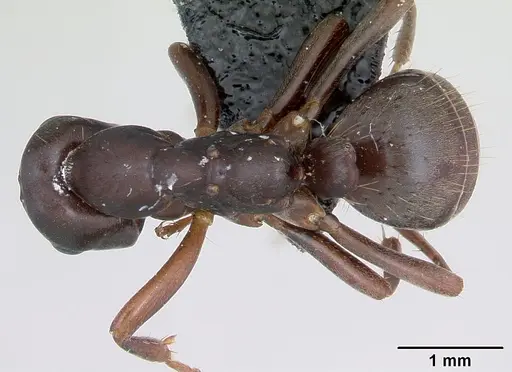
CASENT0173339
View on AntWeb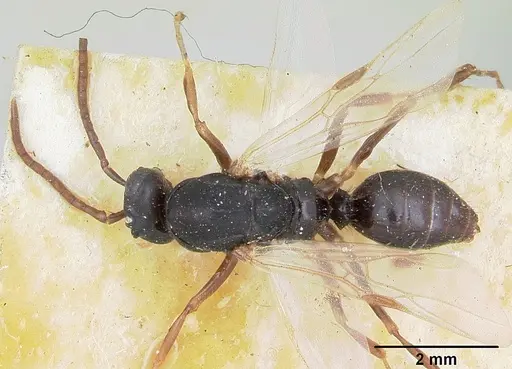
CASENT0173340
View on AntWeb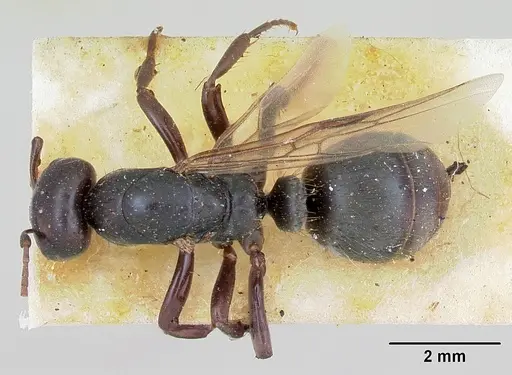
Literature
Loading...Loading products...