

Formica candida
- Scientific Name
- Formica candida
- Tribe
- Formicini
- Subfamily
- Formicinae
- Author
- Smith, 1878
- Distribution
- Found in 8 countries
Formica candida Overview
Formica candida is an ant species of the genus Formica. It is primarily documented in 8 countries , including China, India, Japan. Detailed taxonomic data and occurrence records can be further explored via authoritative databases such as AntWeb or the Global Biodiversity Information Facility (GBIF).
Formica candida
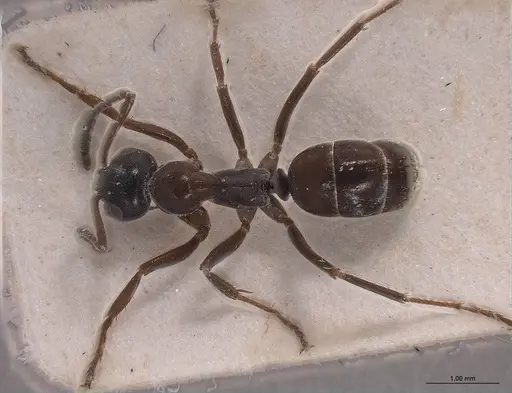
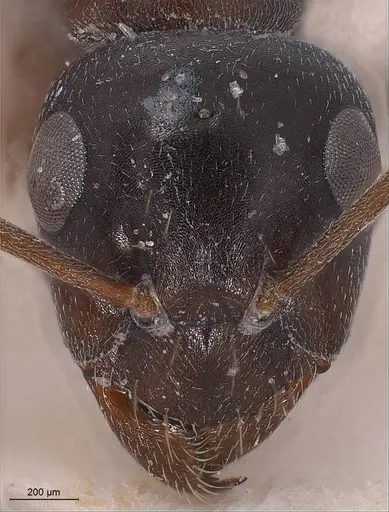
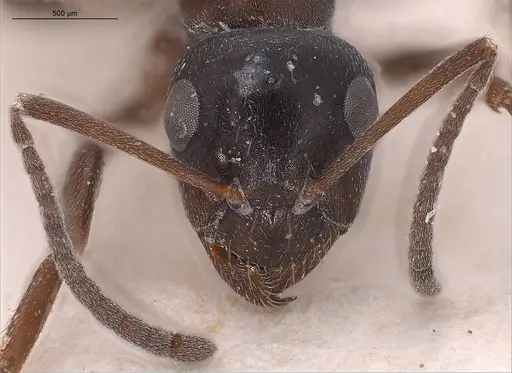
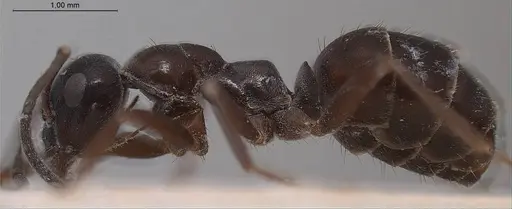
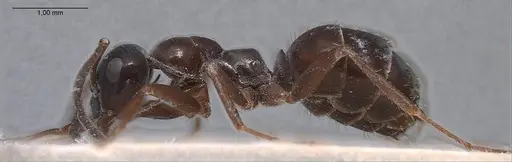
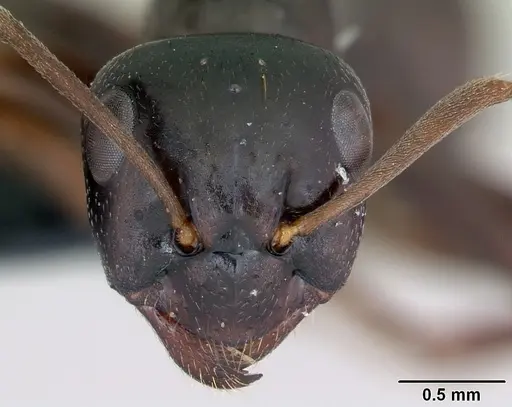
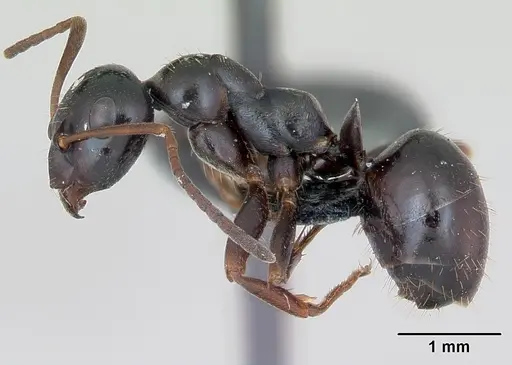
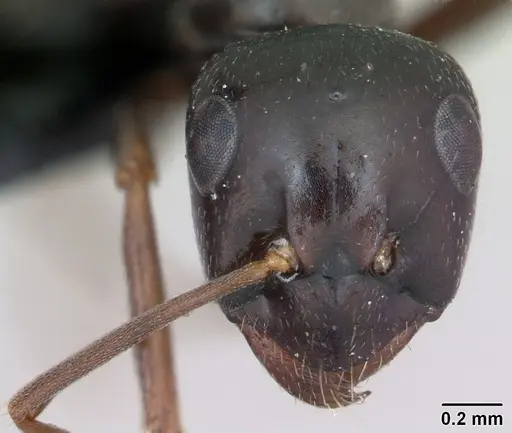
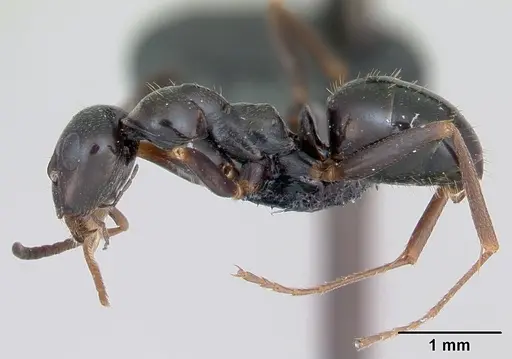
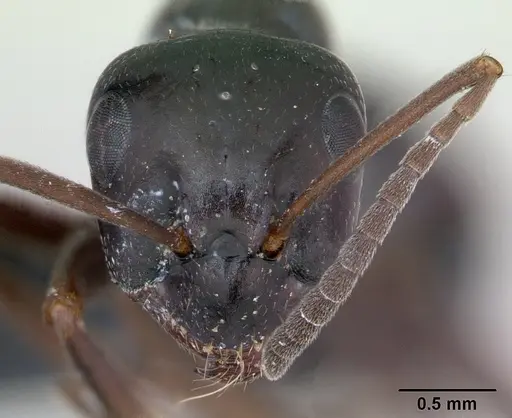
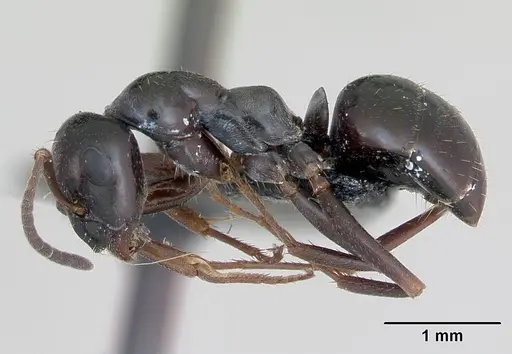
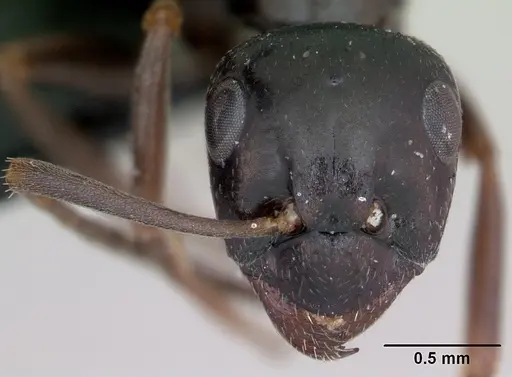
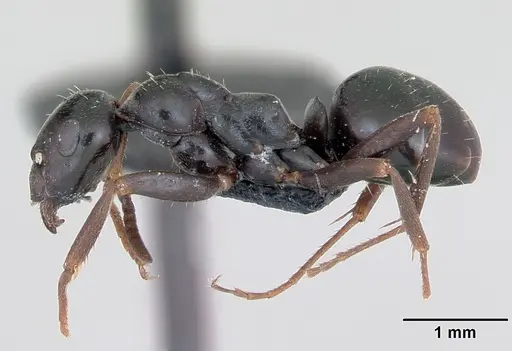
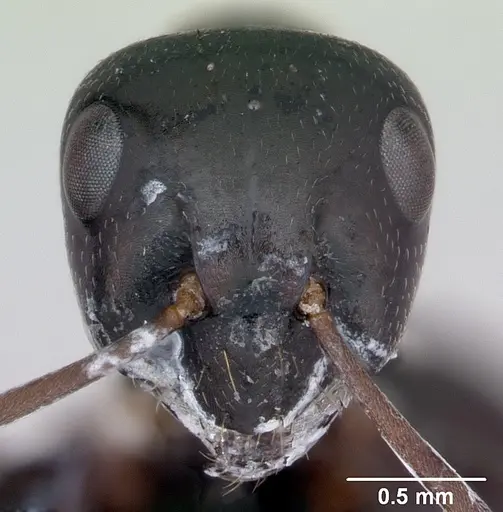
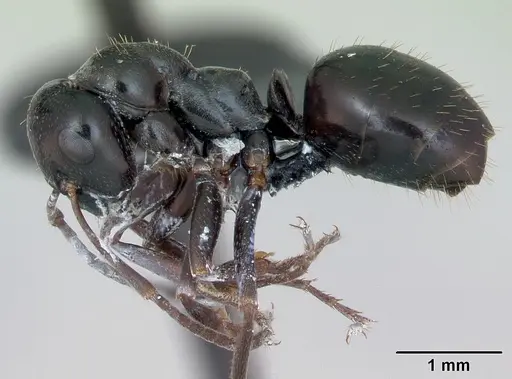
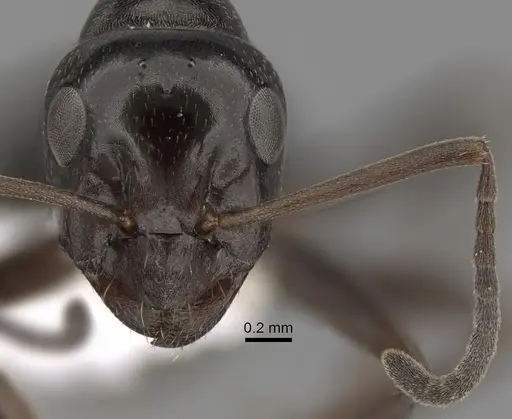
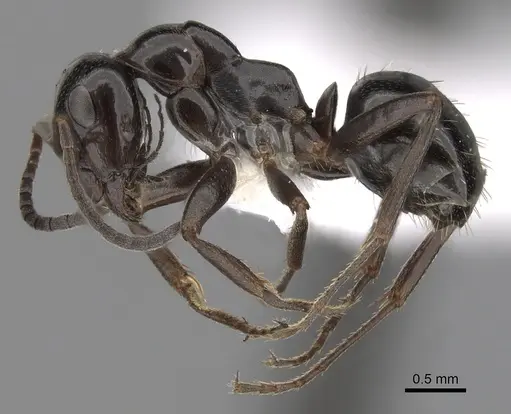
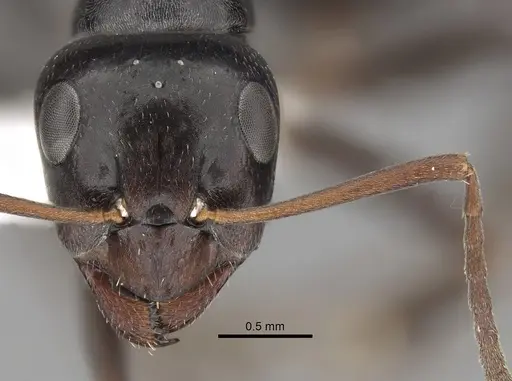
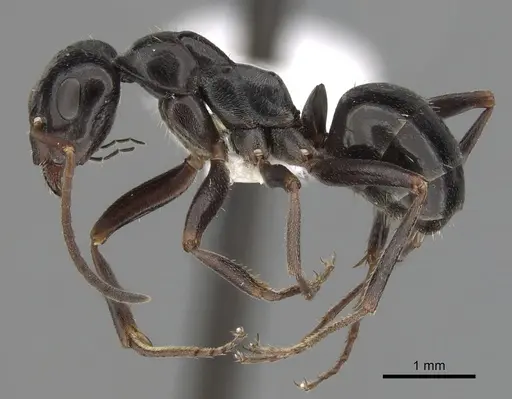
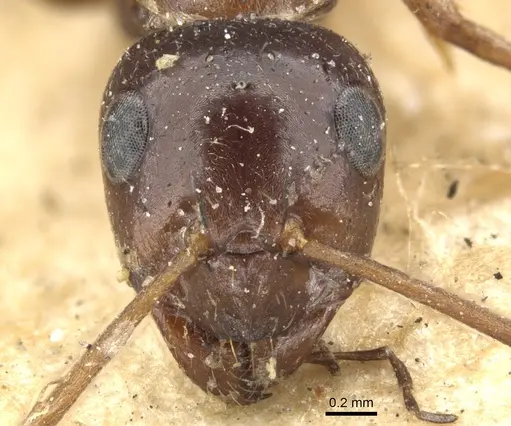
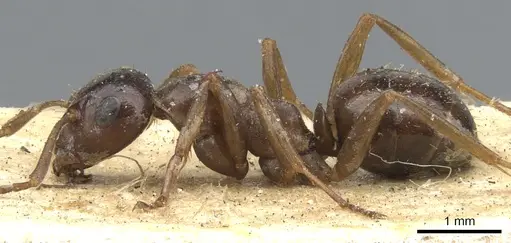
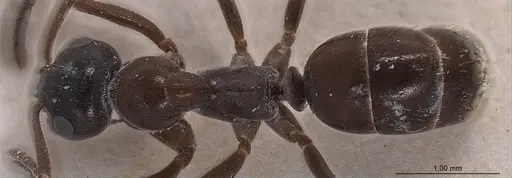
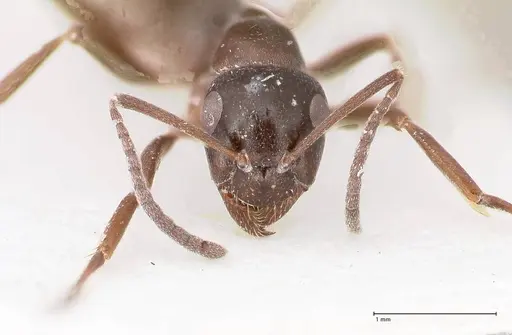
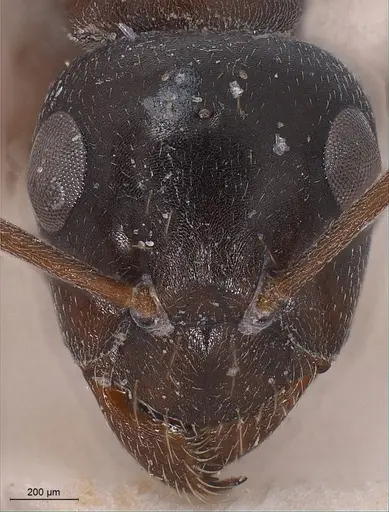
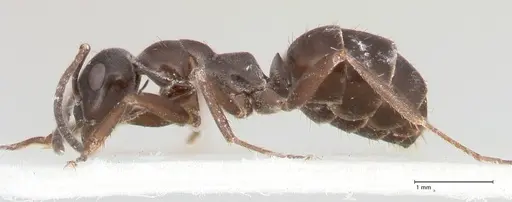
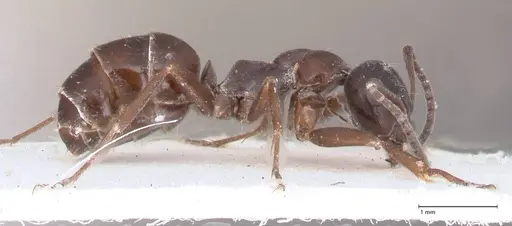
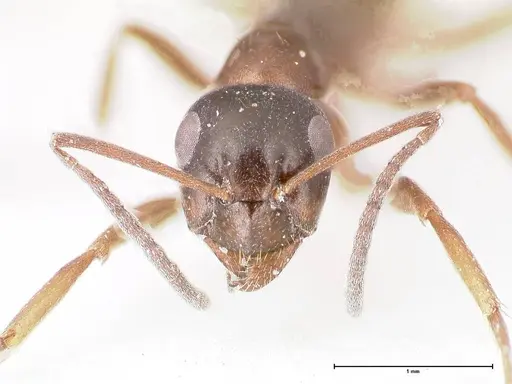
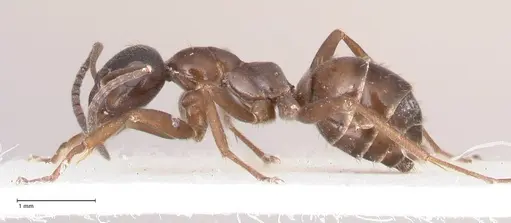
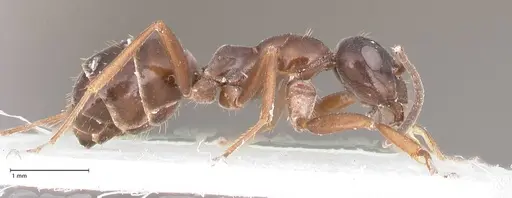
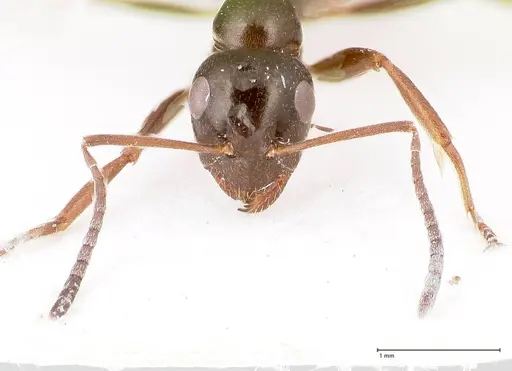
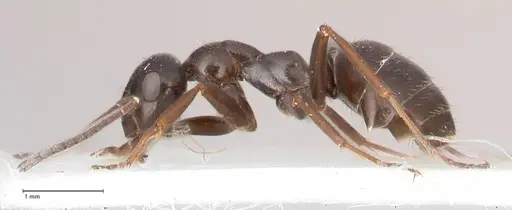
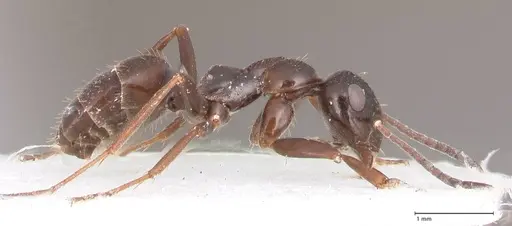
Formica candida is a small to medium-sized black ant belonging to the subgenus Serviformica. Workers measure 4-5.5mm and have a strikingly glossy black body with reduced pubescence, making them appear almost metallic compared to other Formica species [1]. They are distinguished by the sparse hairs on their abdomen and often have long white hairs on the underside of their head [1]. This species has a vast distribution across the Palaearctic region, from Western Europe through Central Asia to Japan, and is also found in parts of the Indomalaya region [2][3].
What makes F. candida special is its remarkable cold tolerance and preference for unusual habitats. Unlike most ants, they thrive in cold, damp environments like sphagnum peat bogs and high-altitude mountain meadows, even surviving temperatures as low as -27°C [4]. They are one of the highest-altitude ants in the Old World, recorded at elevations up to 4800m in the Himalayas [4]. Their colonies can have multiple queens (1-15), and they build distinctive nests with cones of dry grass and moss in tufts of vegetation [5][4].
Quick Summary
- Difficulty: Medium
- Origin & Habitat: Palaearctic region, found across Europe, Central Asia, Russia, China, Japan, Korea, and the Himalayas. In Europe they inhabit peat bogs and mountain meadows in relict post-glacial sites. In Asia they occupy continental grasslands and mountain steppes at elevations from 600-4700m [6][7][4].
- Colony Type: Multi-queen colonies (1-15 queens) with 500-2000 workers per nest [4]. Ground-nesting species that builds nests under stones or creates small mounds with grass cones [8][5].
- Colony: Polygyne
- Founding: Claustral
- Size & Growth:
- Queen: Estimated 7-9mm based on genus patterns (no direct measurement found)
- Worker: 4-5.5mm [1][4]
- Colony: 500-2000 workers [4], up to 1000 workers in typical colonies [9]
- Growth: Moderate, colonies reach several hundred workers
- Development: Estimated 6-8 weeks based on typical Formica development at warm summer temperatures (Sexual forms appear in August, nuptial flights occur in July-August in western Europe, October in Poland [4][5])
- Antkeeping:
- Temperature: Keep at room temperature (18-22°C) with a slight gradient. This is a cold-adapted species, avoid overheating. Room temperature is typically ideal, with a heating cable on one side of the nest only if room is below 18°C.
- Humidity: High humidity required, they naturally live in peat bogs and damp meadows. Keep the nest substrate consistently moist but not waterlogged. Provide a water tube for drinking water.
- Diapause: Yes, requires winter hibernation. They are extremely cold-tolerant and can withstand freezing temperatures. Keep colonies at 2-5°C during winter dormancy for 3-4 months, mimicking their natural cold habitat [4].
- Nesting: Ground-nesting species. Use a naturalistic setup with soil or a plaster/acrylic nest with a dirt chamber. They prefer nesting under stones or in grass tussocks in the wild, a test tube setup works for founding, but mature colonies need space to build nest structures with plant material [5][8].
- Behavior: Generally peaceful and not aggressive. Workers are active foragers that collect honeydew from aphids and hunt small insects. They are not known for stinging, their sting is mild if present. They are medium-sized ants, so escape prevention is straightforward (not tiny enough to squeeze through standard barriers). Workers show high fidelity to specific aphid colonies when collecting honeydew [10].
- Common Issues: colonies often fail if kept too warm, this is a cold-adapted species that prefers cool conditions, habitat drying is a common problem, they need consistently damp substrate to mimic peat bog conditions, slow growth compared to tropical ants may frustrate beginners expecting rapid colony development, wild-caught colonies may have parasites or be stressed from relocation, multi-queen colonies can be sensitive to disturbance during founding, queens may need space to establish without fighting
Housing and Nest Setup
Formica candida is a ground-nesting species that naturally builds nests under stones or creates small mounds with cones of dry grass and moss in tufts of vegetation [5][8]. For captive care, a naturalistic setup works best, use a formicarium with a dirt chamber or a plaster nest with a soil area. The nest should have a moisture reservoir to keep the substrate consistently damp. These ants prefer cool, stable conditions, so avoid placing the nest in direct sunlight or near heat sources. A test tube setup works for queen founding, but established colonies need more space for their characteristic mound-building behavior. Provide some sort of cover or darkening material in the outworld since they prefer foraging in shaded areas.
Feeding and Diet
Like most Formica species, F. candida is a versatile feeder. In the wild, workers collect honeydew from aphids and hunt small insects [10][9]. They show high fidelity to specific aphid colonies, returning to the same food sources repeatedly [10]. In captivity, offer a varied diet: sugar water or honey as an energy source, and protein sources like small insects (fruit flies, small crickets, mealworms). They will also accept honeydew if you keep aphid colonies. Feed protein 2-3 times per week and keep a sugar source available at all times. Small prey items are best, these are not large ants and cannot tackle big insects.
Temperature and Seasonal Care
This is a cold-adapted species that naturally inhabits high latitudes and high altitudes with harsh winters. Keep colony temperatures moderate, room temperature (18-22°C) is ideal. They can tolerate temperatures down to near freezing and have been recorded surviving -27°C in the wild [4]. Avoid overheating, temperatures above 25°C may stress colonies. During winter, provide a diapause period of 3-4 months at 2-5°C. This mimics their natural cycle and is important for colony health. Place the nest in a cool location or use a refrigerator for winter storage if your room temperature stays too warm. They are one of the most cold-tolerant ant species, so don't be alarmed if they survive brief cold exposure.
Colony Structure and Multi-Queen Dynamics
F. candida is polygynous, meaning colonies typically have multiple queens (1-15 per nest) [4]. This is unusual among Formica and affects how you might start a colony. Multiple queens can coexist peacefully, which may lead to faster colony growth. Worker counts reach 500-2000 per mature colony [4]. Sexual forms (alates) appear in August, with nuptial flights occurring from July to October depending on location [4][5]. When collecting wild colonies, you may find multiple queens, this is normal for this species and they can be kept together.
Humidity and Moisture Needs
As a species that naturally inhabits peat bogs and damp meadows, F. candida requires high humidity. Keep the nest substrate consistently moist but not waterlogged, think damp forest floor, not soggy swamp. The substrate should feel damp to the touch. Provide a water tube or small water dish in the outworld for drinking. Good ventilation is important to prevent mold while maintaining humidity. If you see condensation constantly forming on the nest walls, that's ideal. If the substrate dries out, workers may become sluggish or the brood may develop poorly. [5][4]
Frequently Asked Questions
Can I keep Formica candida in a test tube?
Yes, test tubes work well for founding colonies. Queen will seal herself in and raise the first workers (claustral founding). Once the colony reaches 20-30 workers, consider moving them to a larger setup with soil or a naturalistic formicarium to allow for their natural mound-building behavior.
How long until first workers appear?
Expect 6-8 weeks from egg to first worker at typical room temperature (around 20°C). This is typical for Formica species. The queen will remain sealed in her chamber while raising the first brood on her stored fat reserves.
Are Formica candida good for beginners?
They are moderate difficulty, not the easiest but not challenging. Their cold-temperature needs and humidity requirements are specific but manageable. The main challenge is providing proper winter hibernation and keeping the habitat appropriately damp. If you can maintain cool, stable conditions and provide winter diapause, they are rewarding ants to keep.
Can I keep multiple queens together?
Yes, this is normal for the species. F. candida is polygynous with 1-15 queens per colony in the wild [4]. Multiple queens can coexist and may speed up colony growth. Unlike some species where queens fight, these queens typically tolerate each other.
Do Formica candida need hibernation?
Yes, they require a winter diapause period of 3-4 months at 2-5°C. This is essential for their health and mimics their natural cold habitat. They are extremely cold-tolerant and can even withstand brief freezing. Without proper hibernation, colonies may become stressed and have reduced lifespan.
What do Formica candida eat?
They are omnivorous like most Formica ants. Offer sugar sources (honey water, sugar water) for energy and protein sources (small insects like fruit flies, pinhead crickets, mealworms). They also collect honeydew from aphids in the wild, so they may accept aphid colonies if present.
How big do Formica candida colonies get?
Mature colonies reach 500-2000 workers [4]. Growth is moderate, expect a few hundred workers in the first year under good conditions. They are not among the largest Formica species but can still form substantial colonies.
Why are my Formica candida dying?
Common causes include: too warm temperatures (keep below 25°C), dried-out substrate (they need constant moisture), improper hibernation (they need winter rest at 2-5°C for months), or stress from relocation. These are cold-adapted, moisture-loving ants, if your setup is too dry or too warm, colonies will struggle.
When to move to a formicarium?
Move from test tube to a larger setup when the colony reaches 20-30 workers or when the test tube becomes dirty. A naturalistic setup with soil chambers works best for this ground-nesting species.
References

This caresheet is licensed under CC BY-SA 4.0 .
ANTWEB1008387
View on AntWeb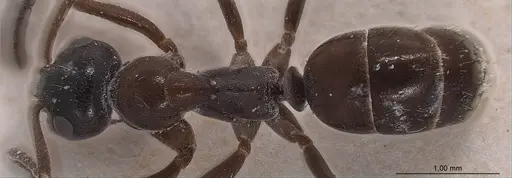
CASENT0173328
View on AntWeb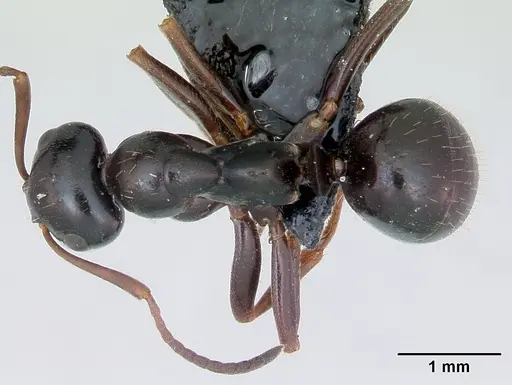
CASENT0173330
View on AntWeb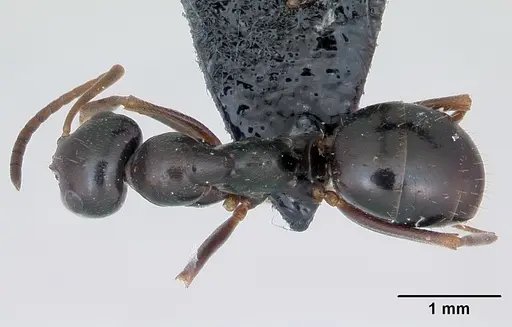
CASENT0173332
View on AntWeb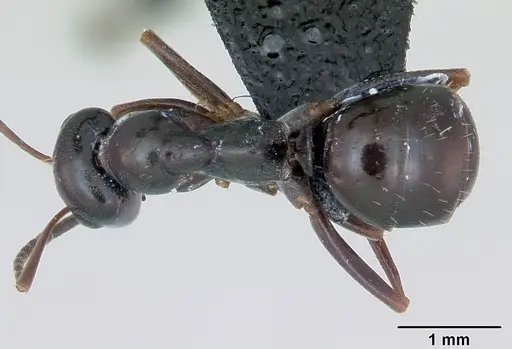
CASENT0173334
View on AntWeb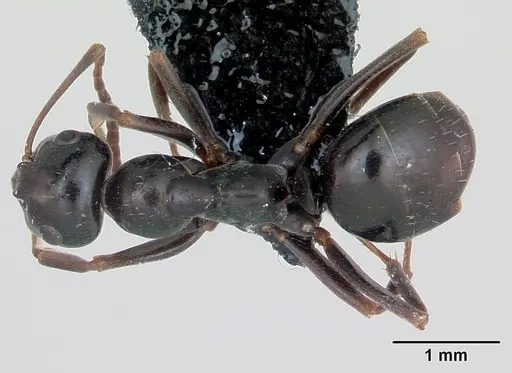
CASENT0173336
View on AntWeb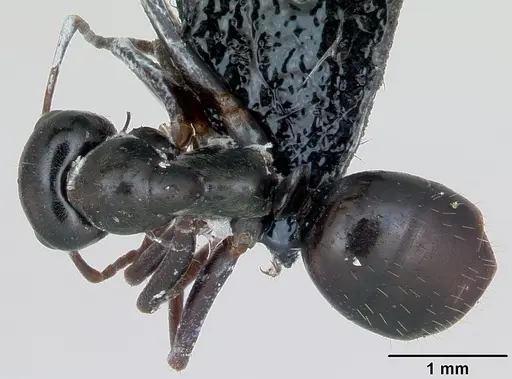
CASENT0280379
View on AntWeb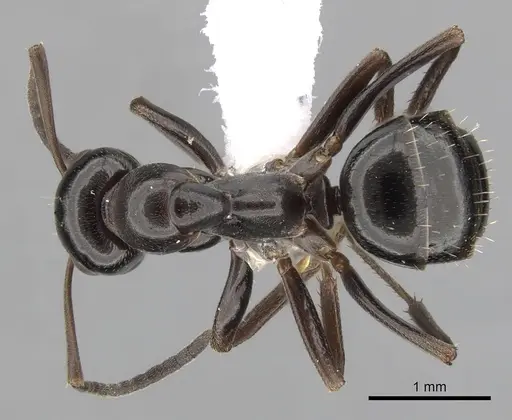
CASENT0280380
View on AntWeb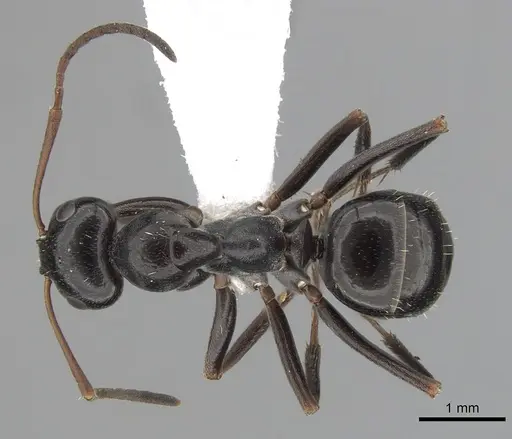
CASENT0903272
View on AntWeb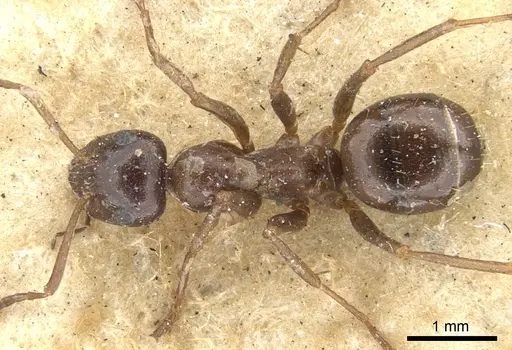
FOCOL0760-1
View on AntWeb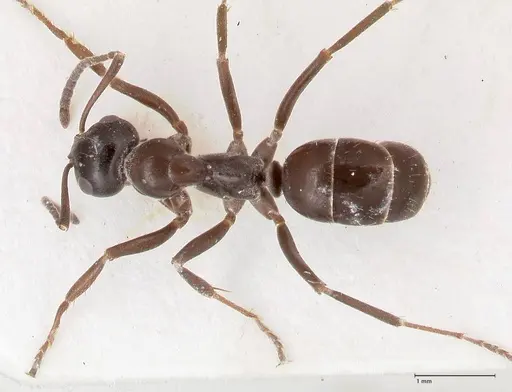
FOCOL0760-2
View on AntWeb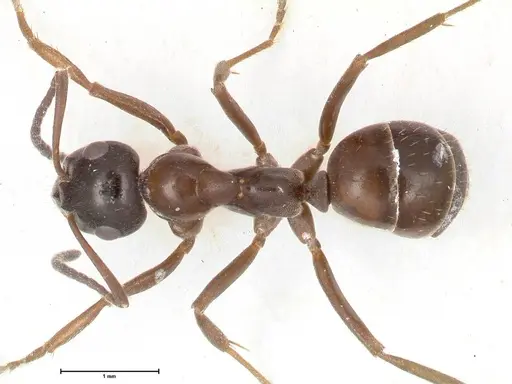
FOCOL0760-3
View on AntWeb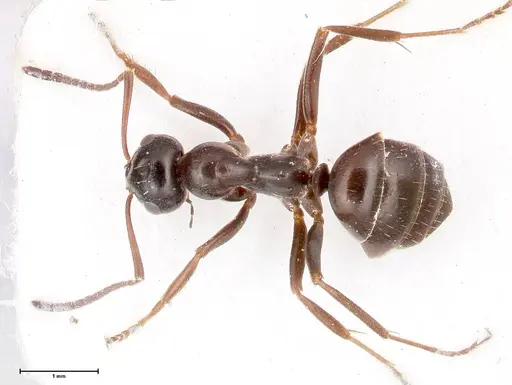
Literature
Loading...Loading products...